


Technology Wars Between Superpowers
Introduction: The New Battlefield Is Technology
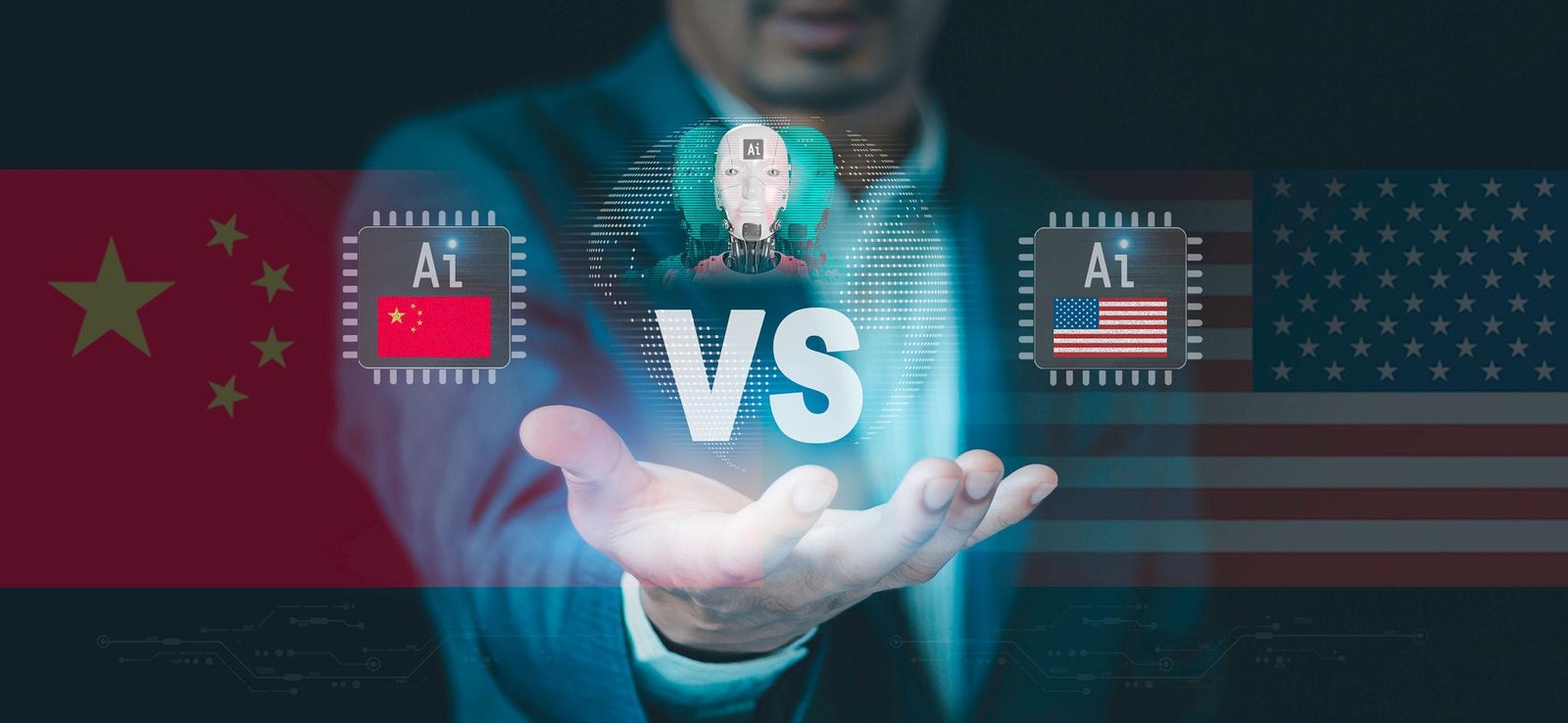
In the past, global power was decided by military strength and natural resources. Today, the real competition is happening in technology. Superpowers like the United States, China, and others are locked in a race to dominate areas like artificial intelligence, semiconductors, and digital infrastructure.
This modern conflict is often called a technology war—a battle not fought with weapons, but with innovation, data, and control over future industries.
1. What Are Technology Wars?
Definition
Technology wars refer to competition between countries to dominate:
- Advanced technologies
- Digital infrastructure
- Innovation ecosystems
Why It Matters
- Controls economic growth
- Shapes global influence
- Impacts national security
2. Key Players in the Global Tech Race
United States
- Leader in software, AI, and innovation
- Home to major tech companies (Google, Apple, Microsoft)
China
- Strong in manufacturing and hardware
- Rapid progress in AI and 5G
European Union
- Focus on regulation and data privacy
- Strong research and development
Other Emerging Players
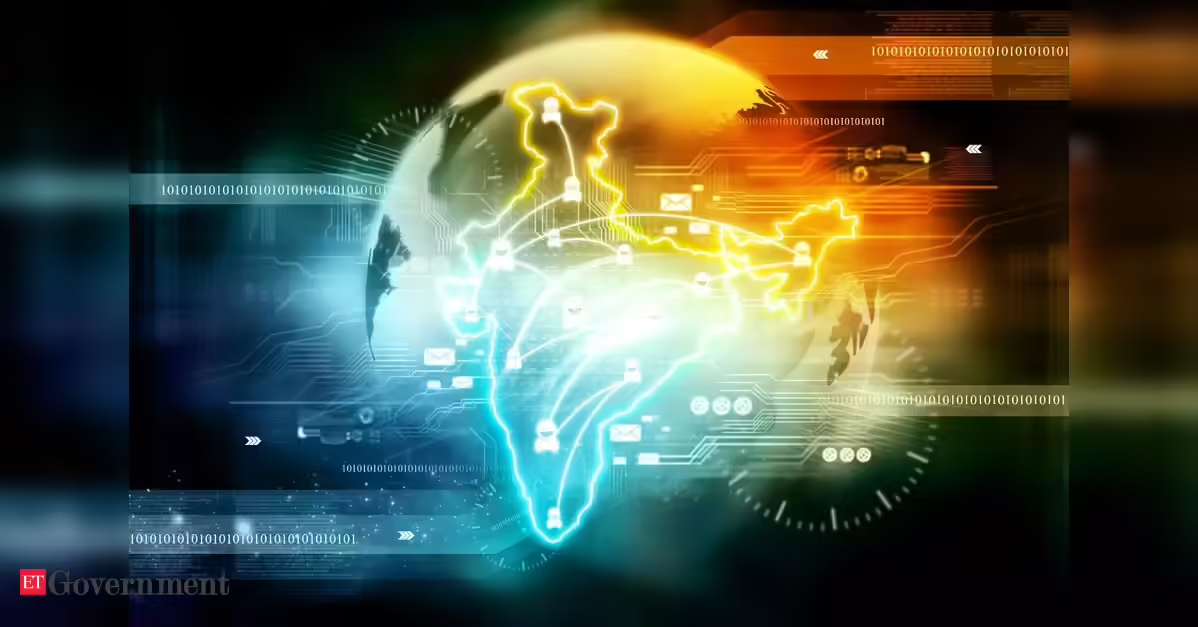
- India (IT services, startups)
- South Korea (electronics, semiconductors)
3. Key Areas of Technology Competition
1. Artificial Intelligence (AI)
- Automation and data analysis
- Military and economic applications
2. Semiconductors
- Essential for all modern electronics
- Control over chip supply = global power
3. 5G and Communication Networks
- Faster connectivity
- Backbone of digital economies
4. Quantum Computing
- Future of computing power
- Potential to revolutionize industries
4. The Role of Data and Digital Control
Data as the New Resource
Data is often called the new oil because it fuels:
- AI systems
- Business decisions
- Digital services
Why Control Matters
- Countries want control over data flows
- Cybersecurity becomes critical
5. Trade Restrictions and Tech Sanctions
What Are Tech Sanctions?
Governments limit:
- Export of advanced technology
- Access to critical components
Example
Restrictions on semiconductor exports can slow a country’s tech growth.
Impact
- Disrupted supply chains
- Increased competition
- Slower innovation in some regions
6. Economic Impact of Technology Wars
Positive Effects
- Faster innovation
- Growth of new industries
- Job creation in tech sectors
Negative Effects
- Market instability
- Higher costs
- Global tensions
7. Cyber Warfare and Digital Security
New Type of Conflict
- Cyber attacks on infrastructure
- Data breaches
- Digital espionage
Why It Matters
- Affects national security
- Disrupts economies
- Targets critical systems
8. The Future of Technology Wars
What to Expect
- Increased competition in AI and quantum computing
- Expansion of digital economies
- More focus on self-reliance in technology
Possible Outcomes
- New global tech leaders
- Fragmented digital ecosystems
- Greater innovation
9. Can Cooperation Replace Competition?
Global Collaboration
- Joint research projects
- International tech agreements
Challenges
- Trust issues
- Political tensions