


Safe Assets During Economic Crisis
Introduction
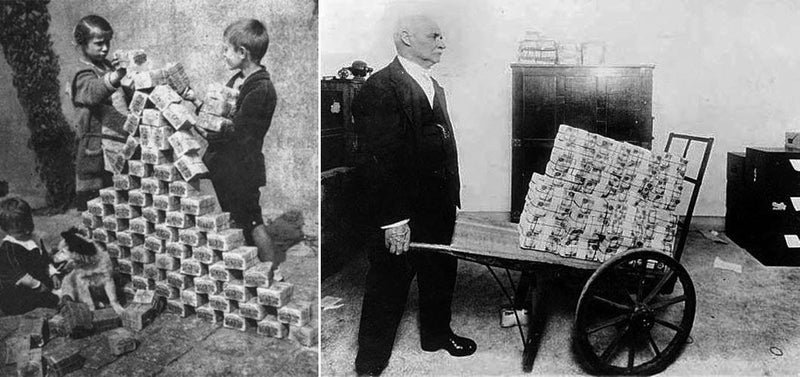
During economic crises, protecting wealth becomes more important than chasing high returns. Market volatility, inflation, and uncertainty can reduce the value of risky investments. That’s why investors often move toward safe assets—investments that hold value or provide stability during difficult times. Understanding these options can help reduce risk and maintain financial security.
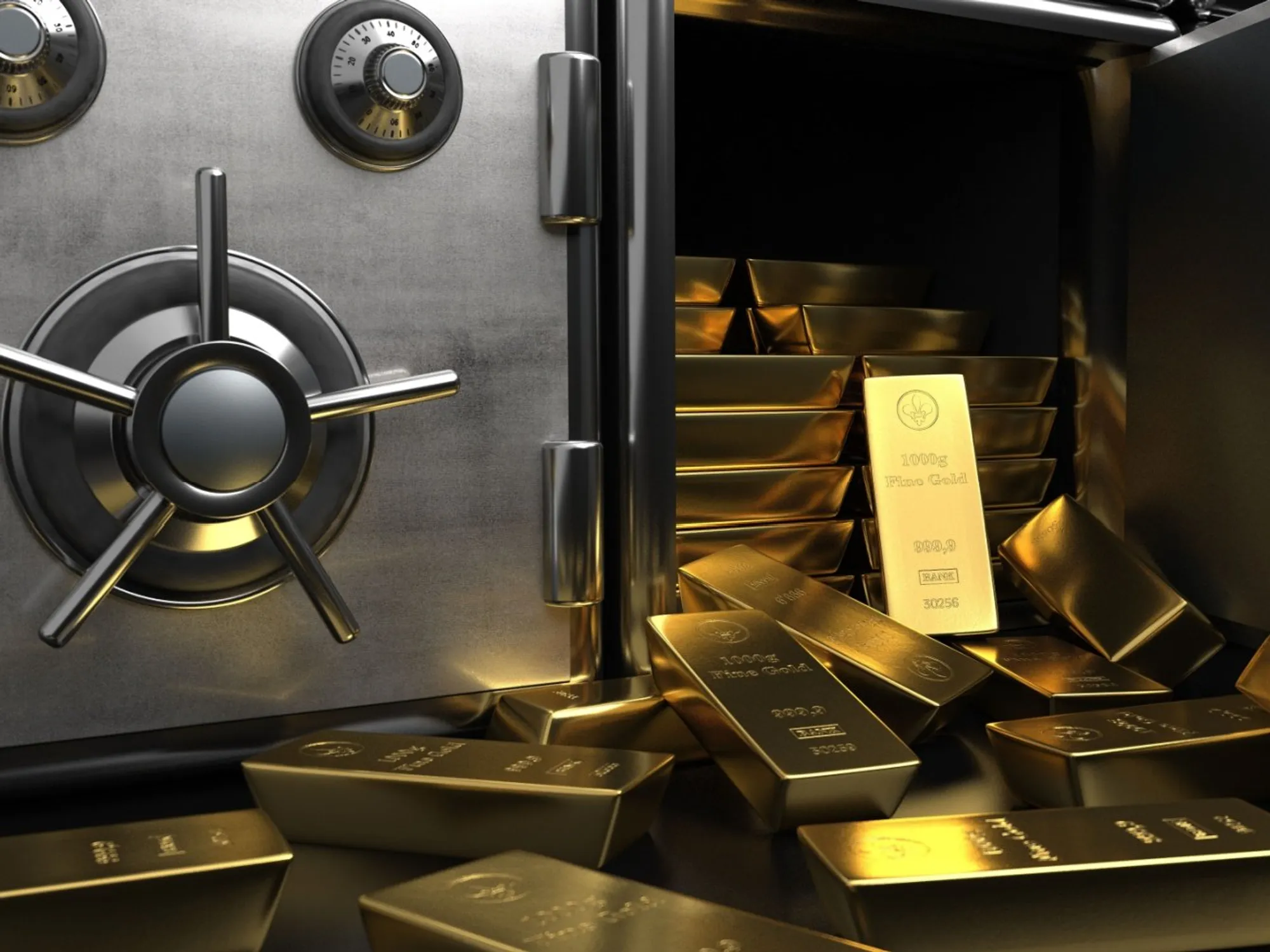
Gold and Precious Metals
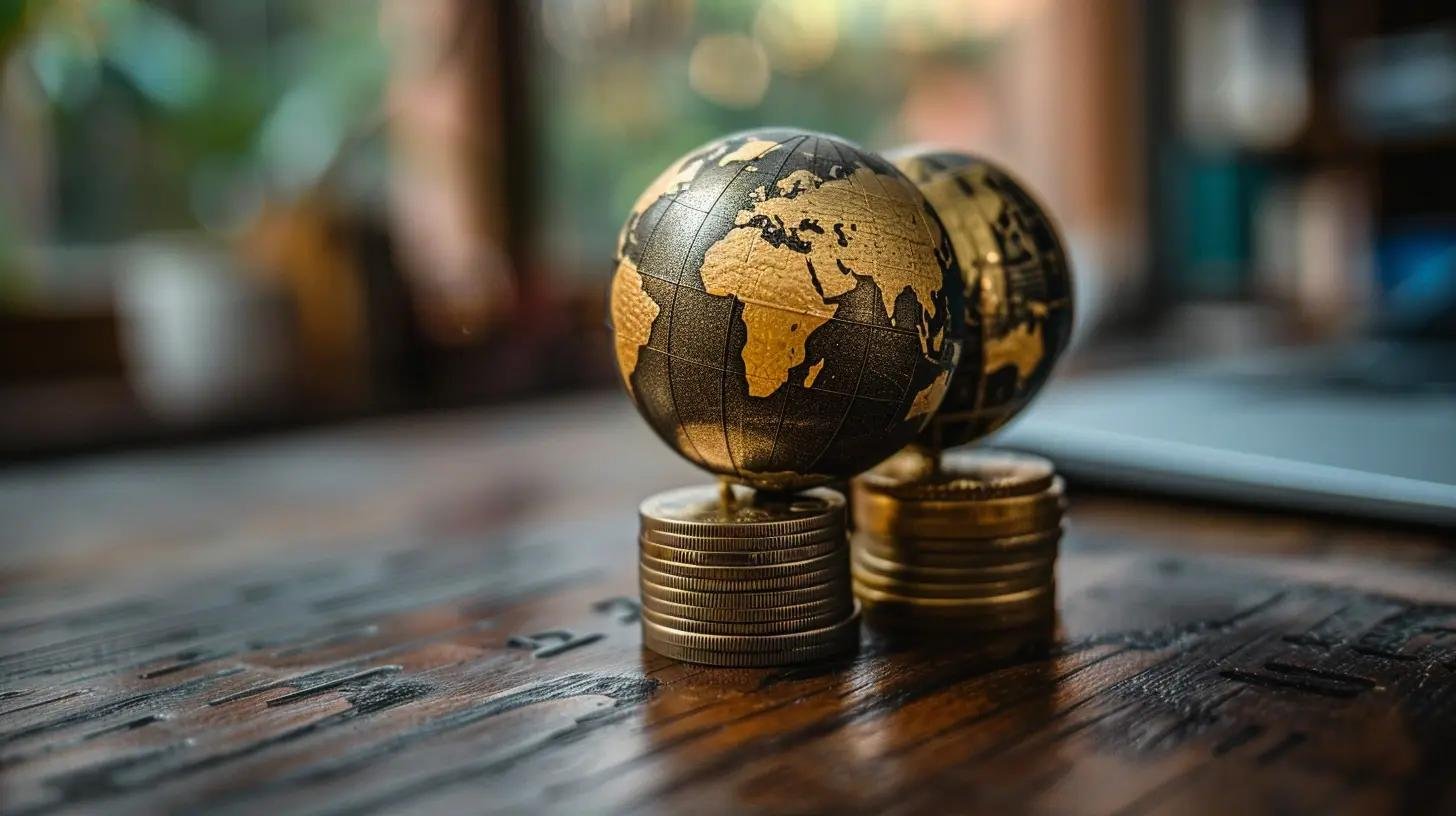
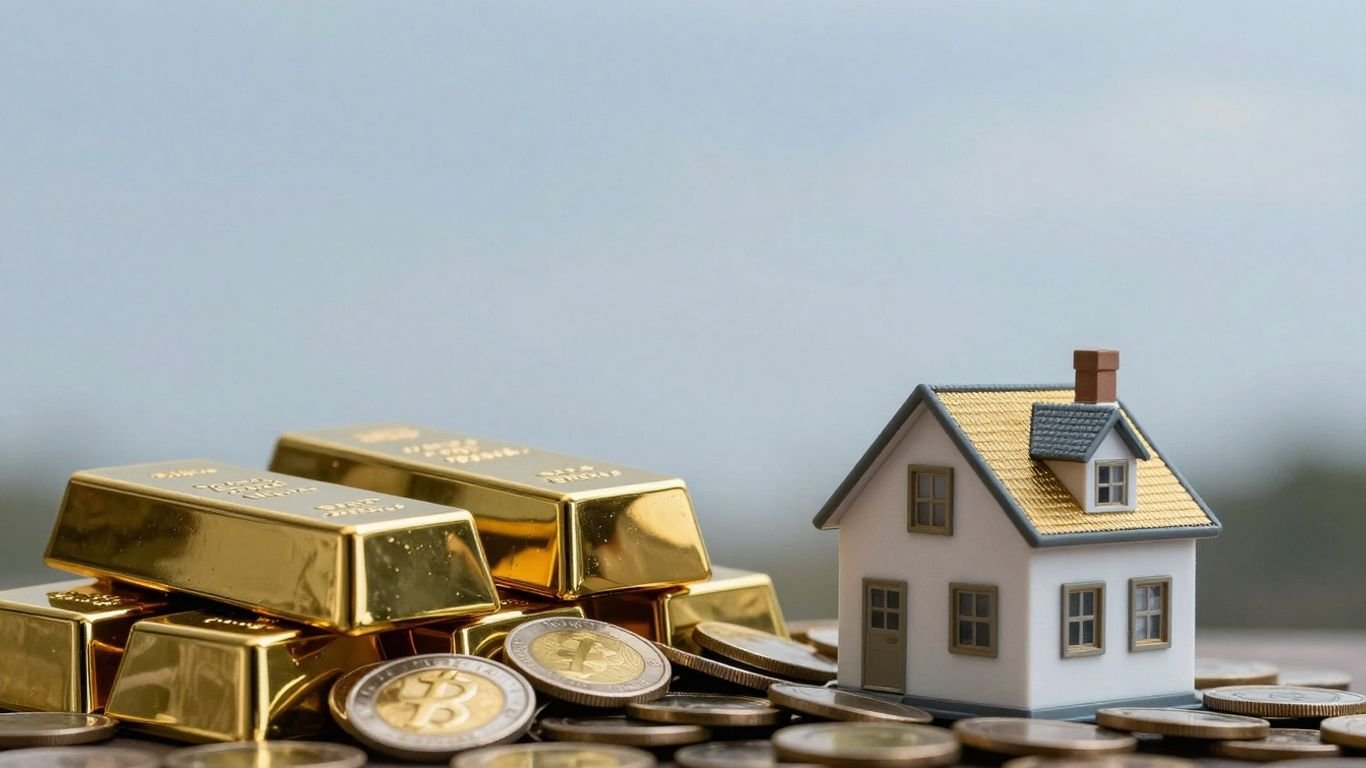
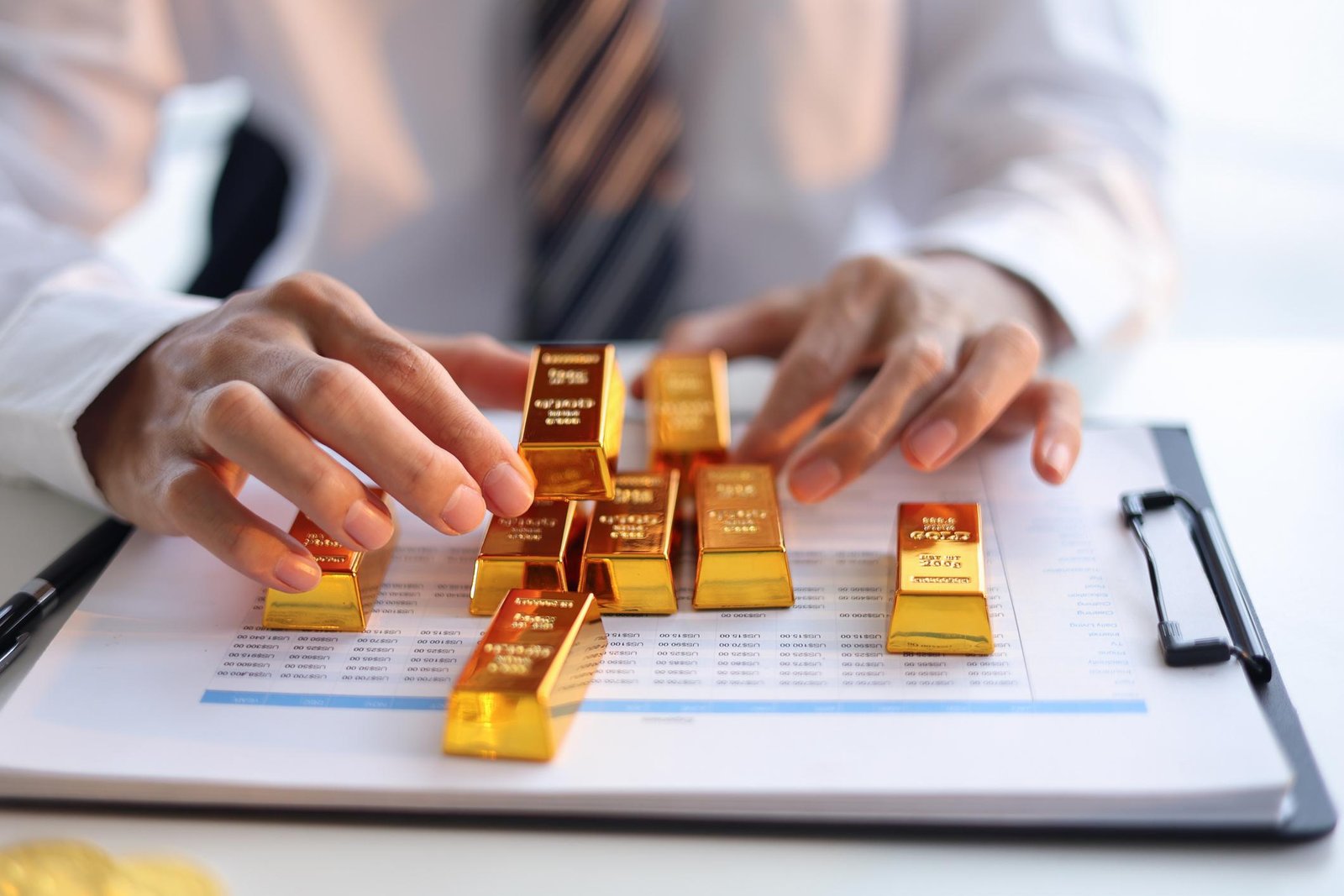
Gold is one of the most trusted safe-haven assets. It tends to retain value during inflation, currency devaluation, and financial crises.
Why investors choose gold:
- Hedge against inflation
- Strong store of value
- High global demand
- Liquidity in global markets
Silver and other metals also offer diversification benefits.
Government Bonds and Fixed Income
Government bonds, especially from stable countries, are considered low-risk investments. They provide steady income and capital preservation.
Benefits:
- Predictable returns
- Lower risk compared to stocks
- Backed by governments
- Suitable for conservative investors
However, returns may be lower compared to riskier assets.
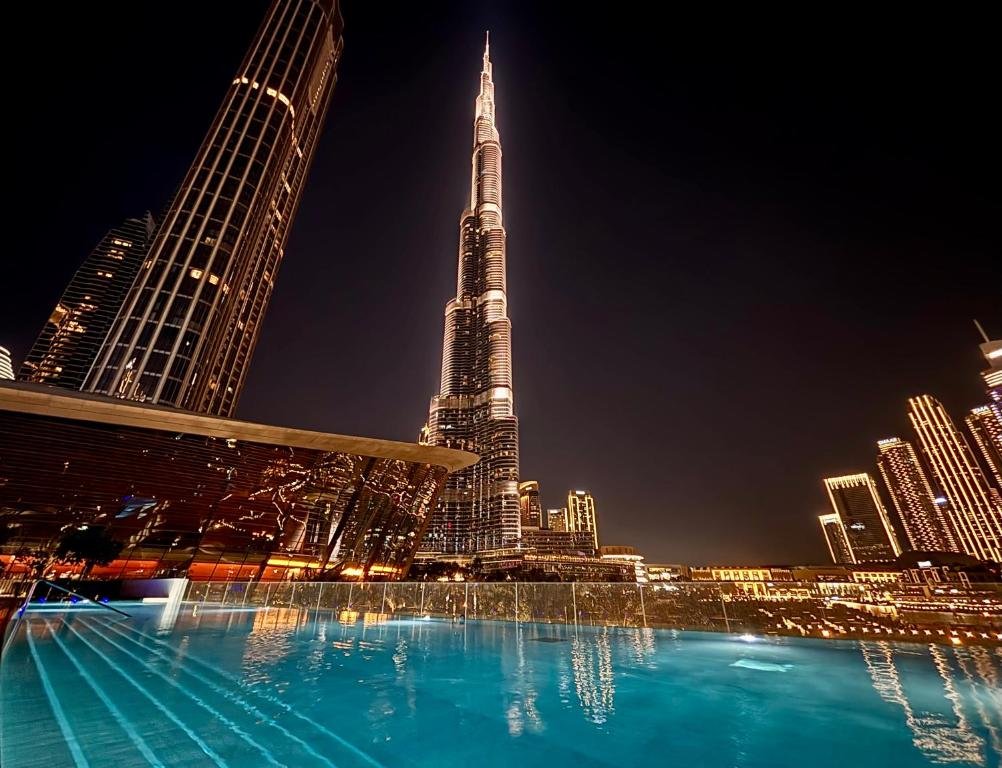
Real Estate in Prime Locations
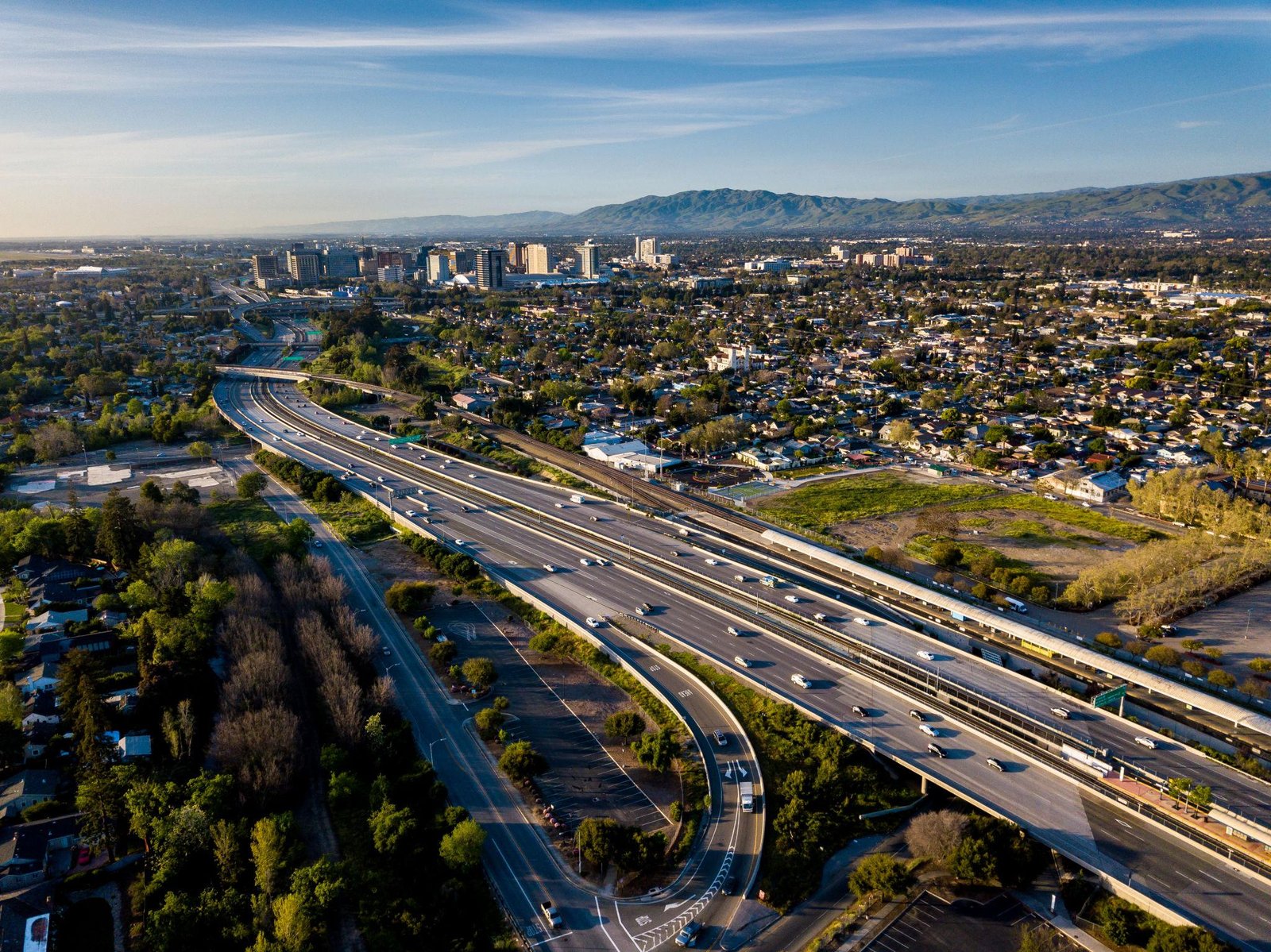
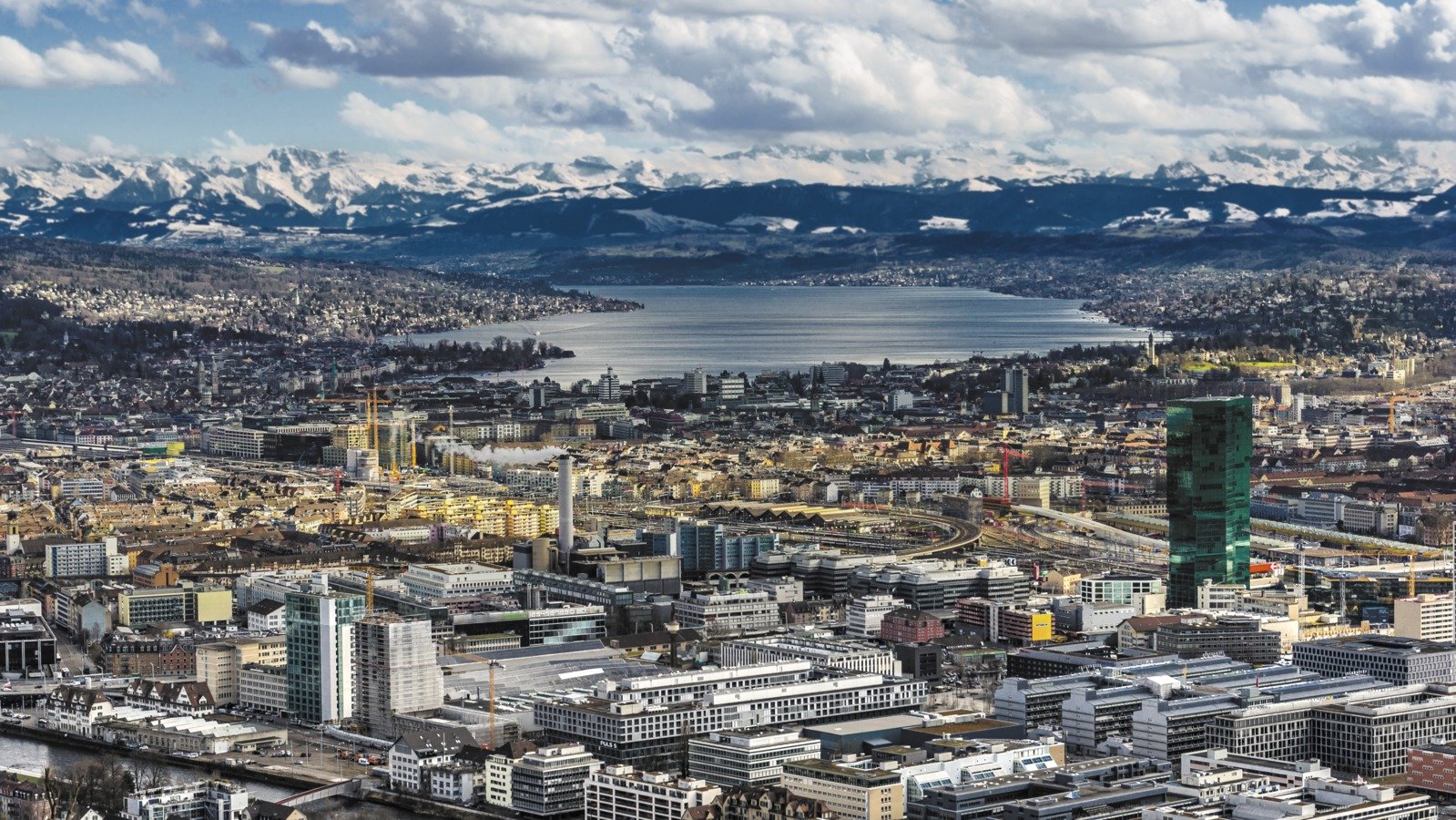
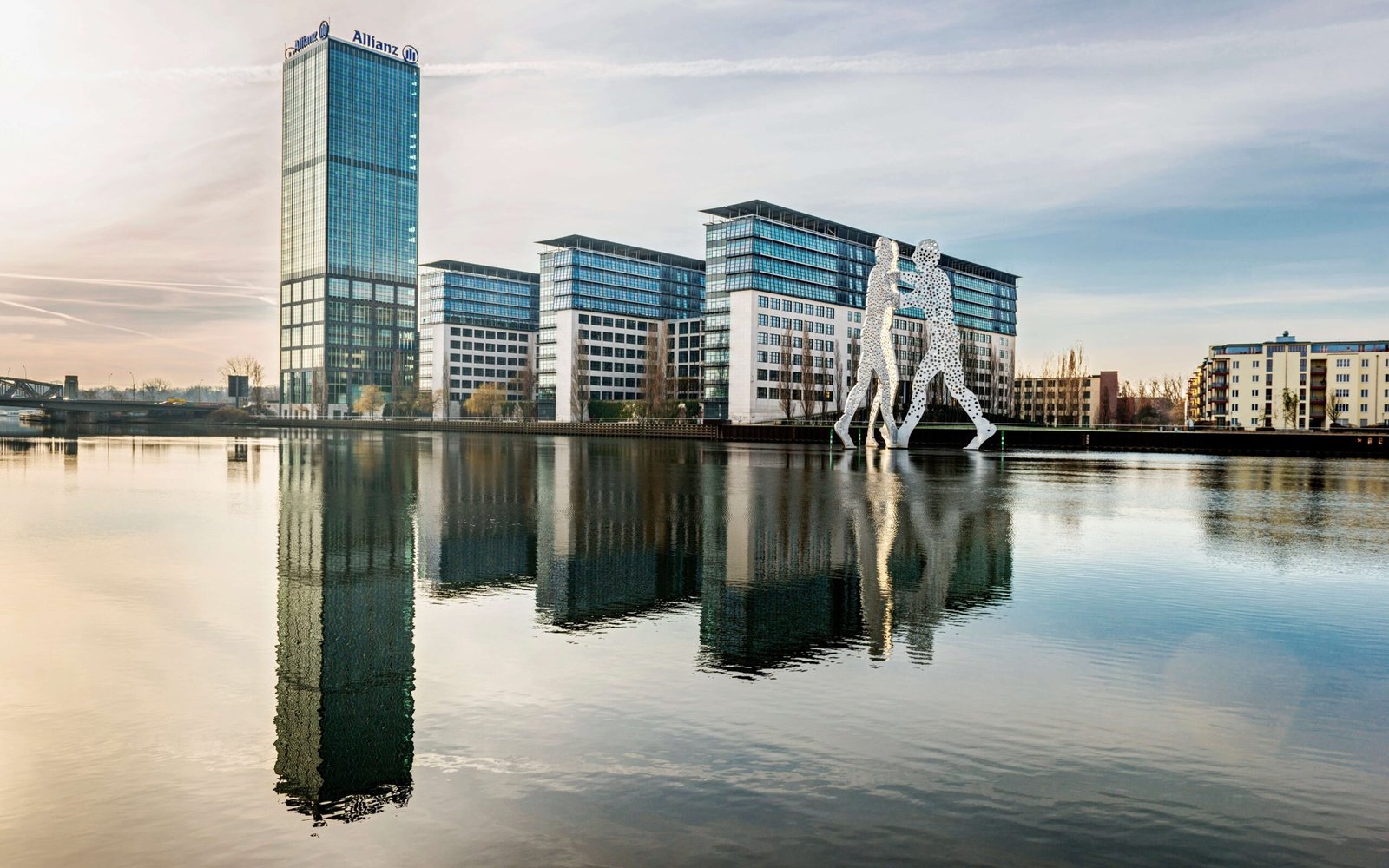
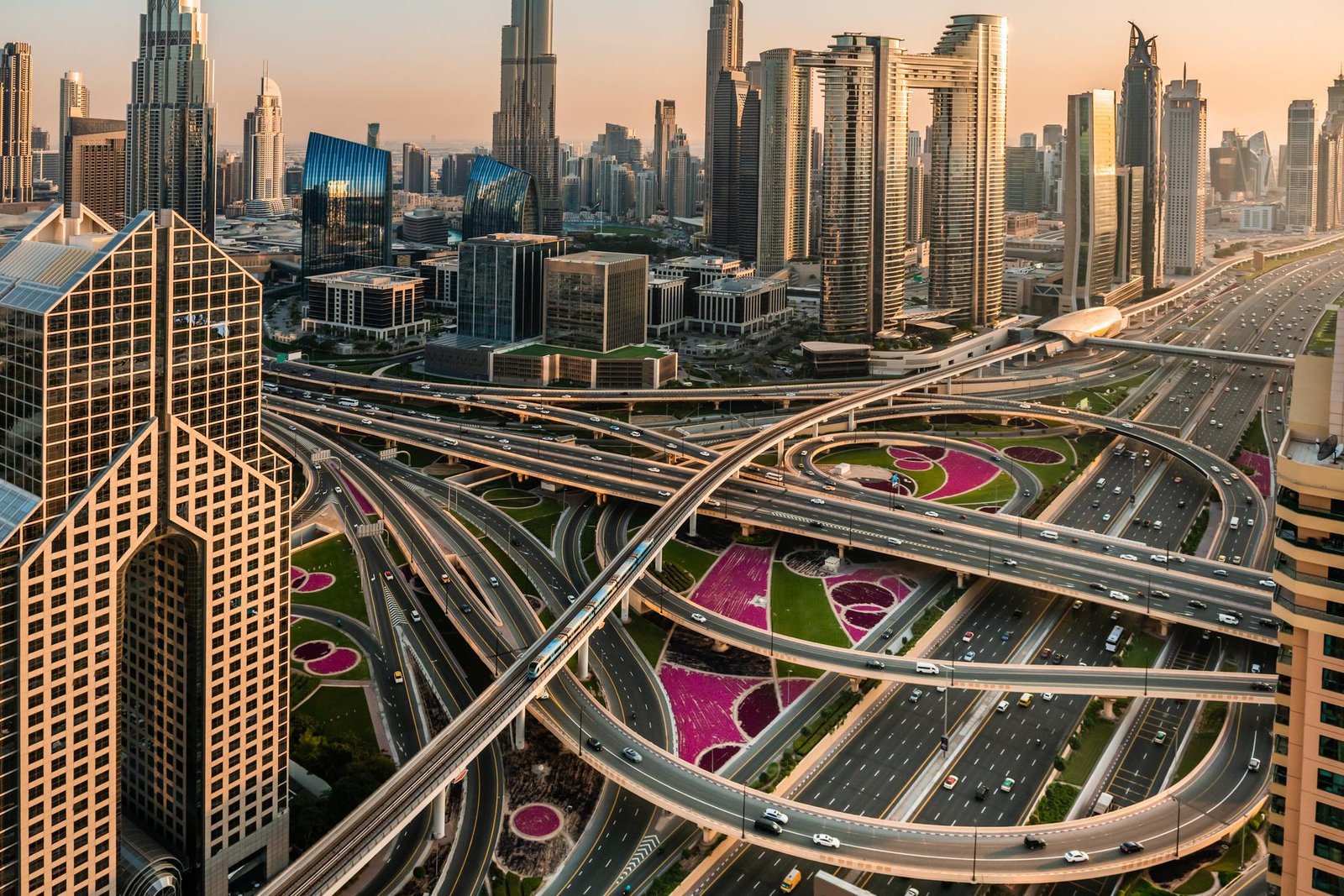
Real estate in strong locations can remain stable even during economic downturns. Properties in major cities or high-demand areas often retain value and generate rental income.
Key advantages:
- Tangible asset
- Rental income potential
- Long-term appreciation
- Hedge against inflation
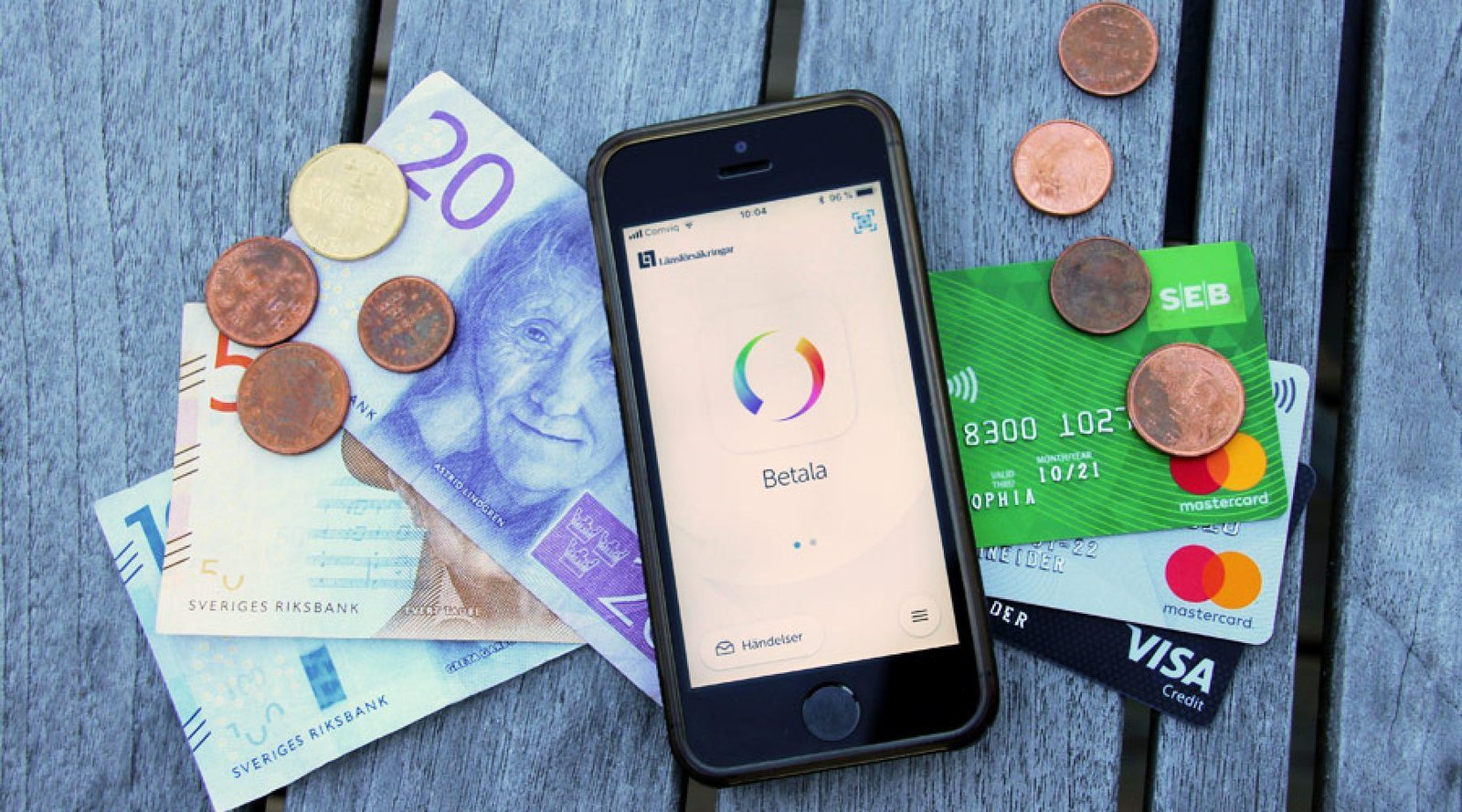
Cash and Cash Equivalents
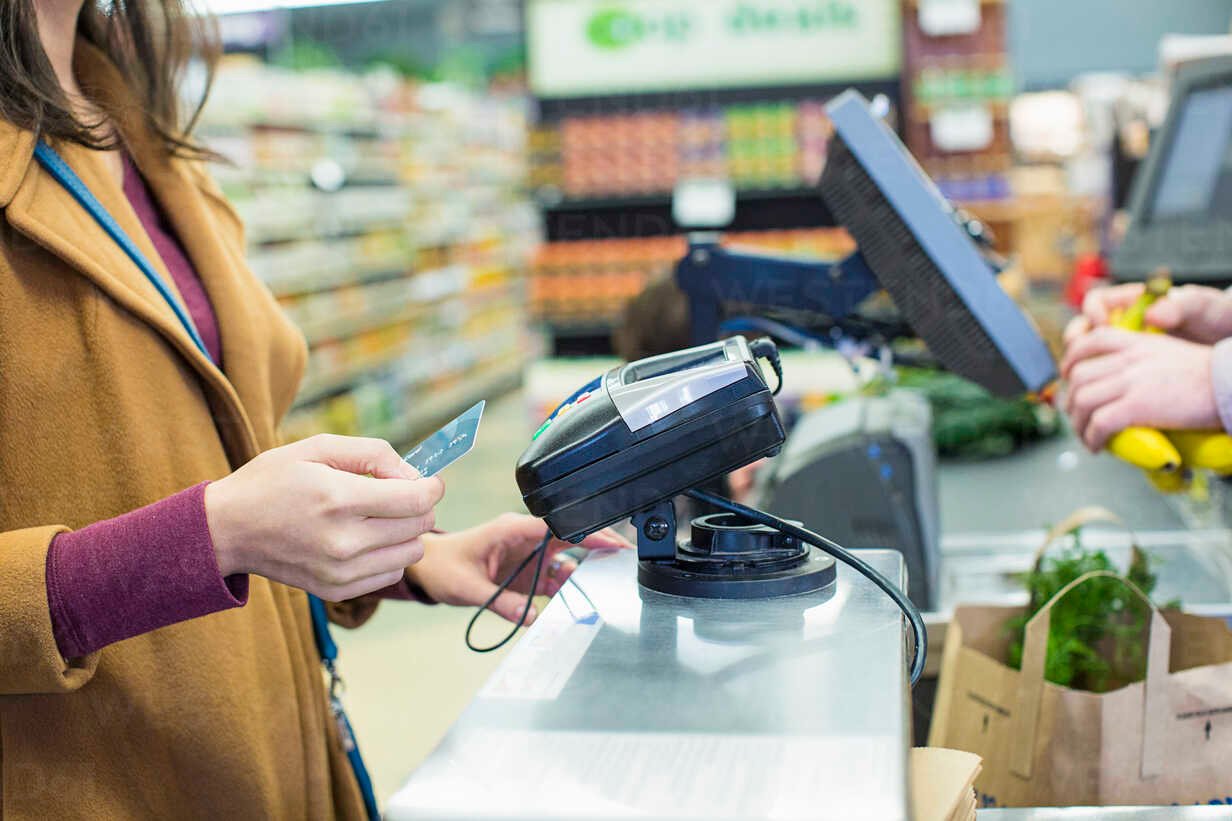
Holding cash or liquid assets provides flexibility during uncertain times. It allows investors to cover expenses and take advantage of opportunities.
Why cash matters:
- Immediate liquidity
- Low risk
- Useful during market downturns
- Ability to invest when markets recover
Diversified Investment Strategy
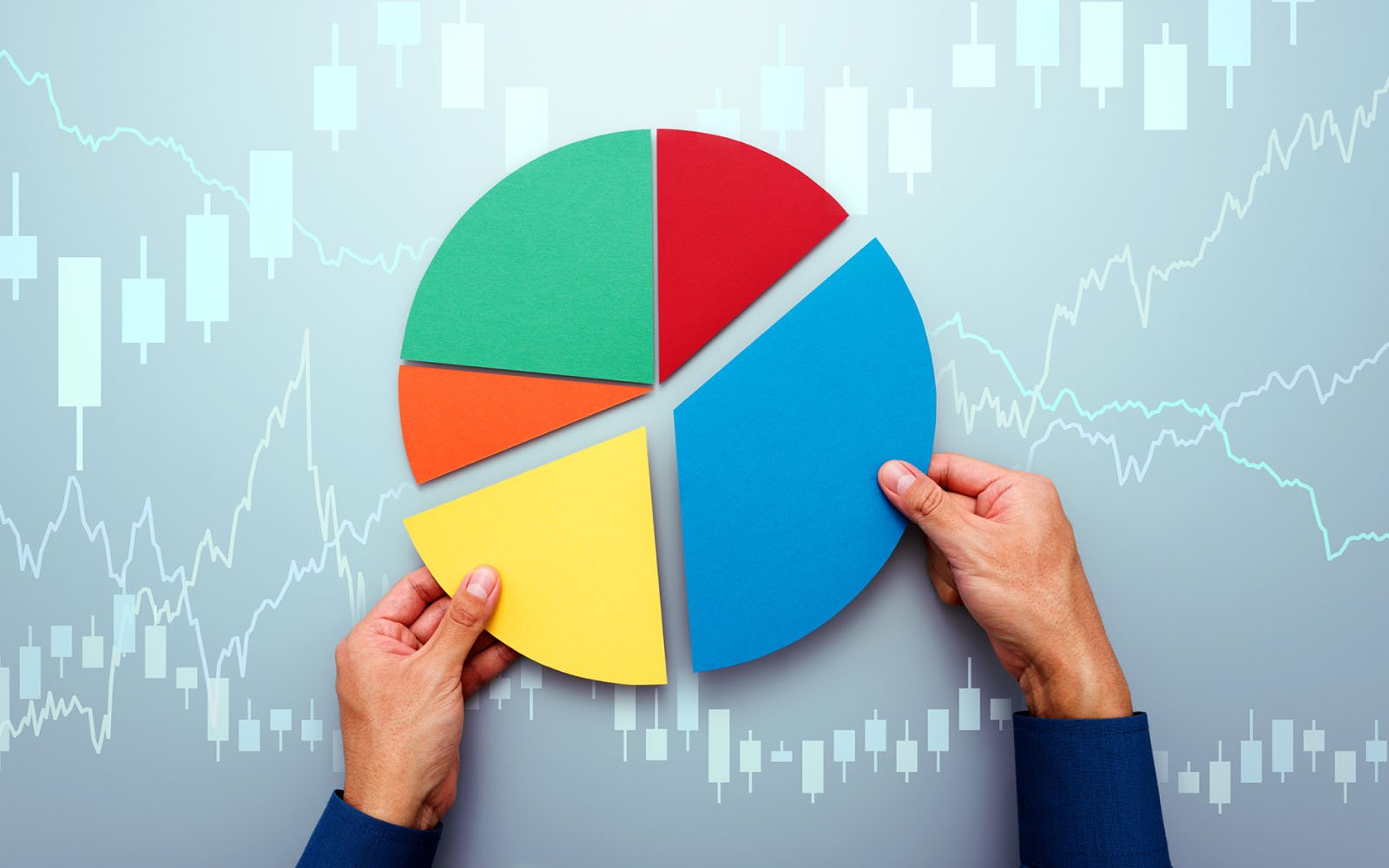
Diversification is one of the best strategies during a crisis. Spreading investments across multiple asset classes reduces overall risk.
Strategy tips:
- Combine safe and growth assets
- Avoid overexposure to one sector
- Rebalance portfolio regularly
- Focus on long-term stability