

How Wars Shape Global Economic History
Introduction: Why Wars Matter Beyond the Battlefield
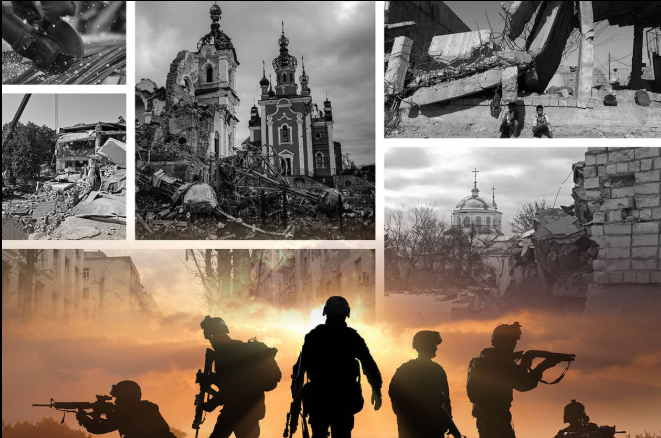
War is often seen through the lens of destruction, loss, and political change. But there is another powerful side to it—its deep impact on the global economy. From ancient empires to modern superpowers, wars have continuously reshaped how countries produce, trade, spend, and grow.
When nations go to war, economies do not stop—they transform. Industries expand or collapse, trade routes shift, and new financial systems emerge. In many cases, wars have even accelerated innovation and economic development.
In this blog, we will explore how wars shape global economic history, looking at their effects on industries, trade, labor, technology, and long-term global growth.
1. The Immediate Economic Impact of War
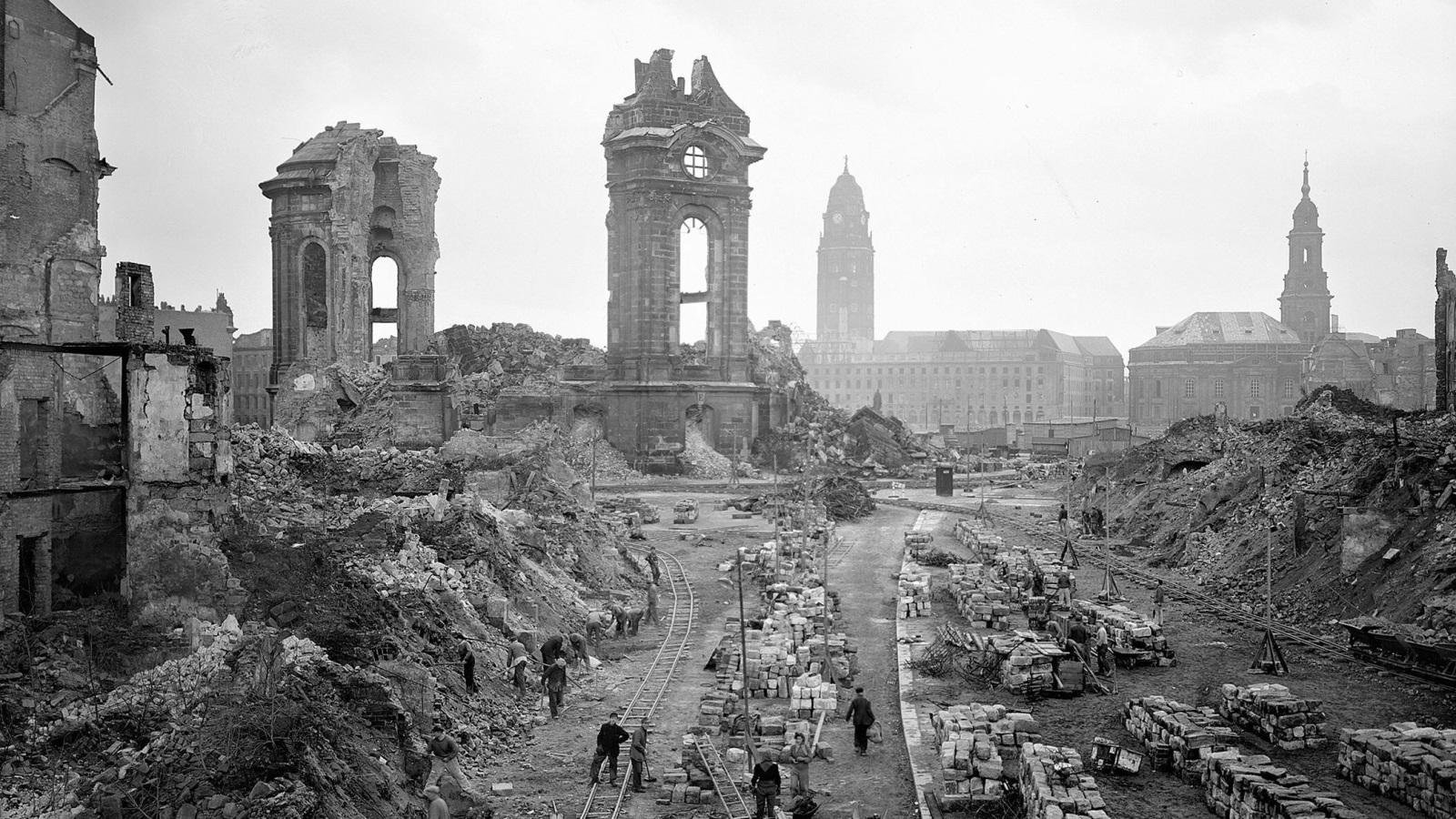
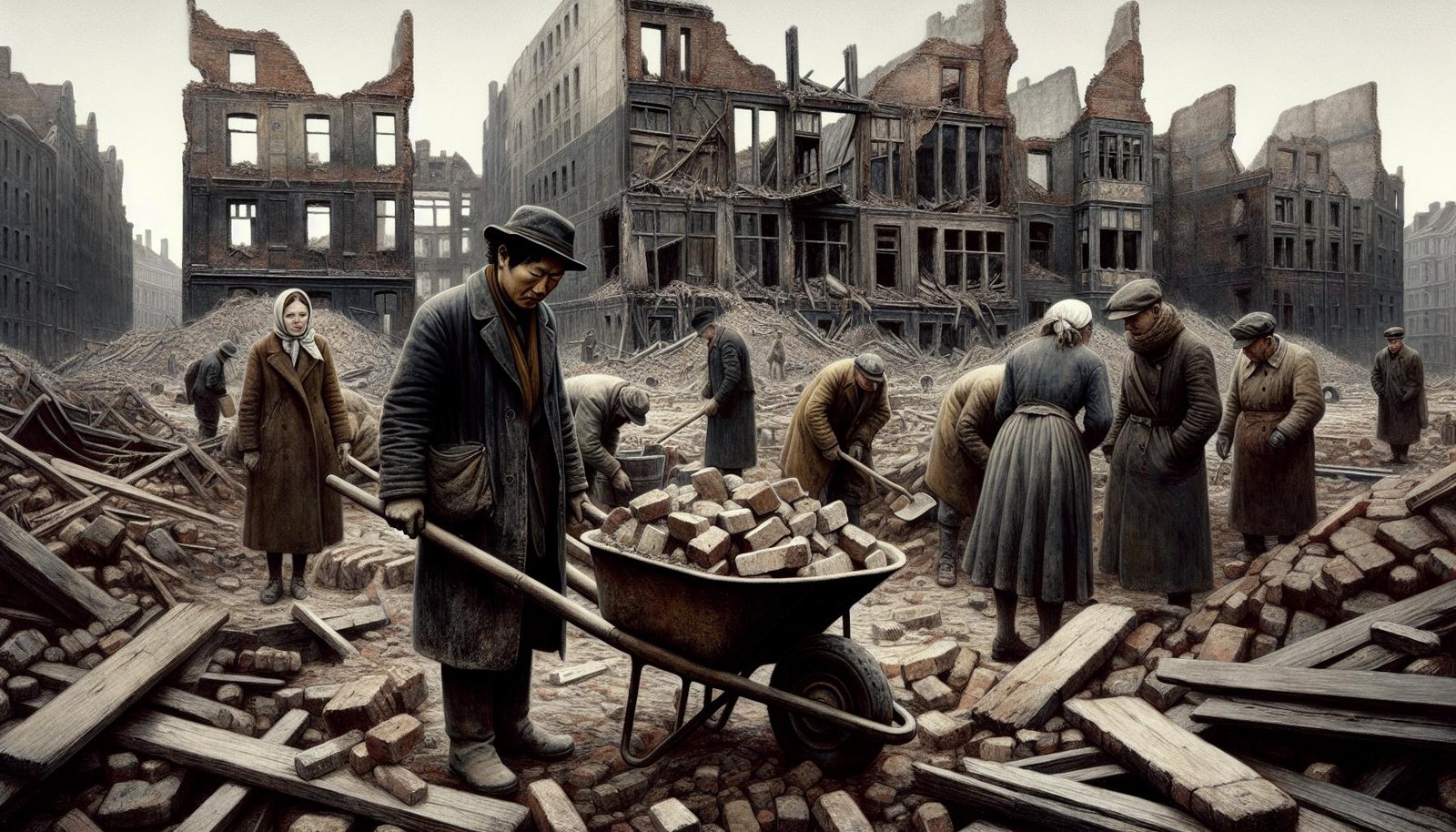
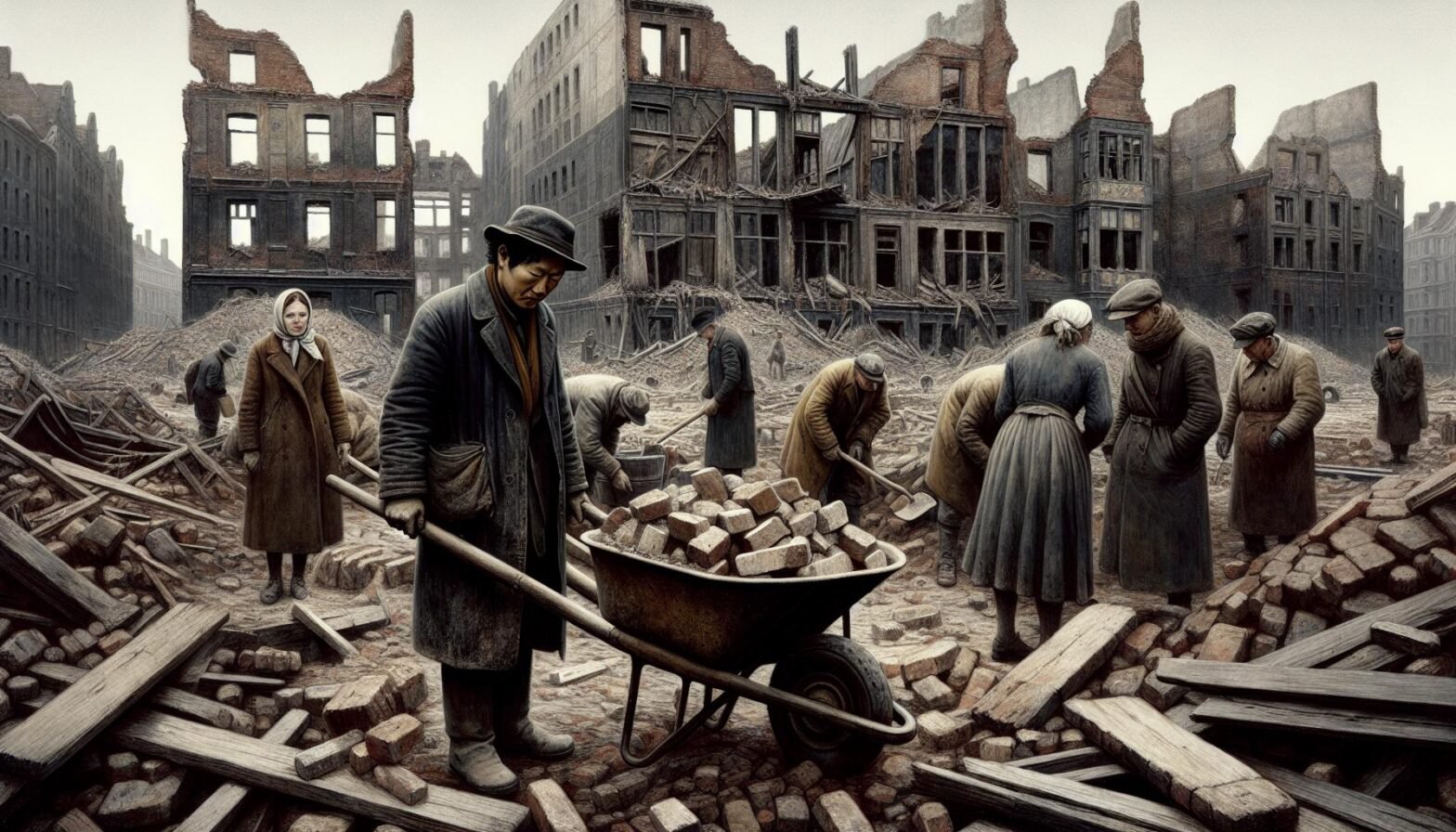
Destruction of Infrastructure
One of the most visible effects of war is the destruction of:
- Roads and railways
- Factories and industries
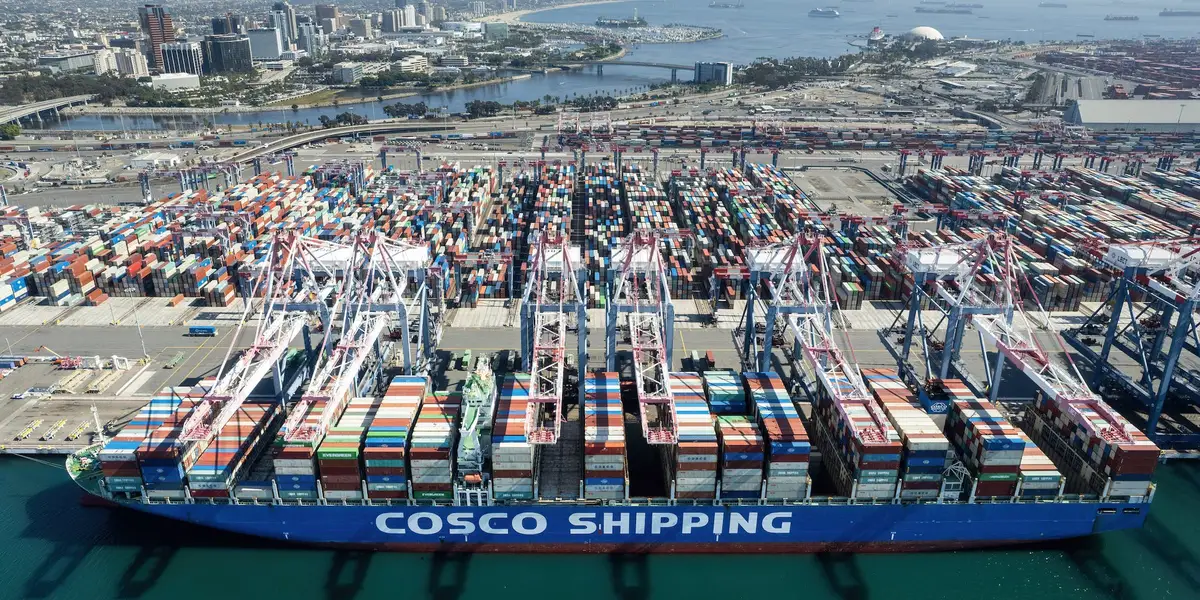
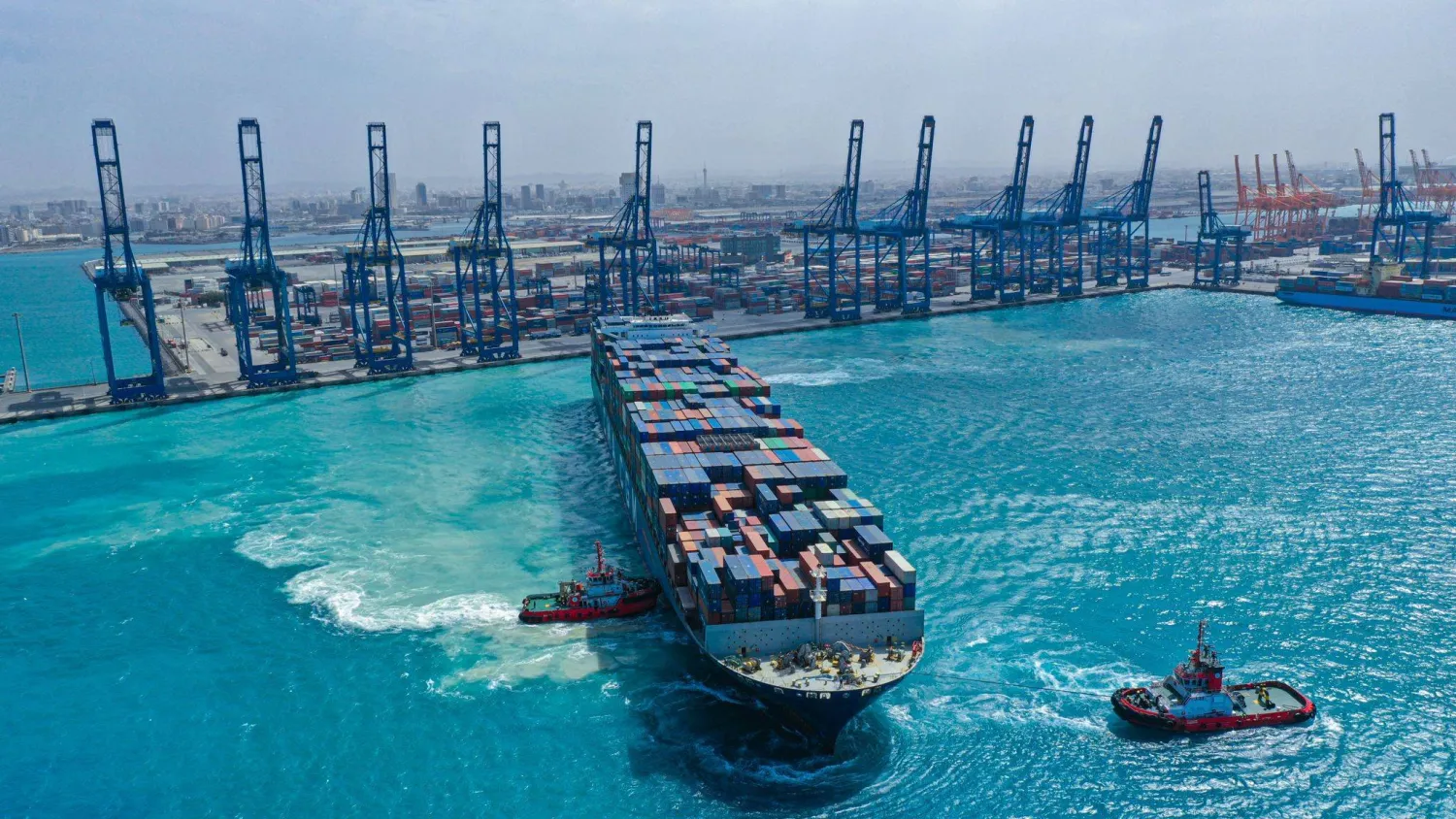
- Ports and trade centers
This damage leads to:
- Reduced production
- Broken supply chains
- Increased costs of rebuilding
Government Spending Surges
During war, governments spend heavily on:
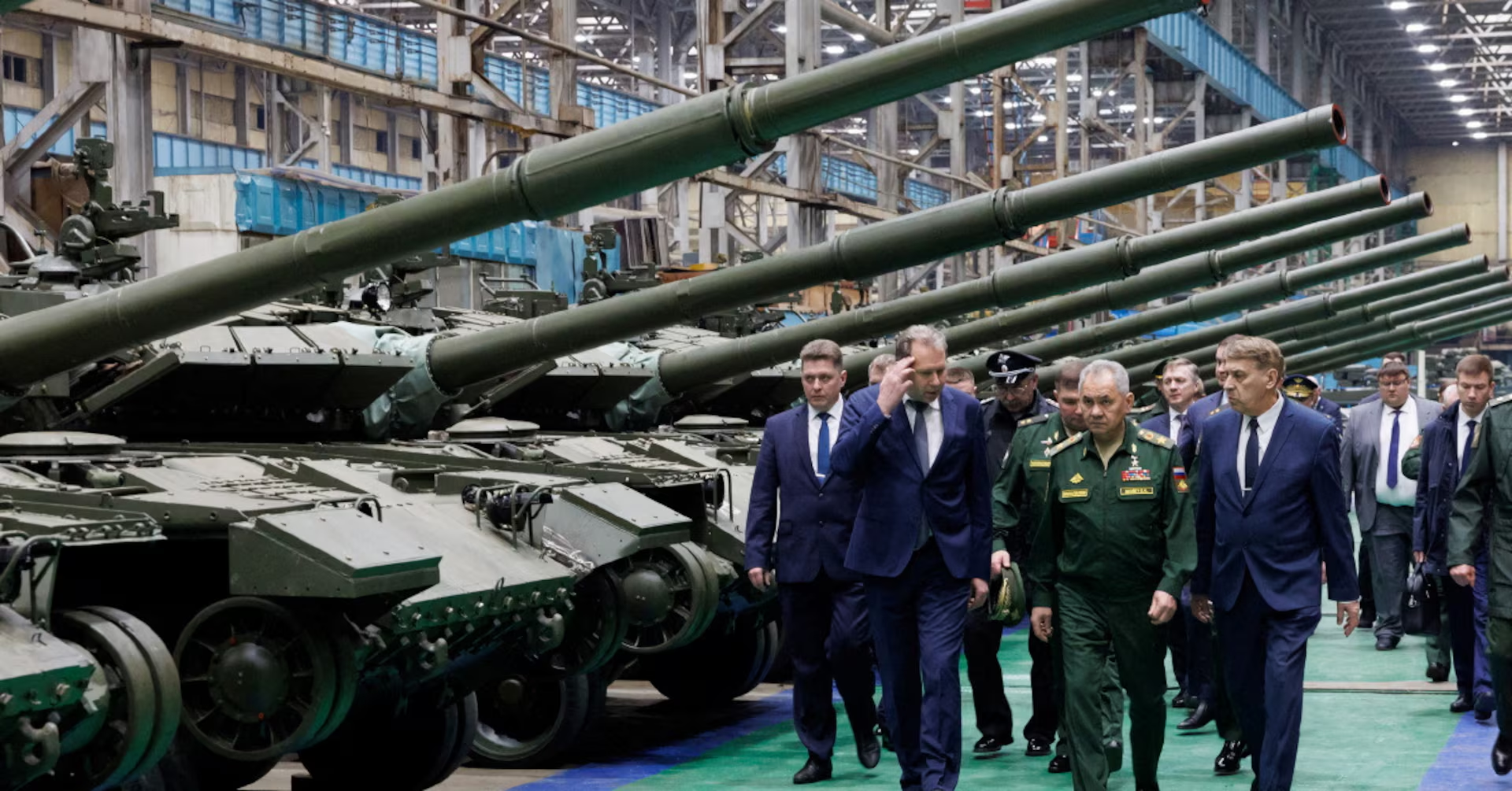
- Military equipment
- Weapons production
- Logistics and defense
This creates:
- Short-term economic activity
- Long-term debt burdens
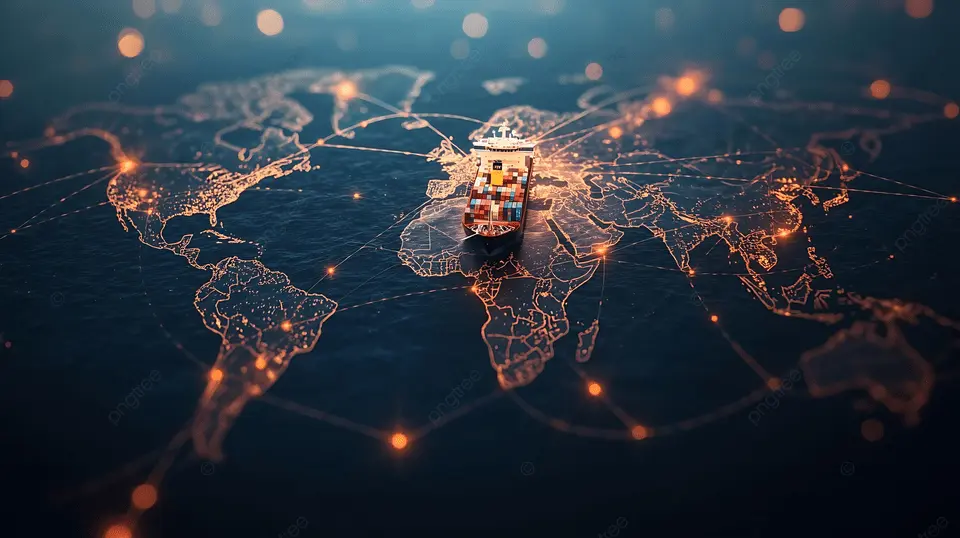
Disruption of Trade
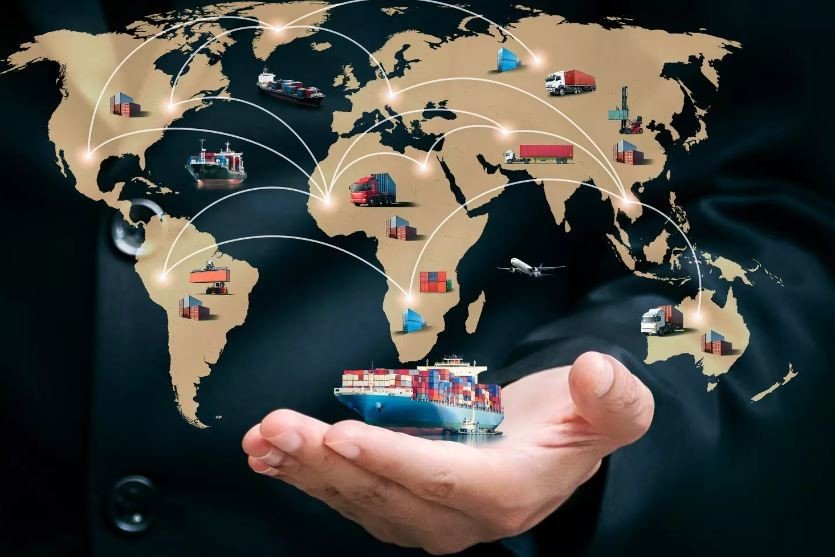
War often blocks or changes trade routes, leading to:
- Shortage of goods
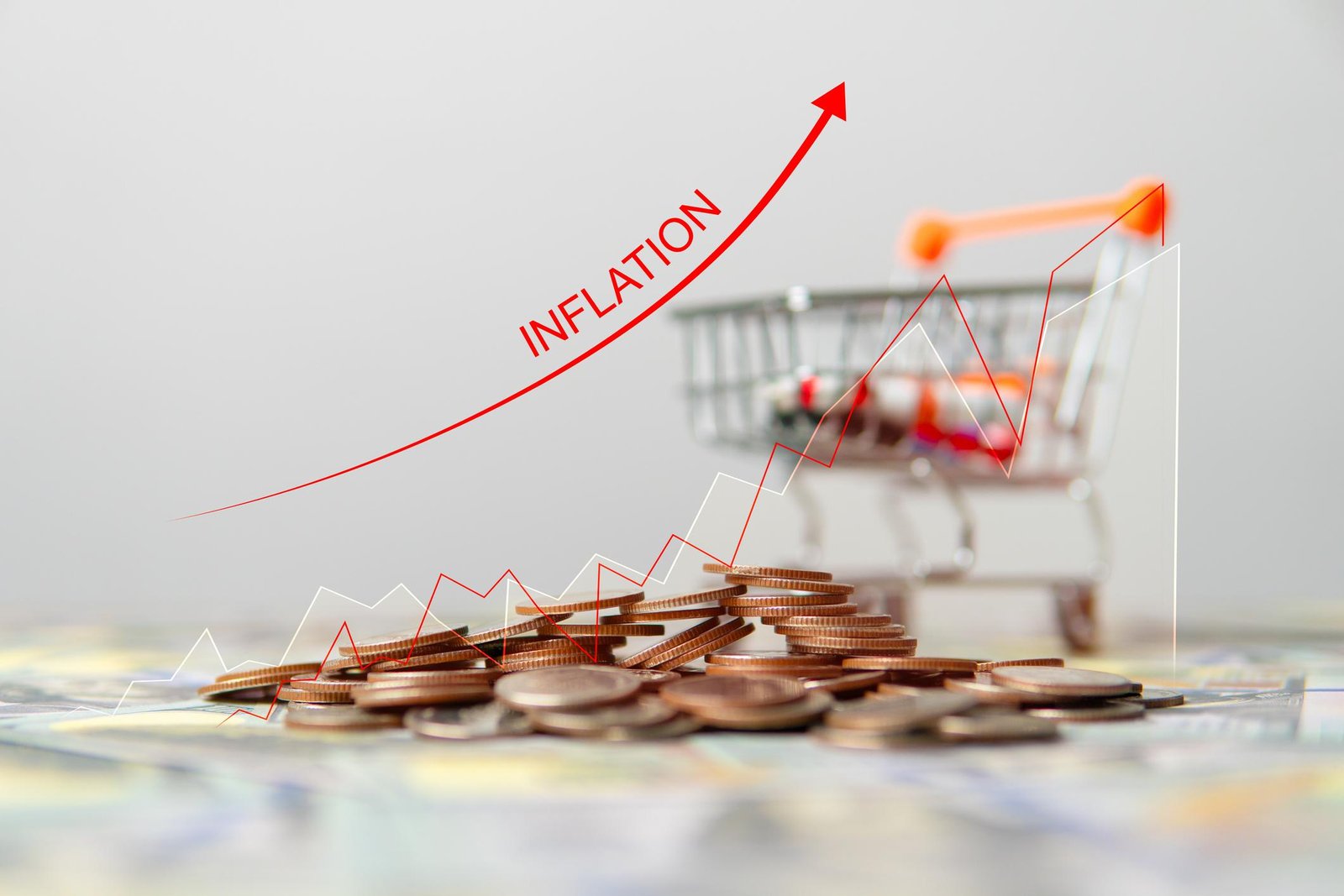
- Rising prices (inflation)
- Loss of international markets
2. Wars as Drivers of Industrial Growth
While wars destroy, they also create economic demand.
Industrial Expansion
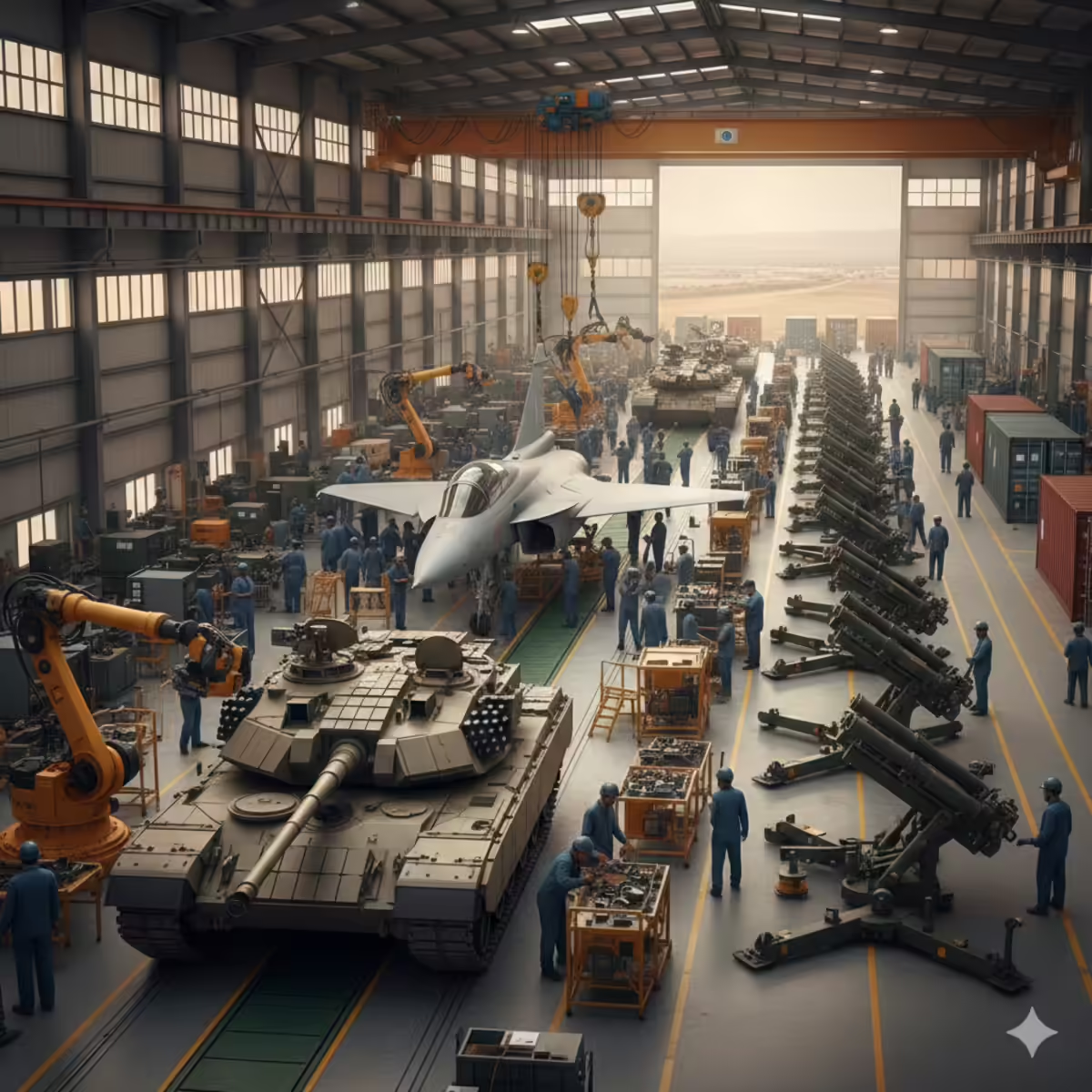
Wars require massive production of:
- Weapons
- Vehicles
- Uniforms
- Medical supplies
This leads to:
- Rapid industrialization
- Job creation
- Growth of manufacturing sectors
Example: World War II
- The U.S. economy boomed due to war production
- Factories operated at full capacity
- Unemployment dropped sharply
Long-Term Impact
After war, industries often shift to civilian production, boosting:
- Consumer goods markets
- Infrastructure development
- Economic growth
3. Technological Innovation Through War
War pushes countries to innovate quickly.
Key Innovations from Wars
- Radar systems
- Jet engines
- Nuclear energy
- The internet (from military research)
Economic Effects
These innovations later:
- Create new industries
- Increase productivity
- Boost global economic growth
Why Innovation Happens Faster
- Urgency of survival
- Large government funding
- Focus on efficiency and speed
4. Changes in Global Trade and Power
Wars often change which countries dominate the global economy.
Shift in Economic Power
- After World War I and II, Europe weakened
- The United States became a global economic leader
New Trade Systems
Post-war systems like:
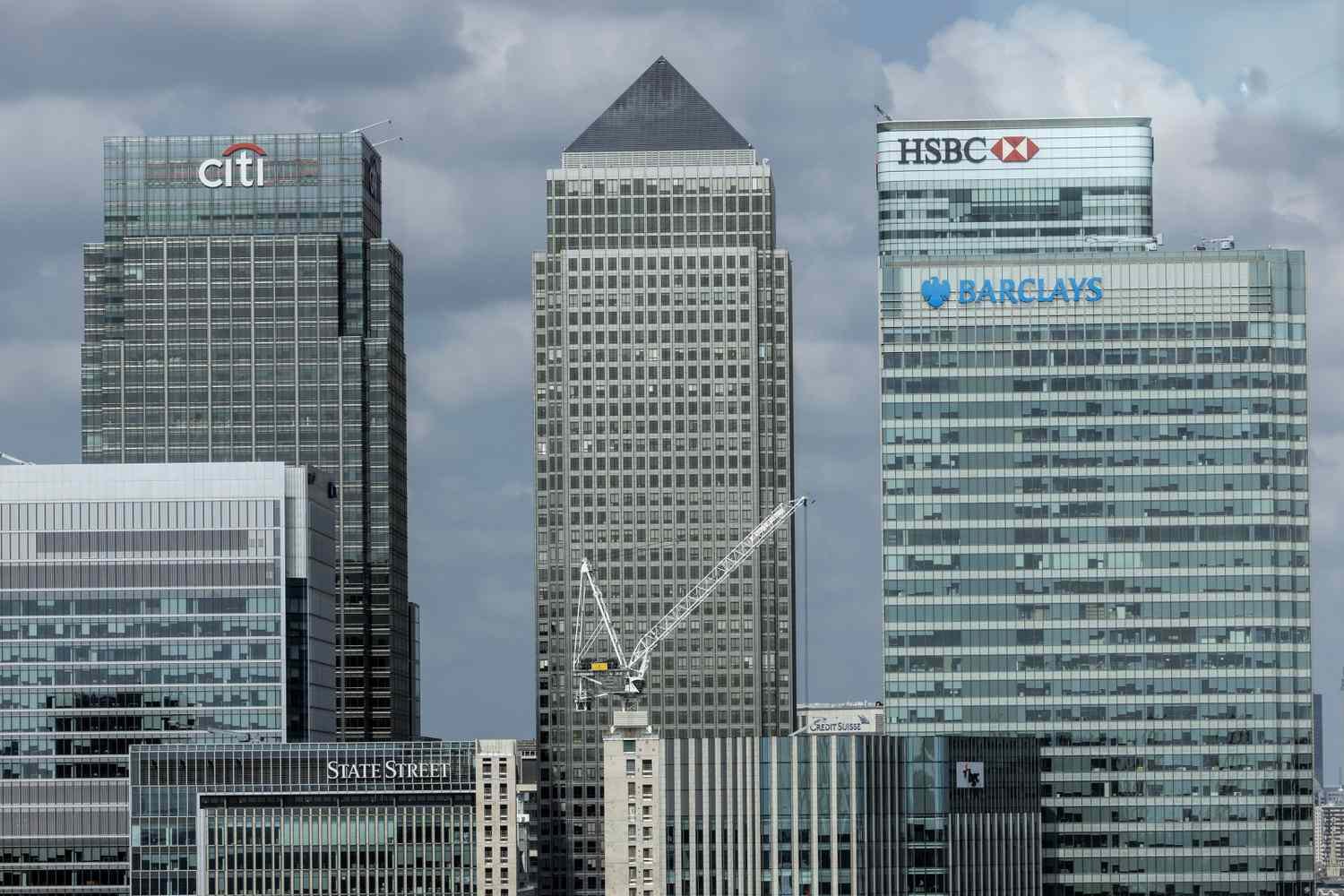
- Bretton Woods Agreement
- IMF and World Bank
Helped:
- Stabilize global trade
- Promote economic cooperation
Collapse of Old Systems
Wars can end:
- Colonial trade systems
- Empires and monopolies
5. Labor Market Transformations
Wars deeply affect how people work.
Increased Workforce Participation
- Women entered factories during wars
- New roles opened in industries
Labor Shortages
With many soldiers in combat:
- Businesses struggle to find workers
- Wages may rise
Migration and Demographics
War causes:
- Population displacement
- Changes in workforce distribution
6. Inflation, Debt, and Financial Systems
Rising National Debt
Governments borrow heavily during wars, leading to:
- Long-term financial pressure
- Increased taxes
Inflation
War spending often causes:
- Rising prices
- Reduced purchasing power
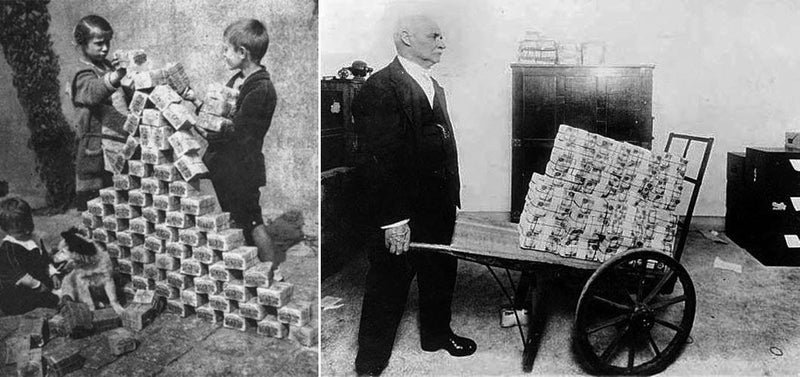
Example: Post-World War I Germany
- Hyperinflation destroyed savings
- Economic instability led to major political consequences
7. Post-War Reconstruction and Economic Growth
After destruction comes rebuilding.
Reconstruction Efforts
Programs like the Marshall Plan helped rebuild Europe.
Economic Boom After War
Countries like:
- Germany
- Japan
Experienced rapid economic growth after World War II.
Why Growth Happens
- New infrastructure
- Modern industries
- Strong international support
8. Long-Term Global Economic Effects
Creation of Global Institutions
Wars led to the formation of:
- United Nations (UN)
- International Monetary Fund (IMF)
- World Bank
Globalization
Post-war cooperation increased:
- International trade
- Economic interdependence
Lessons for the Future
- Economic planning becomes more strategic
- Countries invest more in stability and resilience