

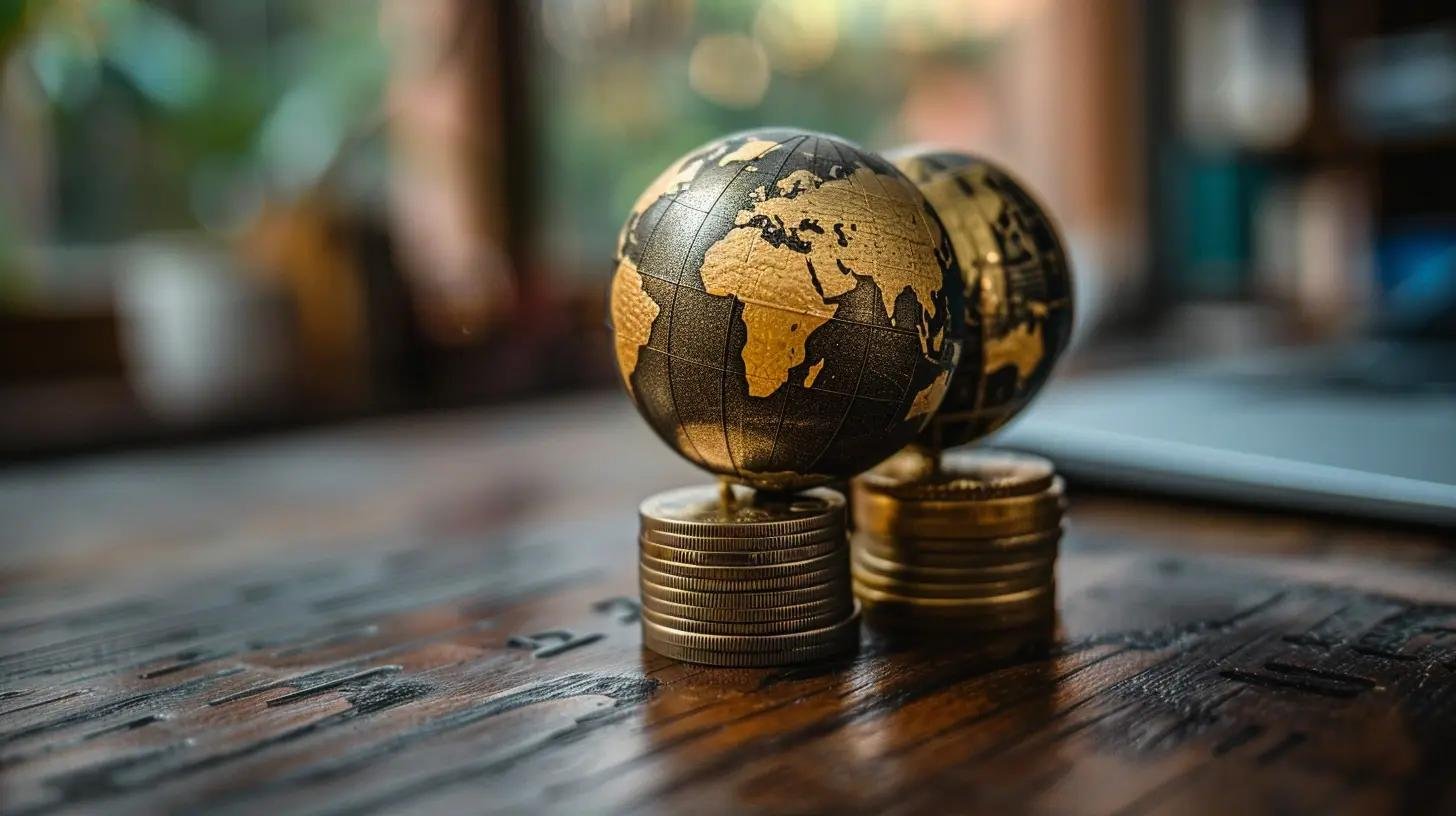
Global Currency Trends Explained
Introduction: Why Currency Trends Matter
Currencies affect almost everything in the global economy:
- International trade
- Investments
- Inflation
- Travel and business
When currencies rise or fall, economies and markets react quickly.
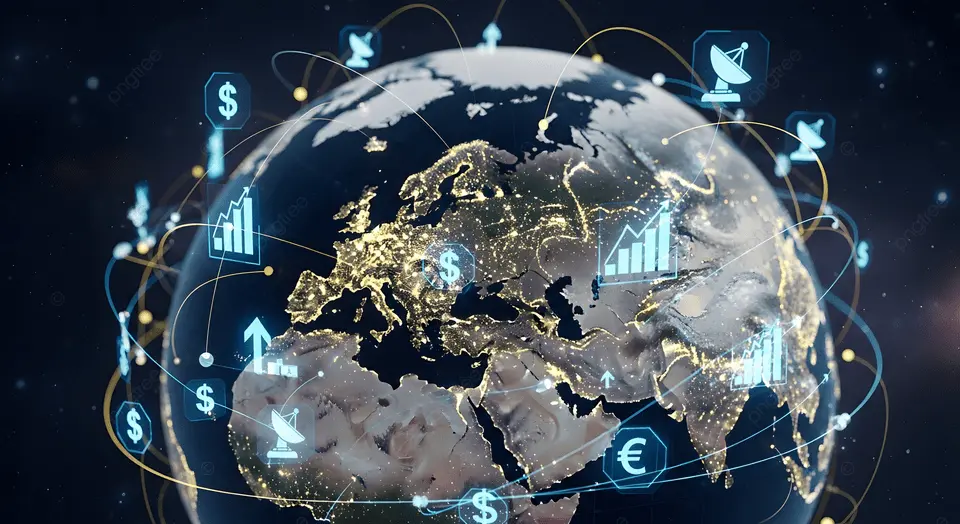
Today, the world is seeing major changes in:
- Digital finance
- Global trade systems
- Central bank policies
- Currency competition
Understanding currency trends helps investors, businesses, and individuals make smarter financial decisions.
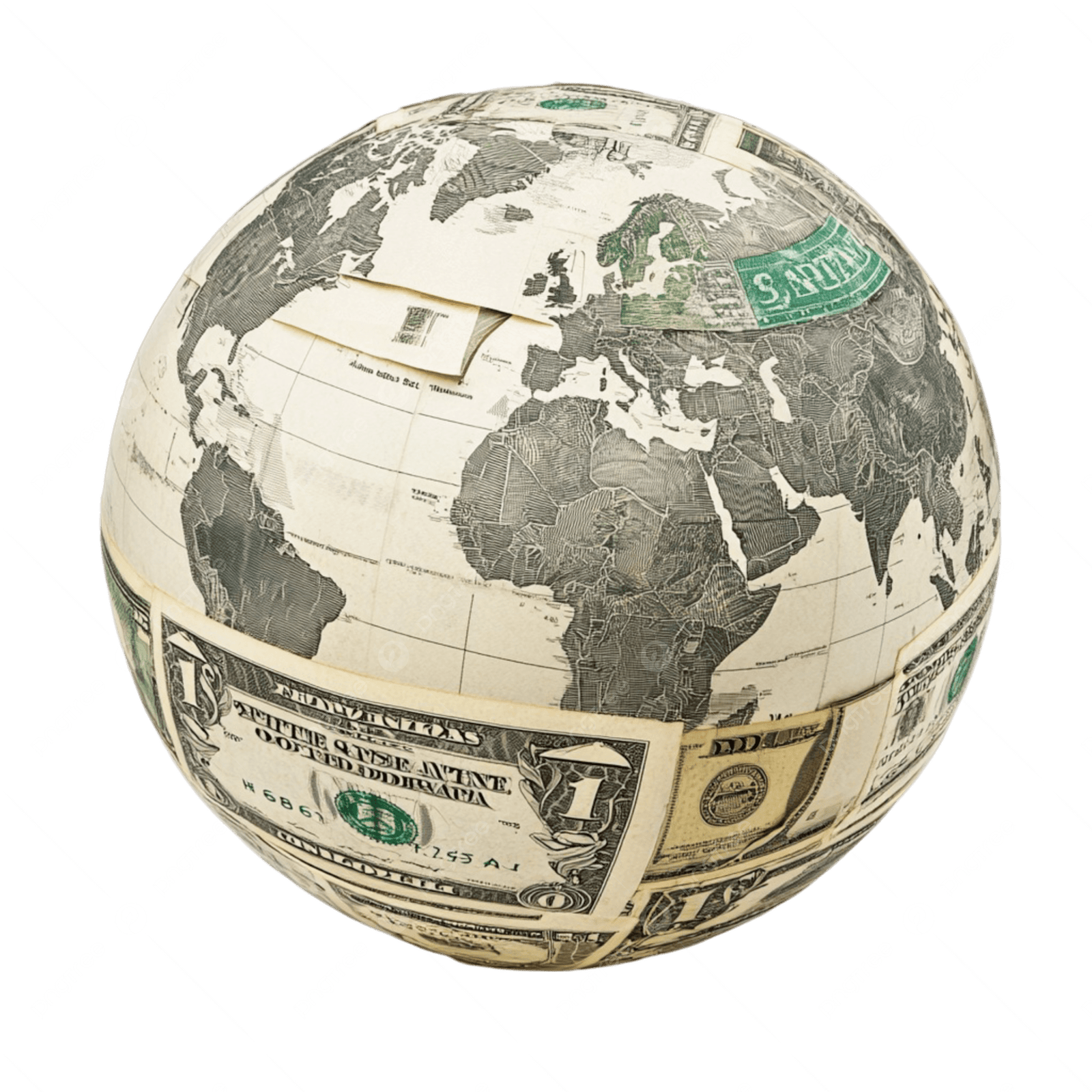
1. The US Dollar Still Dominates
Why the Dollar Remains Strong
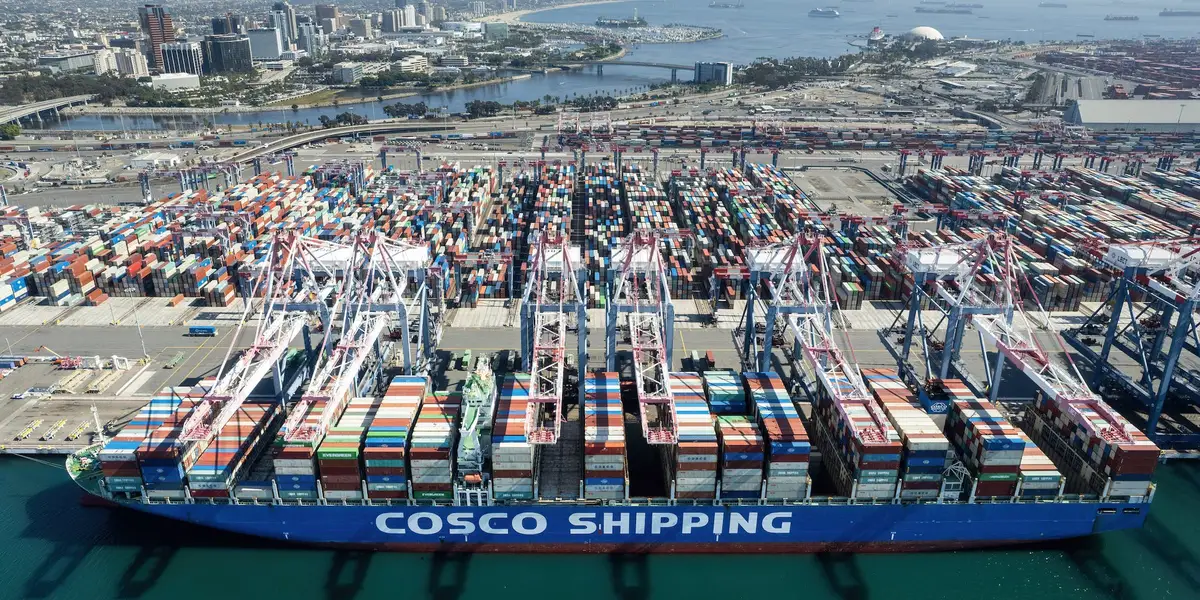
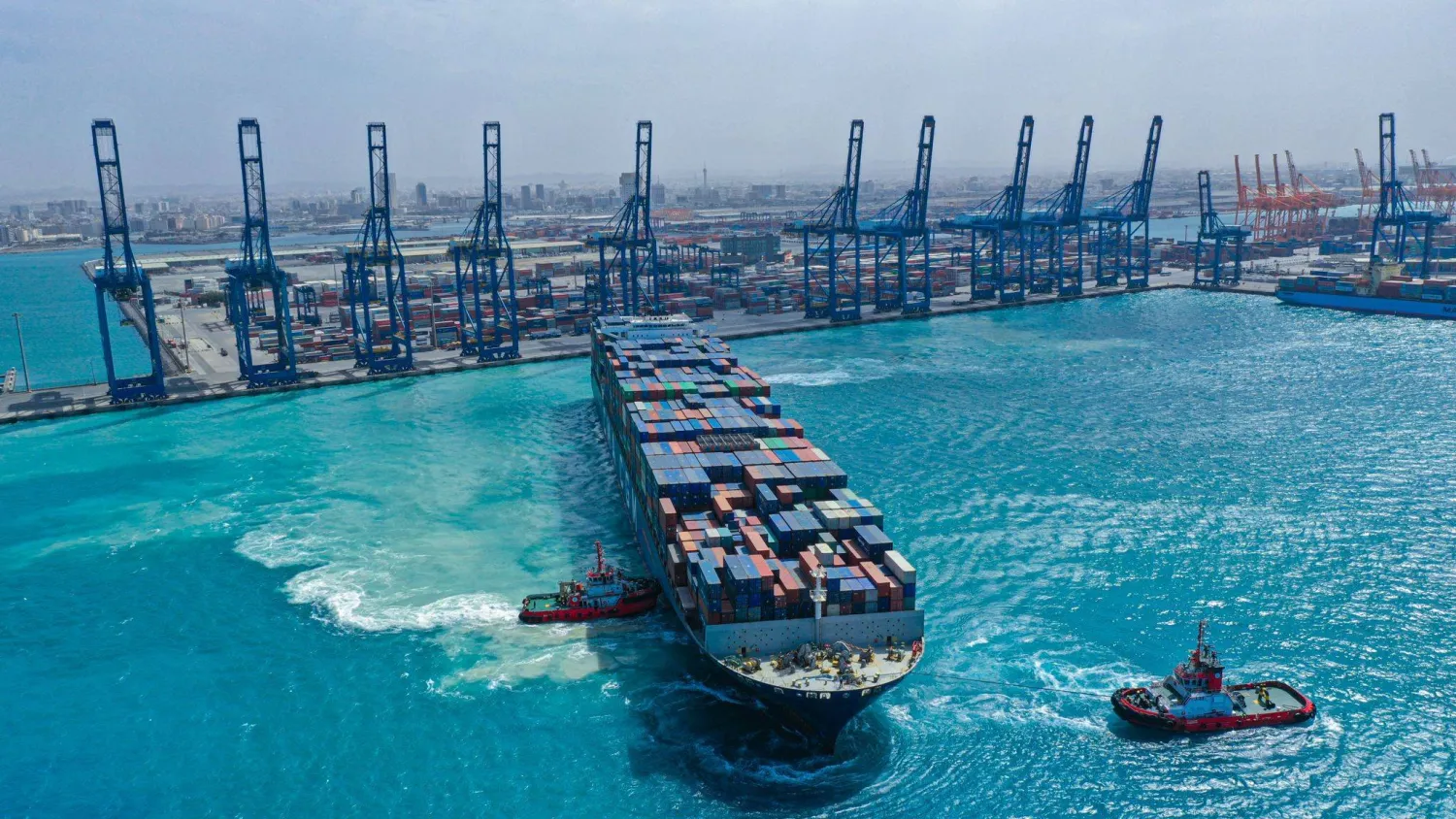
- Used in global trade
- Held by central banks worldwide
- Trusted during economic uncertainty
Impact
- Strong influence on global markets
- Affects oil, commodities, and investments
2. Rise of Digital Currencies
What’s Happening
Countries are developing:
- CBDCs (Central Bank Digital Currencies)
- Faster digital payment systems
Examples
- Digital Yuan (China)
- Digital Rupee initiatives (India)
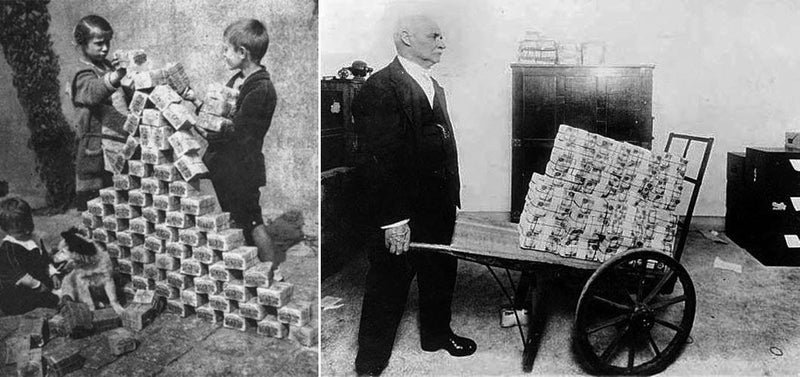
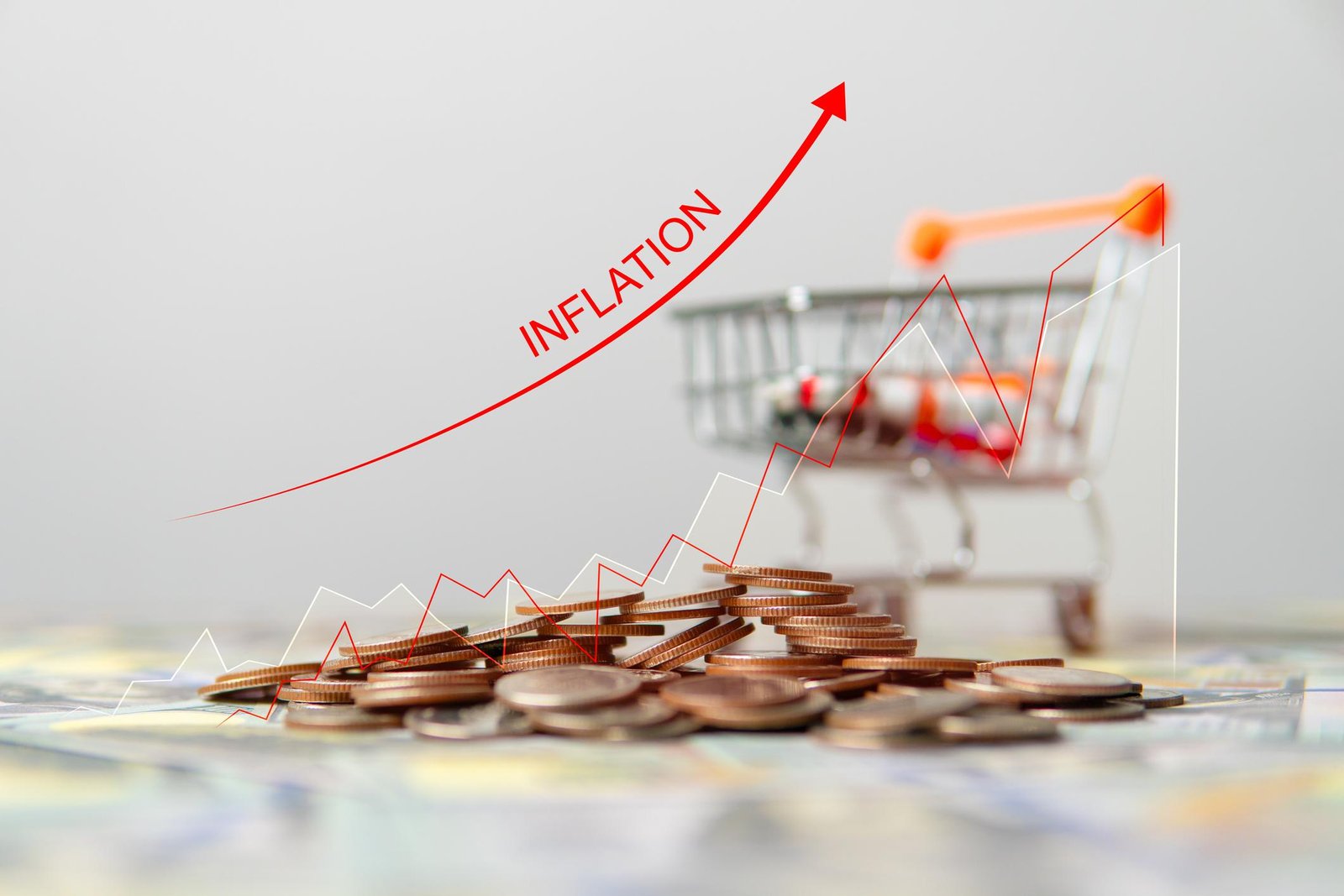
3. Inflation Is Influencing Currency Strength
How Inflation Affects Currencies
High inflation can weaken a currency because:
- Purchasing power declines
- Investors lose confidence
Central Bank Response
- Raising interest rates
- Controlling money supply
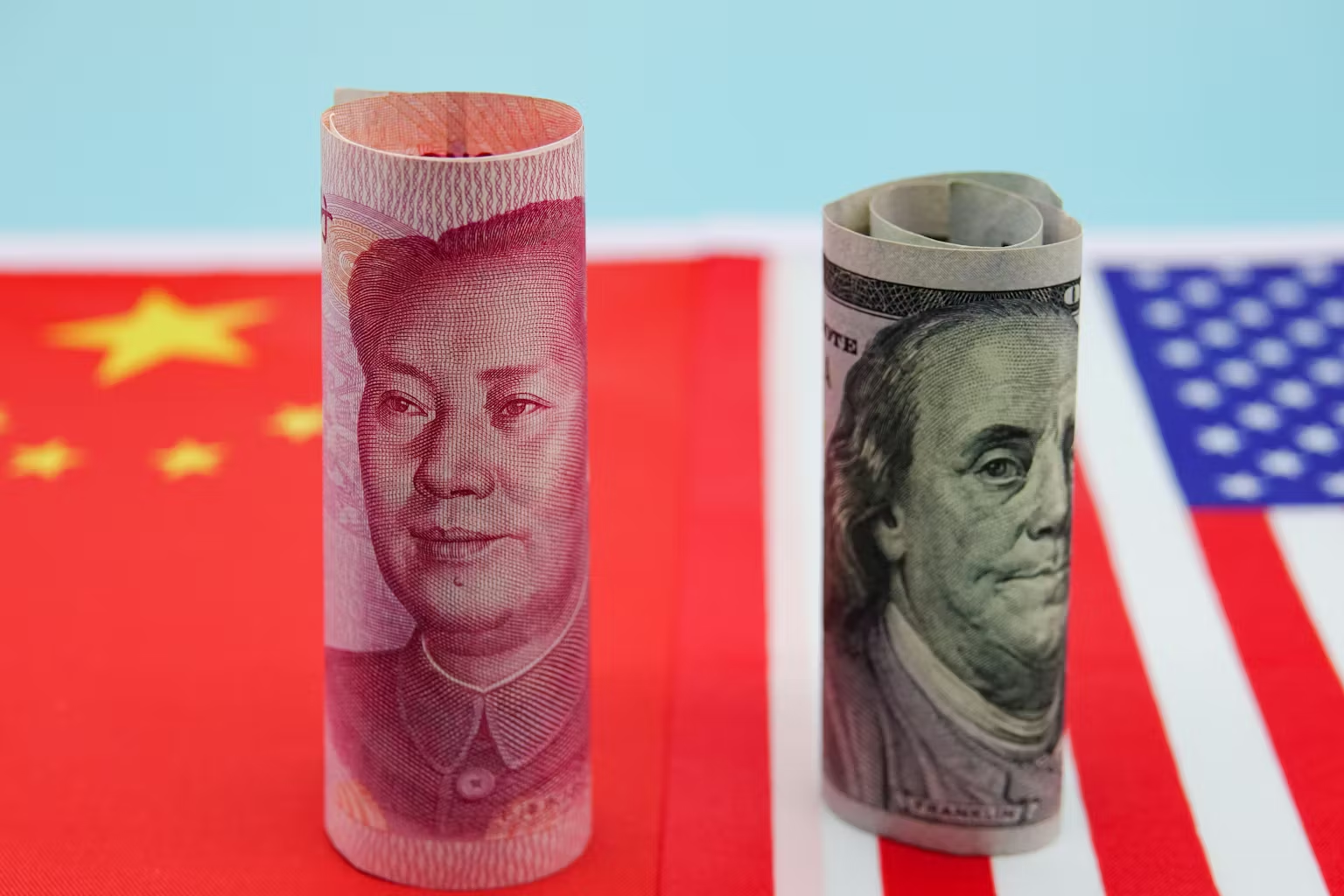
4. Currency Competition Between Major Economies
Major Competitors
- US Dollar
- Euro
- Chinese Yuan
Why It Matters
Countries want more influence over:
- Global trade
- Financial systems
5. Growth of Forex (Foreign Exchange) Markets
What Is Forex?
The global market where currencies are traded.
Why It’s Important
- Largest financial market in the world
- Influences trade and investment
Trend
Growth of:
- Online forex platforms
- Retail currency trading
6. Emerging Market Currencies Are Gaining Attention
Countries to Watch
- India
- Brazil
- Indonesia
- Gulf economies
Why Investors Care
- Faster economic growth
- Diversification opportunities
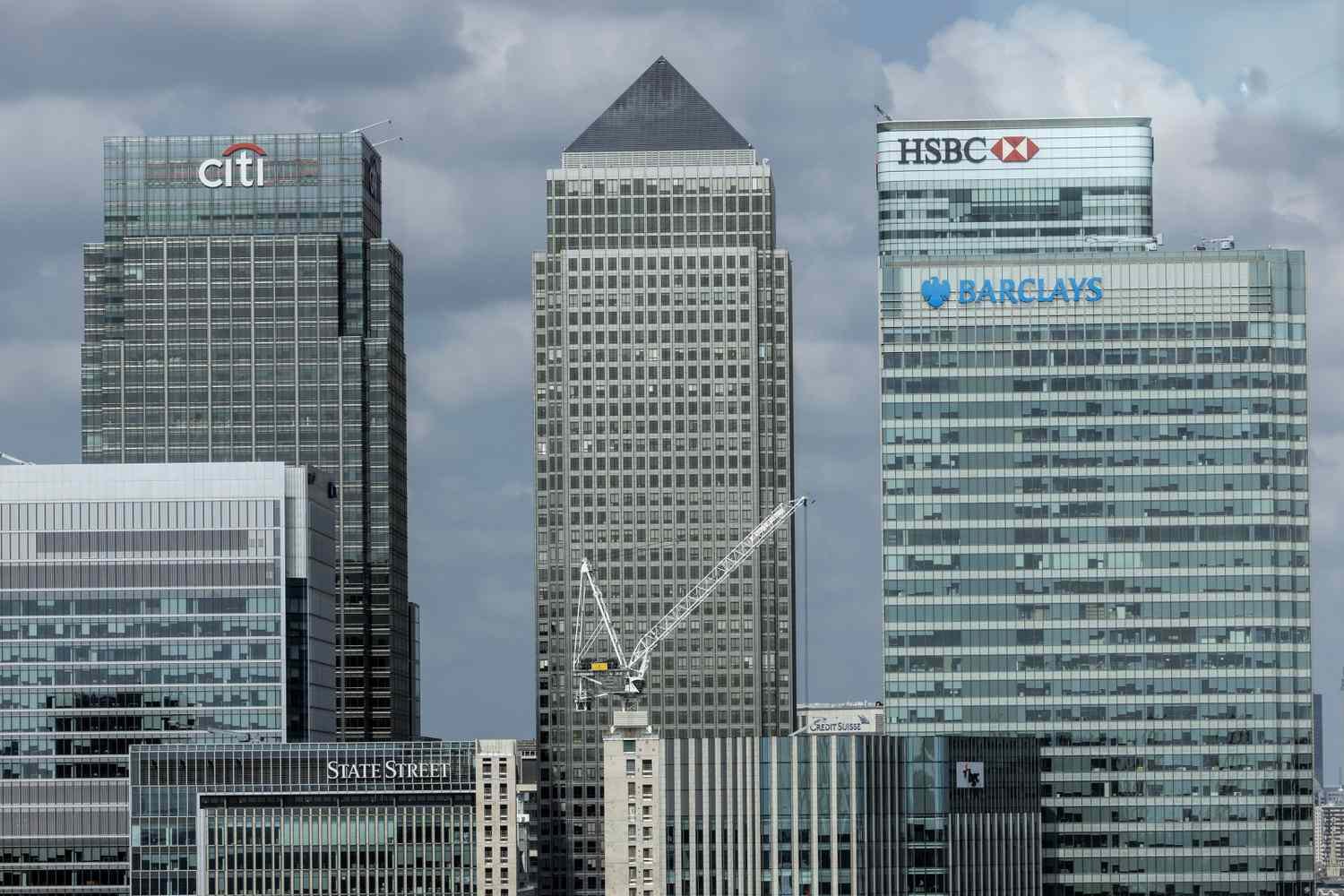
7. Central Banks Have Massive Influence
What Central Banks Control
- Interest rates
- Inflation policies
- Currency supply
Impact
Central bank decisions can quickly move currency markets.
8. Geopolitical Tensions Affect Currencies
Examples
- Trade wars
- Sanctions
- Political instability
Impact
Investors often move toward “safe-haven” currencies during crises.
Safe-Haven Examples
- US Dollar
- Swiss Franc
9. The Future May Be Multi-Currency
Possible Future
Instead of one dominant currency:
- Multiple strong currencies may coexist
What Could Shape It
- Digital currencies
- Regional trade blocs
- Technology-driven finance
10. What Investors Should Watch
Important Indicators
- Inflation
- Interest rates
- Trade balances
- Central bank decisions
Smart Strategy
Diversify investments across:
- Multiple currencies
- Global markets