


Could a Global Digital Currency Exist?
Introduction: One Currency for the World?
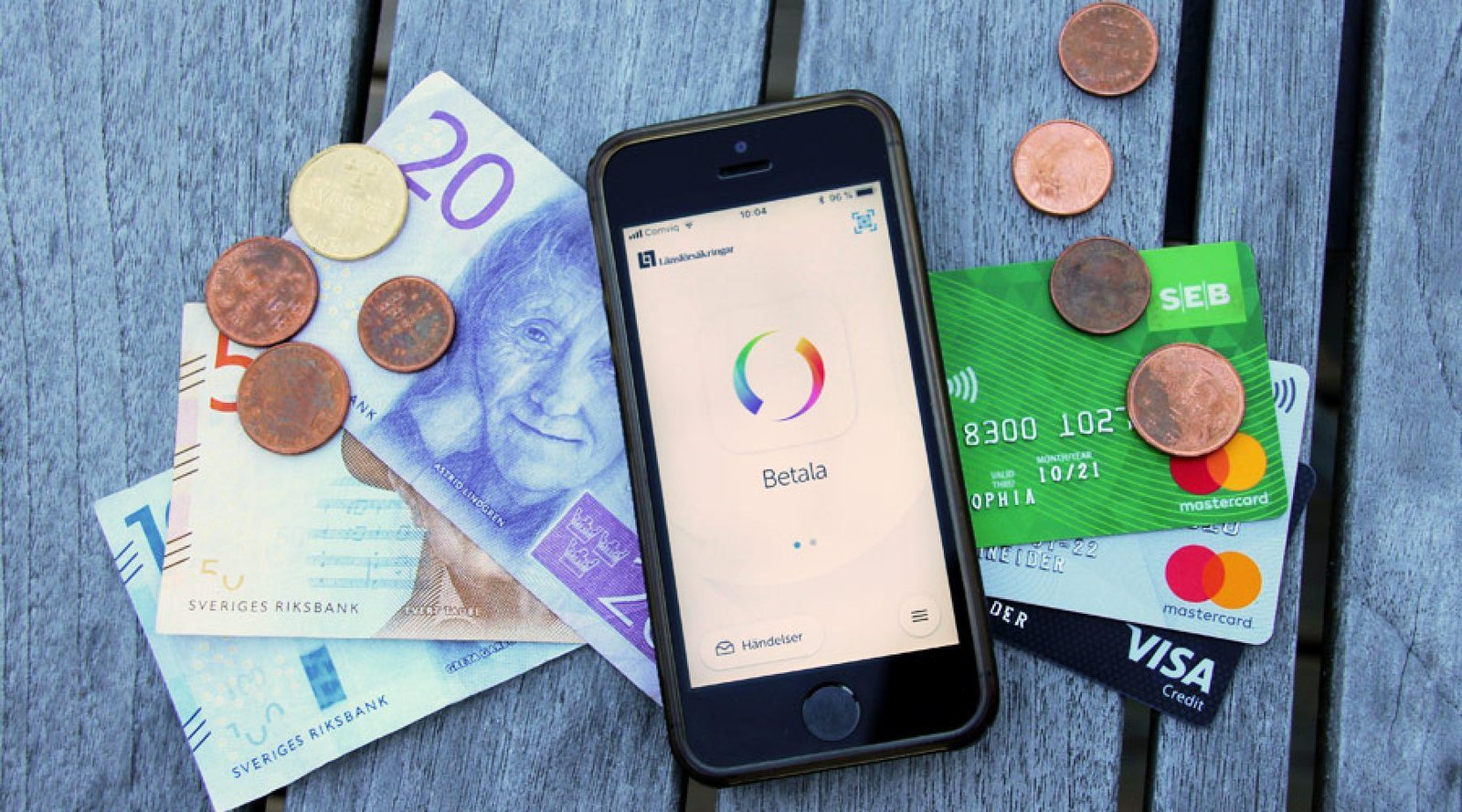
Imagine a world where you don’t need to exchange money when traveling or doing business internationally. One global digital currency—used everywhere.
It sounds simple, but the reality is complex.
Today’s financial system is built on:
- National currencies (USD, INR, EUR, etc.)
- Central bank control
- Economic independence
A global digital currency would challenge all of that.
1. What Is a Global Digital Currency?
Definition
A global digital currency is:
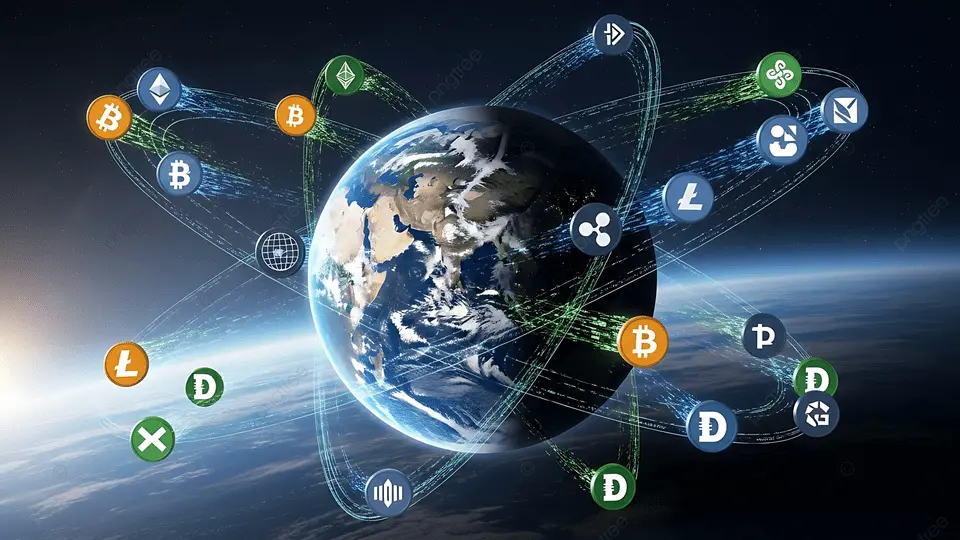
- A single currency used worldwide
- Fully digital (no physical cash)
- Accepted across all countries
Examples (Conceptual or Partial)
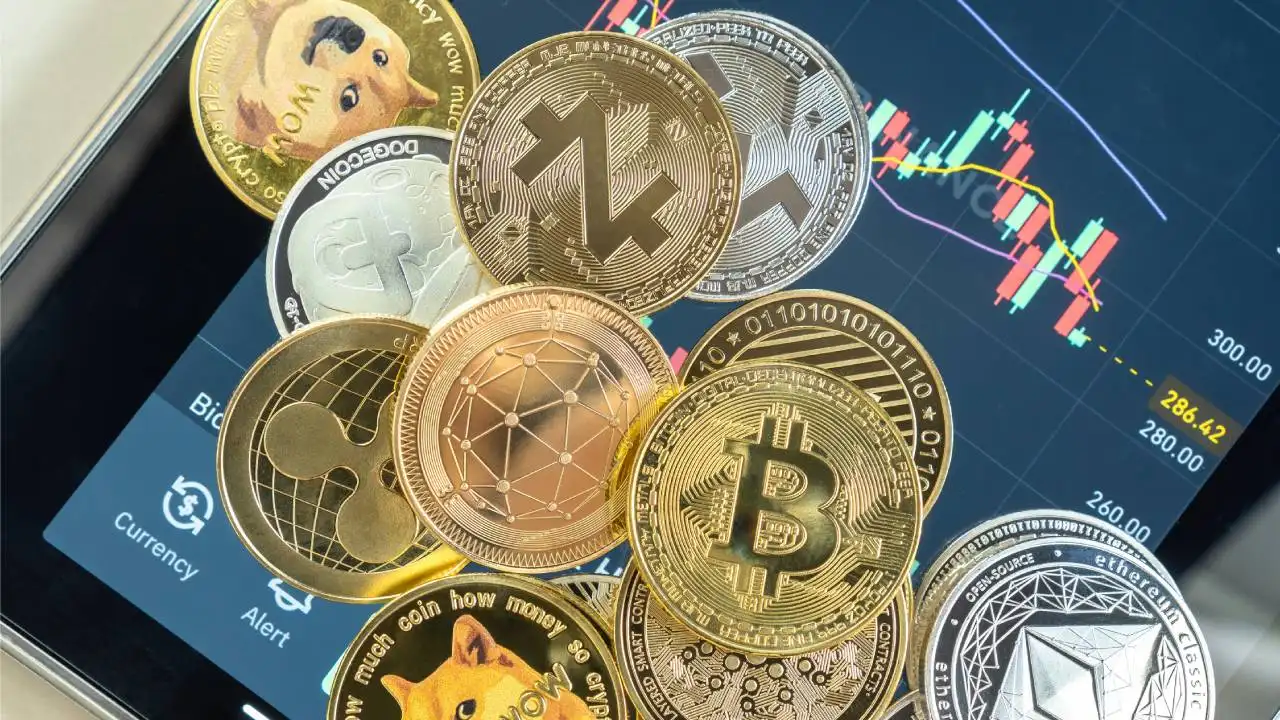
- Bitcoin (global but not stable)
- Proposed global stablecoins
- IMF Special Drawing Rights (limited use)
2. Why a Global Currency Sounds Attractive
Key Benefits
- No currency exchange needed
- Faster global transactions
- Lower fees
- Easier international trade
Impact
- Boost global commerce
- Simplify travel and business
3. The Biggest Challenge: Sovereignty
Why Countries Resist
Governments want control over:
- Monetary policy
- Inflation
- Interest rates
Problem
A global currency would mean:
- Losing national control
- Sharing economic power
4. Economic Differences Between Countries
Reality
- Some countries are rich, others developing
- Inflation rates differ
- Economic cycles are not aligned
Example
A policy good for one country may harm another.
5. Lessons from the Euro
What the Euro Shows
- Multiple countries can share one currency
- But it comes with challenges
Issues Seen
- Debt crises in some countries
- Limited flexibility for weaker economies
6. Could Technology Make It Possible?
Technologies That Could Help
- Blockchain
- Artificial Intelligence
- Global payment networks
What They Solve
- Security
- Speed
- Transparency
7. Role of Cryptocurrencies
Why Crypto Is Relevant
- Not controlled by any country
- Borderless transactions
Limitations
- Price volatility
- Lack of regulation
- Limited adoption
8. A More Realistic Future: Multi-Currency Digital System
What’s More Likely
Instead of one currency:
- Multiple digital currencies working together
- Interconnected systems
Examples
- CBDCs (Digital Rupee, Digital Yuan)
- Stablecoins
- Traditional currencies
9. What Would Need to Happen First?
Key Requirements
- Global political agreement
- Strong international institutions
- Unified economic policies