


Countries Competing for Economic Dominance
Introduction: The Global Race for Economic Power
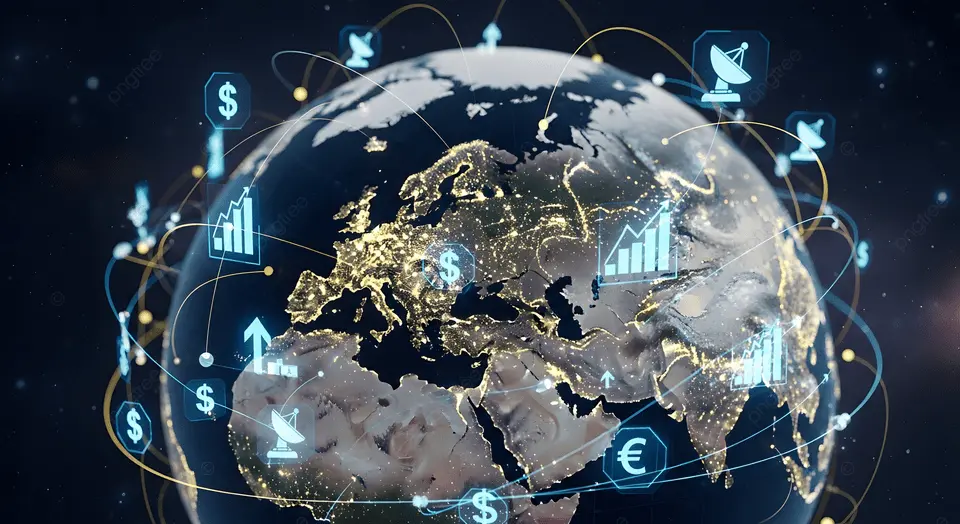
In today’s world, countries are not just competing militarily—they are competing economically. Economic dominance means having strong influence over:
- Global trade
- Financial systems
- Technology and innovation
This competition shapes everything from job markets to international relations. Nations invest heavily in growth, infrastructure, and technology to gain an edge.
But this race is not new. History shows that economic power constantly shifts from one country to another.
1. What Is Economic Dominance?
Definition
Economic dominance refers to a country’s ability to influence global markets, trade, and financial systems.
Key Indicators
- Gross Domestic Product (GDP)
- Trade volume
- Currency strength
- Technological leadership
2. Major Players in Today’s Economy
United States
- Strong financial system
- Global reserve currency (US dollar)
- Leadership in technology
China
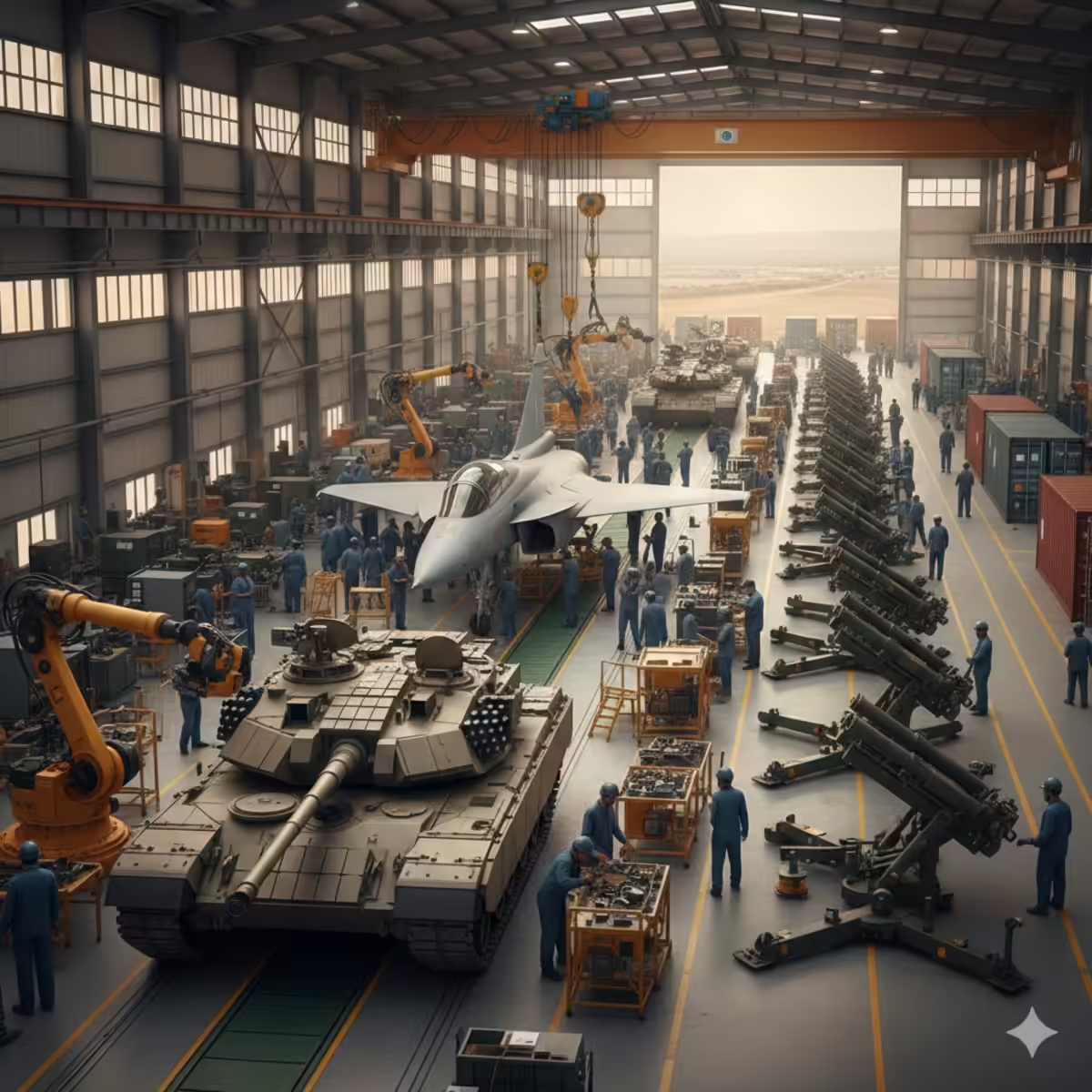
- Manufacturing powerhouse
- Rapid economic growth
- Expanding global trade influence
European Union
- Large combined market
- Strong regulatory influence
- Major trade player
India (Emerging Power)
- Fast-growing economy
- Large workforce
- Expanding digital sector
Japan
- Advanced technology
- Stable economy
- Strong industrial base
3. Key Areas of Competition
1. Technology
- Artificial Intelligence (AI)
- Semiconductor production
- Digital infrastructure
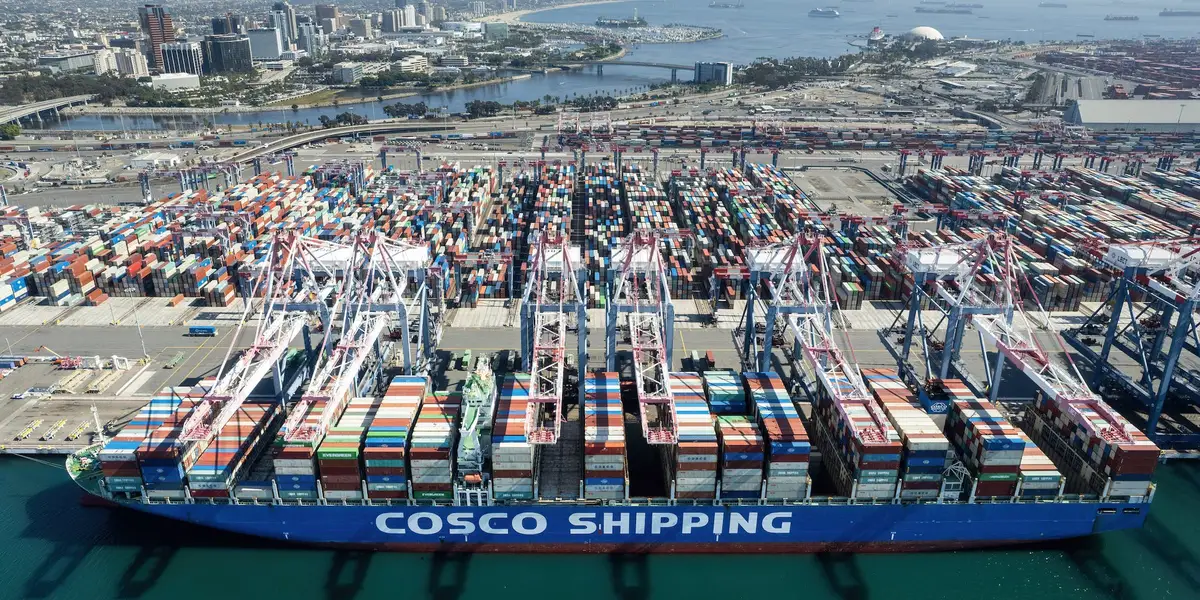
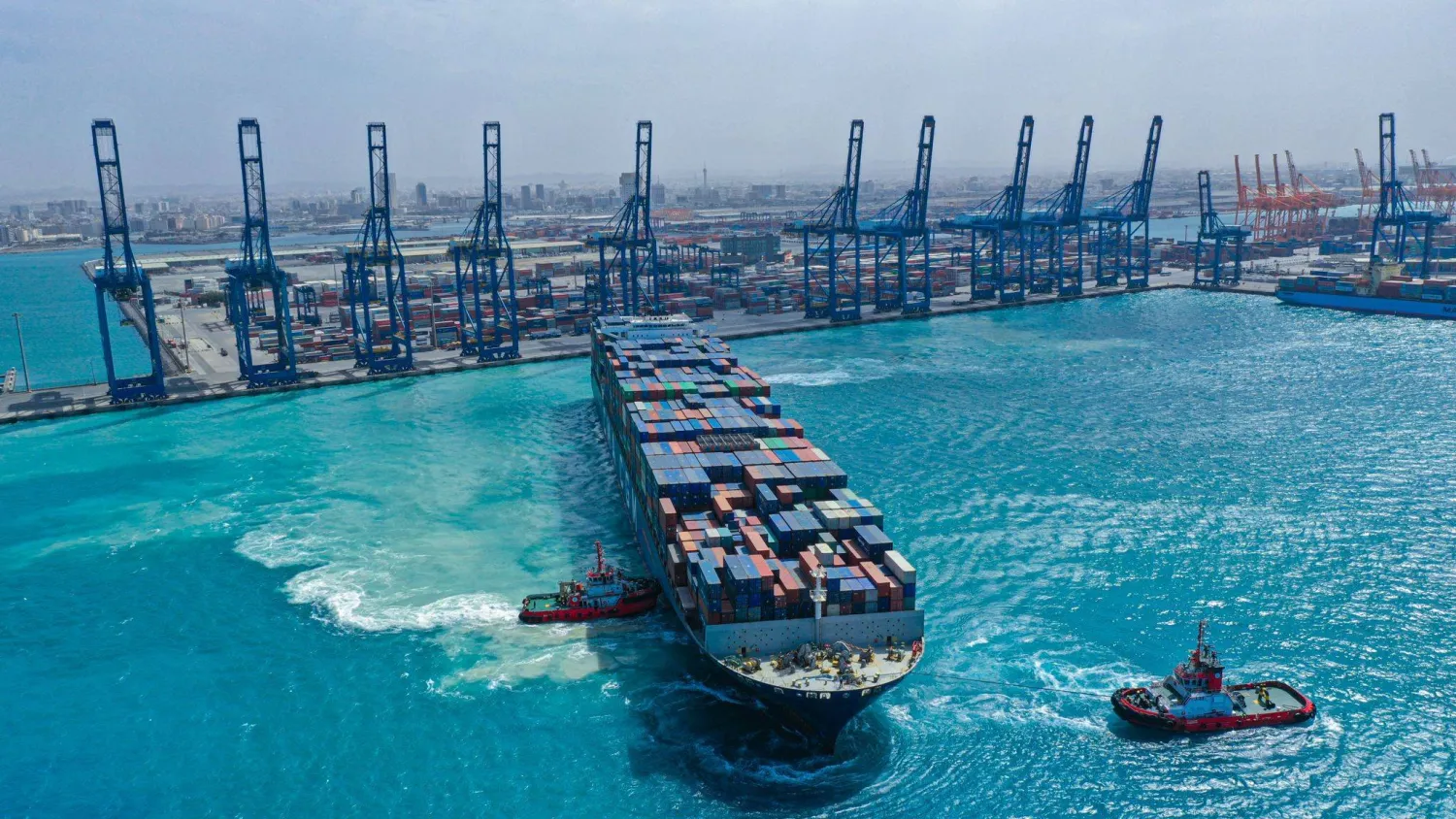
2. Trade and Manufacturing
- Export dominance
- Supply chain control
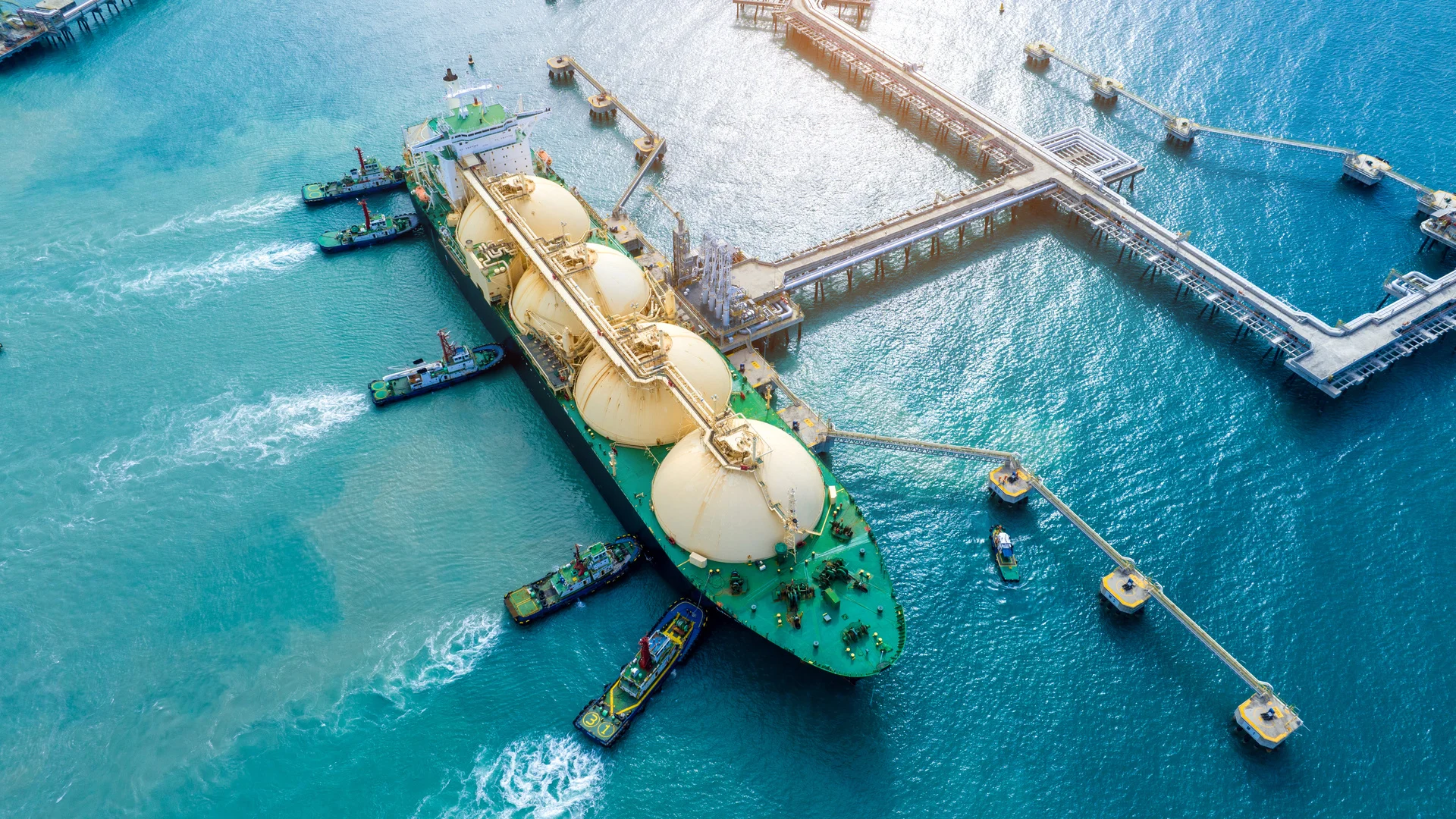
3. Energy Resources
- Oil and gas
- Renewable energy
4. Infrastructure
- Ports, railways, and logistics networks
Insight
The future of economic dominance lies in innovation and connectivity.
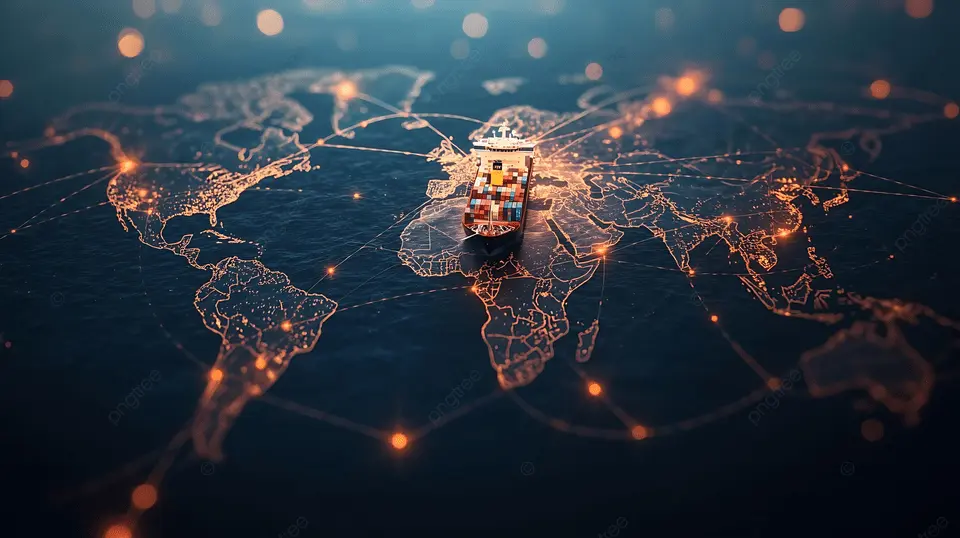
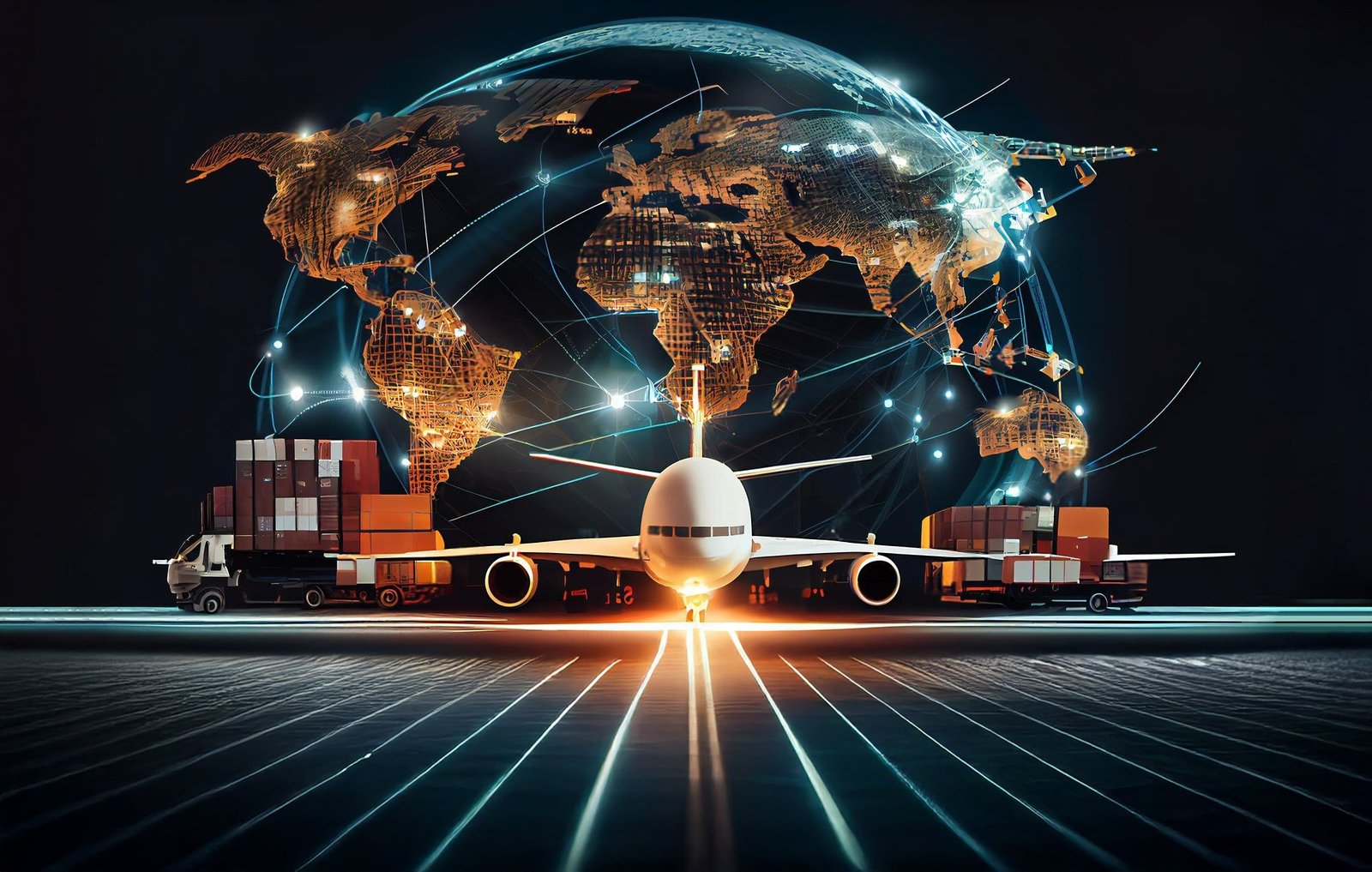
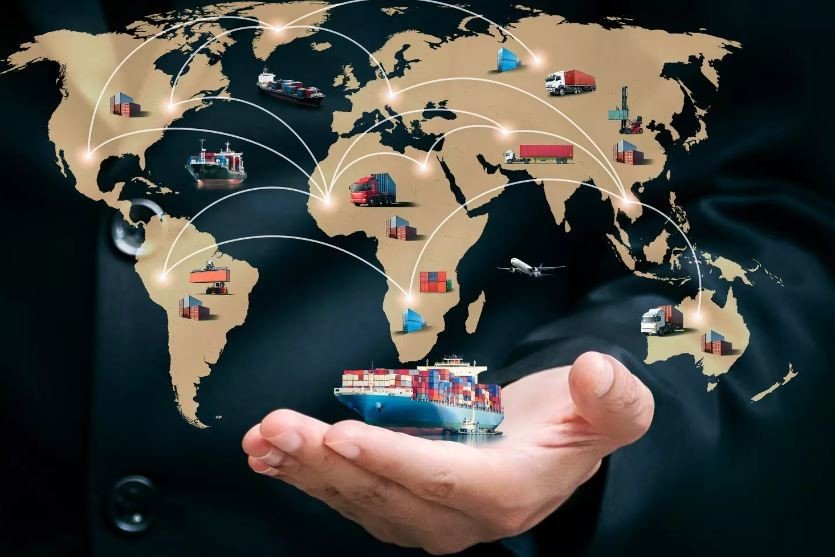
4. Role of Global Trade in Power Competition
Why Trade Matters
Countries that dominate trade:
- Earn more revenue
- Influence global prices
- Control supply chains
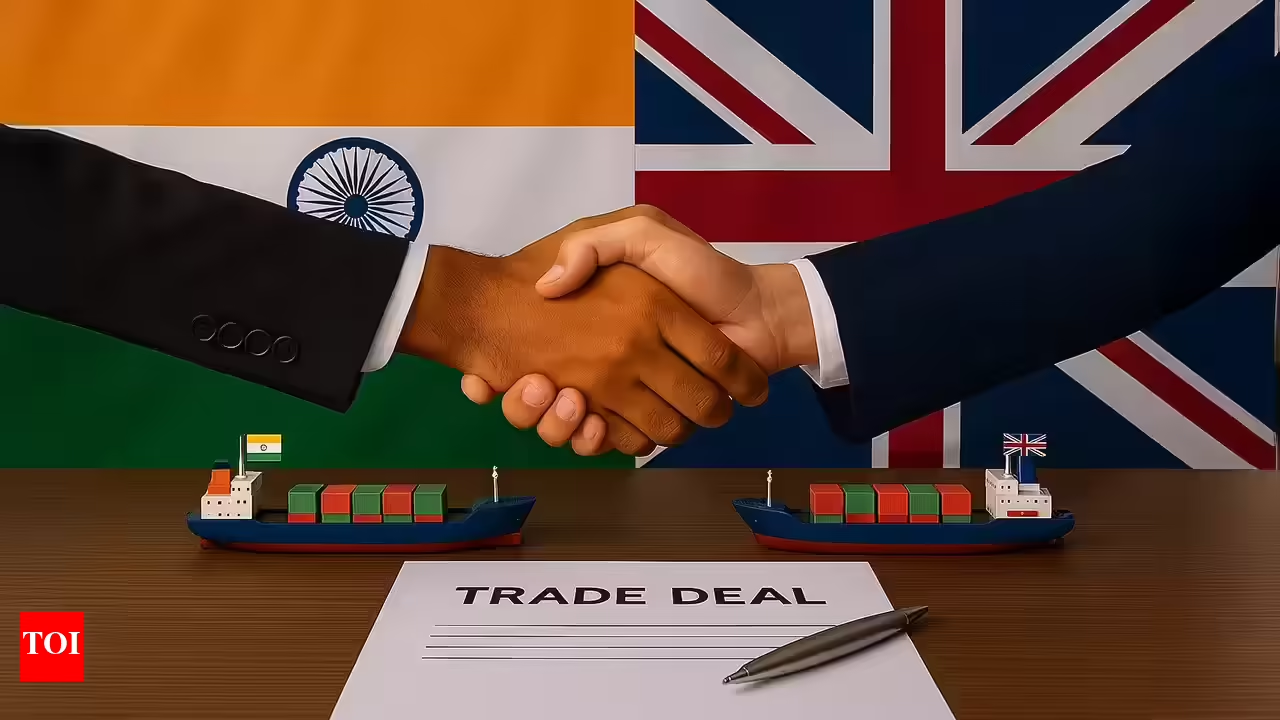
Trade Agreements
- Free trade deals strengthen alliances
- Reduce barriers between countries
Example
China’s Belt and Road Initiative expands its trade reach globally.
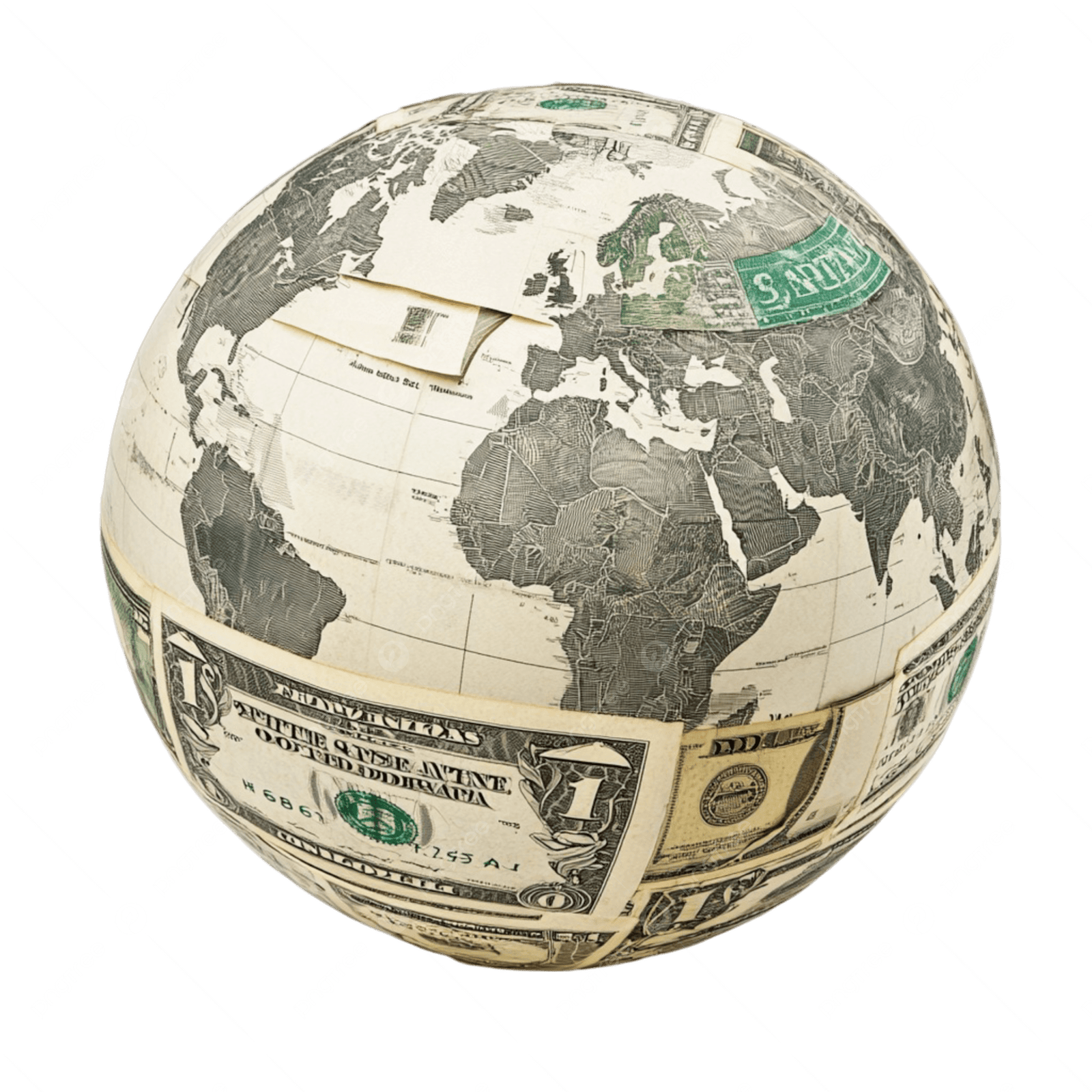
5. Currency Power and Financial Influence
Why Currency Matters
A strong currency allows a country to:
- Influence global trade
- Control financial systems
- Attract investment
Current Scenario
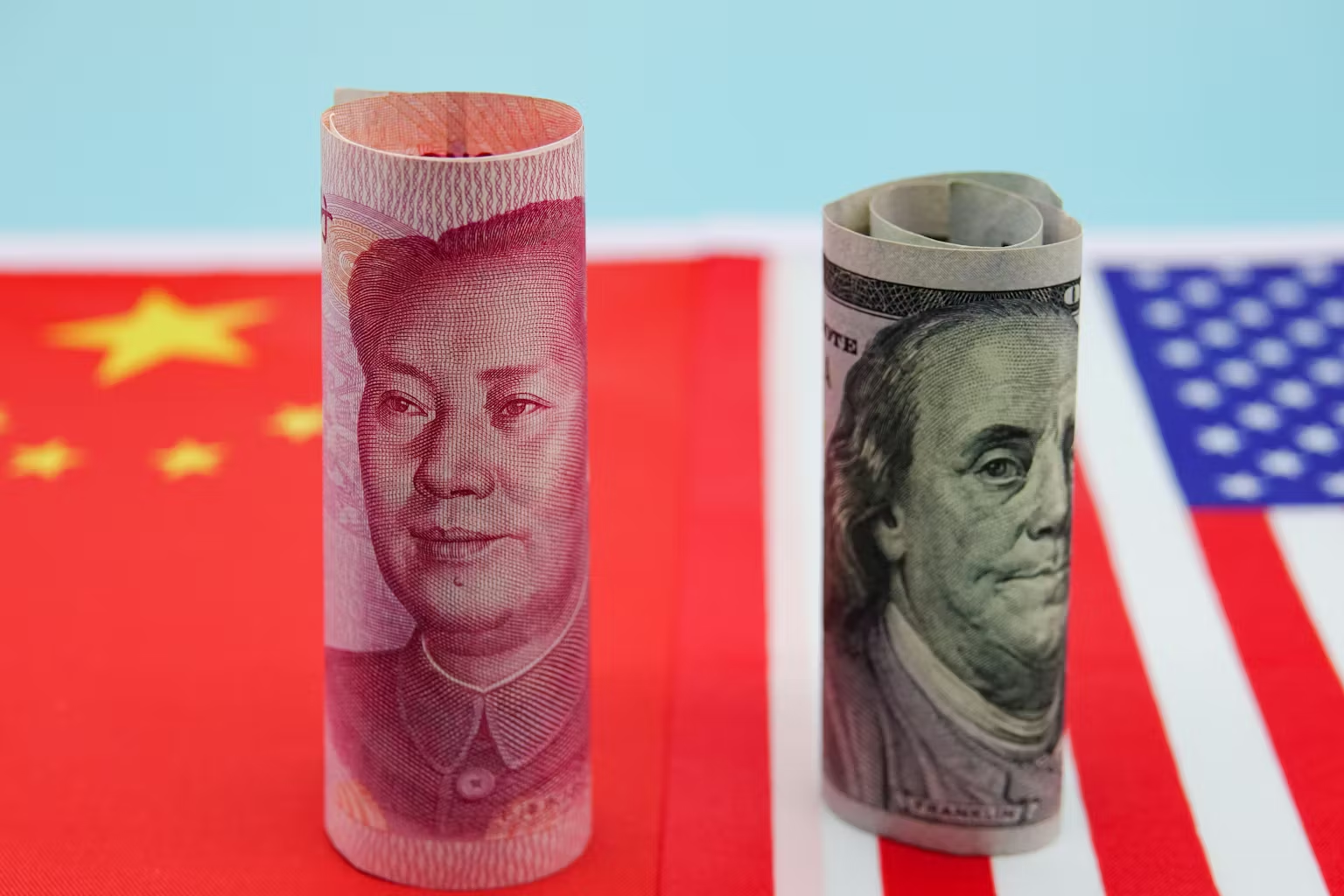
- US dollar dominates global reserves
- China is pushing for wider use of the yuan
6. Innovation and Technology Leadership
Why Innovation Matters
- Drives productivity
- Creates new industries
- Strengthens global influence
Examples
- Silicon Valley (USA)
- Tech expansion in China
- Startup growth in India
7. Challenges in the Race for Dominance
Major Challenges
- Economic slowdowns
- Political conflicts
- Income inequality
- Climate change
Impact
These challenges can slow growth and shift global power.
8. Emerging Economies: The Future Competitors
Who Are Emerging Players?
- India
- Southeast Asia
- Parts of Africa
Why They Matter
- Young populations
- Growing markets
- Increasing investment
9. Is Economic Competition Good or Bad?
Positive Effects
- Innovation and progress
- Better products and services
- Economic growth
Negative Effects
- Trade conflicts
- Inequality
- Global tensions