

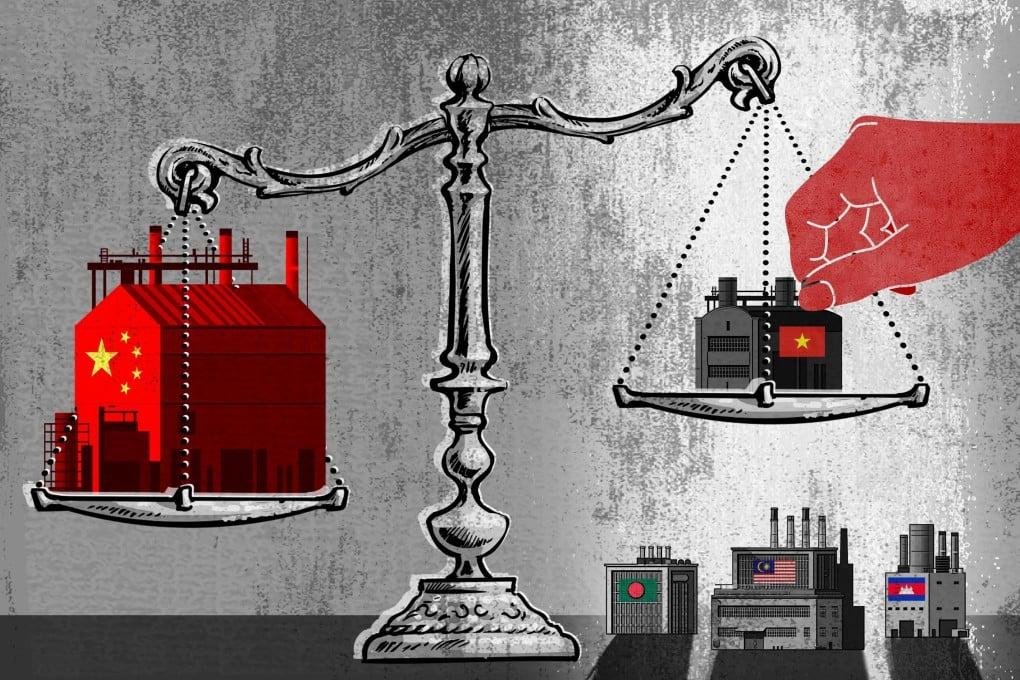
Global Trade Wars Explained
Introduction: What Is a Trade War?
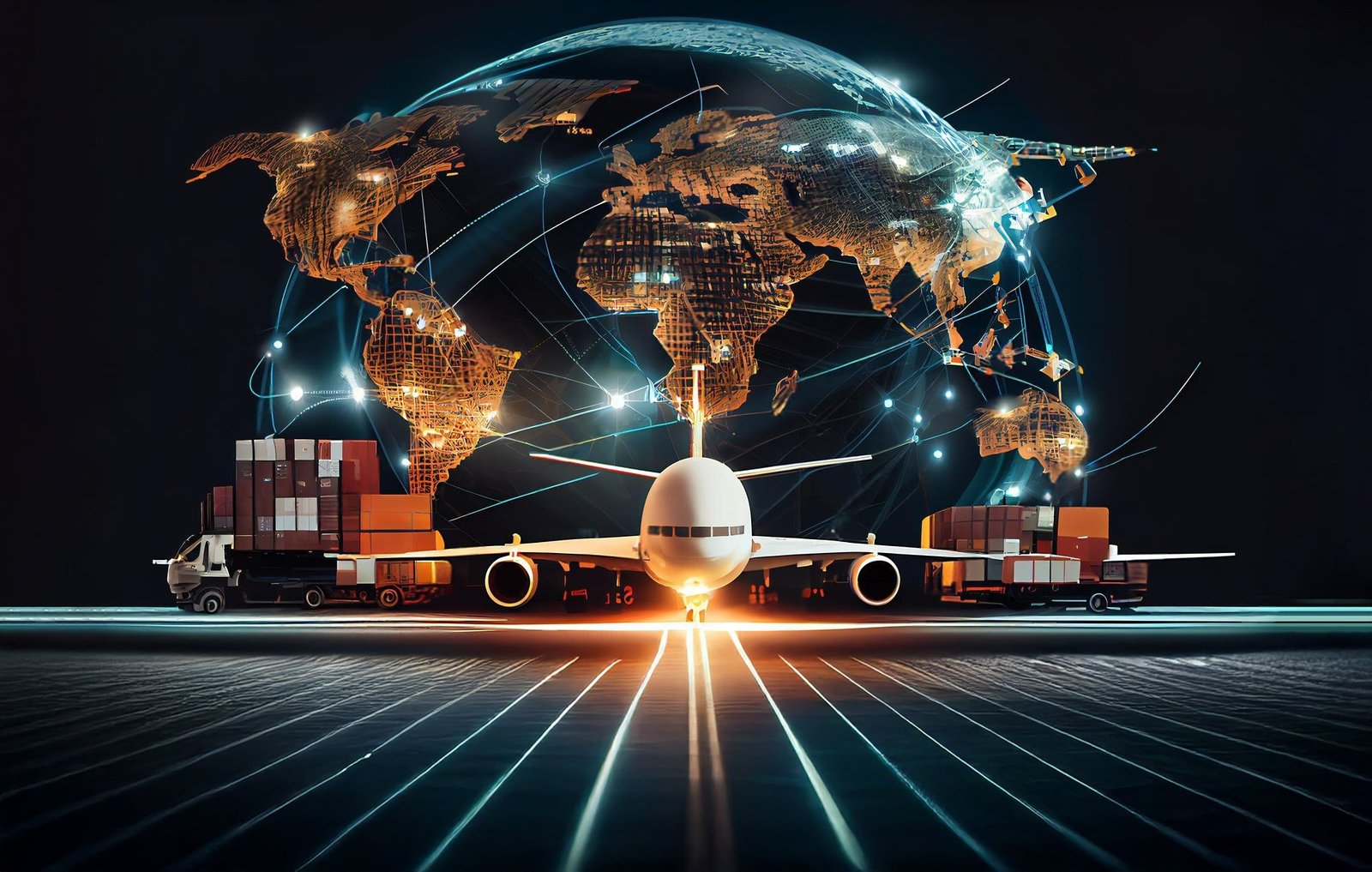
In today’s interconnected world, countries depend heavily on each other for goods, services, and resources. But what happens when this cooperation turns into conflict? That’s where trade wars begin.
A trade war occurs when countries impose restrictions—like tariffs or quotas—on each other to protect their own economies. While the goal is to gain advantage, the result often affects the entire global economy.
1. What Causes Trade Wars?
Key Triggers
- Trade imbalances (one country imports more than it exports)
- Protection of domestic industries
- Political tensions between nations
- Currency manipulation concerns
Simple Example
If Country A believes Country B is harming its industries, it may increase tariffs on imports from Country B.
2. How Trade Wars Work
Step-by-Step Process
- One country imposes tariffs
- The affected country responds with its own tariffs
- Escalation continues
- Global trade slows down
Common Tools Used
- Tariffs (taxes on imports)
- Quotas (limits on quantity)
- Subsidies (support for local industries)
3. Impact on Global Economy
Economic Consequences
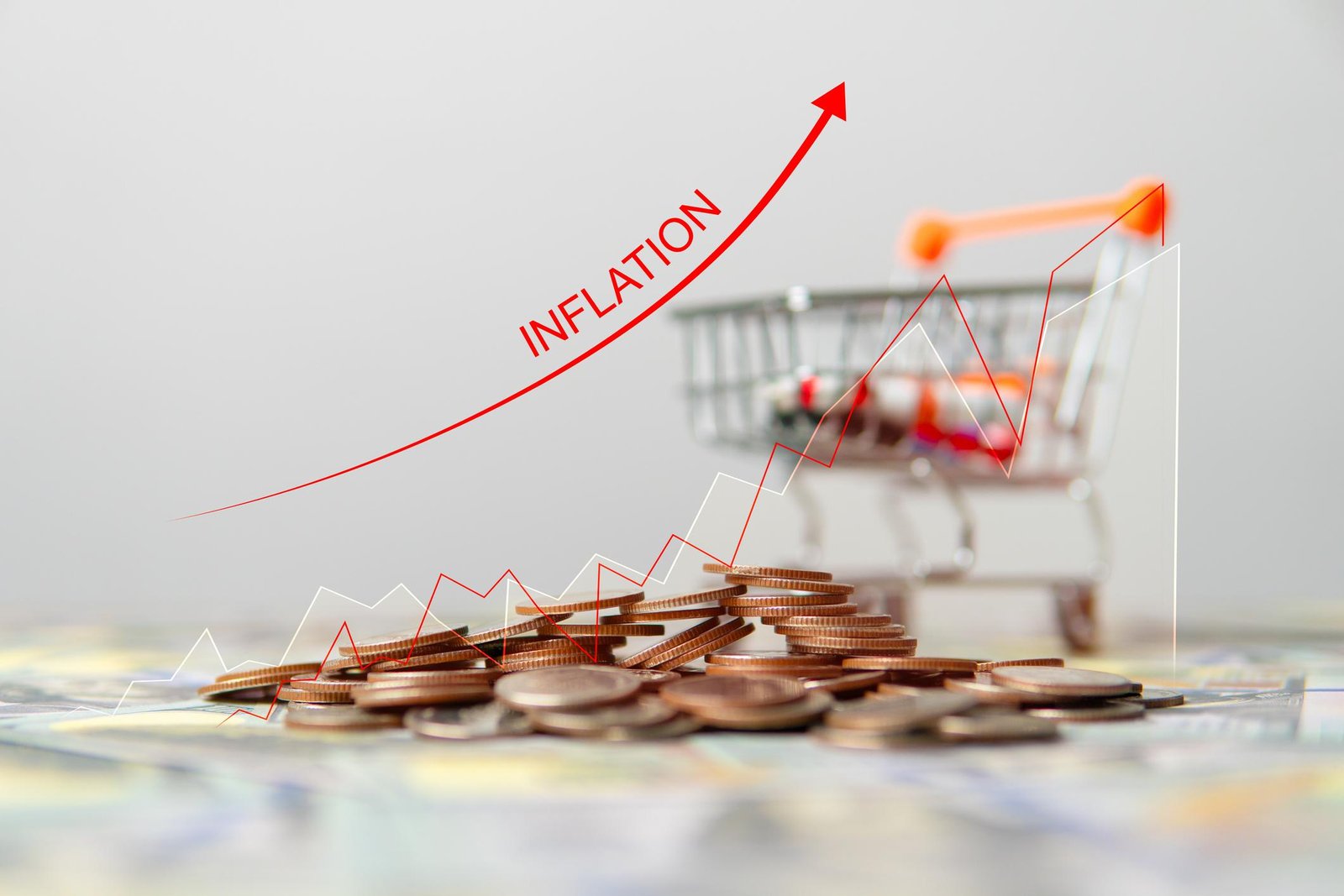
- Higher prices for consumers
- Slower economic growth
- Reduced global trade
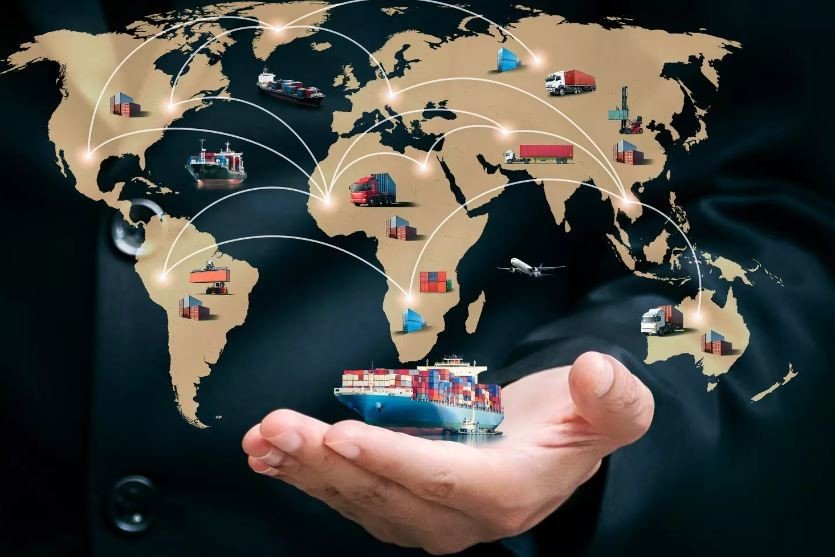
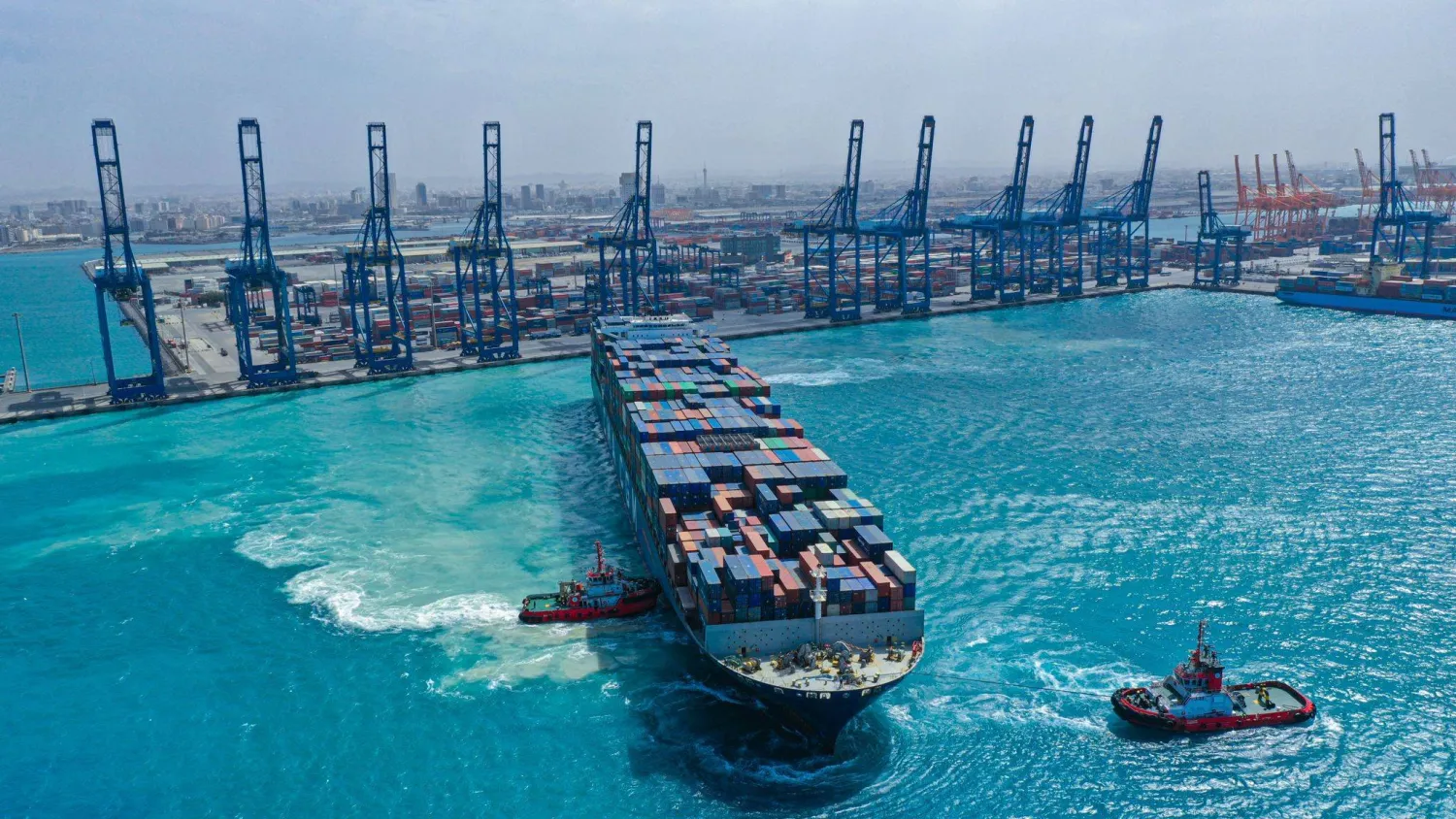
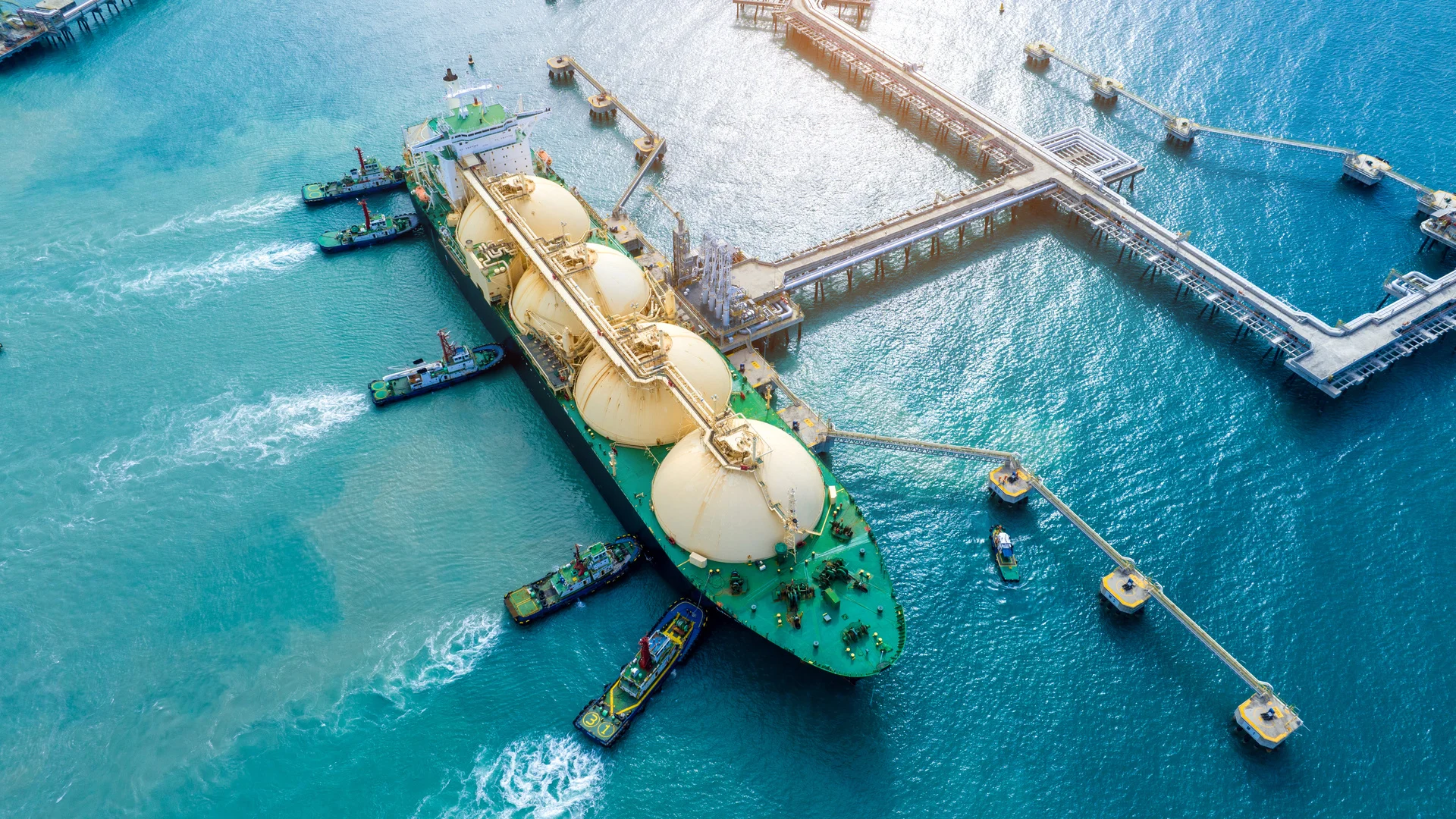
Supply Chain Disruptions
Companies struggle with:
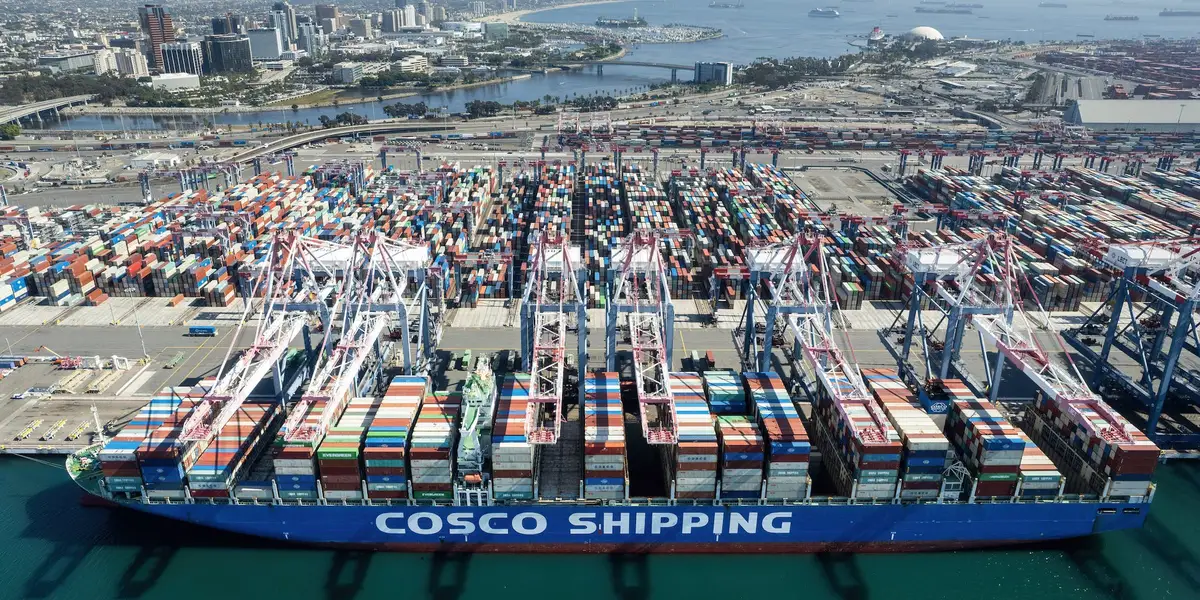
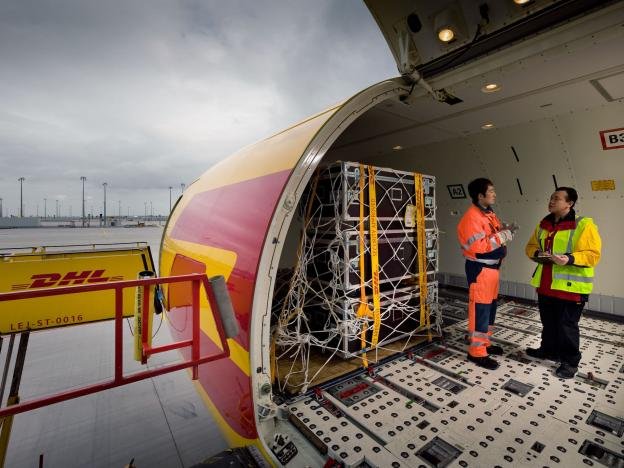
- Delayed shipments
- Increased costs
- Finding new suppliers
4. Effects on Businesses and Industries
Industries Most Affected
- Manufacturing
- Agriculture
- Technology
What Businesses Face
- Increased production costs
- Reduced exports
- Lower profits
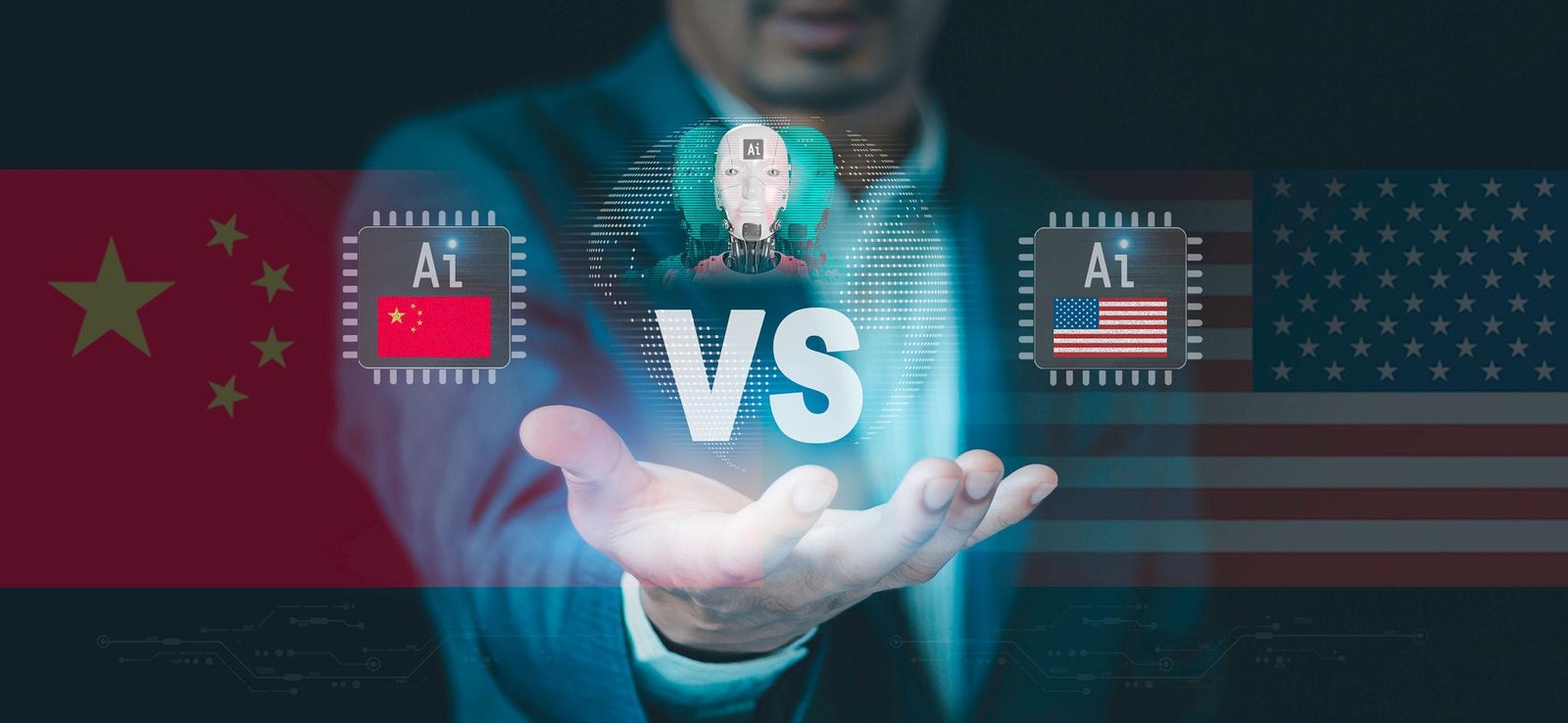
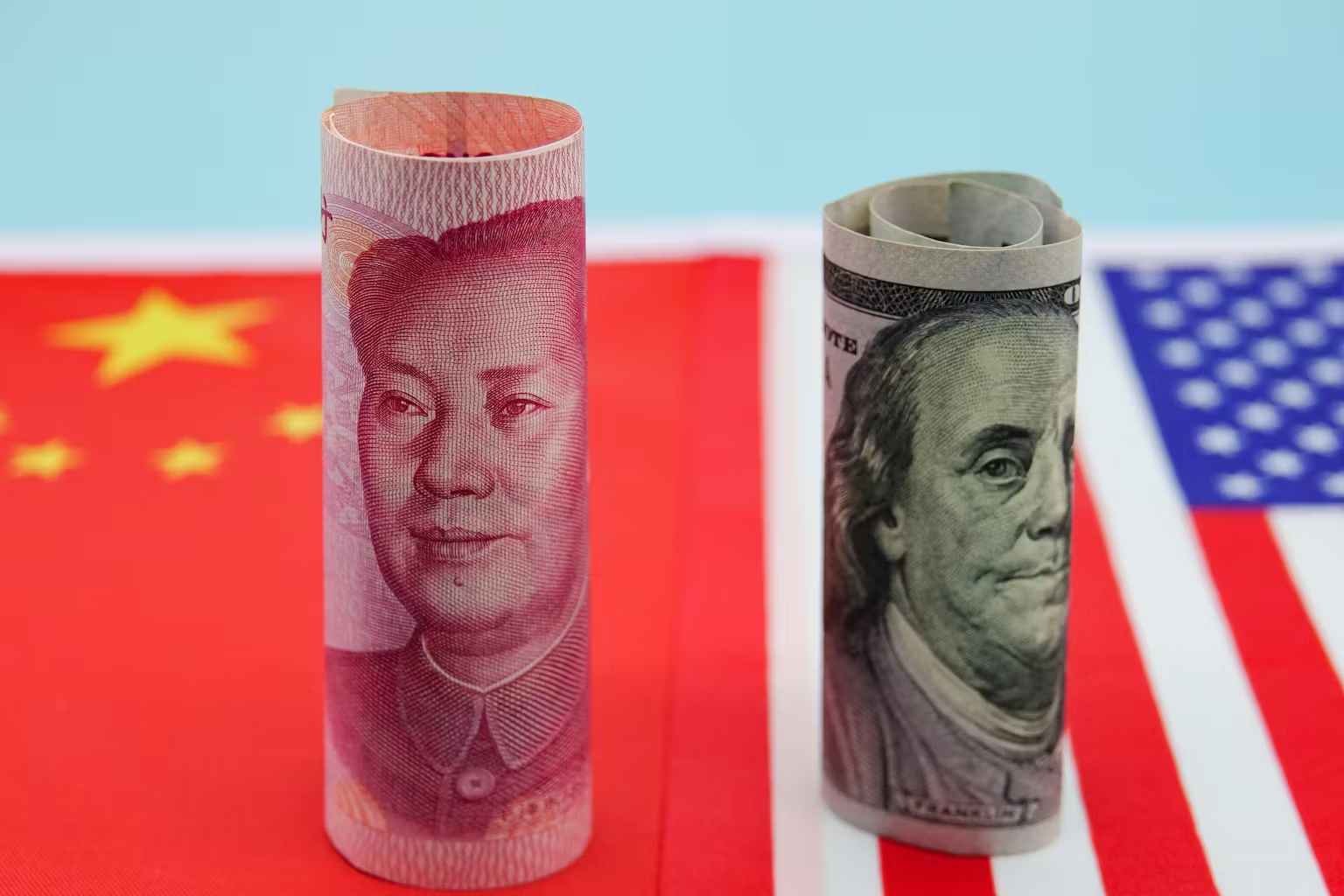
5. Real-World Example: US–China Trade War
What Happened
- The US imposed tariffs on Chinese goods
- China responded with tariffs on US products
Impact
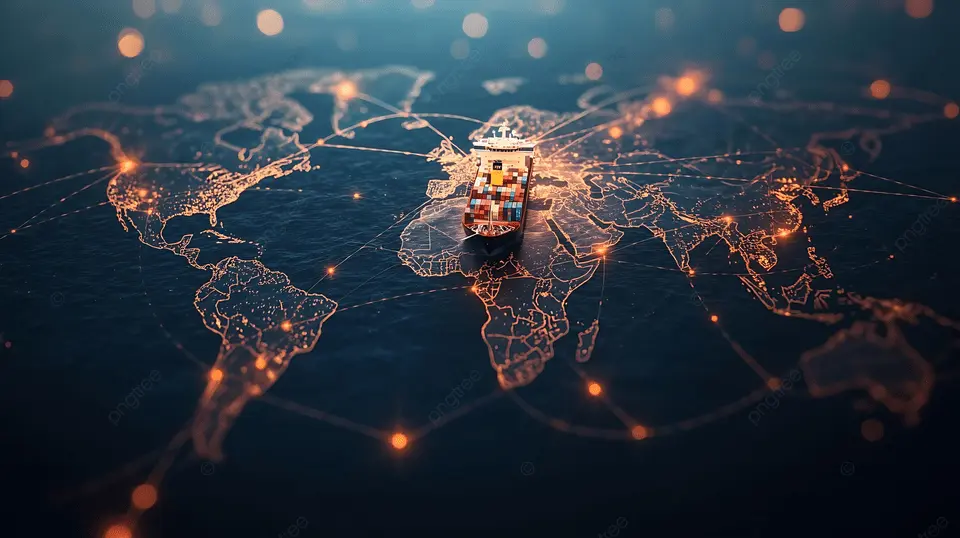
- Disrupted global supply chains
- Affected tech and agriculture sectors
- Increased uncertainty in global markets
6. Winners and Losers in Trade Wars
Potential Winners
- Domestic industries (short-term)
- Third countries gaining redirected trade
Major Losers
- Consumers (higher prices)
- Export-dependent businesses
- Global economic stability
7. Long-Term Global Effects
Shift in Global Trade Patterns
- Companies move production to new countries
- New trade alliances form
De-globalization Risk
- Reduced international cooperation
- Increased economic fragmentation
8. How Countries Avoid Trade Wars
Diplomacy and Negotiation
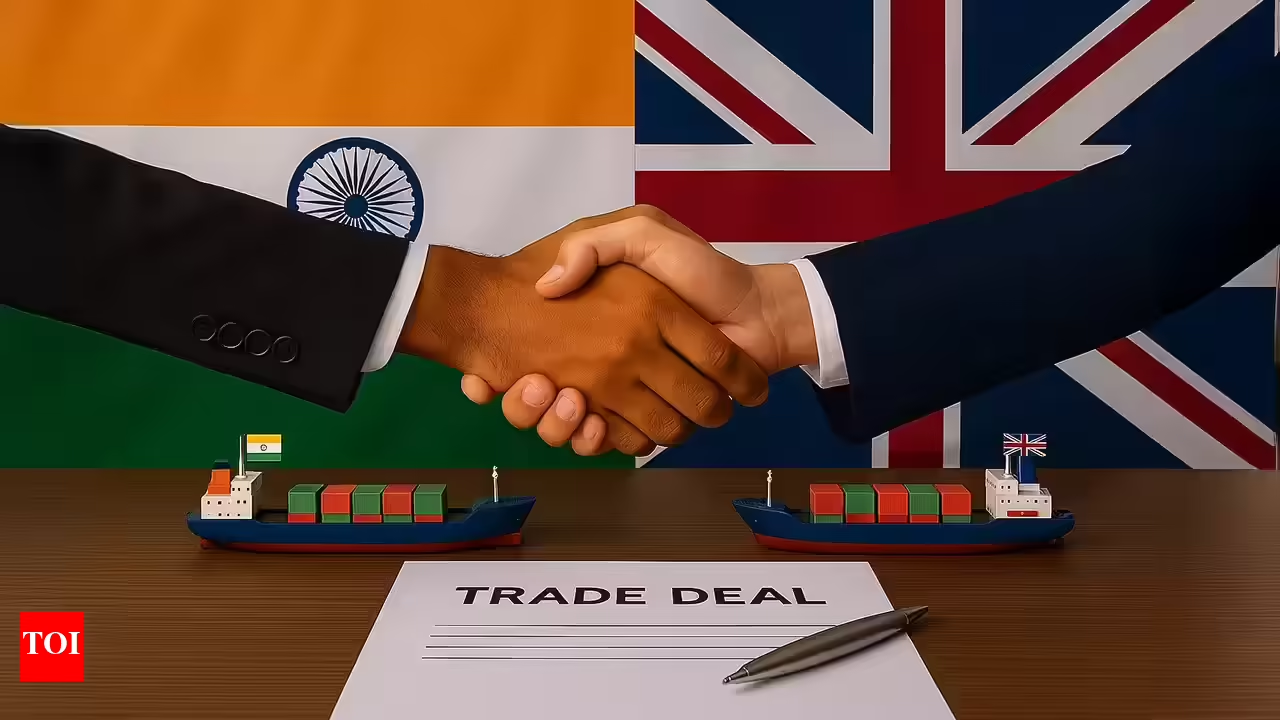
- Trade agreements
- International discussions
Role of Global Organizations
- World Trade Organization (WTO)
- Economic partnerships