

Global Population Shifts and Economic Growth
Introduction
Global population trends are changing rapidly. Some countries are experiencing population growth, while others face aging populations and declining workforce numbers. These population shifts are reshaping economic growth, labor markets, and investment opportunities.
Countries with growing populations often see increased demand for housing, infrastructure, and jobs. Meanwhile, aging societies must adapt to slower workforce growth and higher healthcare costs.
What Are Global Population Shifts?
Population shifts refer to changes in:
- Population growth rates
- Aging populations
- Migration patterns
- Urbanization trends
These changes influence:
- Economic productivity
- Consumer demand
- Real estate markets
- Labor supply
Population Growth vs Aging Economies
Growing Population Economies
Countries with young populations benefit from:
- Expanding workforce
- Higher consumption
- Economic expansion
- Urban development
Examples include emerging markets with strong demographic growth.
Aging Population Economies
Countries with aging populations face:
- Labor shortages
- Slower economic growth
- Increased healthcare costs
- Pension system pressure
These challenges impact long-term economic performance.
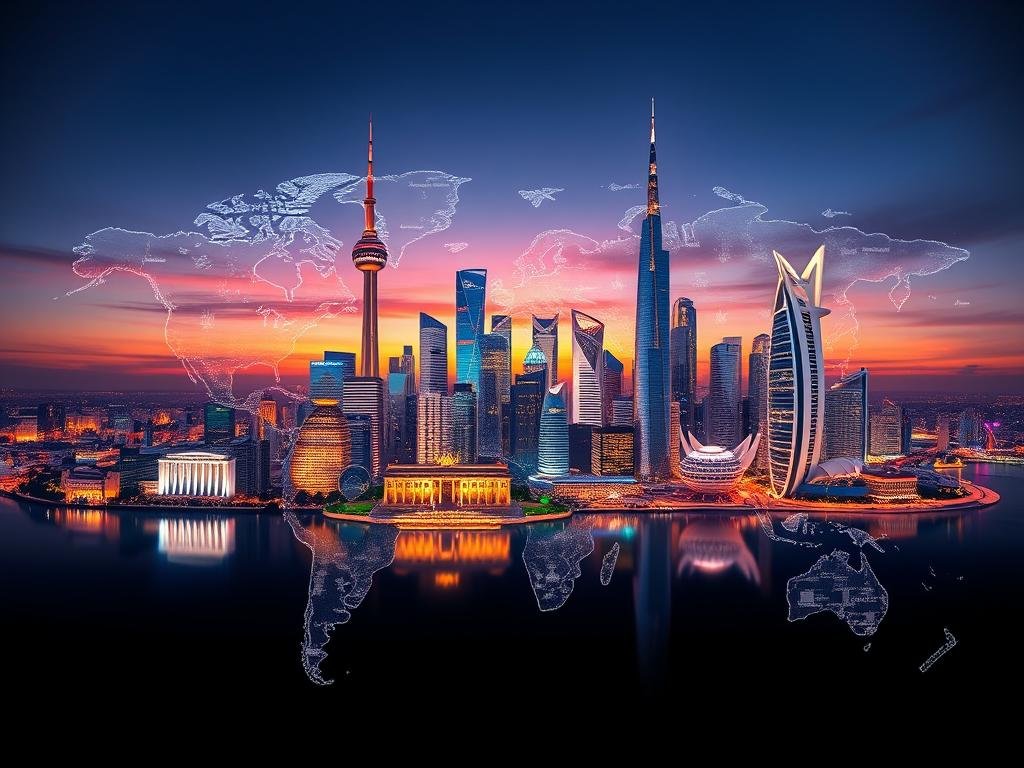
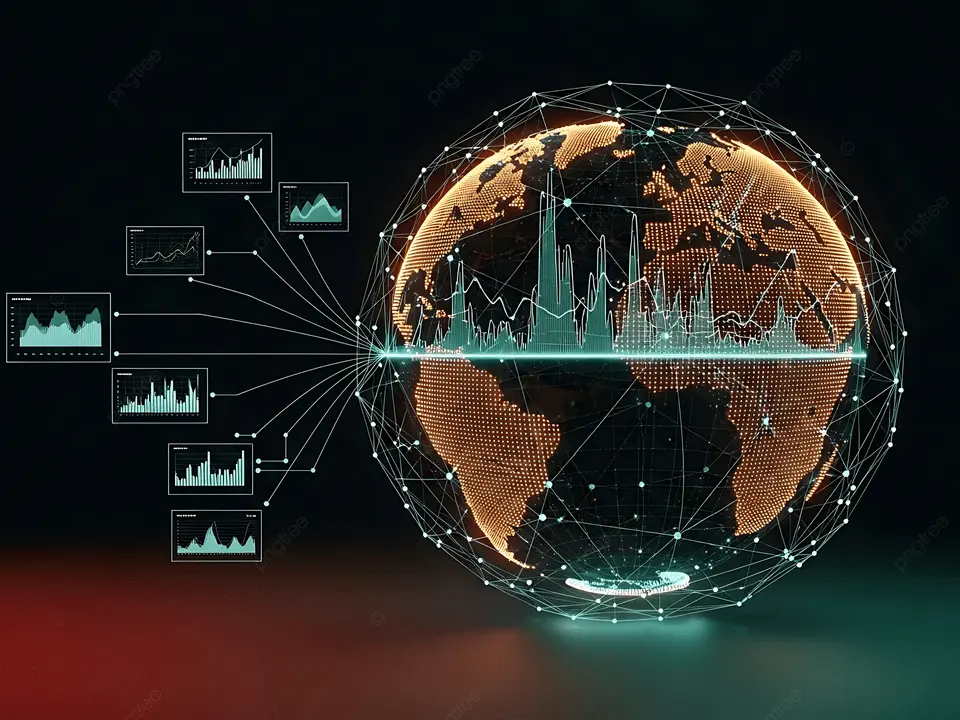
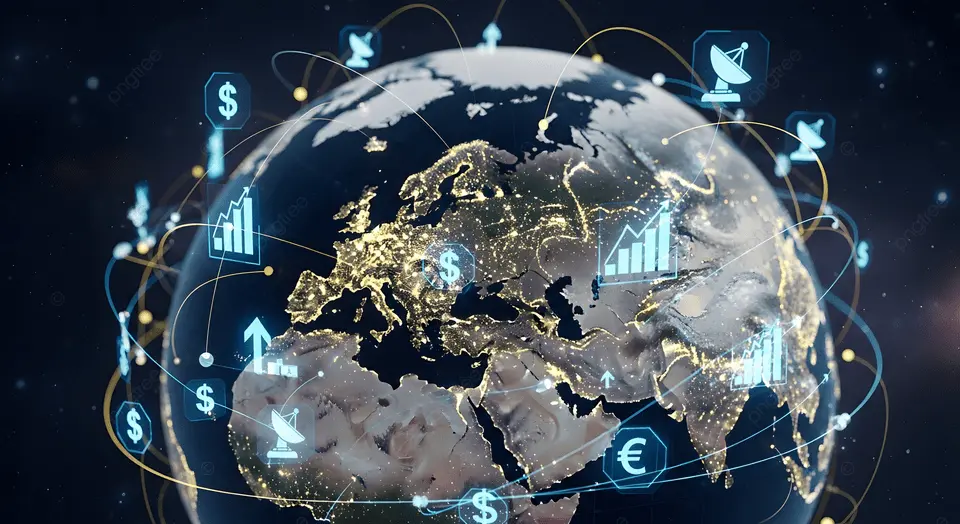
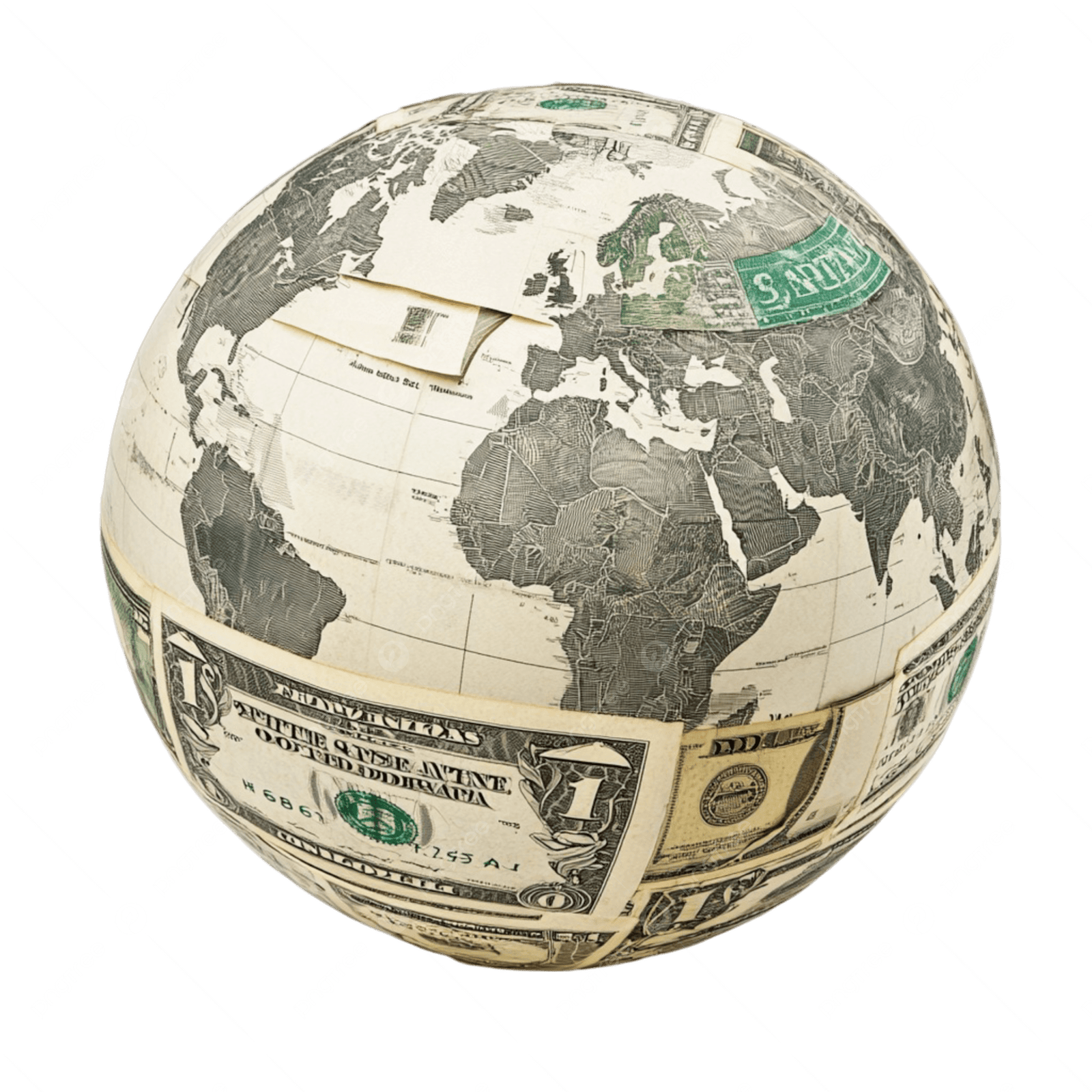
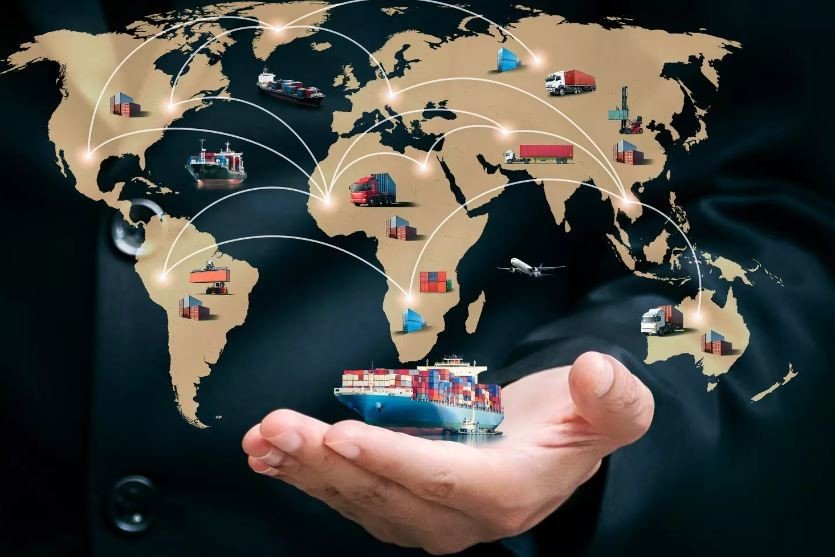
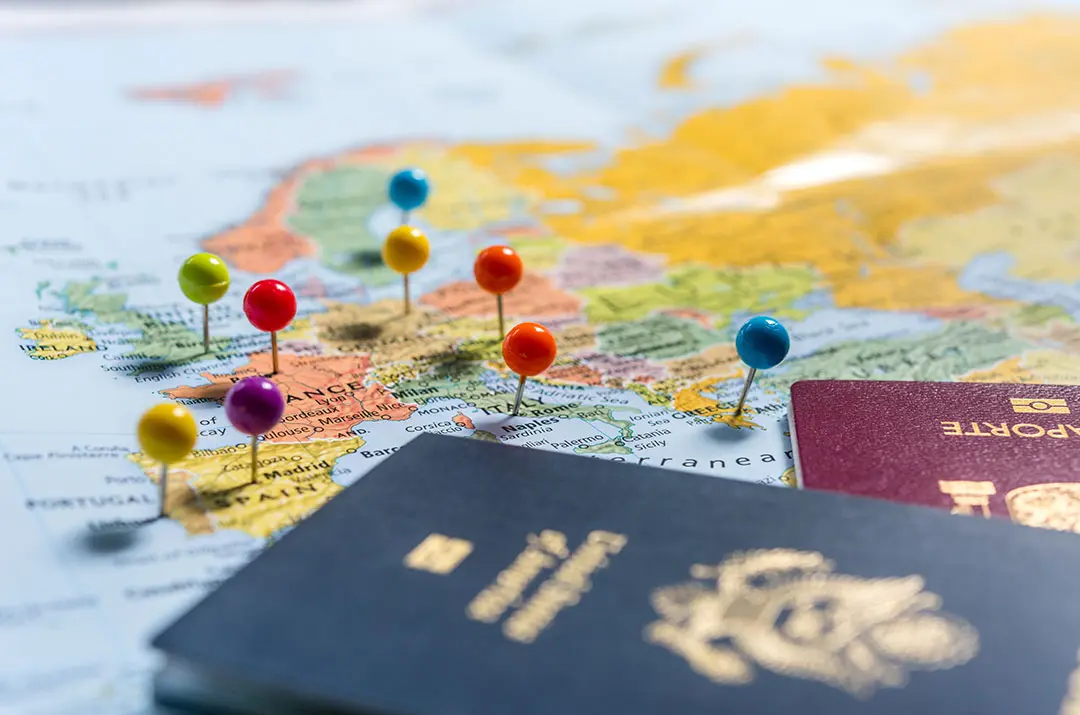
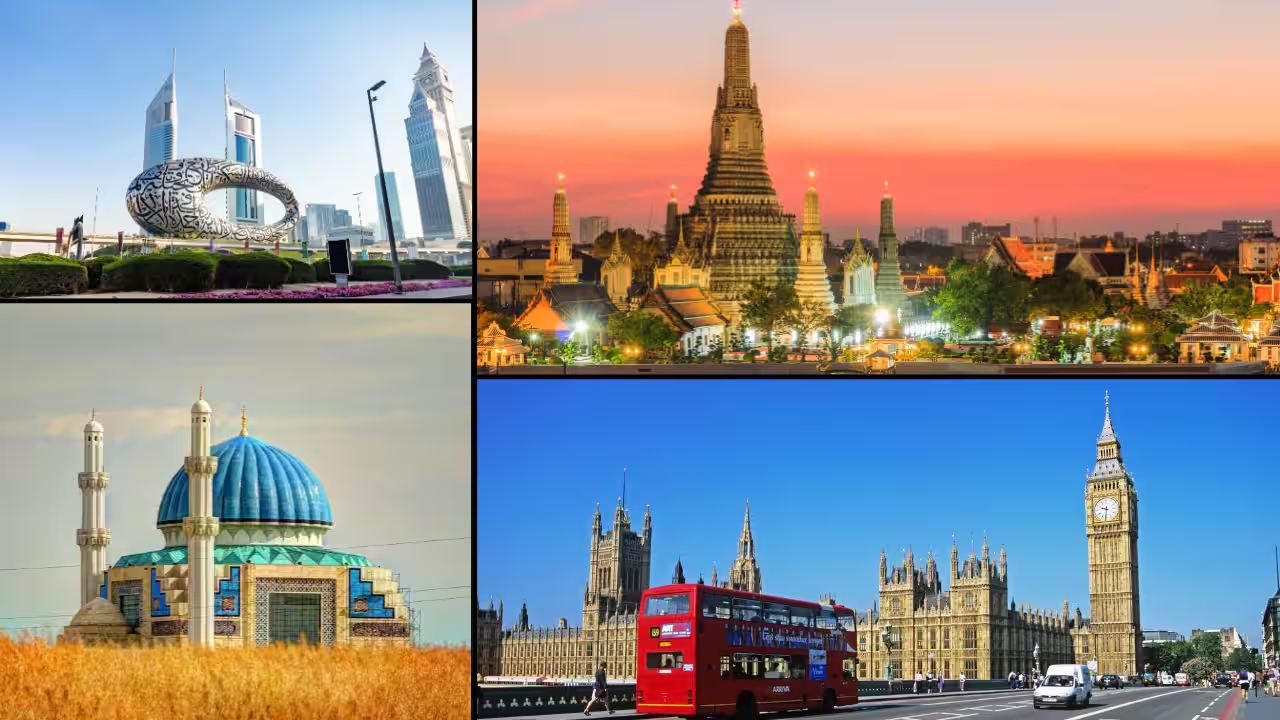
Global Population Shift Map
Population shifts are creating new economic opportunities:
- Growing cities
- Expanding middle class
- Infrastructure demand
- Investment growth
How Population Shifts Drive Economic Growth
1. Expanding Workforce
A growing population increases:
- Labor supply
- Productivity
- Industrial growth
This supports long-term economic expansion.
2. Rising Consumer Demand
More people create demand for:
- Housing
- Transportation
- Technology
- Retail services
This stimulates economic activity.
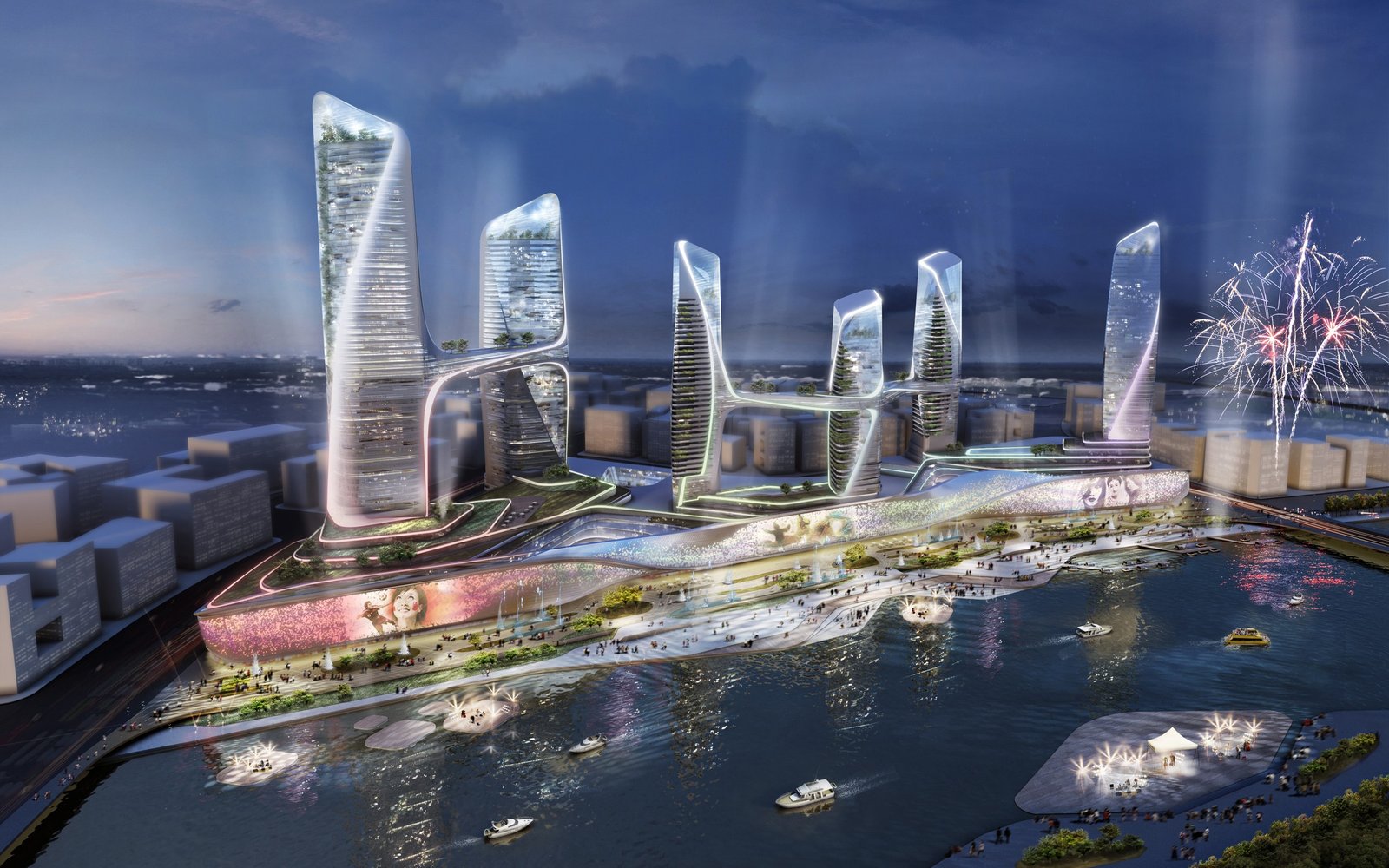
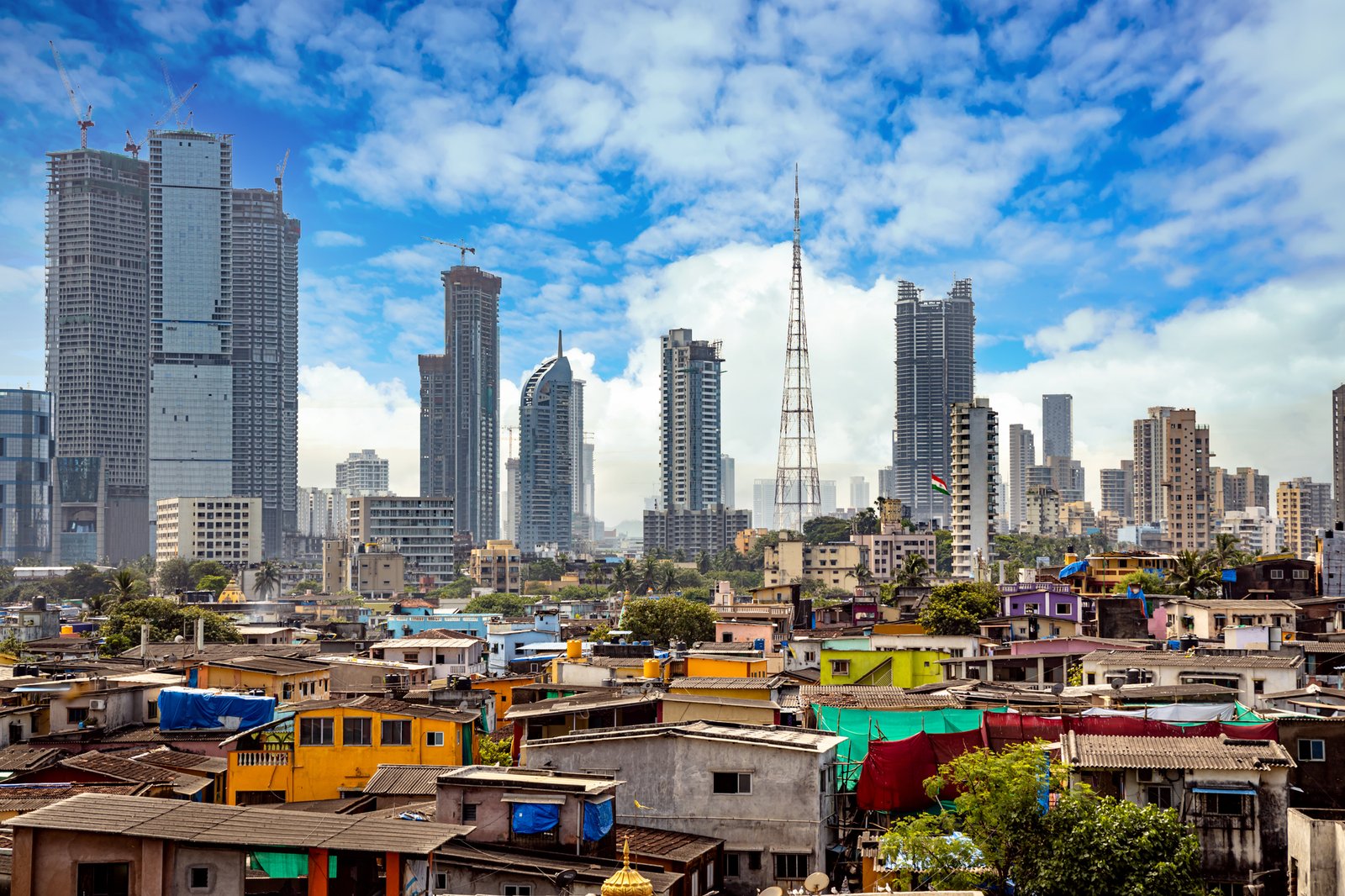
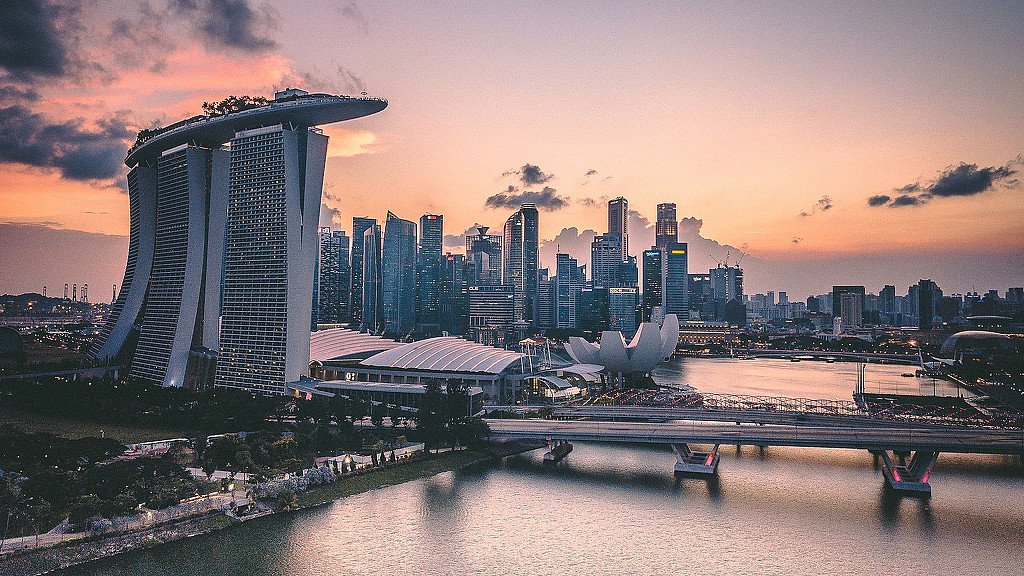
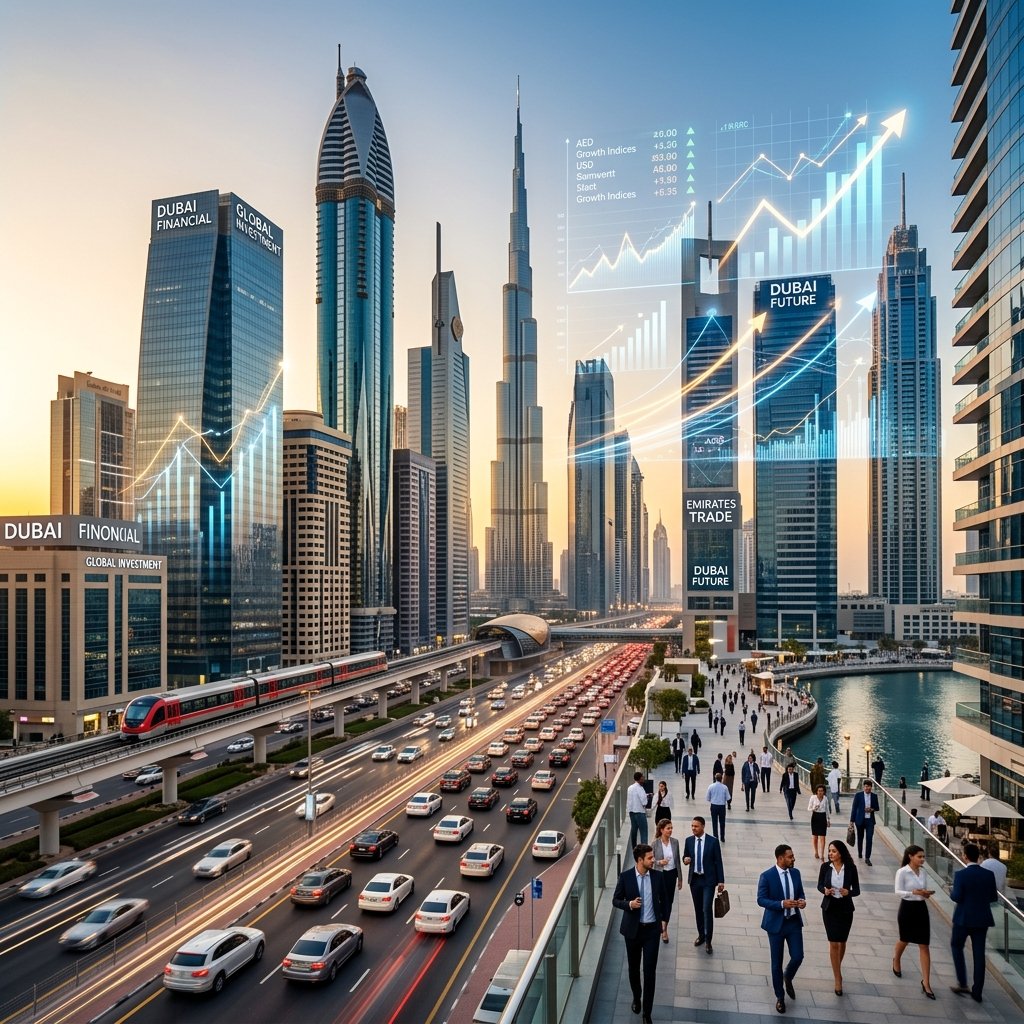
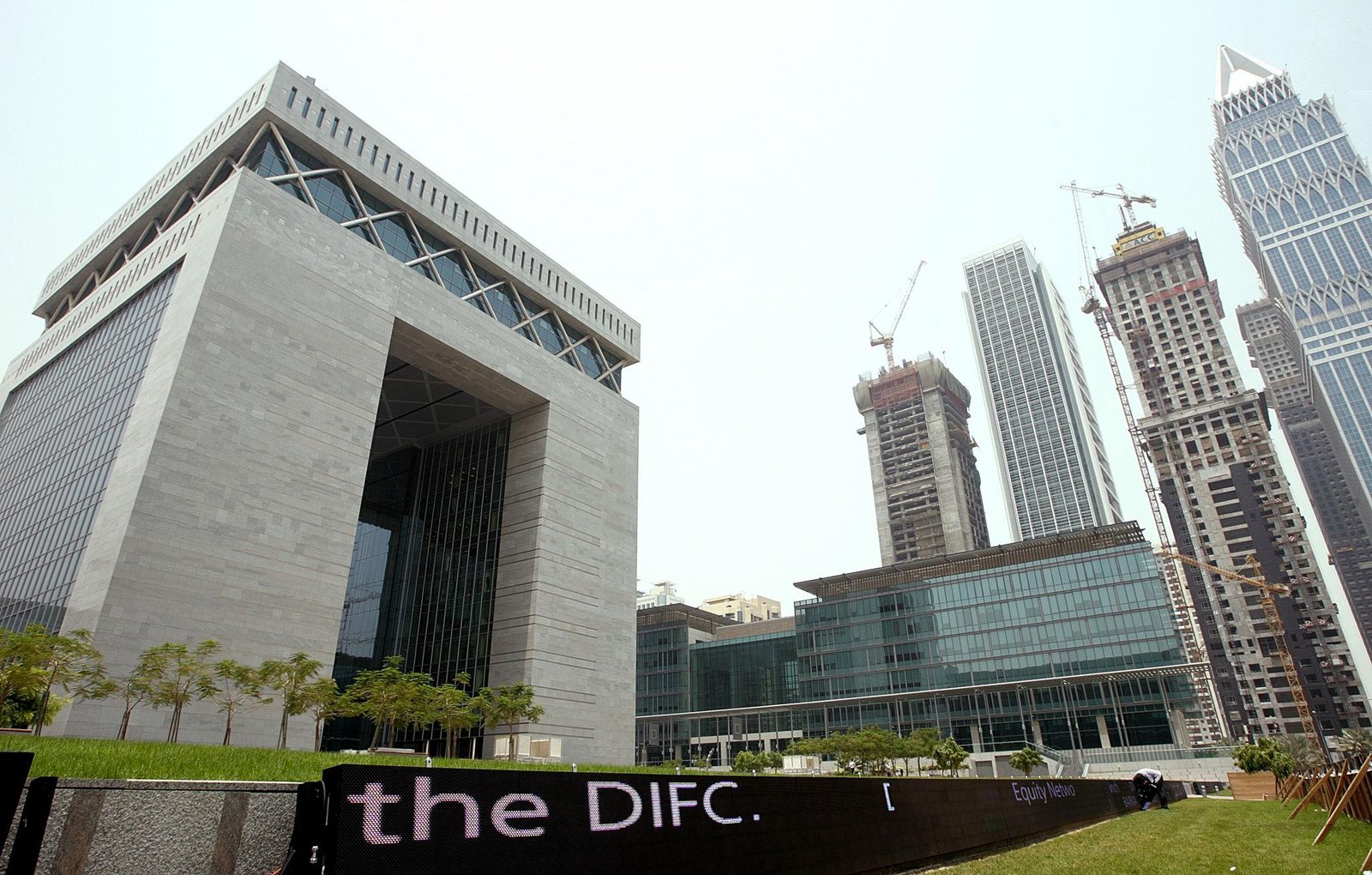
3. Urbanization and City Growth
Population shifts often lead to:
- Expansion of cities
- New infrastructure projects
- Real estate demand
Urbanization is a major economic driver.
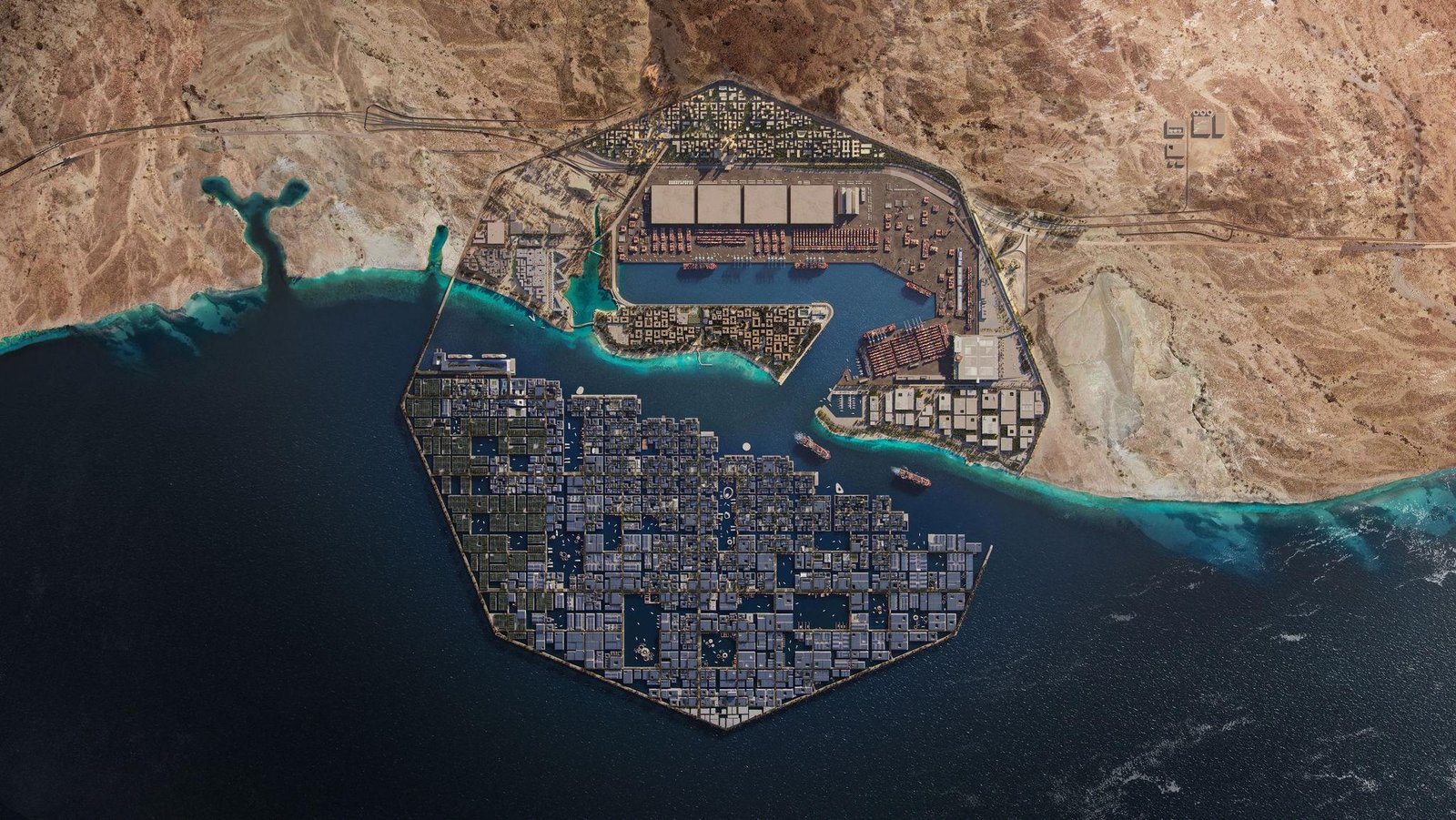
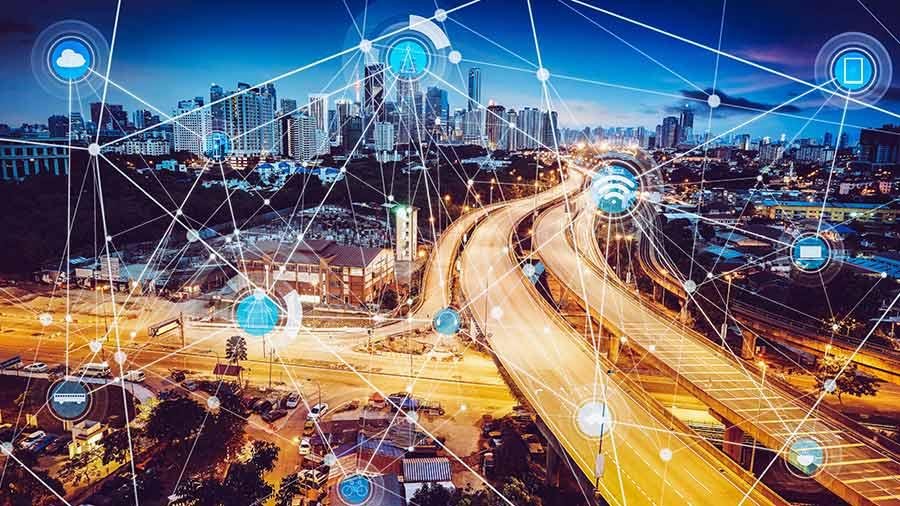
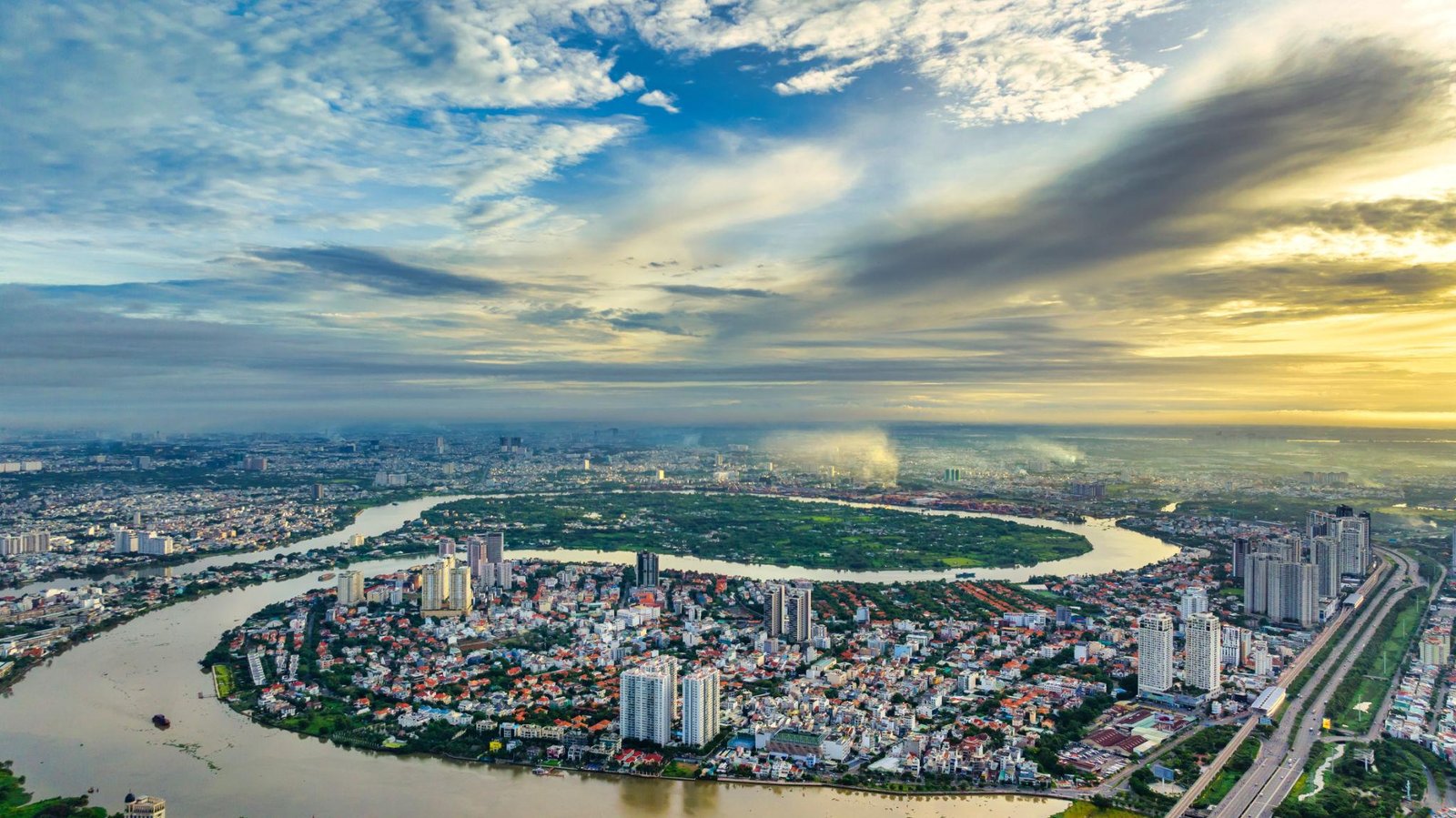
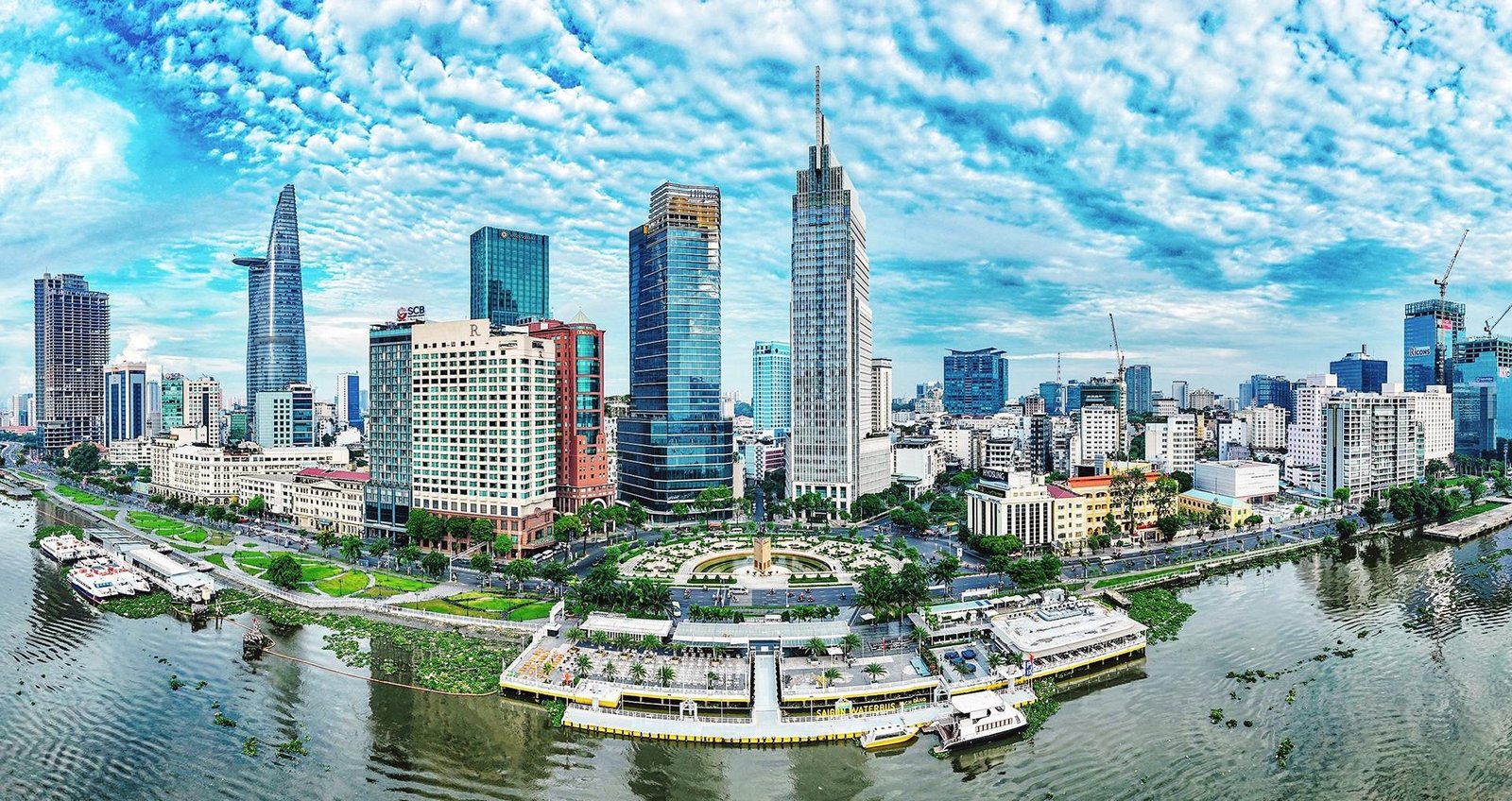
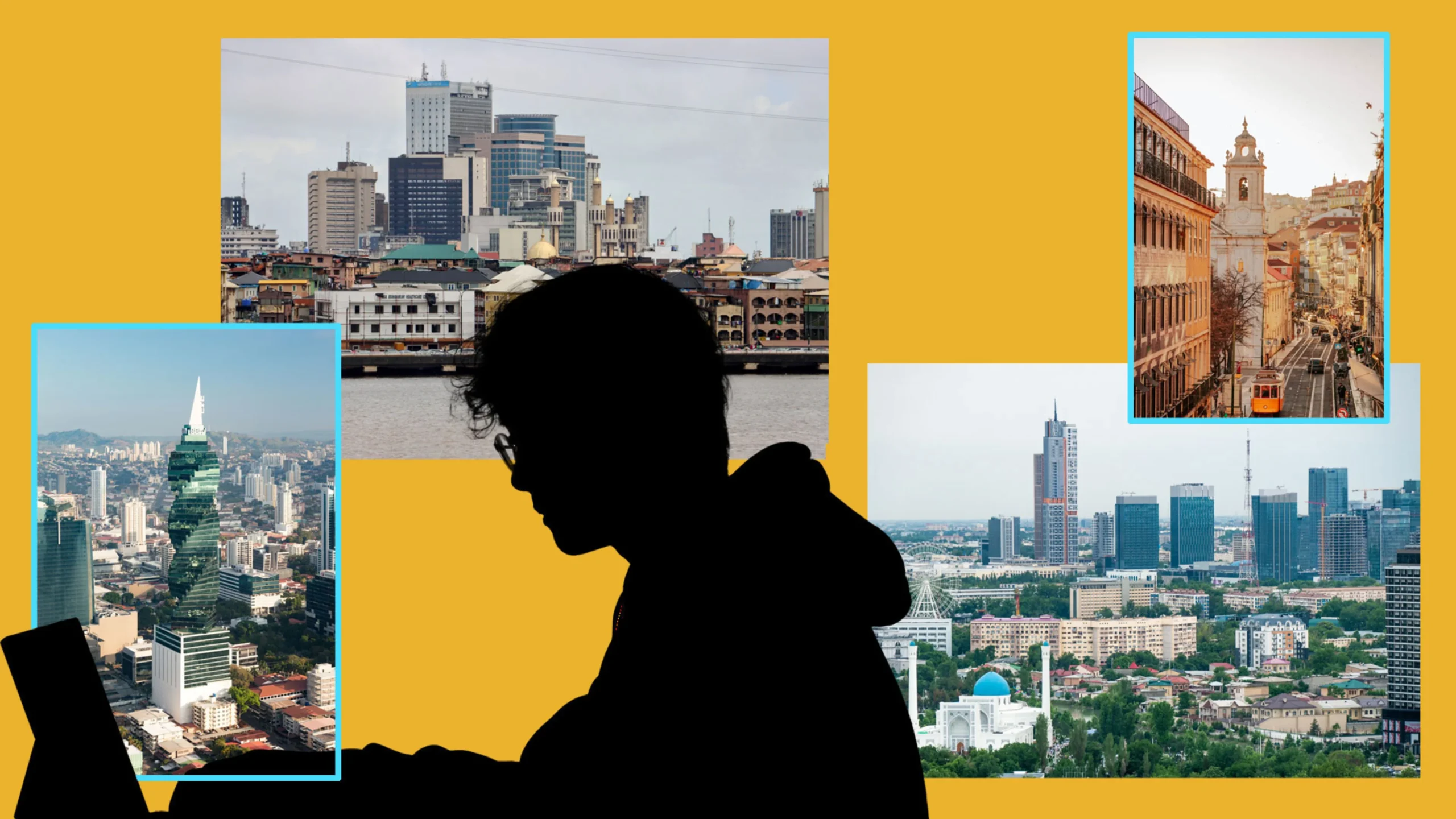
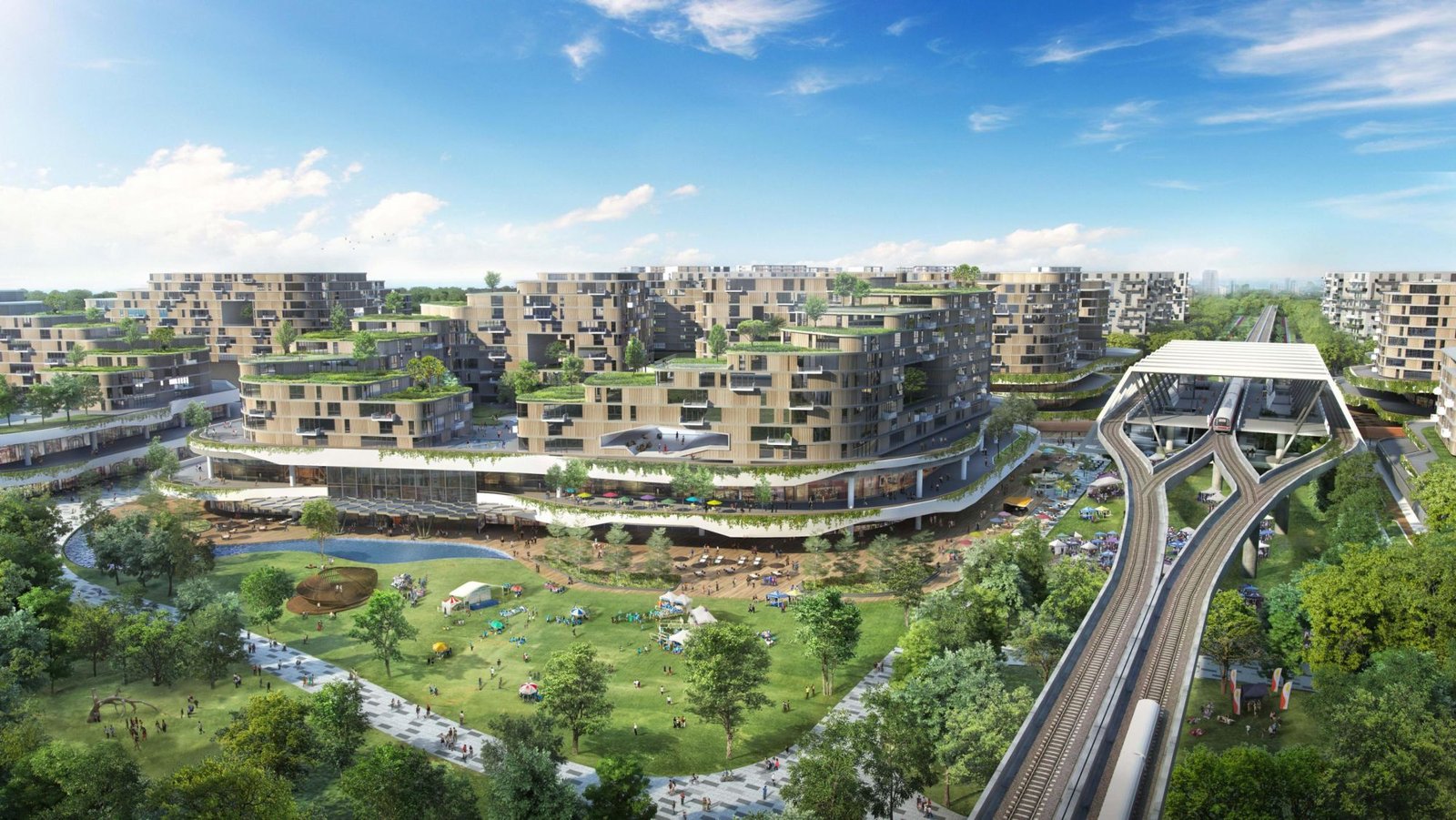
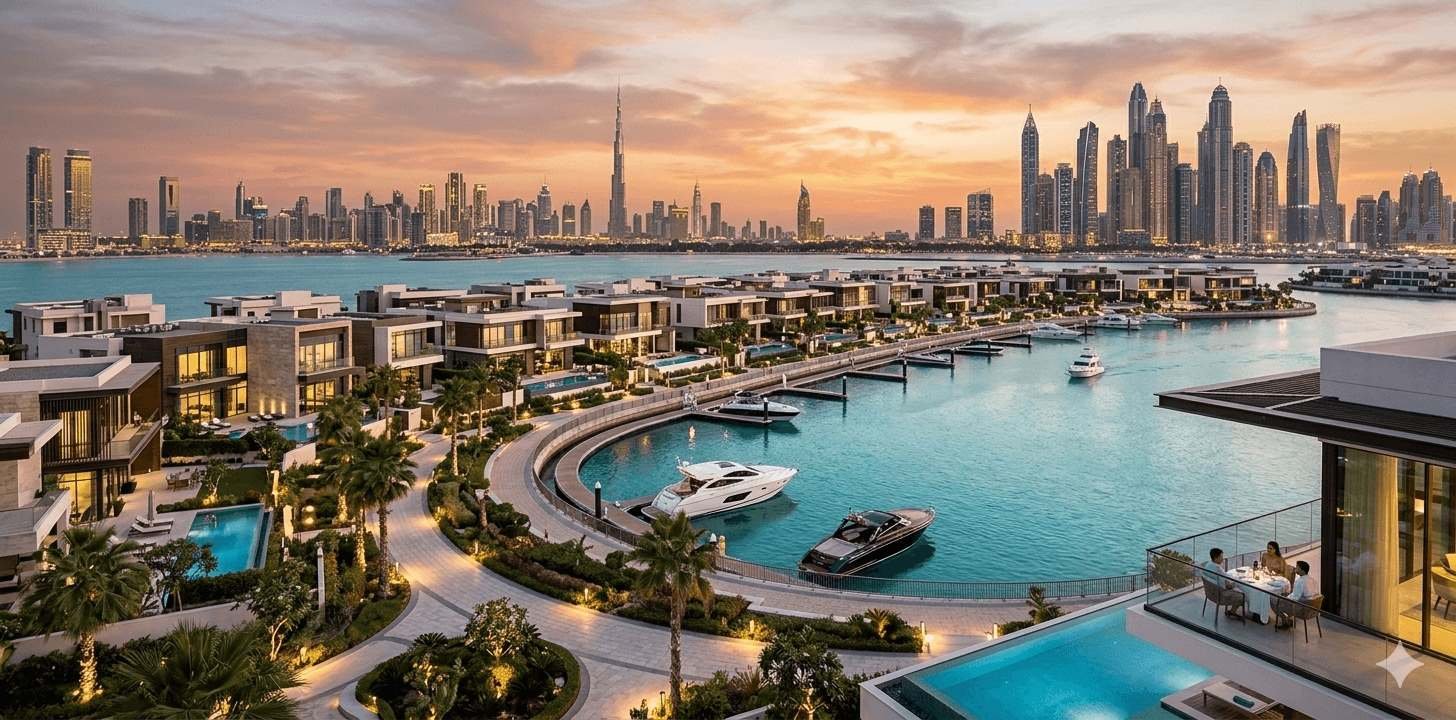
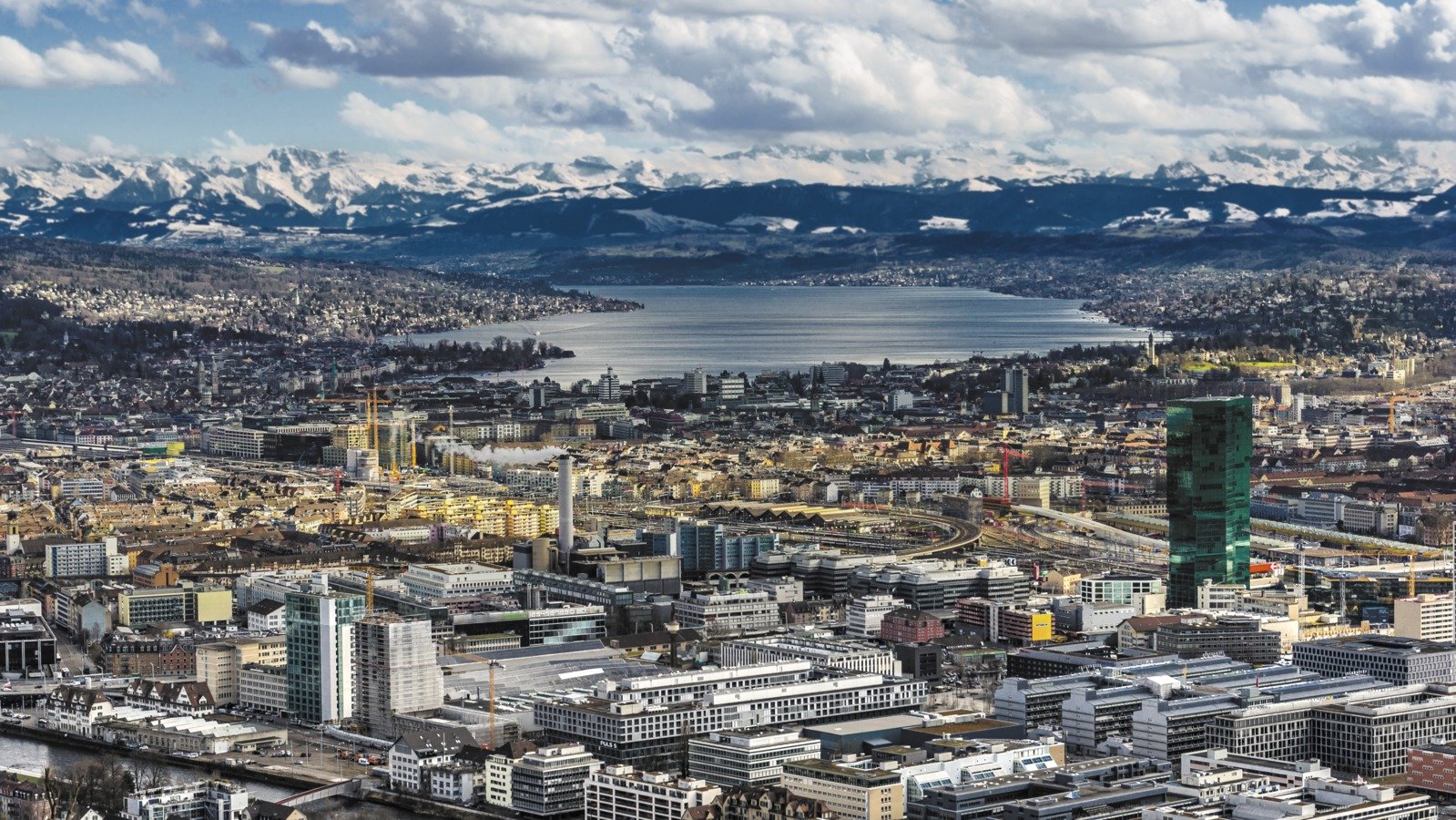
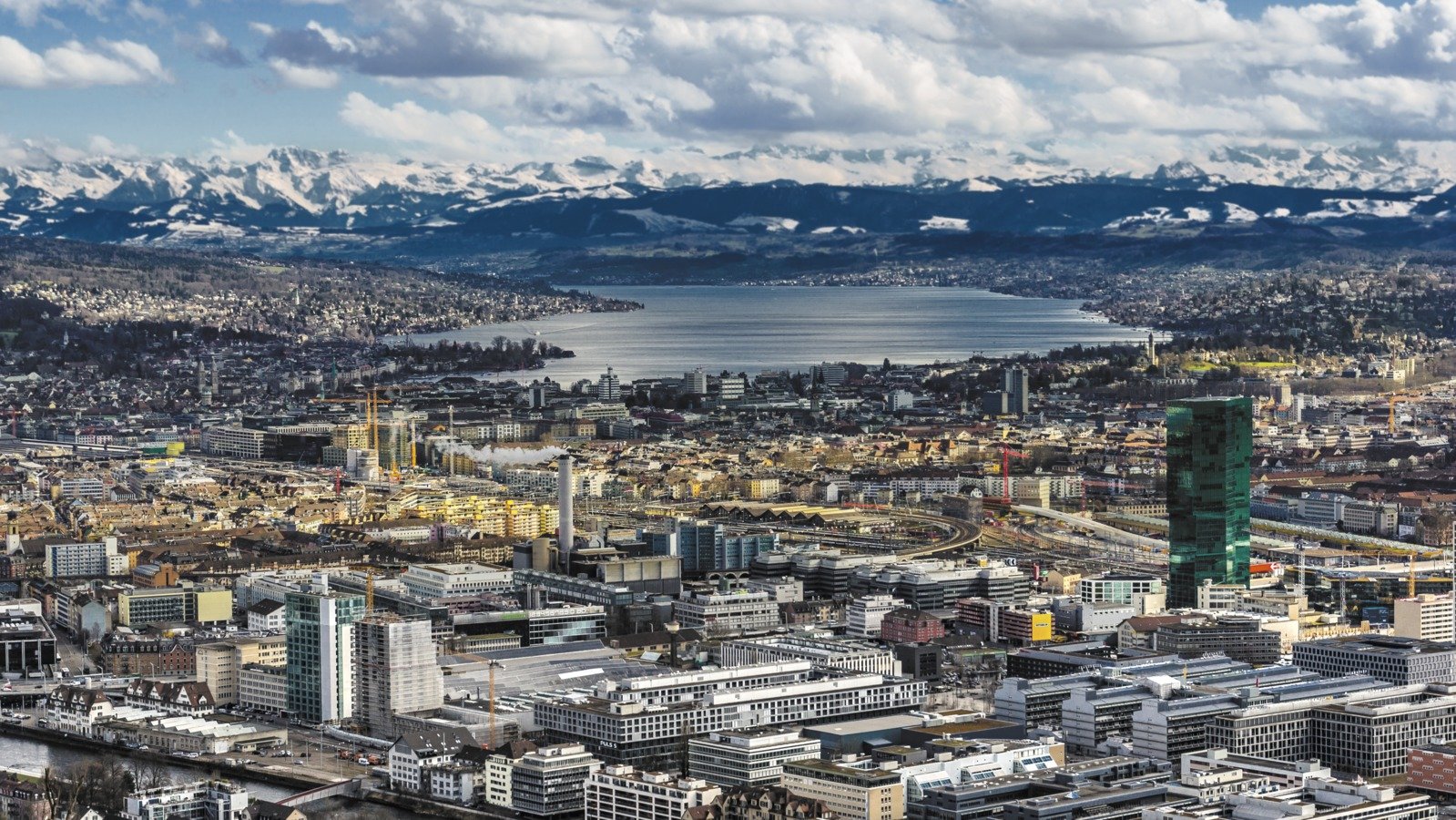
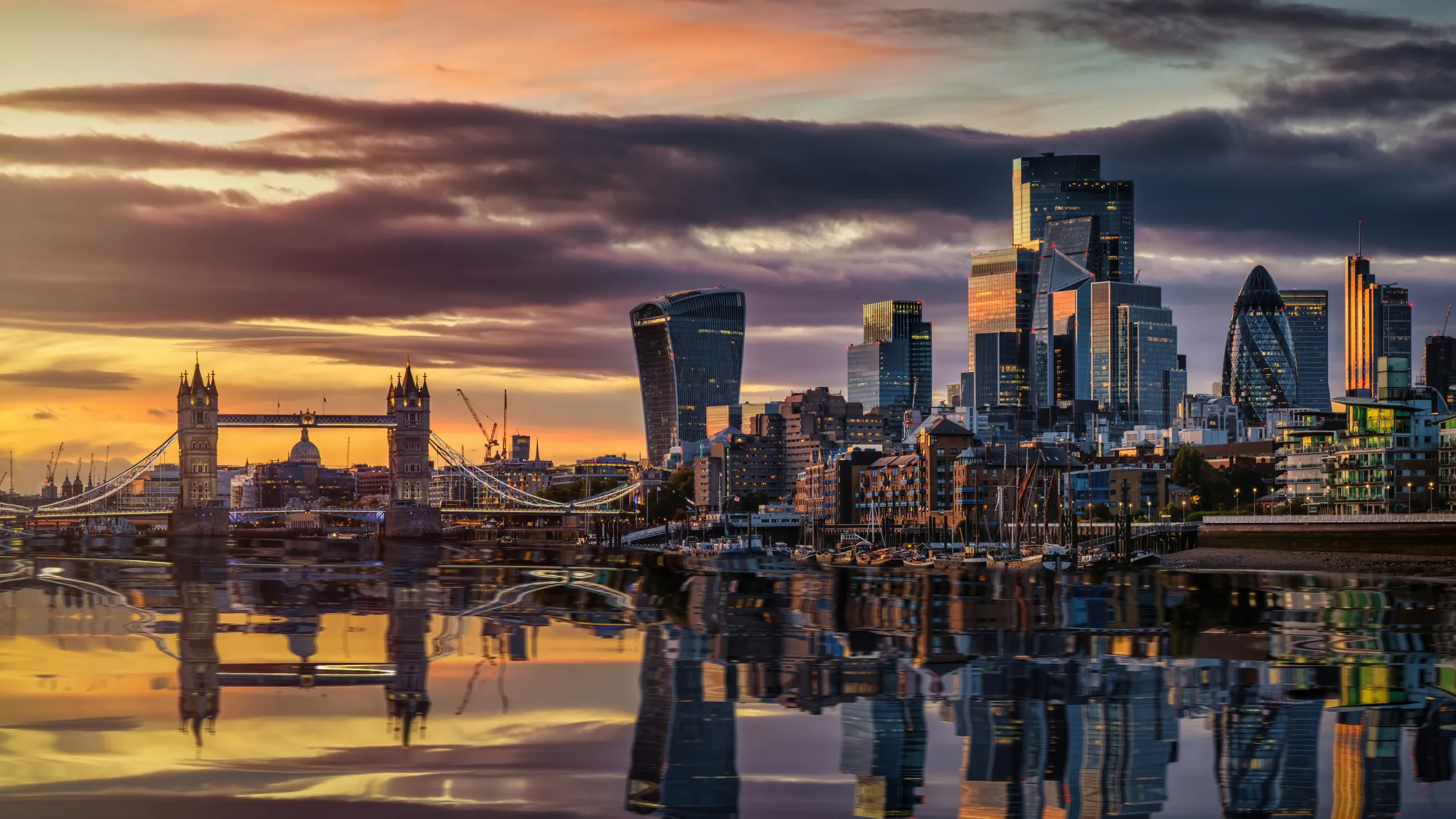
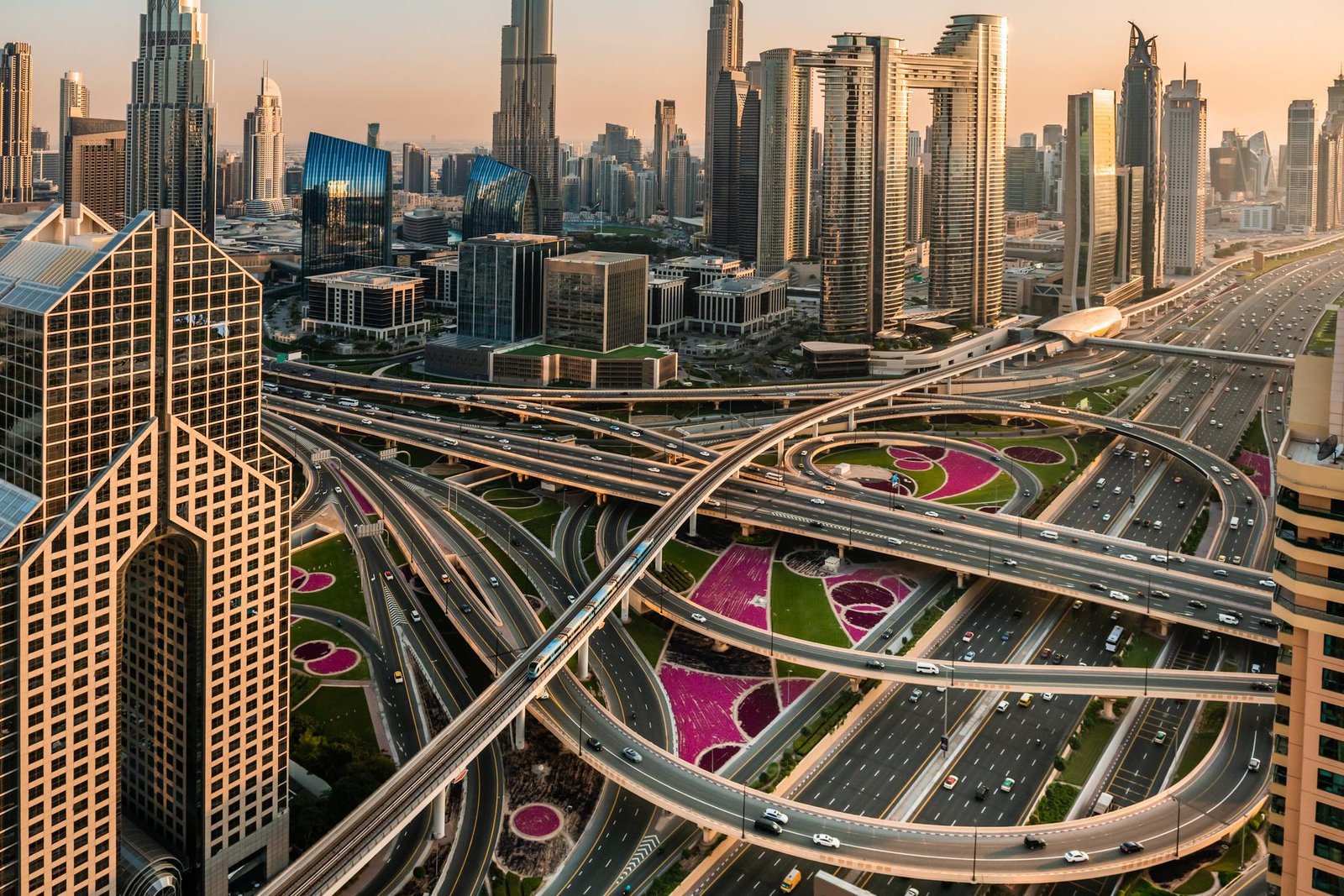
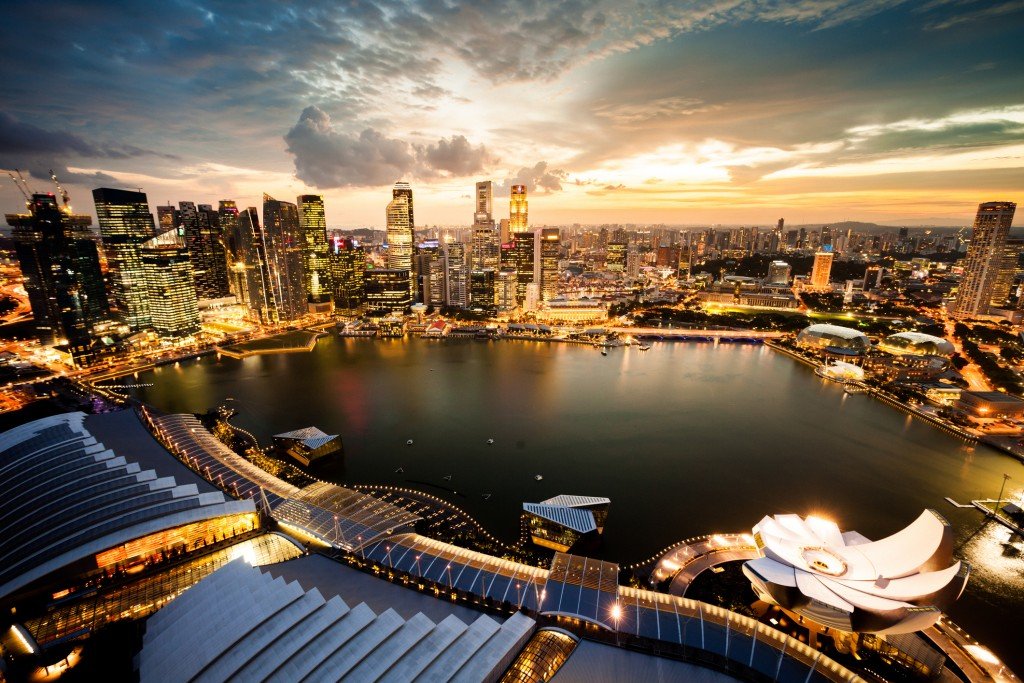
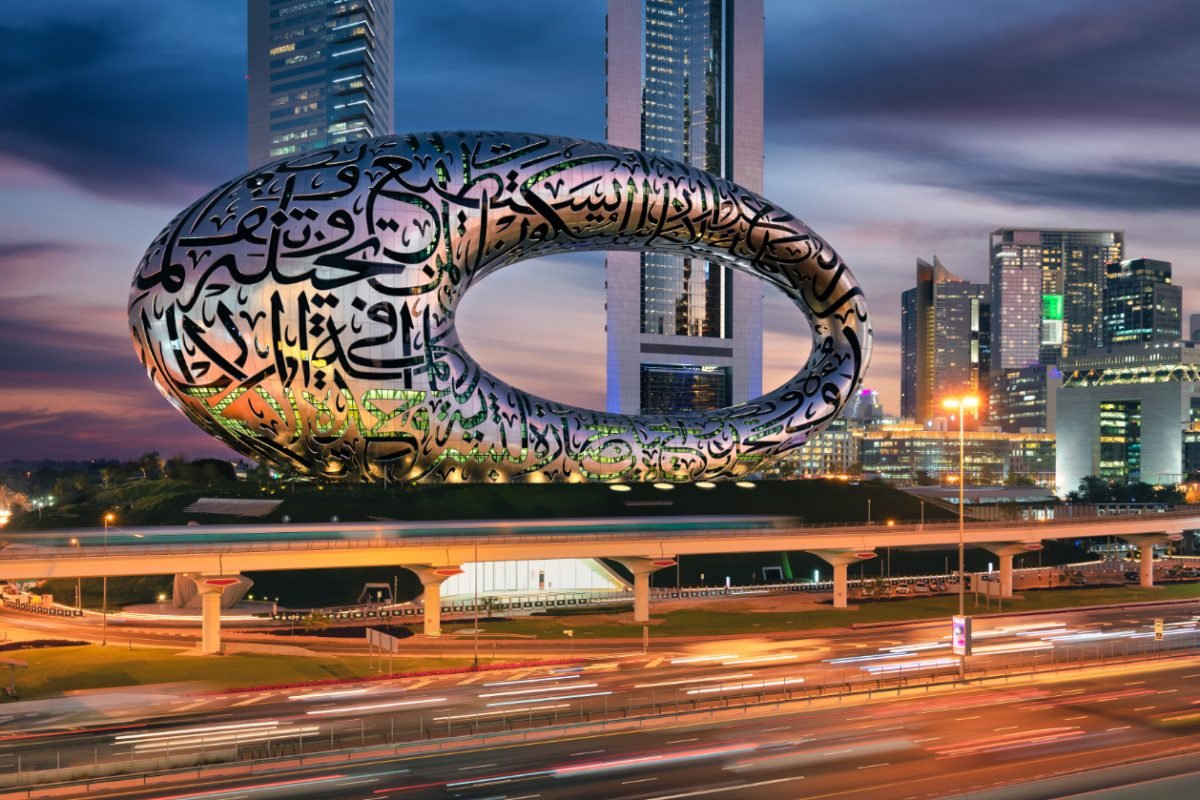
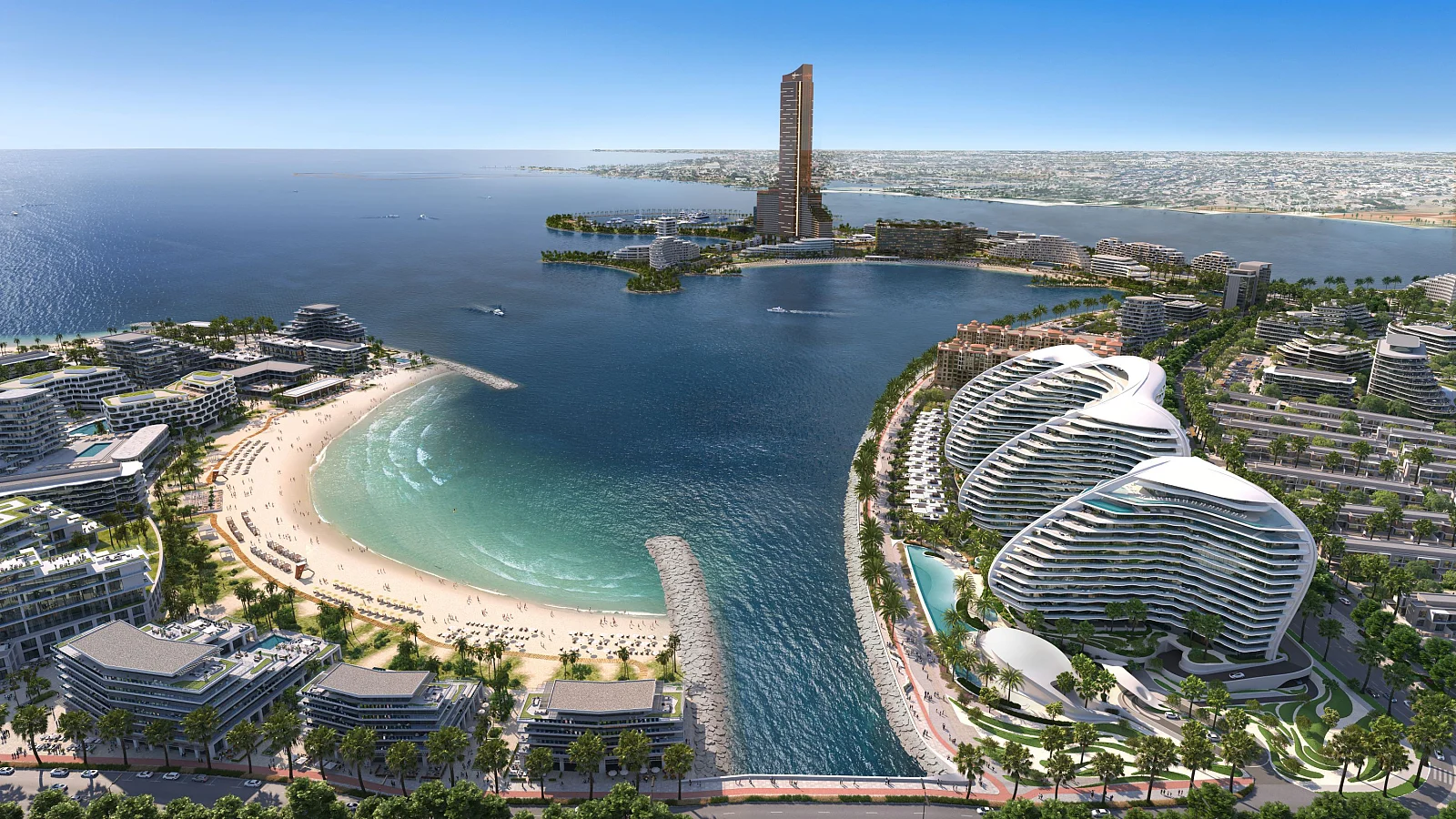
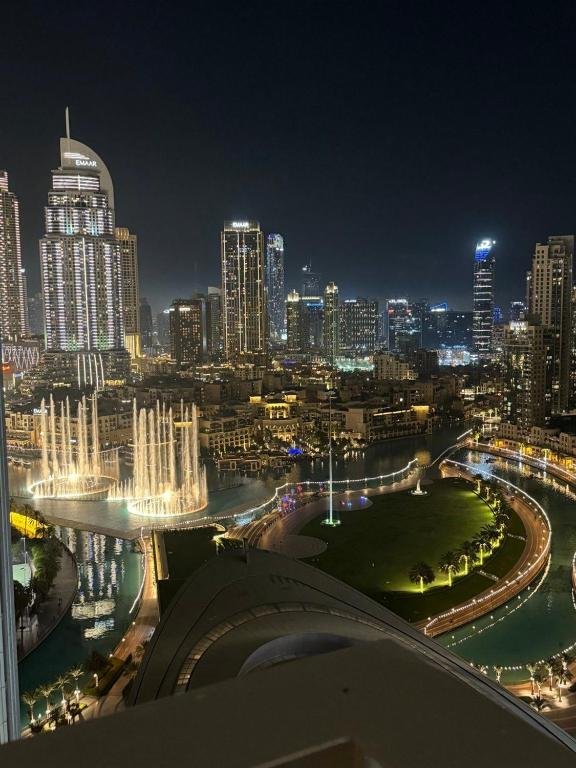
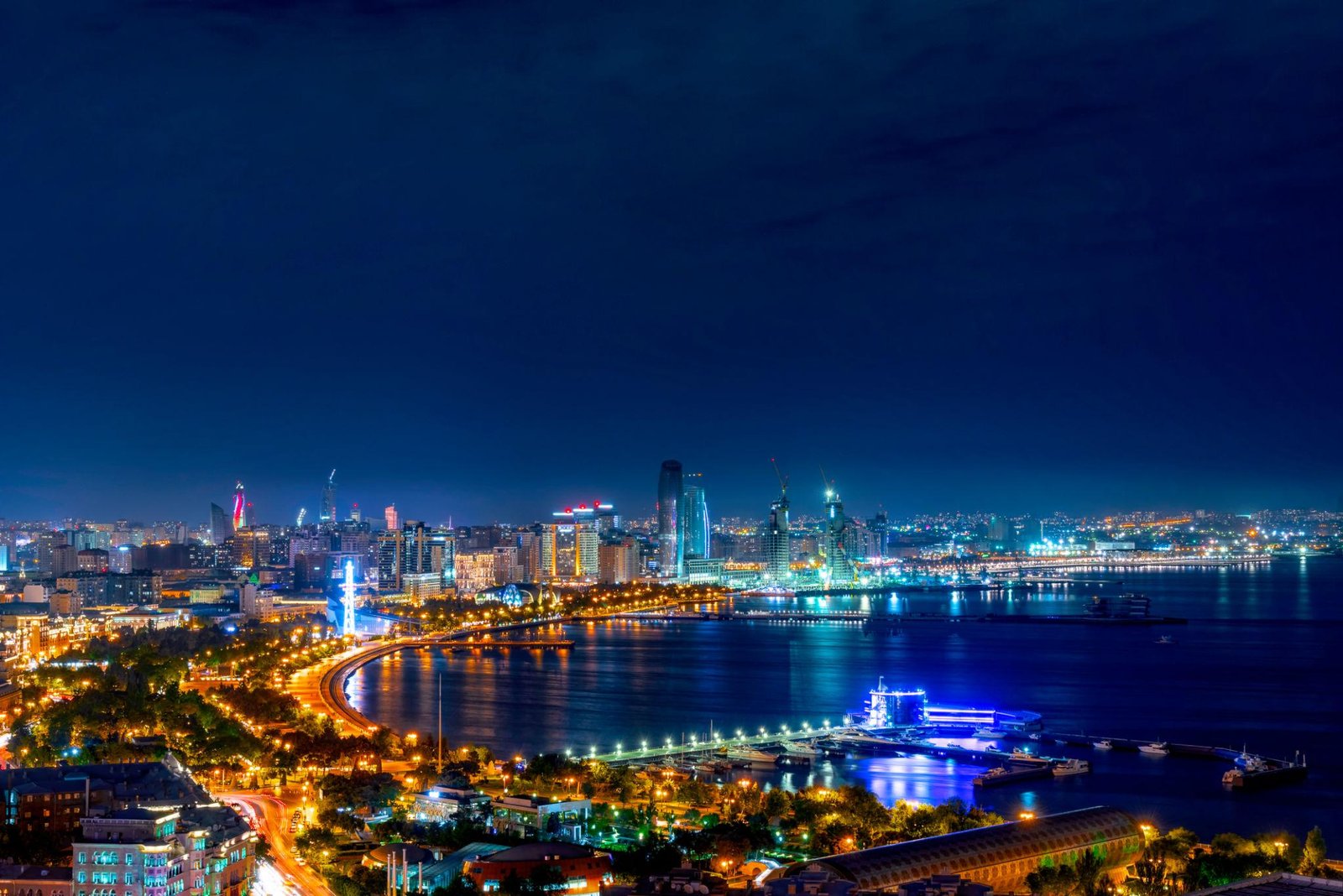
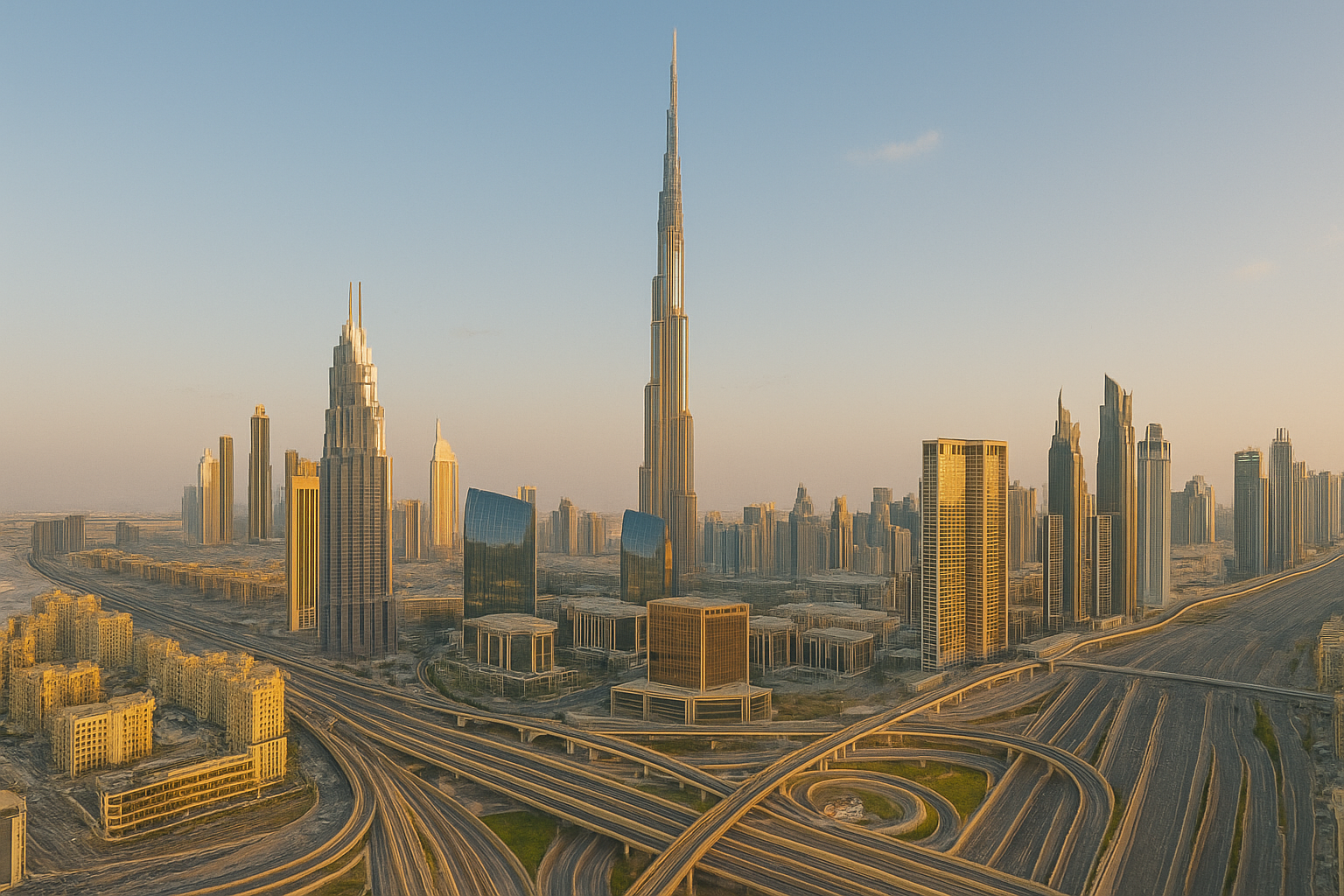
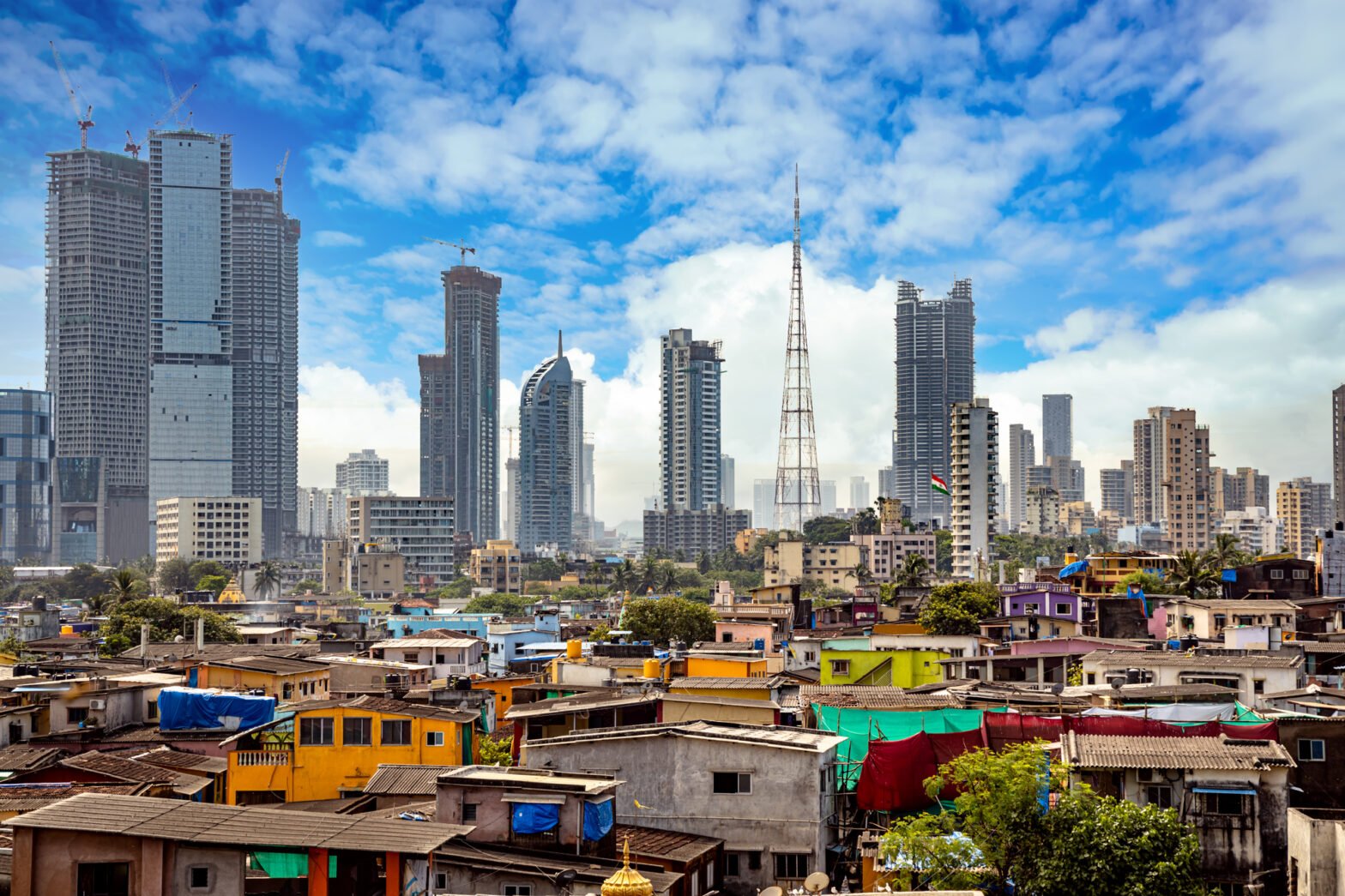
Urban Population Growth & Cities
Growing cities create:
- Property demand
- Job opportunities
- Infrastructure investments
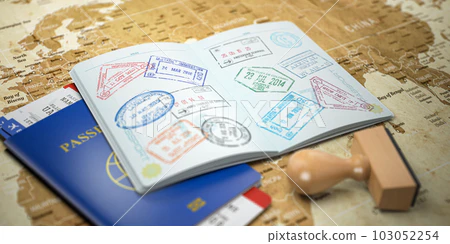
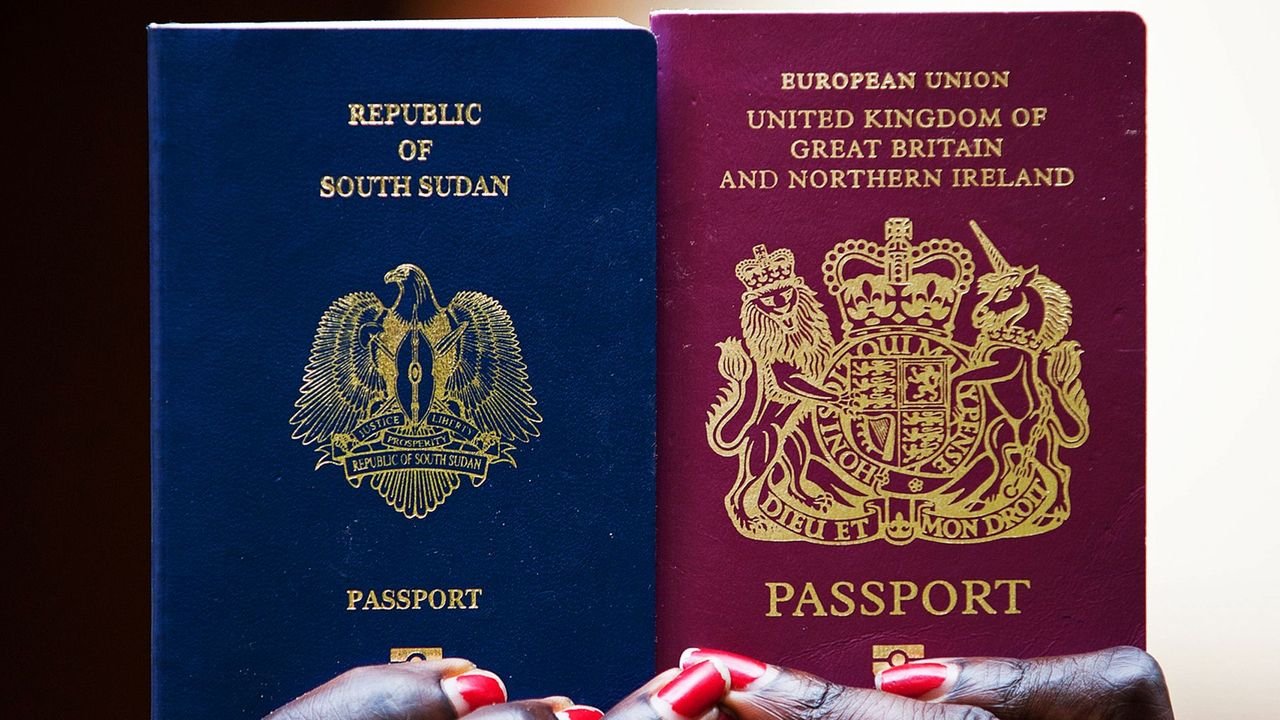
Migration and Economic Shifts
Migration plays a key role in population change:
- Skilled workers move to developed economies
- Labor migration supports industries
- Cities grow due to immigration
Migration helps balance workforce shortages.
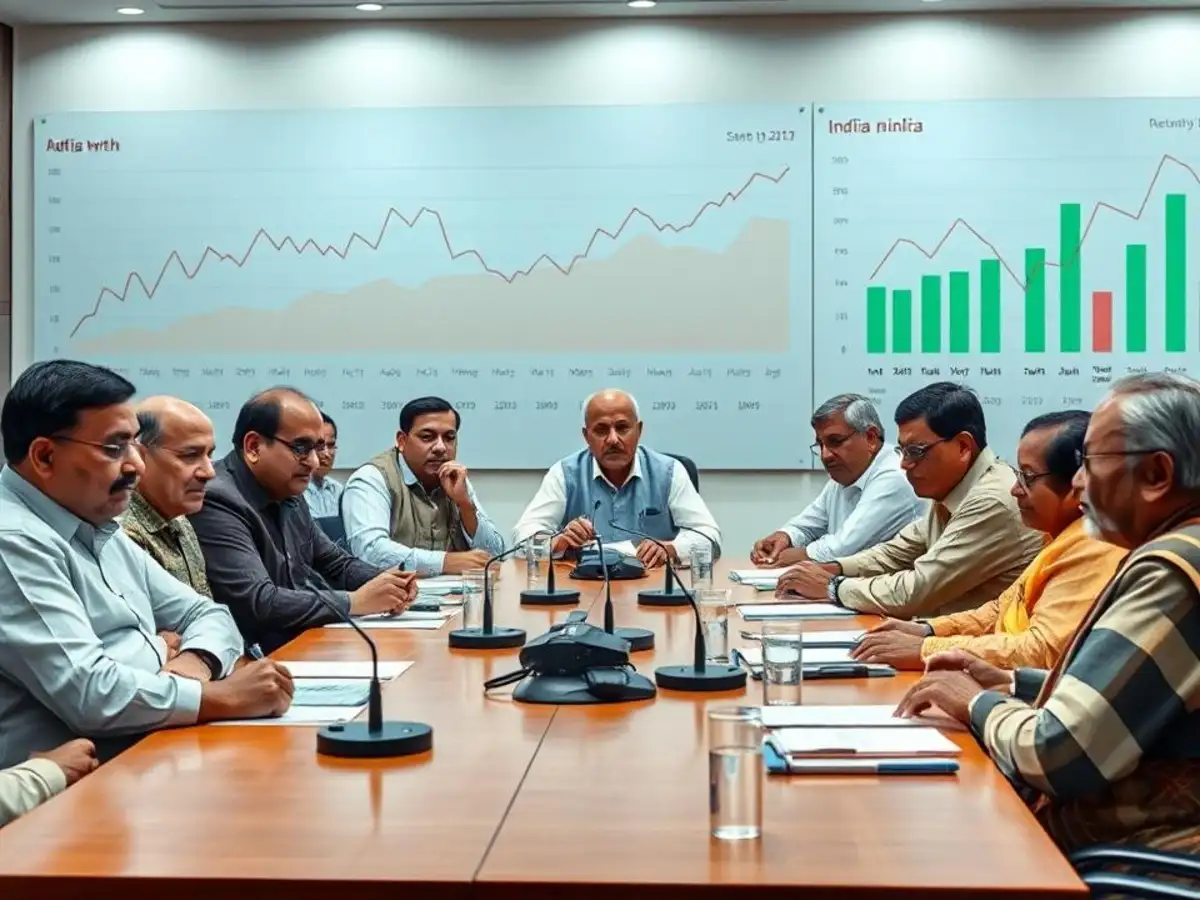
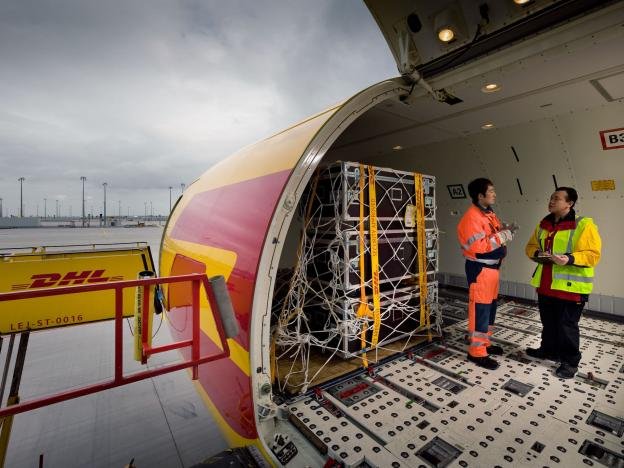
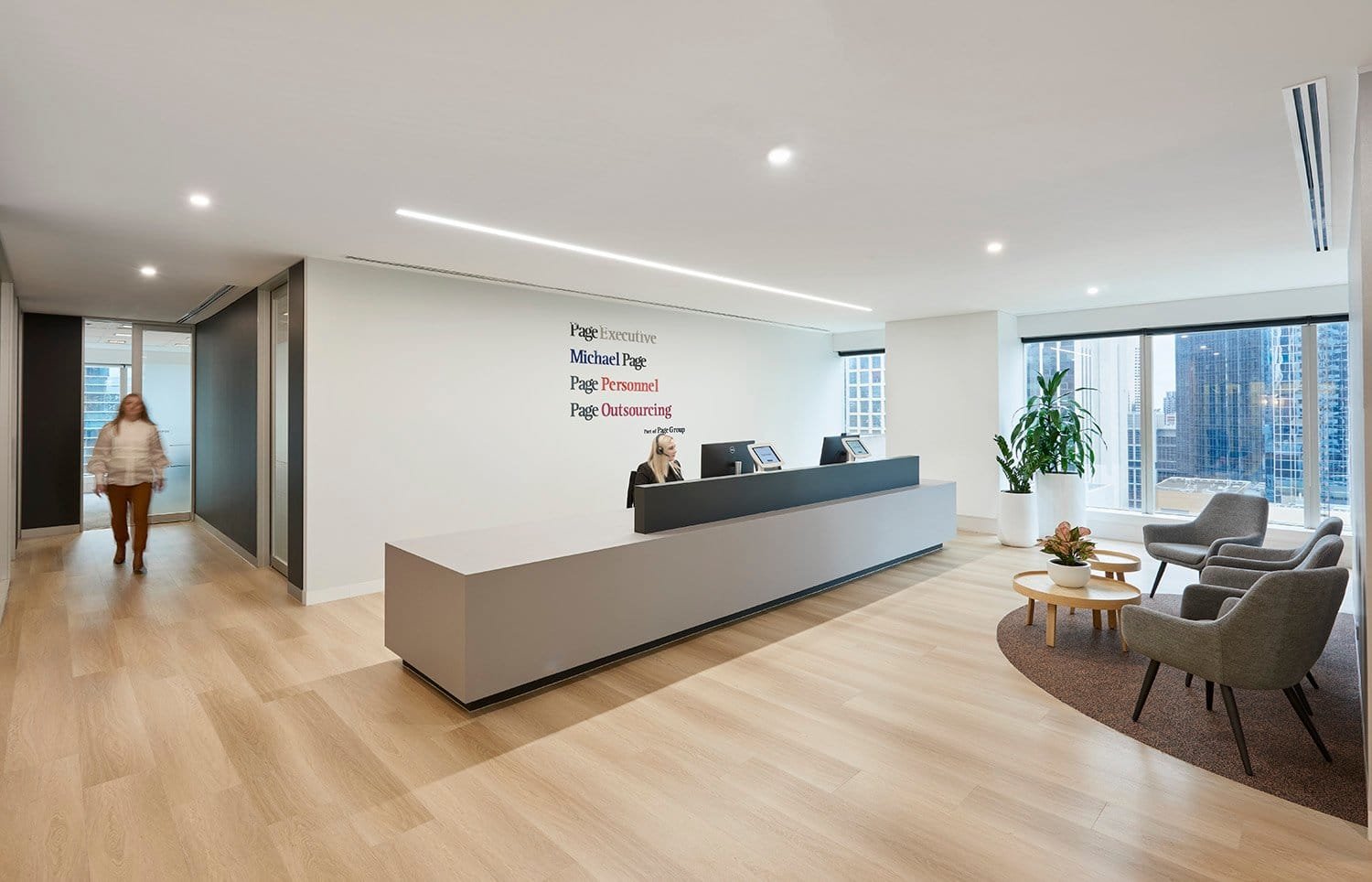
Workforce & Economic Productivity
A strong workforce leads to:
- Innovation
- Productivity growth
- Economic expansion
Challenges of Population Shifts
- Overcrowded cities
- Infrastructure pressure
- Aging population costs
- Labor shortages in some regions
Balanced planning is essential.