


Energy Wars and Their Economic Impact
Introduction
Energy has always been at the center of global power. From oil and gas to renewable resources, countries compete to control energy supply. When conflicts arise over energy resources, they often trigger economic disruptions worldwide.
These “energy wars” can affect fuel prices, inflation, global trade, and even real estate markets. As economies depend heavily on energy, any disruption creates ripple effects across industries.
What Are Energy Wars?
Energy wars refer to conflicts between countries over:
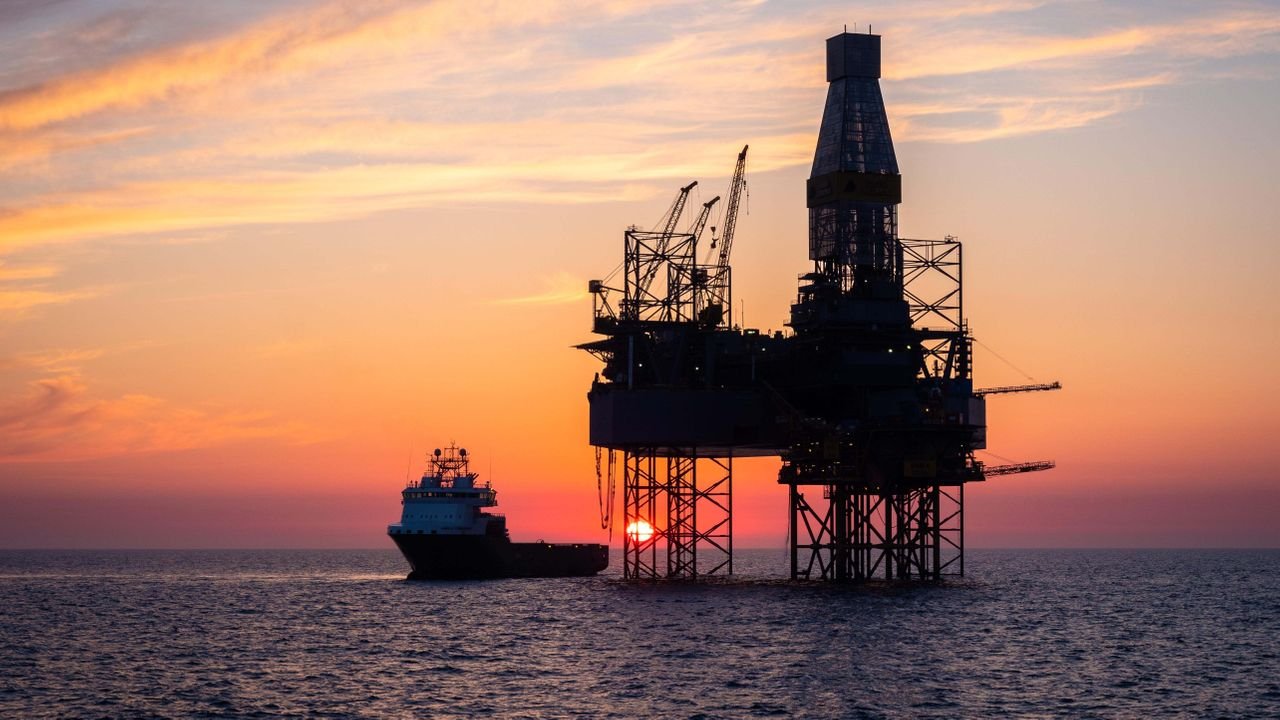
- Oil and gas supply
- Energy pipelines
- Strategic energy routes
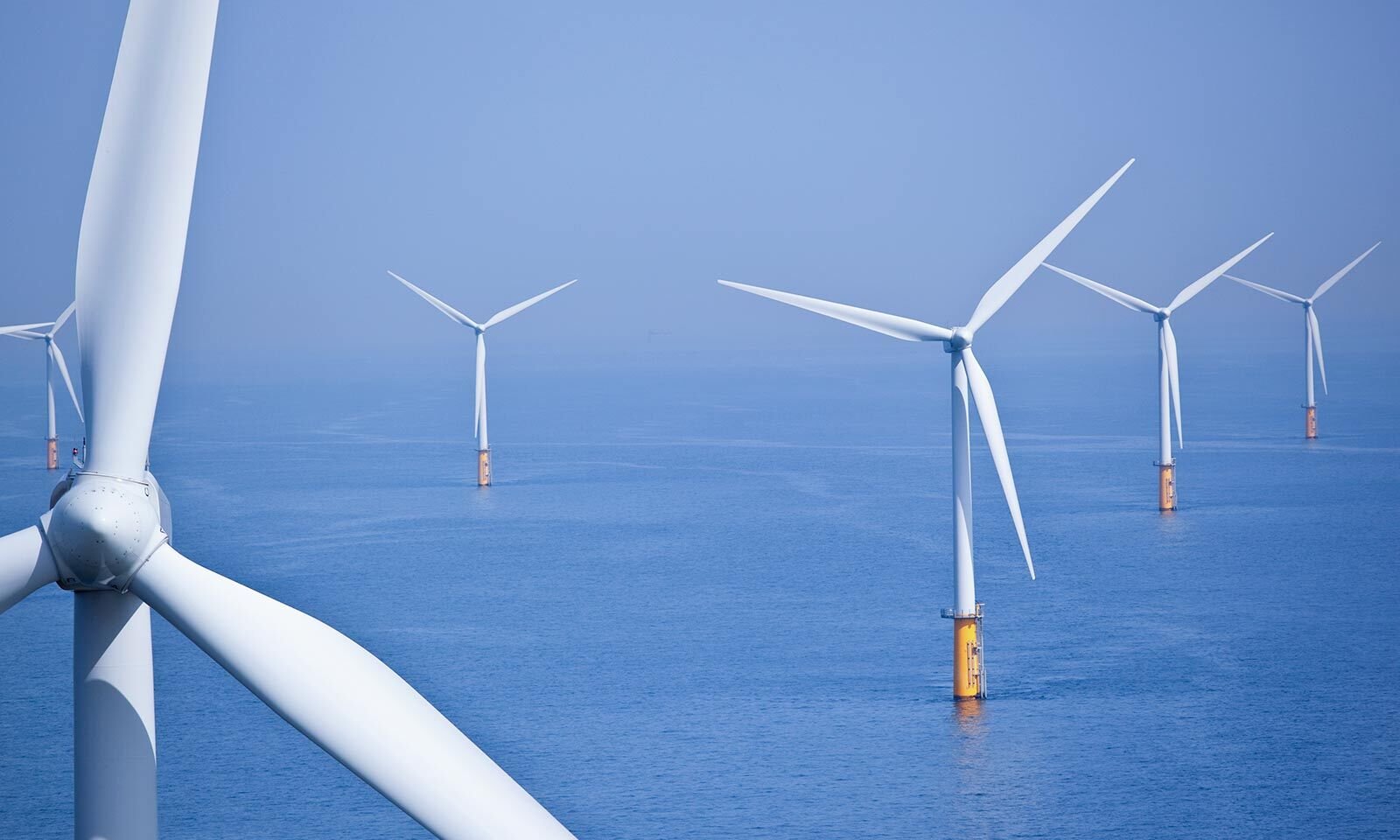
- Renewable energy dominance
These conflicts may be:
- Political tensions
- Trade disputes
- Sanctions and restrictions
- Military conflicts
All of these influence global economic stability.
Why Energy Is So Important for Economies
Energy powers everything:
- Transportation
- Manufacturing
- Electricity
- Technology infrastructure
When energy prices rise:
- Production costs increase
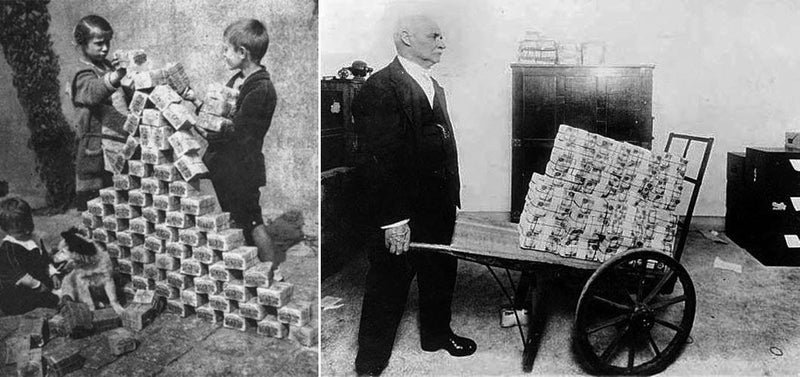
- Inflation rises
- Economic growth slows
This makes energy a key economic weapon.
Economic Impacts of Energy Wars
1. Rising Oil and Gas Prices
Energy conflicts often reduce supply, which pushes prices higher.
Effects include:
- Expensive fuel
- Higher transport costs
- Increased business expenses
Consumers and businesses both feel the pressure.
2. Inflation and Cost of Living
Higher energy costs lead to:
- Expensive food
- Higher electricity bills
- Increased housing costs
This creates inflation across the economy.
3. Global Market Volatility
Energy wars create uncertainty in:
- Stock markets
- Currency markets
- Investment flows
Investors move money to safer assets during instability.
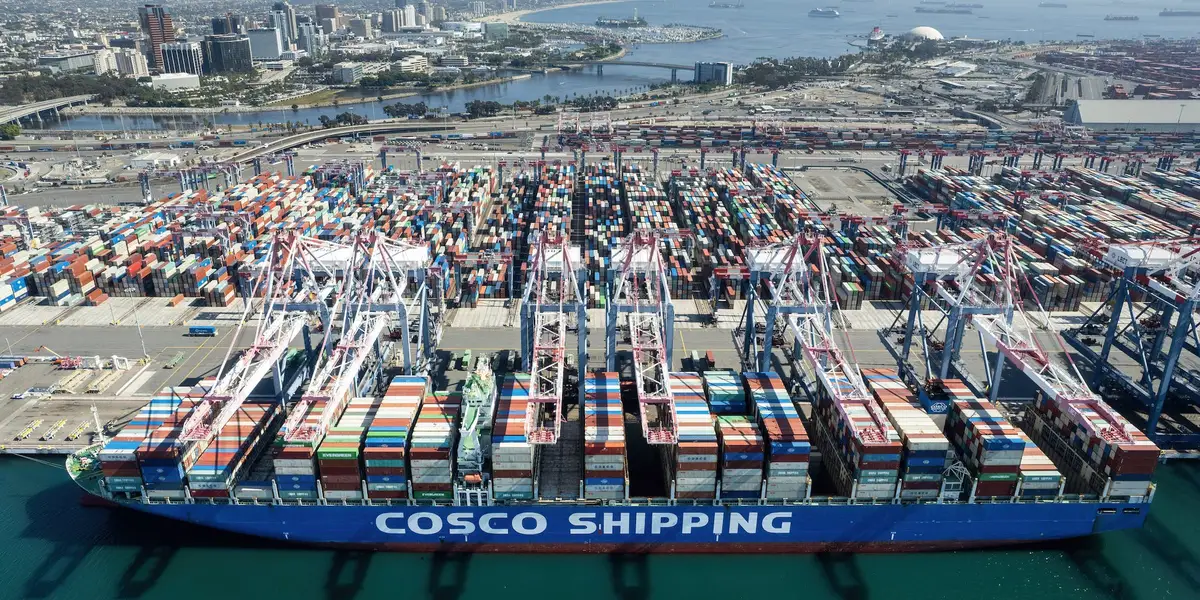
4. Supply Chain Disruptions
Energy shortages affect:
- Manufacturing output
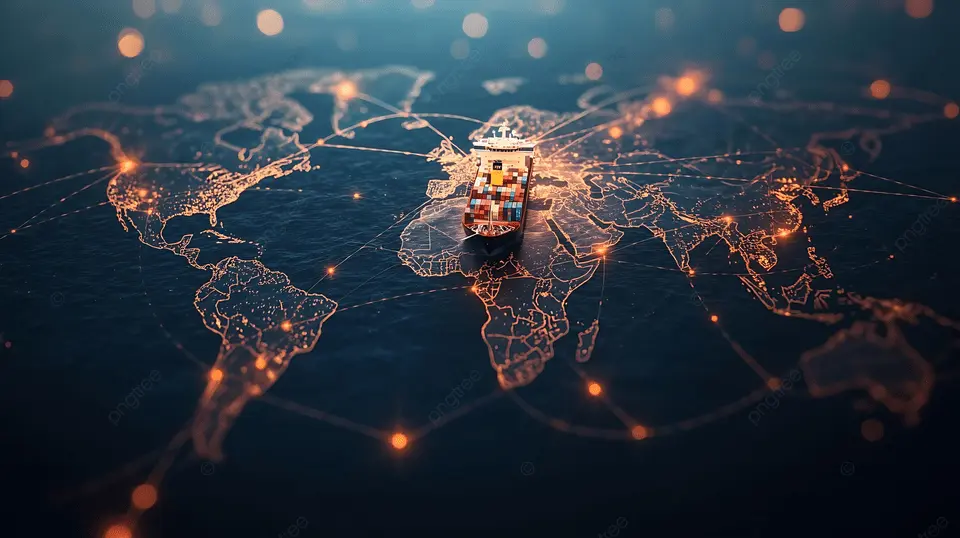
- Logistics and shipping
- Industrial production
Global trade slows down.
5. Shift in Economic Power
Countries rich in energy resources gain influence:
- Oil-exporting nations benefit
- Energy-importing nations face pressure
- New alliances emerge
Energy reshapes geopolitical power.
Examples of Energy Conflict Impacts
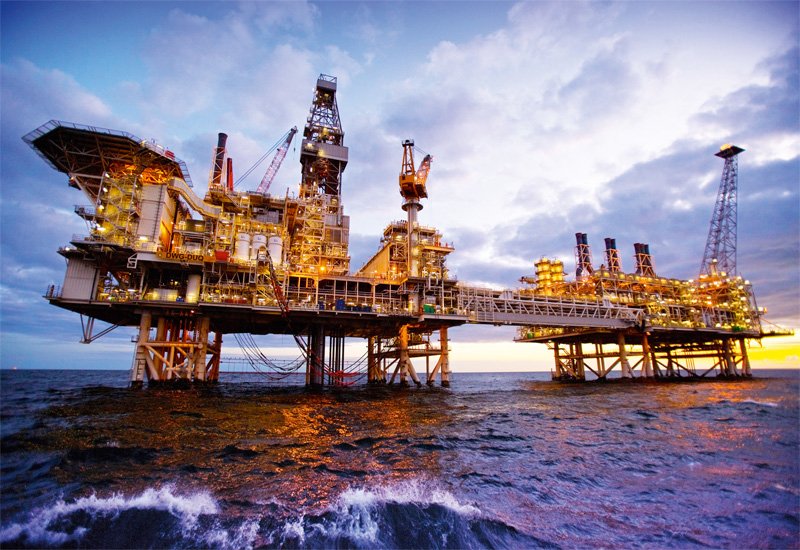
Oil Supply Disruptions
- Reduced oil production
- Rising global fuel prices
- Market instability
Gas Supply Tensions
- Energy shortages
- Increased electricity costs
- Industrial slowdown
Renewable Energy Competition
- Countries investing in green energy
- Reduced dependency on oil
- New economic leaders emerging
Future Trends in Energy Wars
1. Shift to Renewable Energy
Countries want energy independence through renewables.
2. Energy Security Policies
Governments will build strategic energy reserves.
3. Regional Energy Alliances
New partnerships will form around energy trade.
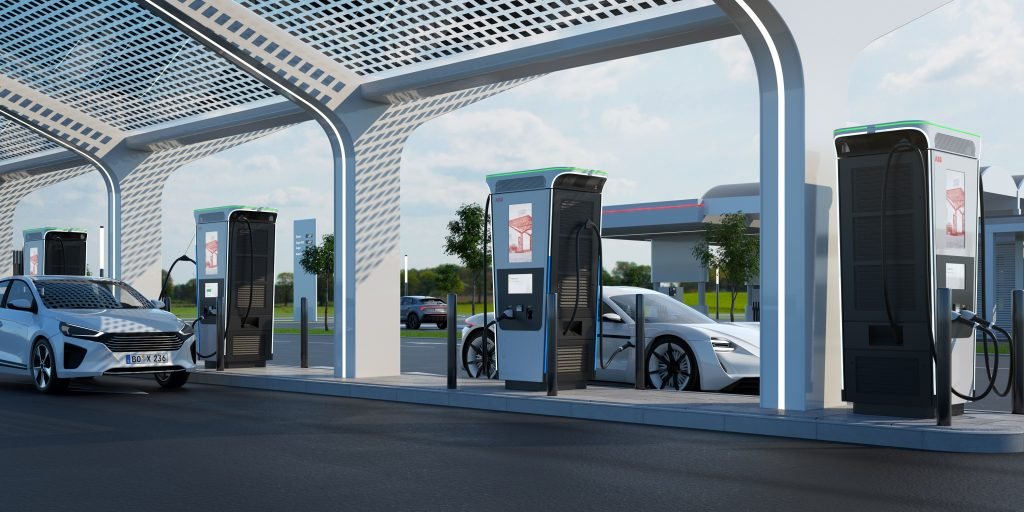
4. Electrification of Economies
Electric vehicles and clean power will reduce oil demand.