

Infrastructure Investment Driving Property Prices
Introduction
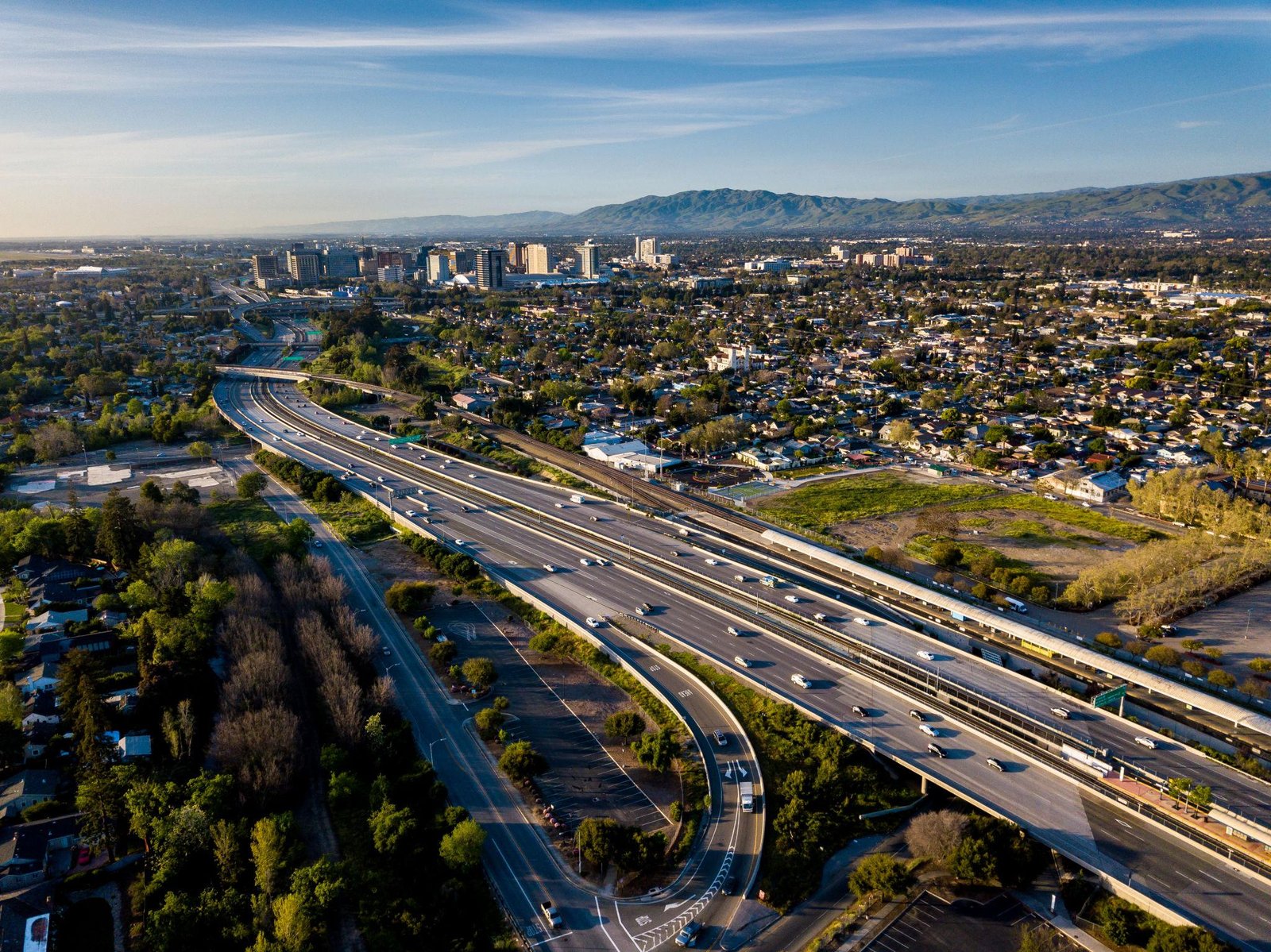
Infrastructure is one of the strongest drivers of real estate value. When governments invest in roads, metros, airports, and smart cities, property prices often rise quickly in surrounding areas.
Smart investors don’t just buy property — they follow infrastructure development trends to identify future growth zones.
What is Infrastructure Investment?
Infrastructure investment includes development of:
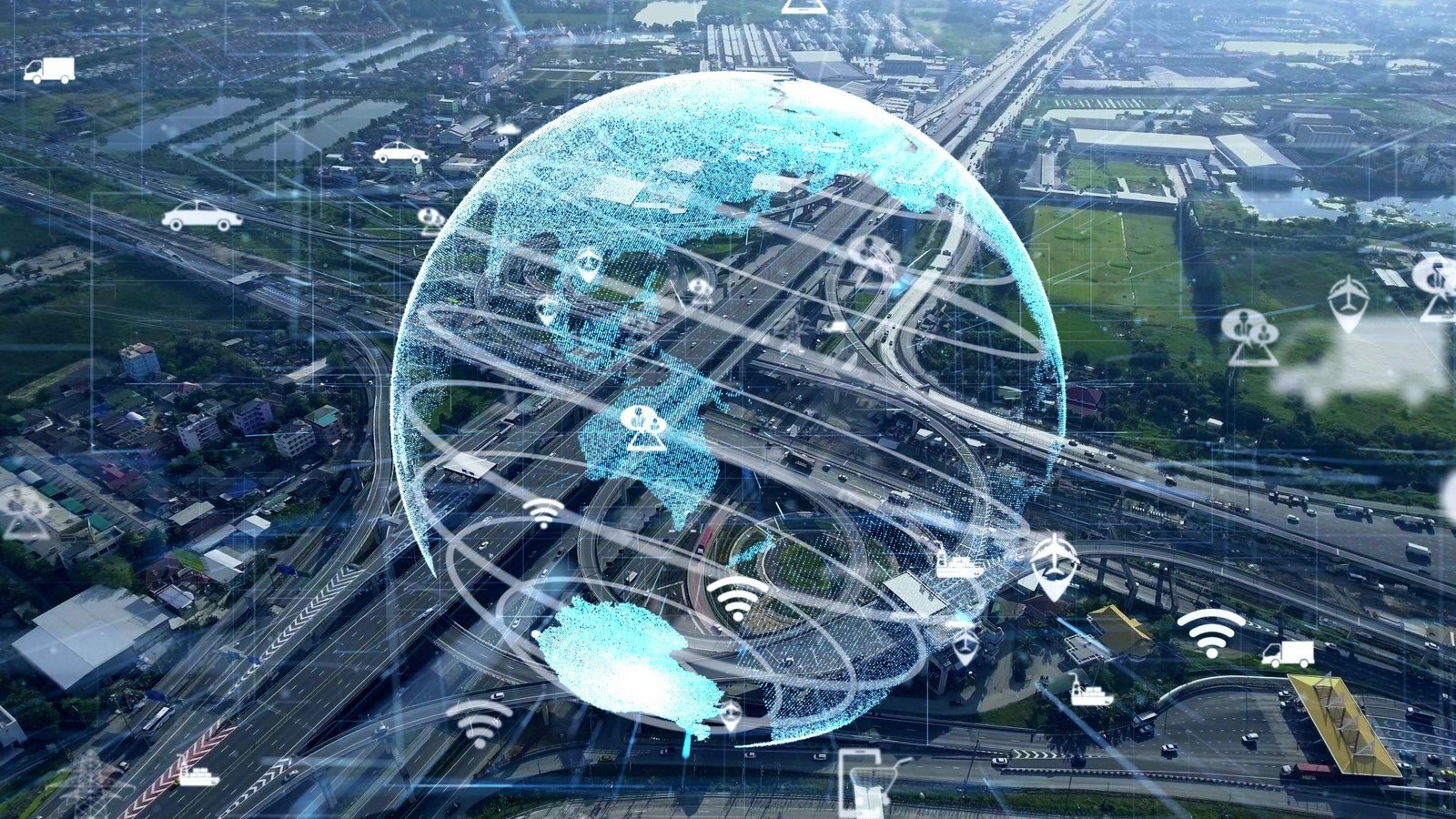
- Roads and highways
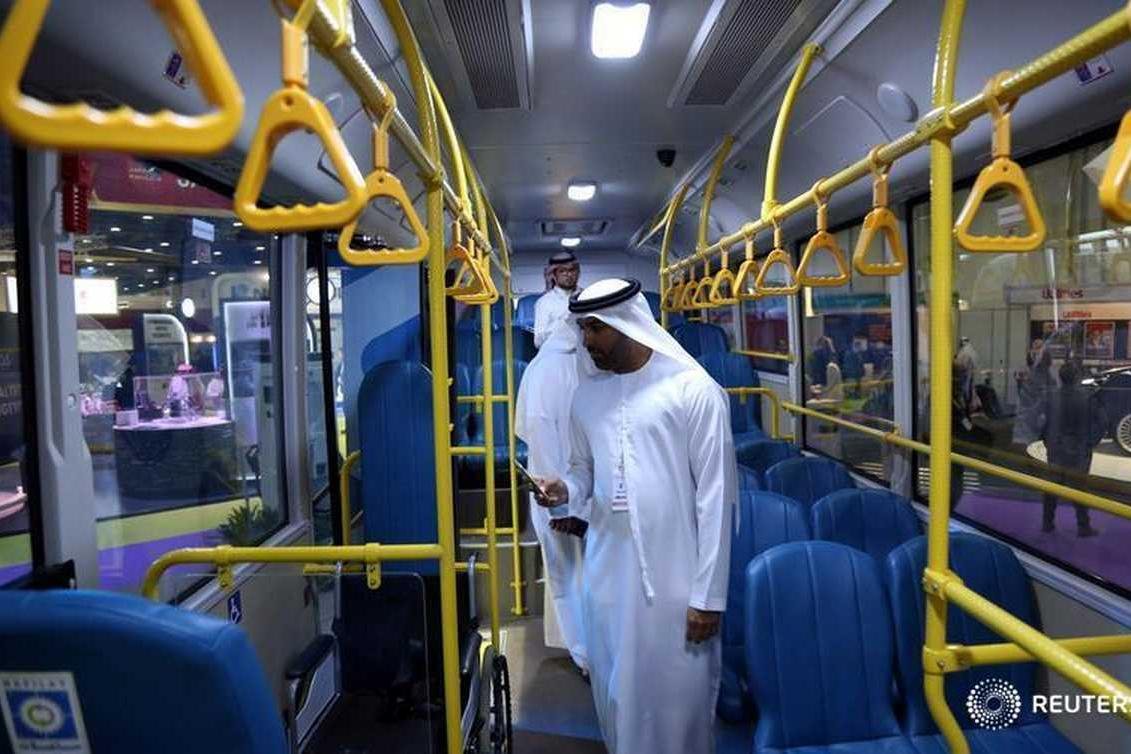
- Metro and rail networks
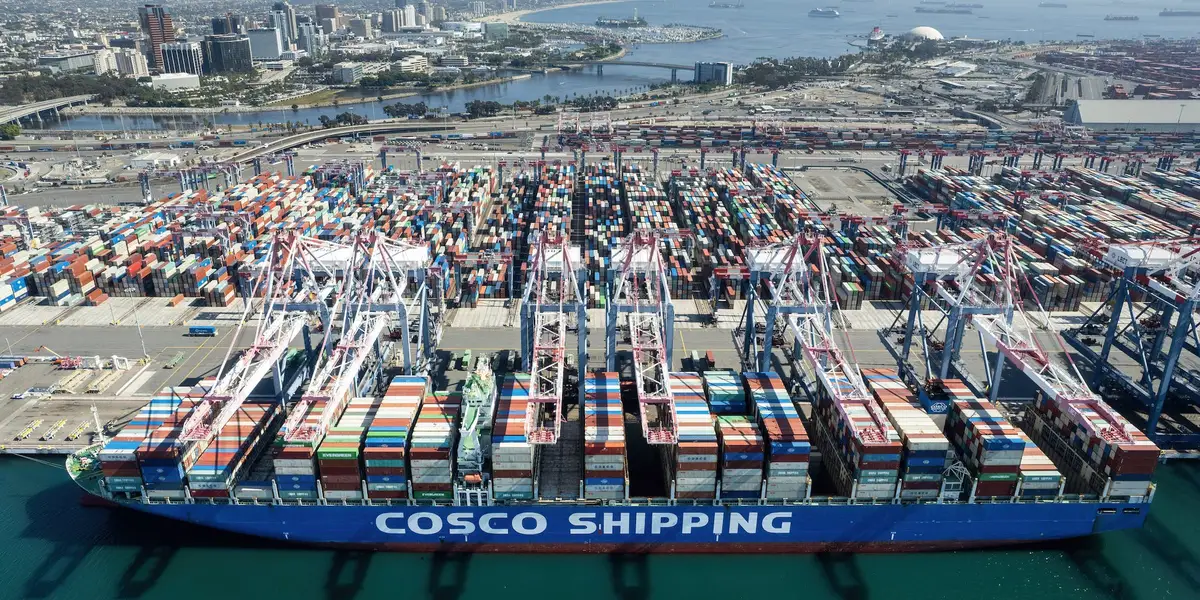
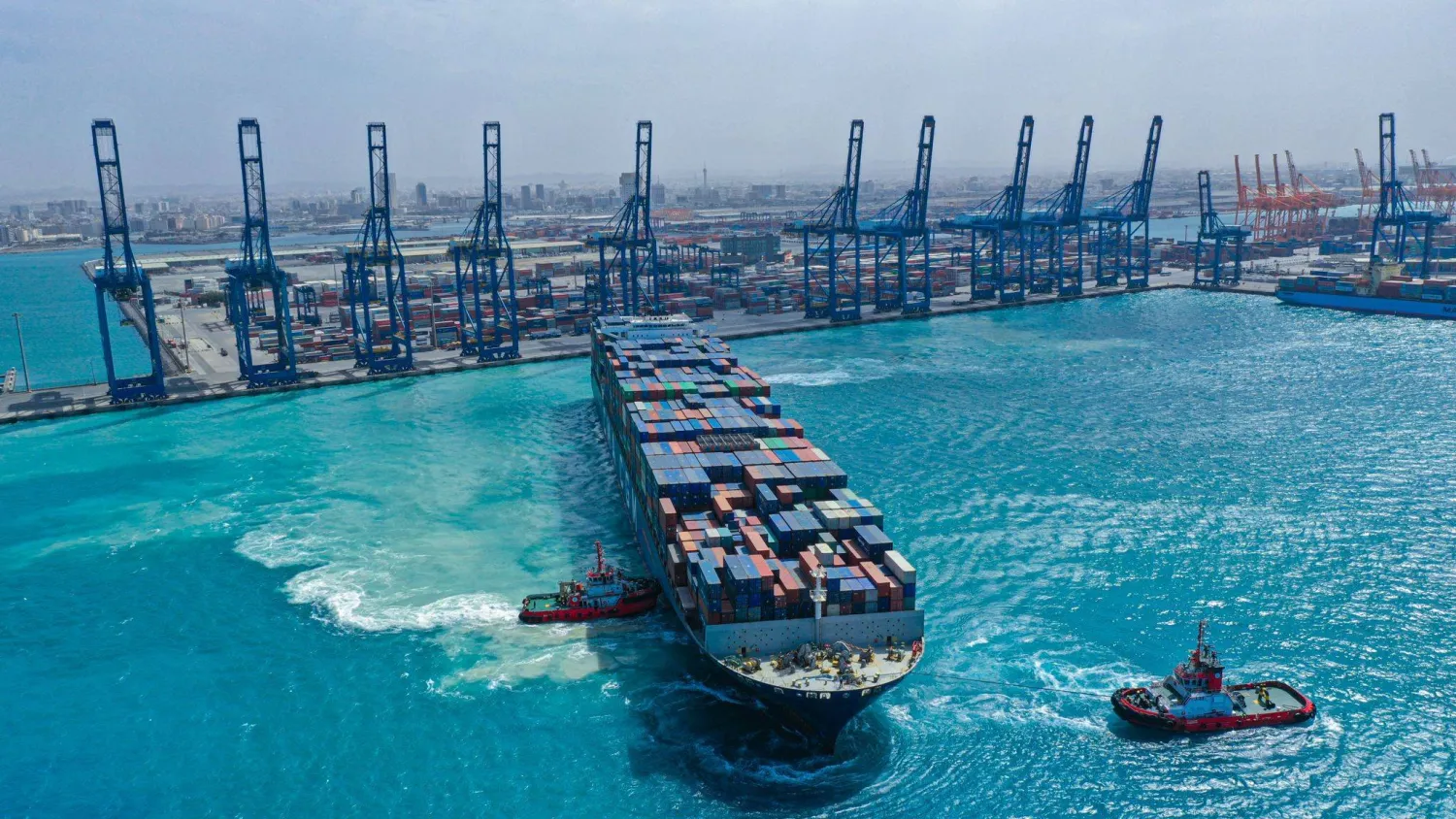
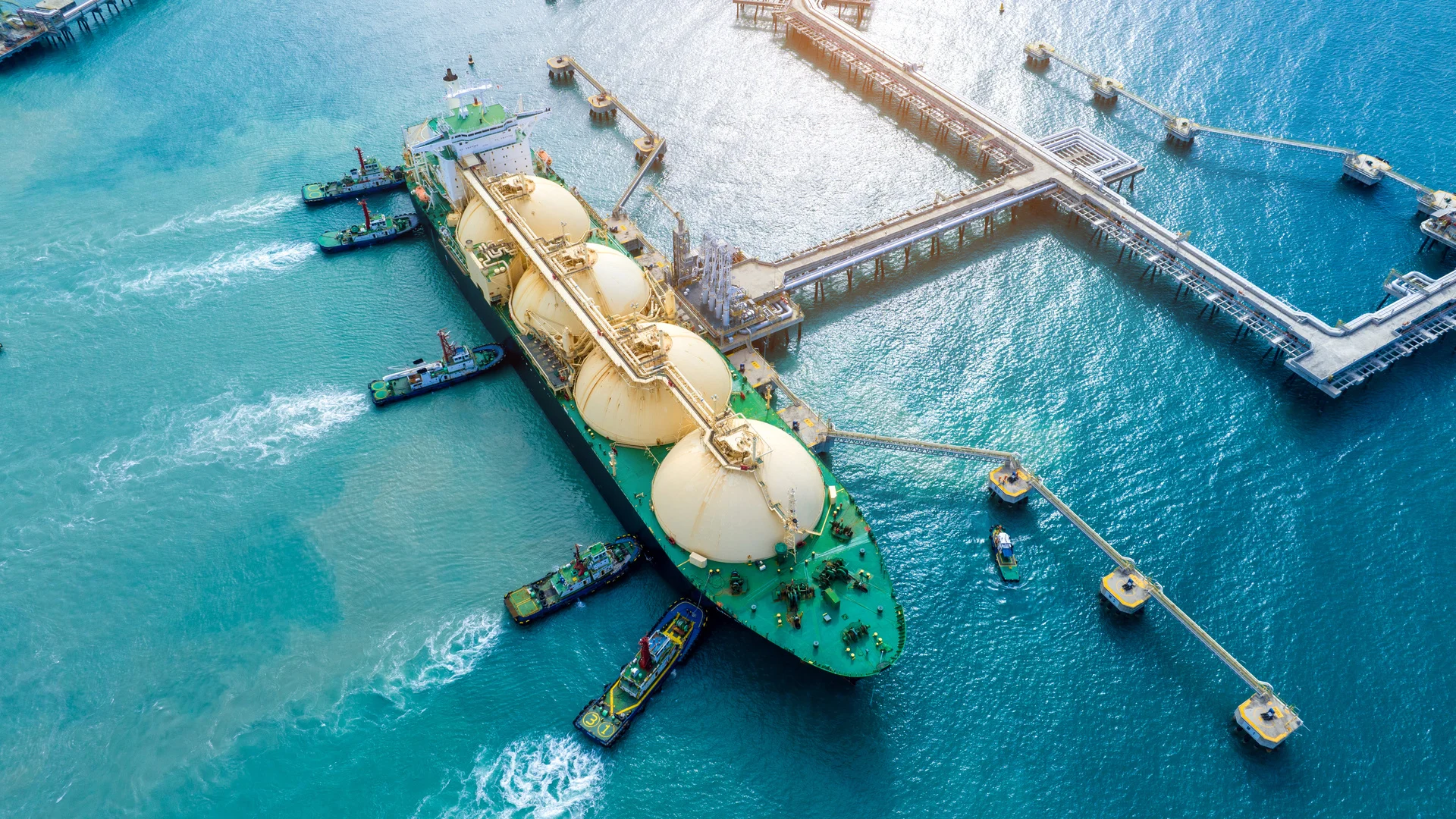
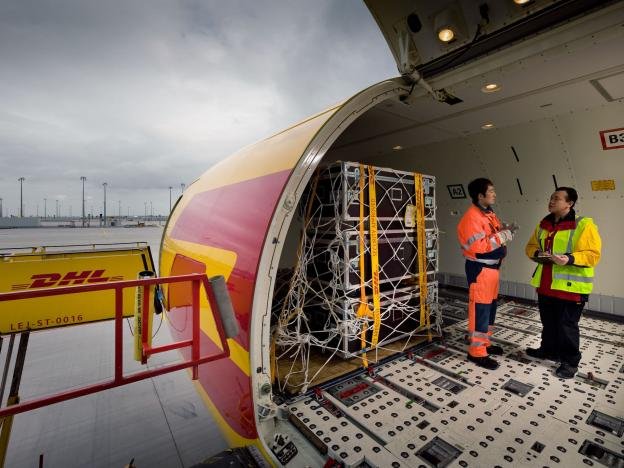
- Airports and ports
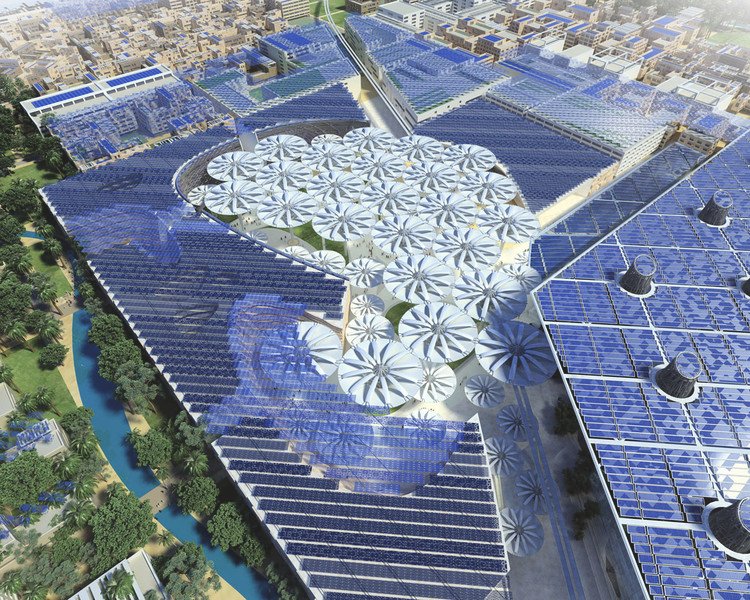
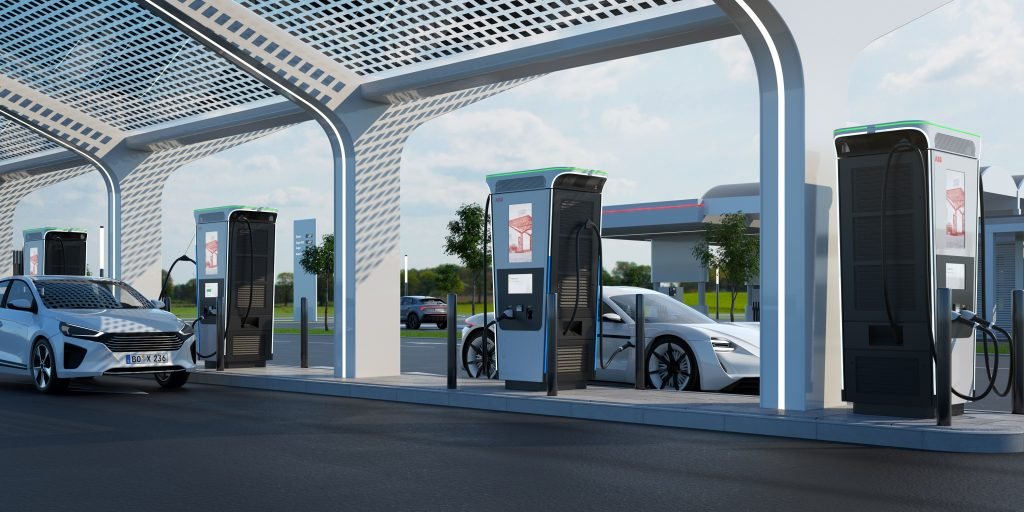
- Smart cities and digital systems
These projects improve connectivity and attract businesses and residents.
1. Improved Connectivity Increases Demand
Better connectivity makes areas more accessible.
Impact:
- Reduced travel time
- More residential demand
- Increased property value
Areas near transport hubs grow faster.
2. Development of New Urban Zones
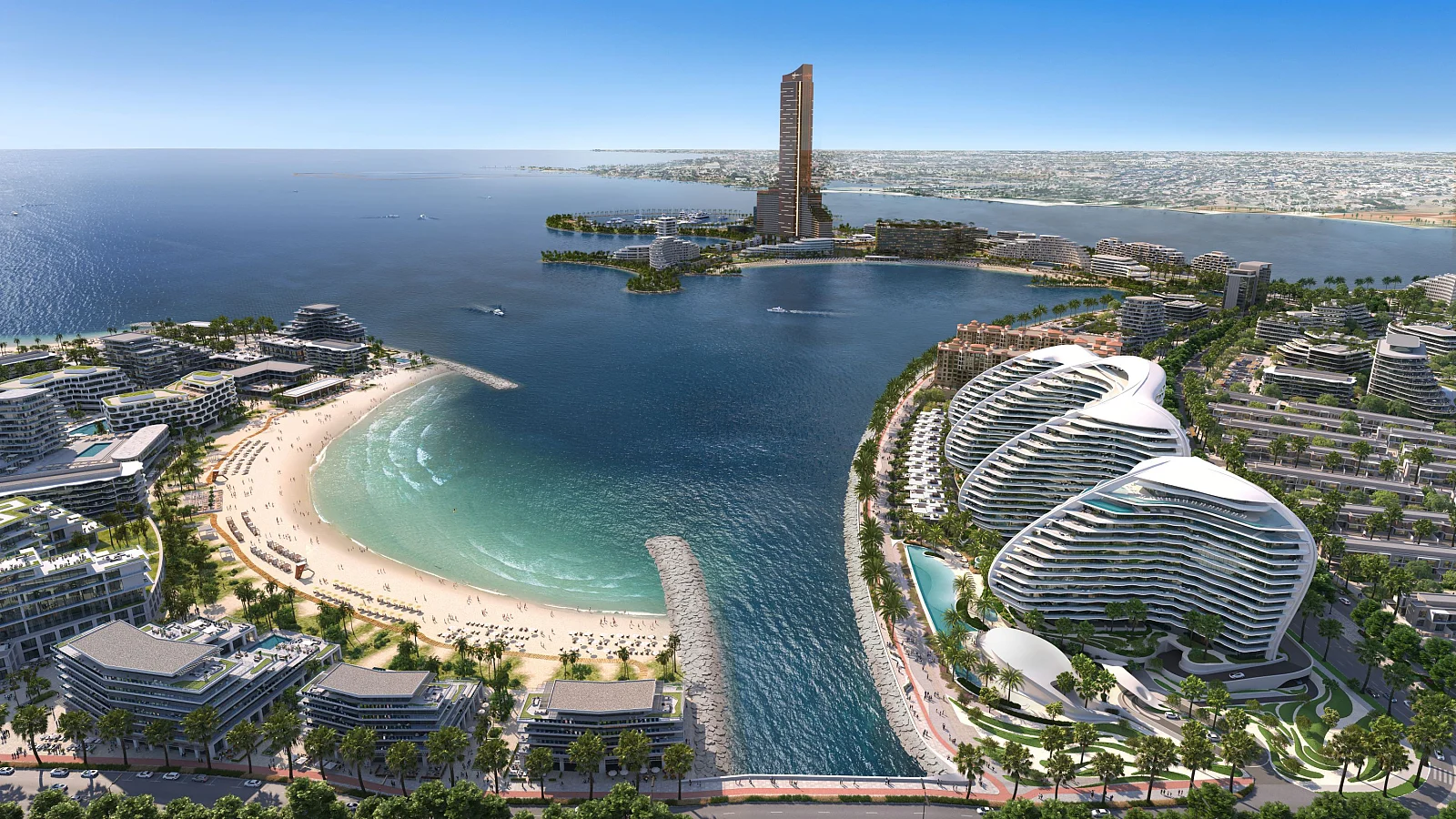
Infrastructure creates new growth corridors.
Examples include:
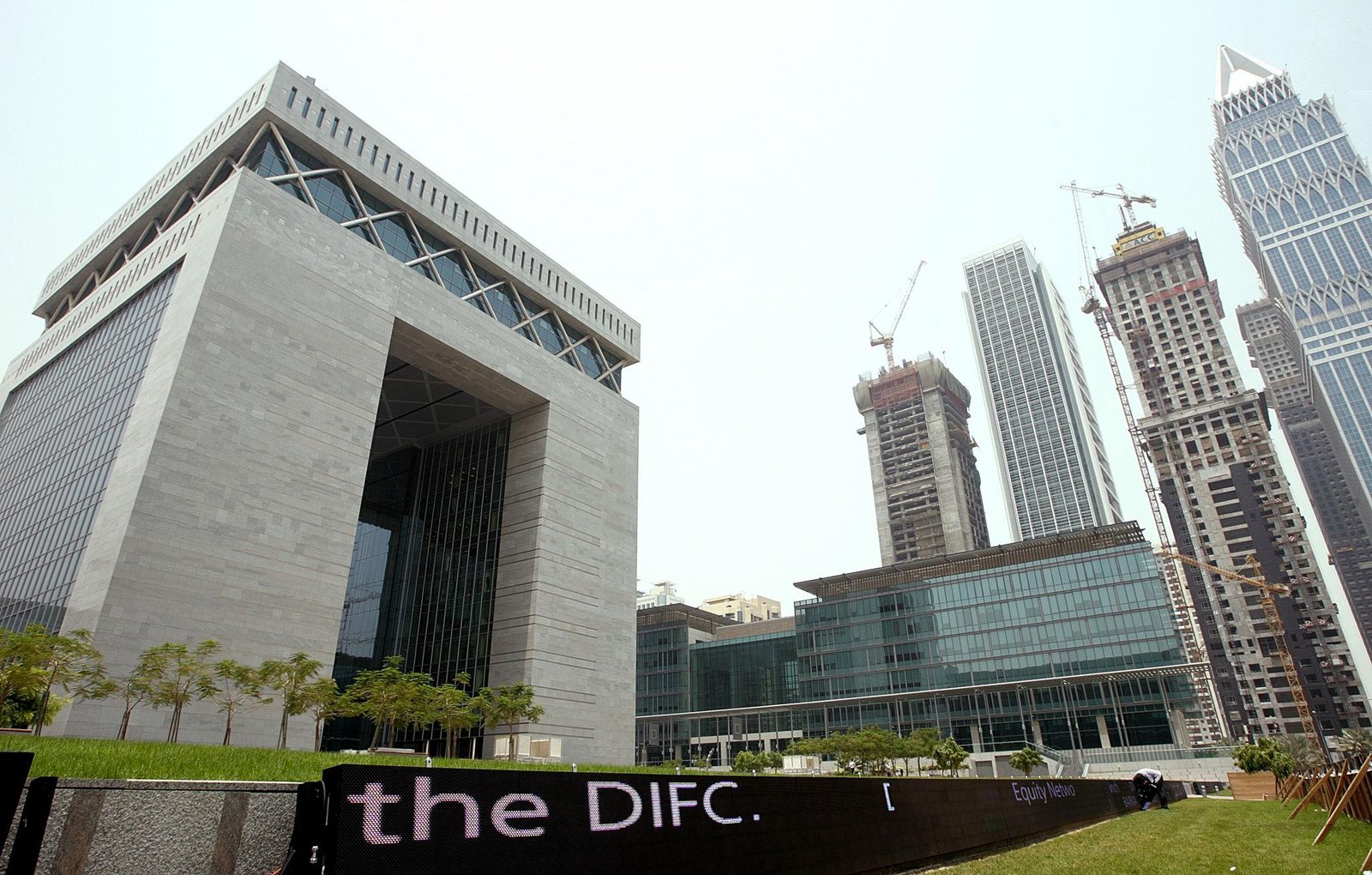
- Business districts
- Residential townships
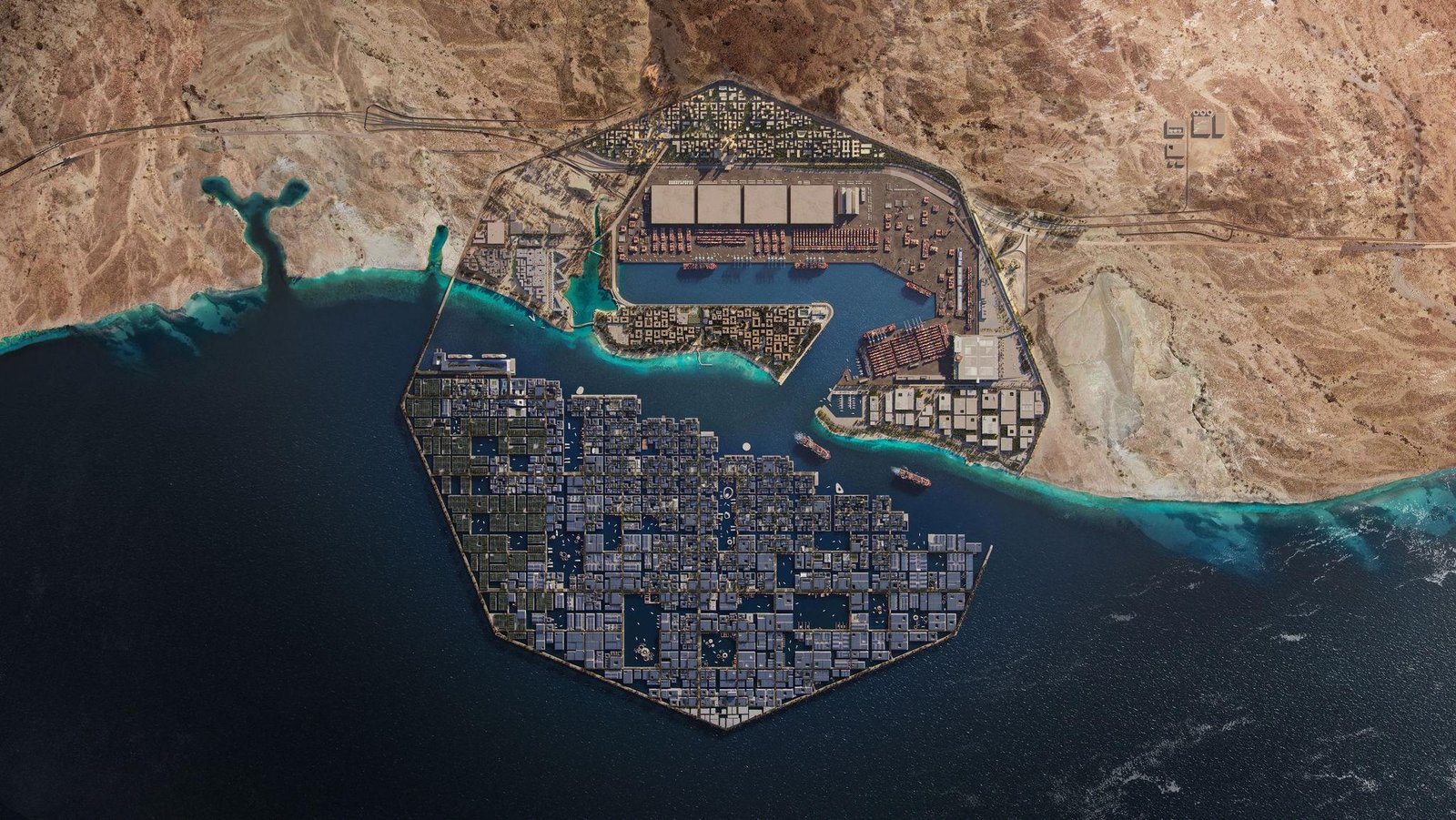
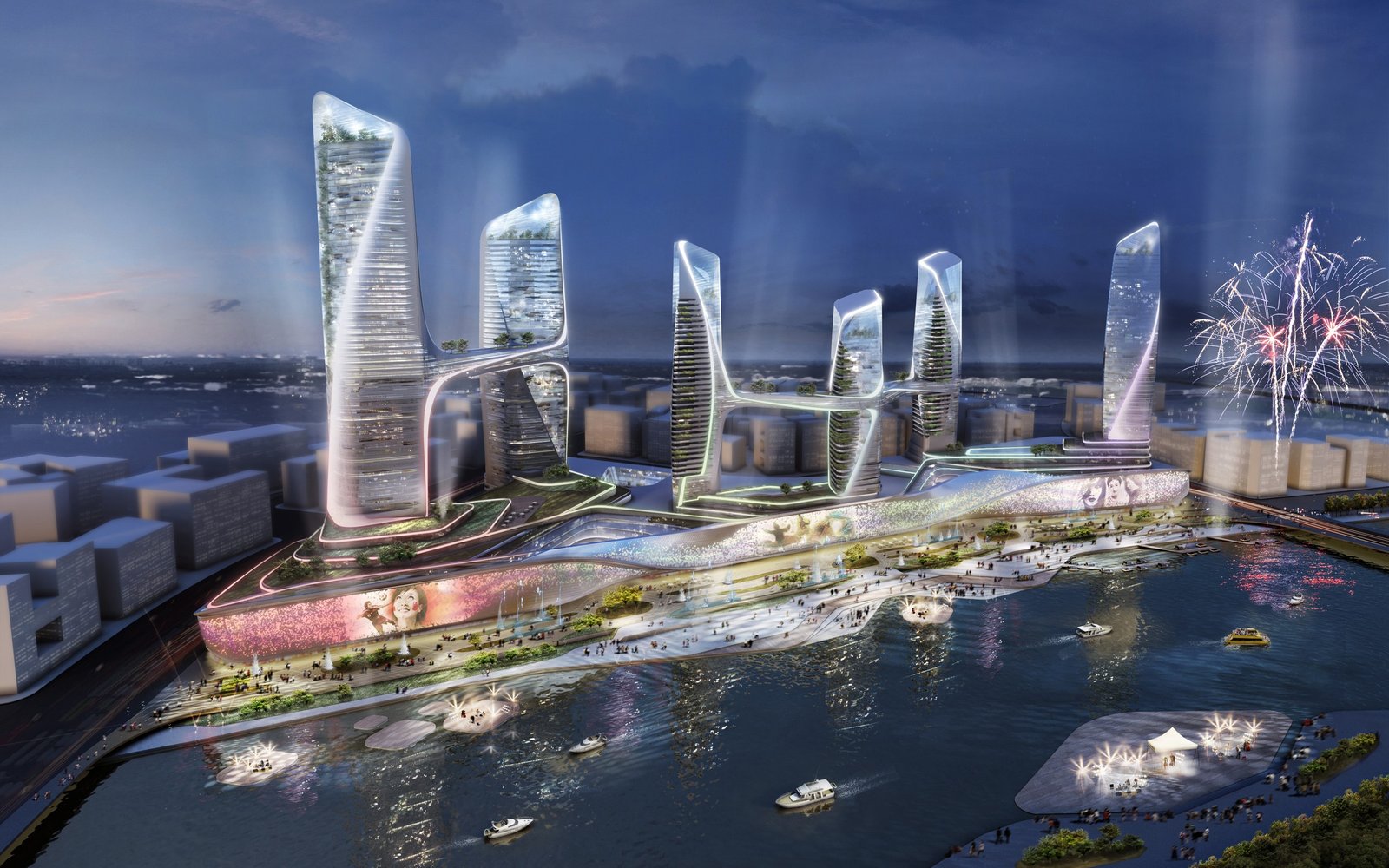
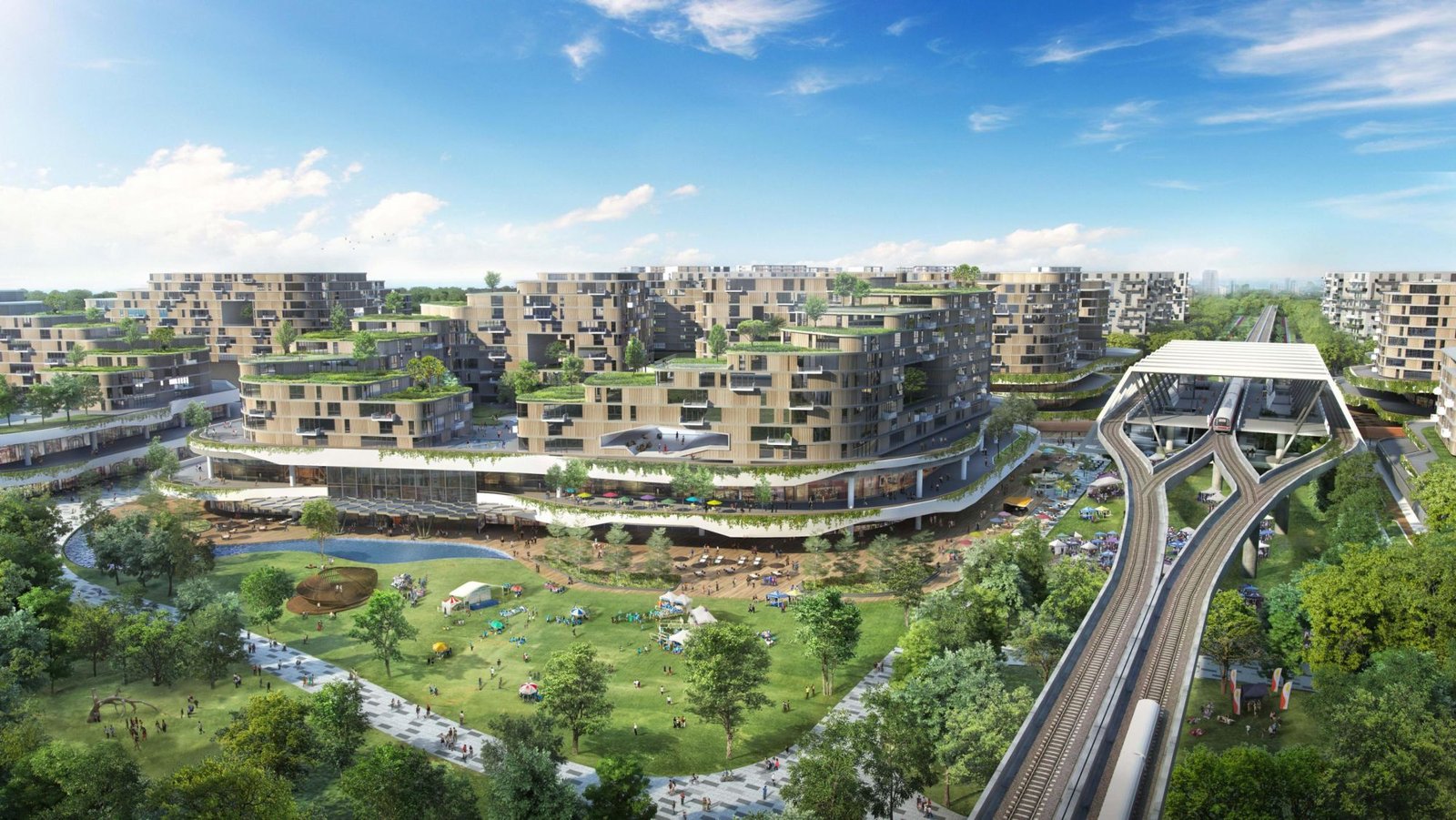
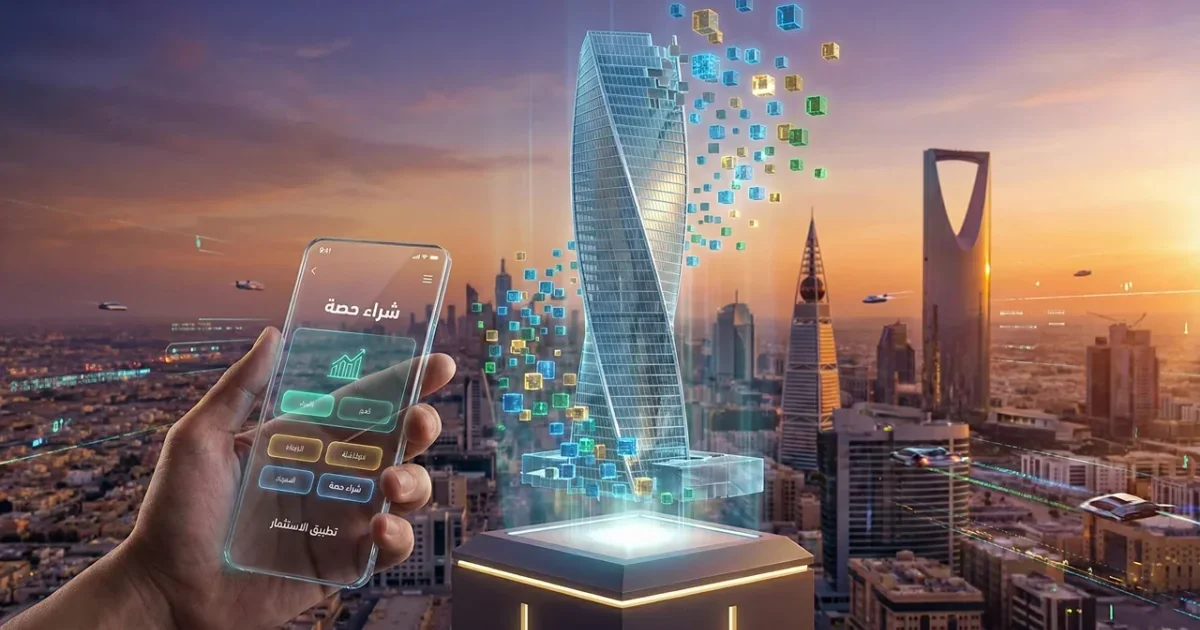
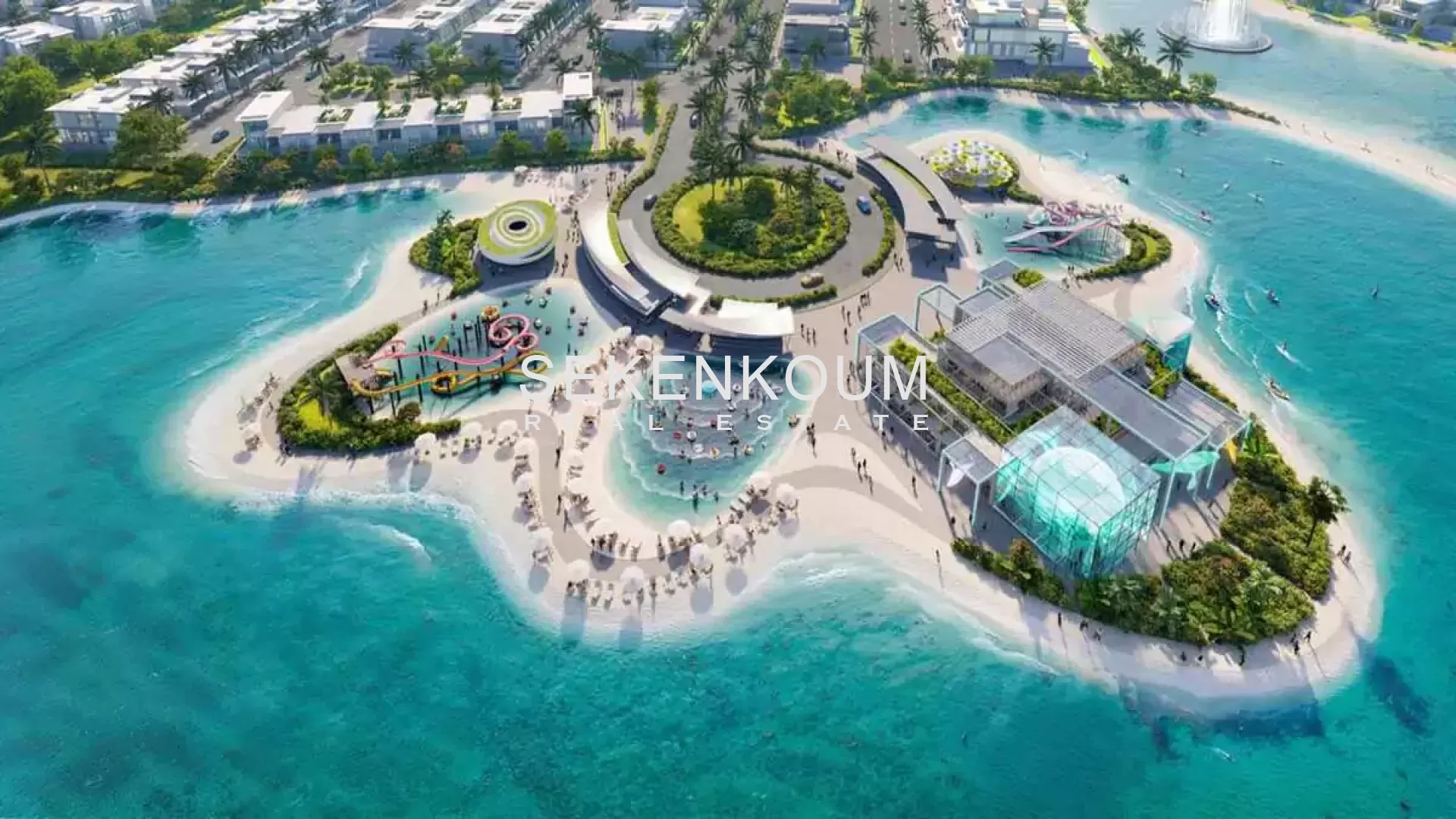
- Smart cities
Early investors benefit the most.
3. Rise of Property Hotspots
Areas near infrastructure projects become investment hotspots.
Why:
- High demand
- Better facilities
- Strong future growth
Property prices increase rapidly in these zones.
4. Global Examples of Infrastructure Impact
Cities benefiting from infrastructure:
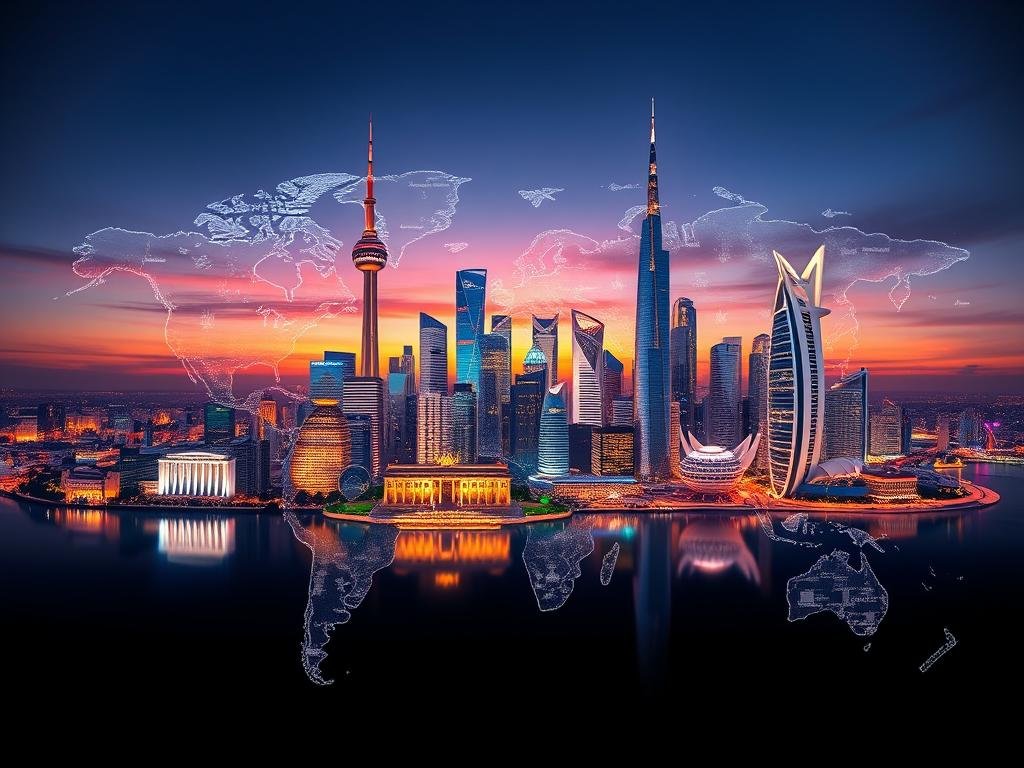
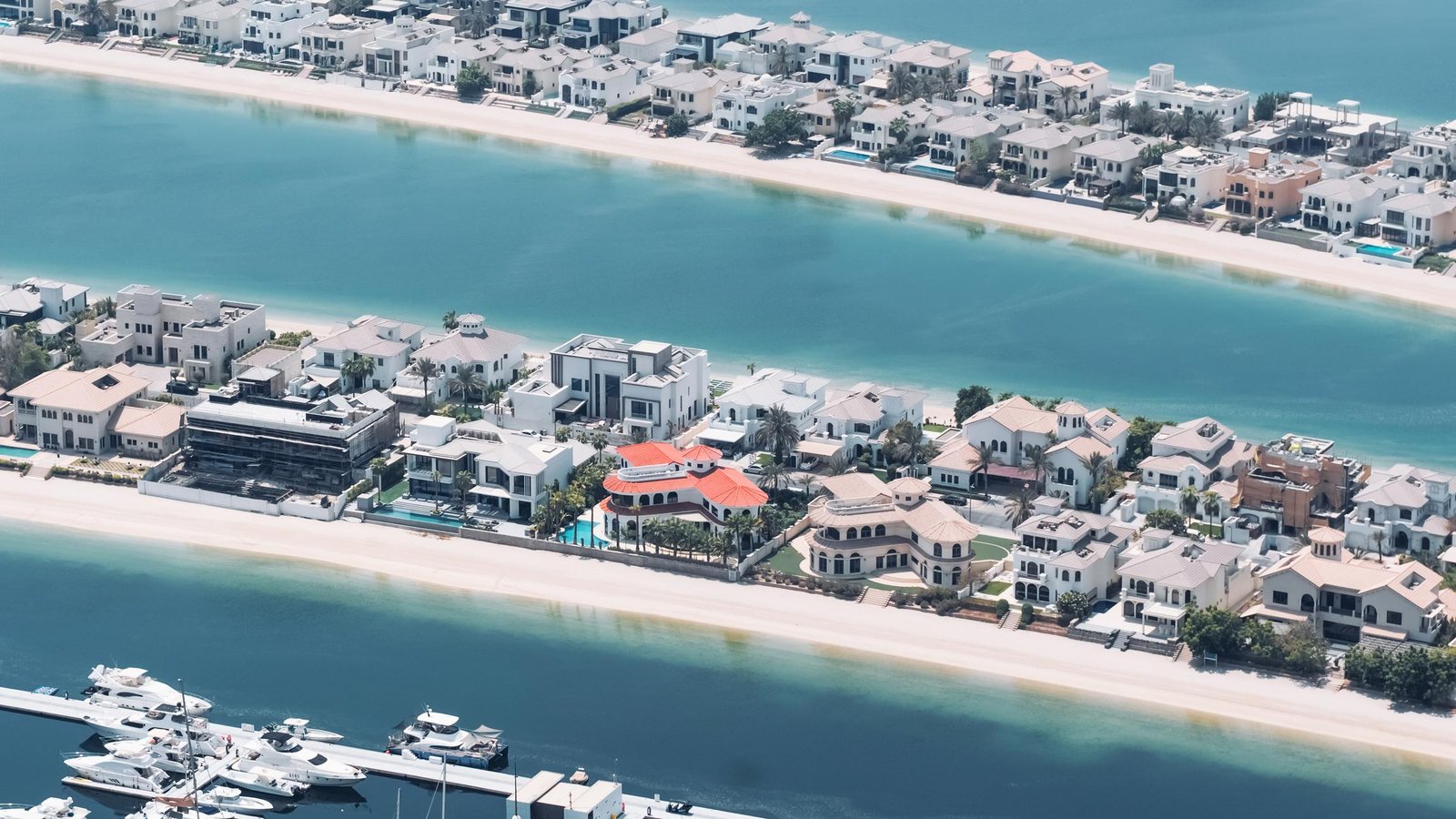
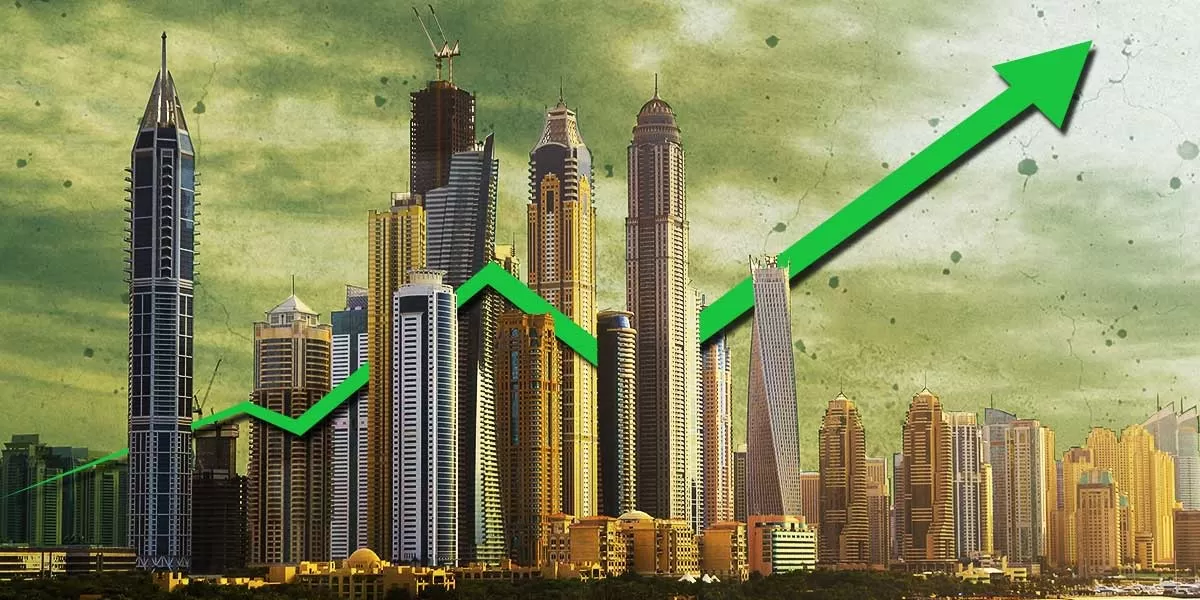
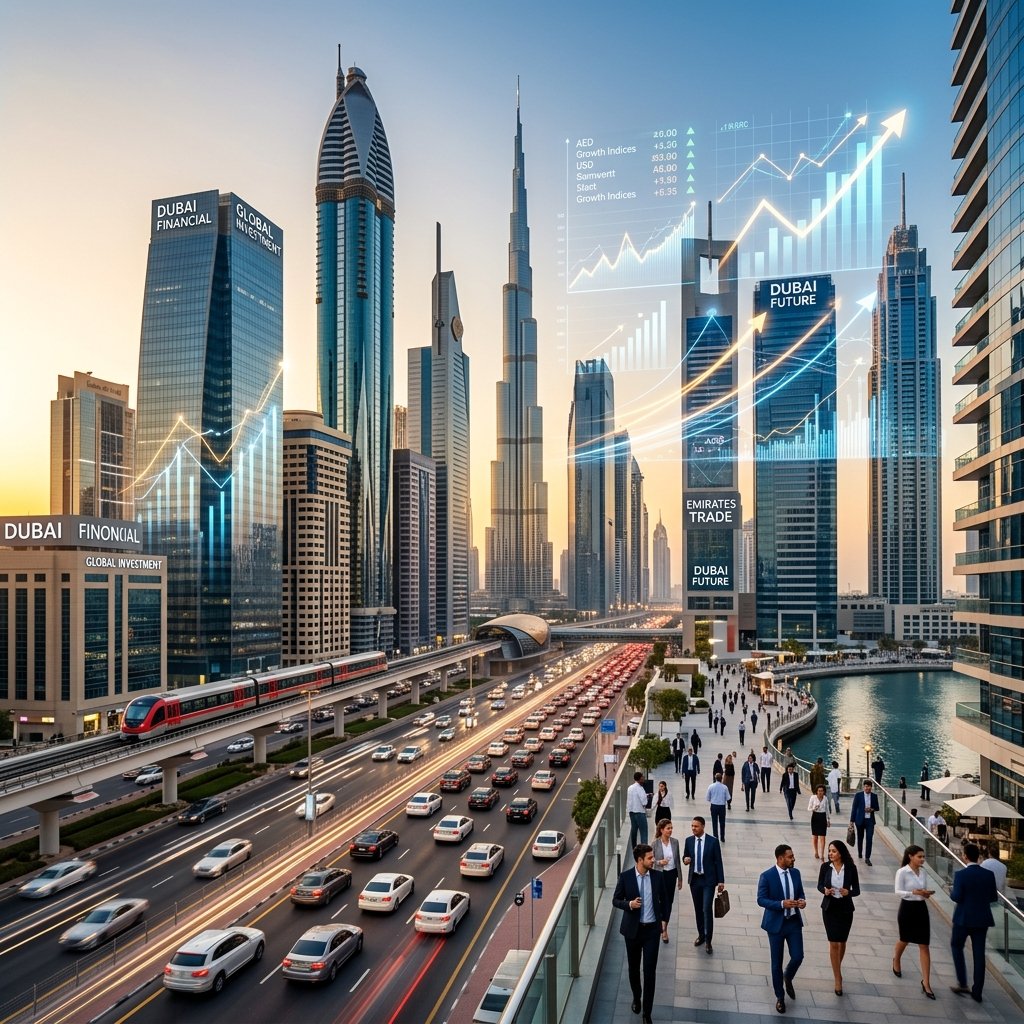
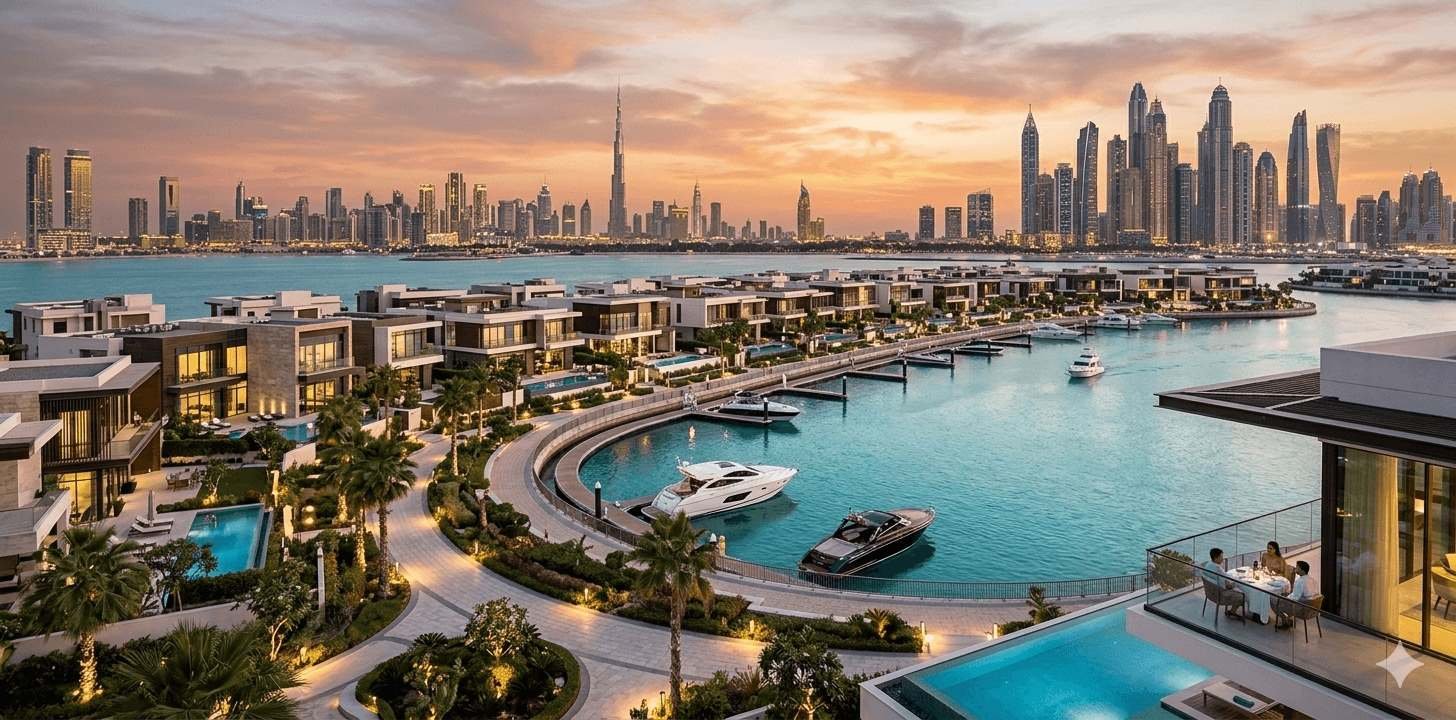
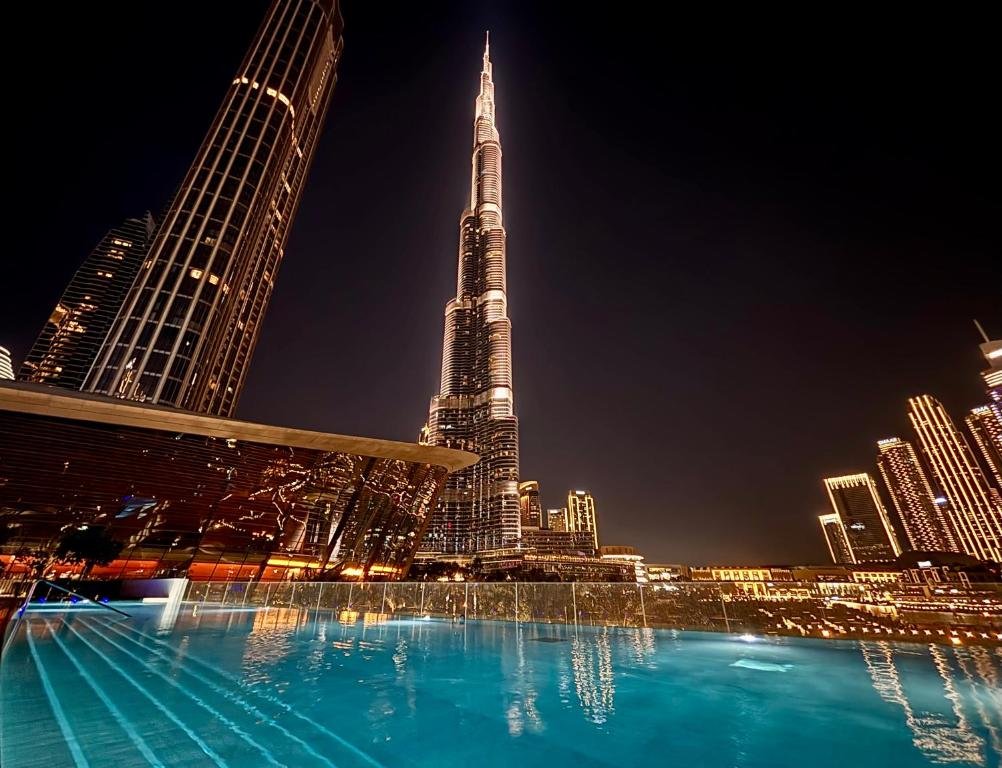
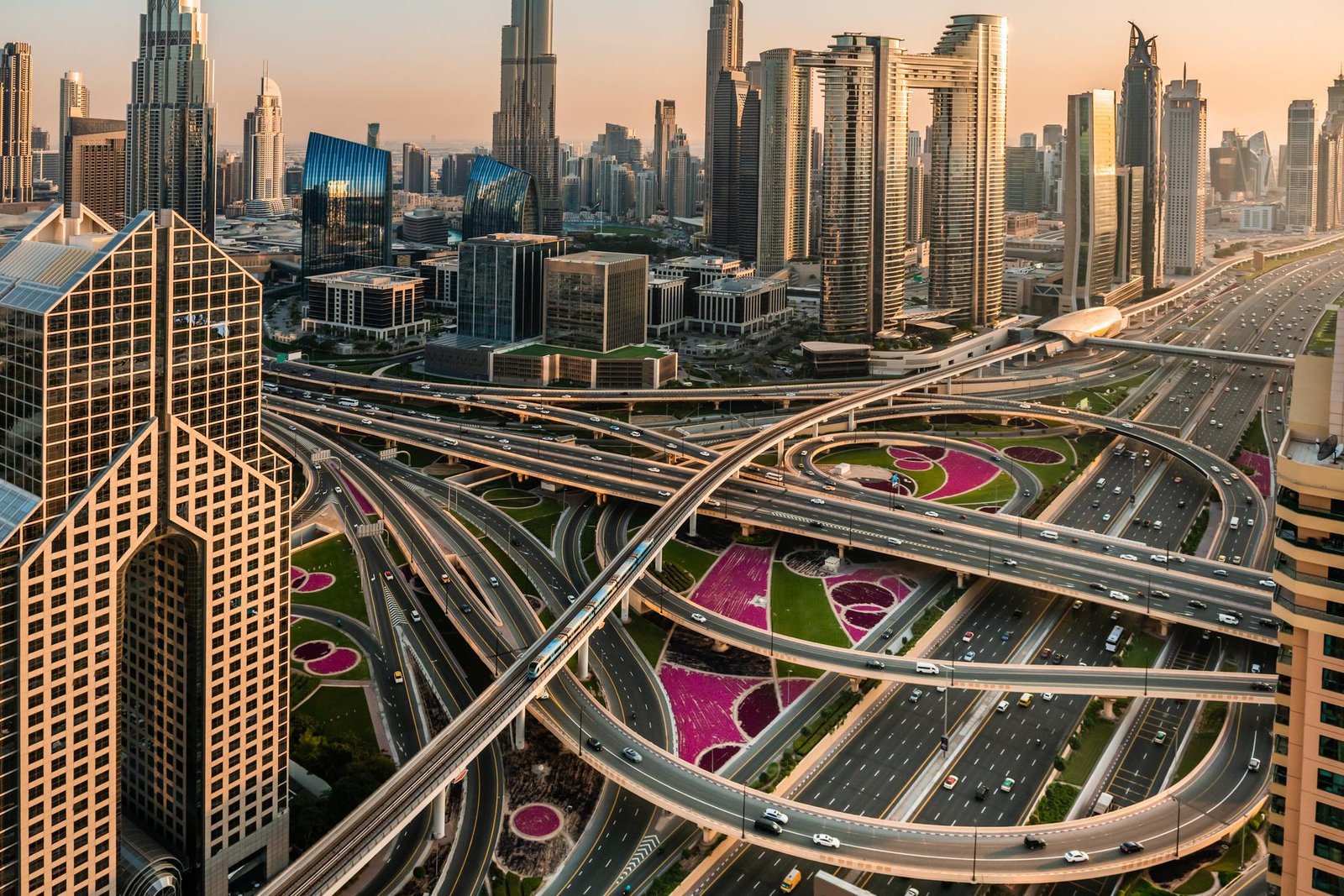
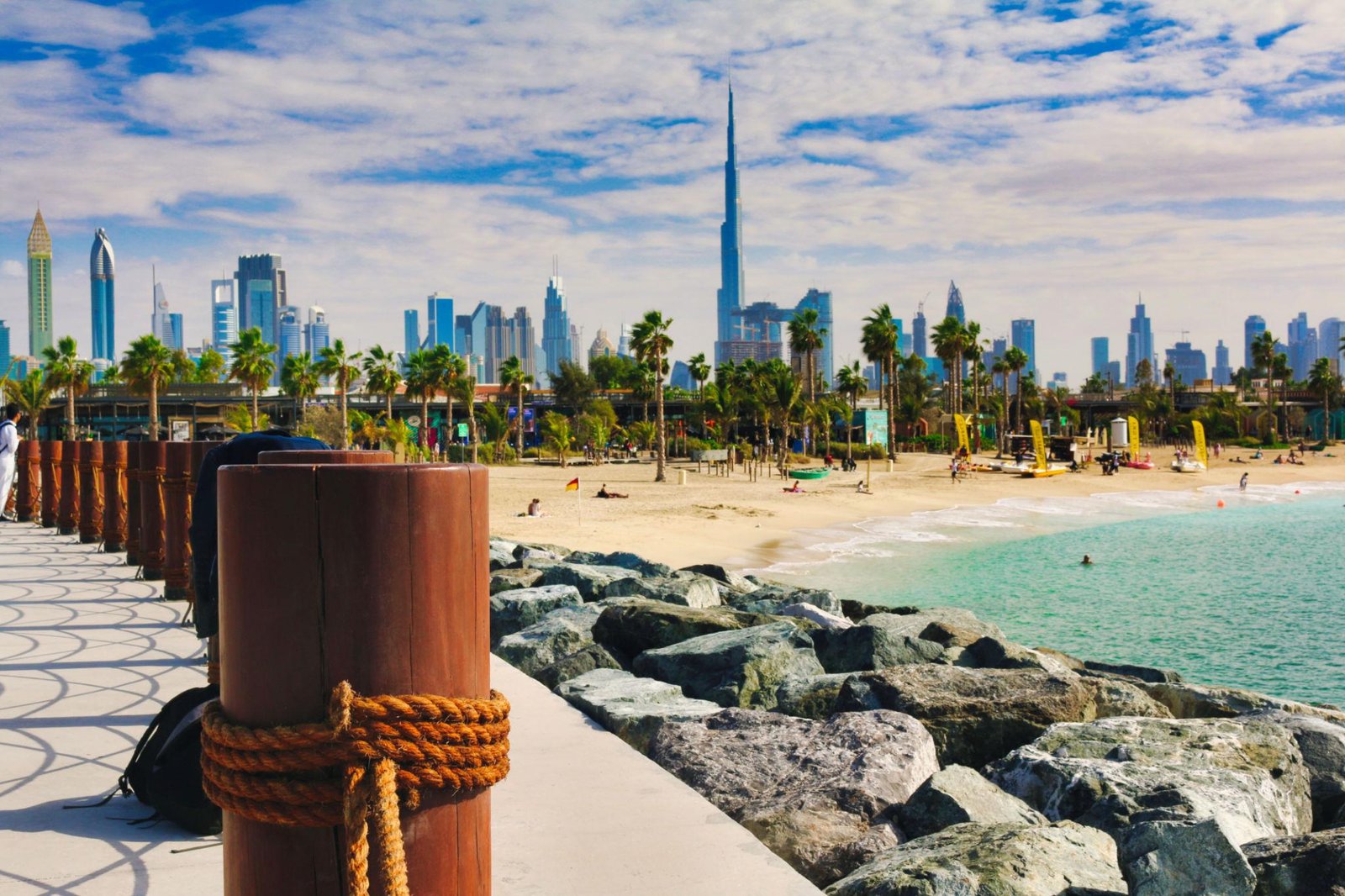
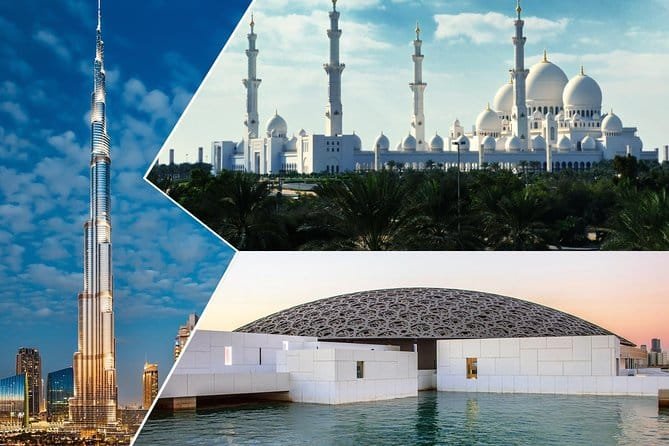
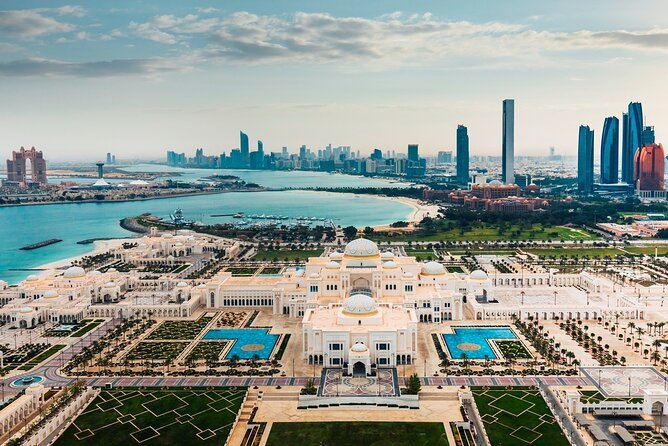
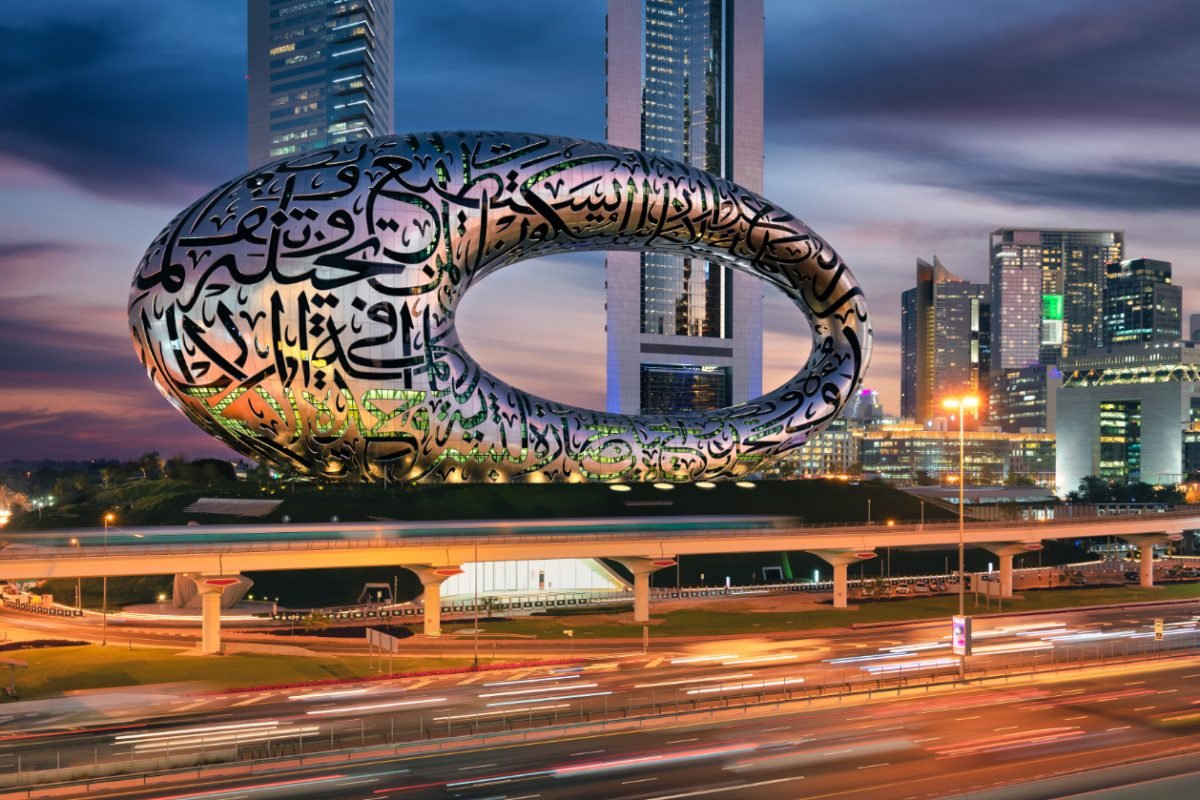
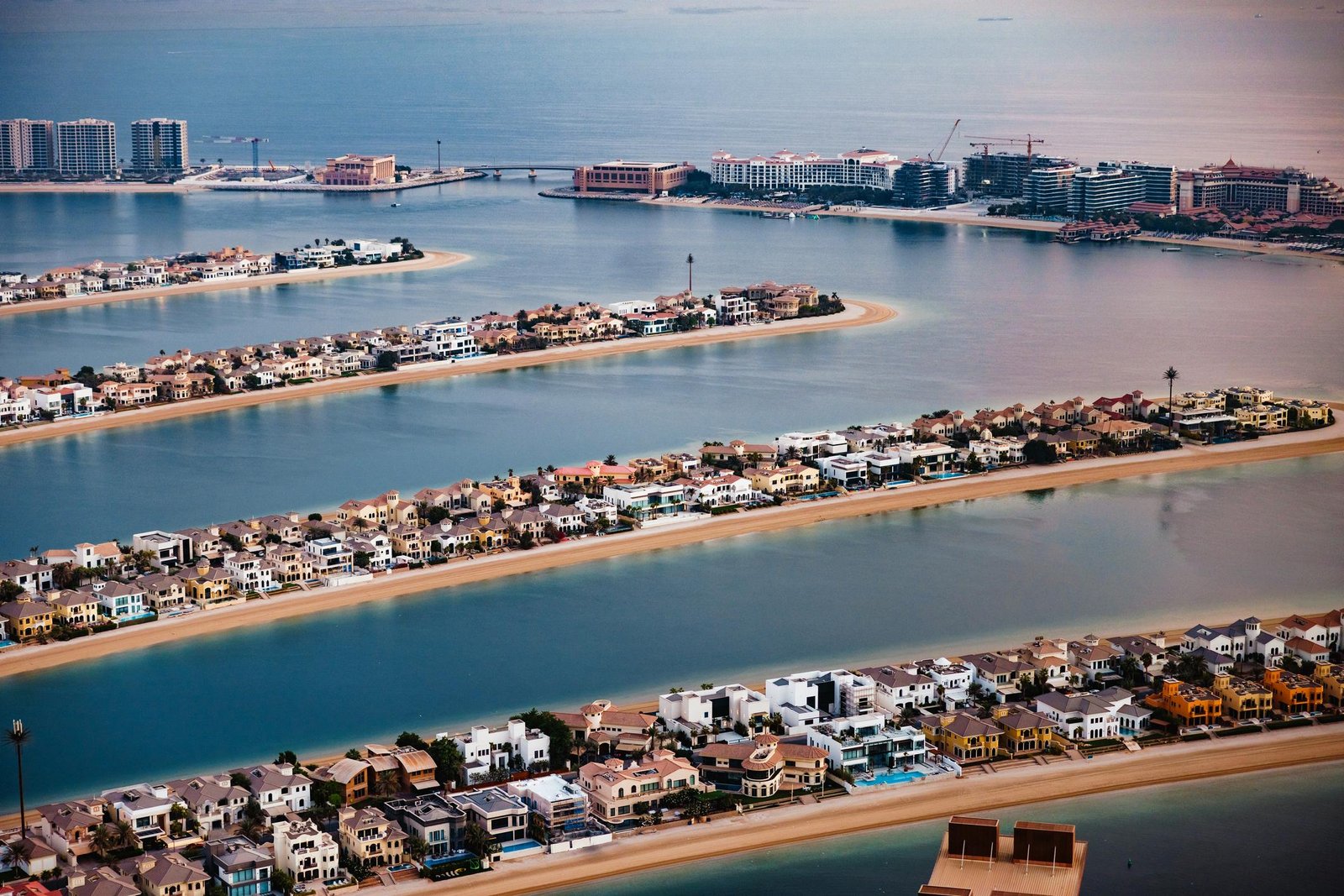
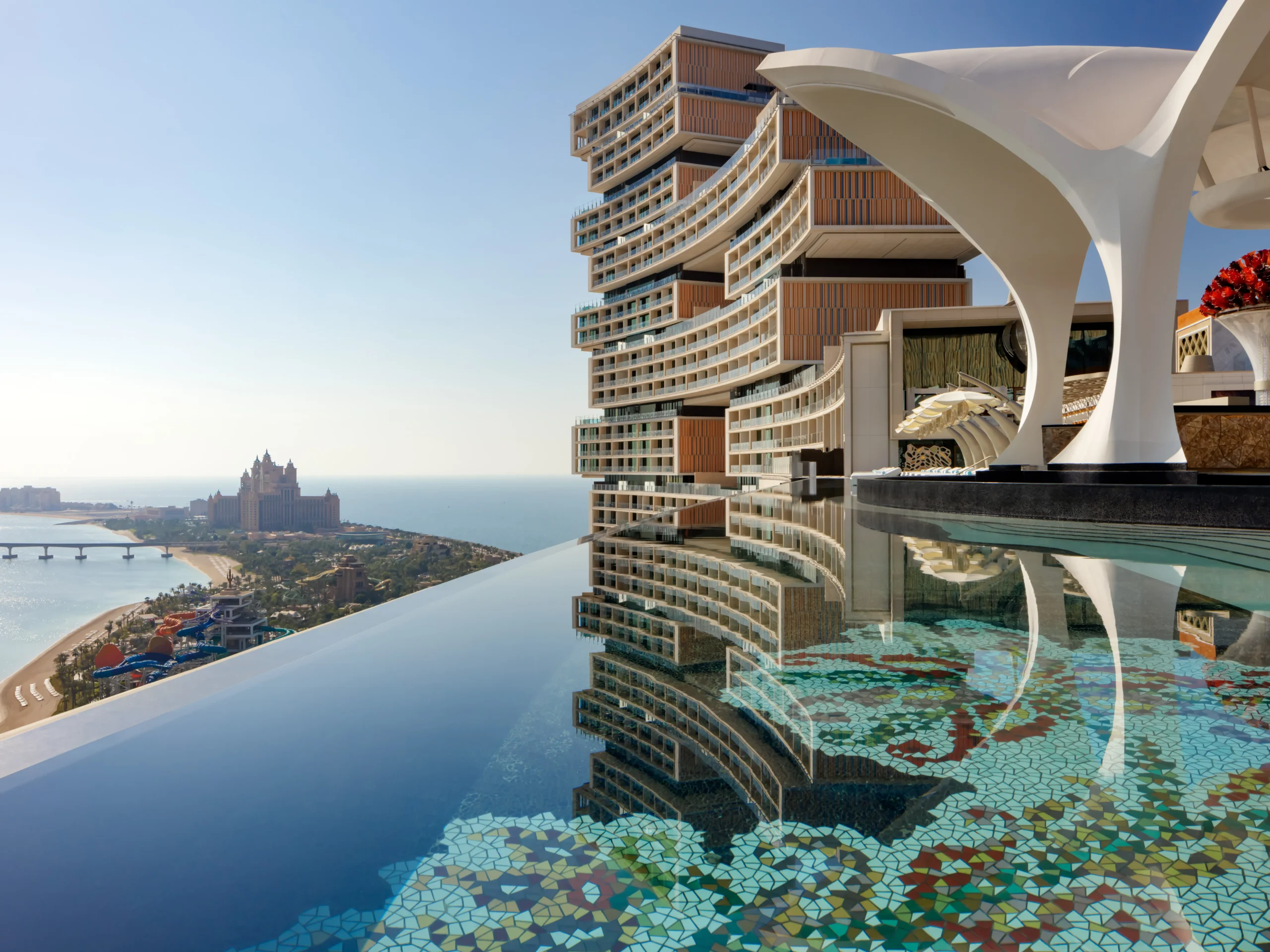
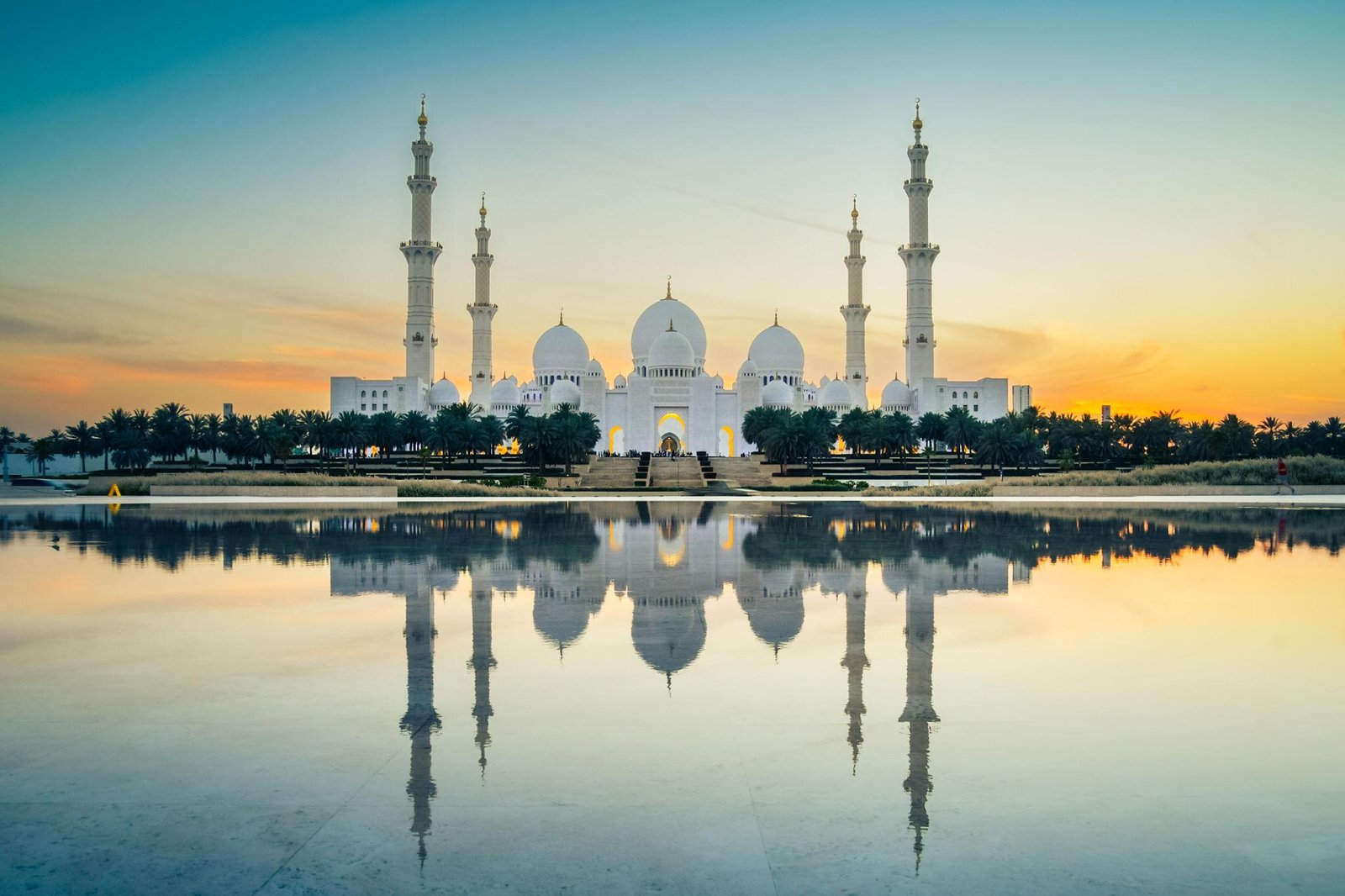
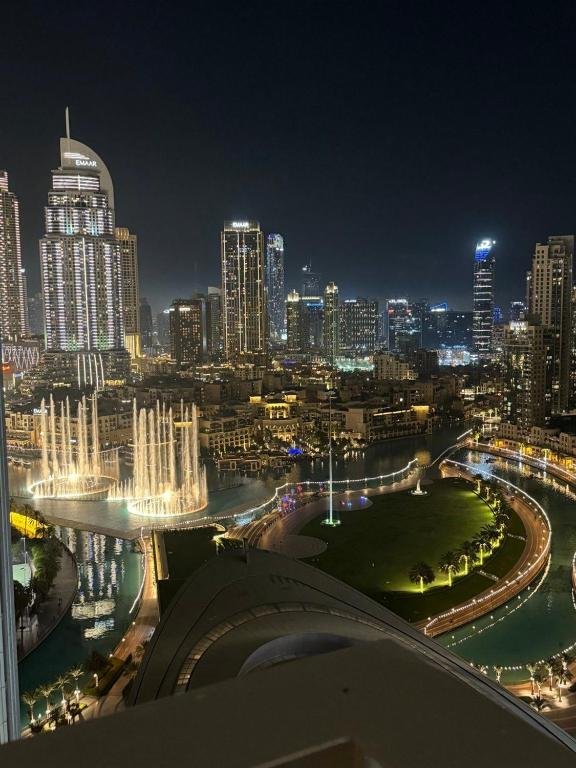
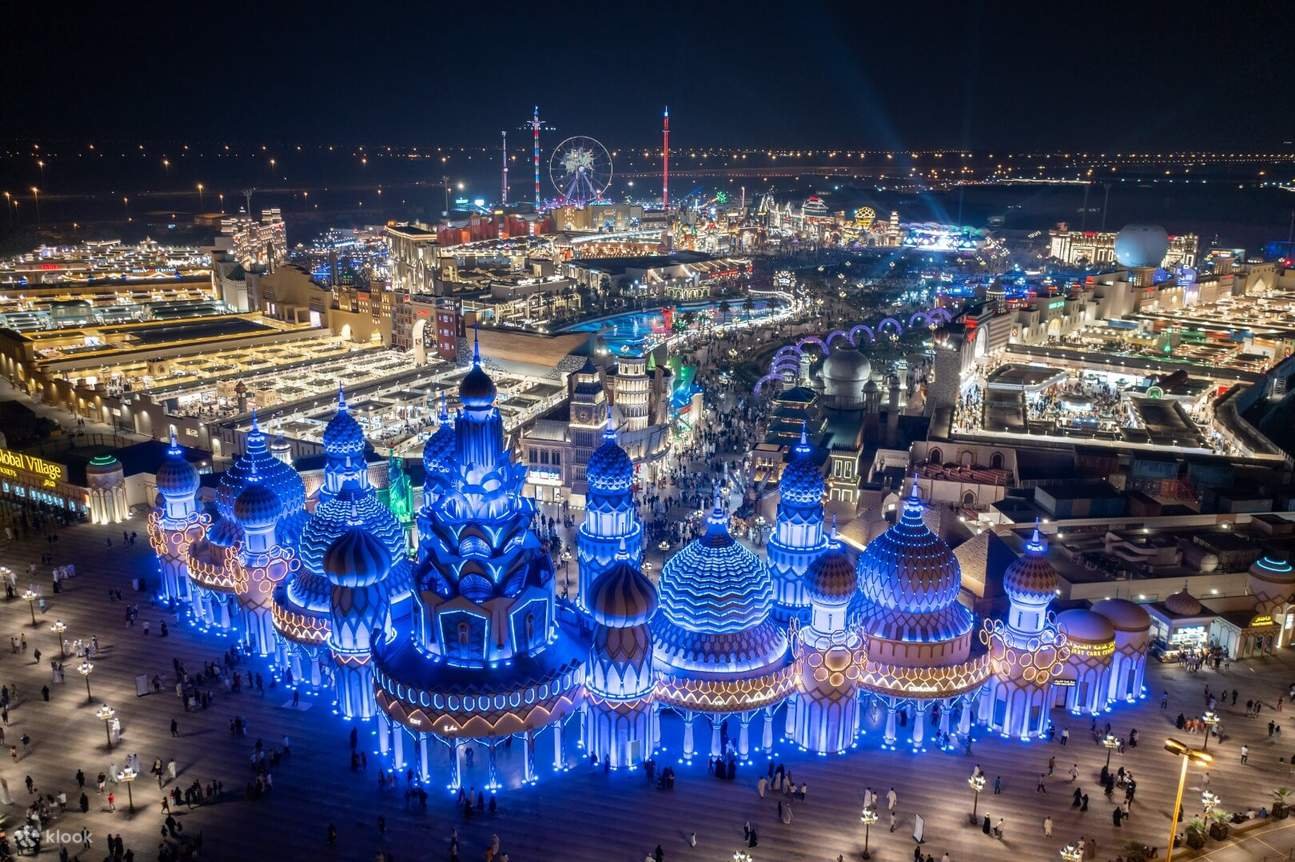
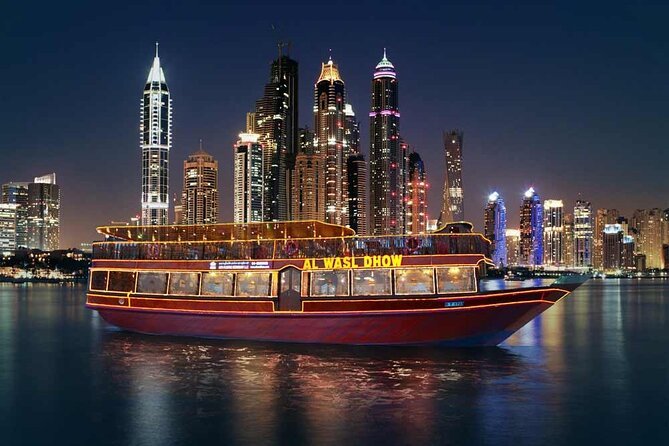
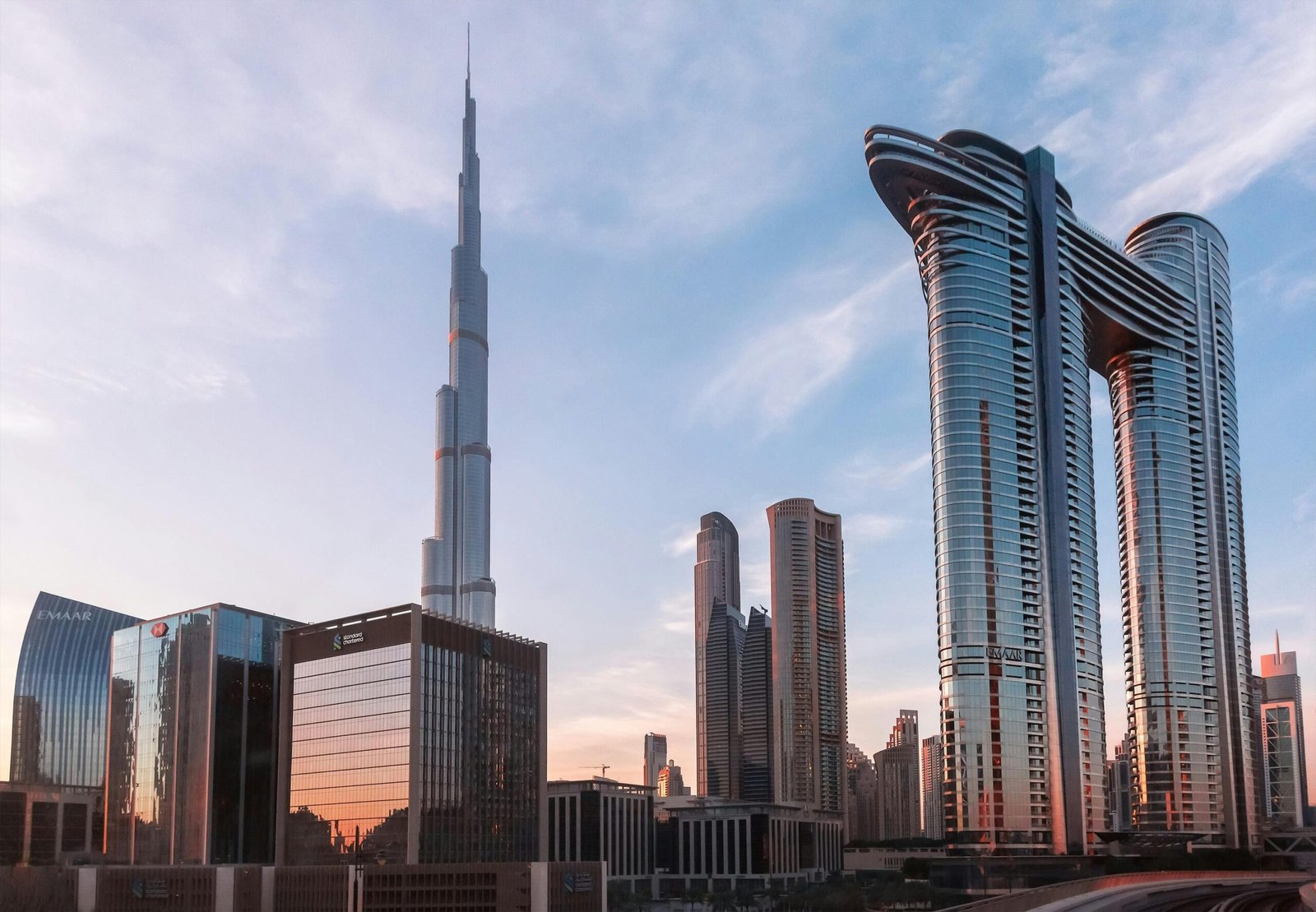
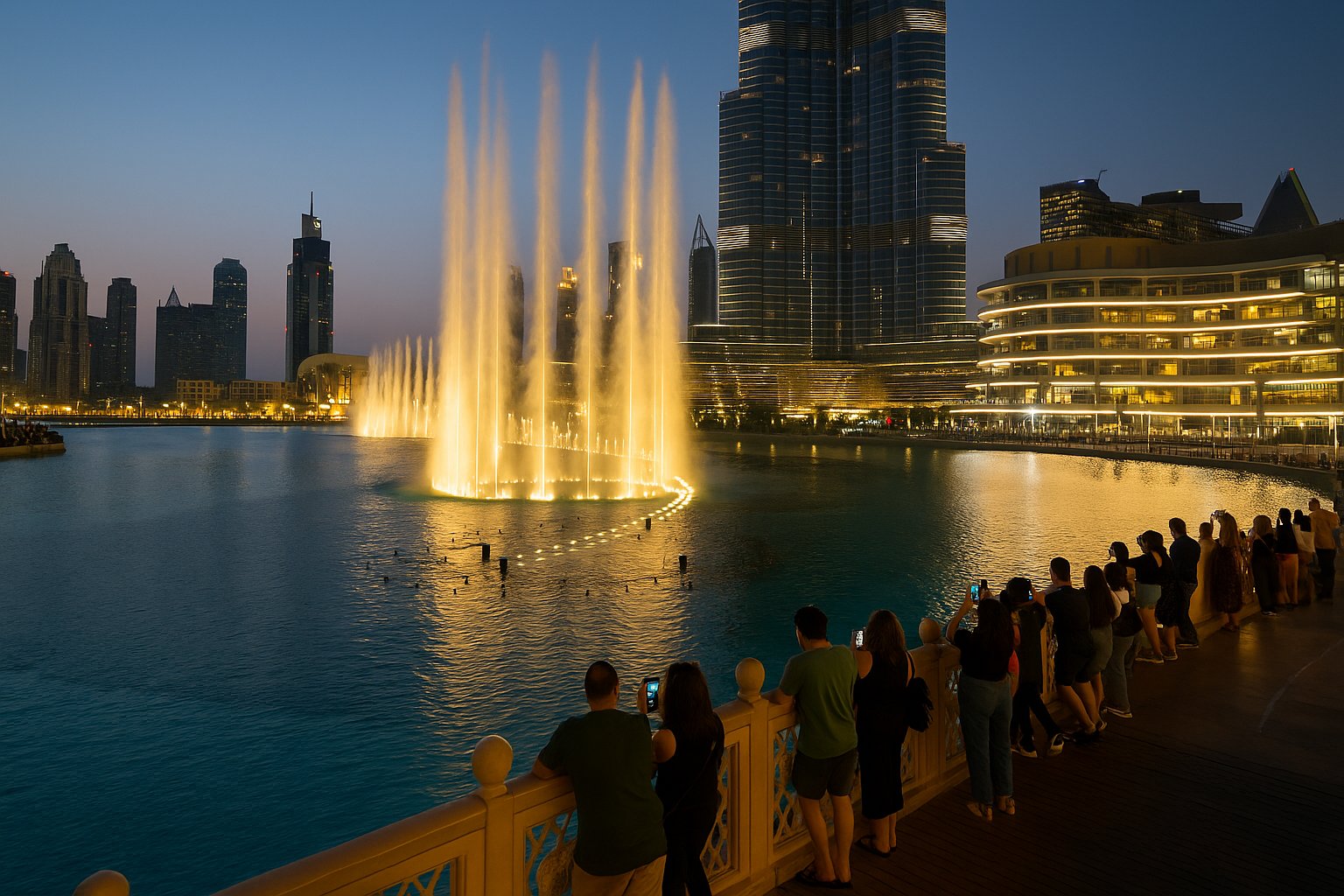
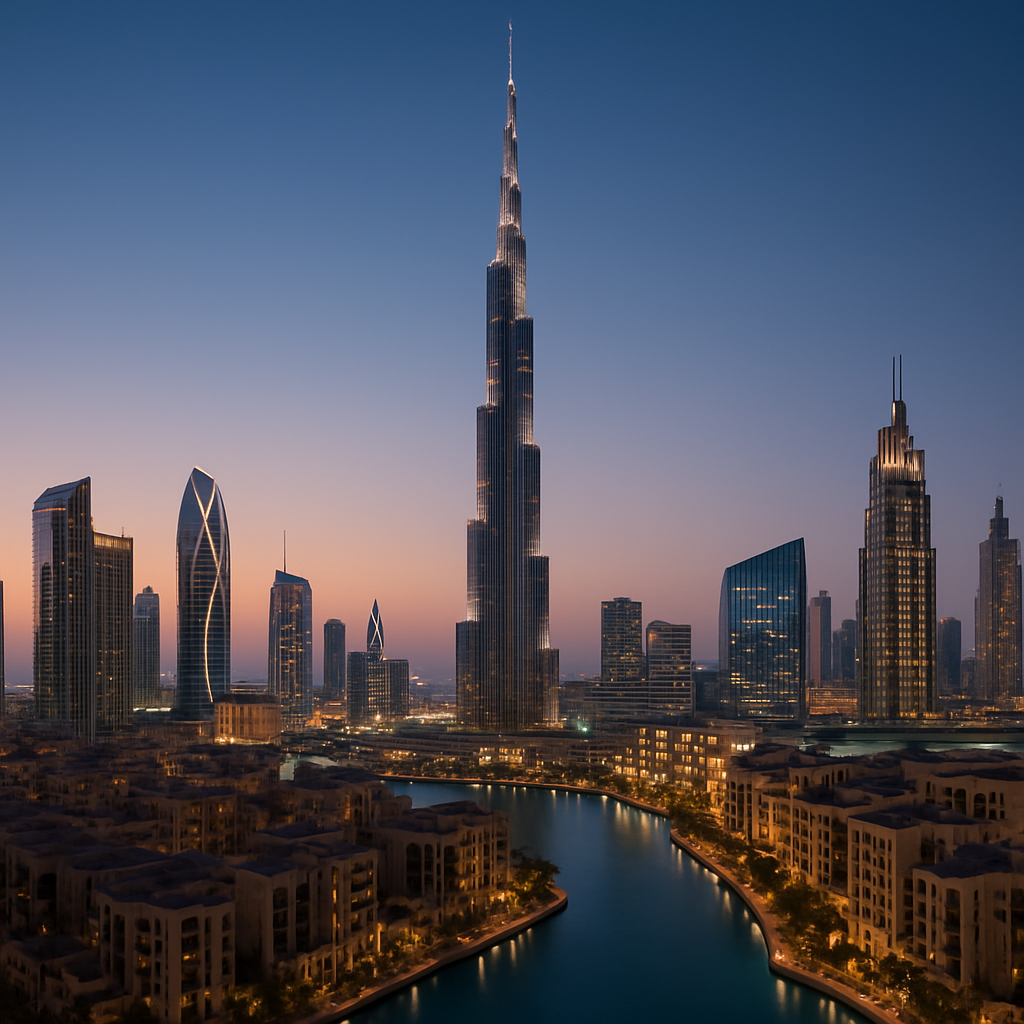
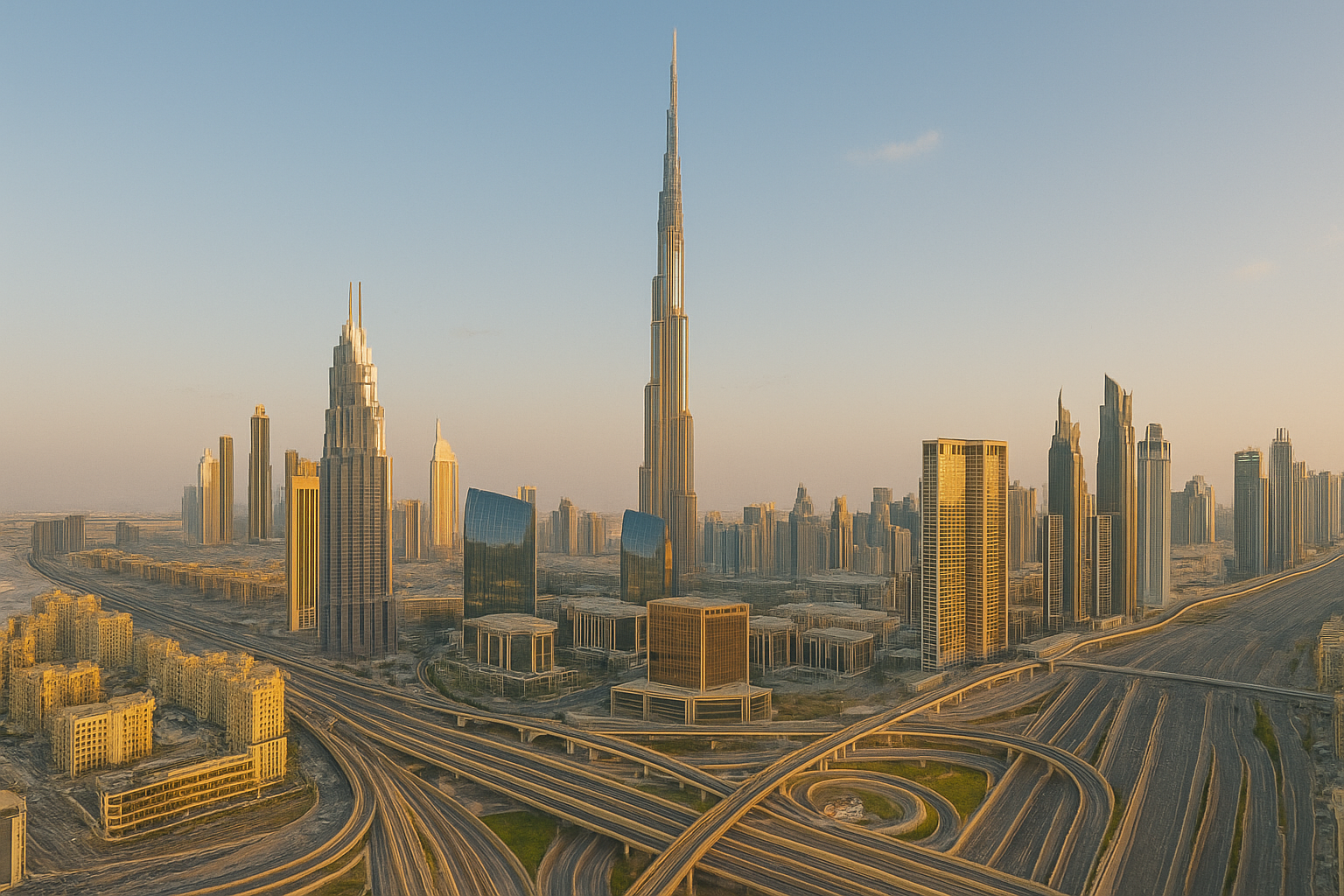
- Dubai → Metro & mega projects
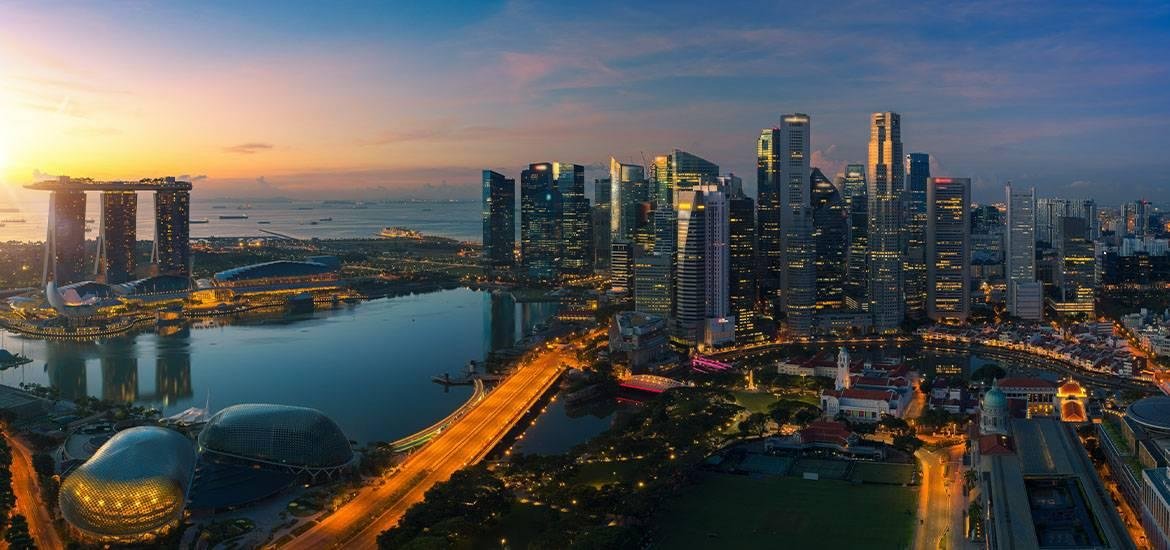
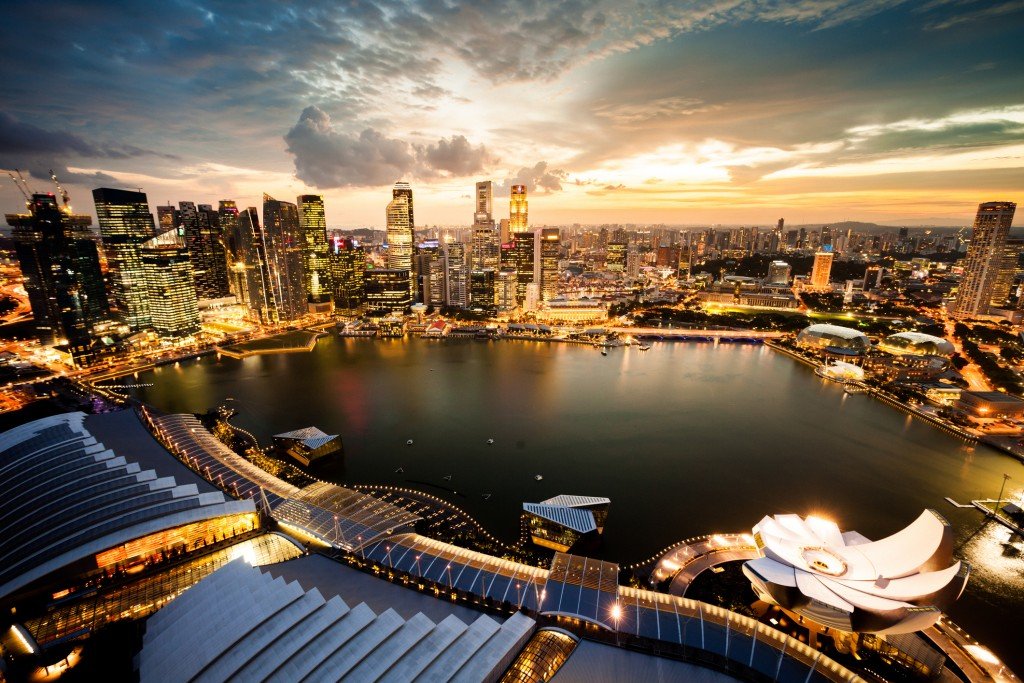
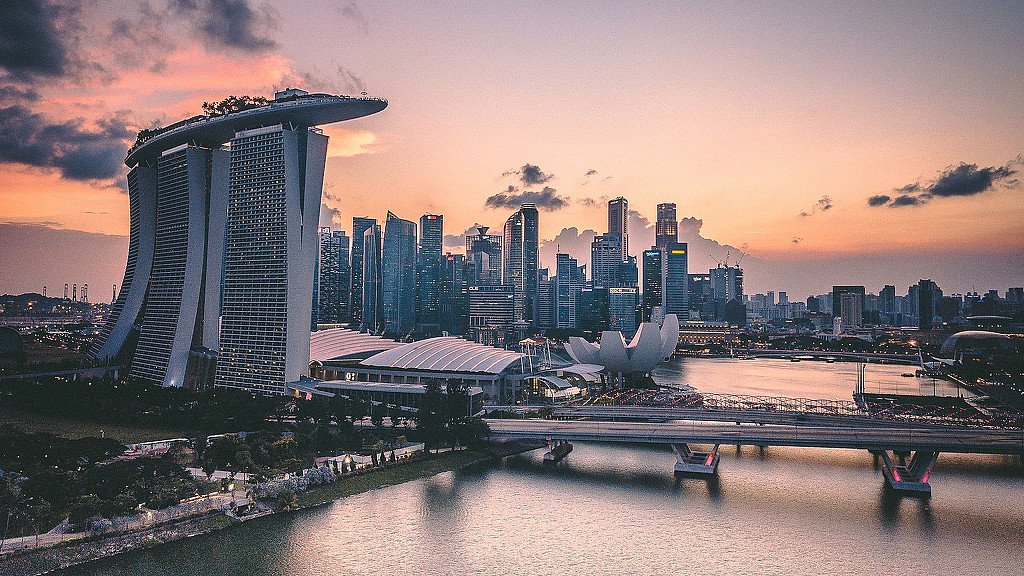
- Singapore → Smart city planning
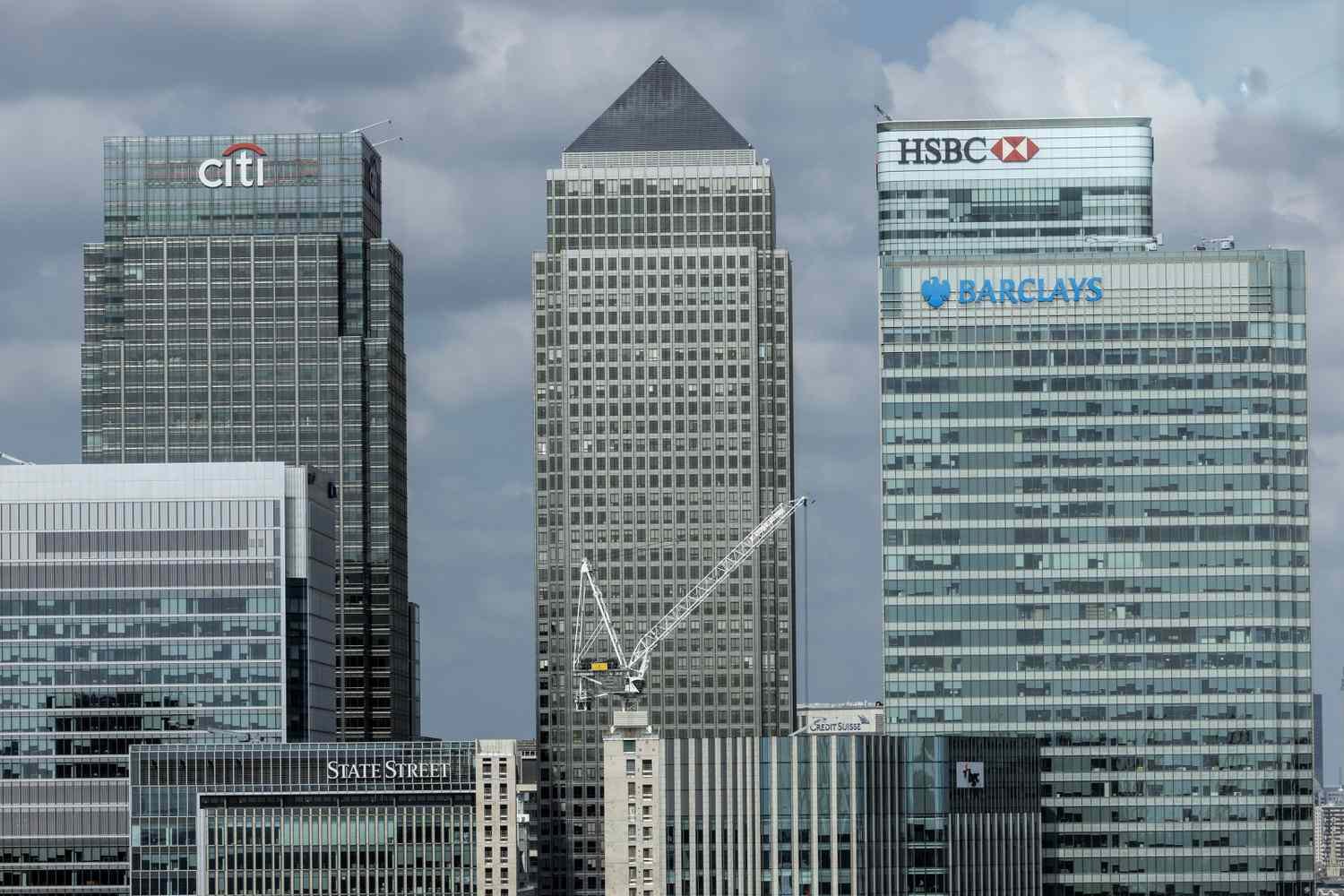
- London → Crossrail (Elizabeth Line)
Infrastructure transforms property markets globally.
5. Commercial & Rental Growth
Infrastructure attracts:
- Businesses
- Offices
- Residents
This leads to:
- Higher rental income
- Increased commercial value
Key Trends to Watch
- Growth near metro and transport lines
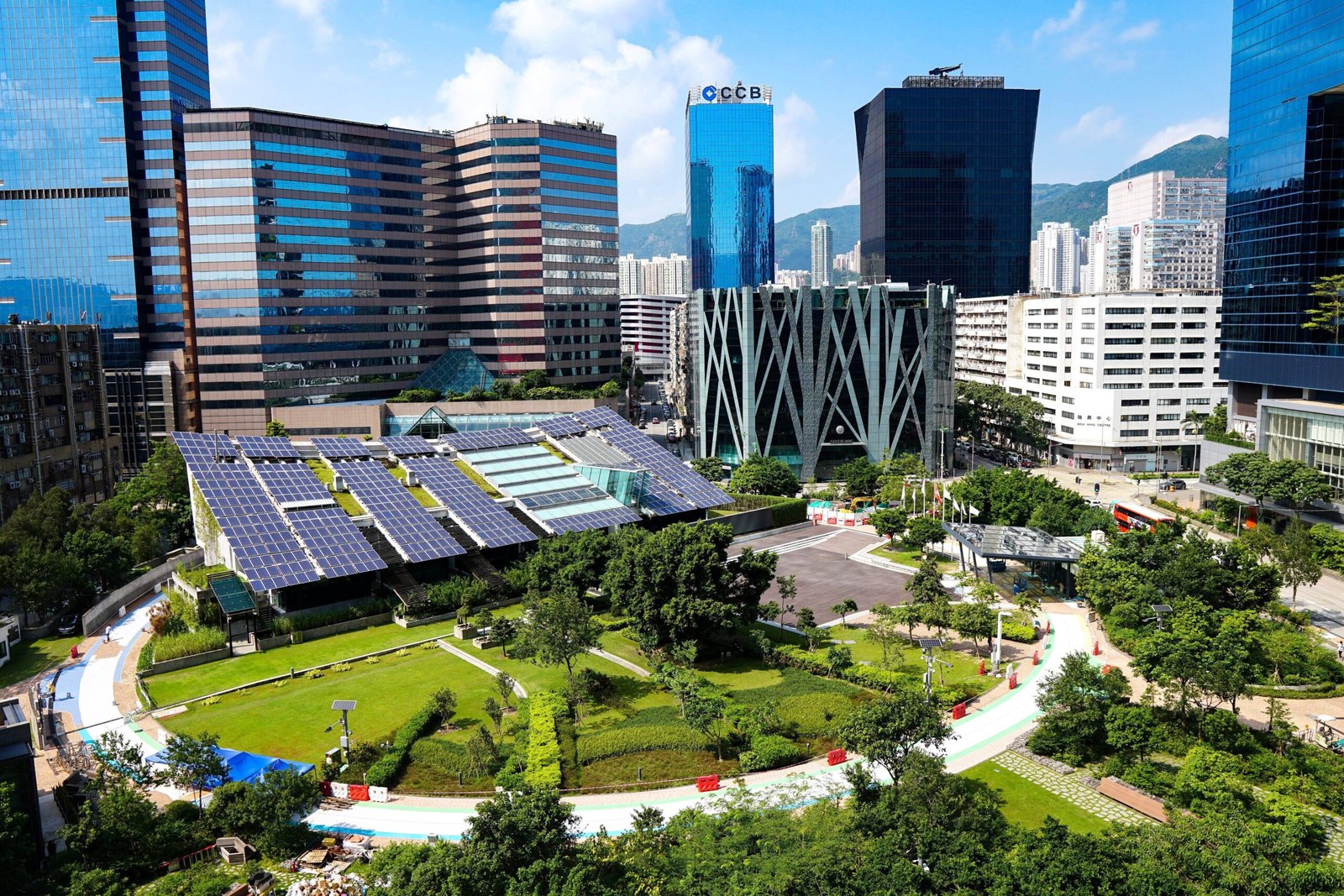
- Smart city developments
- Expansion of suburban areas
- Government infrastructure spending