

The Future of Global Trade Networks
Introduction
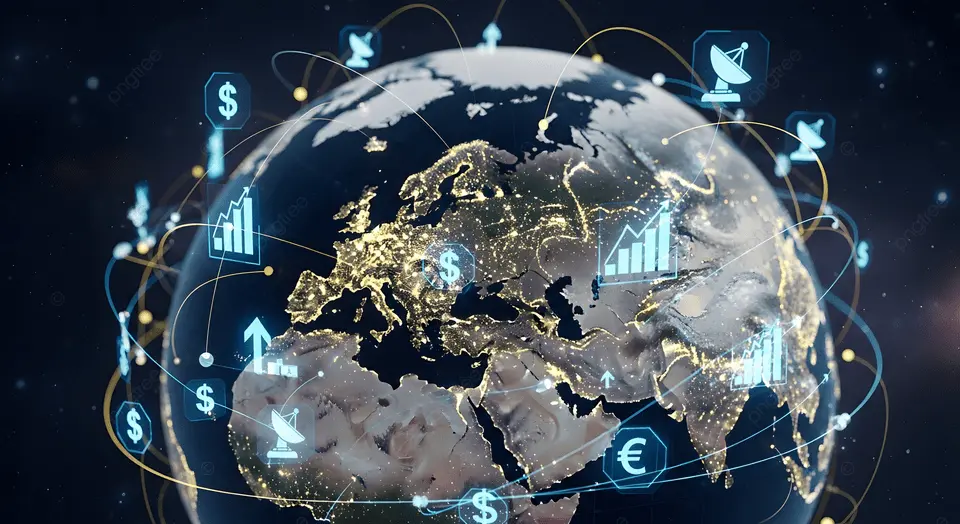
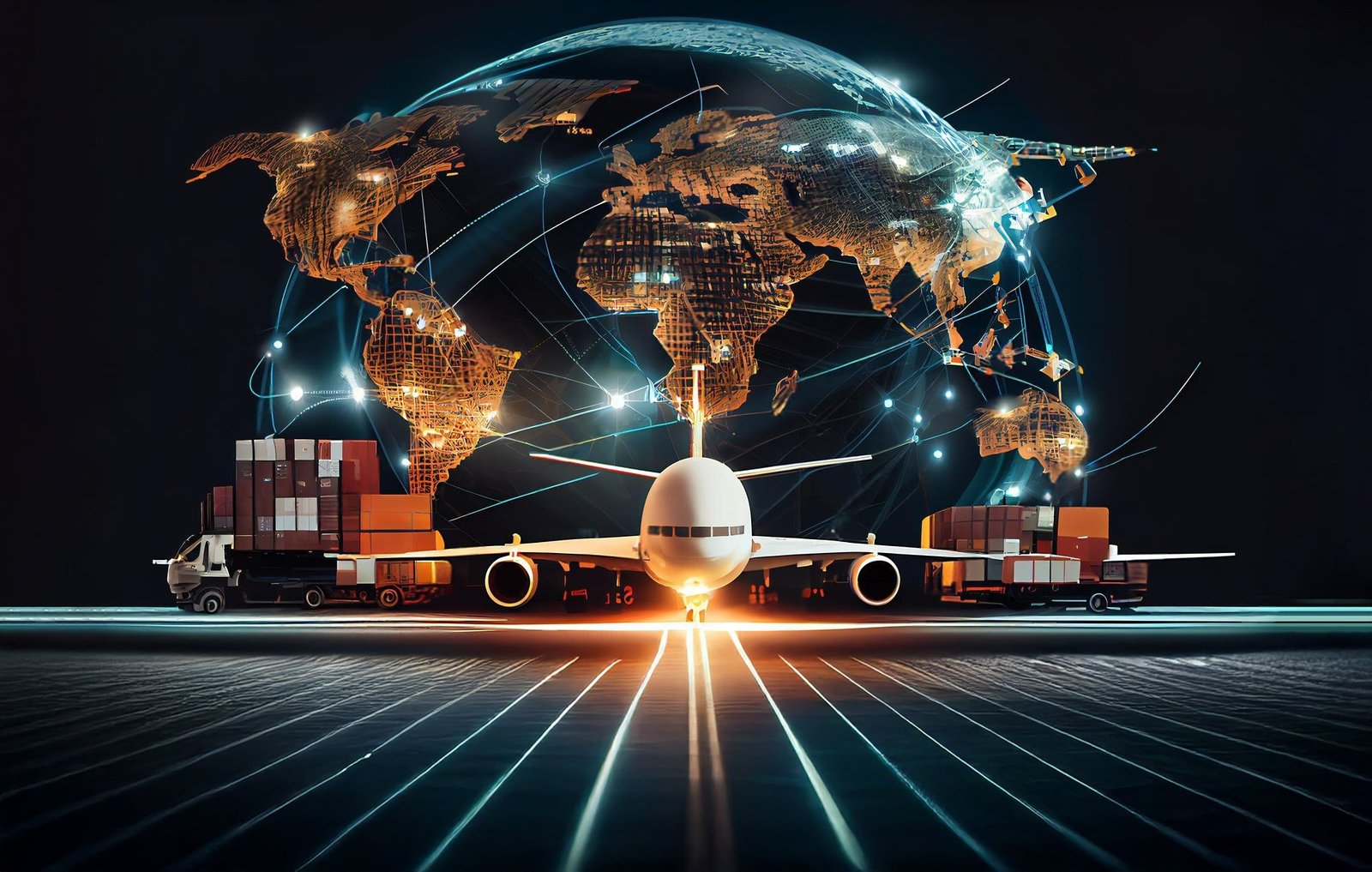
Global trade is the backbone of the world economy. But as technology advances and geopolitical dynamics shift, trade networks are being redesigned.
From digital trade to new shipping routes, the future of global trade will be faster, smarter, and more interconnected.
What Are Global Trade Networks?
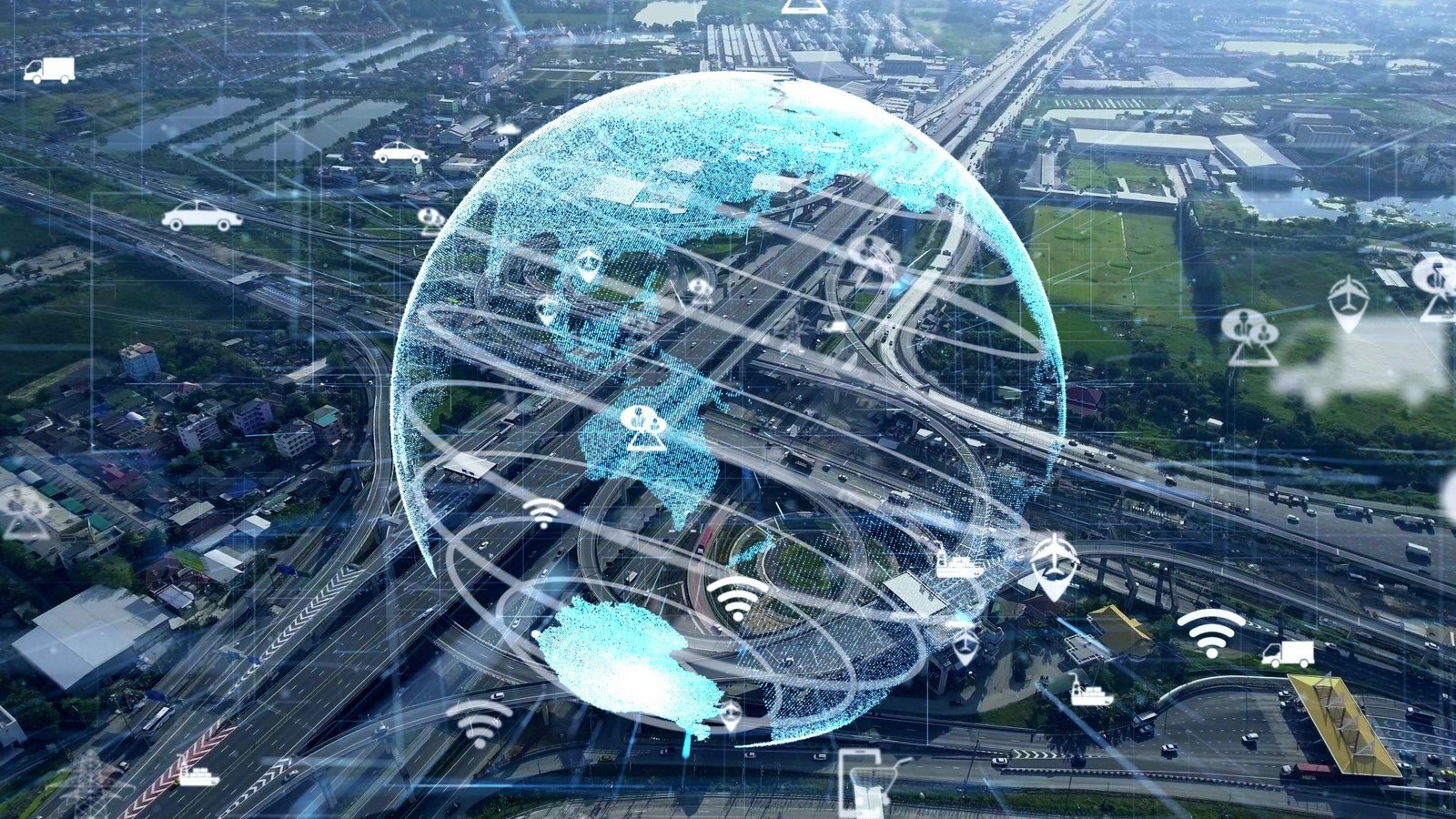
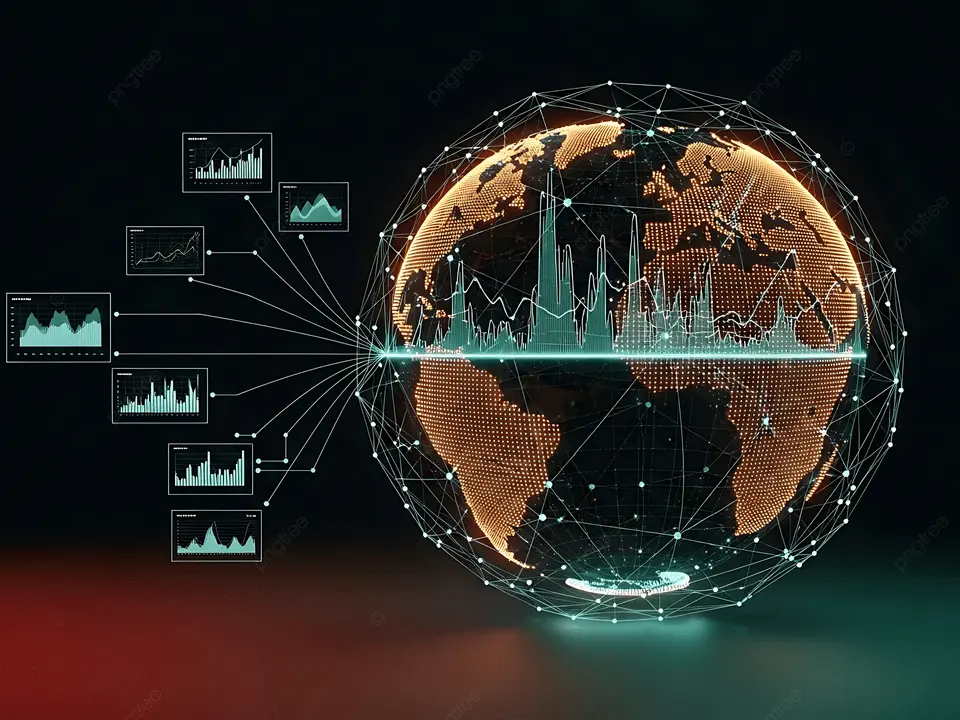
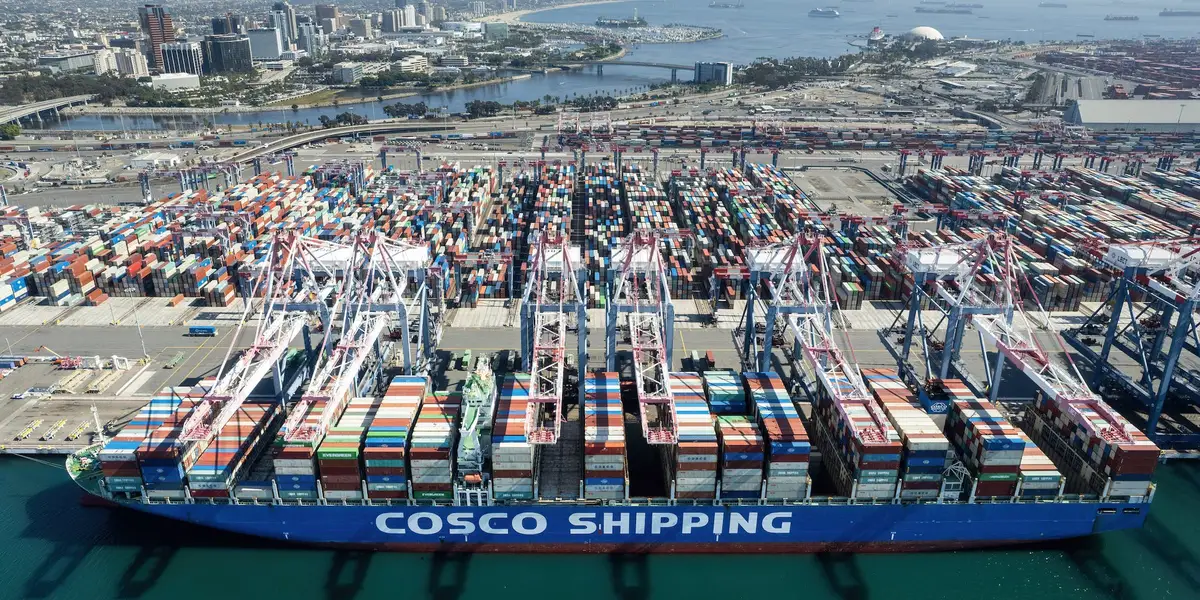
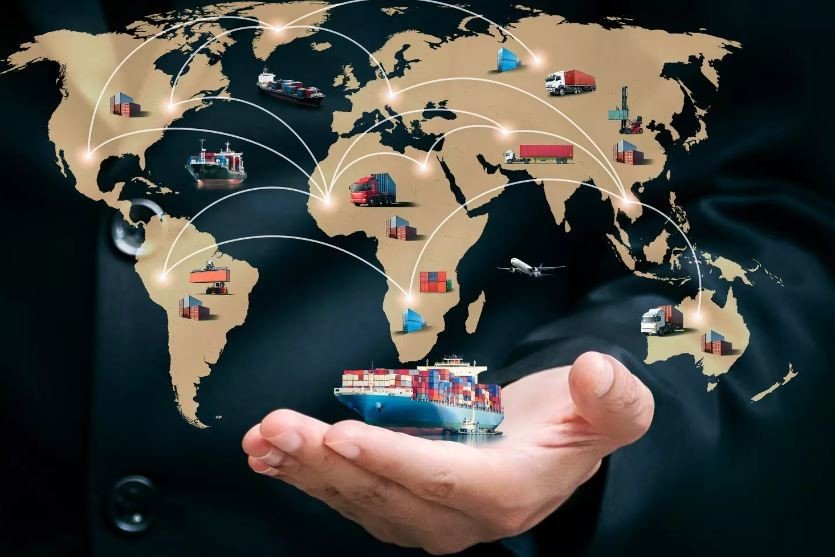
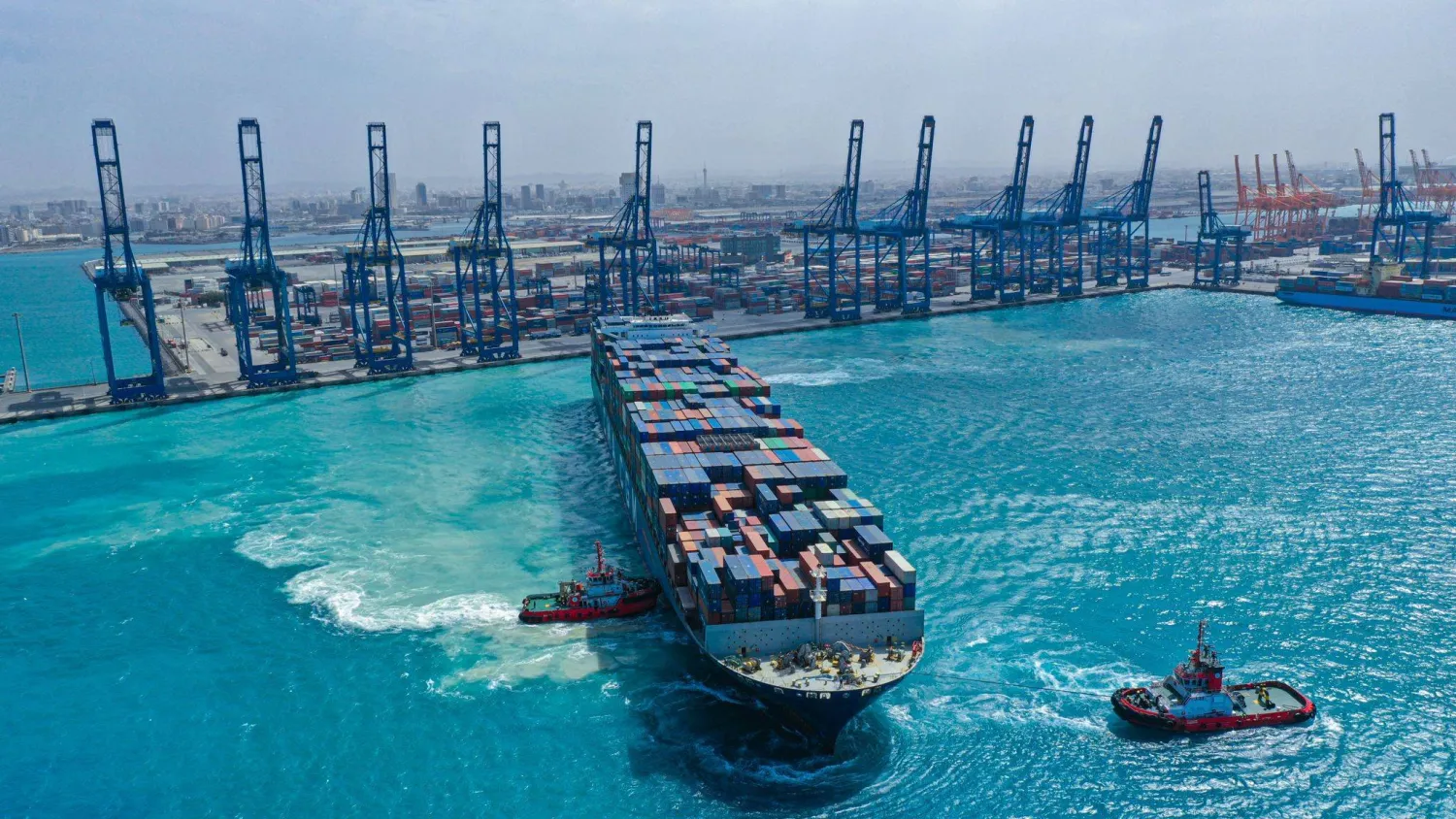
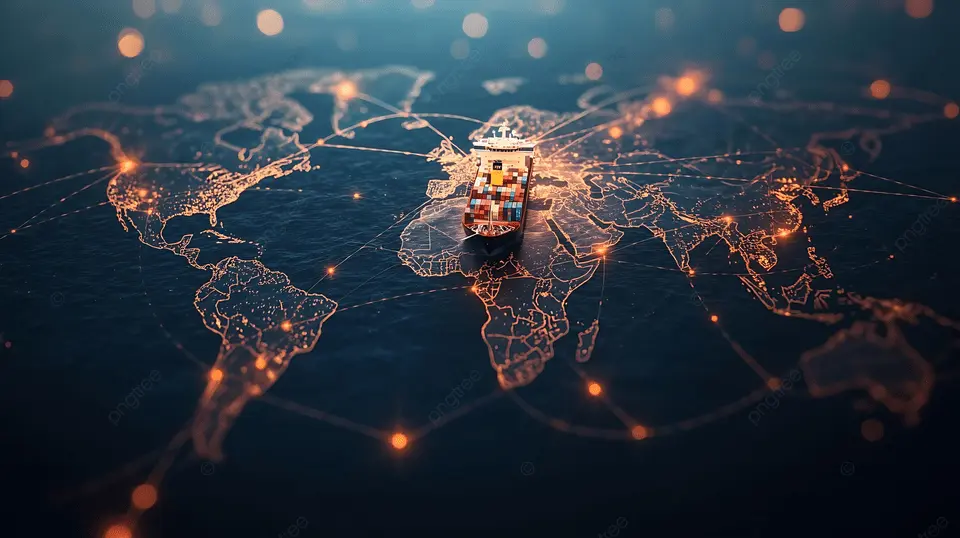
Global trade networks are systems that connect countries through:
- Shipping routes
- Supply chains
- Trade agreements
- Digital platforms
They enable the movement of goods, services, and capital worldwide.
1. Evolution of Trade Routes
Trade routes are changing due to:
- New economic centers
- Climate change (Arctic routes)
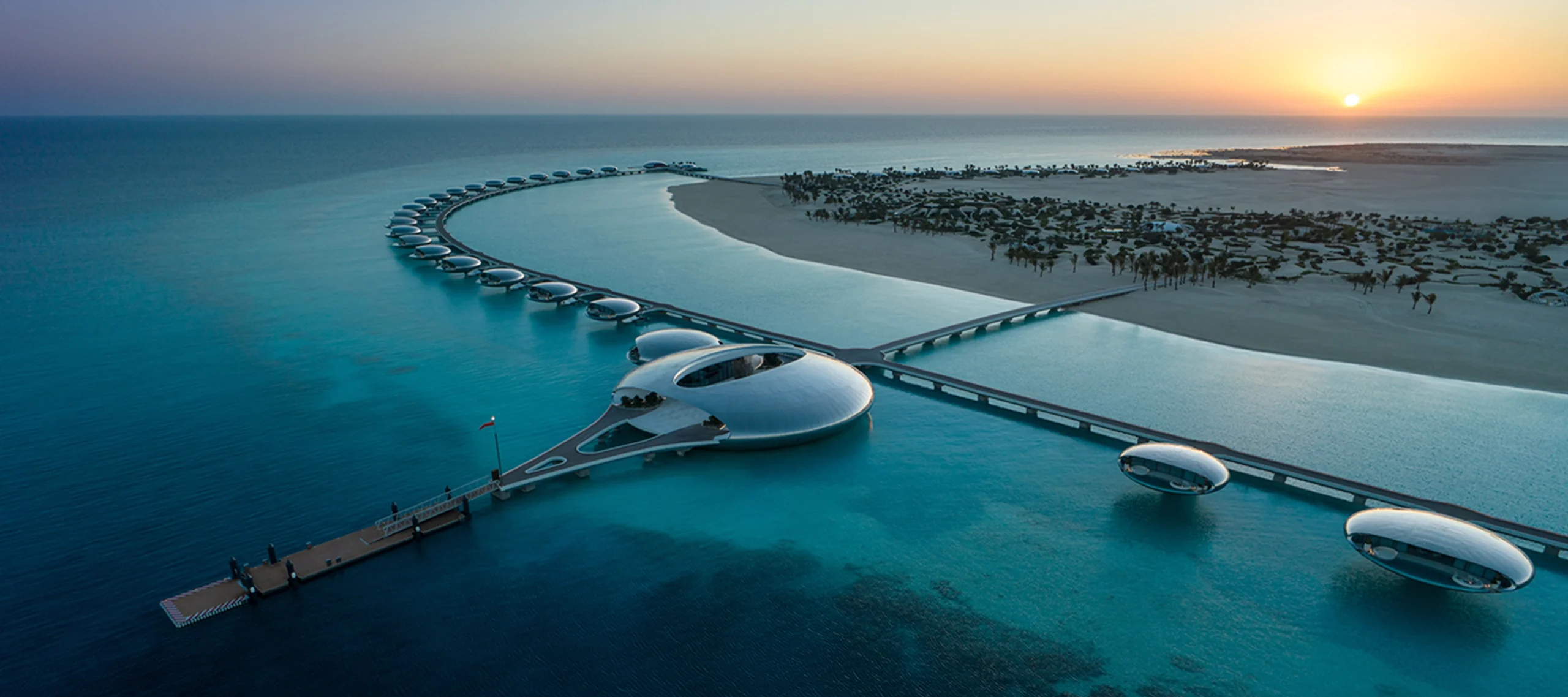
- Infrastructure projects
Faster and more efficient routes are emerging.
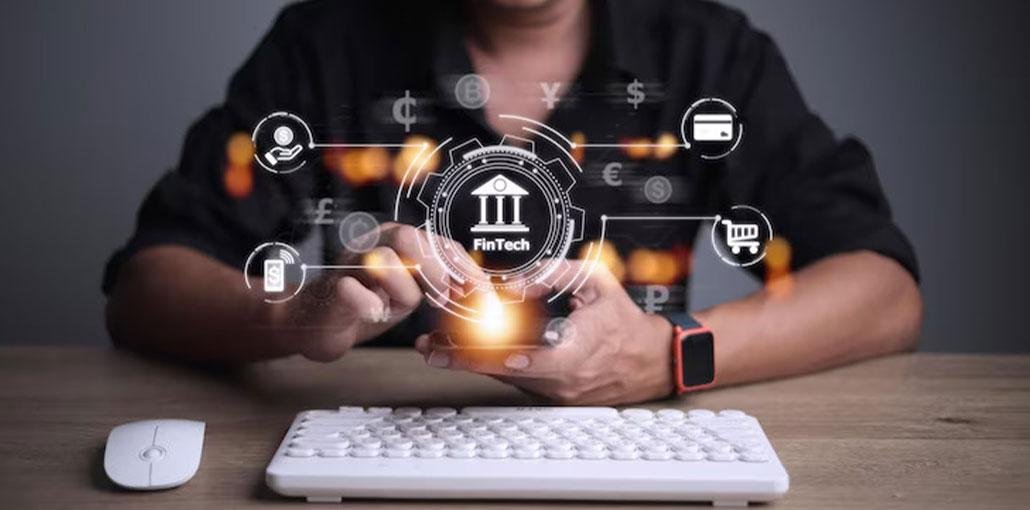
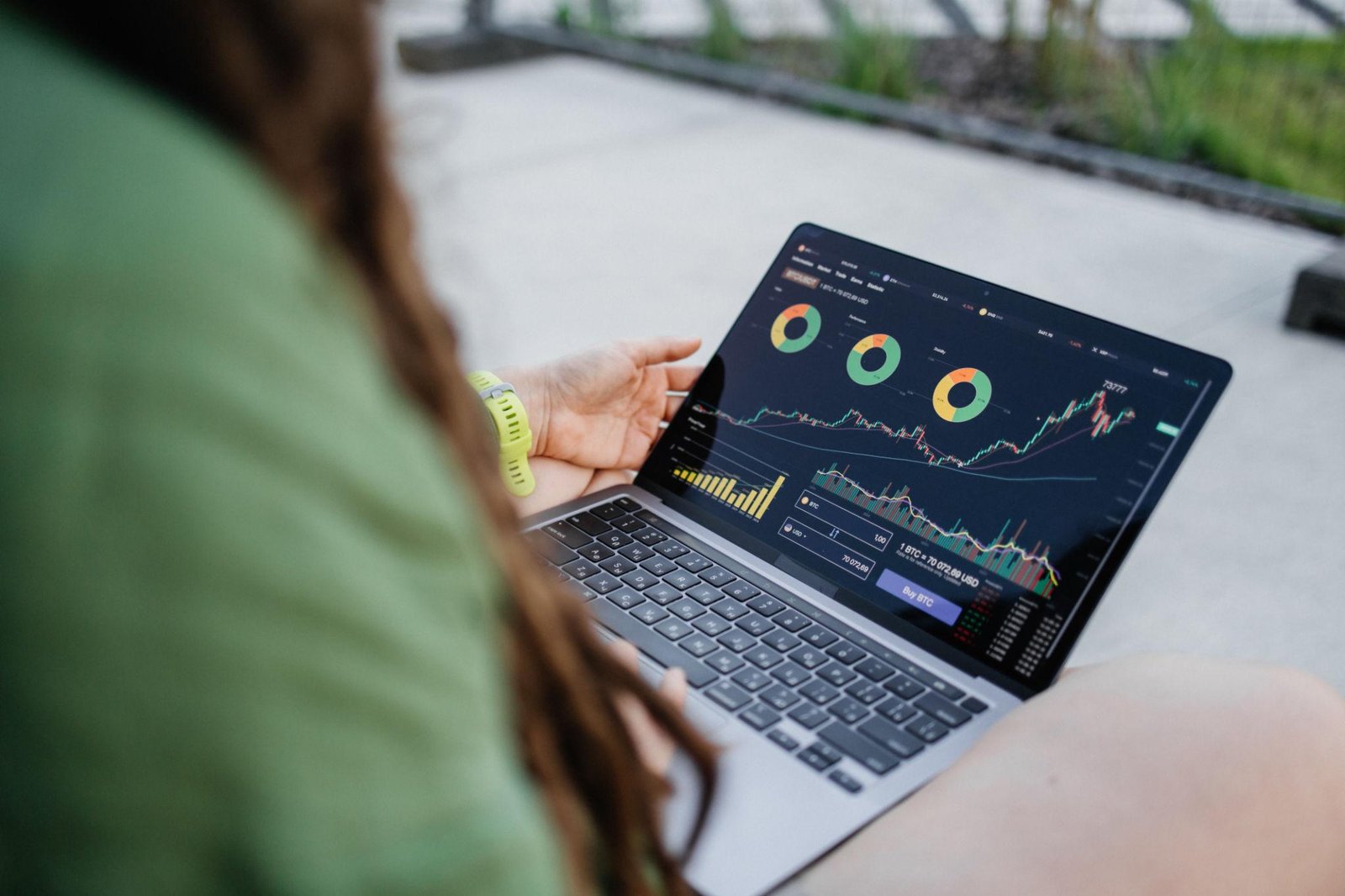
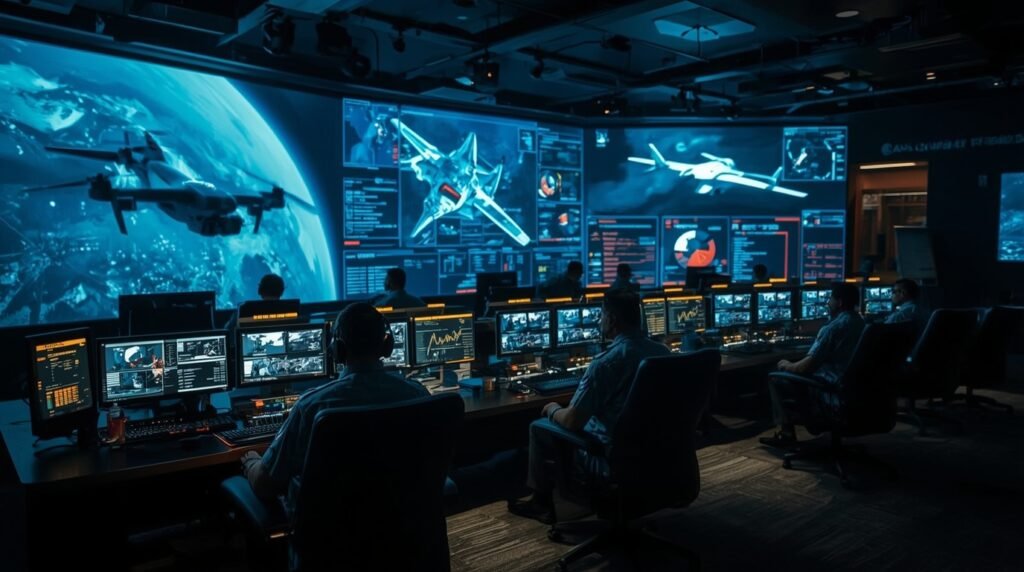
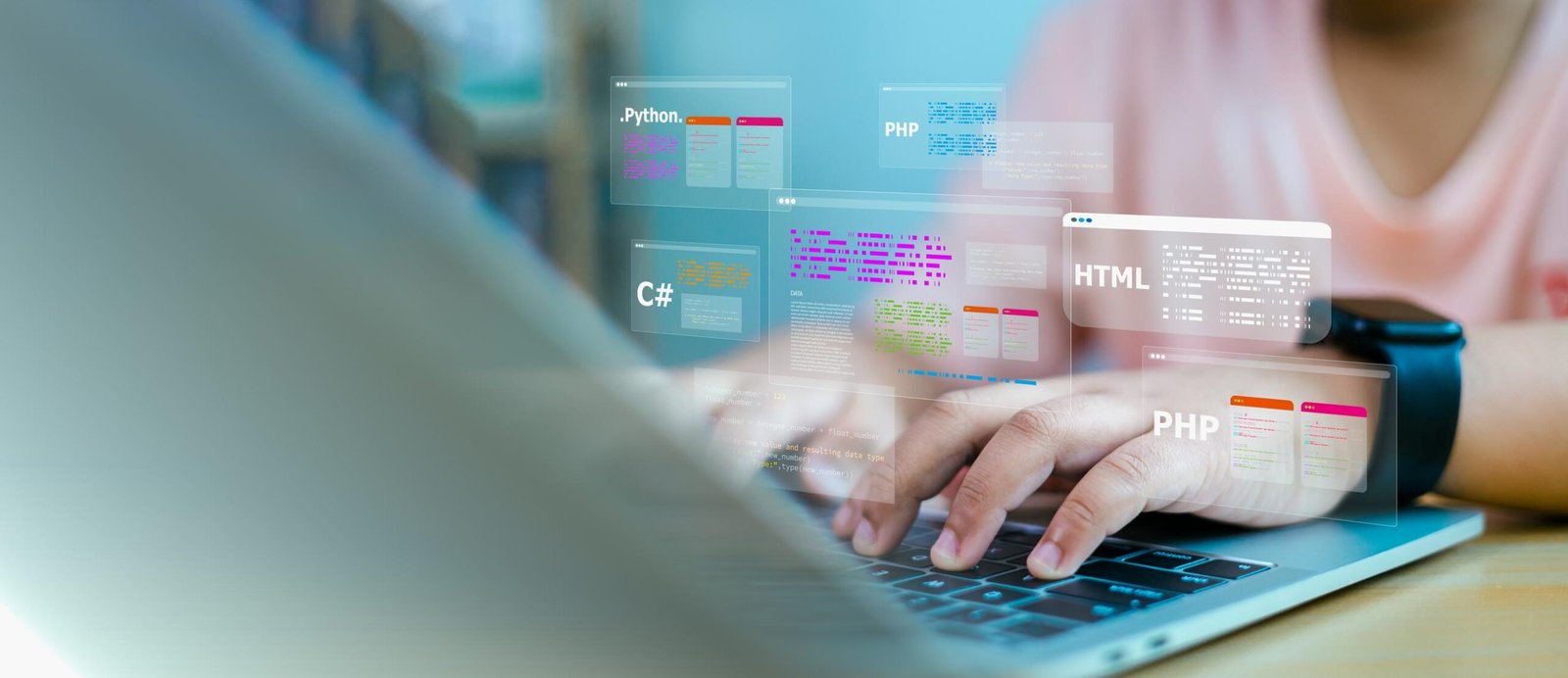
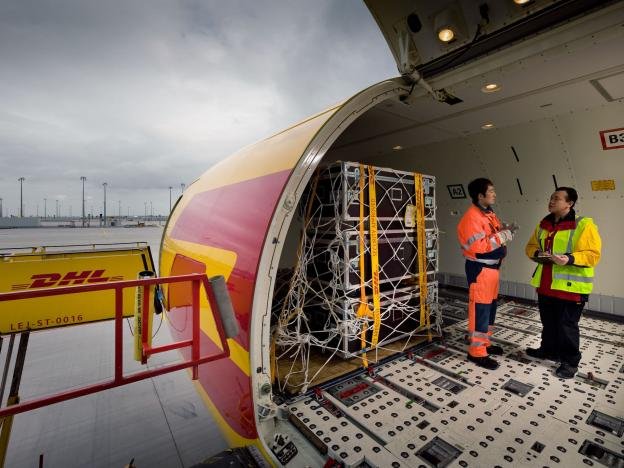
2. Rise of Digital Trade
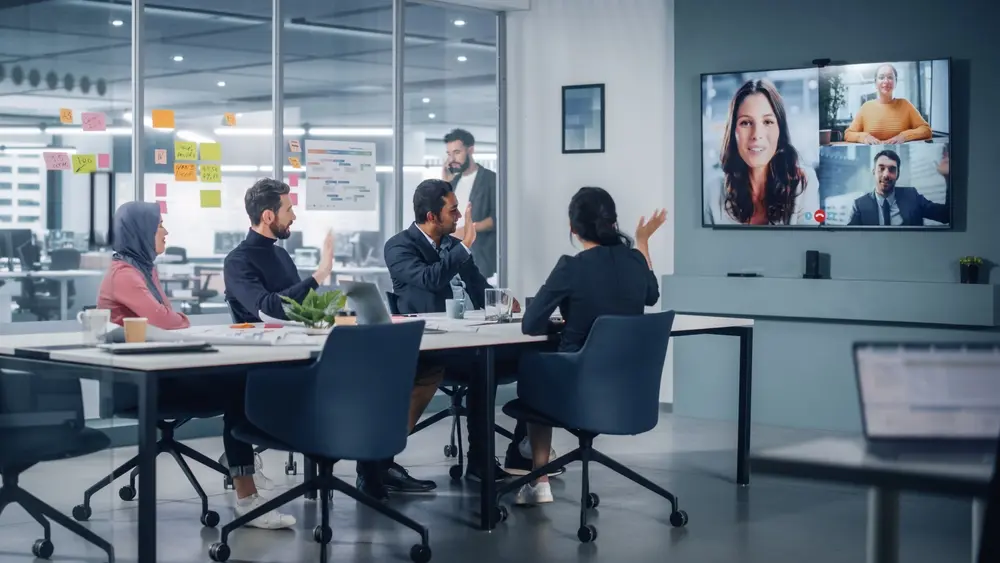
Trade is no longer just physical.
Key developments:
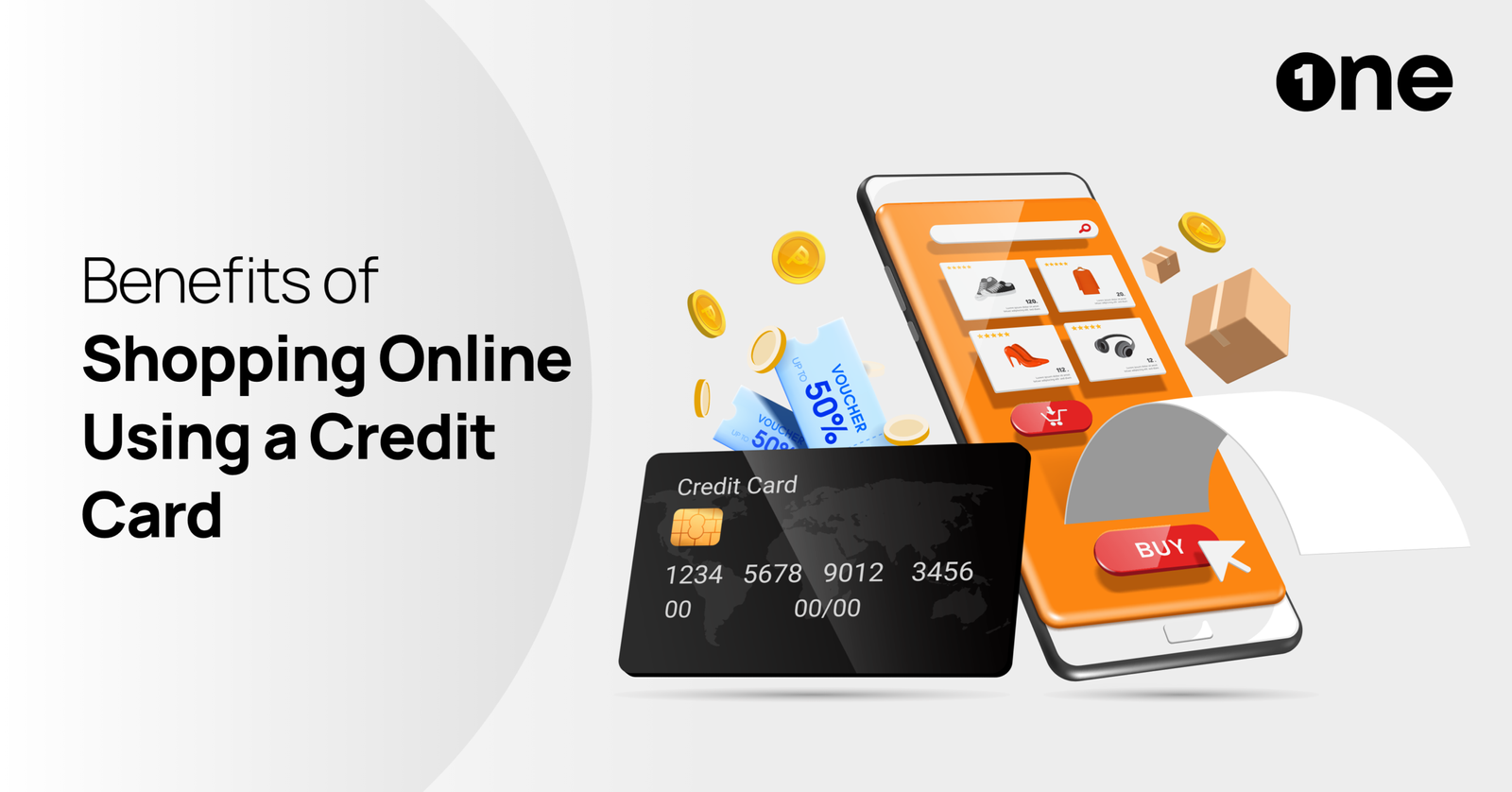
- E-commerce platforms
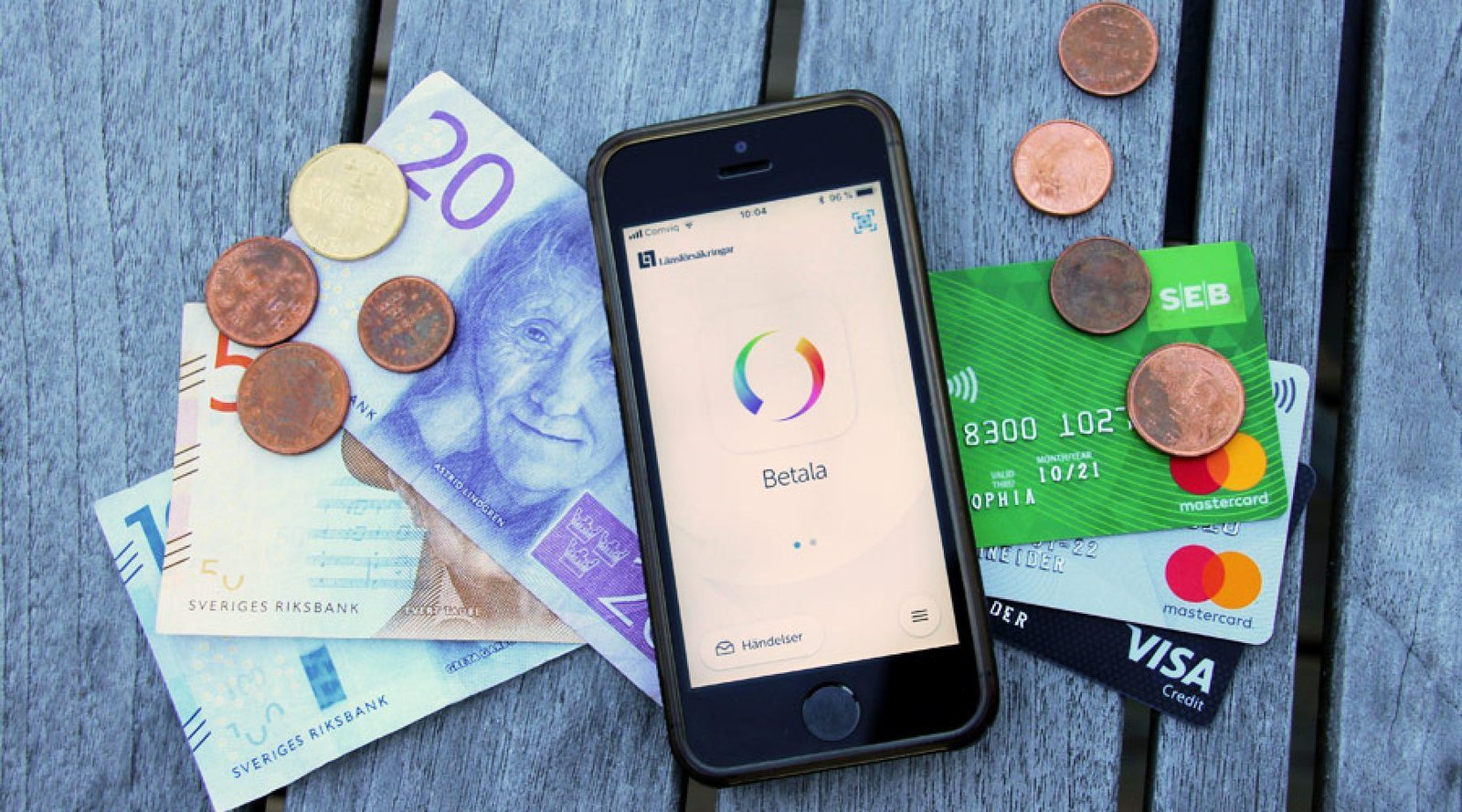
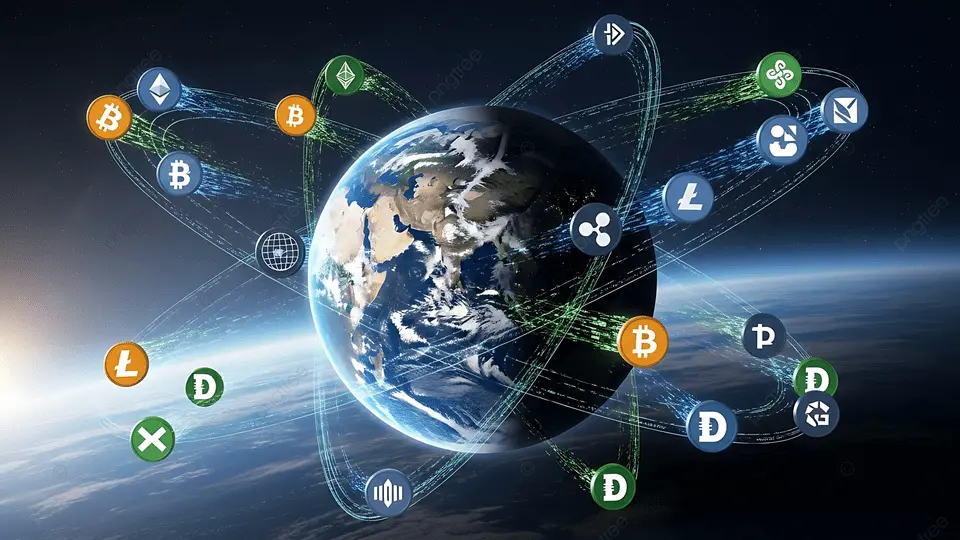
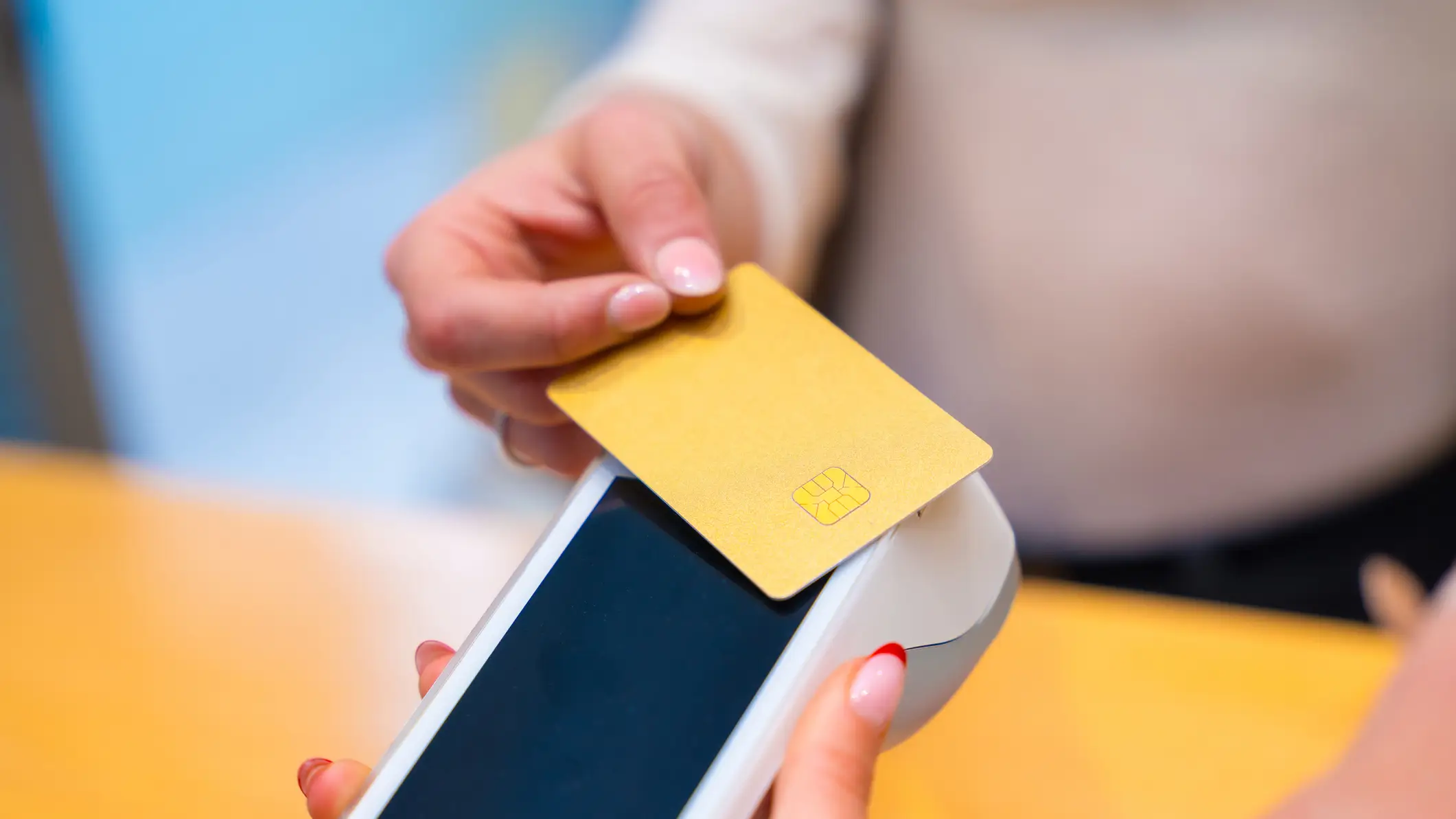
- Digital payments
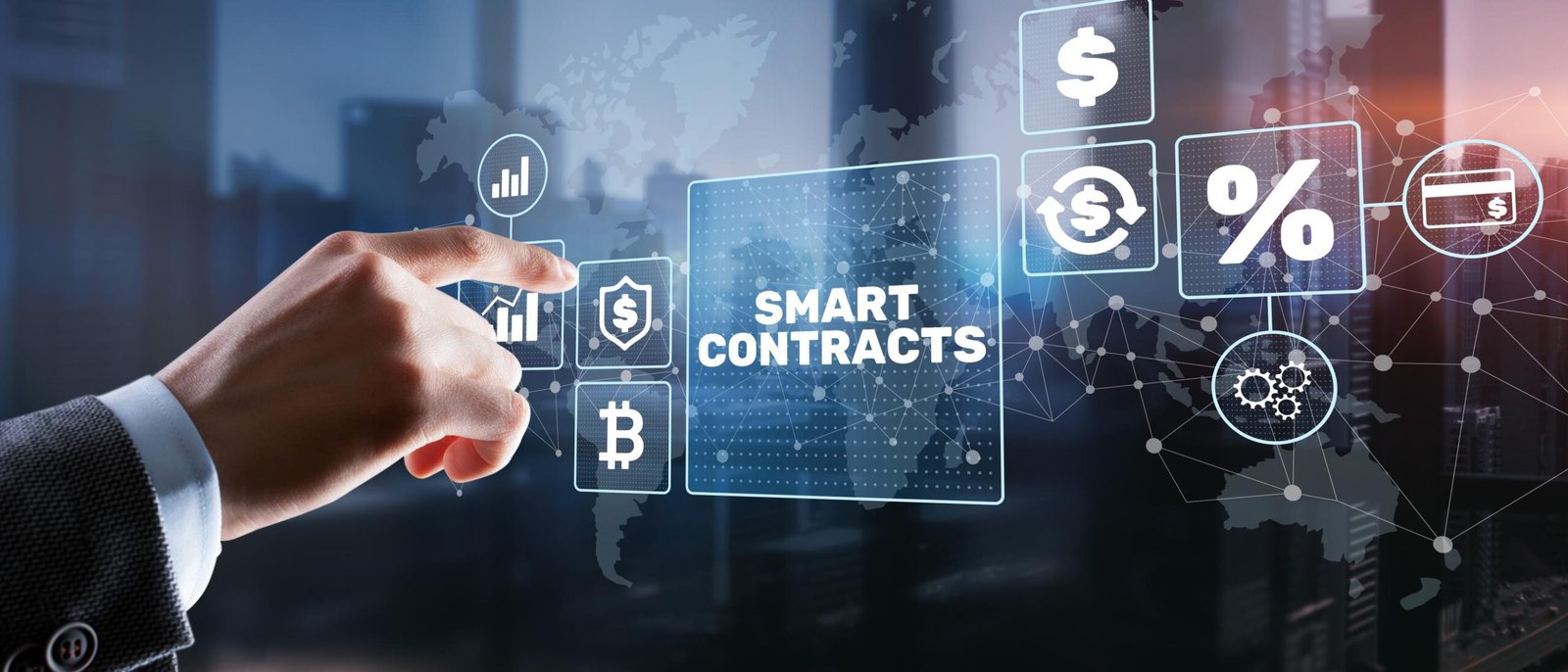
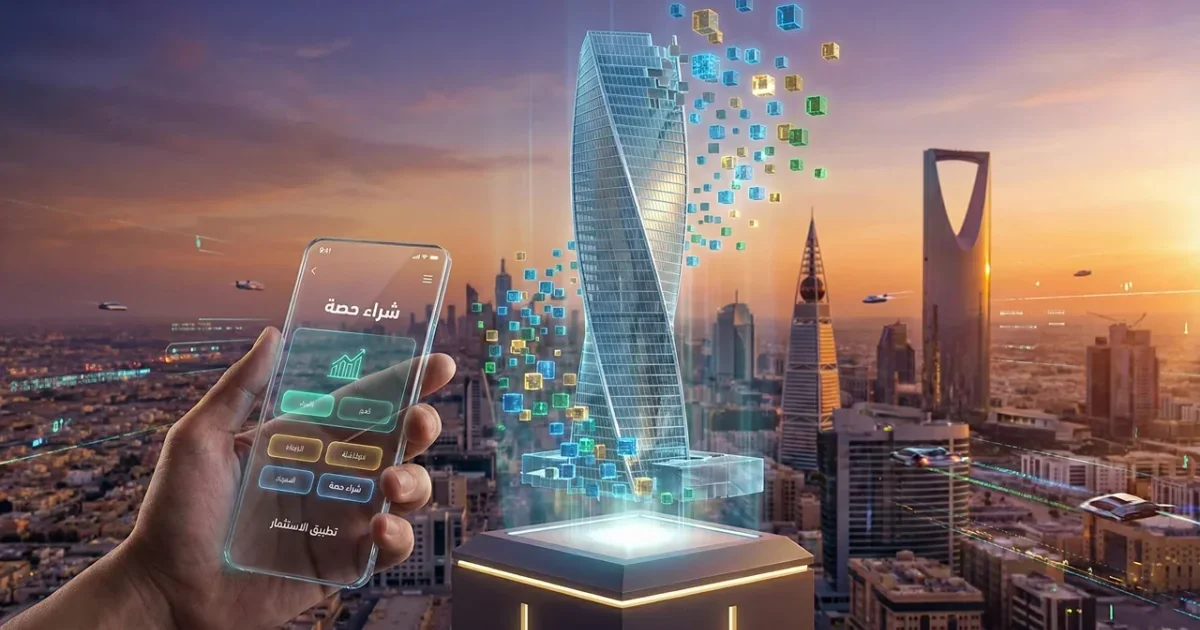
- Blockchain logistics
Digital trade is becoming a major part of global commerce.
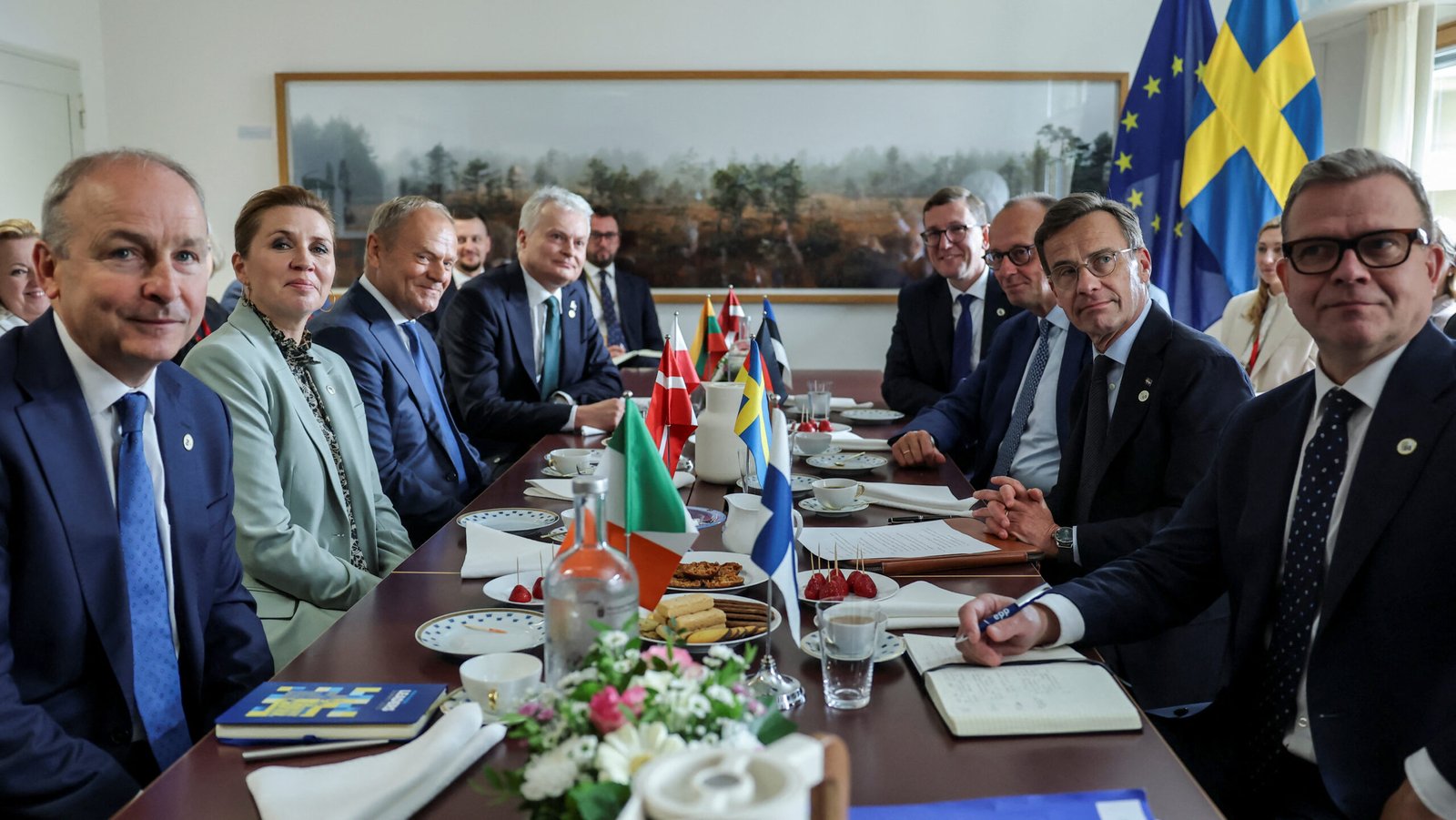
3. Regional Trade Blocs Strengthening
Countries are forming regional networks.
Examples:
- European Union
- Regional Comprehensive Economic Partnership
Regionalization is becoming stronger than globalization in some areas.
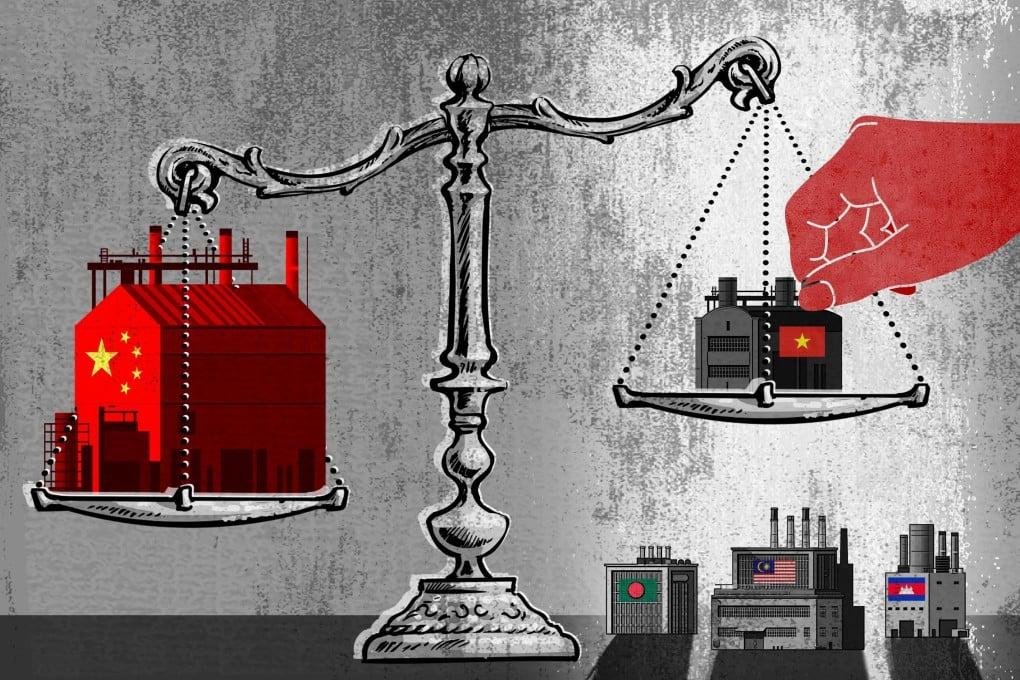
4. Supply Chain Transformation
Supply chains are becoming:
- More resilient
- More localized
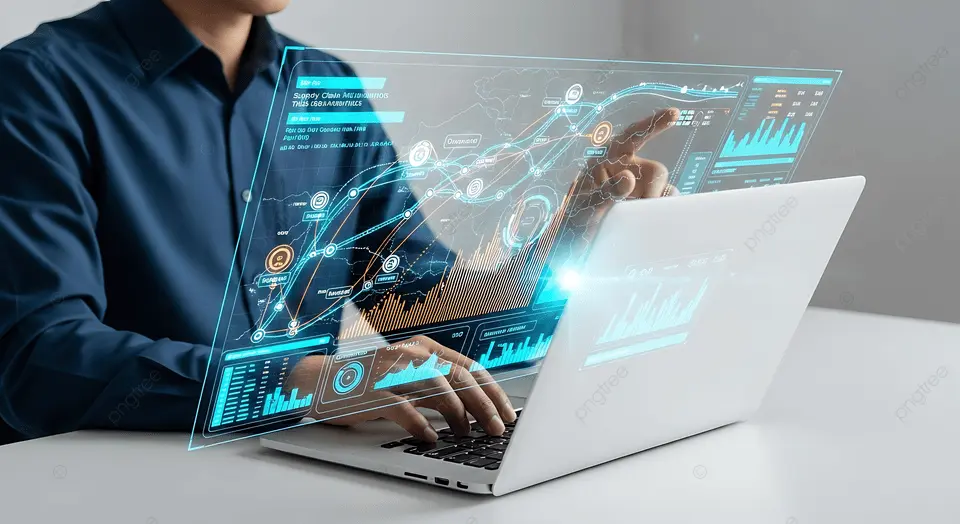
- More technology-driven
Companies are reducing risks by diversifying suppliers.
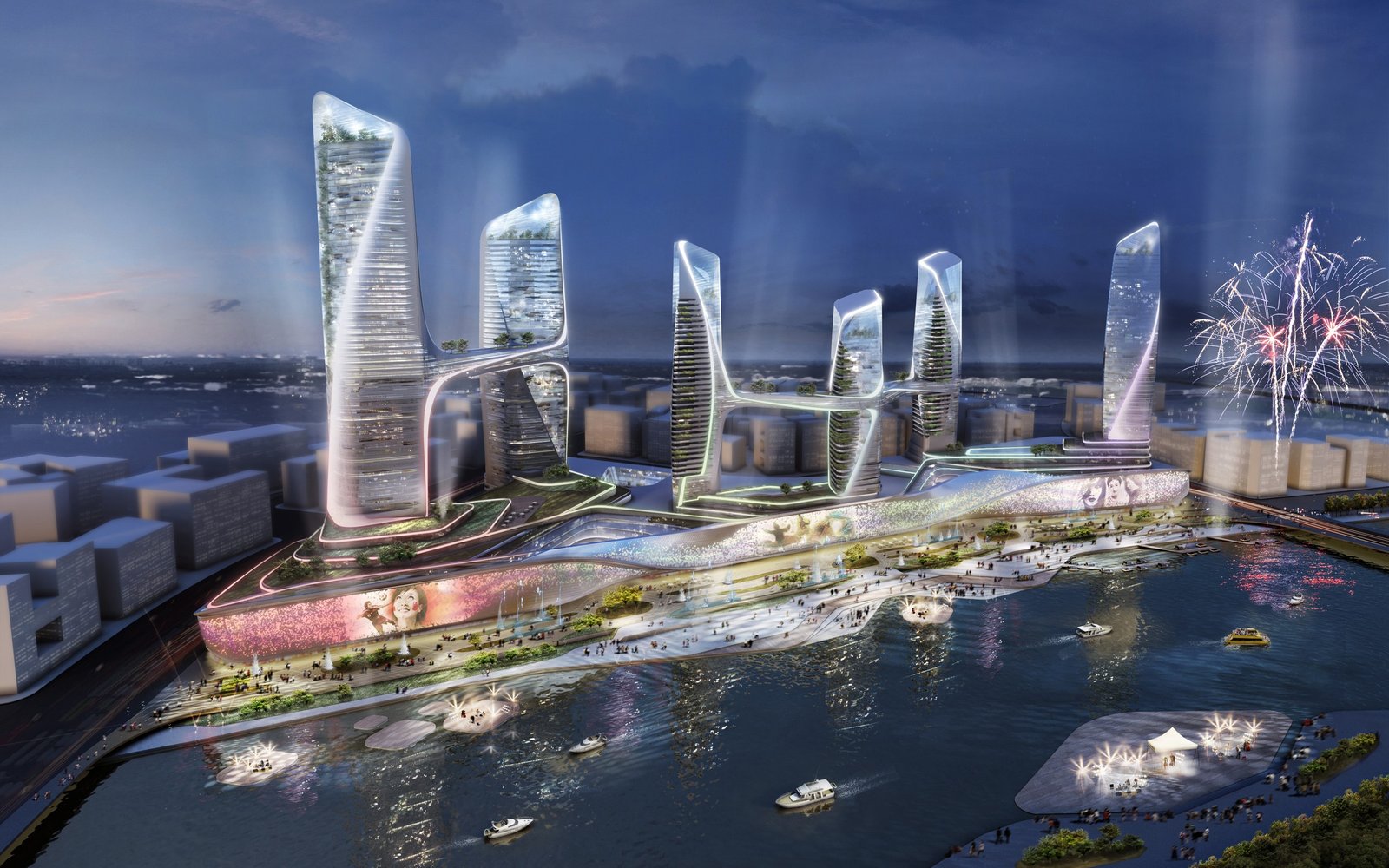
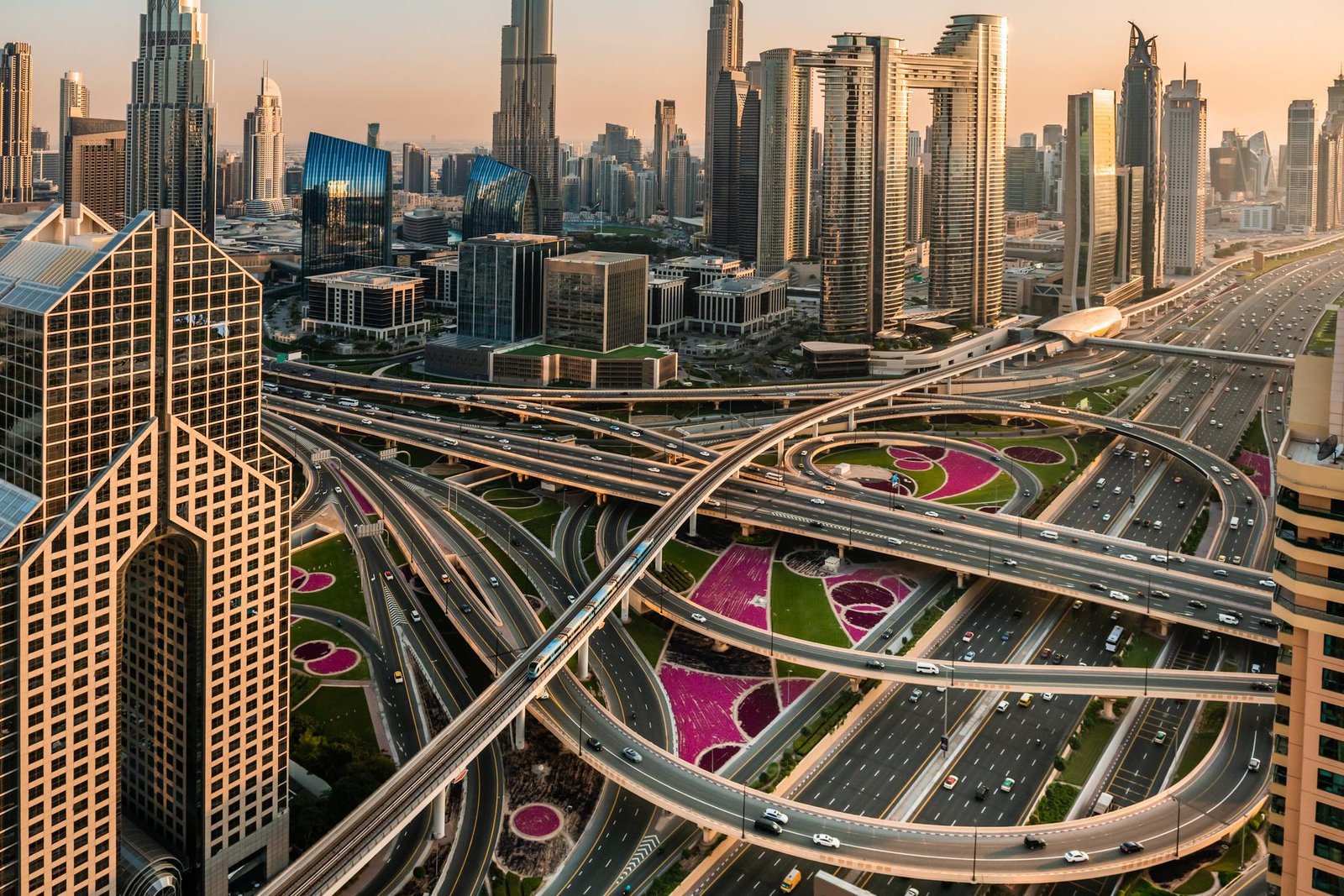
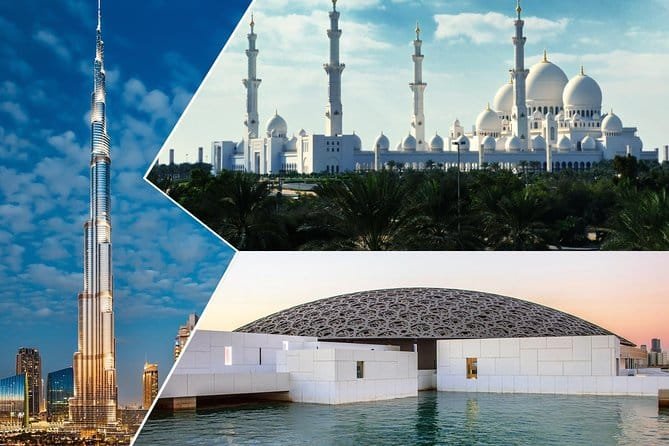
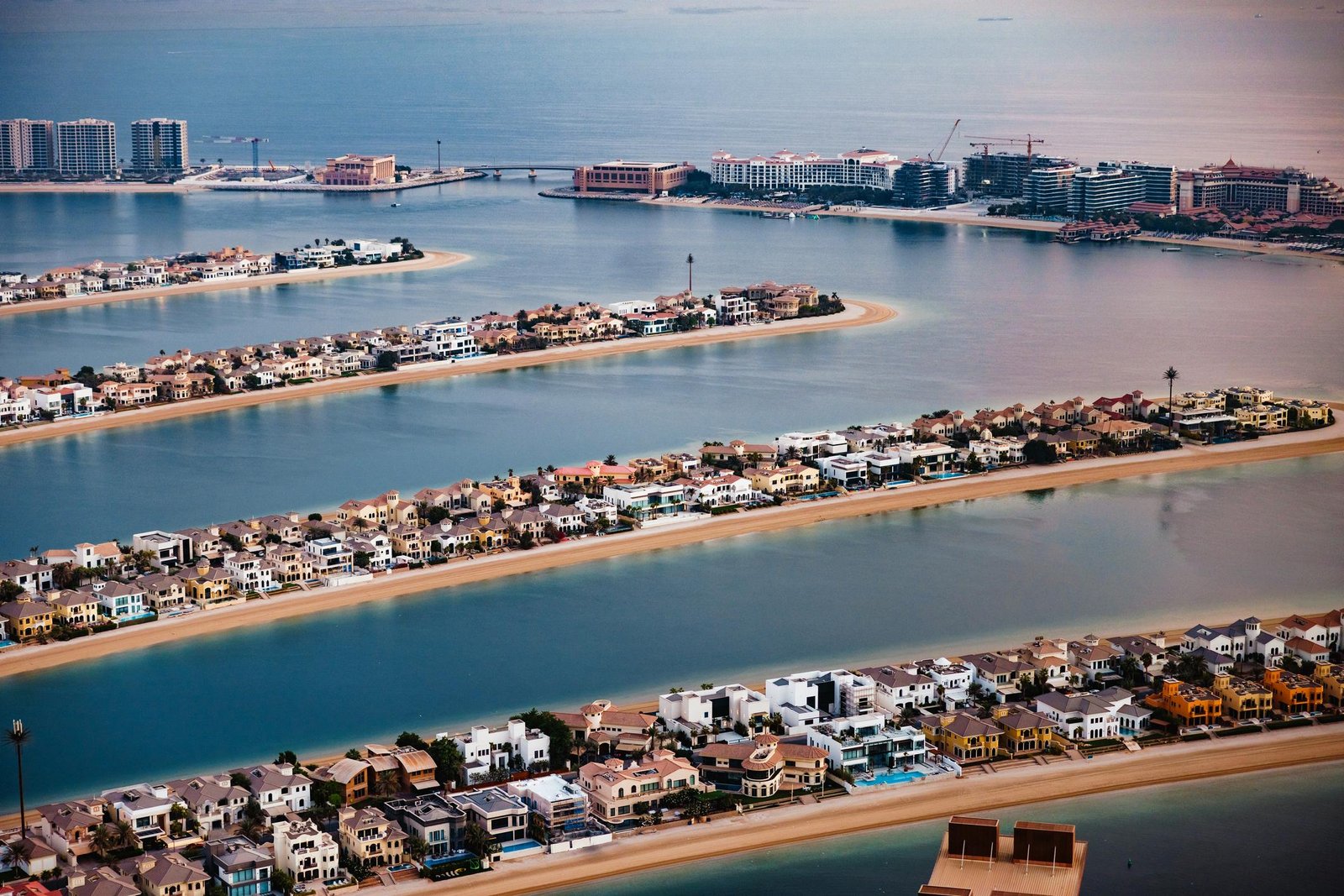
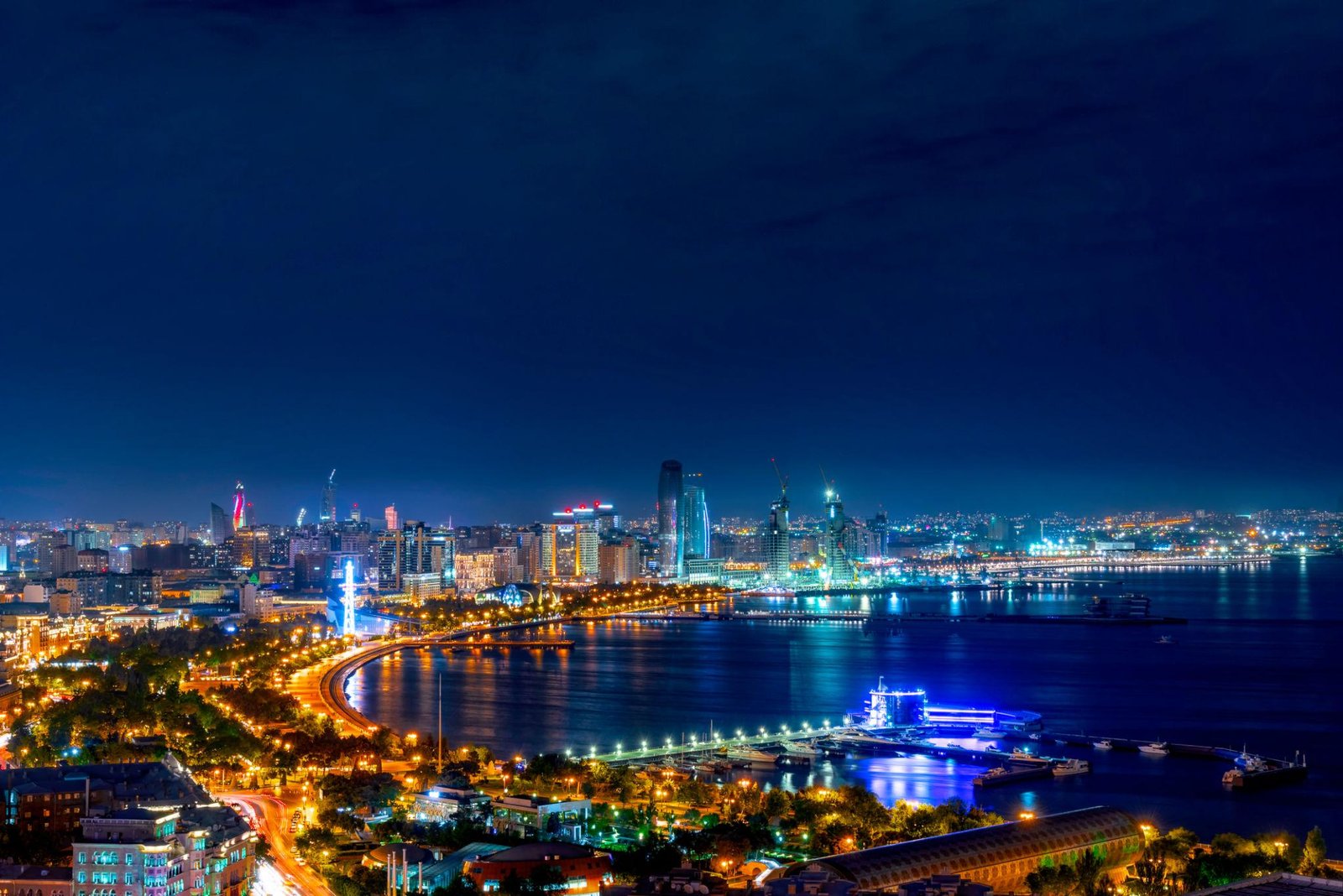
5. Rise of New Trade Hubs
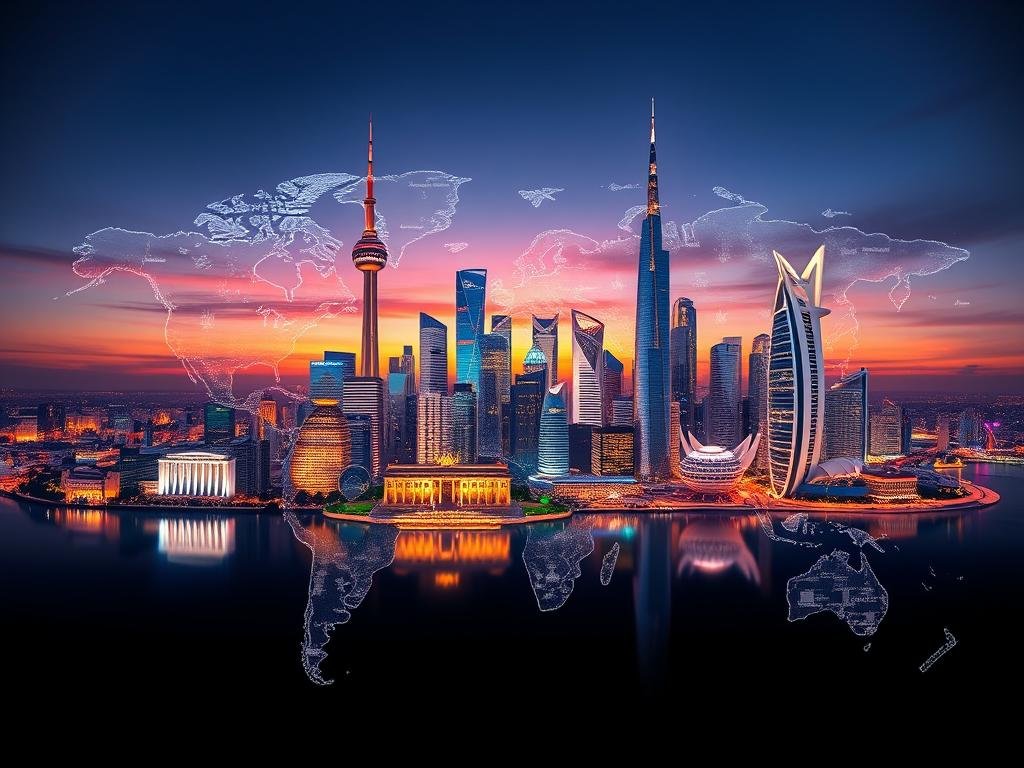
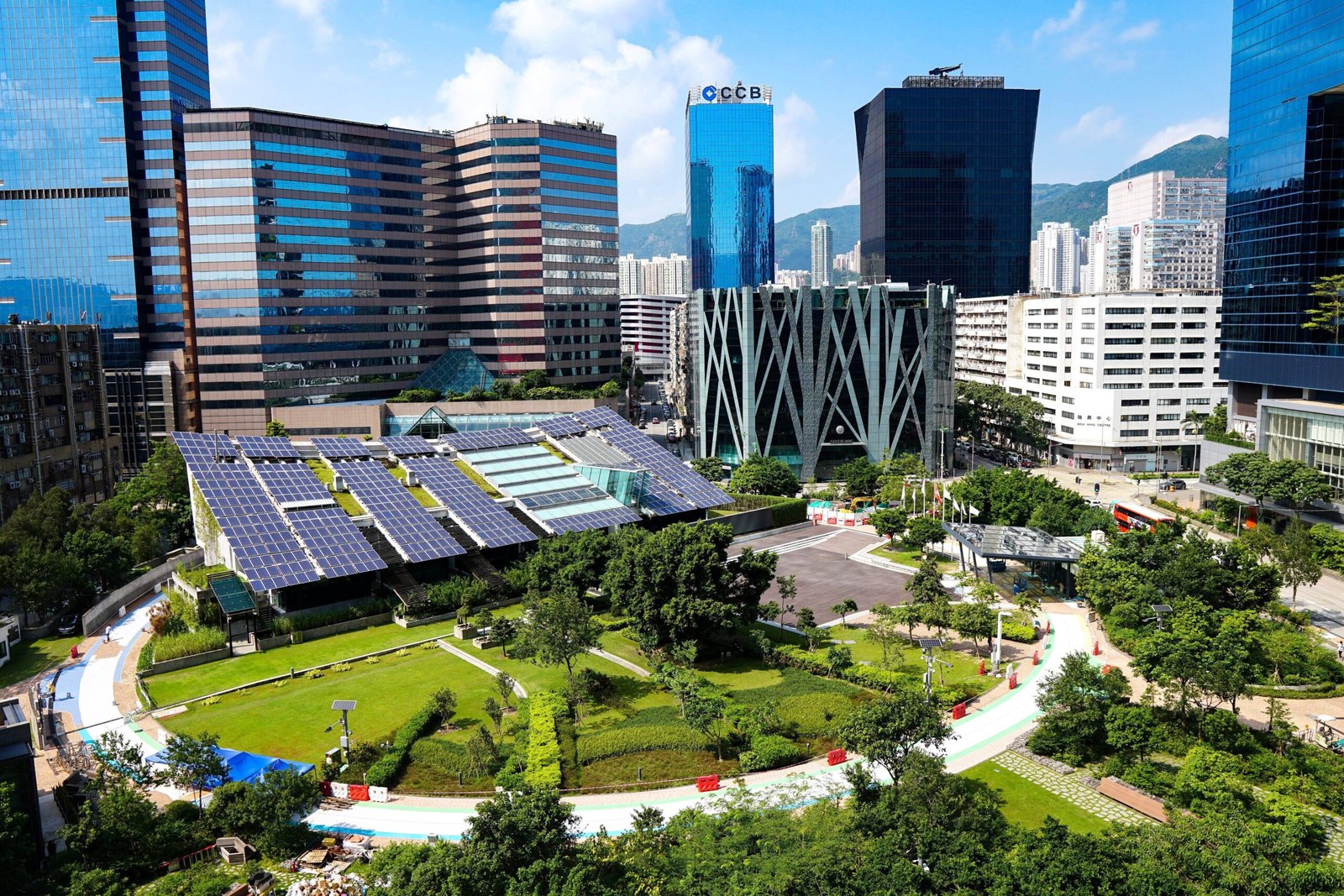
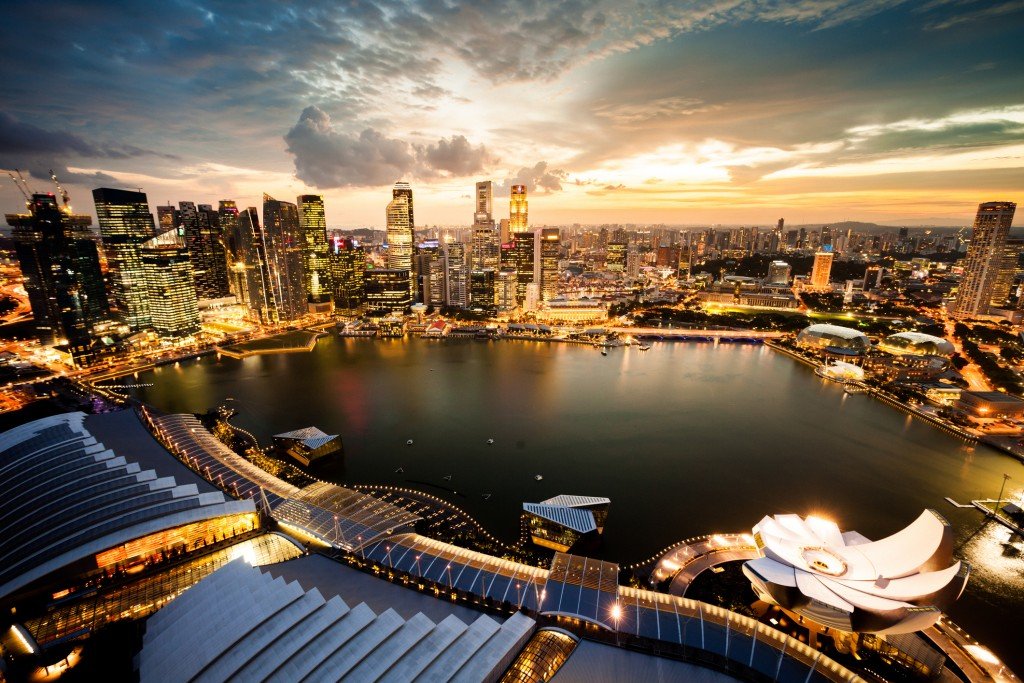
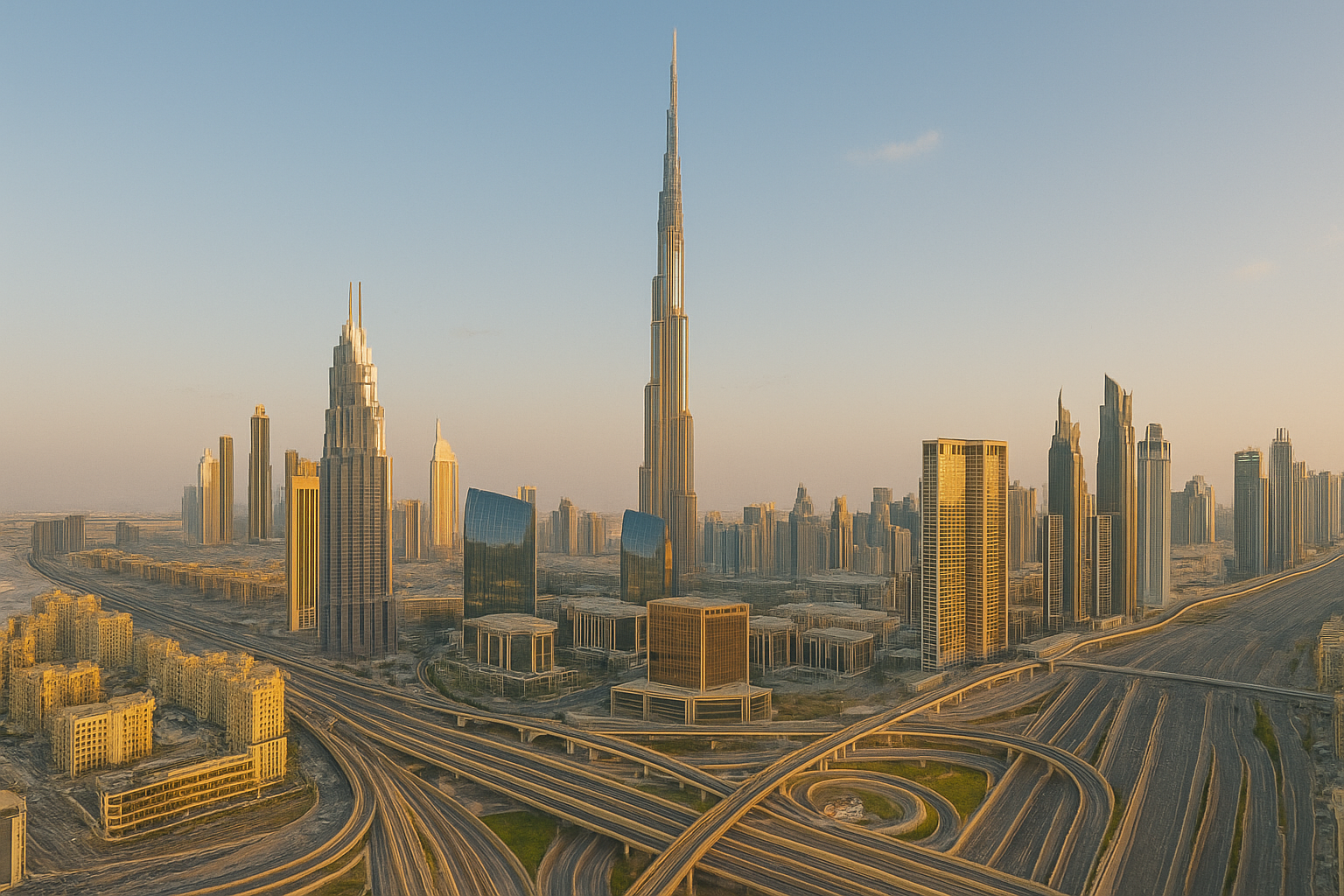
New cities are emerging as trade centers:
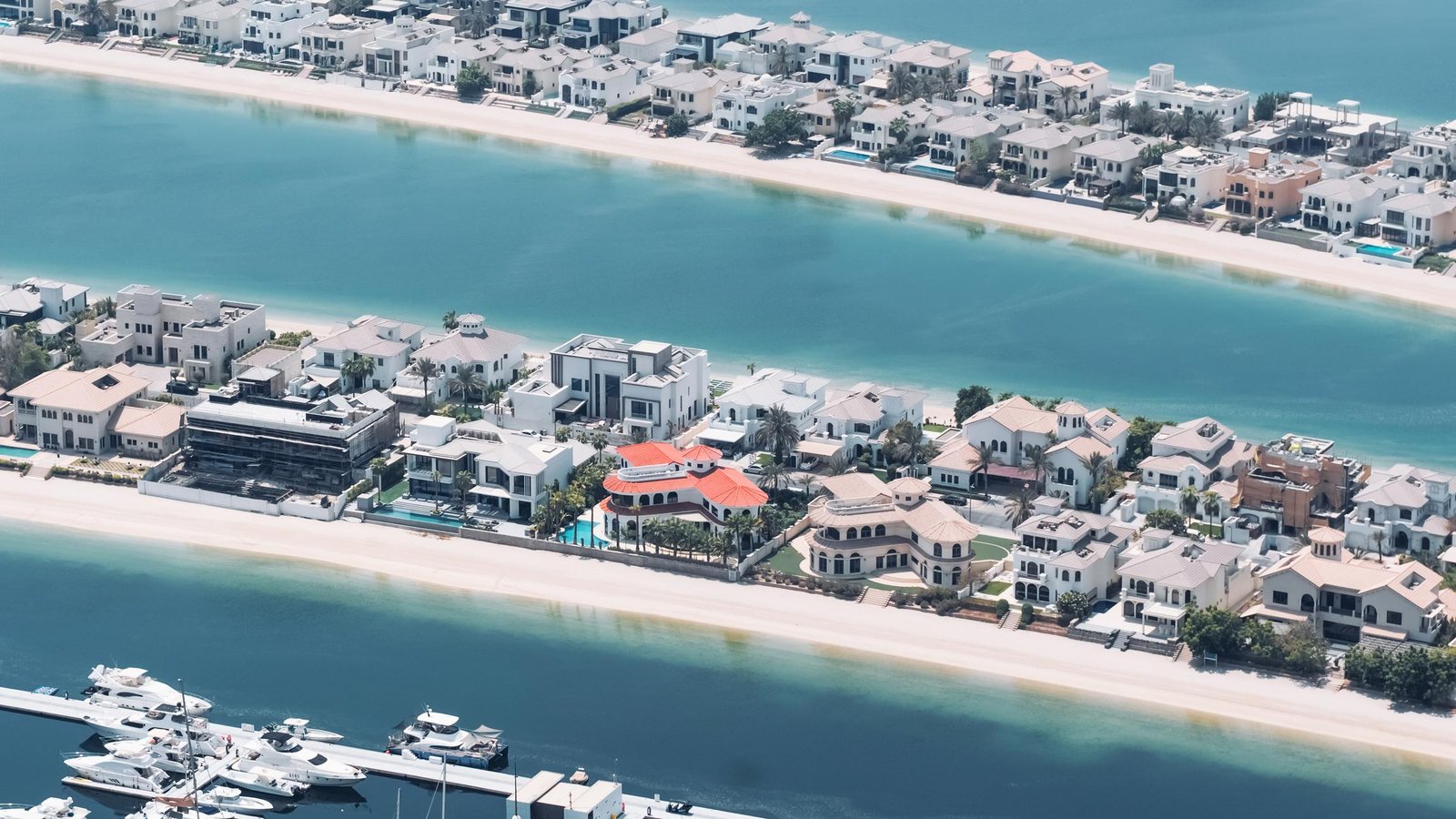
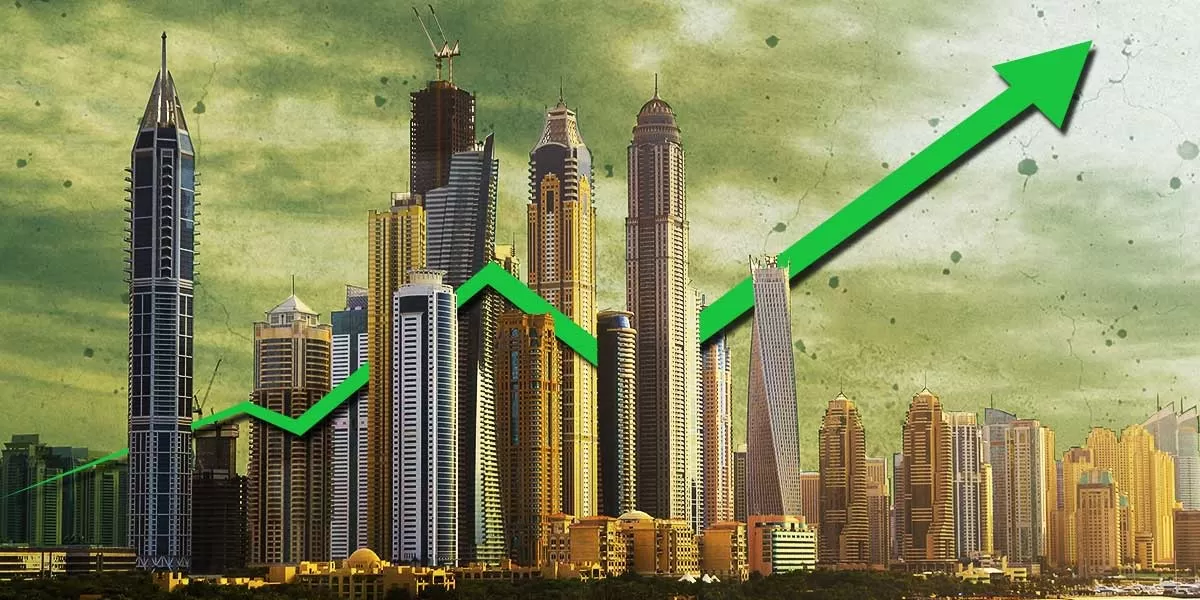
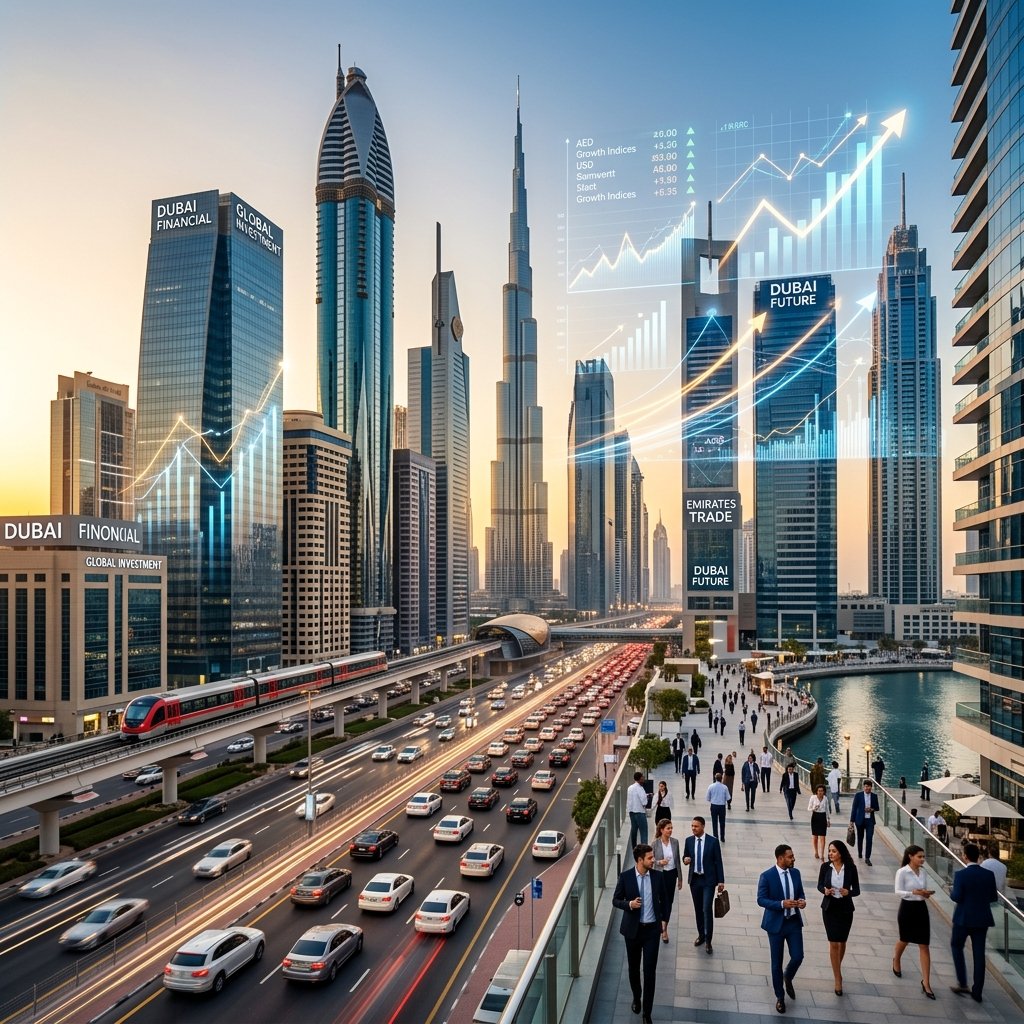
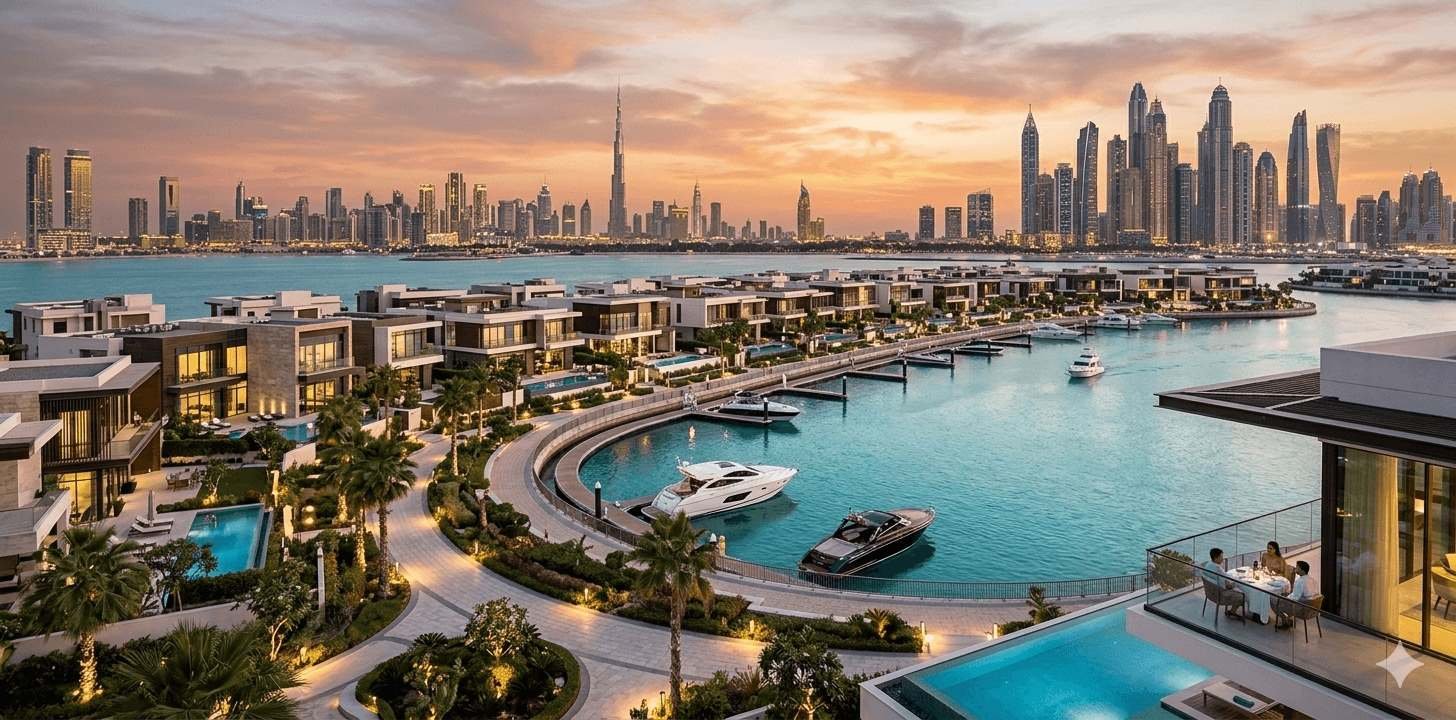
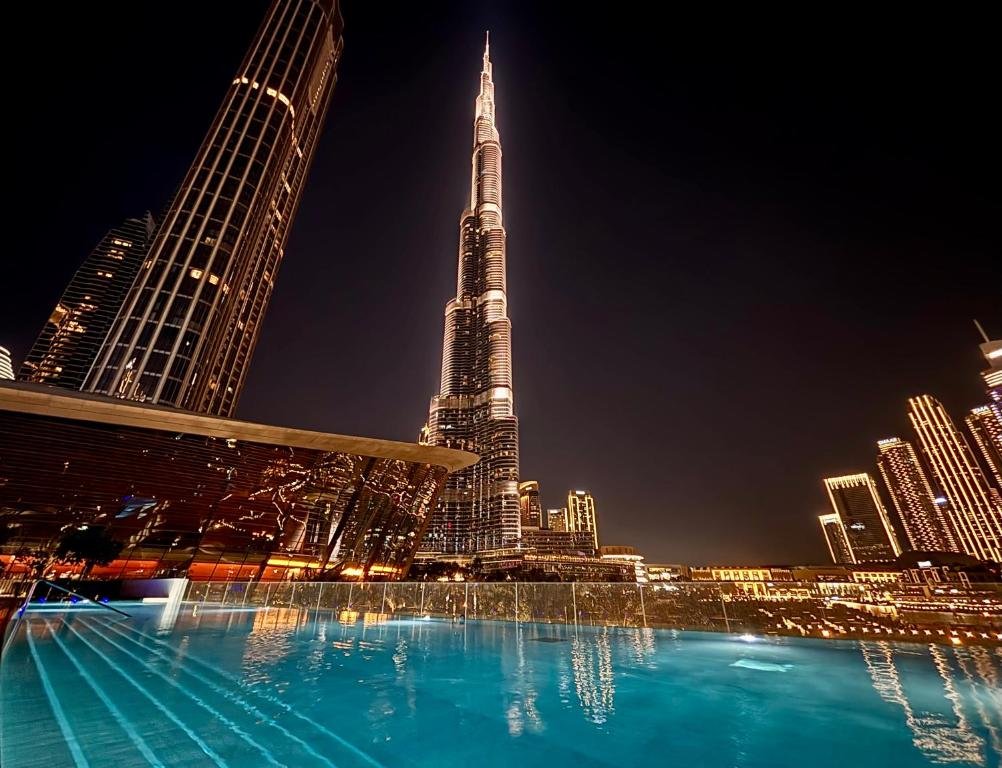
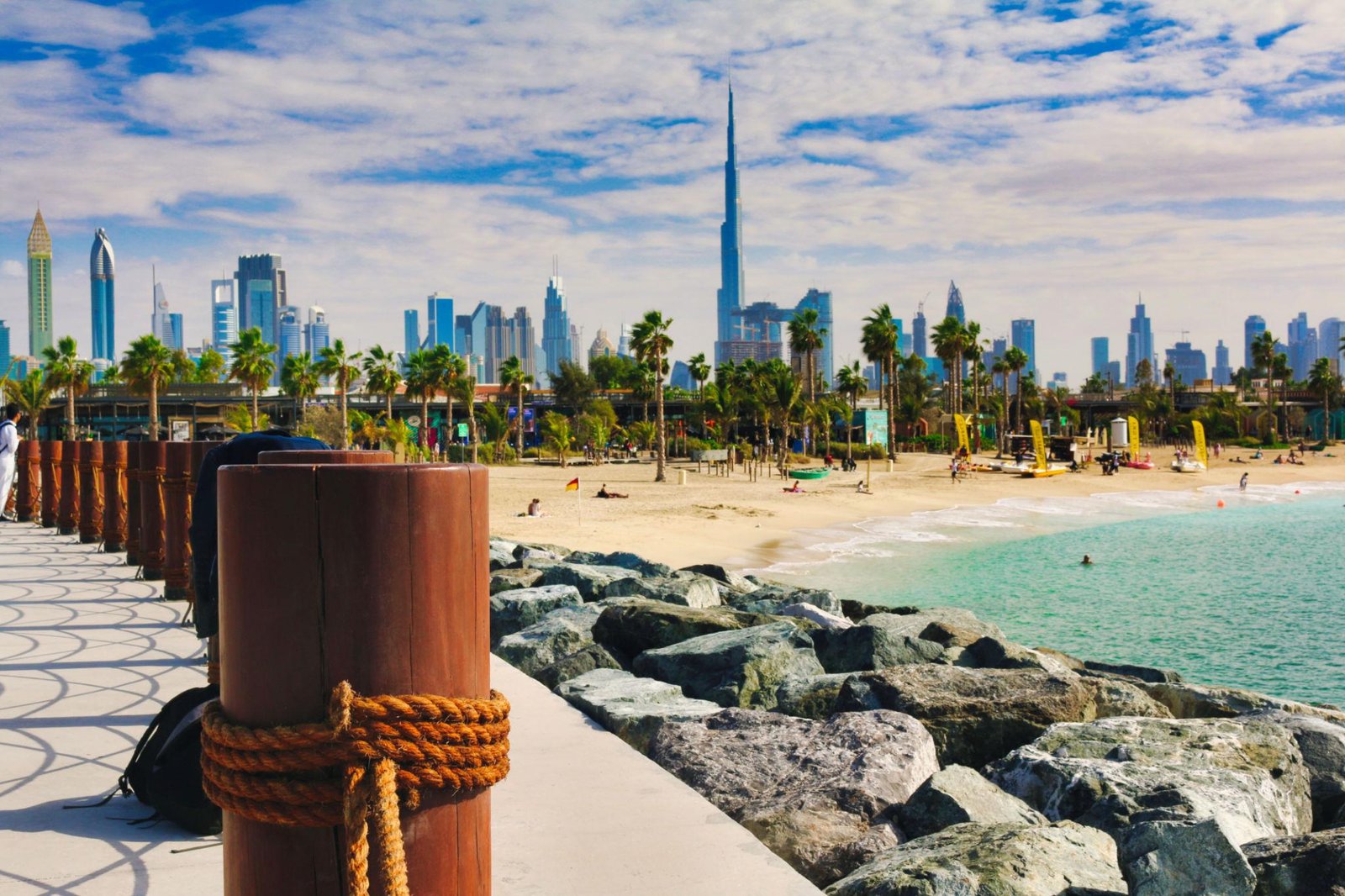
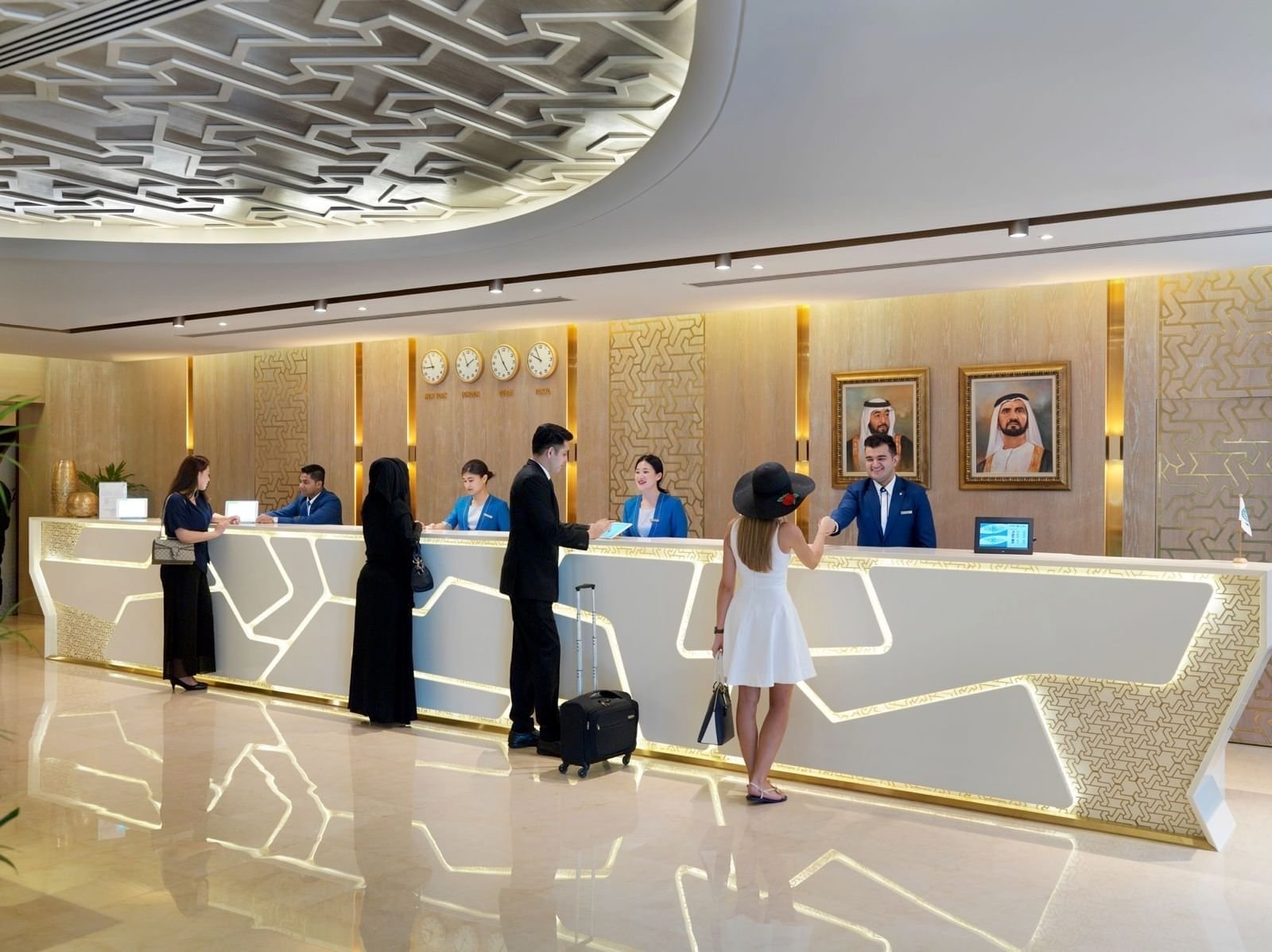
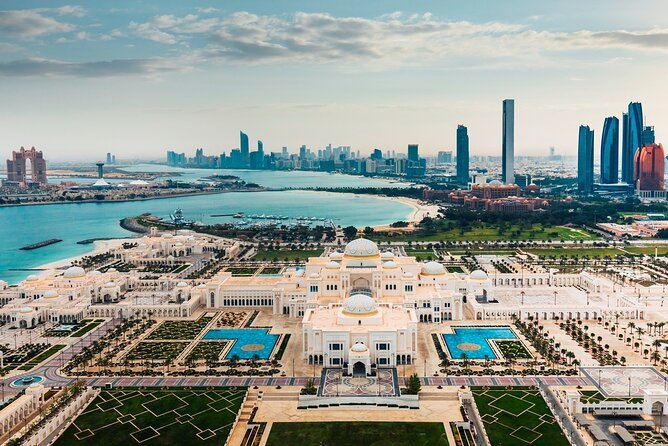
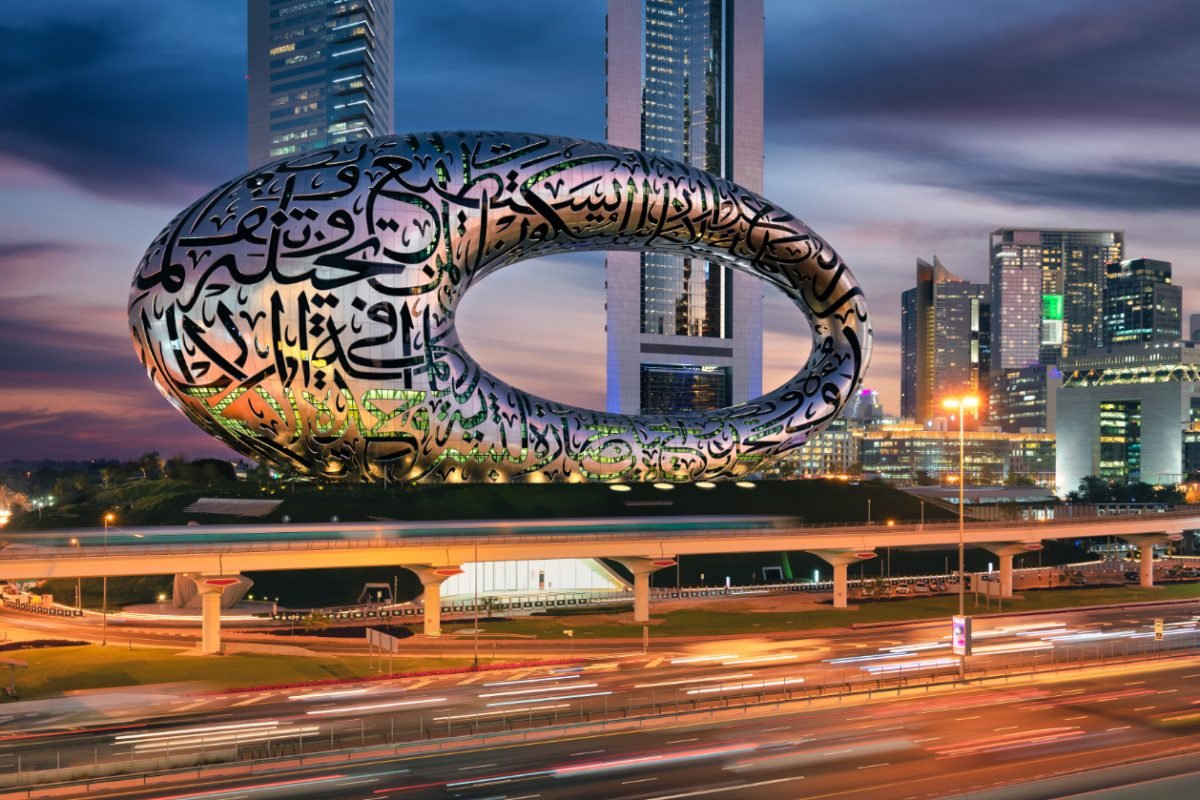
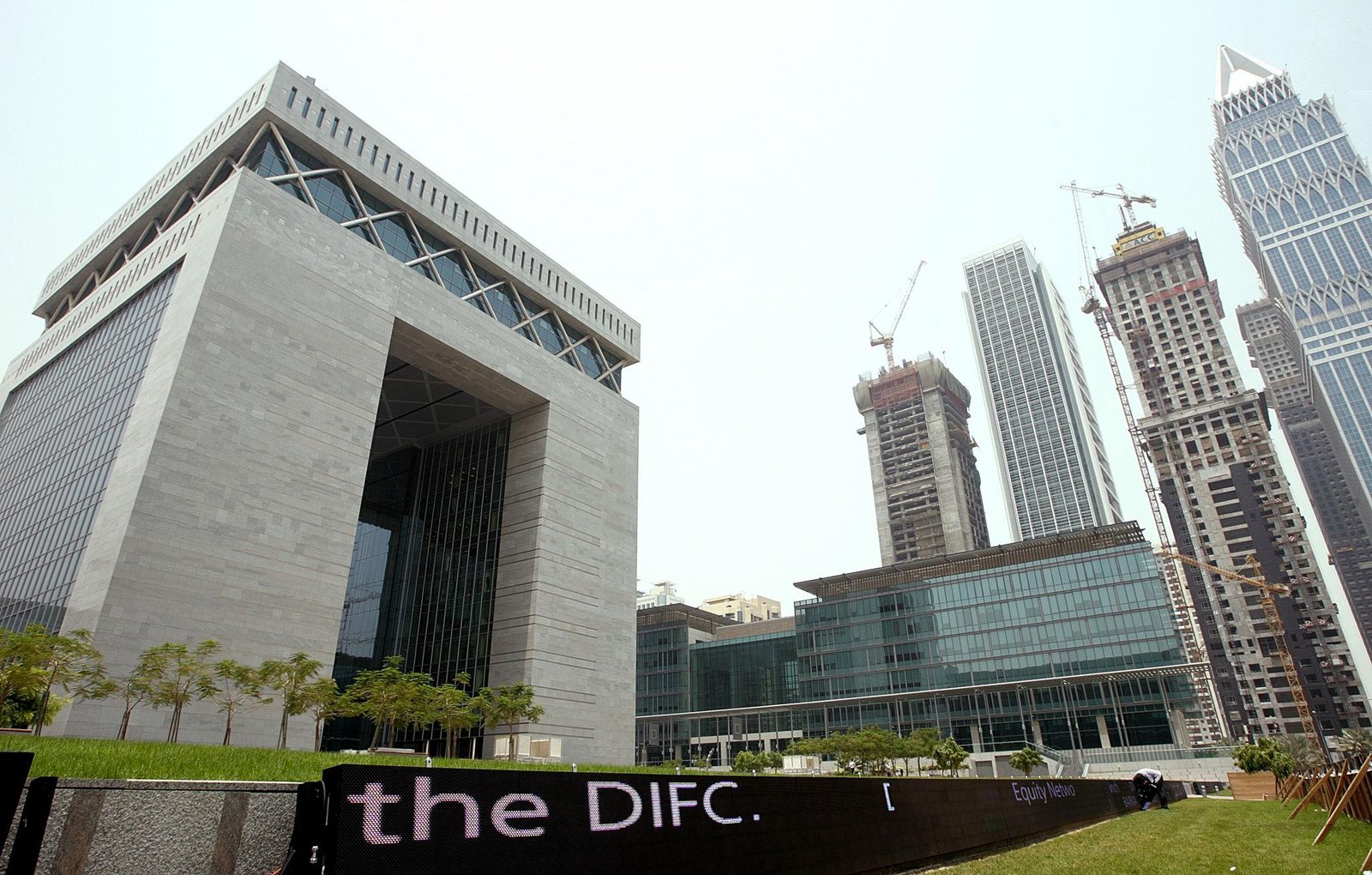
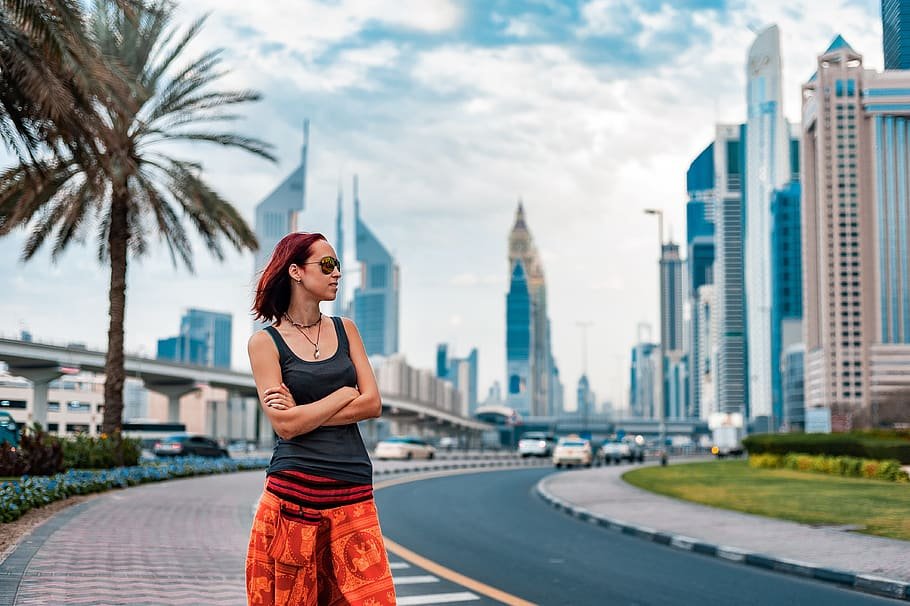
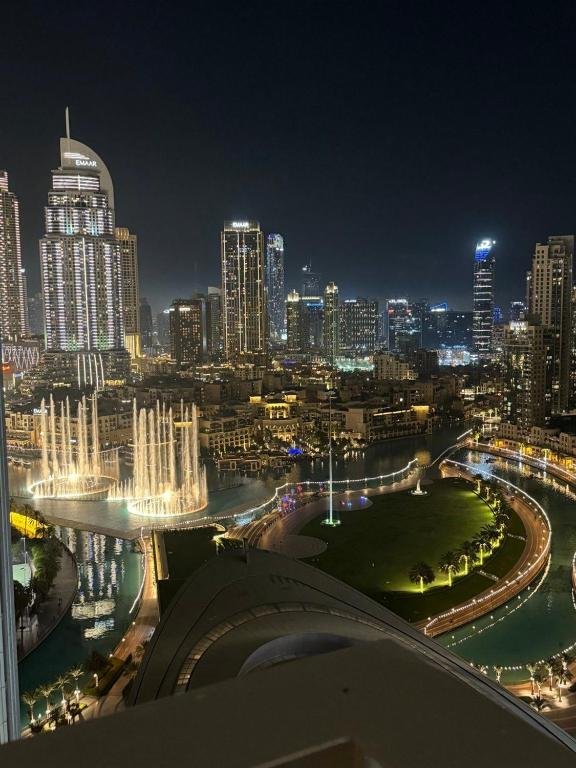
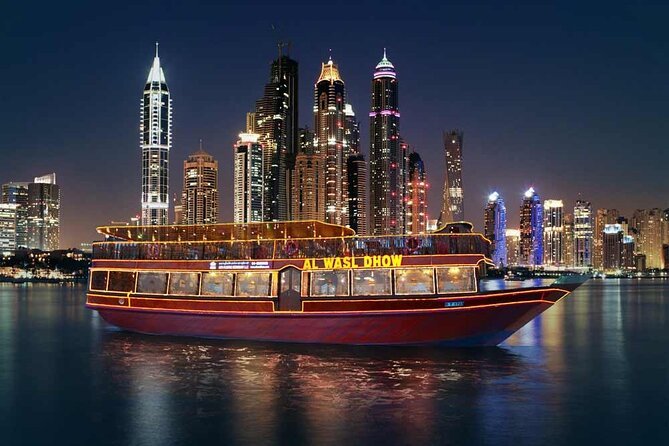
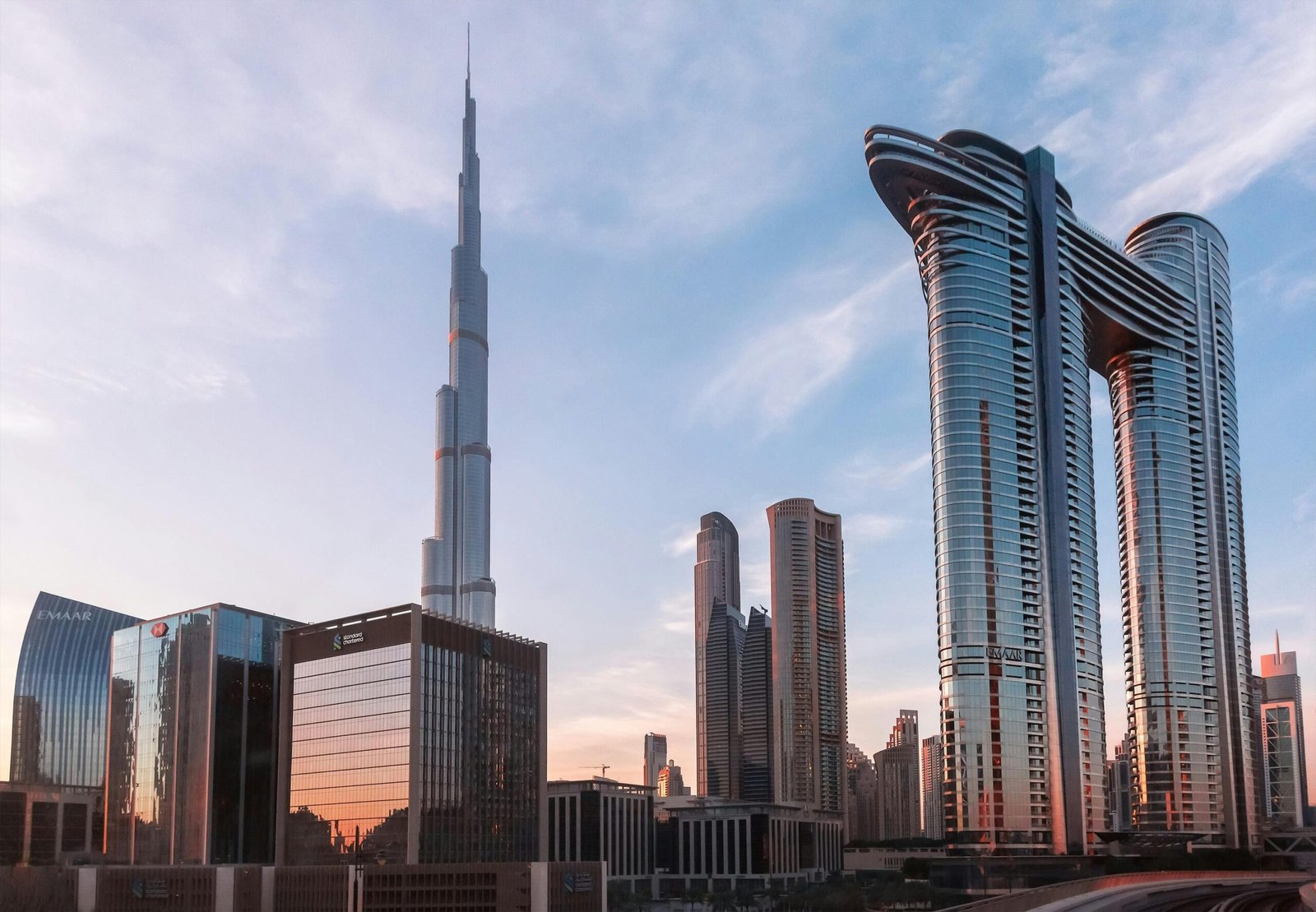
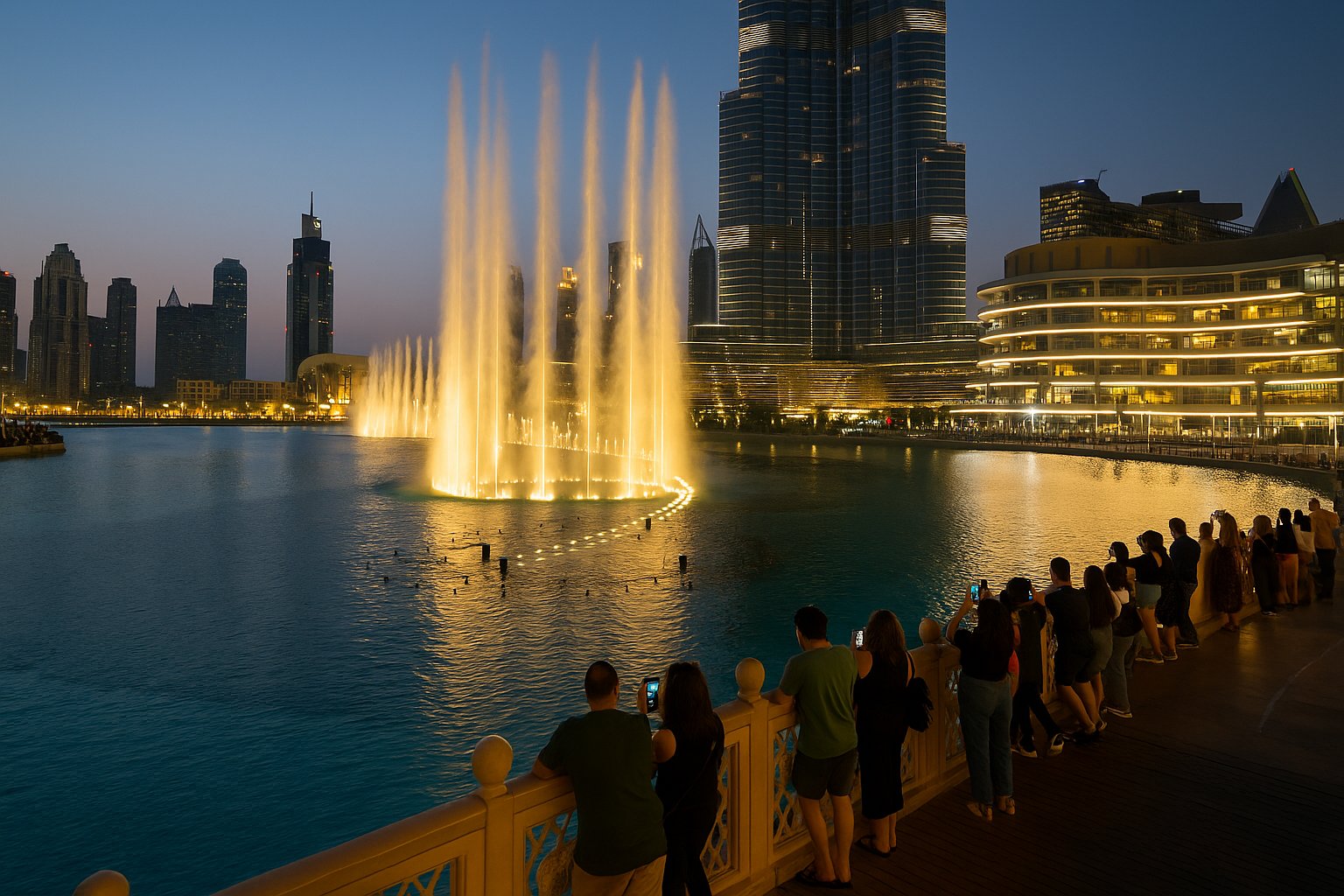
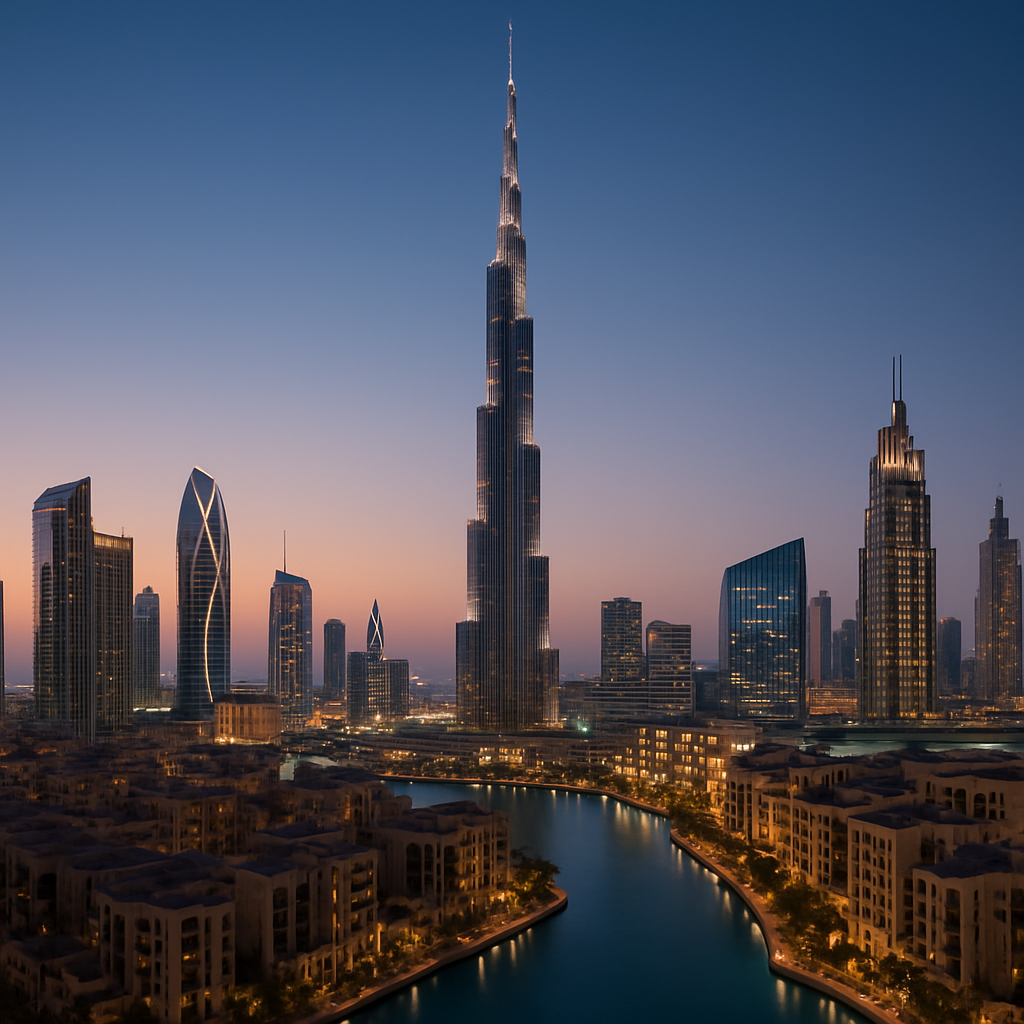
- Dubai
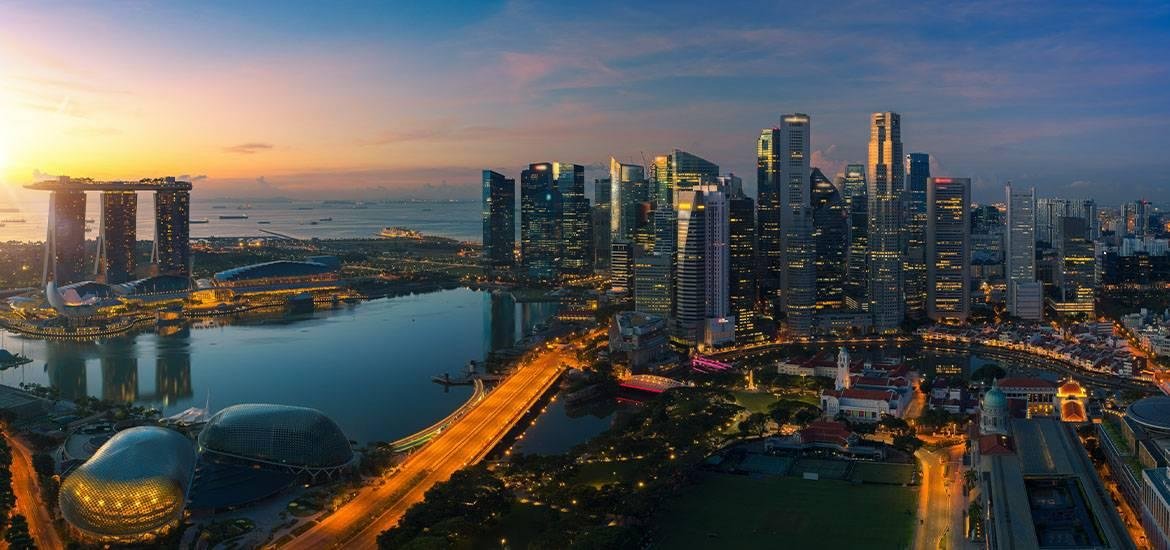
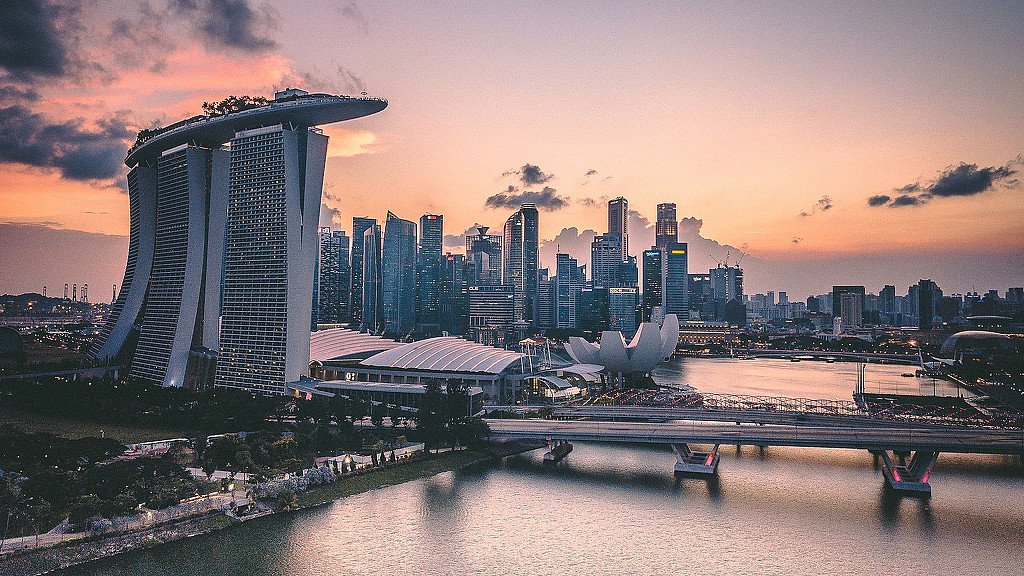
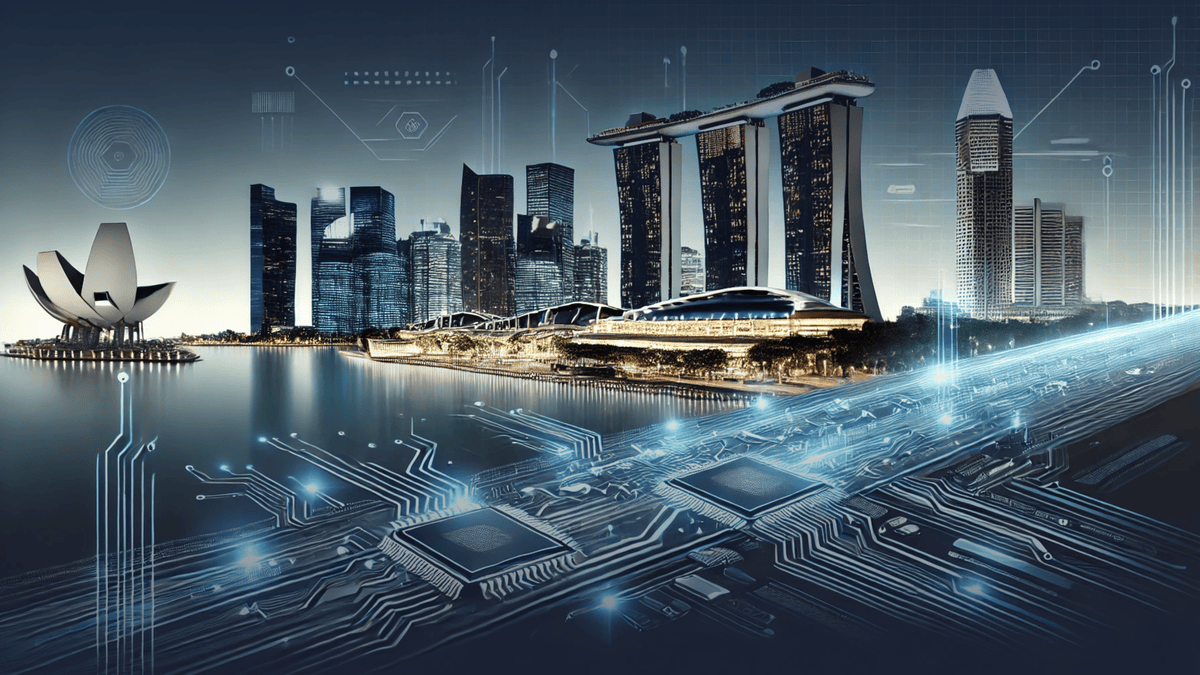
- Singapore
- Shanghai
These hubs connect global markets efficiently.
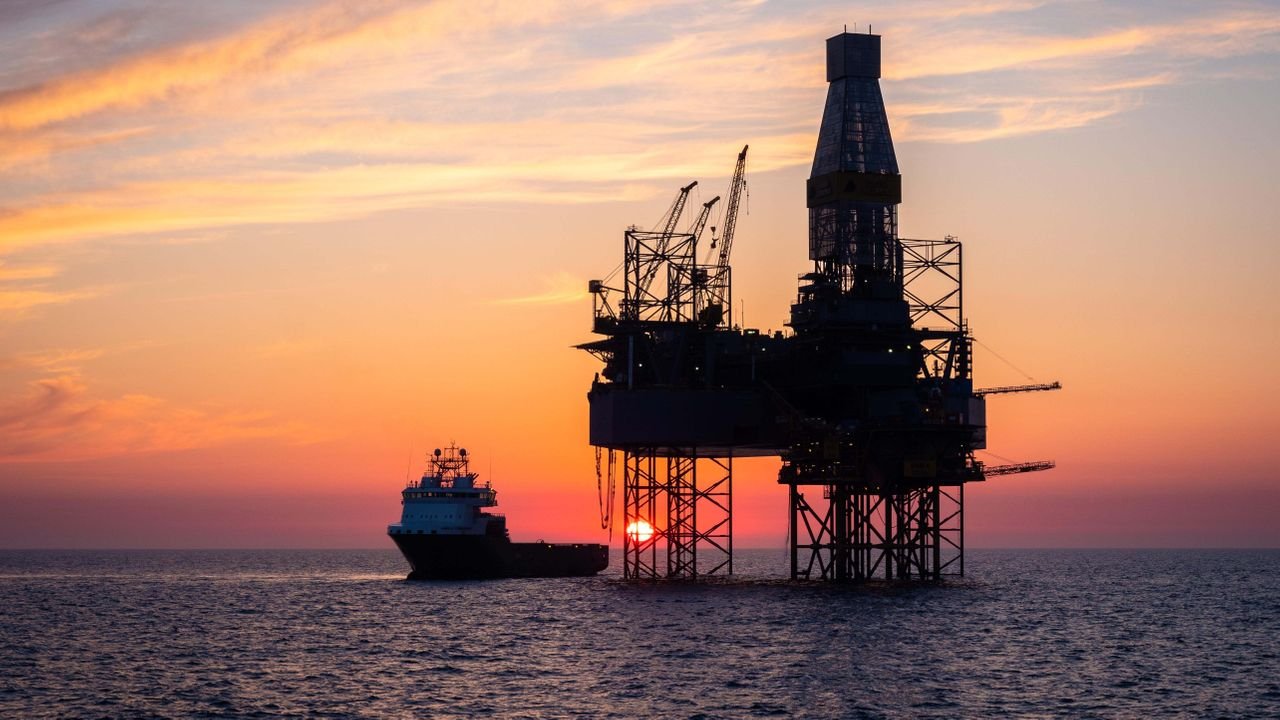
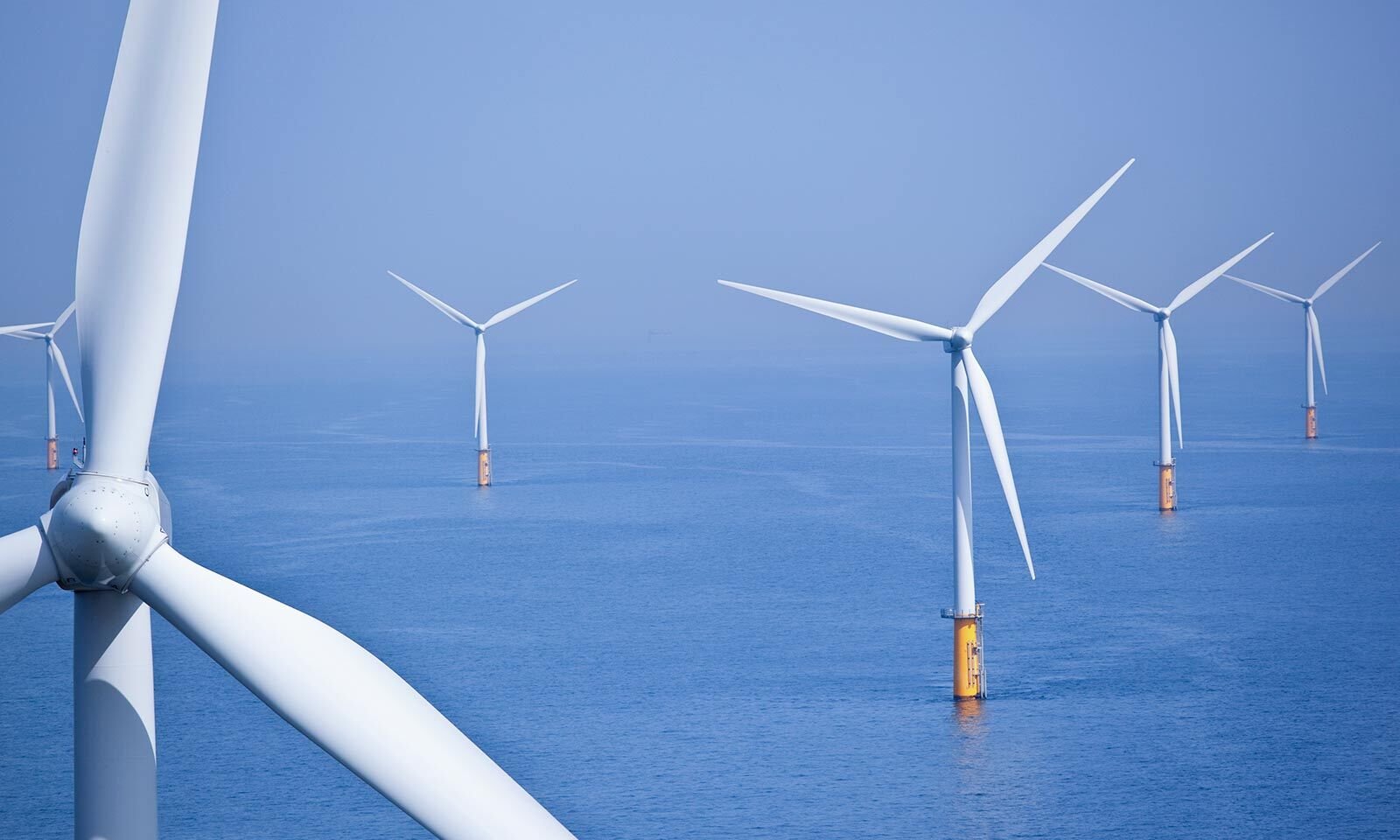
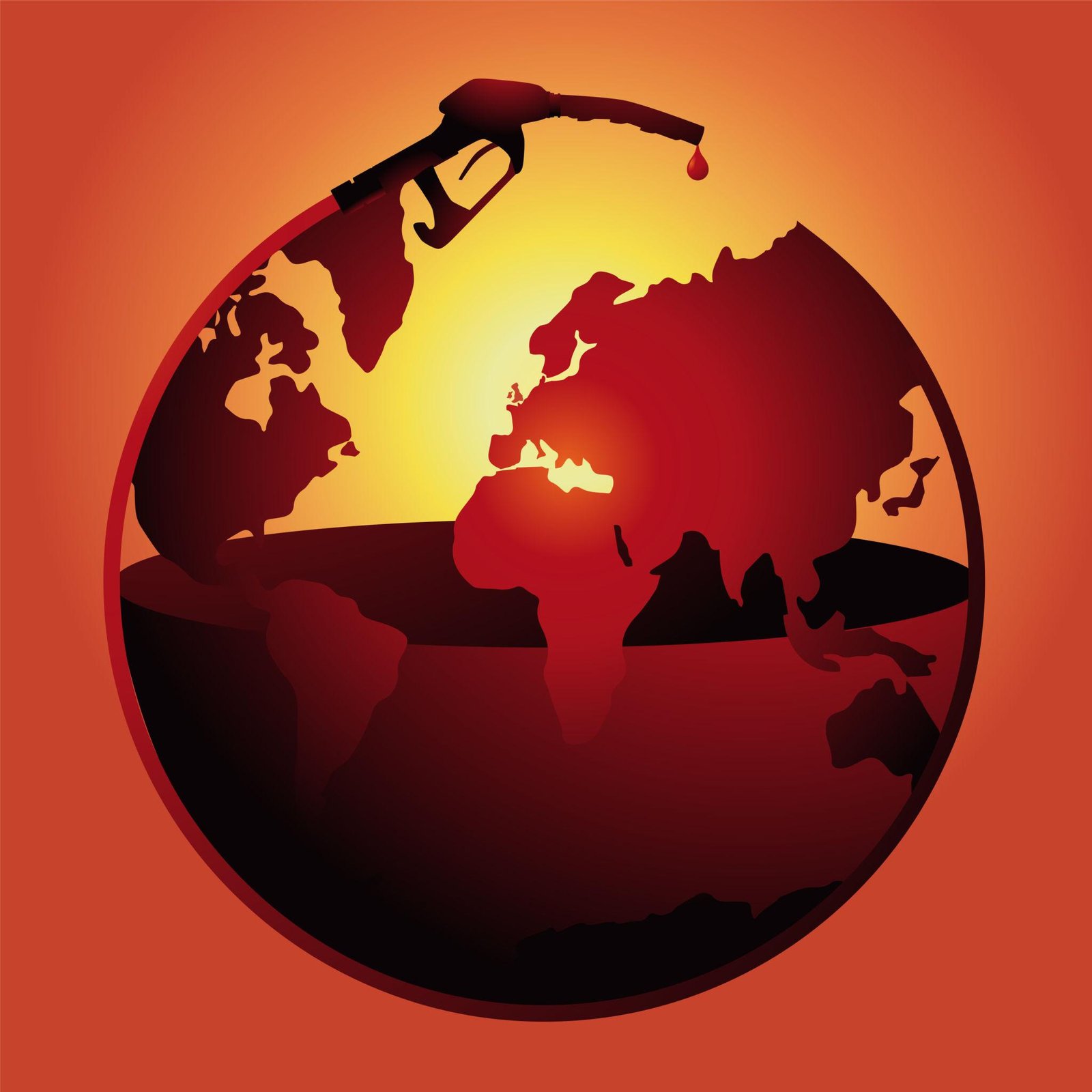
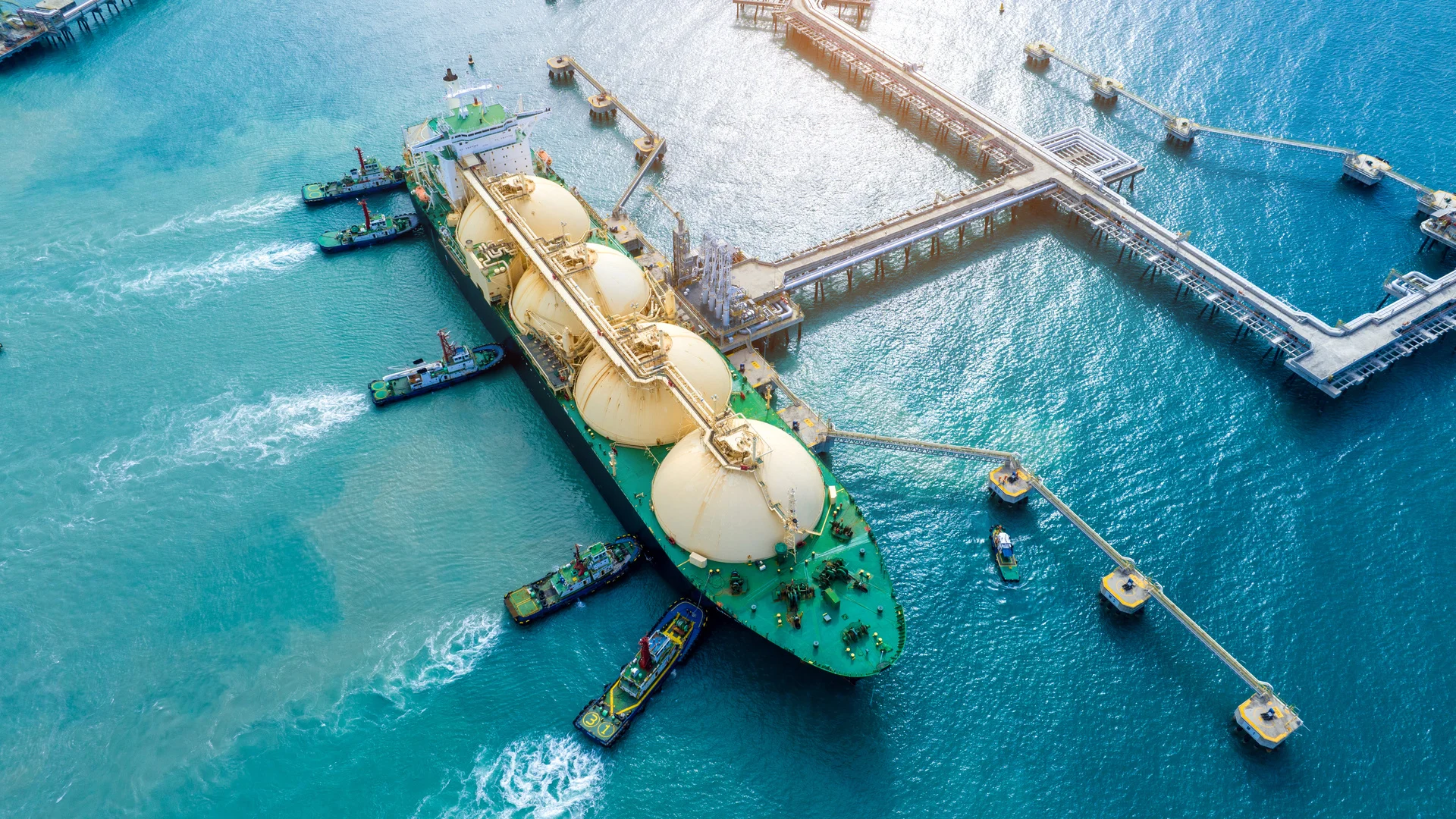
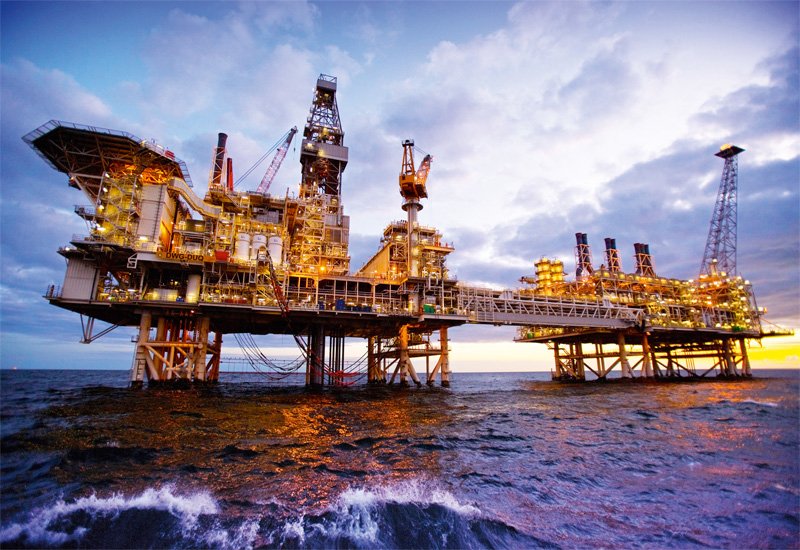
6. Energy and Resource Trade Shifts
Energy trade is evolving with:
- Renewable energy
- New supply chains for minerals
- Changing oil trade routes
Energy will remain a key driver of trade networks.
Key Trends Shaping Future Trade
- ✔️ Digitalization of trade
- ✔️ Regional trade agreements
- ✔️ Smart supply chains
- ✔️ New global trade hubs
- ✔️ Energy transition