


The Future of the Global Financial System
Introduction
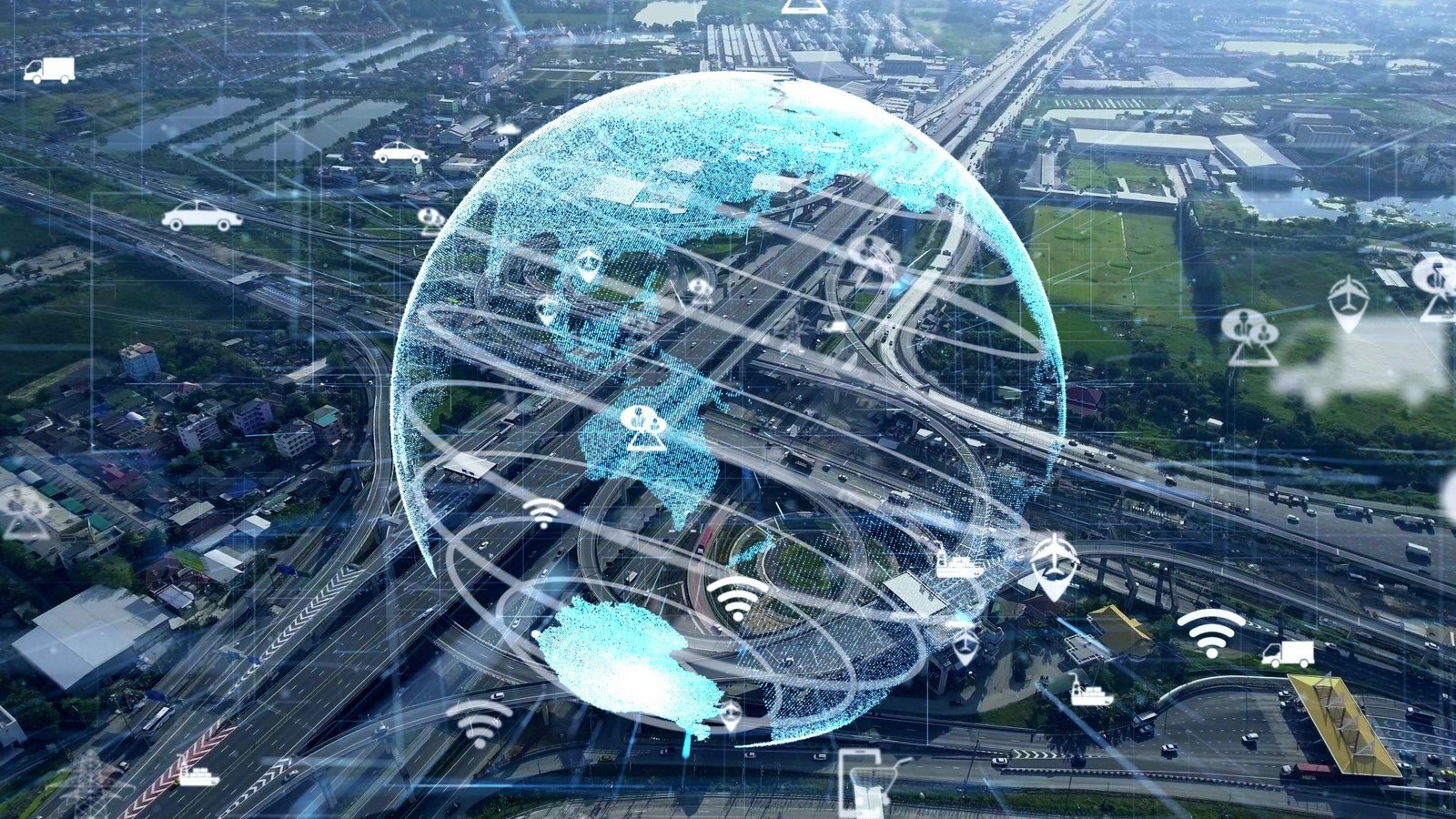
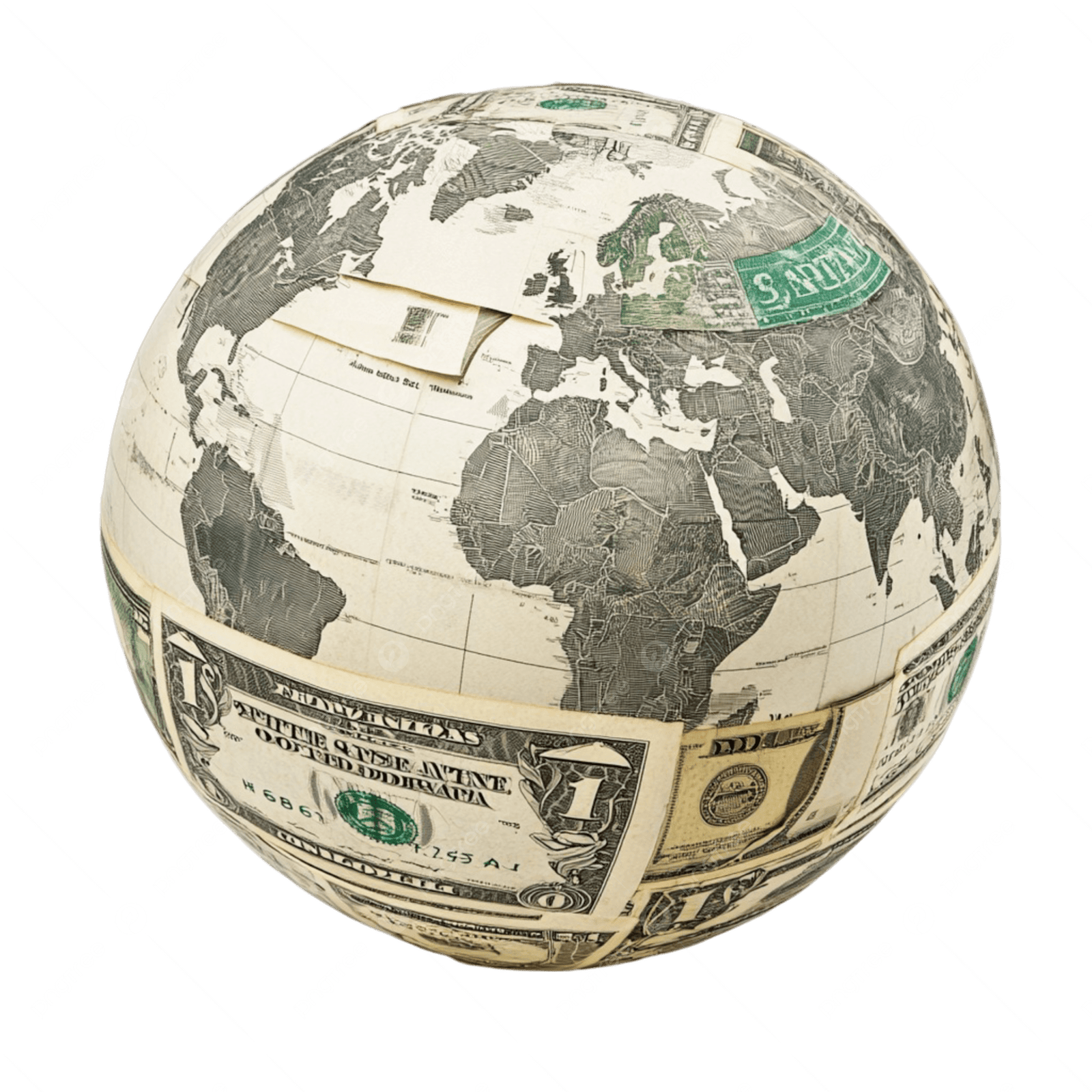
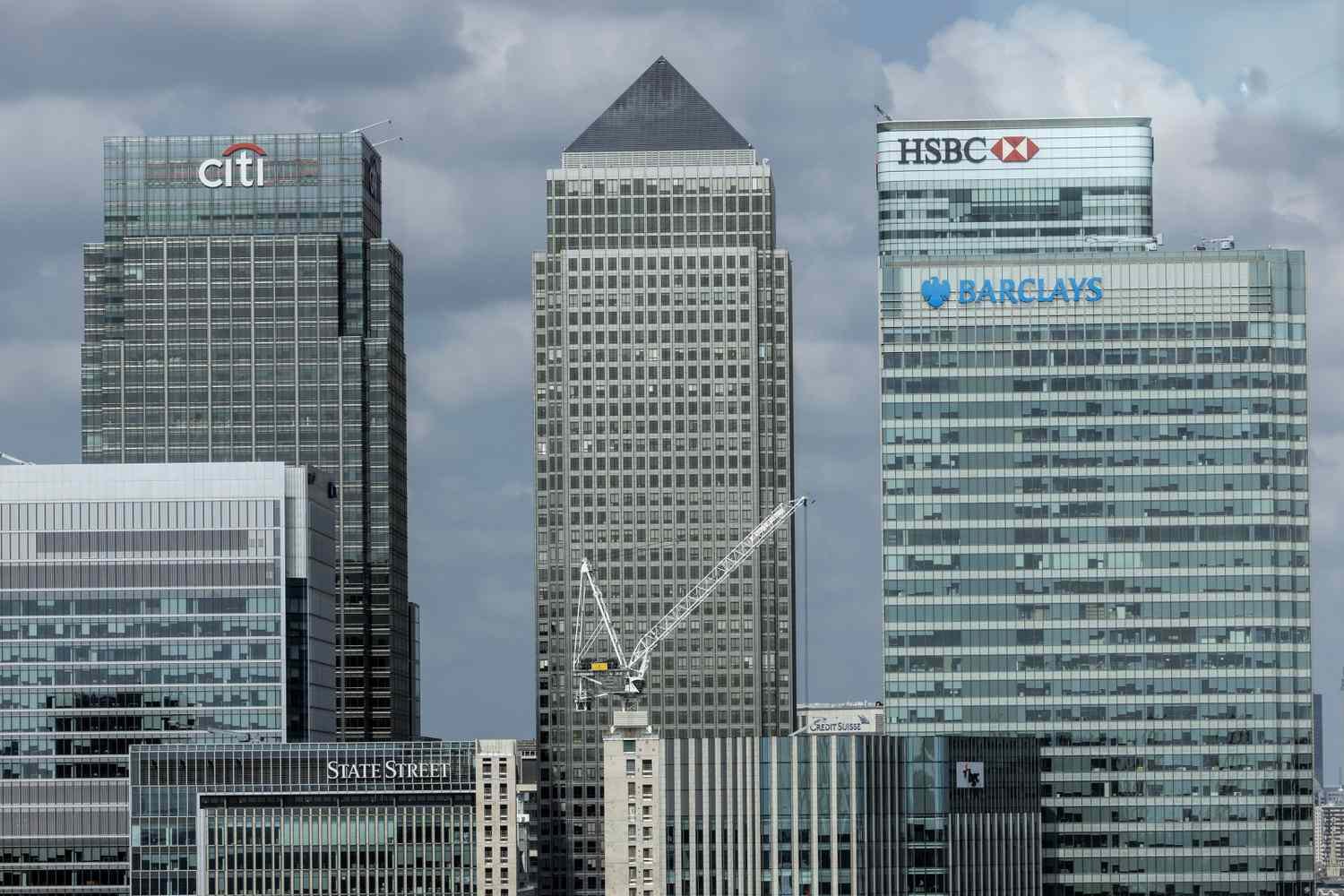
The global financial system is going through a major transformation. Traditional banking, cash transactions, and centralized systems are slowly evolving into a more digital, fast, and interconnected network.
Technology, geopolitical shifts, and changing economic power are shaping the future of how money moves around the world.
What is the Global Financial System?
The global financial system includes:
- Banks and financial institutions
- Stock markets
- Payment systems
- Central banks
Organizations like the International Monetary Fund and the World Bank play a key role in maintaining global financial stability.
Key Trends Shaping the Future
1. Rise of Digital Currencies
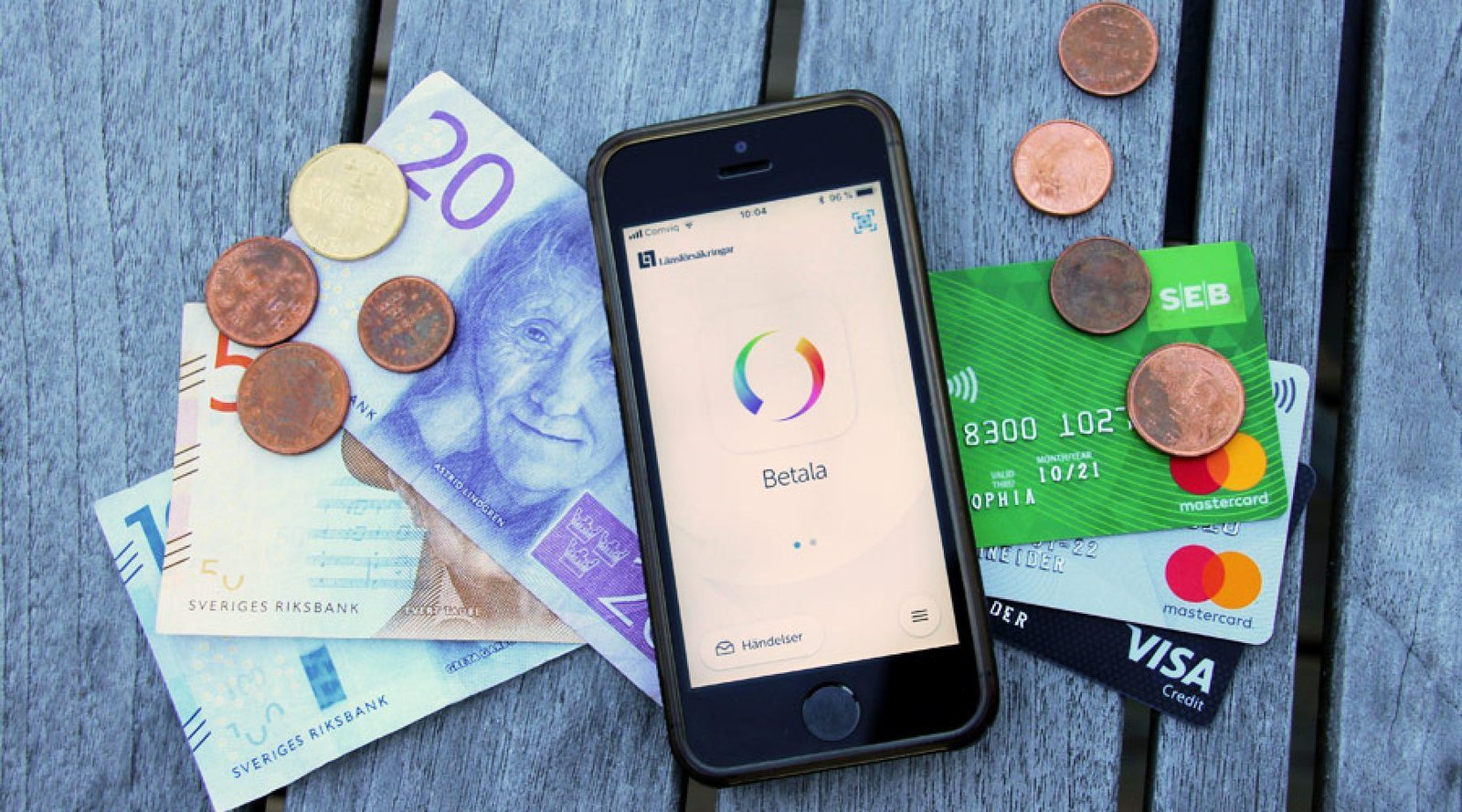
Governments and central banks are exploring digital currencies (CBDCs).
- Faster transactions
- Lower costs
- Reduced reliance on physical cash
2. Growth of Financial Technology (Fintech)
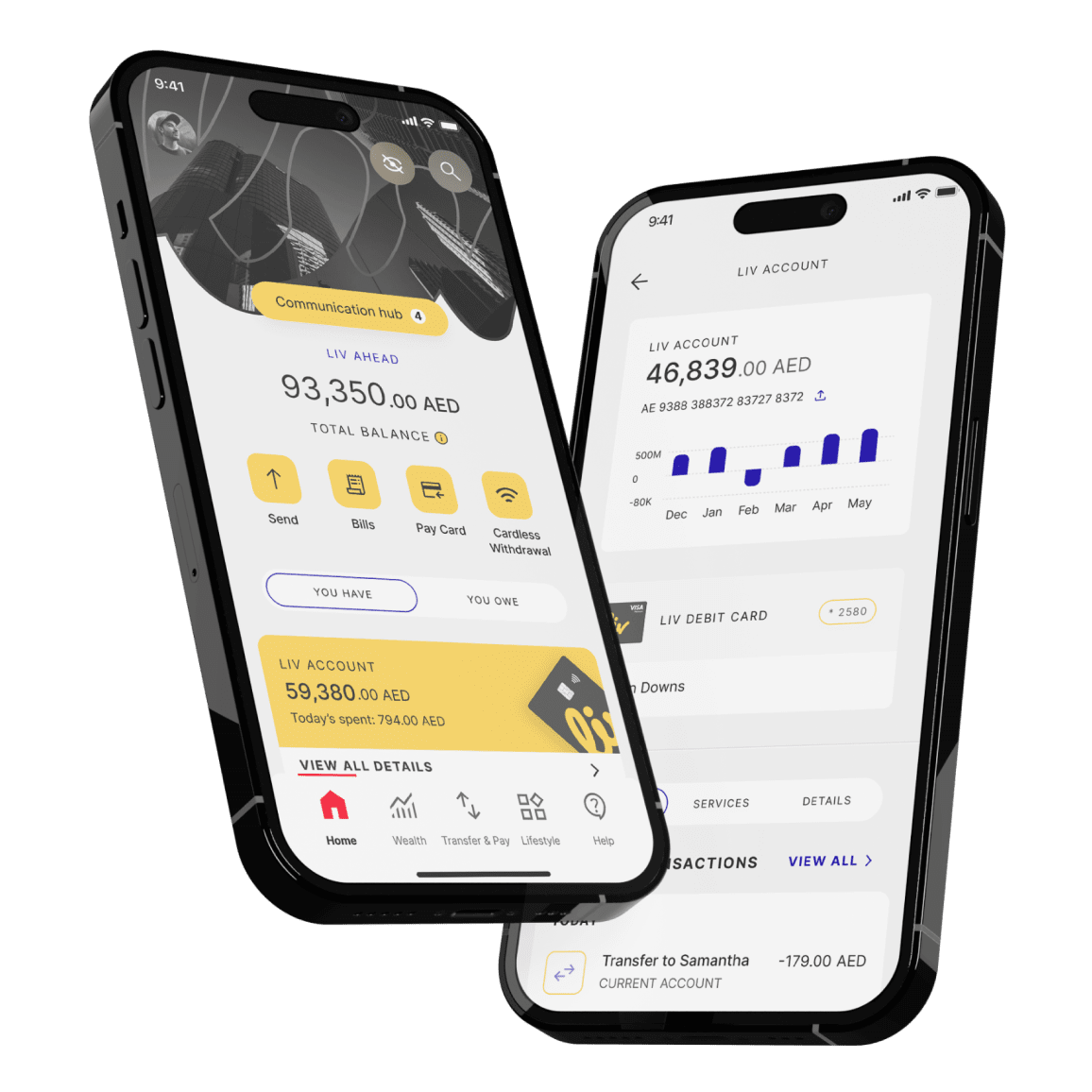
Apps like PayPal and Stripe are transforming how payments are made globally.
Key changes:
- Instant cross-border payments
- Online banking growth
- Financial inclusion for more people
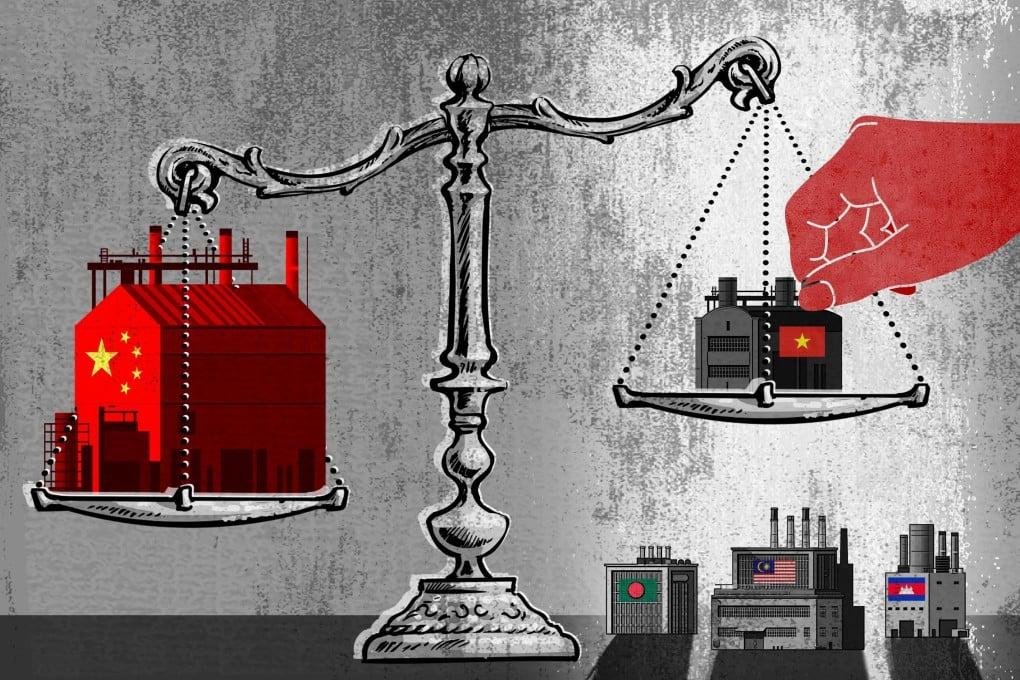
3. Shift in Global Economic Power
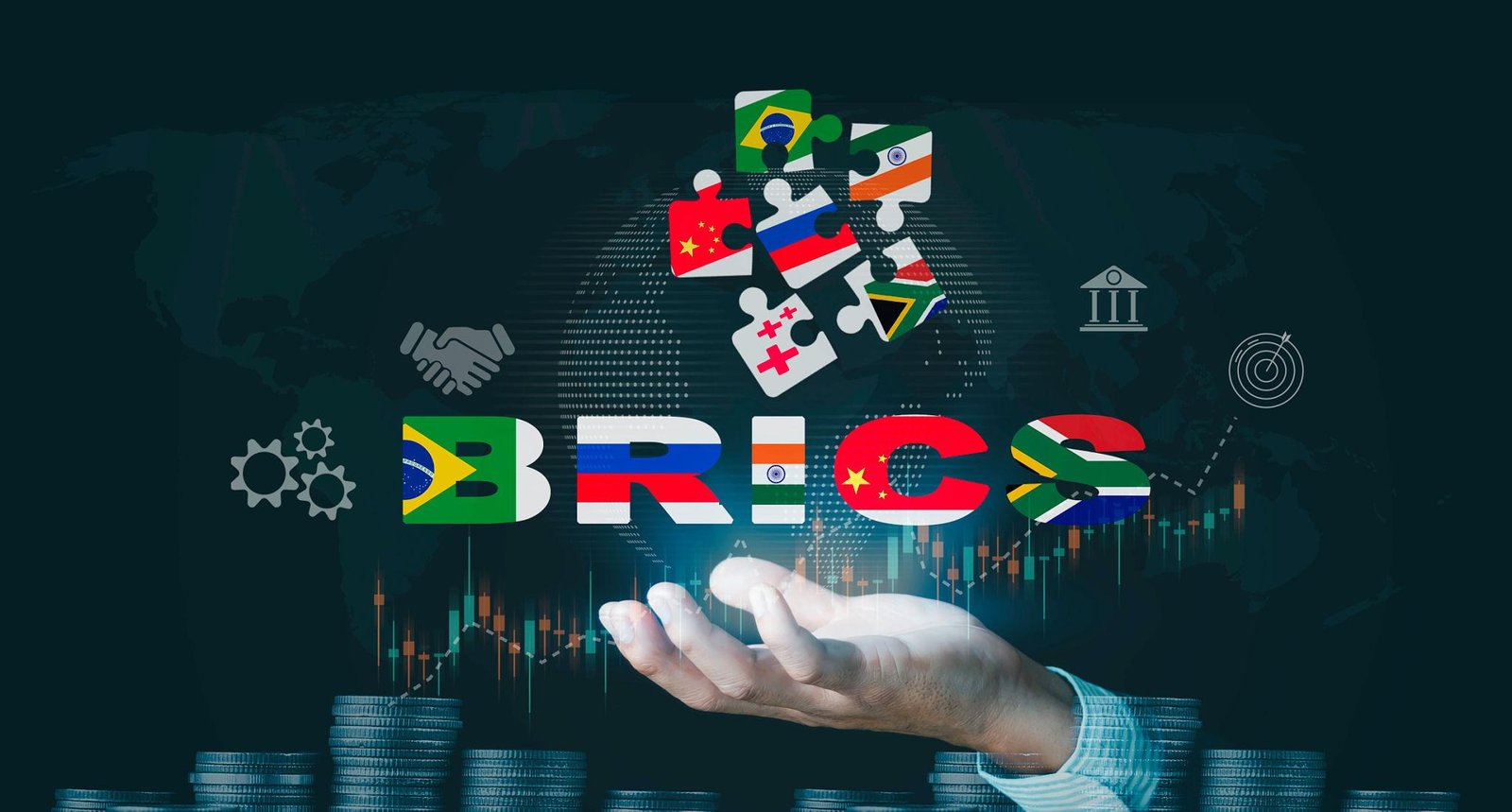
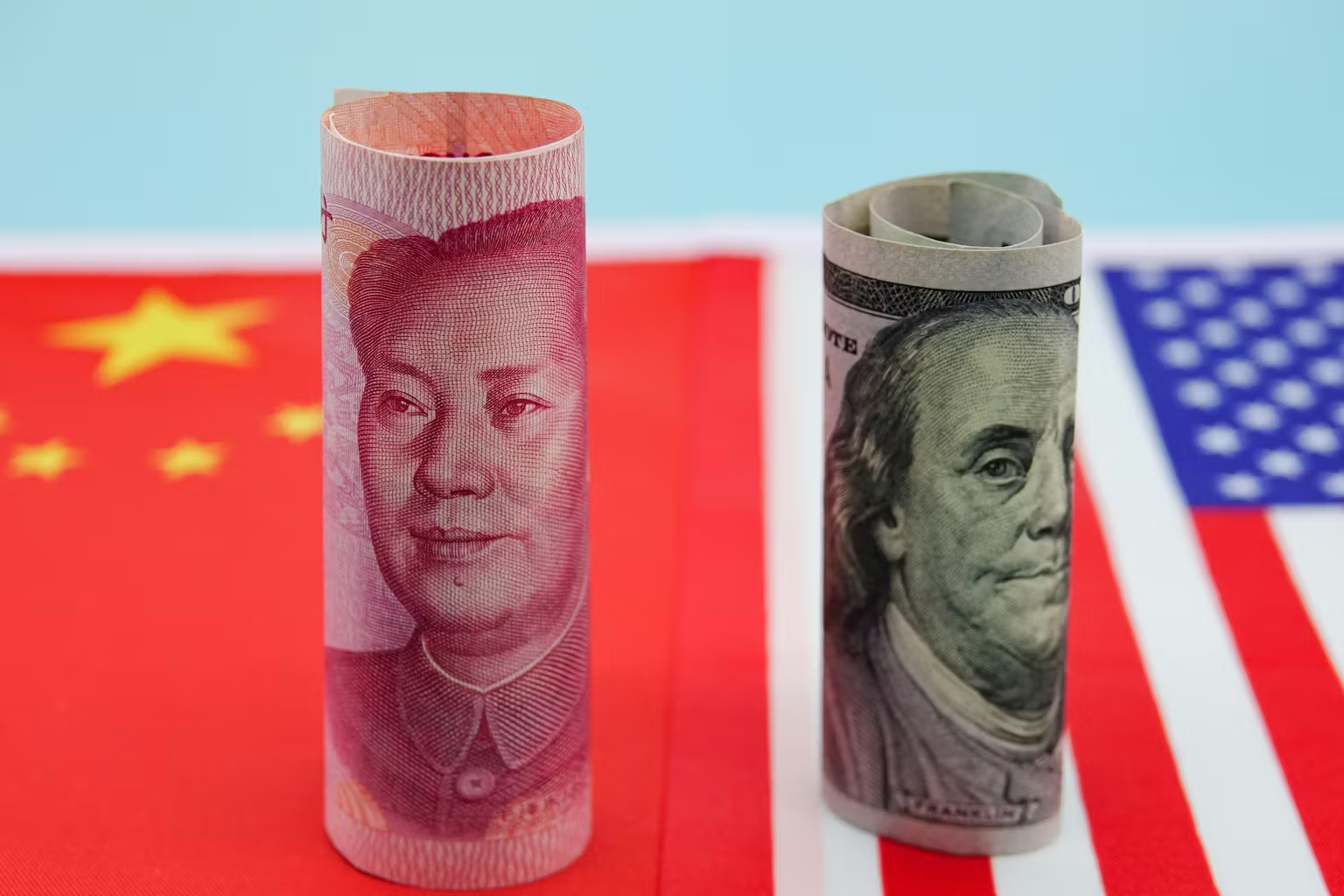
Countries like China and India are gaining influence.
This may lead to:
- Reduced dominance of traditional Western systems
- Rise of regional financial networks
- New global trade currencies
4. Sustainable & Green Finance
Investors are focusing more on sustainability.
Trends include:
- ESG (Environmental, Social, Governance) investing
- Green bonds
- Climate-focused funding
Challenges Ahead
- Cybersecurity risks
- Regulatory differences between countries
- Financial inequality
- Market volatility
Balancing innovation and stability will be key.