


How Countries Protect Their Currency During Crisis
Introduction
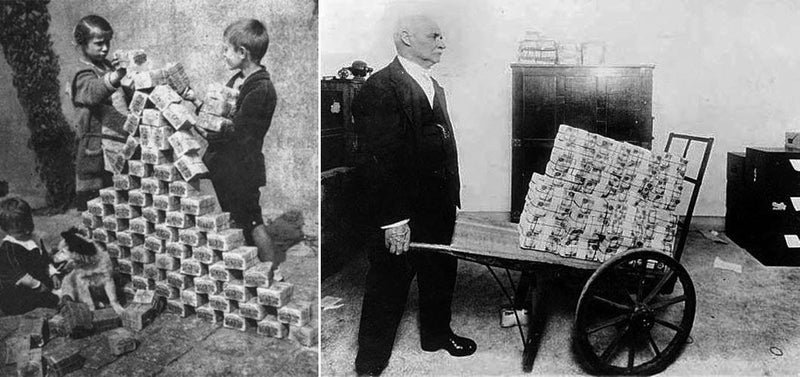
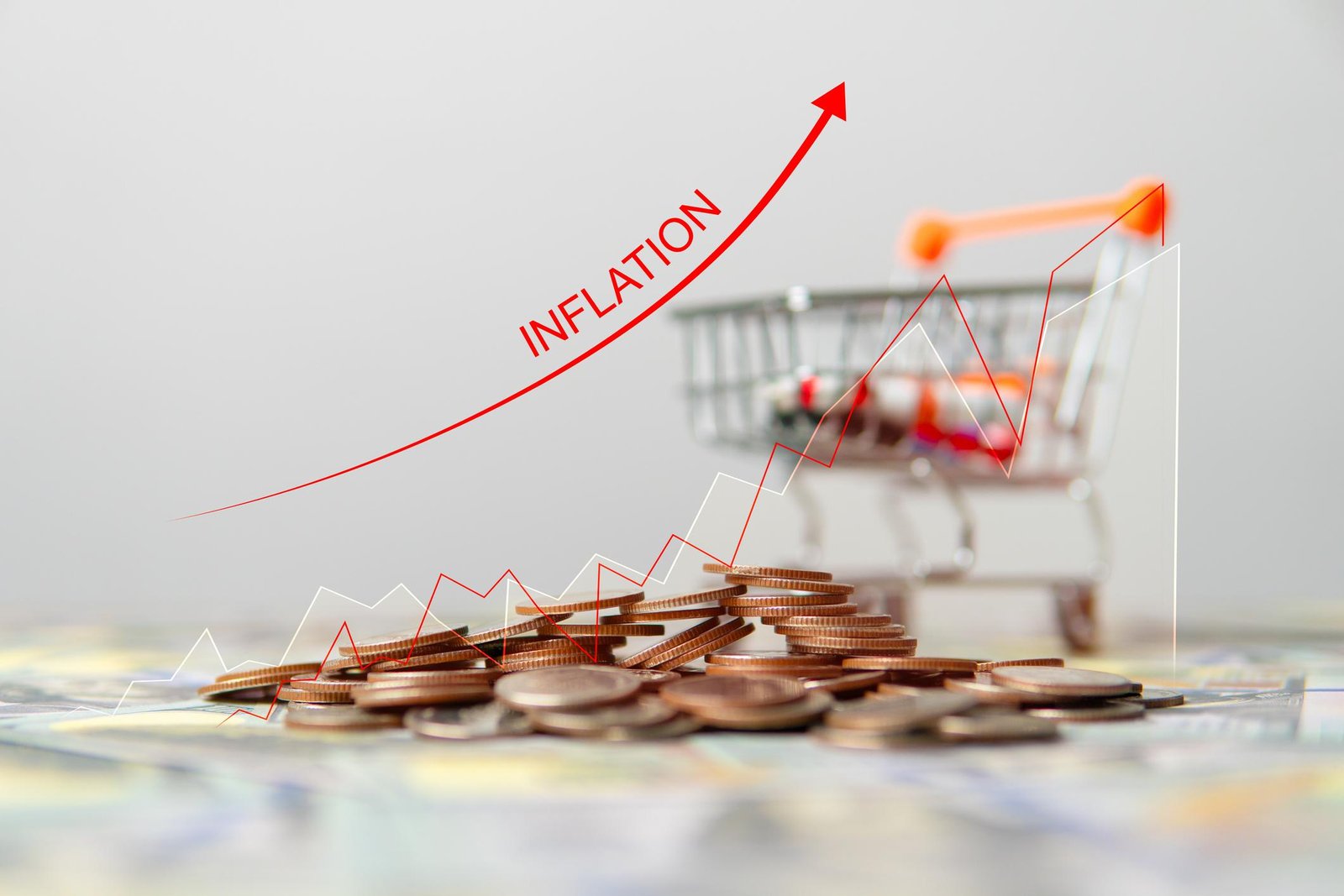
During economic crises, currencies can lose value very fast. Inflation rises, imports become expensive, and investor confidence drops. To avoid this, countries take strong actions to protect their currency and stabilize their economy.
Let’s understand how governments and central banks manage these situations in simple terms.
1. Interest Rate Changes
One of the most common tools is increasing interest rates.
When central banks raise rates:
- Borrowing becomes expensive
- People save more money
- Foreign investors invest more
This increases demand for the currency and helps strengthen it.
Example: Federal Reserve often raises rates during inflation periods.
2. Using Foreign Exchange Reserves
Countries store foreign currencies like US dollars and euros.
During a crisis, they:
- Sell foreign reserves
- Buy their own currency
This helps increase demand and stabilize the exchange rate.
Countries like India actively use forex reserves to control volatility.
3. Increasing Gold Reserves
Gold is a safe asset during uncertainty.
Countries increase gold reserves because:
- It holds value during crisis
- Builds investor confidence
- Reduces reliance on foreign currencies
Many nations, including China, are increasing gold holdings.
4. Capital Controls
Governments may limit money flow outside the country.
This includes:
- Restricting foreign investments withdrawal
- Limiting currency exchange
These steps prevent sudden capital flight and protect currency value.
5. Controlling Inflation
Inflation directly weakens currency.
To control it, governments:
- Reduce spending
- Increase taxes
- Control money supply
Stable inflation helps maintain currency strength.
6. Trade Balance Improvement
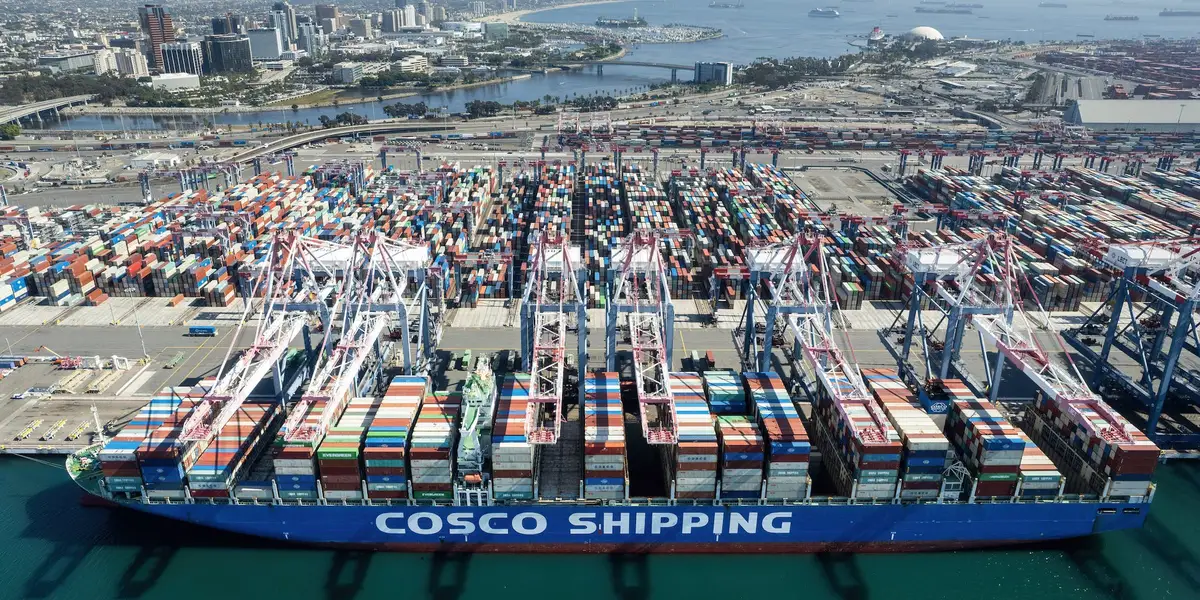
Countries try to export more and import less.
This helps because:
- More foreign money comes in
- Currency demand increases
Export-driven economies often have stronger currencies.
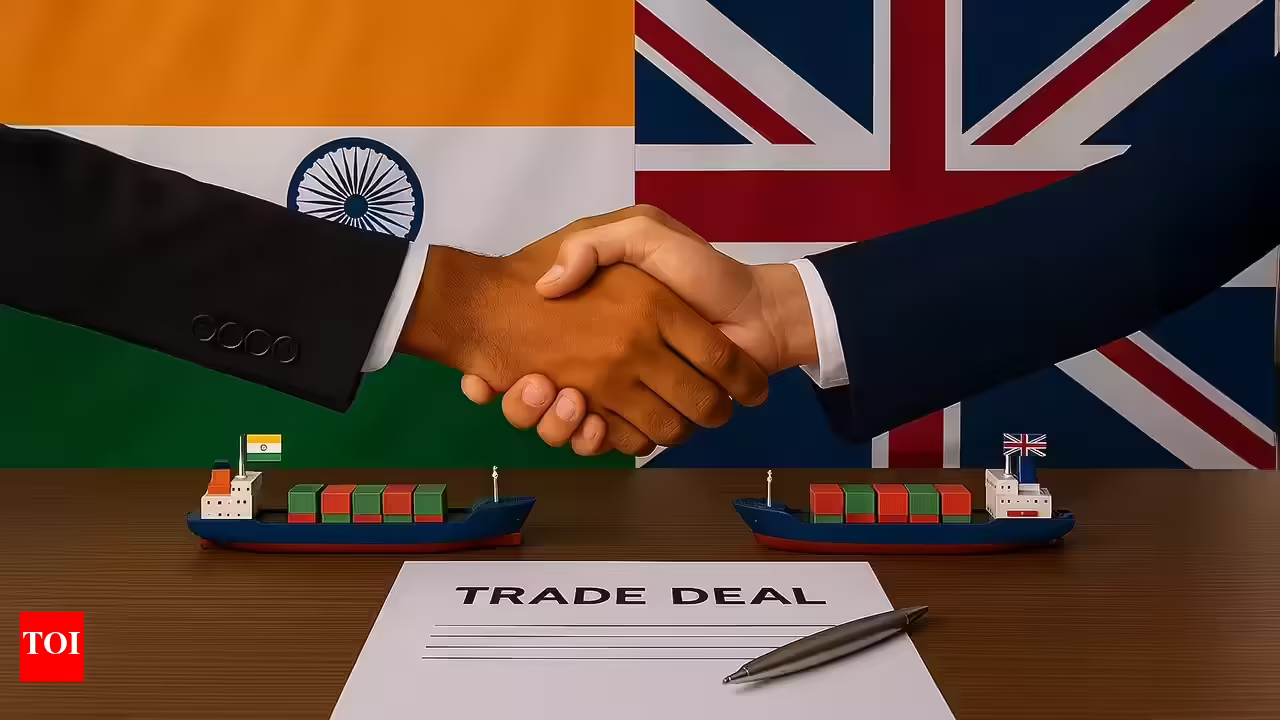
7. Strategic Alliances & Trade Blocs
Countries also join economic groups to strengthen stability.
Examples include:
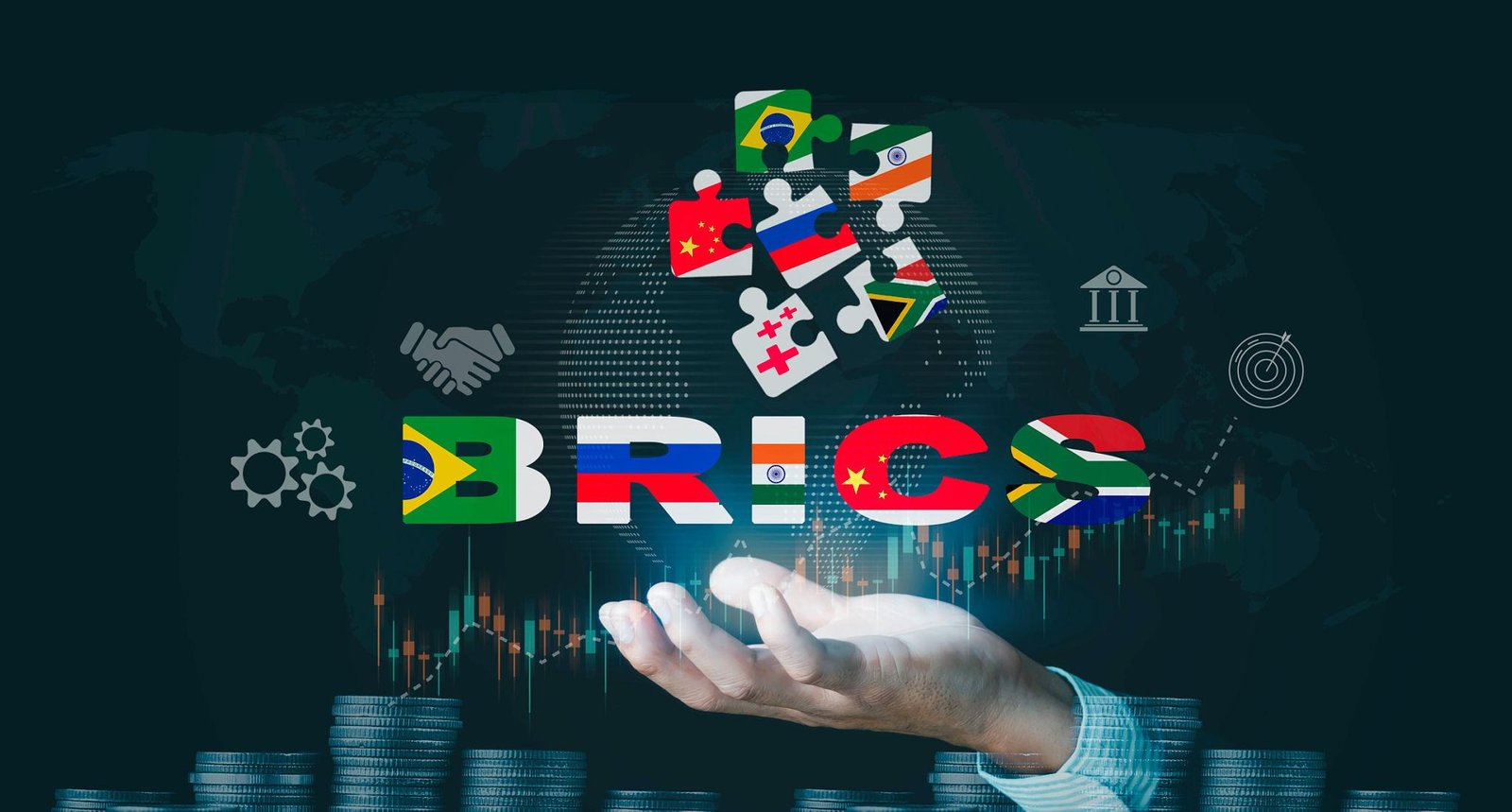
- BRICS
- European Union
These alliances provide support during global financial stress.
Future Trends
- Rise of digital currencies
- Reduced dependence on single global currencies
- Stronger regional trade systems
Countries are preparing for a more uncertain but connected financial future.