


The Rise of Alternative Trade Alliances
Introduction
In recent years, the global trade landscape has been changing rapidly. Traditional trade systems dominated by Western economies are now being challenged by the rise of alternative trade alliances. These new partnerships are reshaping how countries trade, cooperate, and grow economically—especially during times of global uncertainty.
What Are Alternative Trade Alliances?
Alternative trade alliances are partnerships between countries that aim to reduce dependence on traditional economic powers.
They focus on:
- Regional cooperation
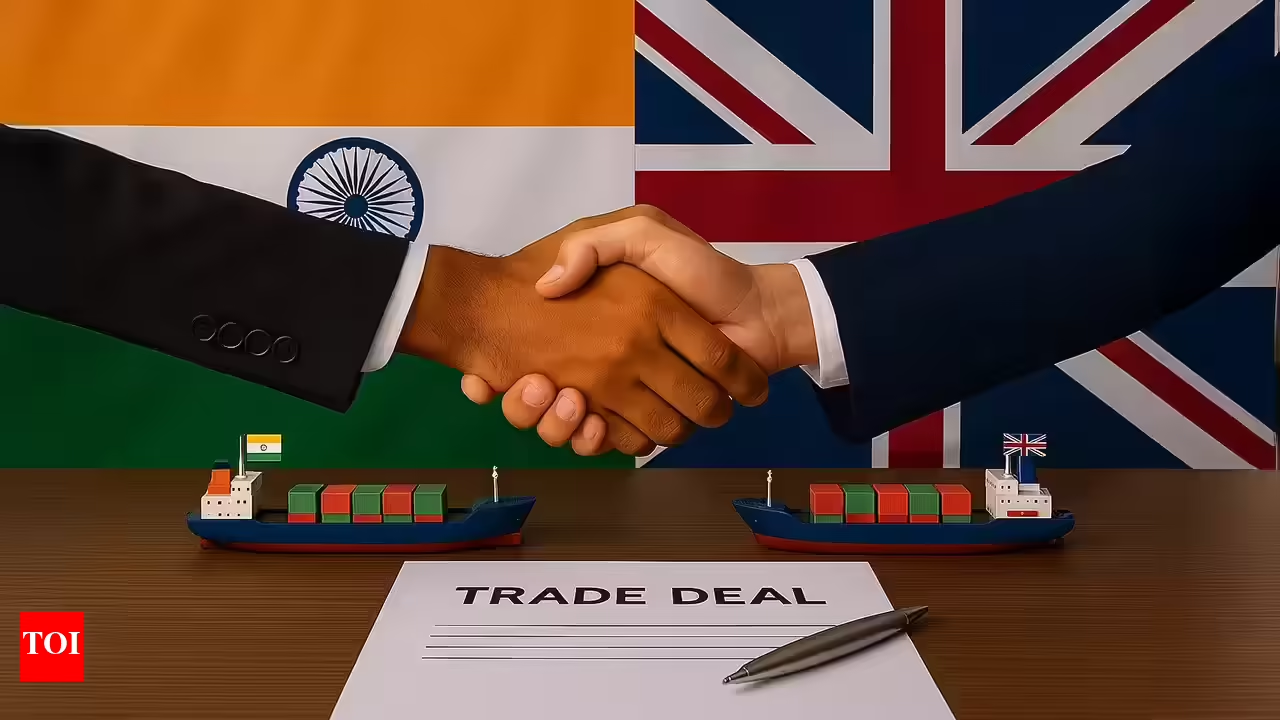
- Bilateral and multilateral trade deals
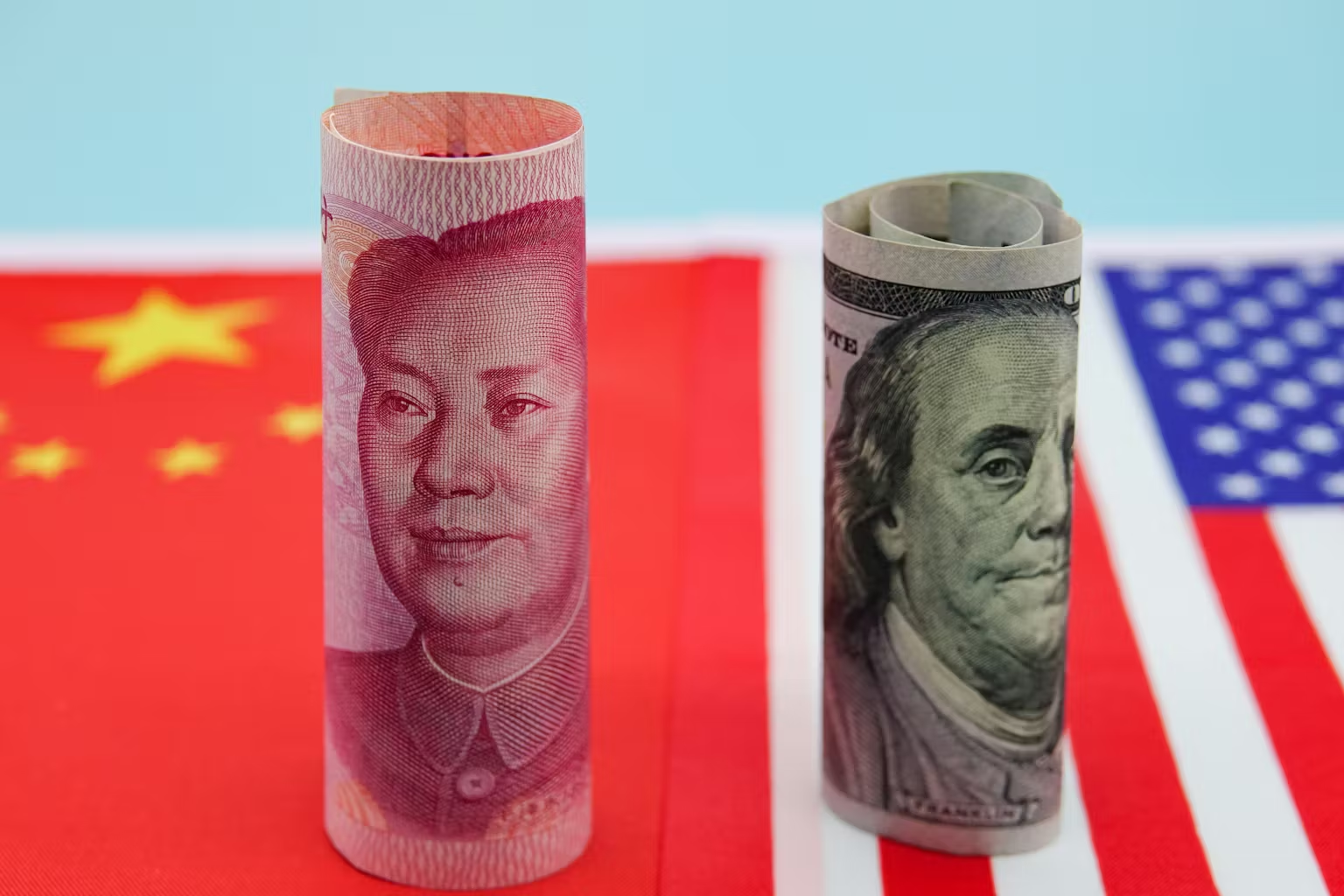
- Currency diversification (reducing reliance on the US dollar)
These alliances are becoming more important as geopolitical tensions increase.
Key Alliances Driving Change
1. BRICS Nations
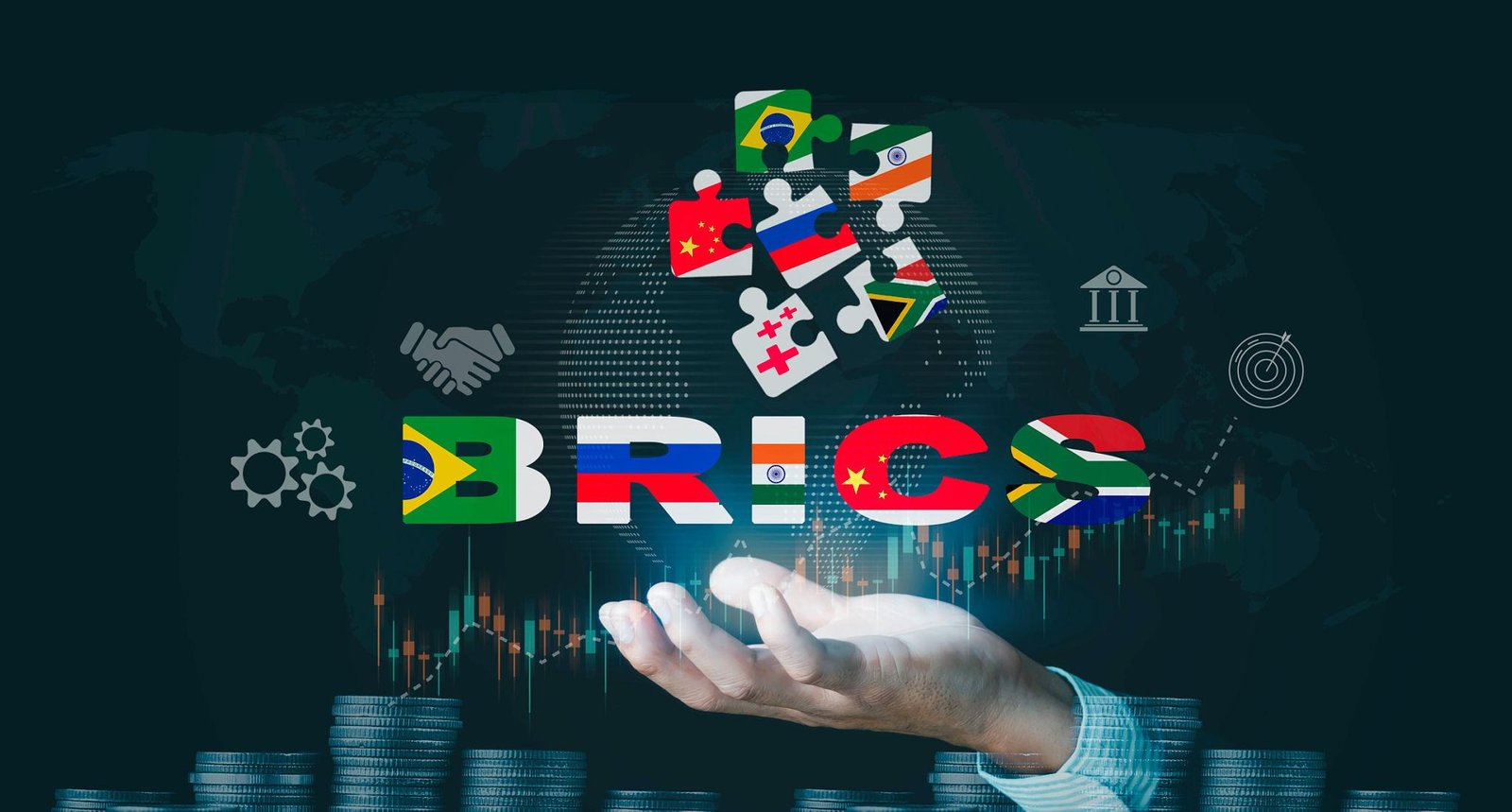
Brazil, Russia, India, China, and South Africa form one of the most influential groups.
Why BRICS matters:
- Represents a large share of the global population
- Strong economic growth potential
- Focus on trade in local currencies
2. Regional Trade Agreements
Countries are forming smaller, region-focused partnerships.
Examples include:
- Asian trade networks
- African continental trade agreements
- Middle Eastern economic cooperation
These agreements strengthen local economies and reduce global dependency.
Shift Away from the US Dollar
One of the biggest changes is the move toward local currency trade.
Why countries are doing this:
- Reduce currency risk
- Avoid sanctions-related restrictions
- Gain financial independence
This shift could have long-term effects on global financial systems.
Impact on Global Supply Chains
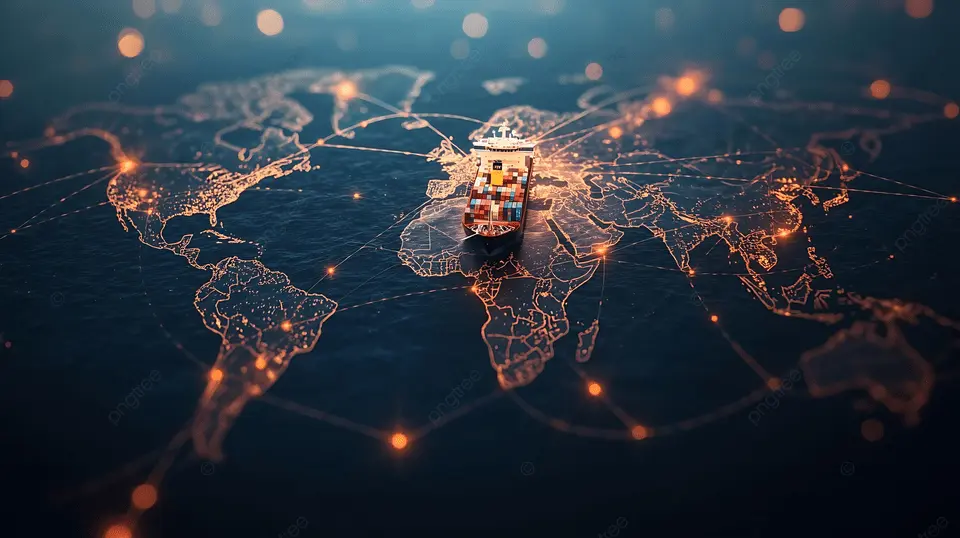
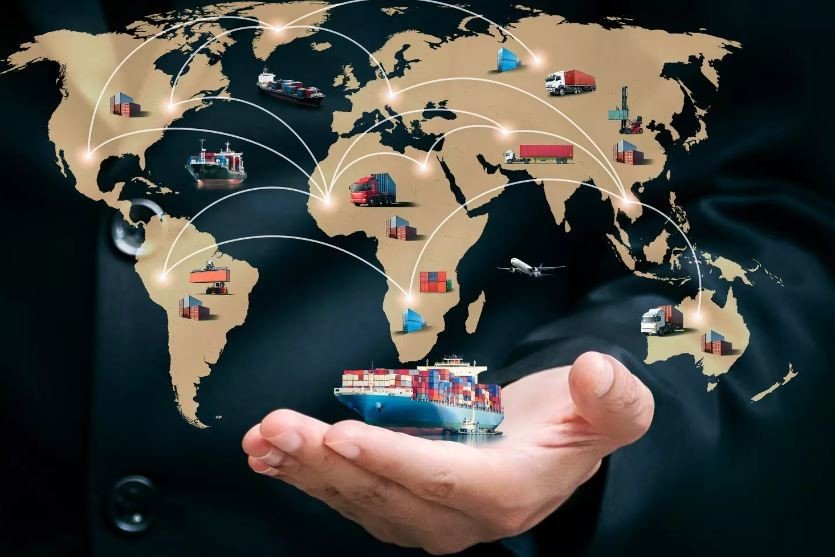
Alternative alliances are changing how goods move around the world.
Key effects:
- New trade routes emerging
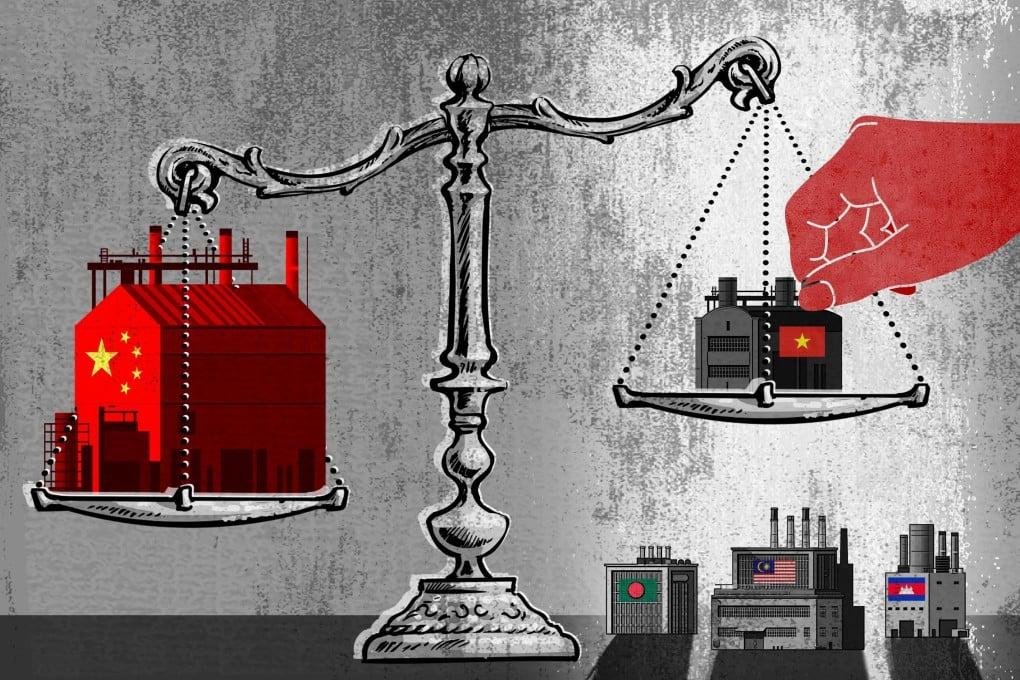
- Reduced reliance on Western markets
- Stronger regional supply chains
This makes trade more resilient but also more complex.
Economic Opportunities for Emerging Markets
Developing countries are benefiting the most from these alliances.
Advantages include:
- Increased exports
- Infrastructure development
- Access to new markets
These alliances give smaller economies a stronger global voice.
Challenges and Risks
While promising, these alliances also face challenges.
Potential issues:
- Political differences between member countries
- Lack of unified policies
- Economic imbalances
Success depends on long-term cooperation and stability.
Key Takeaways
- Alternative trade alliances are reshaping global trade
- Countries are reducing reliance on traditional powers
- Local currency trade is increasing
- Emerging markets are gaining importance