

How War Impacts Global Supply Chains
Introduction
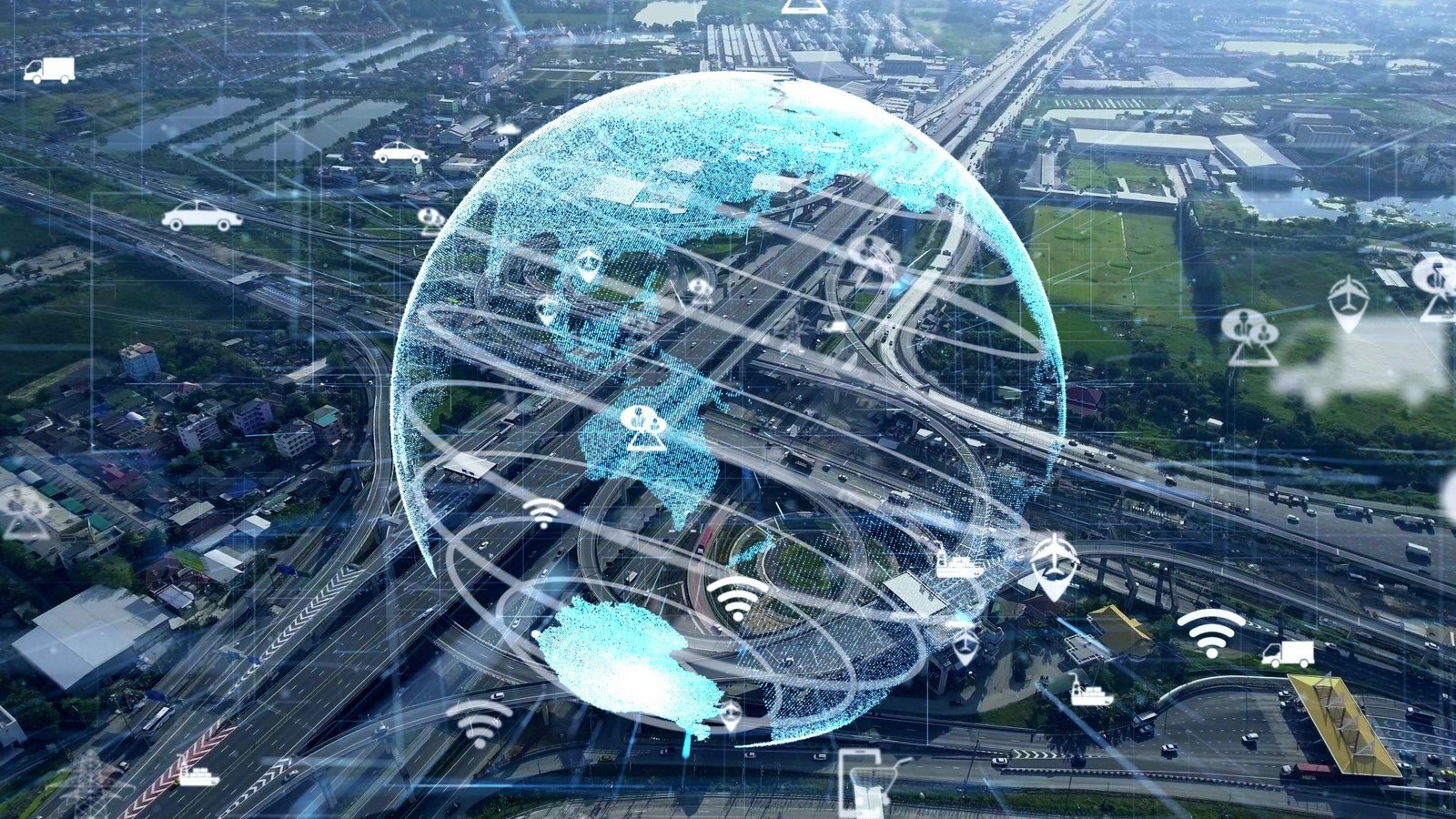
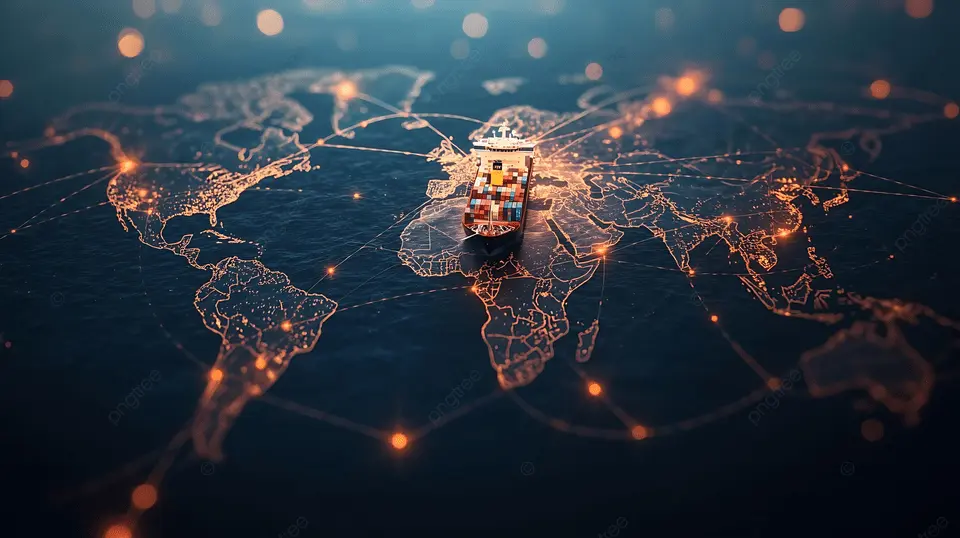
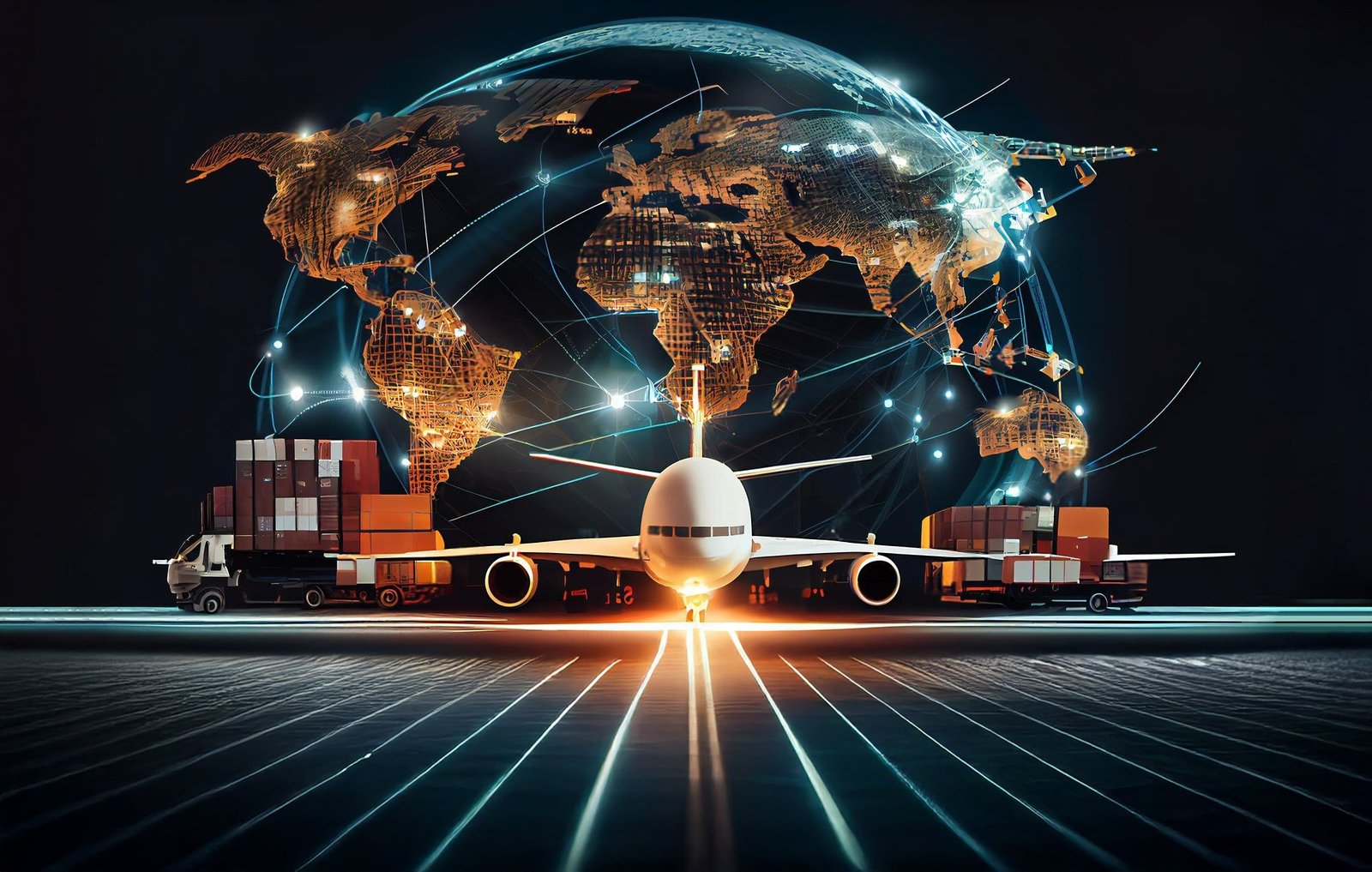
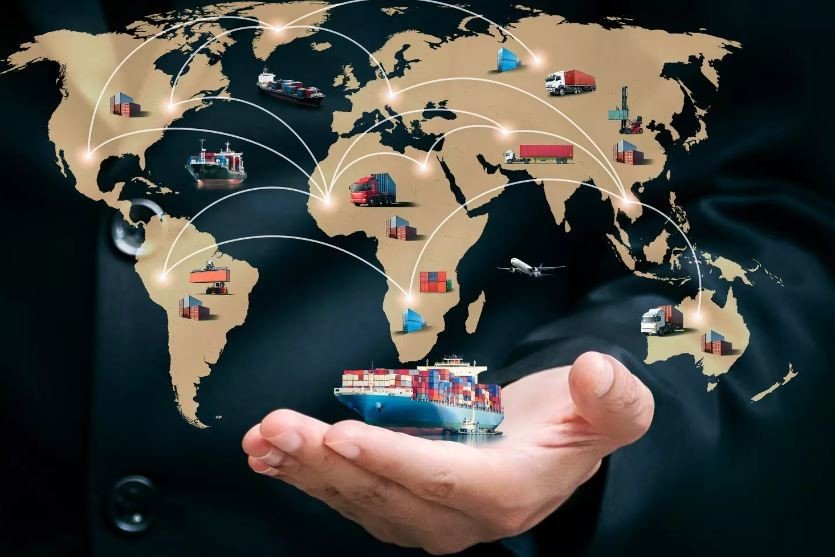
War doesn’t just affect countries involved in conflict—it disrupts the entire global economy. One of the most immediate effects is on global supply chains, the complex networks that move goods from producers to consumers worldwide. When war breaks out, these systems face delays, shortages, and rising costs.
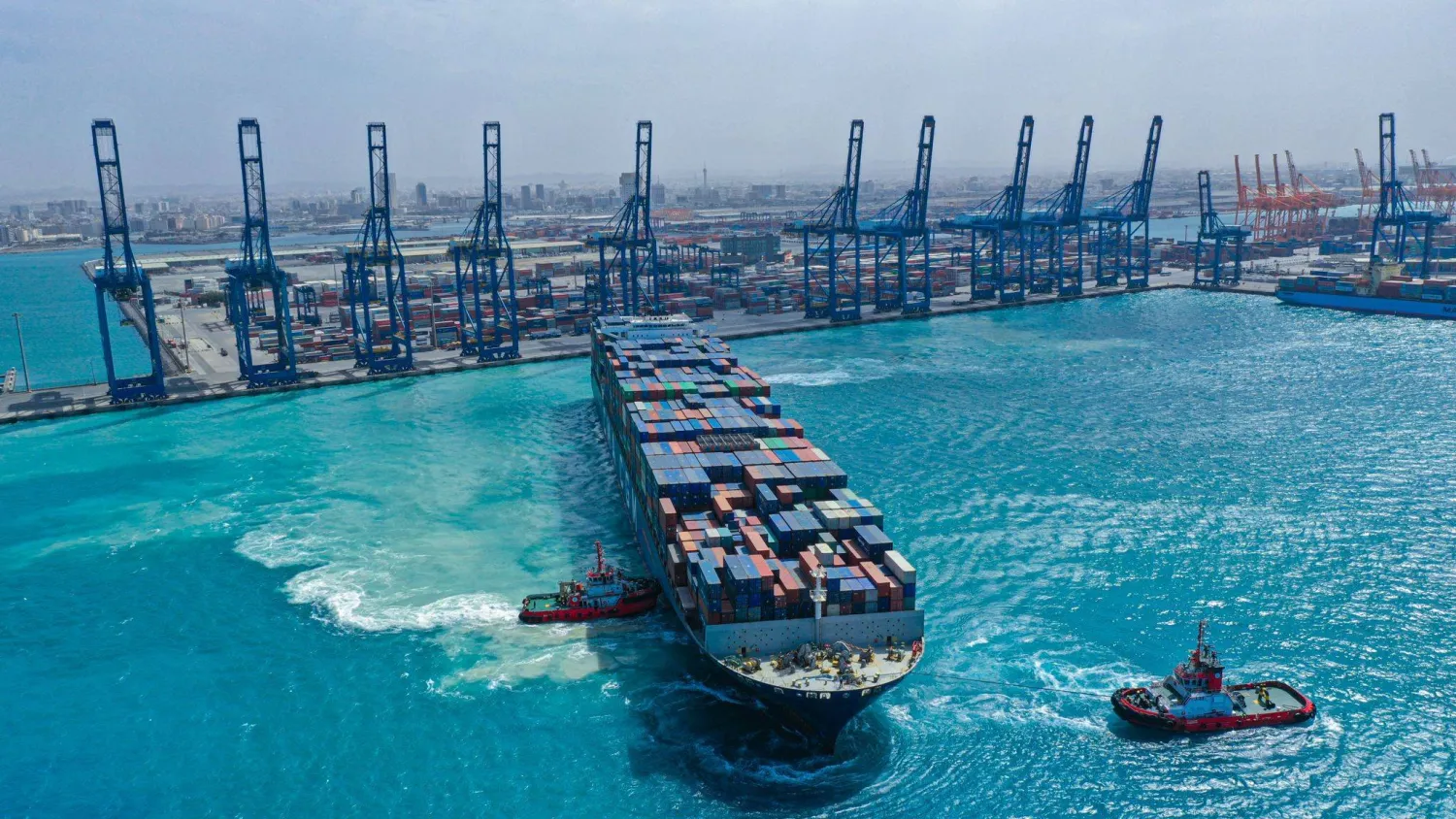
Disruption of Trade Routes
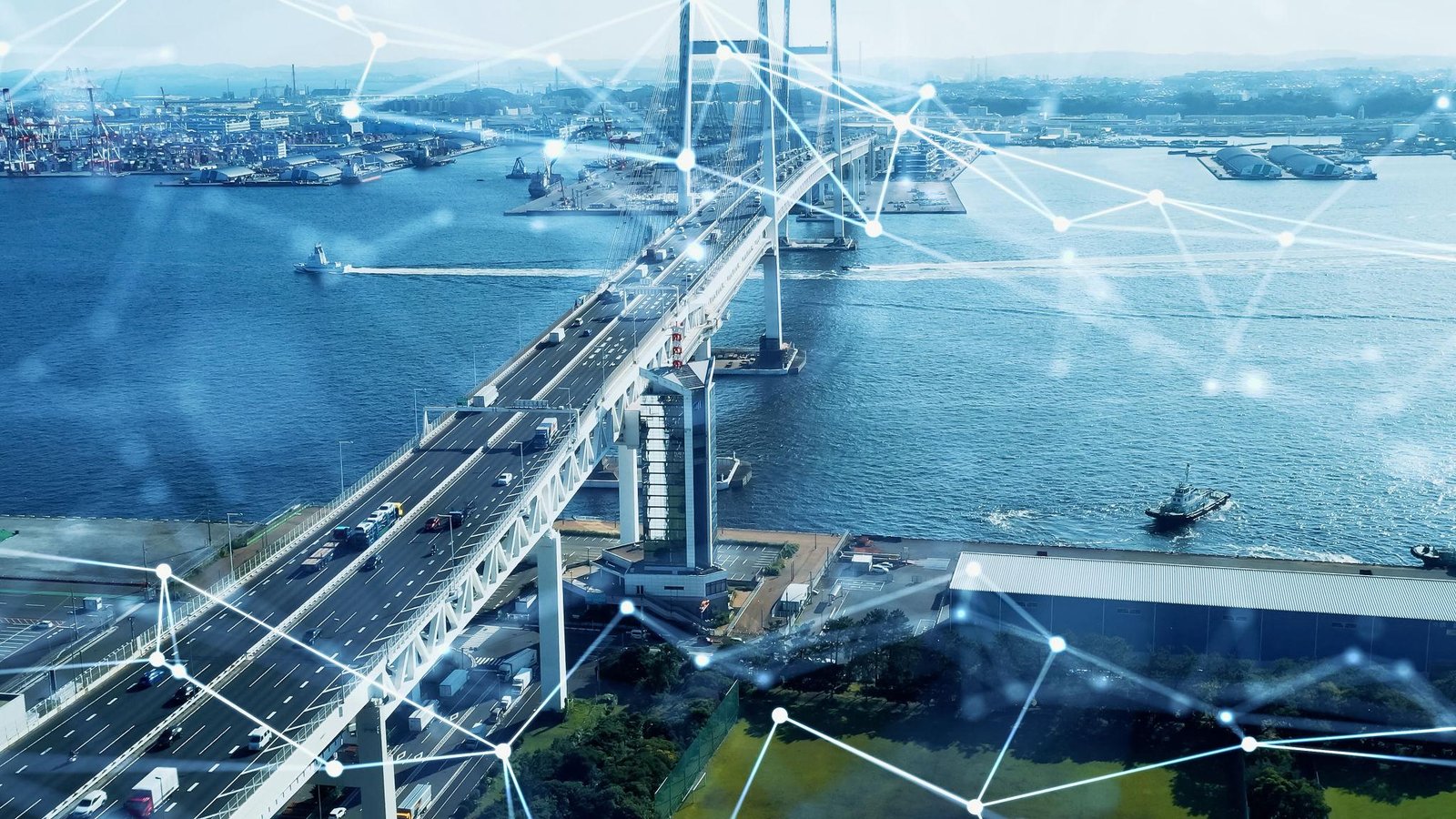
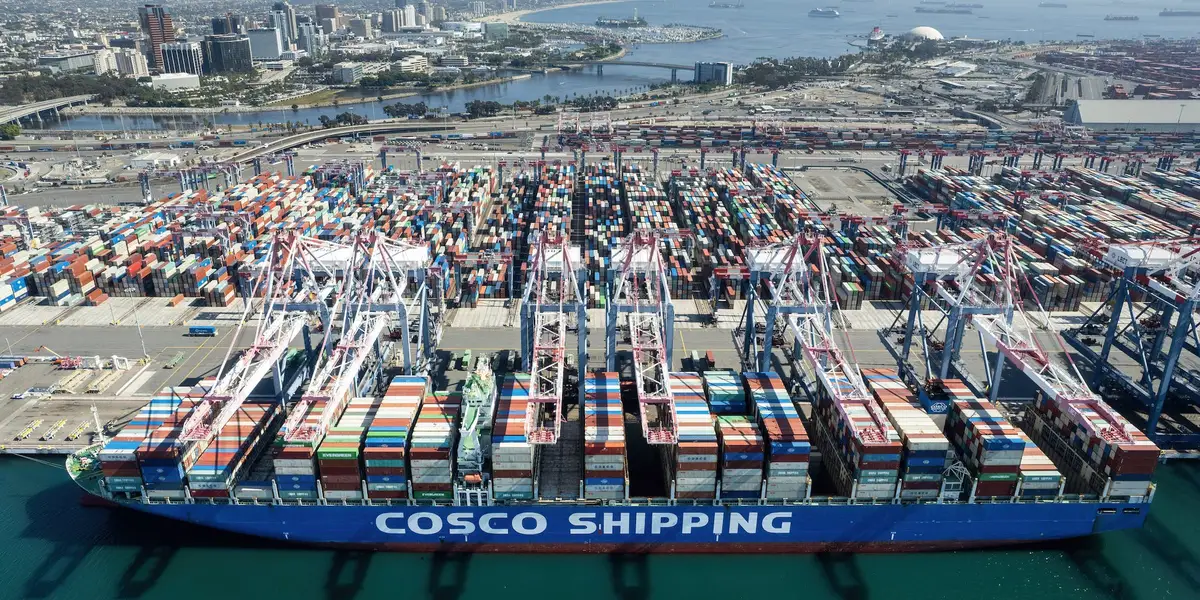
War often affects key shipping routes and transport networks.
Major impacts:
- Closure of important sea routes
- Delays at ports and borders
- Increased shipping times and costs
For example, conflicts near strategic waterways can block or slow global trade, affecting multiple industries.
Energy Supply Shocks
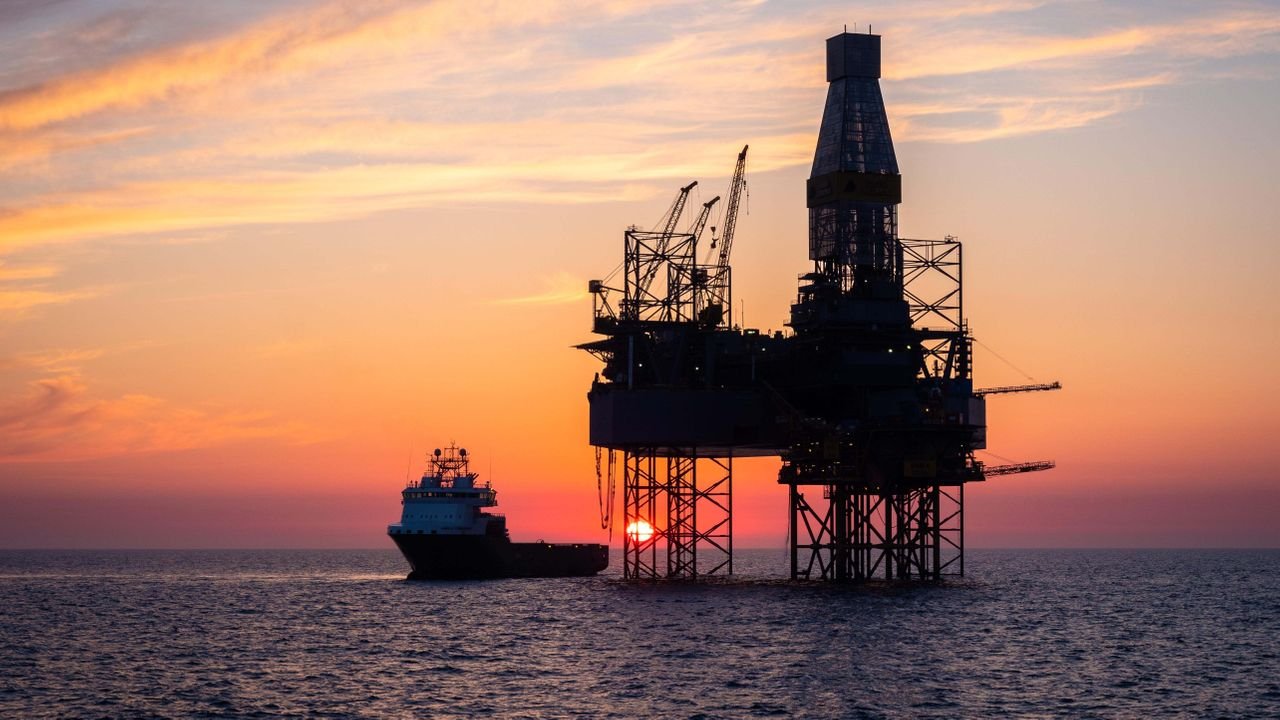
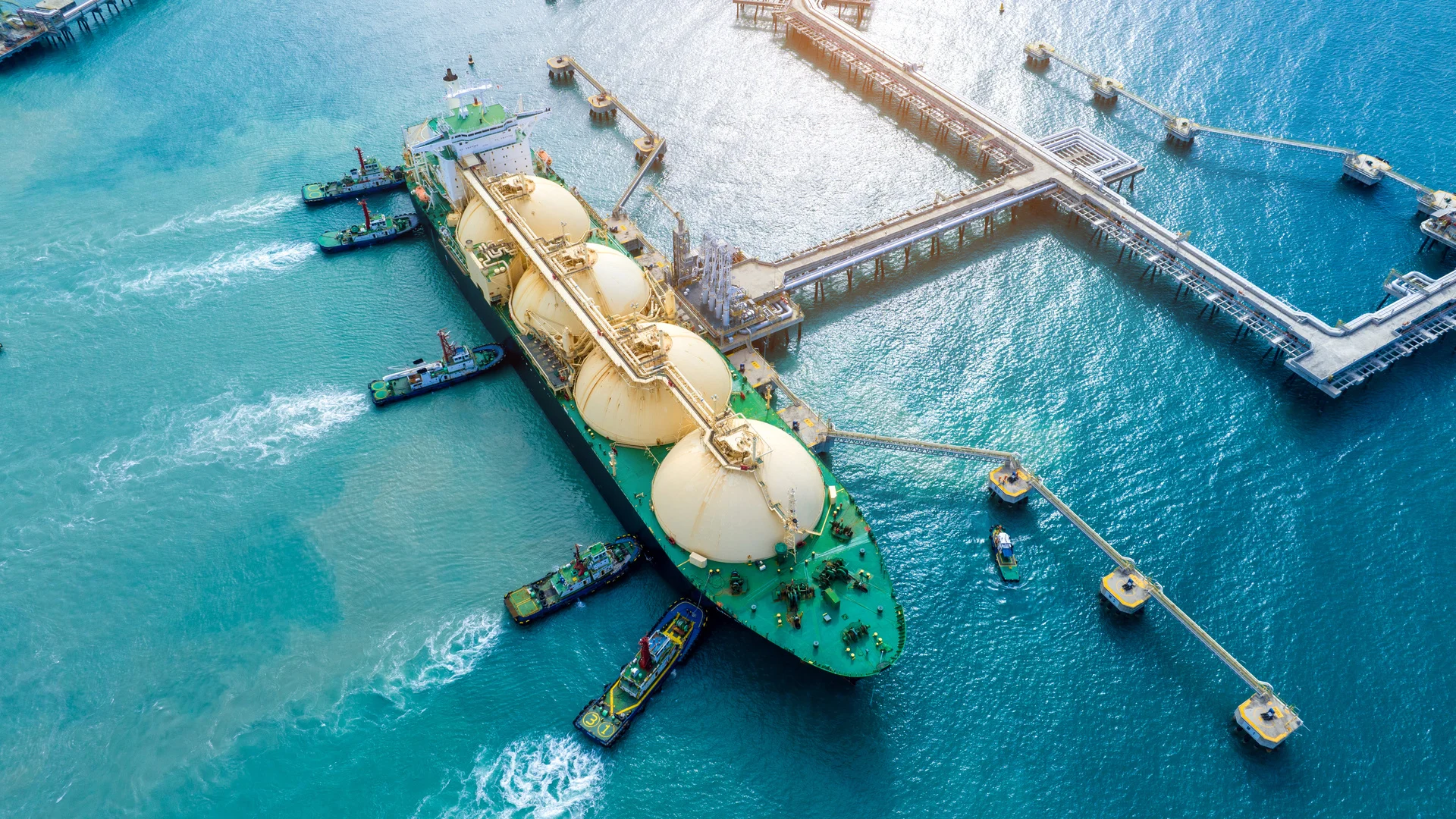
Energy is a critical part of supply chains. Wars involving oil or gas-producing regions can create global shortages.
Effects include:
- Rising fuel prices
- Increased transportation costs
- Higher production expenses for companies
This leads to inflation across many sectors worldwide.
Shortage of Raw Materials
Many countries depend on imports for essential raw materials. War can disrupt these supplies.
Common shortages:
- Metals and minerals
- Agricultural products
- Industrial components
This affects industries like manufacturing, construction, and food production.
Manufacturing Delays
Factories rely on steady supplies of parts and materials. When supply chains break, production slows down.
Key challenges:
- Lack of components
- Factory shutdowns
- Reduced output
This can impact everything from electronics to automobiles.
Rising Costs & Inflation
Supply chain disruptions increase costs at every level.
Why prices rise:
- Higher shipping and fuel costs
- Limited supply of goods
- Increased demand pressure
Consumers ultimately pay more for everyday products.
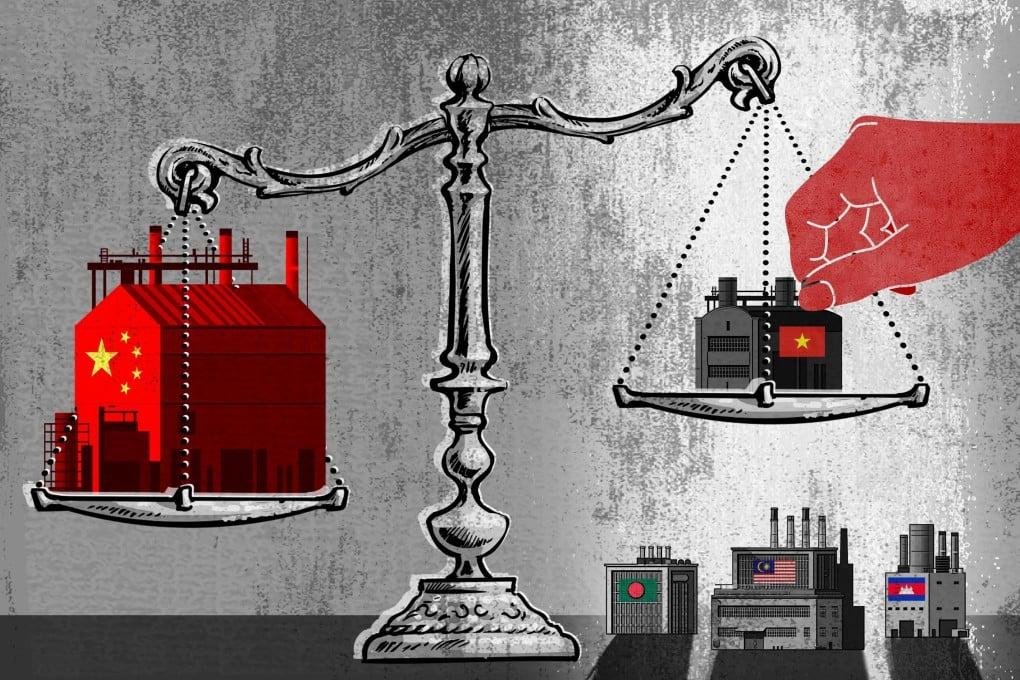
Shift in Global Trade Patterns
War forces countries to find alternative suppliers and routes.
Long-term changes:
- New trade partnerships
- Regional supply chains instead of global ones
- Reduced dependence on certain countries
This can permanently reshape global trade networks.
Increased Focus on Supply Chain Security
Countries and companies are now prioritizing resilience.
New strategies:
- Diversifying suppliers
- Increasing local production
- Building запас inventories
This helps reduce risk during future conflicts.
Key Takeaways
- War disrupts transportation and trade routes
- Energy shortages increase global costs
- Supply chain breakdowns cause inflation
- Businesses shift to more secure and local supply systems