


The Role of Oil and Gas in Modern Conflicts
Introduction
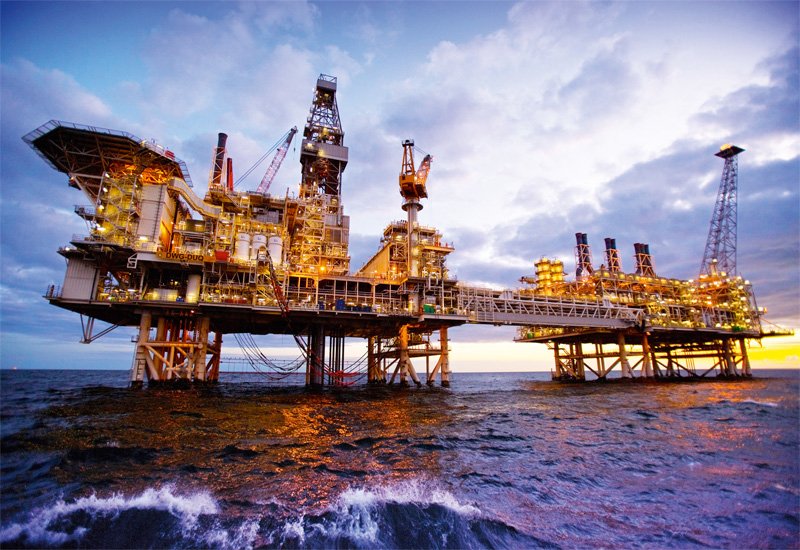
Oil and natural gas are among the most important resources in the modern global economy. These energy sources power transportation systems, generate electricity, support industrial production, and influence global trade.
Because of their strategic importance, oil and gas have often played a major role in geopolitical tensions and modern conflicts. Countries compete to secure energy supplies, control transportation routes, and maintain influence over global energy markets.
Understanding the role of oil and gas in modern conflicts helps explain why energy-rich regions often become strategically important in global politics.
Why Oil and Gas Are Strategically Important
Oil and gas are critical to modern economies because they provide energy for many essential activities.
Key Reasons Energy Resources Are Strategic
-
Power transportation systems such as cars, trucks, ships, and airplanes
-
Fuel industrial production and manufacturing
-
Generate electricity in many countries
-
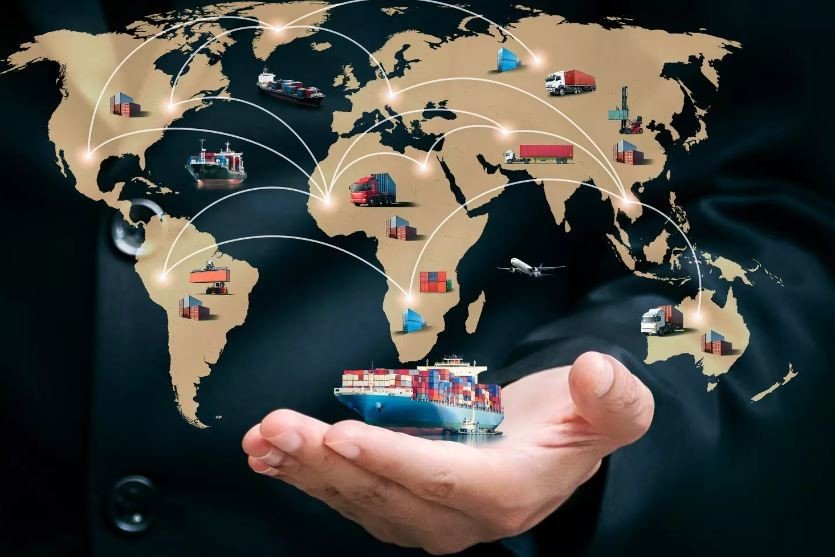
Support global trade and logistics networks
Because global demand for energy remains high, controlling these resources can provide major economic and political advantages.
Energy Resources and Geopolitical Influence
Countries with large oil and gas reserves often gain significant geopolitical influence.
Examples of Energy Influence
-
Energy exporters can affect global supply and prices
-
Energy resources can strengthen diplomatic relationships
-
Control over resources can increase economic power
For example, countries rich in energy resources often play an important role in global economic and political discussions.
Strategic Energy Transport Routes
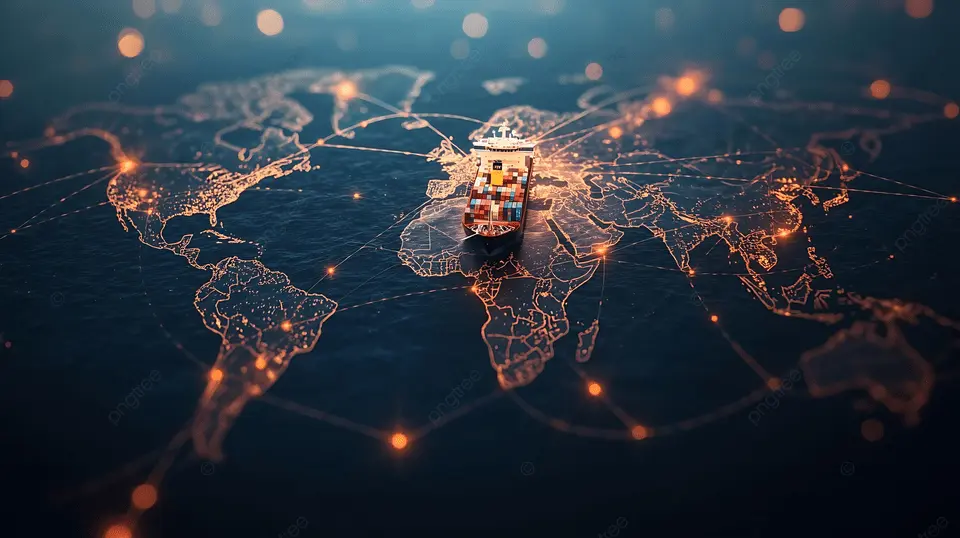
In addition to energy reserves, transportation routes are also strategically important.
Important Energy Transport Routes
-
Strait of Hormuz
-
Suez Canal
-
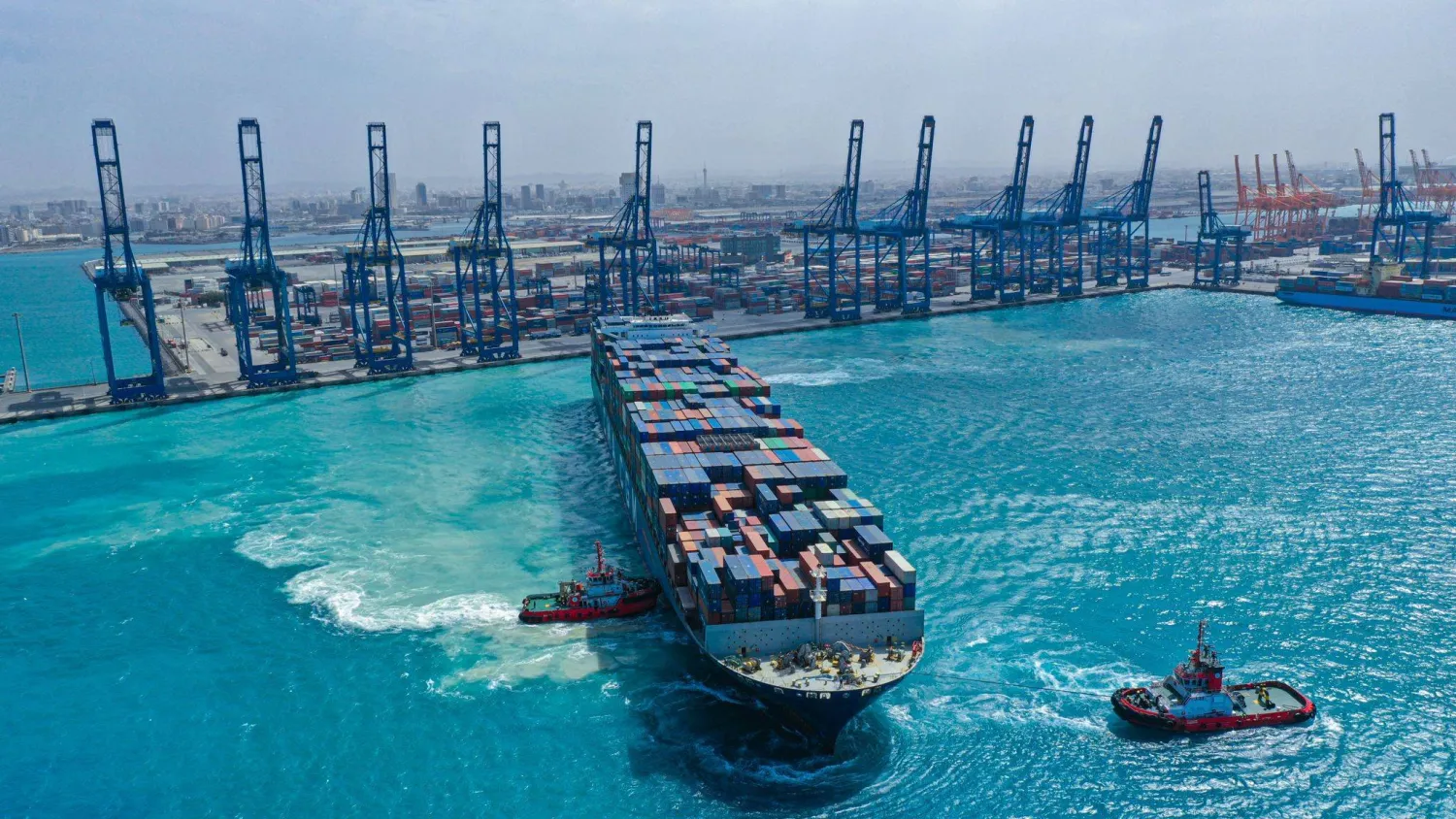
Major global oil shipping lanes
-
Cross-border gas pipelines
Disruptions to these routes can affect global energy supply and prices.
Economic Impact of Energy Conflicts
Conflicts involving energy resources can influence the global economy.
Possible Economic Effects
-
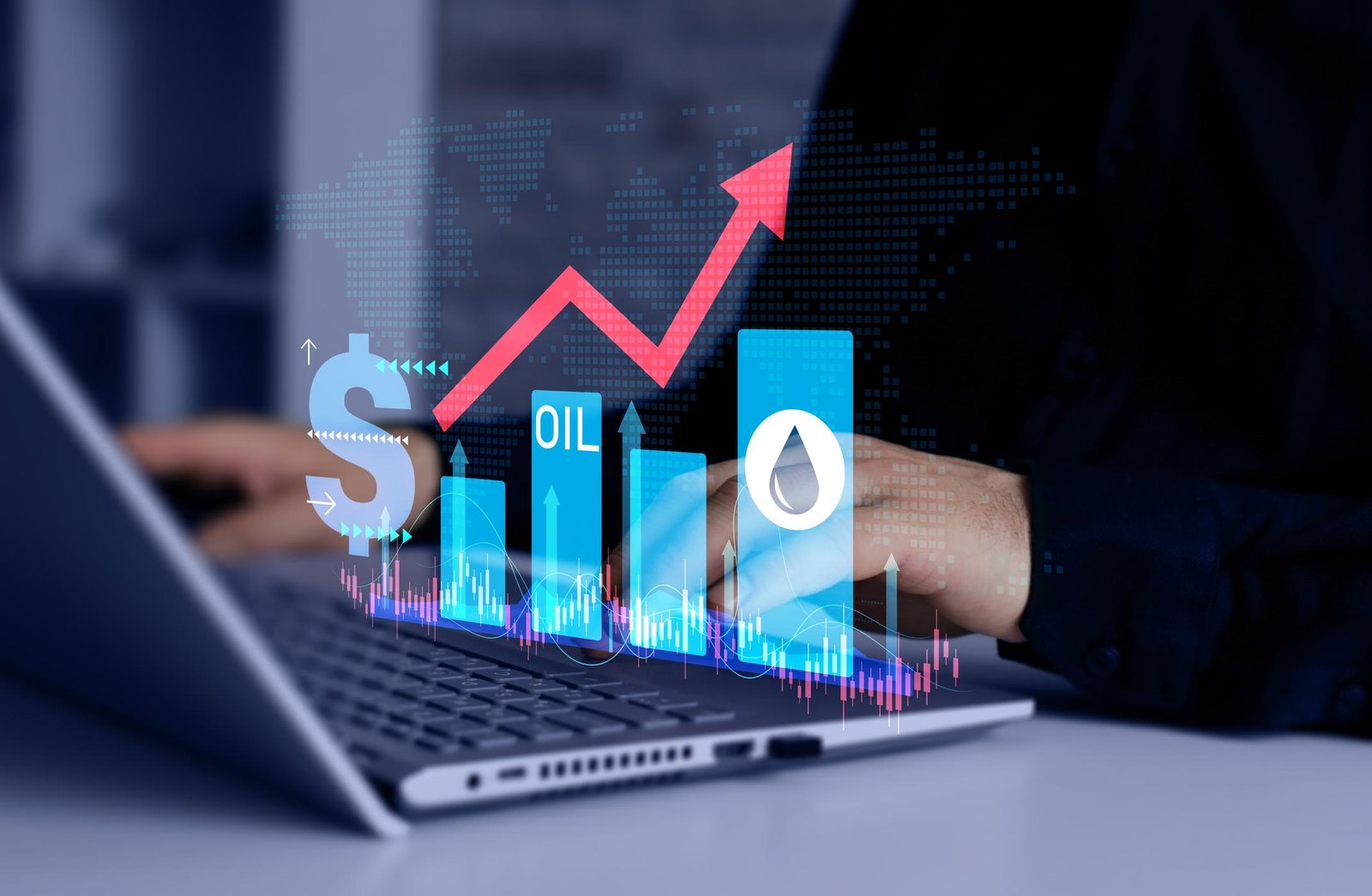
Rising oil and gas prices
-
Higher transportation and production costs
-
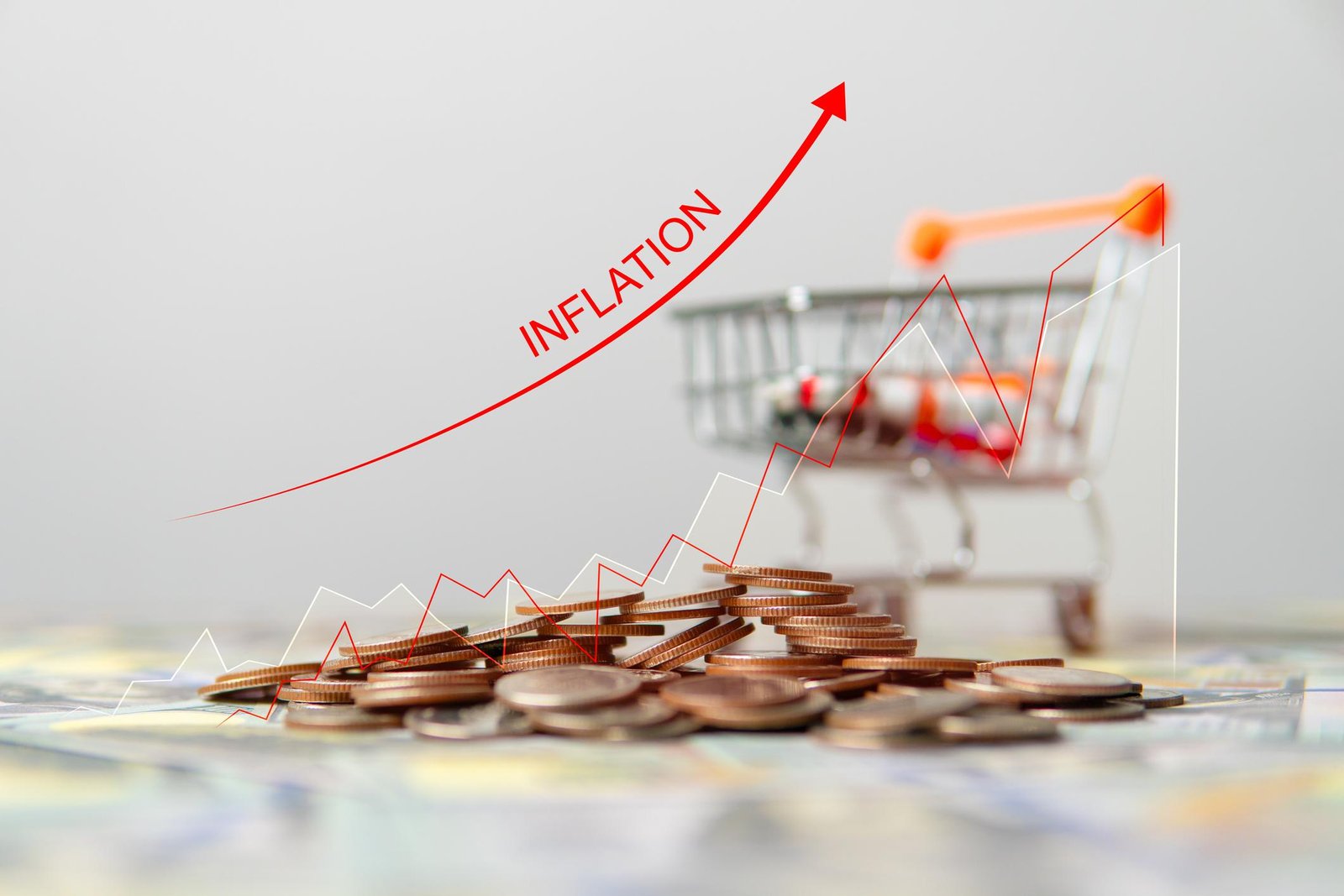
Inflation in consumer goods and services
-
Increased volatility in financial markets
Energy price fluctuations often have widespread economic consequences.
Energy Security and National Policy
Many countries prioritize energy security as part of their national strategy.
Energy Security Strategies
-
Building strategic petroleum reserves
-
Diversifying energy suppliers
-
Investing in renewable energy
-
Expanding domestic energy production
These strategies help reduce dependence on external energy sources.
The Transition Toward Renewable Energy
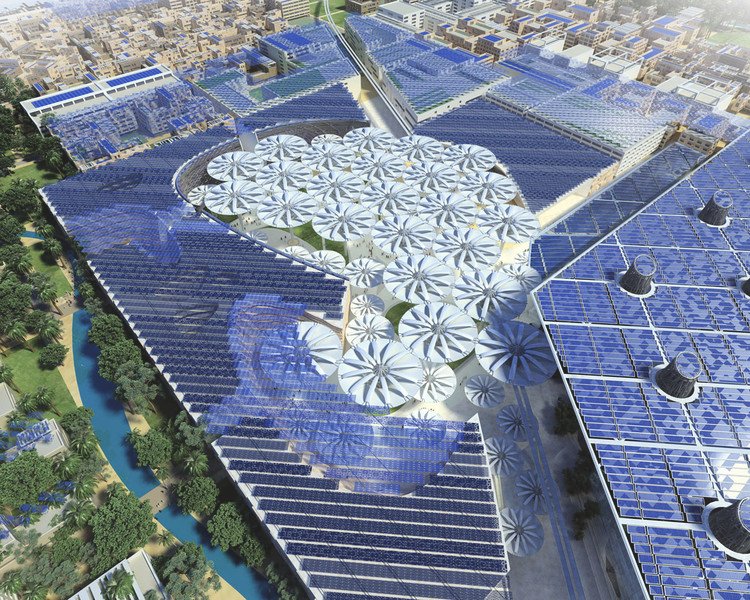
As global energy systems evolve, many countries are investing in renewable energy.
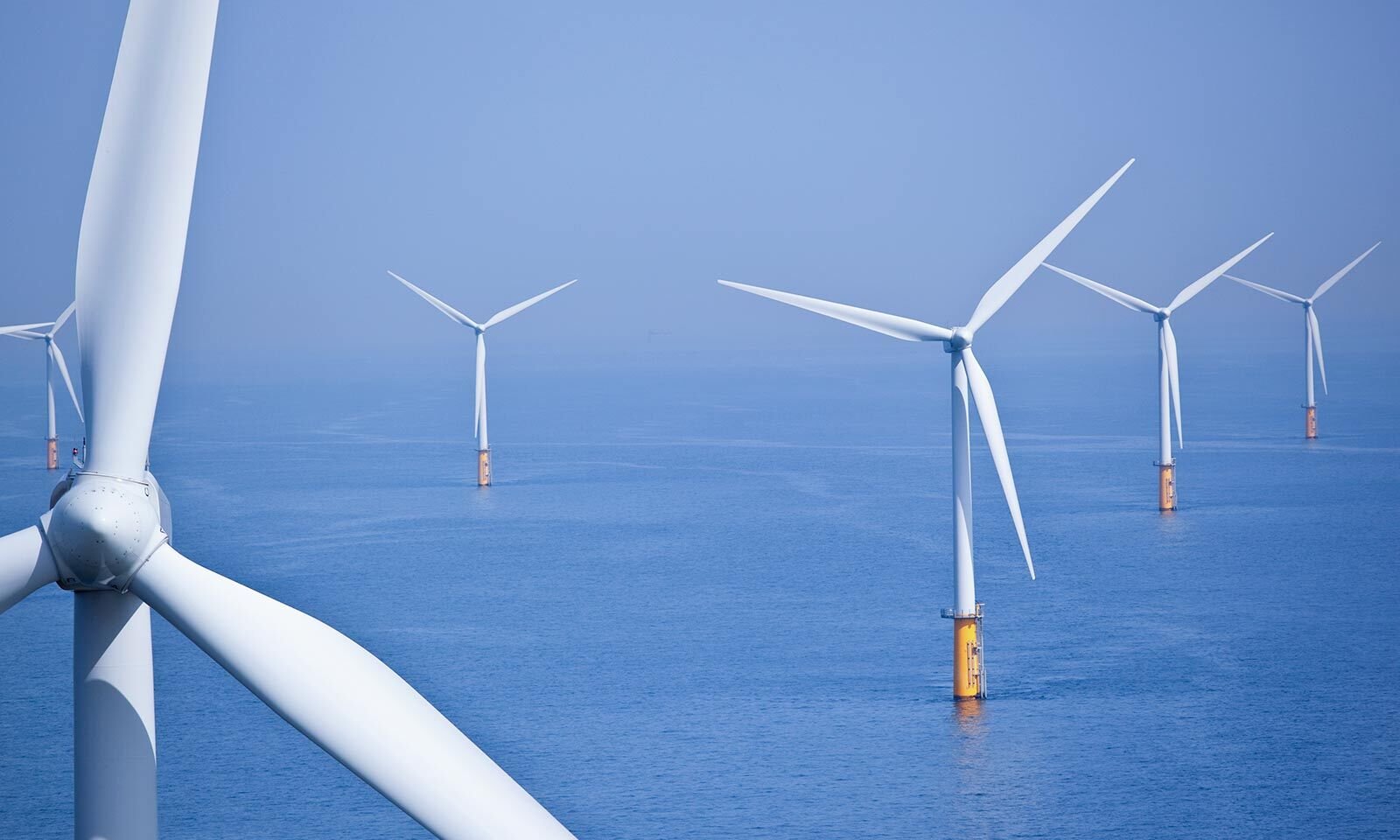
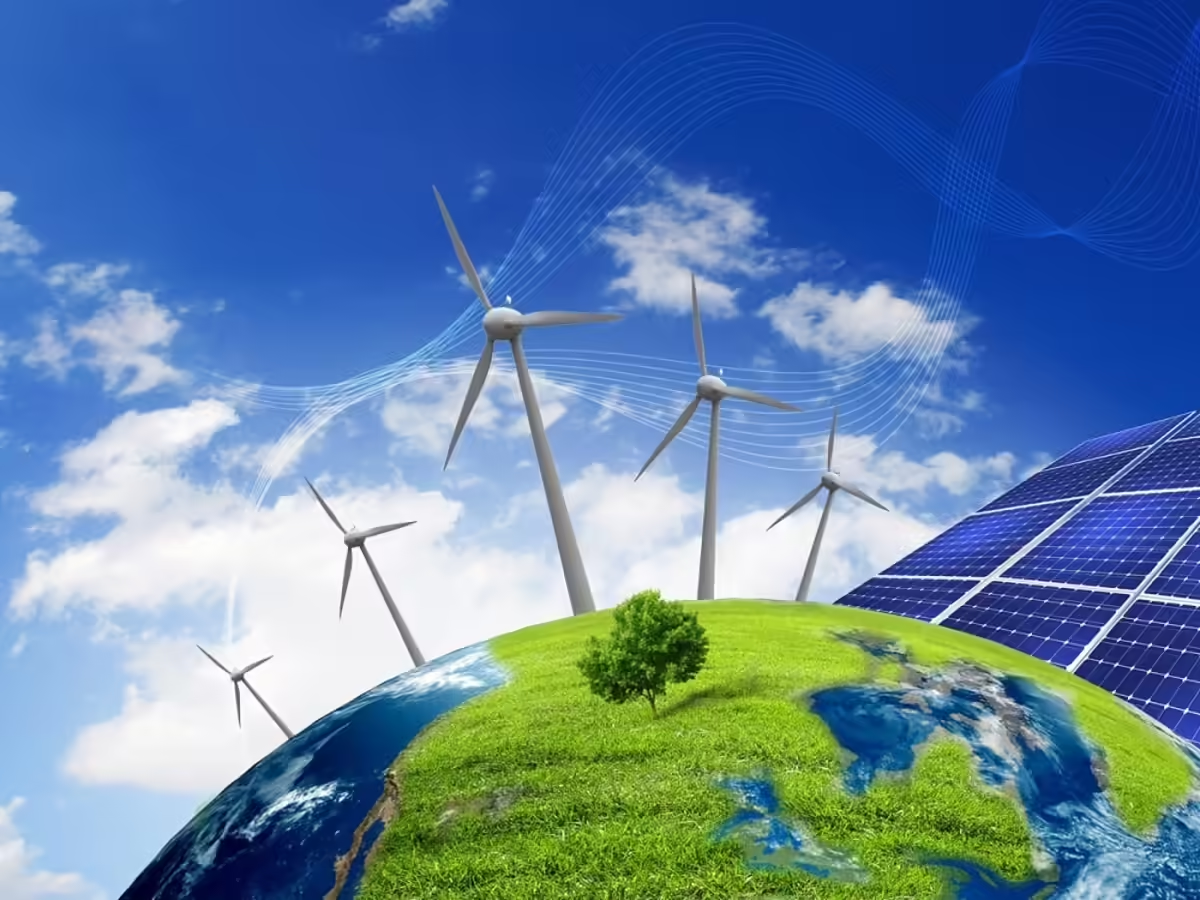
Renewable sources such as solar, wind, and hydroelectric power may reduce dependence on oil and gas in the long term. However, fossil fuels are expected to remain an important part of the global energy mix for many years.
Frequently Asked Questions (FAQ)
Why are oil and gas important in conflicts?
Oil and gas are essential energy resources that support transportation, industry, and economic development. Control over these resources can provide economic and strategic advantages.
How do energy conflicts affect global prices?
Disruptions in supply or transportation routes can cause oil and gas prices to rise, affecting global markets.
What is energy security?
Energy security refers to a country’s ability to maintain reliable and affordable energy supplies.
Can renewable energy reduce energy-related conflicts?
Expanding renewable energy may reduce dependence on fossil fuels and lower geopolitical competition for energy resources.