


How War Affects Oil Prices and Global Inflation
Introduction
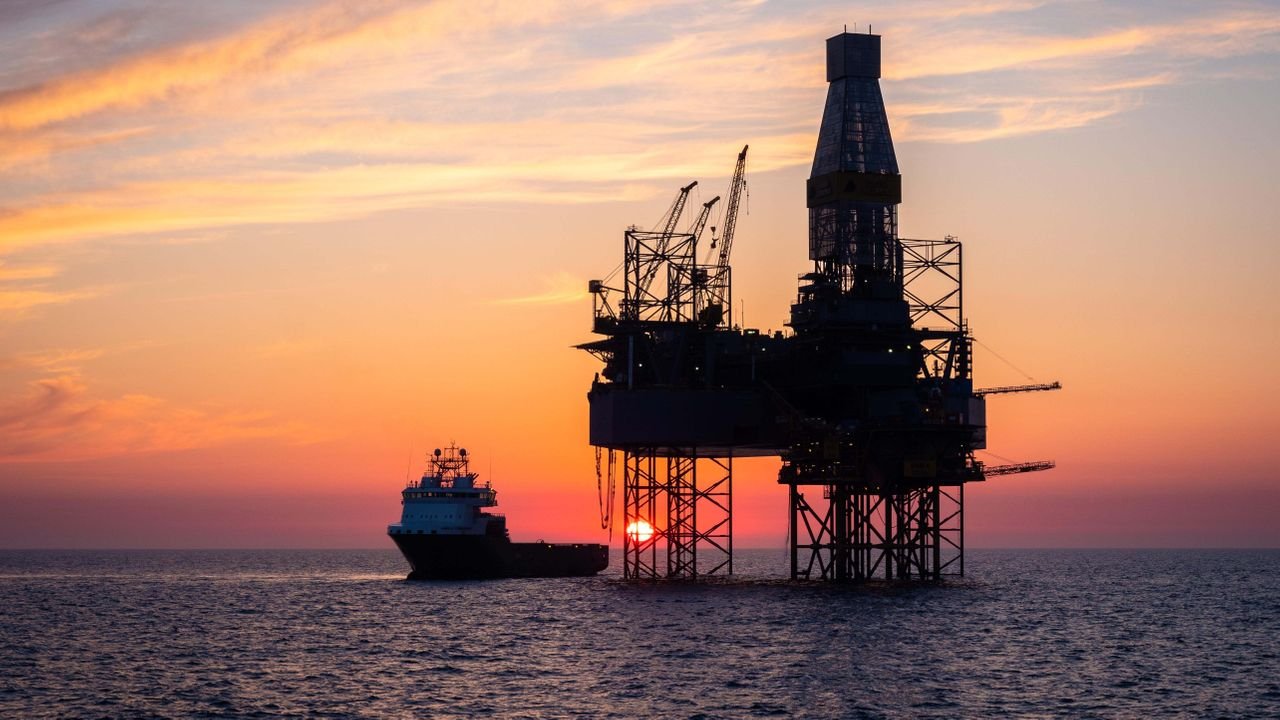
Oil is one of the most important resources in the global economy. It powers transportation, fuels industries, and influences the cost of many everyday products. Because of its importance, any disruption in oil supply can quickly affect global markets.
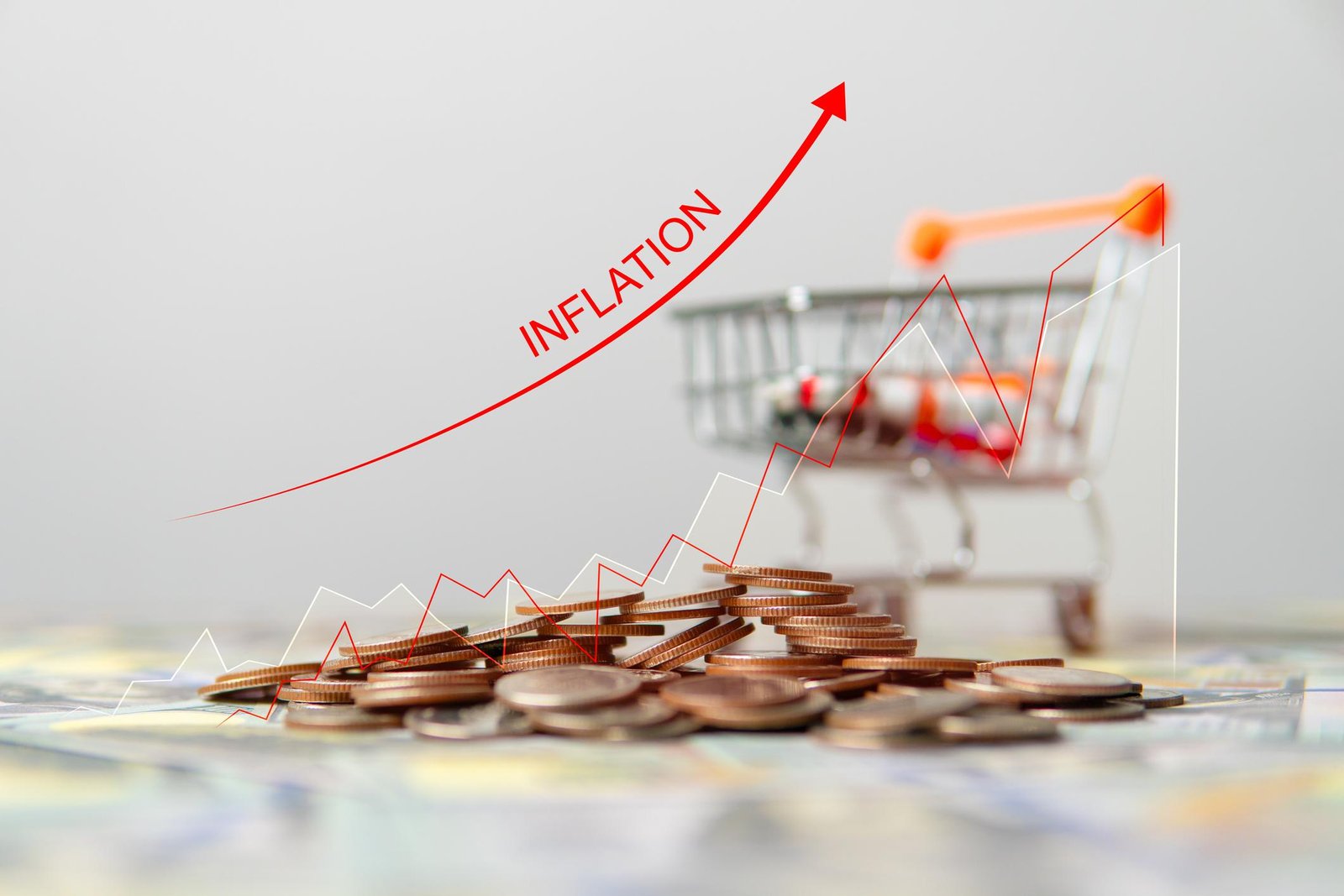
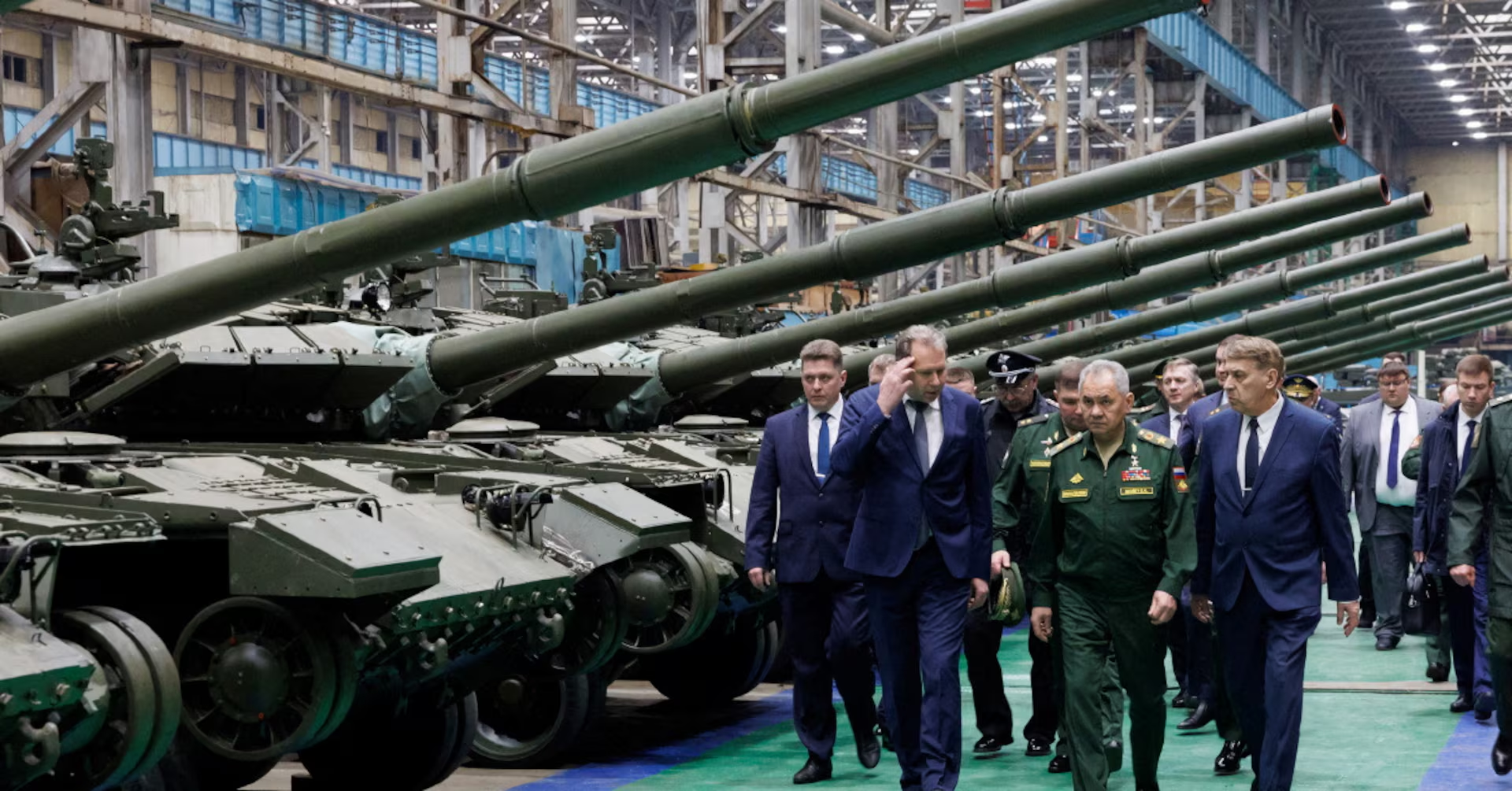
Wars and geopolitical conflicts often take place in regions that produce or transport large amounts of oil. When conflict threatens oil supply, prices usually rise. These price increases can lead to higher transportation costs, more expensive goods, and rising inflation around the world.
Understanding how war affects oil prices and global inflation helps explain many economic changes during times of geopolitical tension.
Why Oil Prices React Quickly to War
Oil markets are extremely sensitive to geopolitical events. Even the possibility of war can cause oil prices to increase.
Reasons Oil Prices Rise During War
-
Disruption of oil production in conflict regions
-
Damage to pipelines and infrastructure
-
Sanctions on oil-exporting countries
-
Fear of supply shortages
Because global demand for oil remains high, even small supply disruptions can push prices upward.
Major Oil-Producing Regions and Conflict Risks
Many of the world’s largest oil reserves are located in politically sensitive regions.
Important Oil-Producing Regions
-
Middle East
-
Russia and Eastern Europe
-
North Africa
-
North America
When conflicts occur in these regions, global energy markets can react quickly because they supply a large share of the world’s oil.
How Higher Oil Prices Cause Inflation
When oil prices increase, inflation often rises across the global economy.
Key Ways Oil Prices Affect Inflation
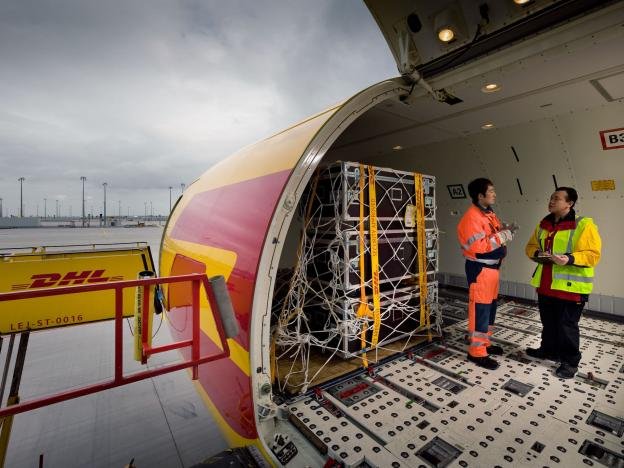
Transportation costs increase
Shipping goods becomes more expensive when fuel prices rise.
Manufacturing costs rise
Many industries rely on oil and energy for production.
Food prices increase
Agriculture and food distribution depend on fuel for machinery and transportation.
Consumer prices go up
Businesses pass higher costs to customers.
This chain reaction can lead to widespread inflation across multiple sectors.
Impact on Global Financial Markets
Rising oil prices during war can also affect financial markets.
Market Effects
-
Energy company stocks may rise
-
Transportation companies may face higher costs
-
Stock market volatility may increase
-
Investors may shift toward energy-related assets
Financial markets closely watch oil price movements because they influence the overall economy.
Historical Examples of War Impacting Oil Prices
Several historical conflicts have caused significant oil price spikes.
Examples
1970s Oil Crisis
Political tensions in the Middle East led to major supply disruptions and global inflation.
Gulf War (1990–1991)
The invasion of Kuwait affected oil production and caused prices to surge.
Recent Geopolitical Conflicts
Modern conflicts involving major energy producers have continued to influence global oil markets.
These events show how closely energy markets are connected to geopolitics.
How Governments Respond to Oil Price Shocks
Governments and central banks often take steps to control inflation when oil prices rise.
Common Responses
-
Releasing oil from strategic reserves
-
Increasing interest rates to control inflation
-
Encouraging domestic energy production
-
Promoting renewable energy development
These policies help stabilize markets and reduce economic pressure.
The Future of Energy and Geopolitics
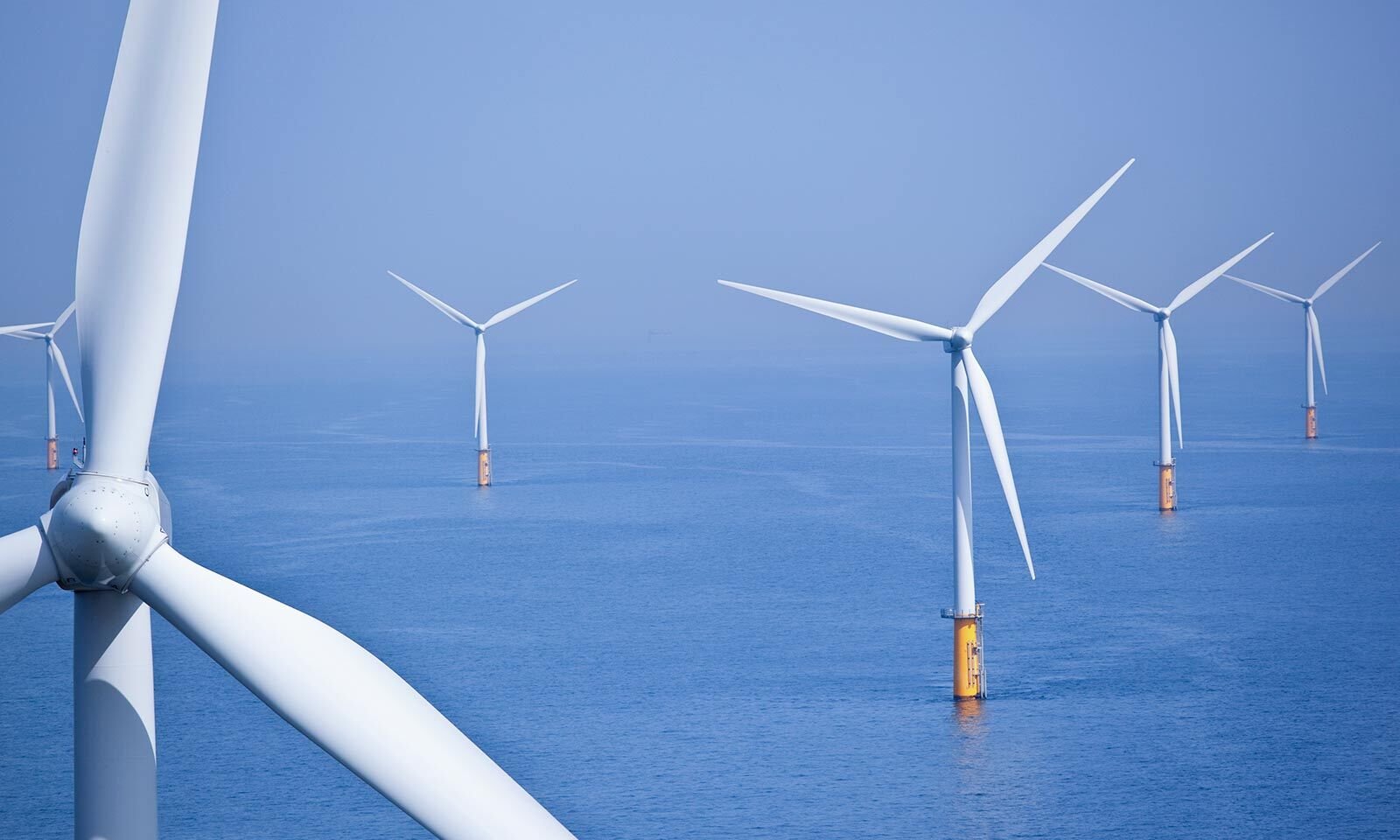
As countries transition toward renewable energy, the global economy may become less dependent on oil.
However, oil will likely remain a critical resource for many years. Geopolitical events will continue to influence energy markets and inflation in the near future.
Diversifying energy sources and investing in renewable technologies may help reduce economic risks related to energy supply disruptions.
Frequently Asked Questions (FAQ)
Why do oil prices rise during wars?
Wars can disrupt oil production, transportation, and supply chains, creating fear of shortages and pushing prices higher.
How do oil prices affect inflation?
Higher oil prices increase transportation, manufacturing, and energy costs, which can lead to higher consumer prices.
Which industries are most affected by rising oil prices?
Transportation, airlines, shipping, manufacturing, and agriculture are often strongly affected.
Can renewable energy reduce the impact of oil price shocks?
Yes. Expanding renewable energy sources can reduce dependence on oil and improve energy stability.