


Why Investors Move Money During War
Introduction
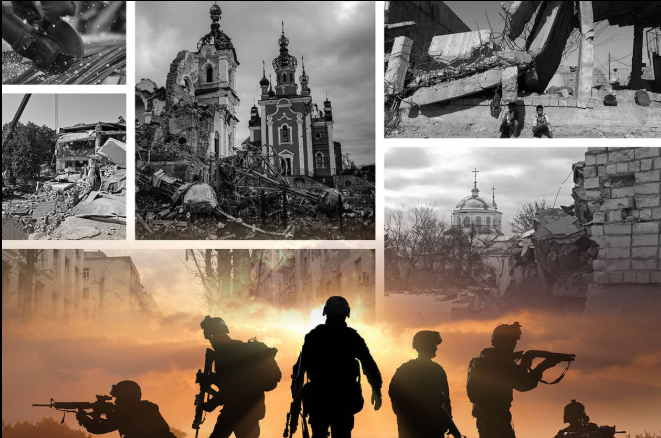
Wars and geopolitical conflicts create uncertainty in the global economy. During these periods, investors often move their money from risky assets to safer investments to protect their wealth. Financial markets react quickly to political instability, military tensions, and economic disruptions.
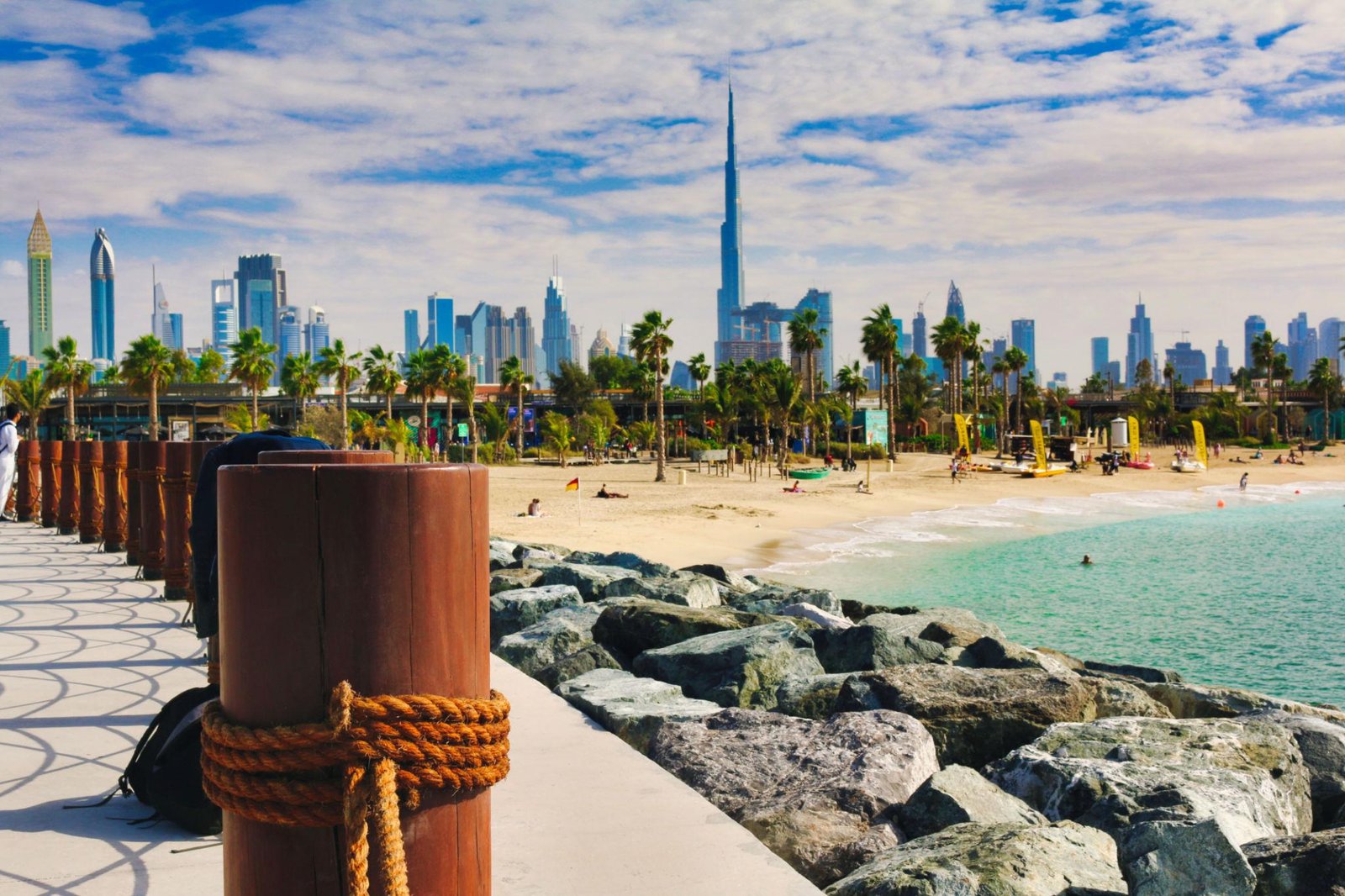
When war begins or tensions increase, investors become cautious. They may sell stocks, shift their investments to safer assets, or move funds into countries with more stable economies.
Understanding why investors move money during war helps explain market movements, currency changes, and shifts in global investment patterns.
Uncertainty and Market Fear
One of the biggest reasons investors move money during war is uncertainty.
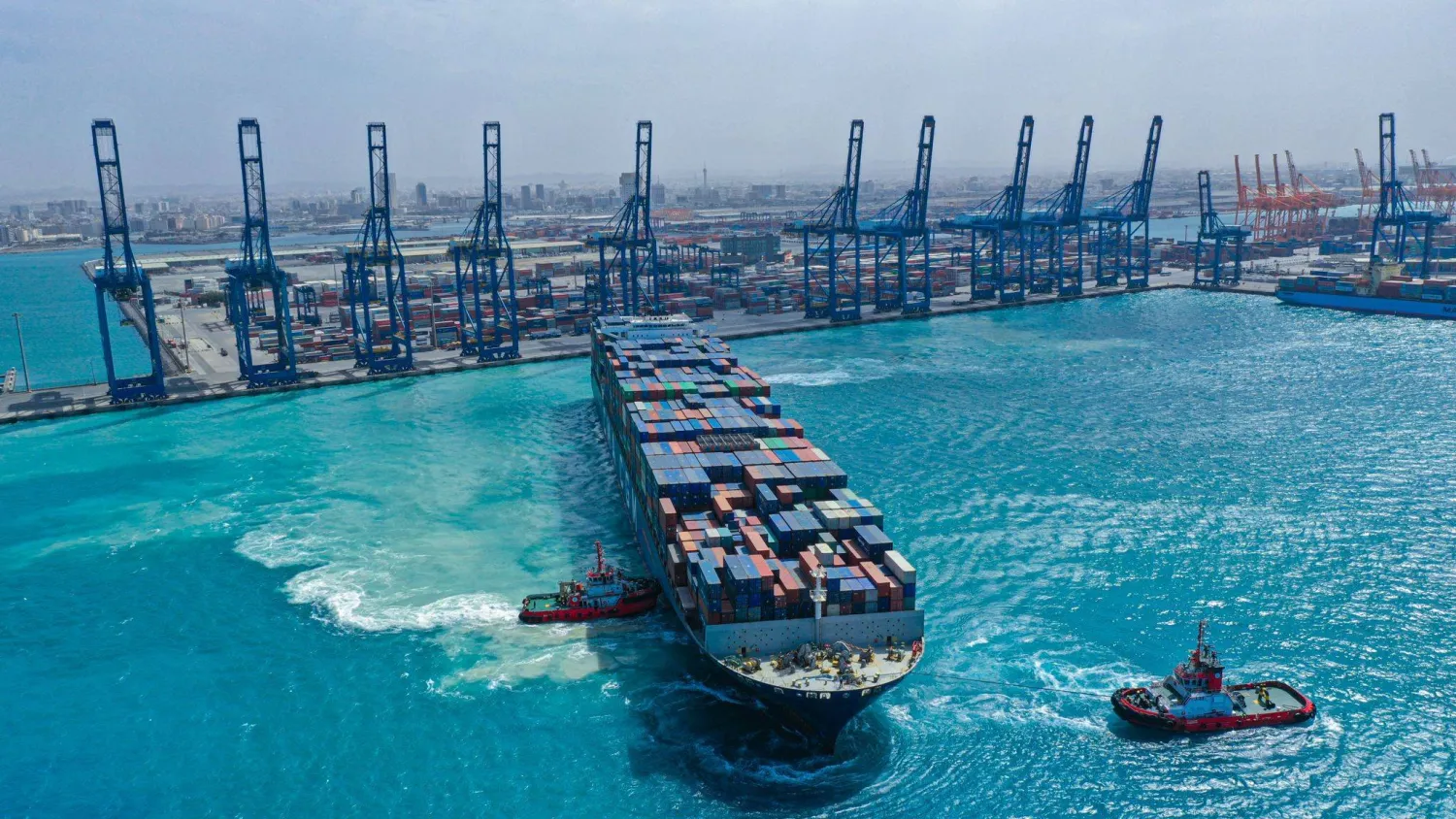
Wars can disrupt economies in many ways, including trade interruptions, supply chain problems, and political instability. Because the future becomes less predictable, investors try to reduce their exposure to risky investments.
Market Reactions to Uncertainty
-
Sudden stock market drops
-
Increased volatility in financial markets
-
Reduced investor confidence
-
Capital moving to safer countries or assets
When uncertainty rises, financial markets often become more unstable.
Shift Toward Safe-Haven Assets
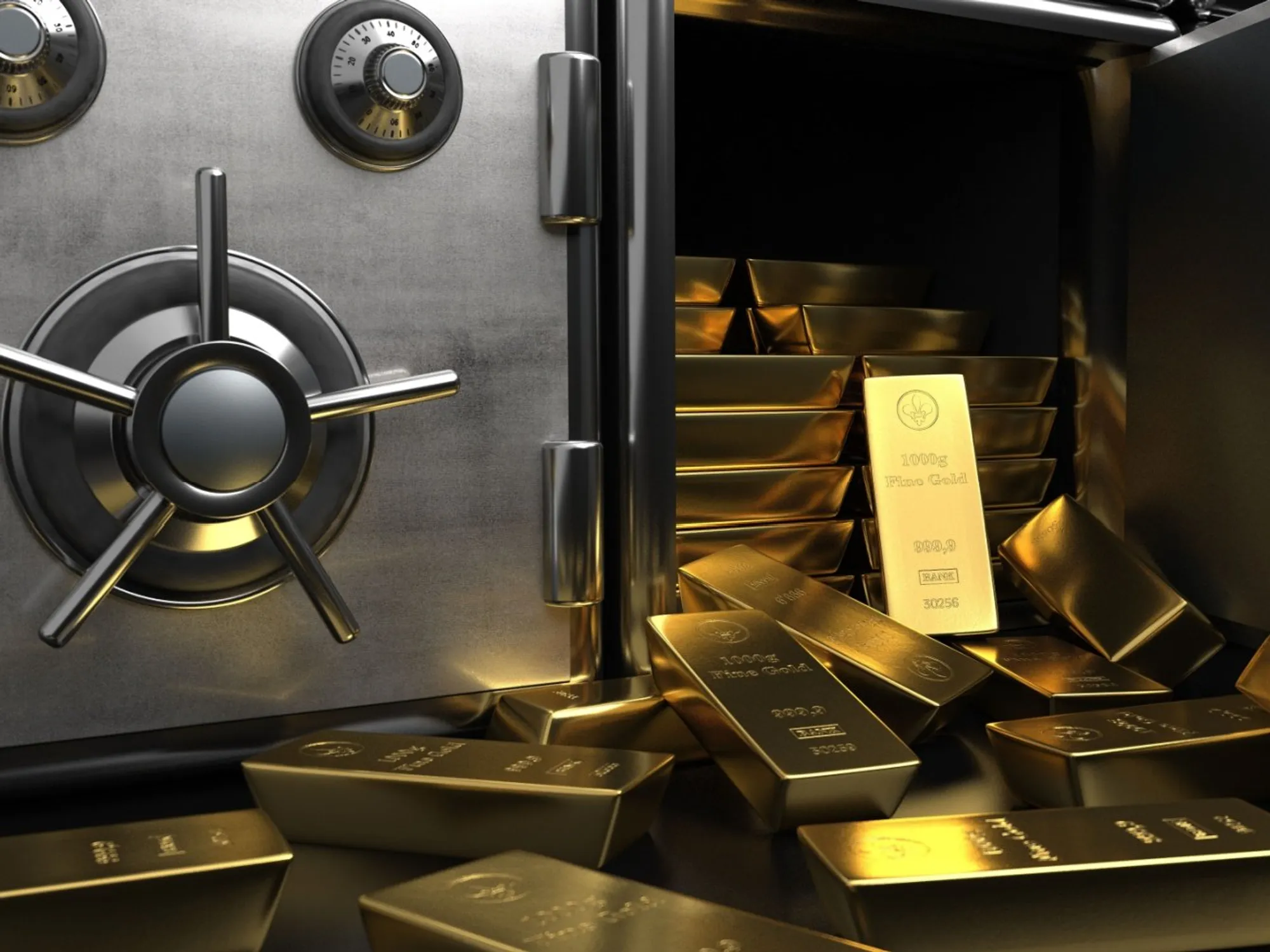
During war, investors often move money into safe-haven assets. These are investments that are considered more stable during periods of crisis.
Popular Safe-Haven Investments
-
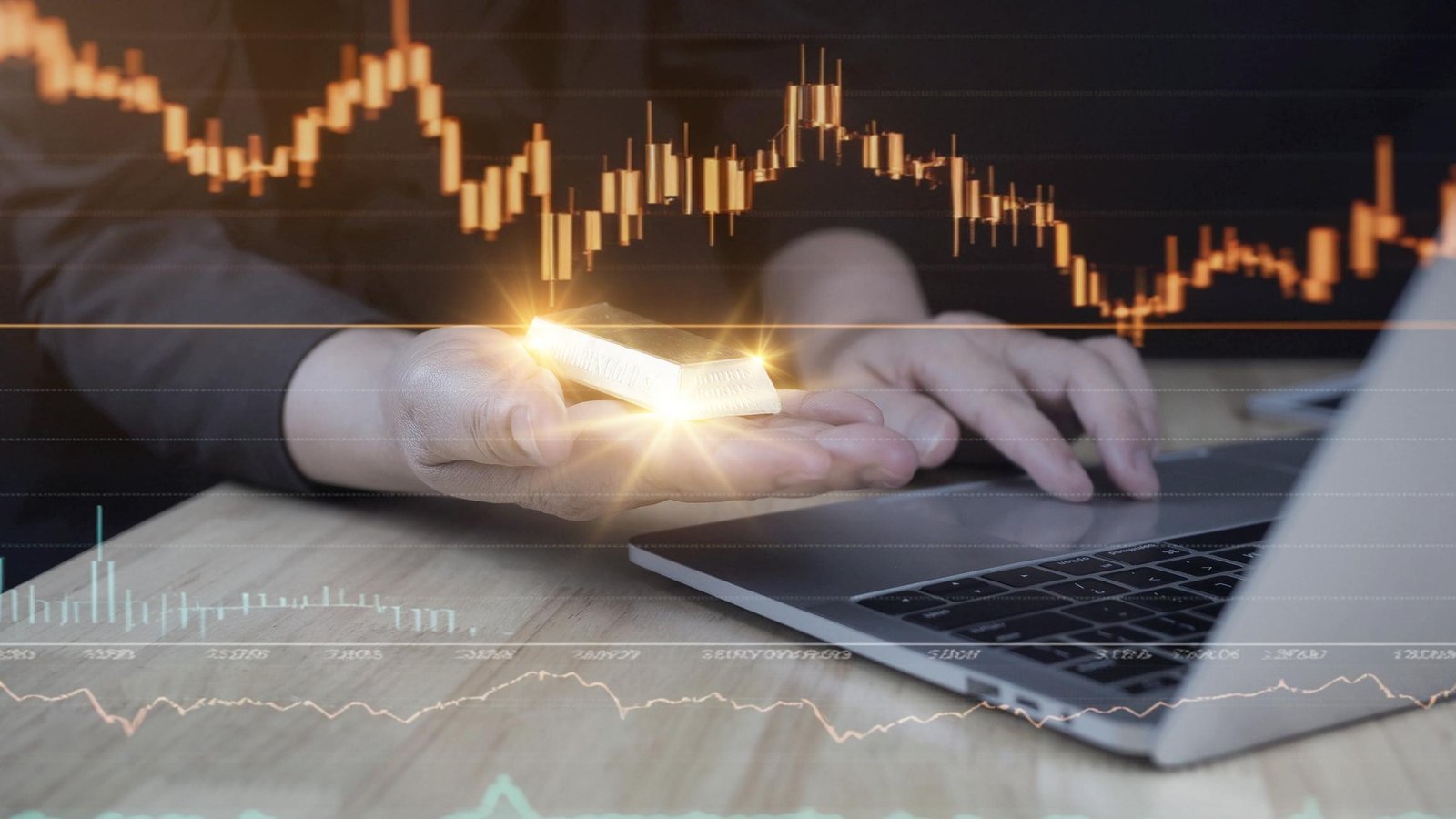
Gold and precious metals
-
Government bonds
-
Stable currencies
-
Defensive stocks
Gold, in particular, has historically been viewed as a reliable store of value during geopolitical crises.
Currency Movements During War
Wars can also cause significant changes in currency markets.
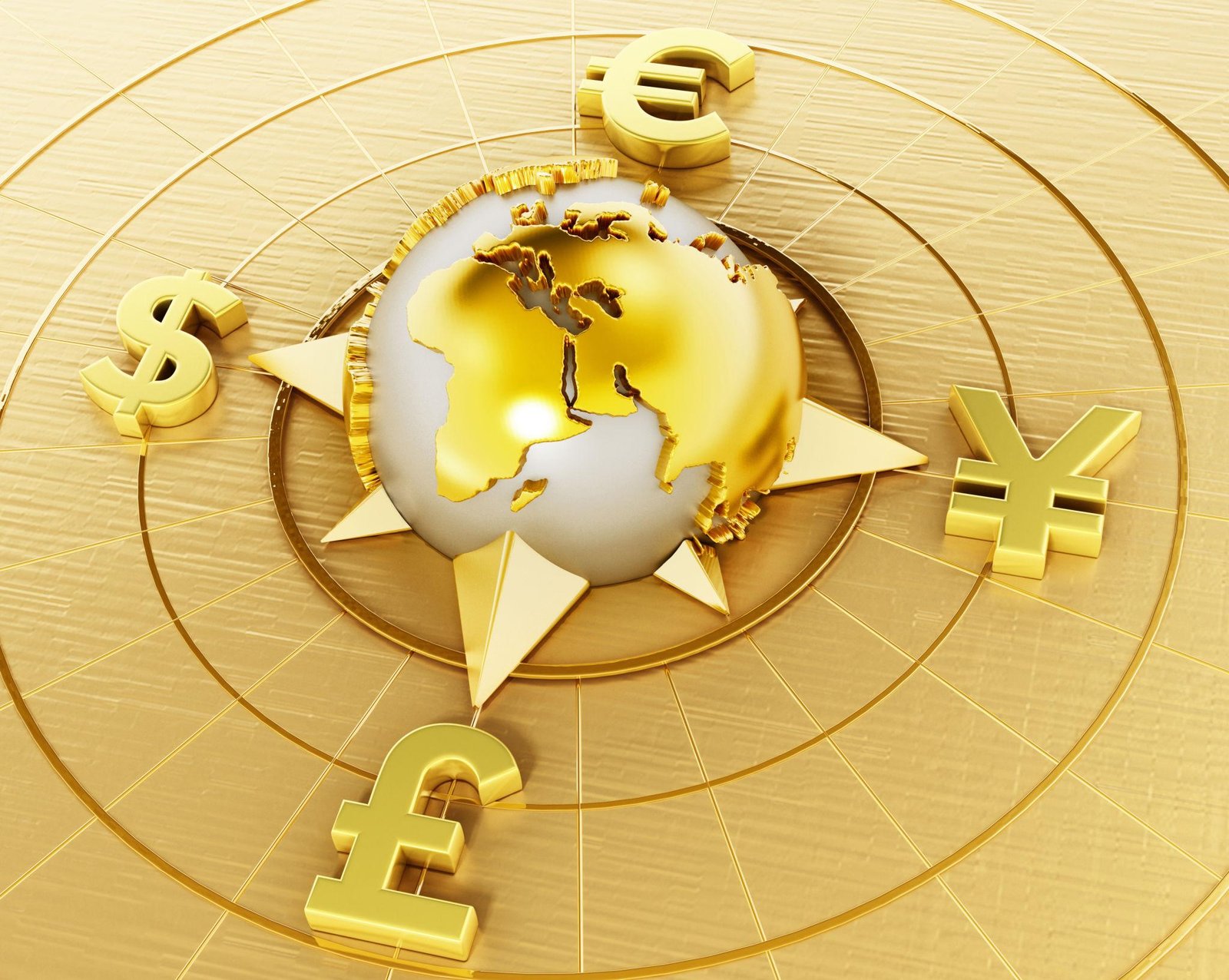
Investors may move their money into stronger or more stable currencies when global tensions increase.
Currencies Often Seen as Safe
-
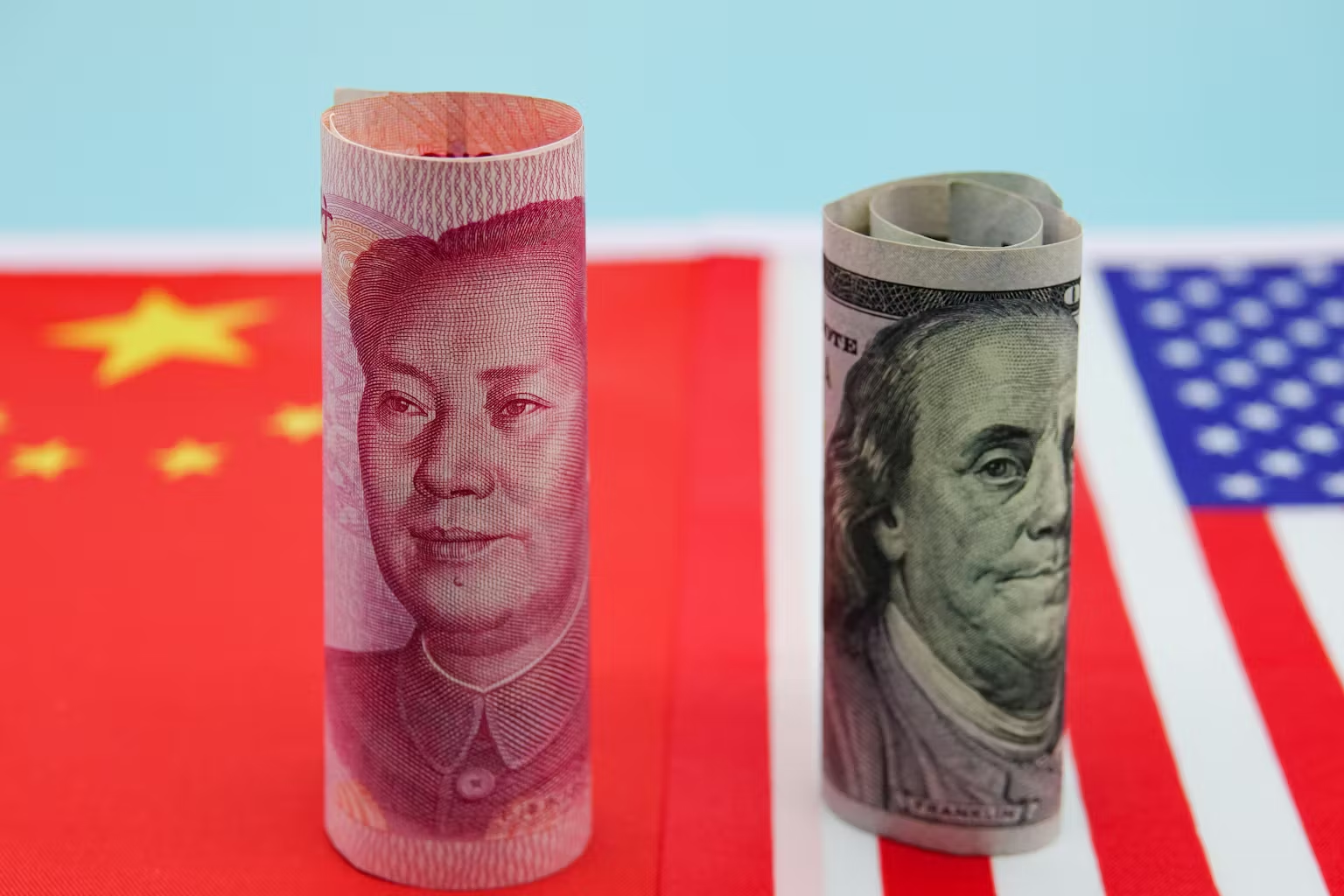
US Dollar
-
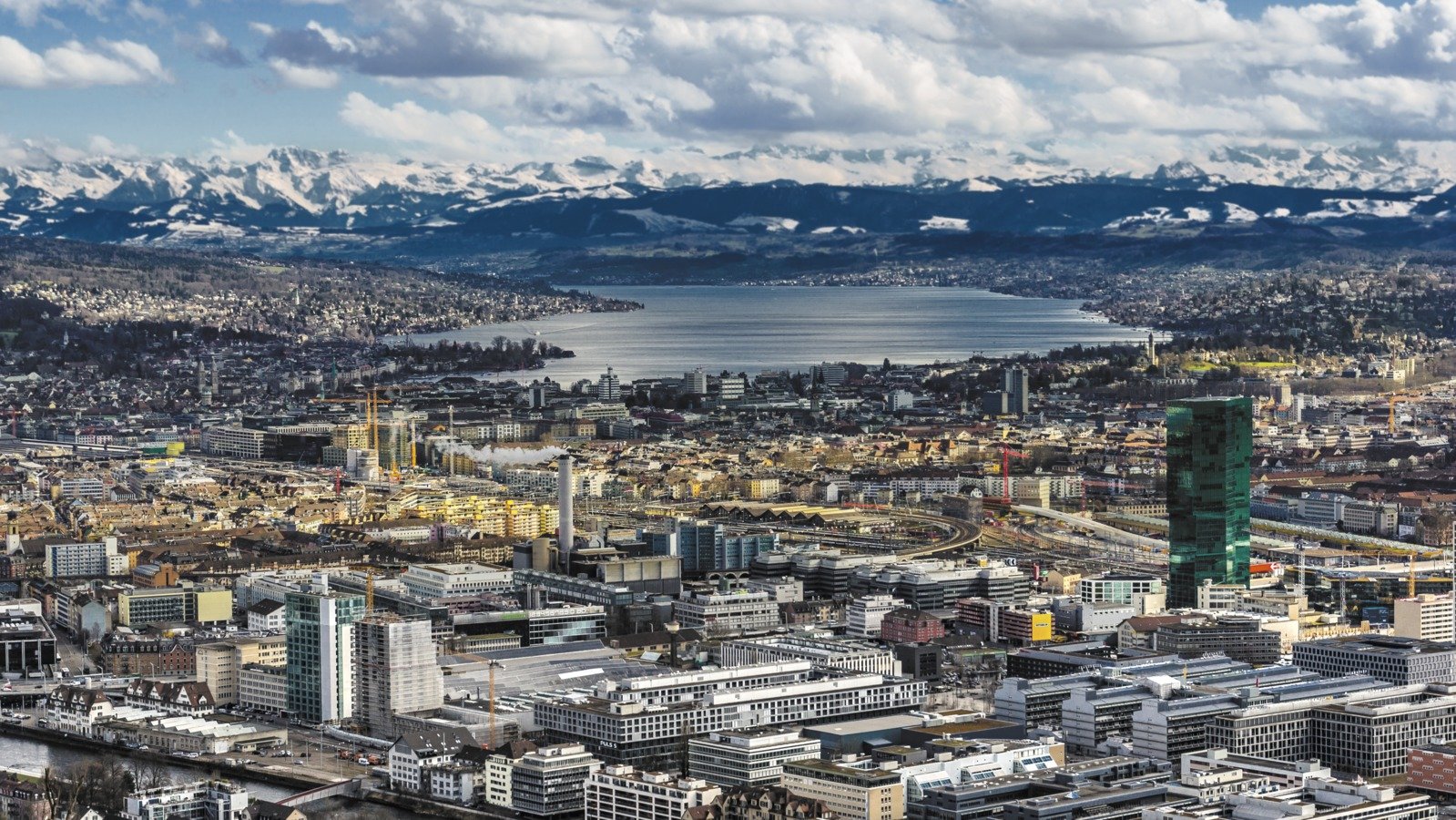
Swiss Franc
-
Japanese Yen
These currencies are usually supported by strong economies and stable financial systems.
Impact on Stock Markets
Stock markets are often highly sensitive to geopolitical conflicts.
Typical Market Effects
-
Rapid decline in stock prices
-
Increased market volatility
-
Investors selling risky assets
-
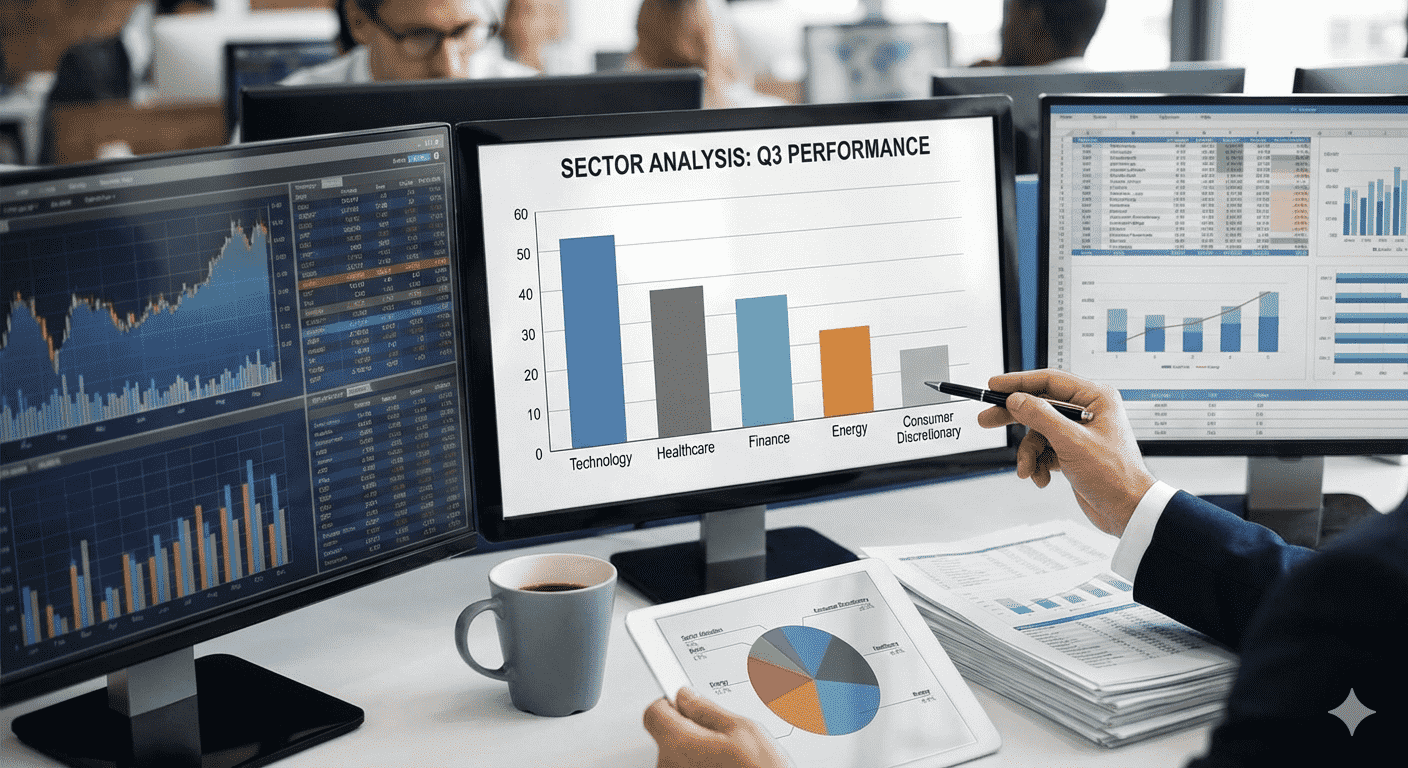
Shift toward defensive sectors
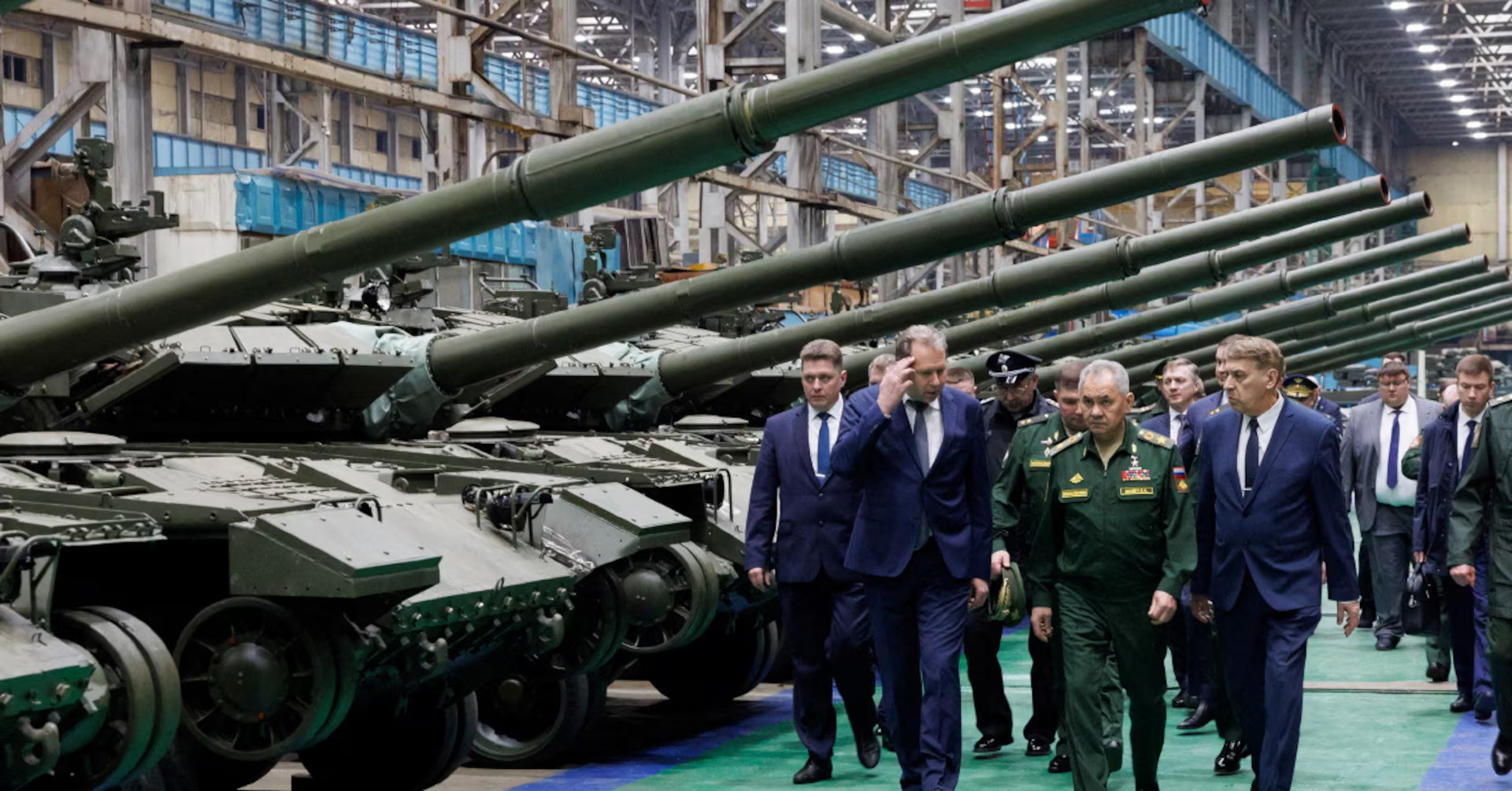
However, not all industries decline during wartime. Some sectors may actually benefit.
Industries That May Benefit During War
Certain industries may see increased demand during wartime.
Examples of War-Resilient Sectors
-
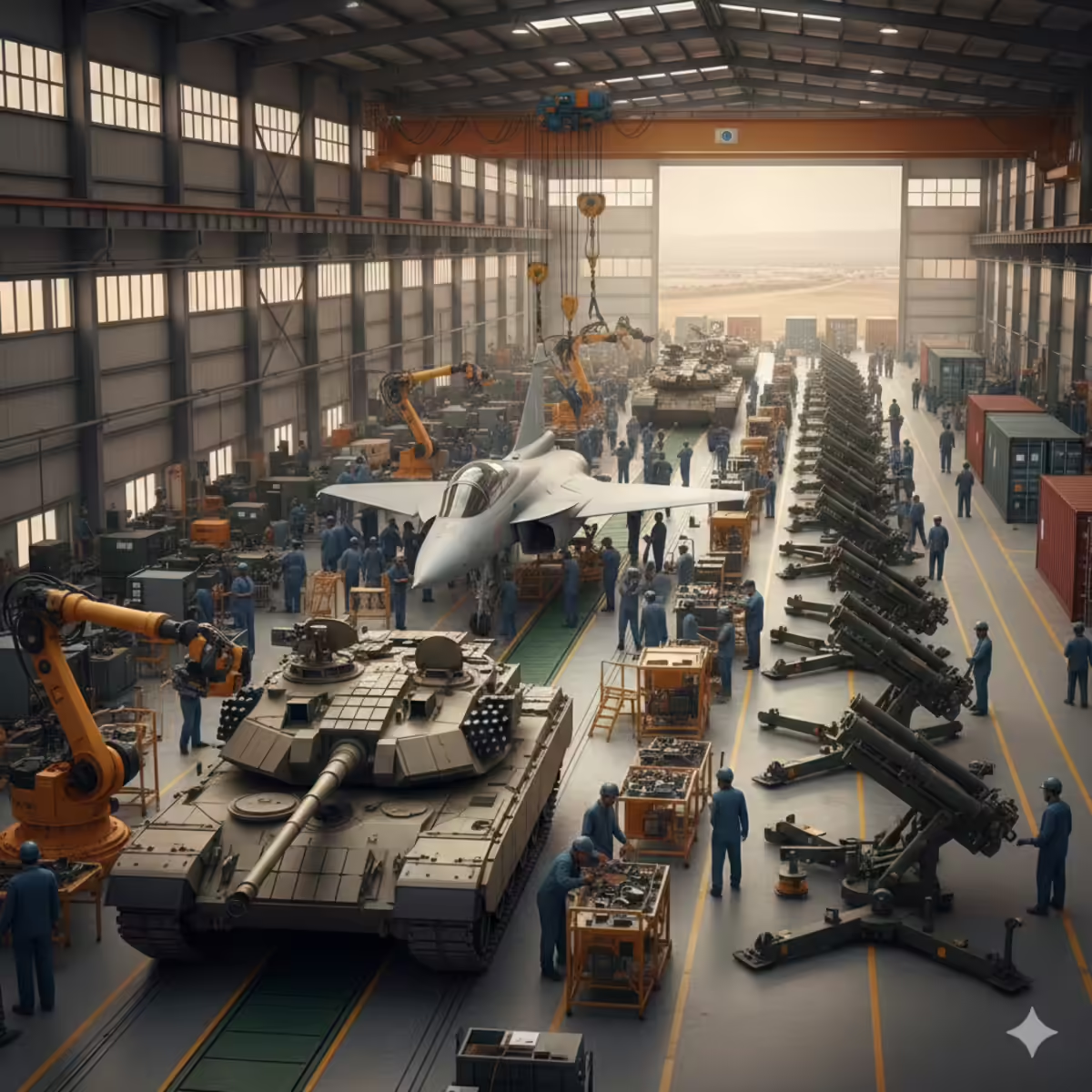
Defense and military technology
-
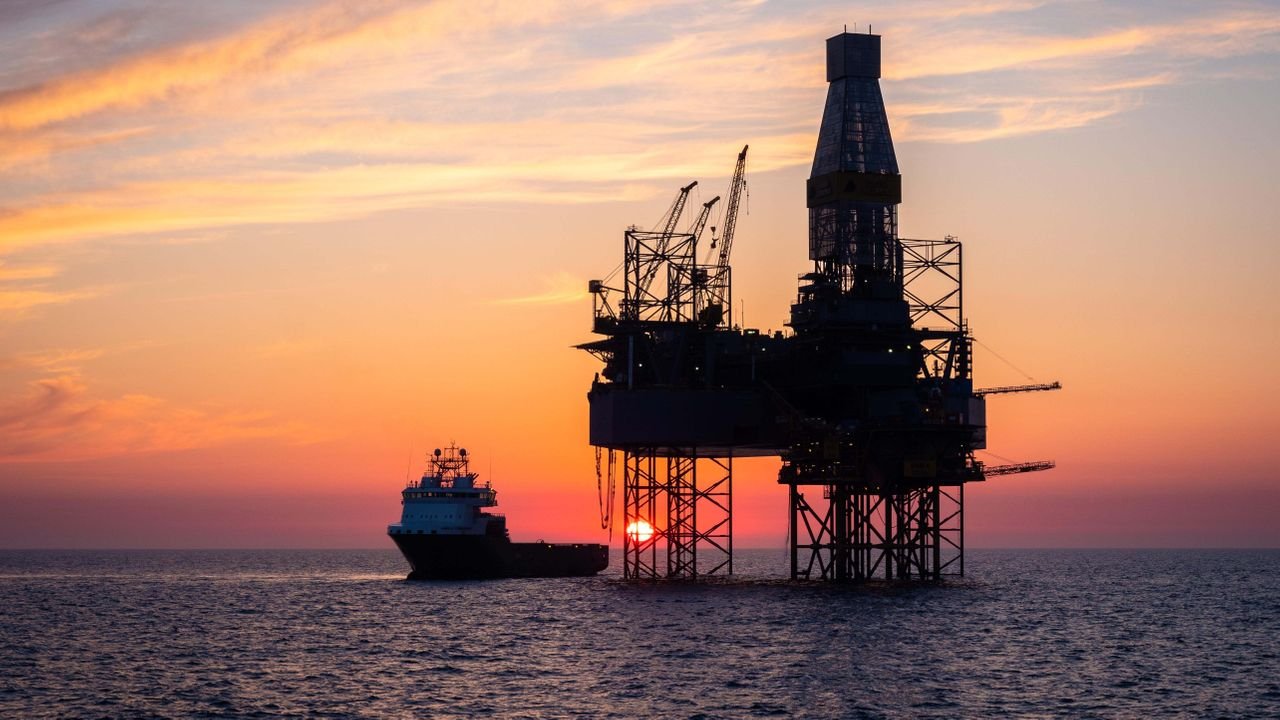
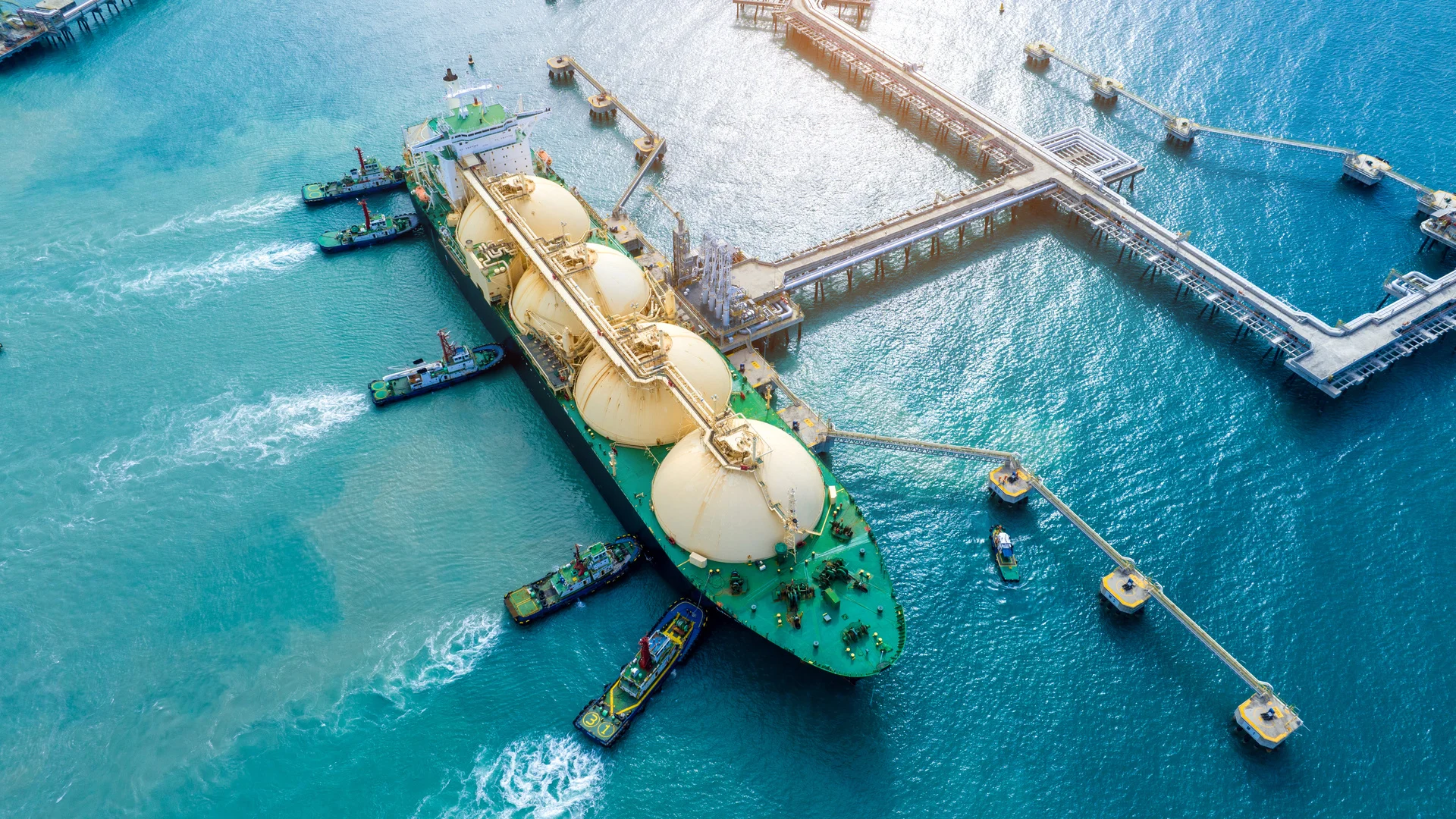
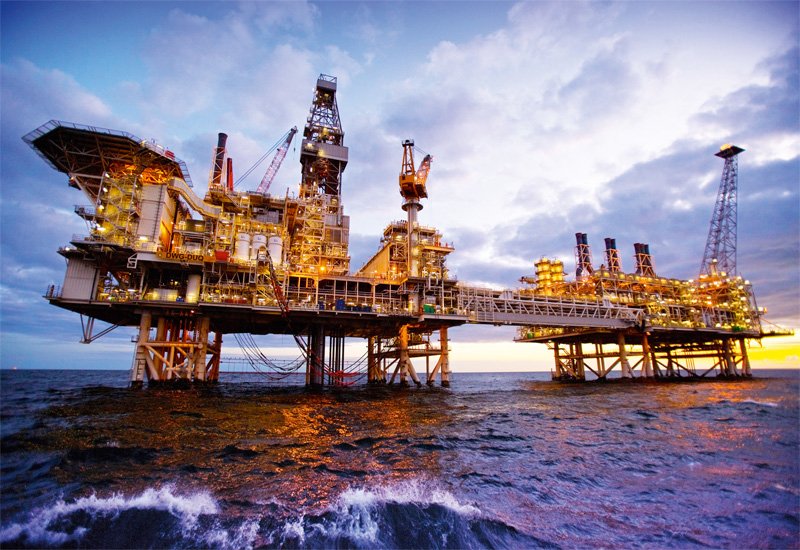
Energy and oil production
-
Cybersecurity companies
-
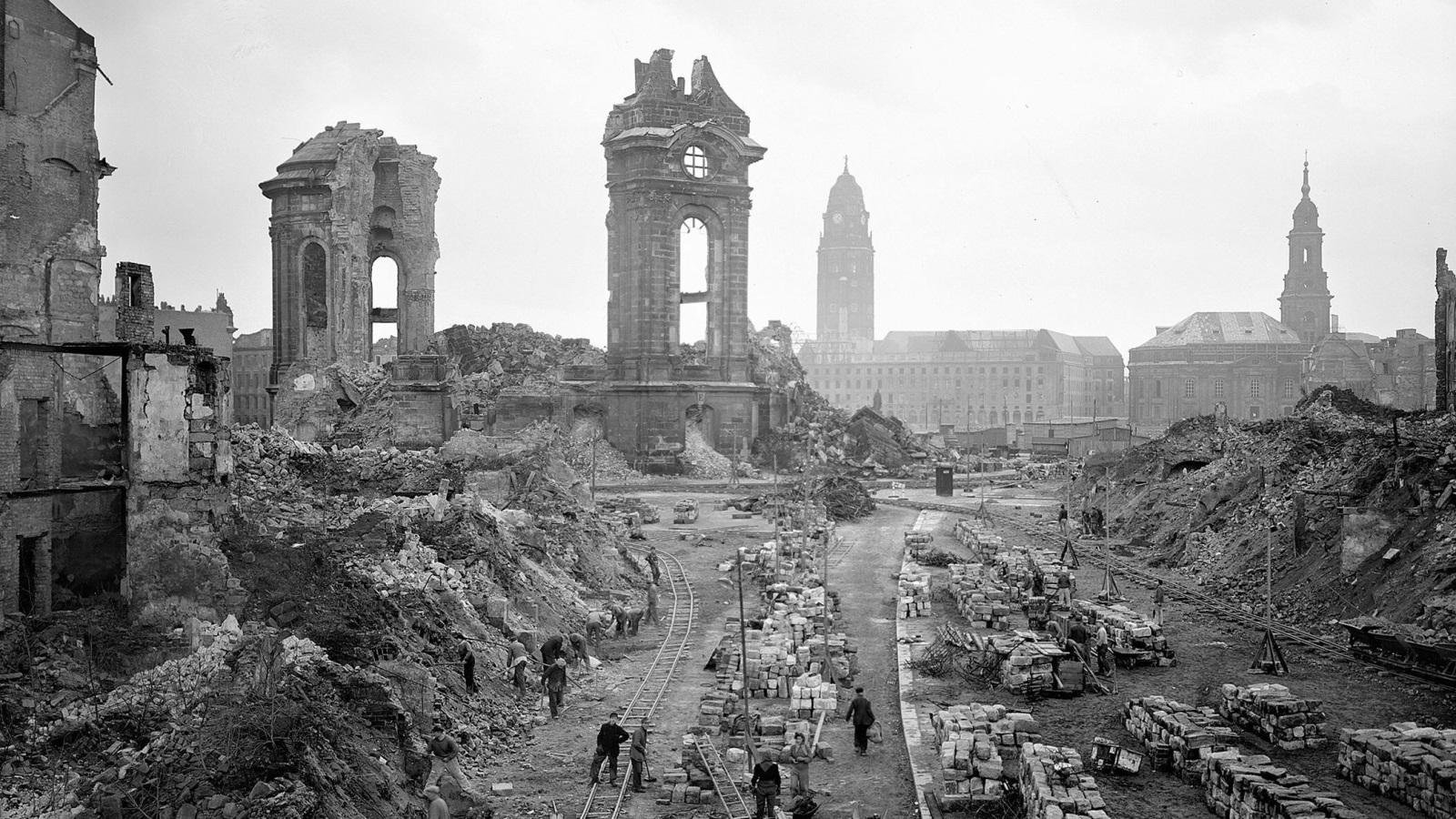
Infrastructure and reconstruction industries
Government spending often increases in these areas during conflicts.
Global Capital Flow During Conflicts
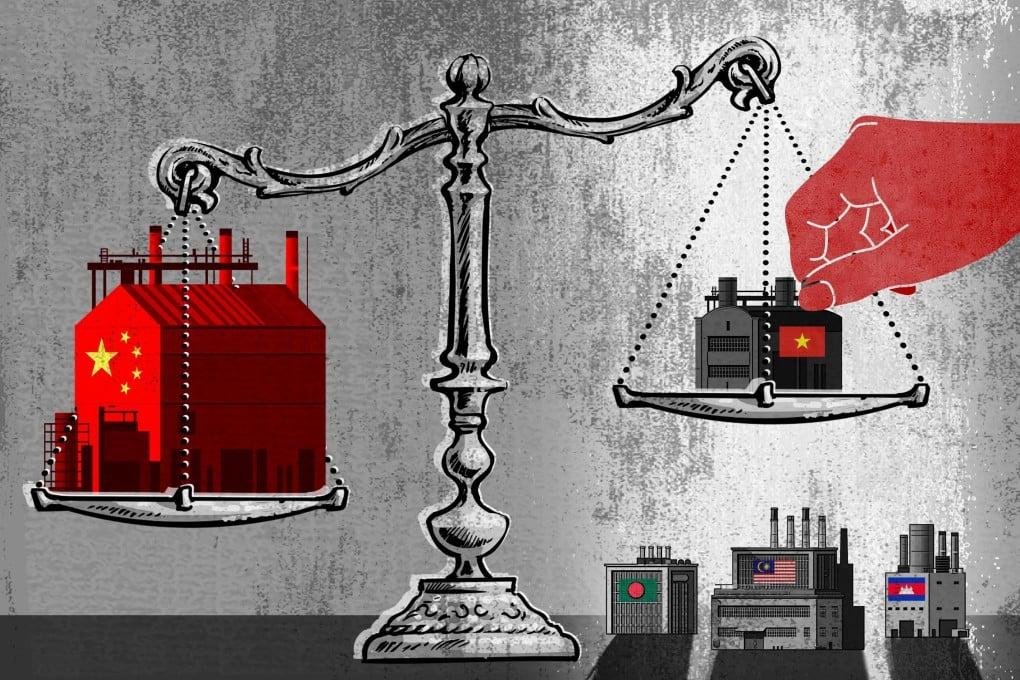
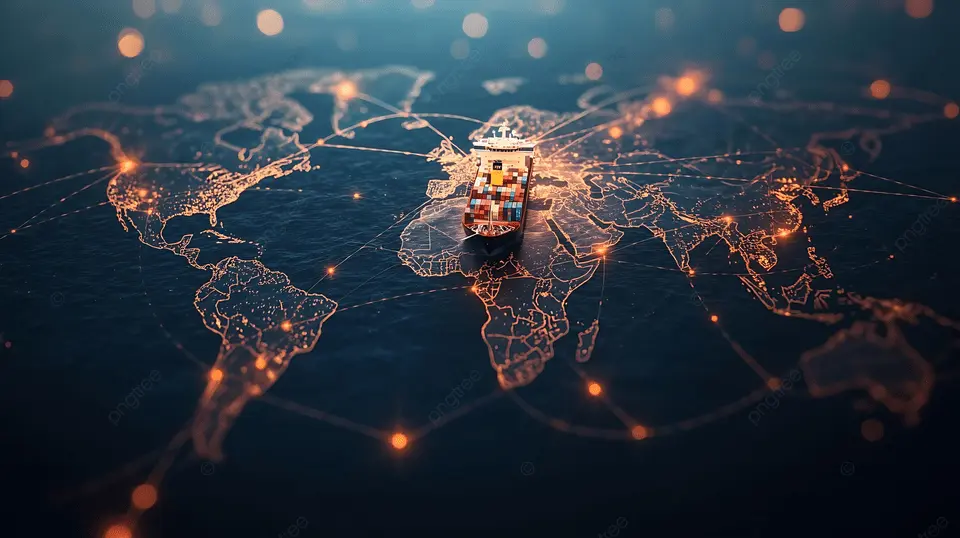
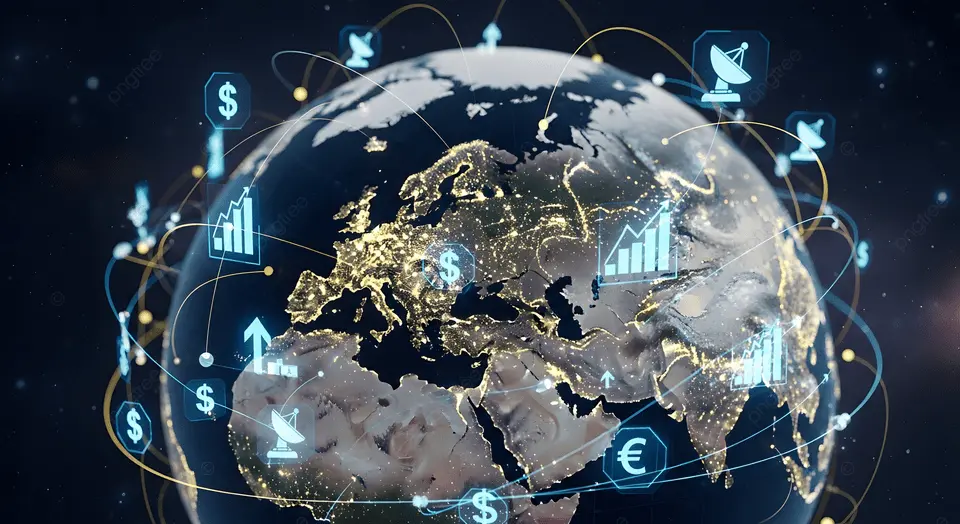
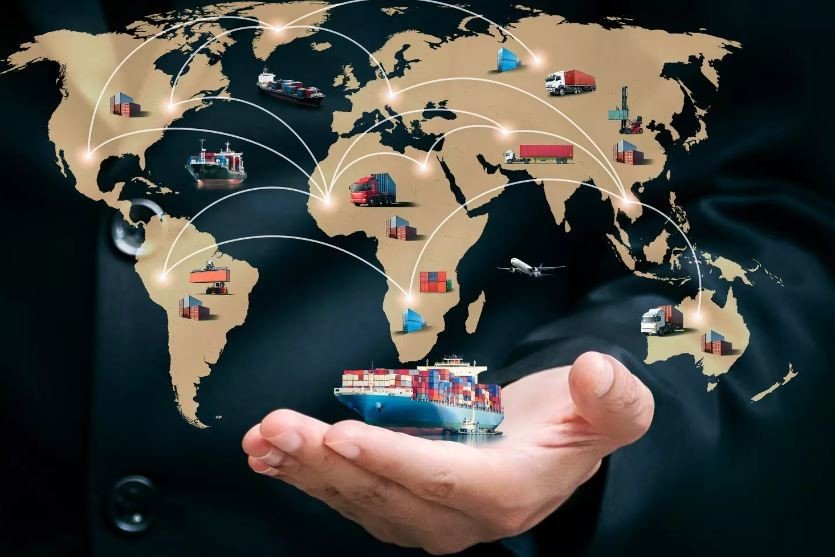
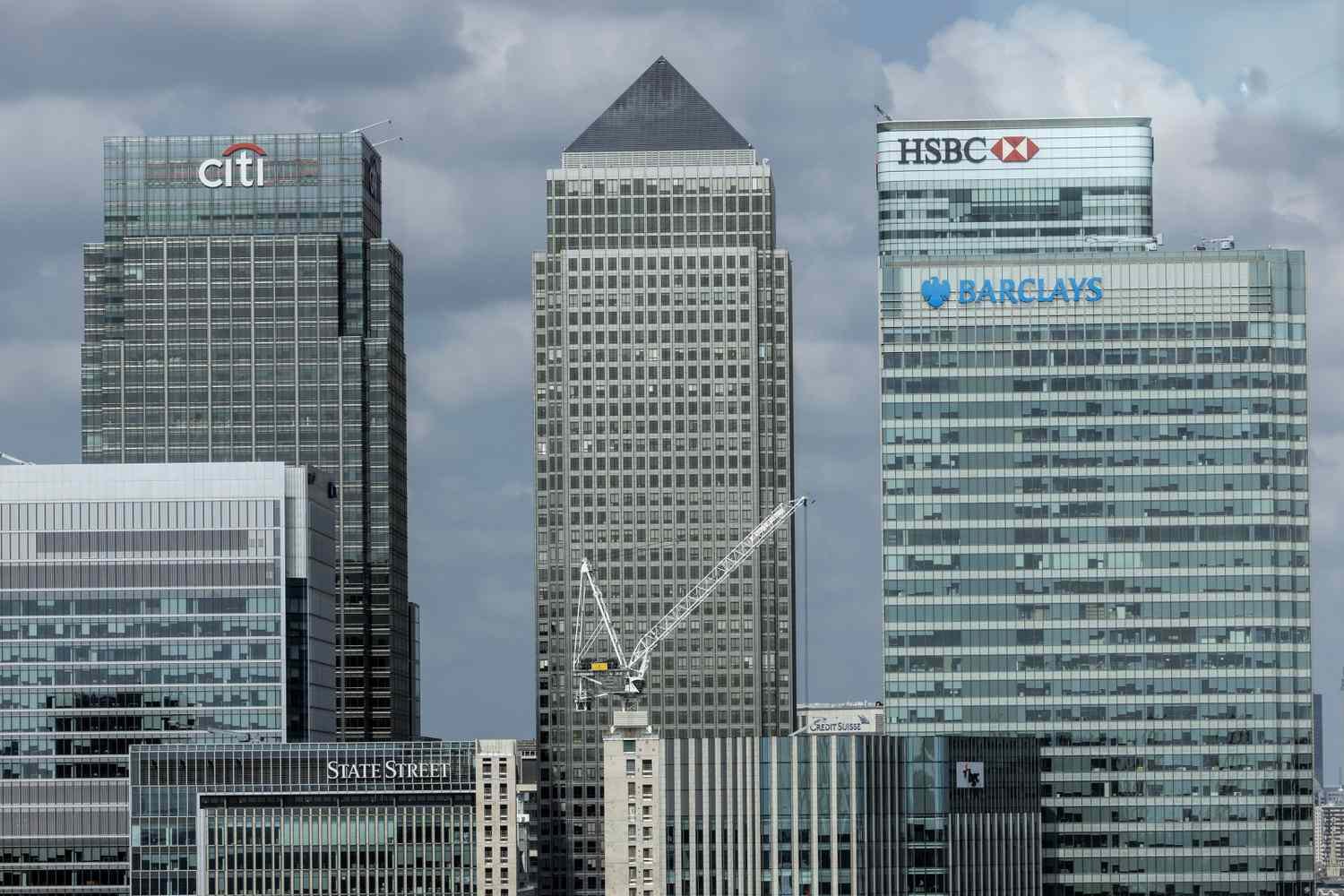
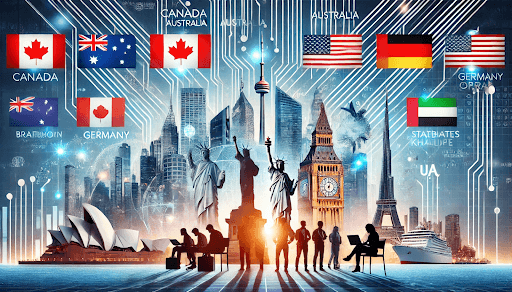
Large institutional investors and global funds constantly move capital around the world.
During conflicts, capital tends to flow toward countries with:
-
Strong economies
-
Stable political systems
-
Reliable financial markets
-
Secure banking systems
This movement of money can strengthen some economies while weakening others.
Lessons From Historical Conflicts
History shows that financial markets react strongly to major conflicts.
In many cases, markets initially decline due to uncertainty. However, once investors gain clarity about the situation, markets may stabilize or recover.
This pattern has been observed in several geopolitical crises throughout modern economic history.
How Investors Protect Wealth During War
Experienced investors often focus on protecting their wealth during geopolitical instability.
Common Strategies
-
Diversifying investments across different assets
-
Holding some safe-haven assets
-
Avoiding excessive leverage
-
Investing with a long-term perspective
Diversification is one of the most effective ways to reduce risk during uncertain periods.