

How Global Wars Reshape the World Economy
Introduction
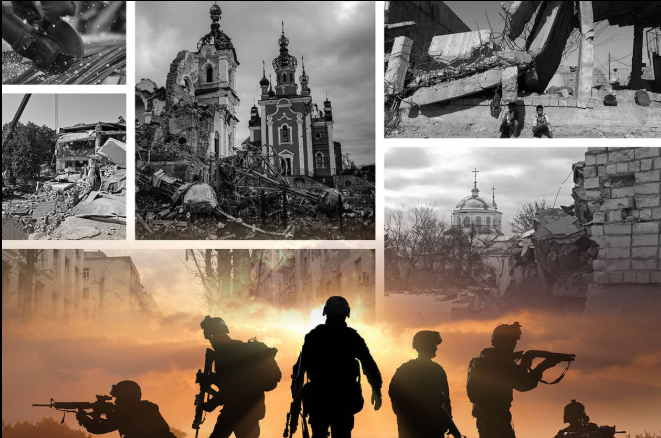
Wars between nations have always had a major impact on the global economy. When large conflicts occur, they do not only affect the countries directly involved but also influence global trade, financial markets, energy prices, and supply chains.
From the early 20th century to modern conflicts, global wars have reshaped industries, changed economic power, and forced countries to rebuild their economies in new ways.
Understanding how wars affect the world economy helps governments, businesses, and investors prepare for economic changes and future uncertainties.
How Wars Affect the Global Economy
Wars influence economies in several ways. The effects can spread across continents and affect many industries.
1. Disruption of Global Trade
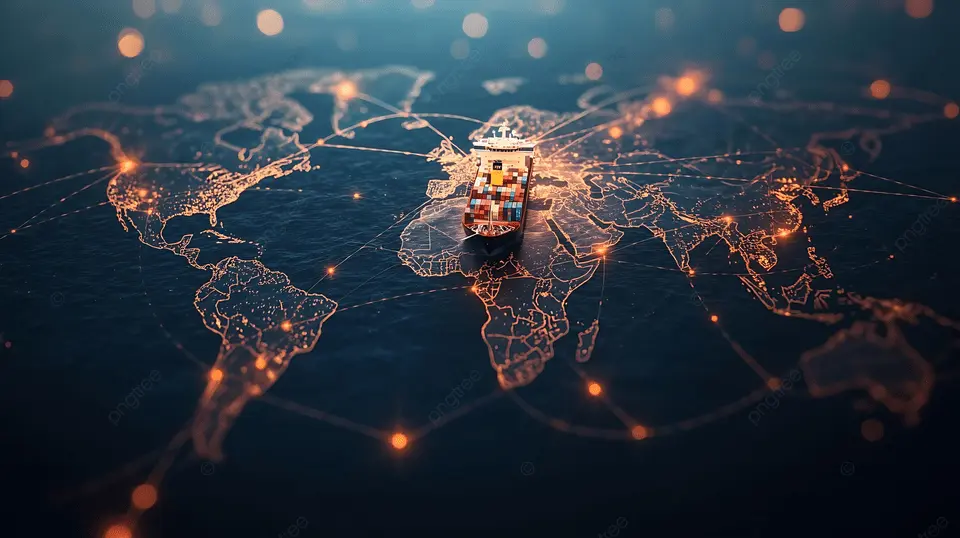
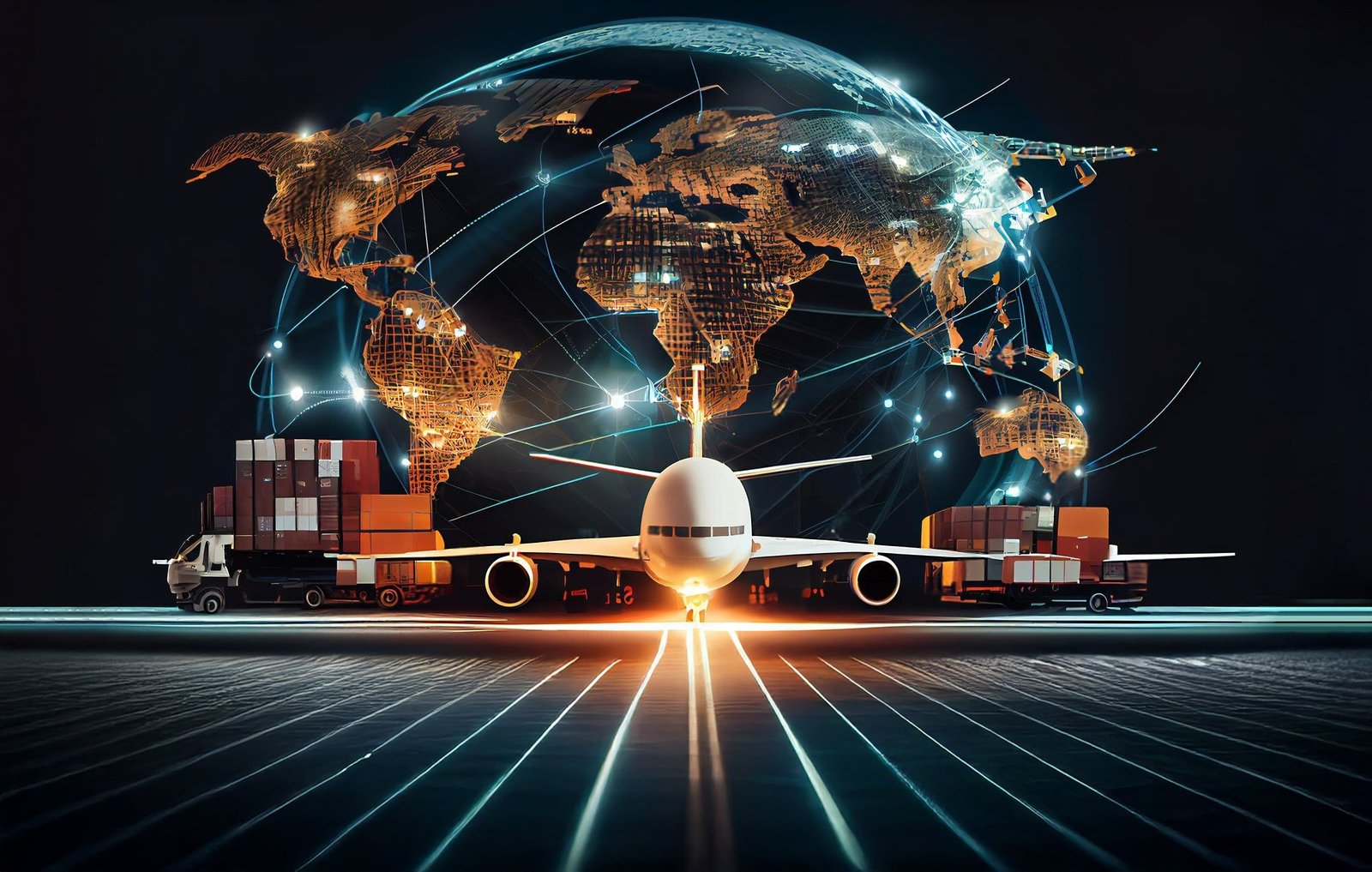
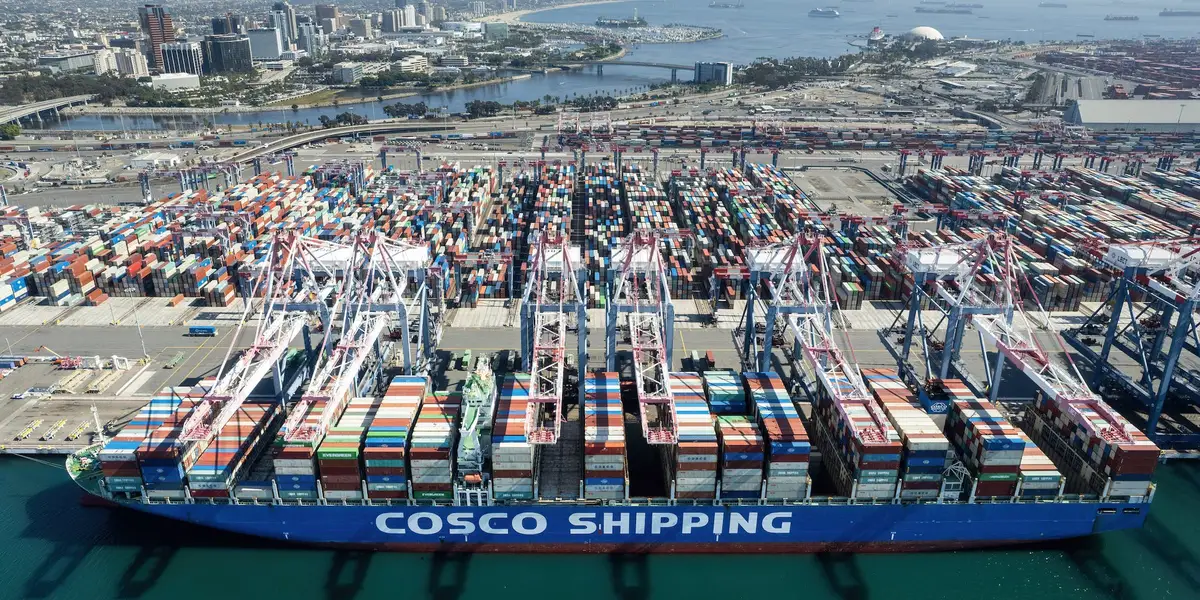
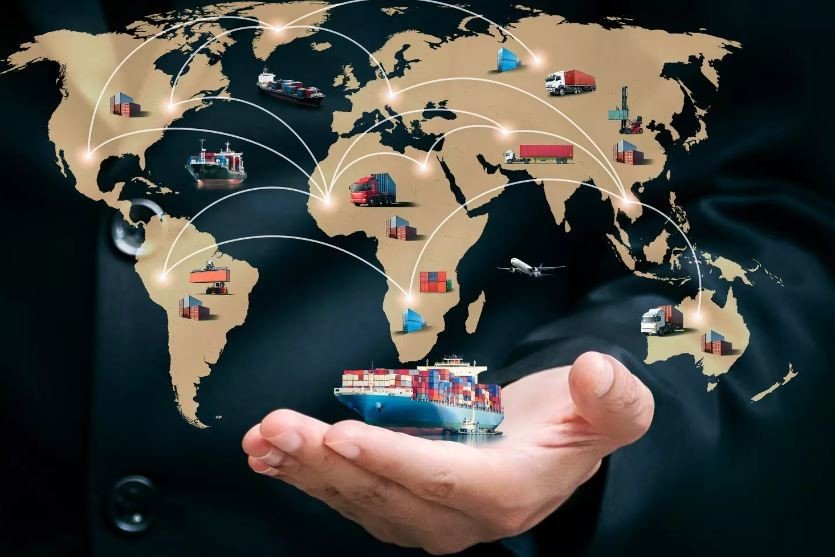
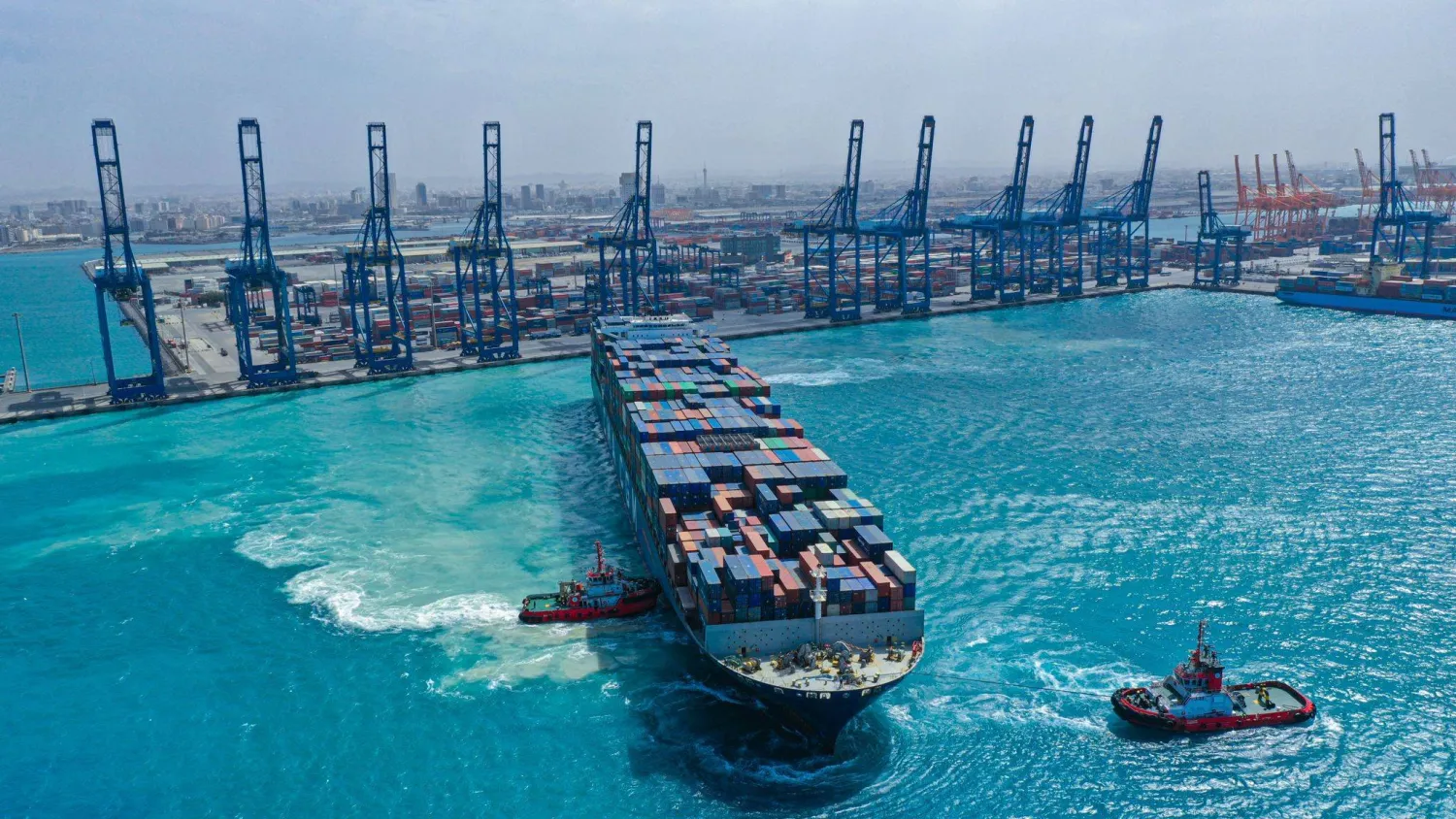
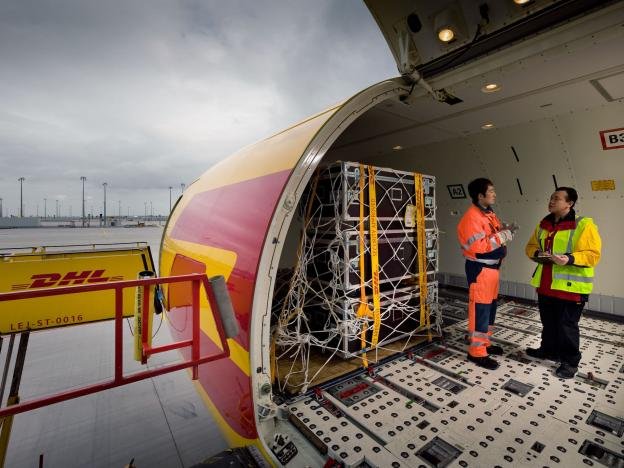
Conflicts often disrupt international trade routes and supply chains.
When shipping routes become unsafe or blocked, global trade slows down. This can cause shortages of important goods such as food, raw materials, and energy resources.
2. Rising Energy Prices
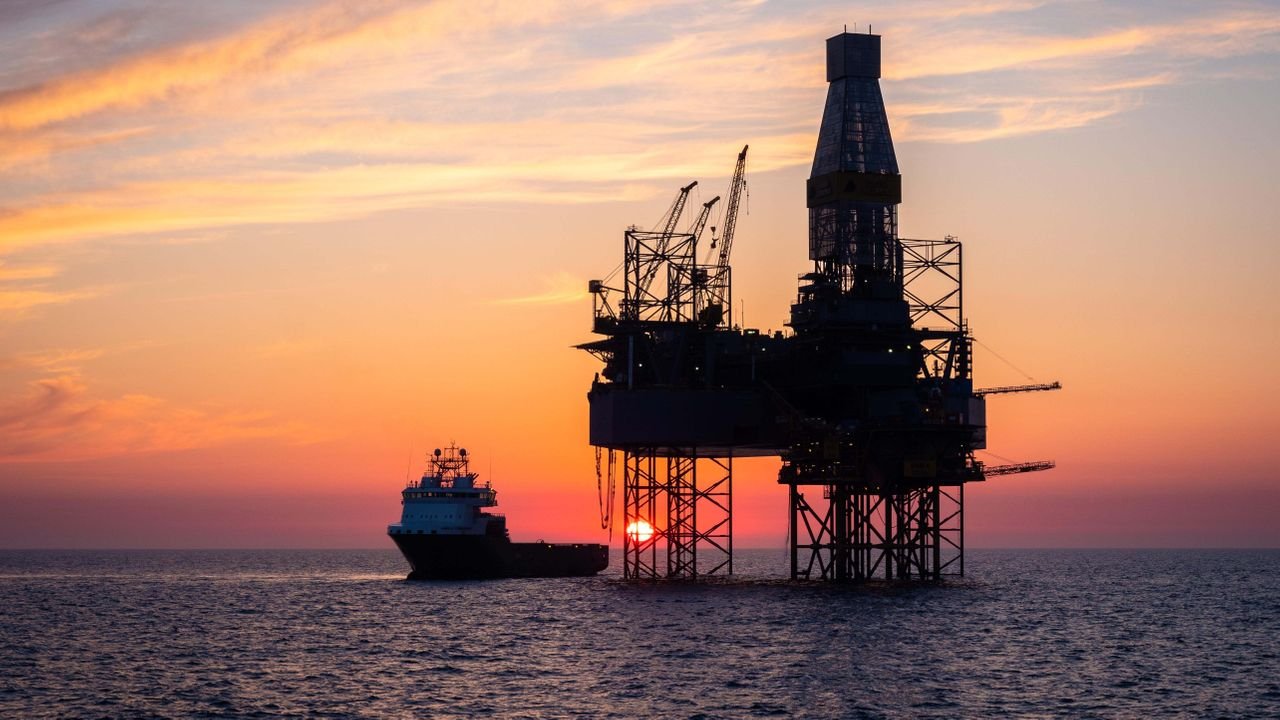
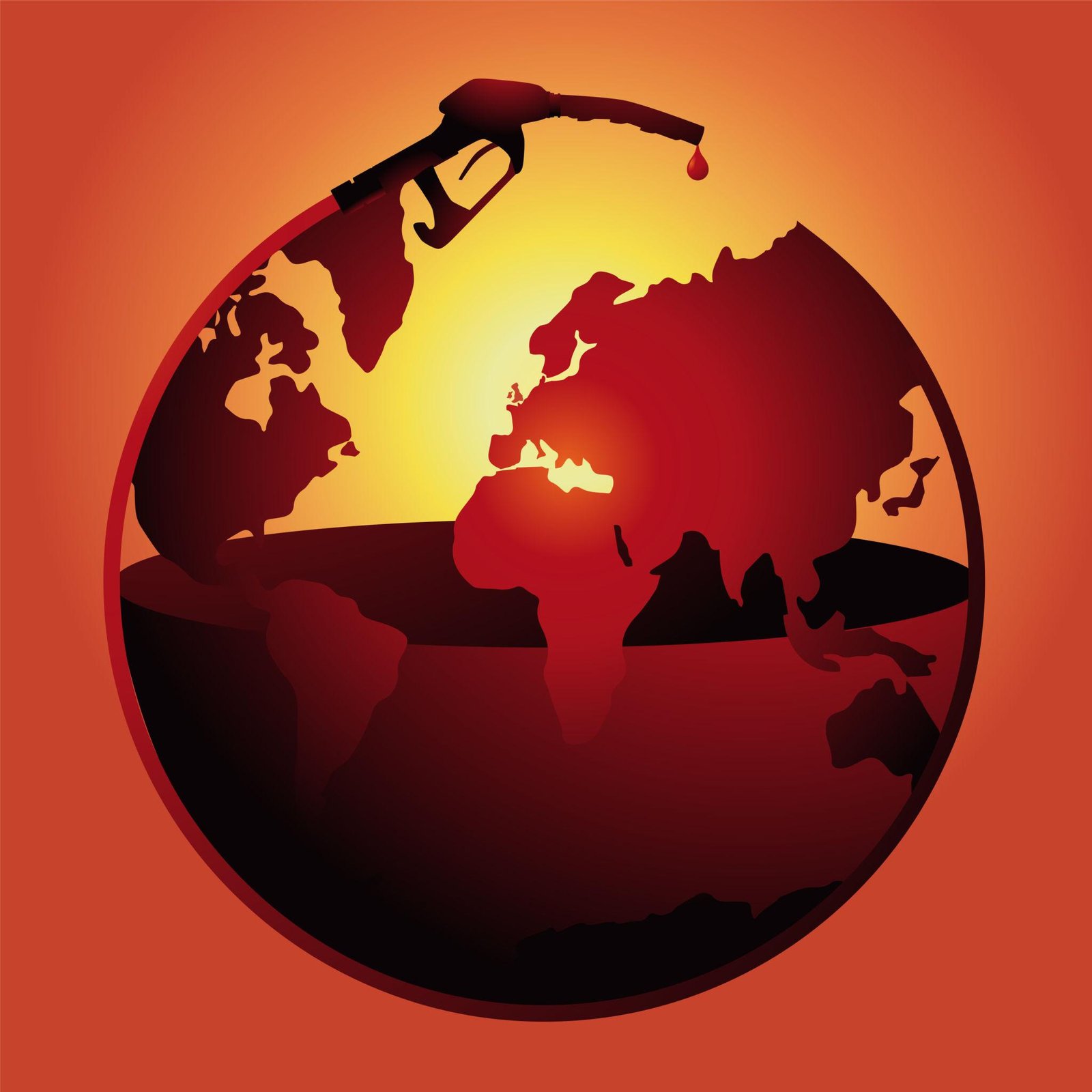
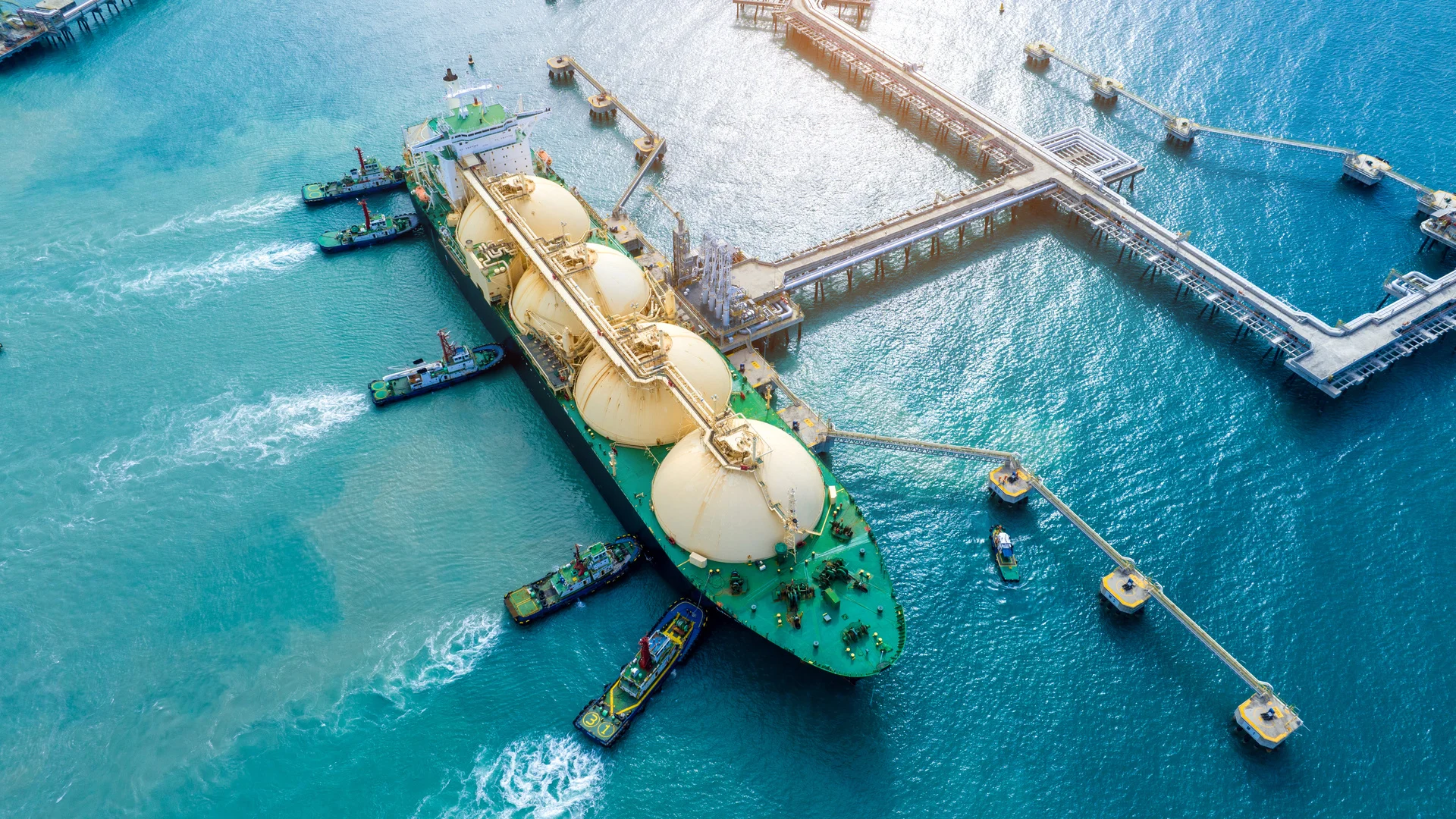
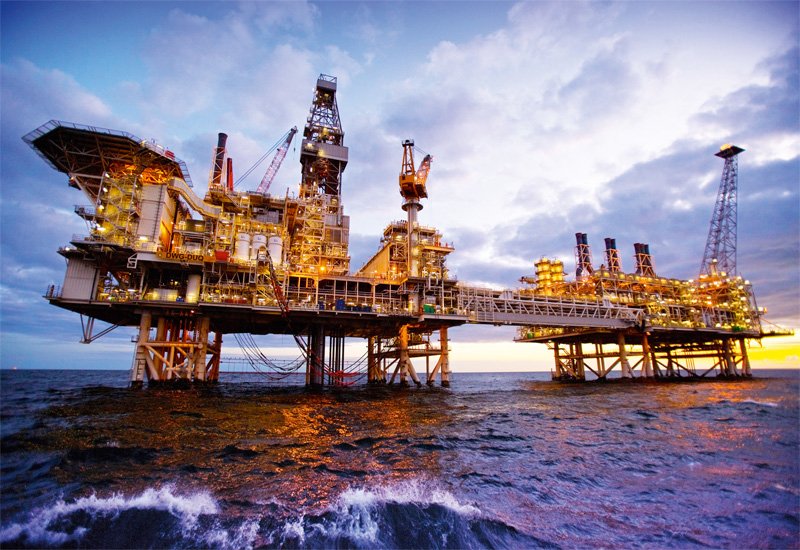
Many wars occur in regions that produce oil and natural gas. When supply becomes uncertain, global energy prices often rise.
Higher energy prices increase transportation costs and make goods more expensive worldwide.
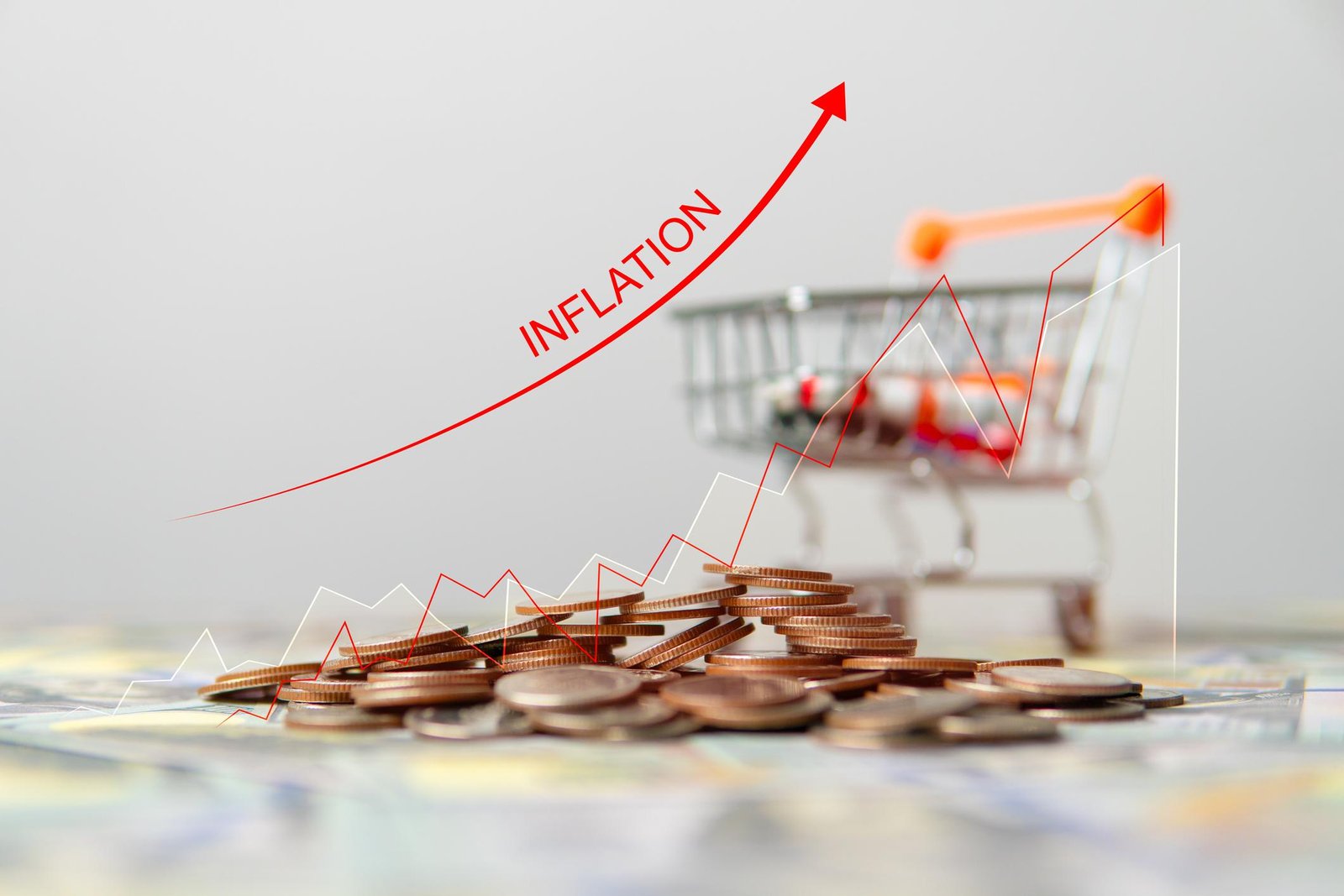
3. Inflation and Economic Uncertainty
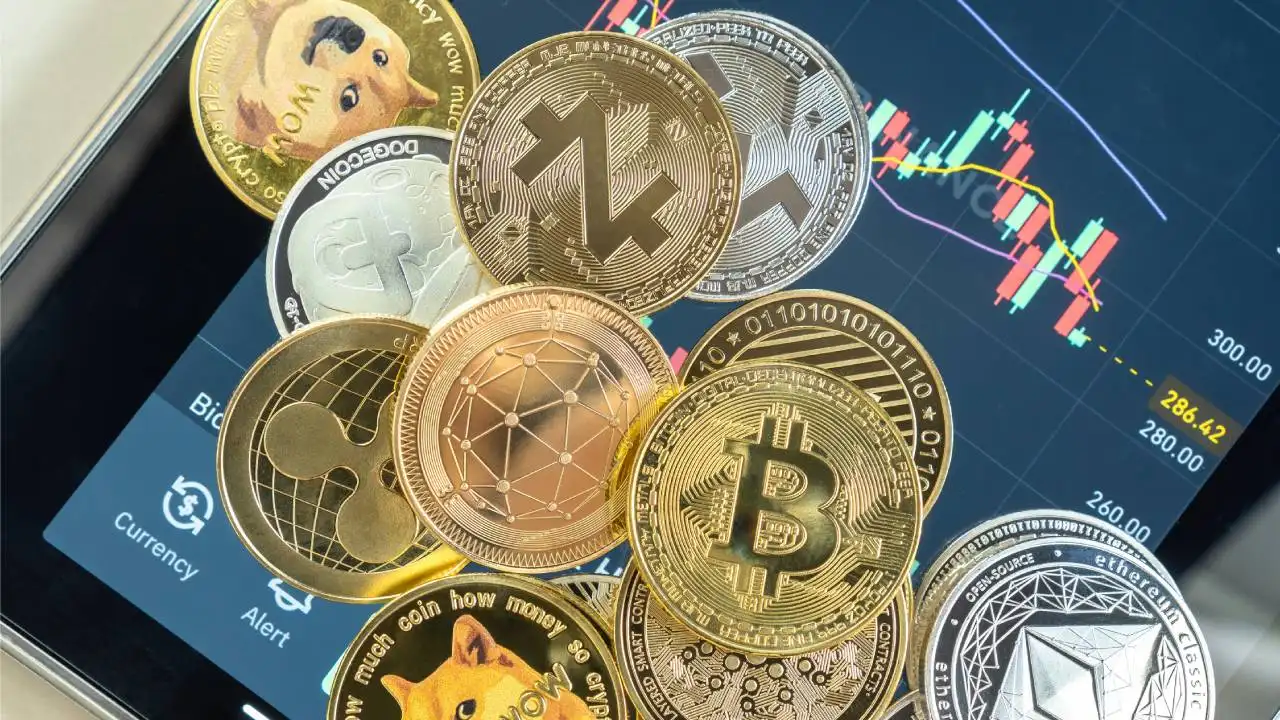
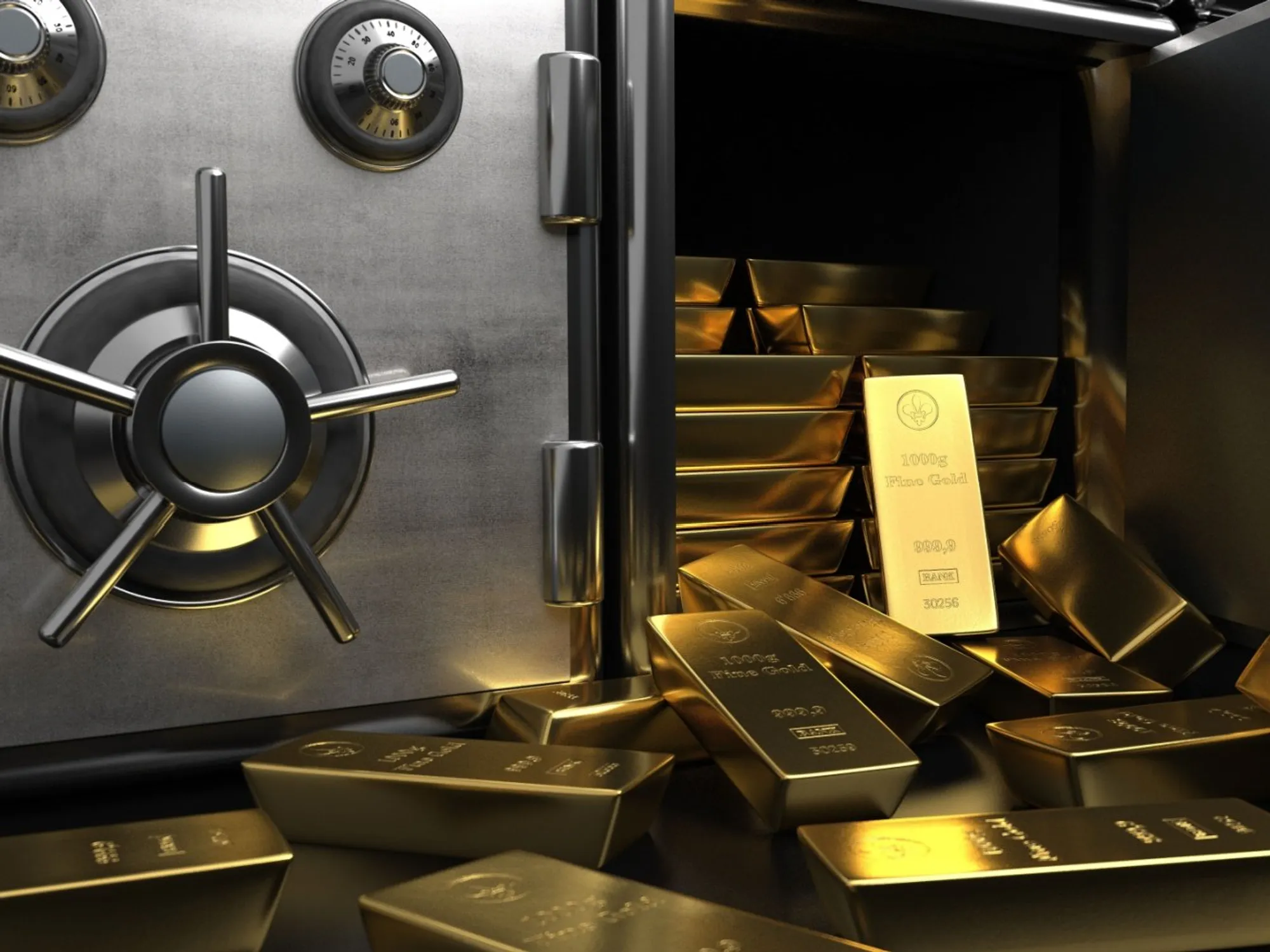
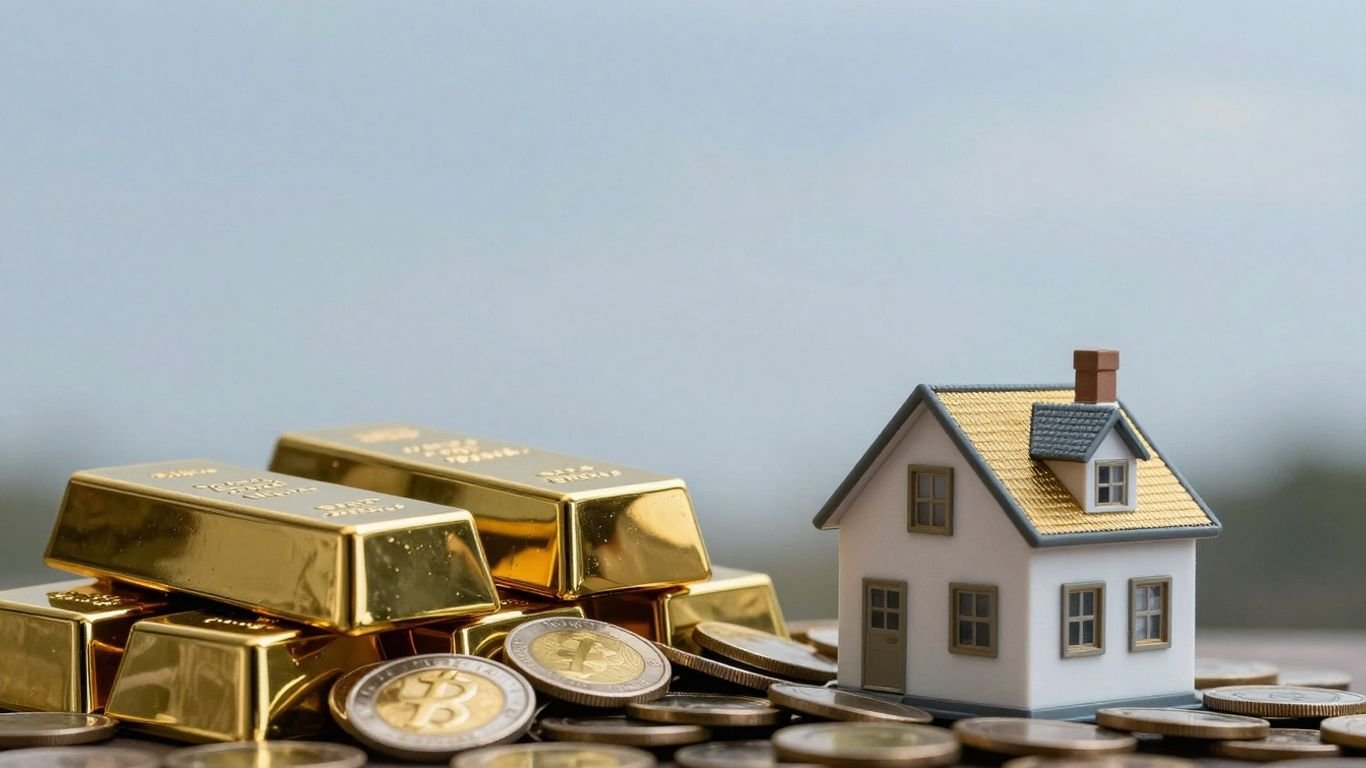
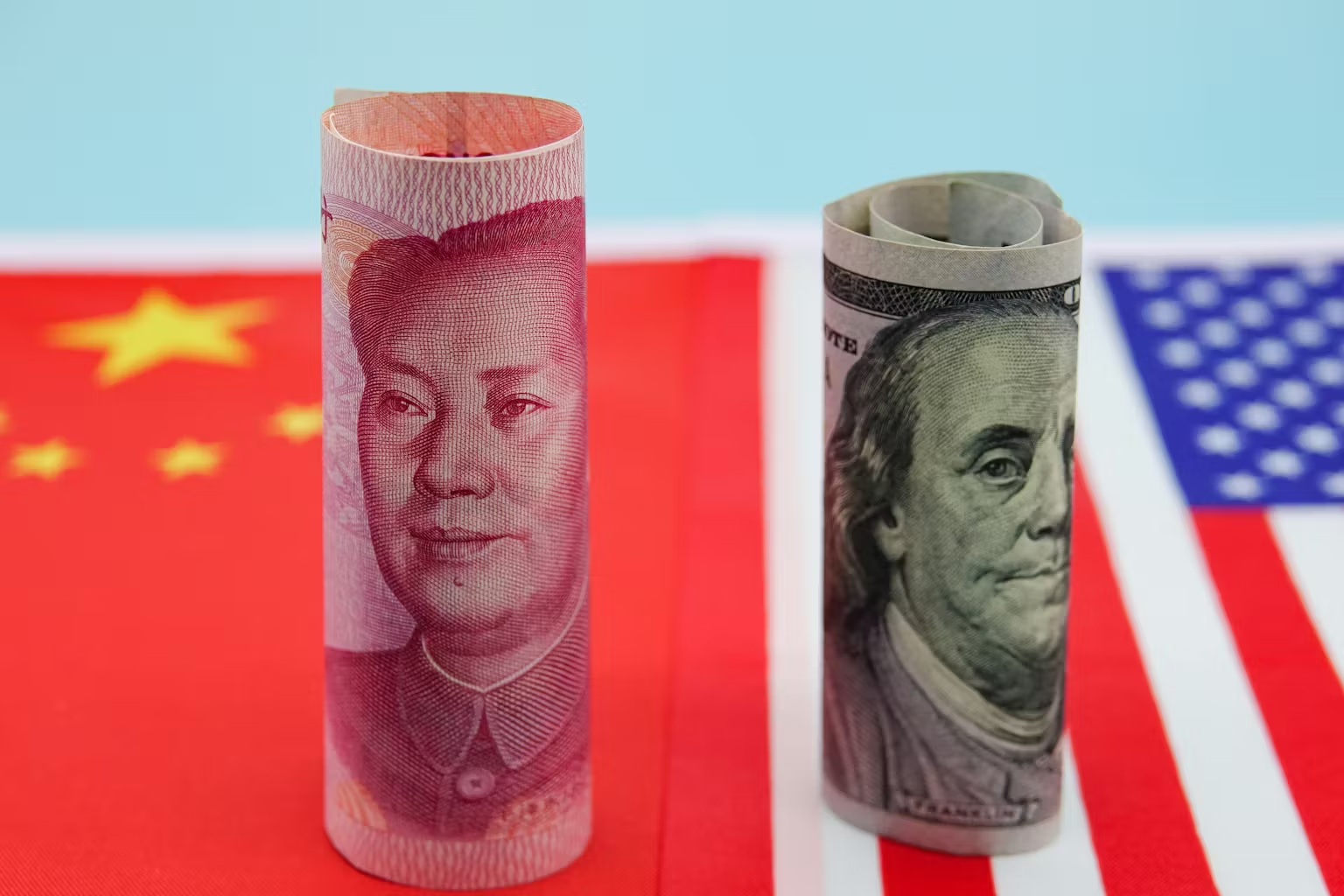
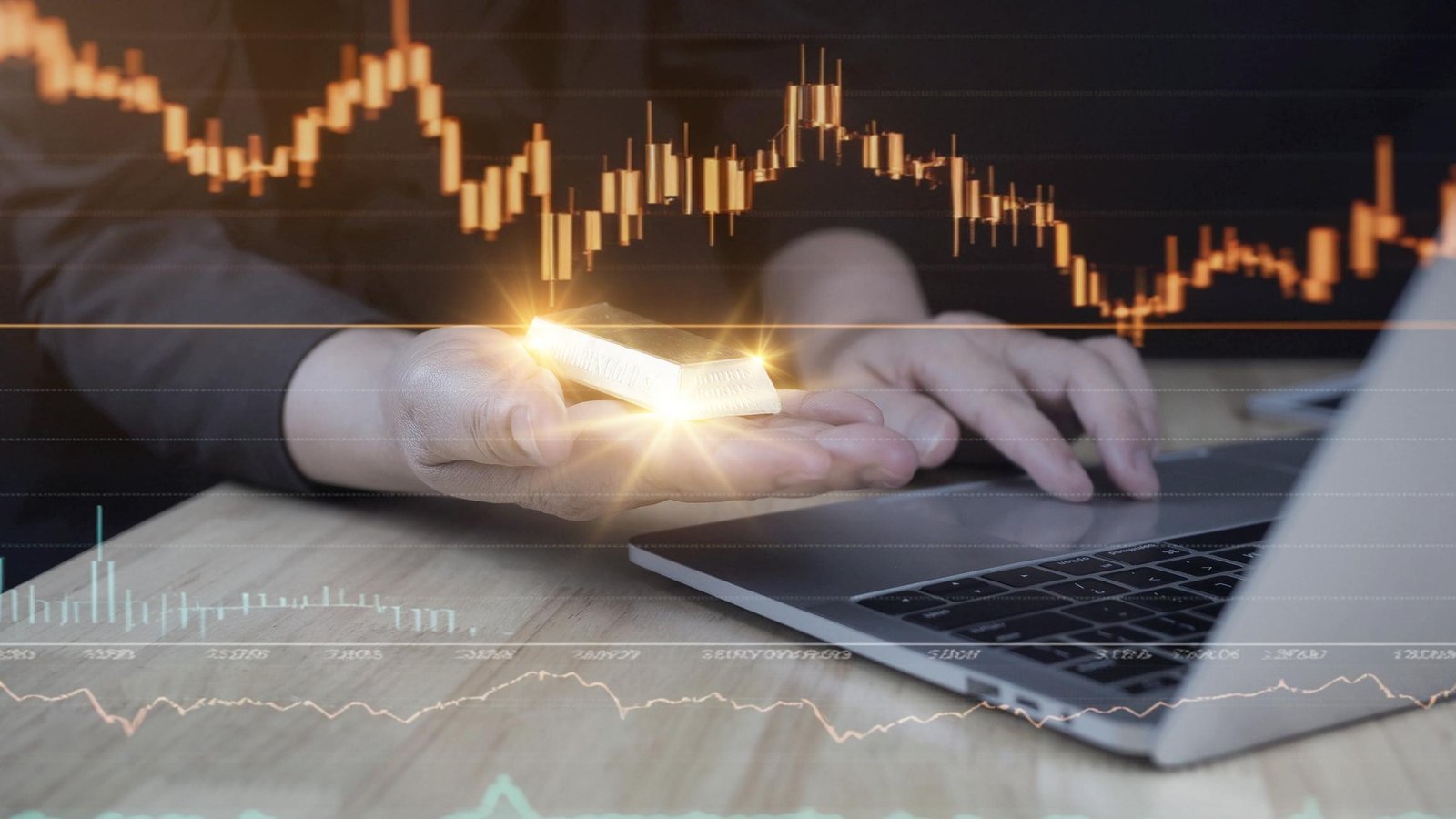
Wars create uncertainty in financial markets. Investors may move money to safer assets like gold or stable currencies.
This can cause inflation and economic instability in many countries.
Historical Examples of Wars Changing the Economy
Throughout history, major wars have dramatically changed economic systems.
World War I
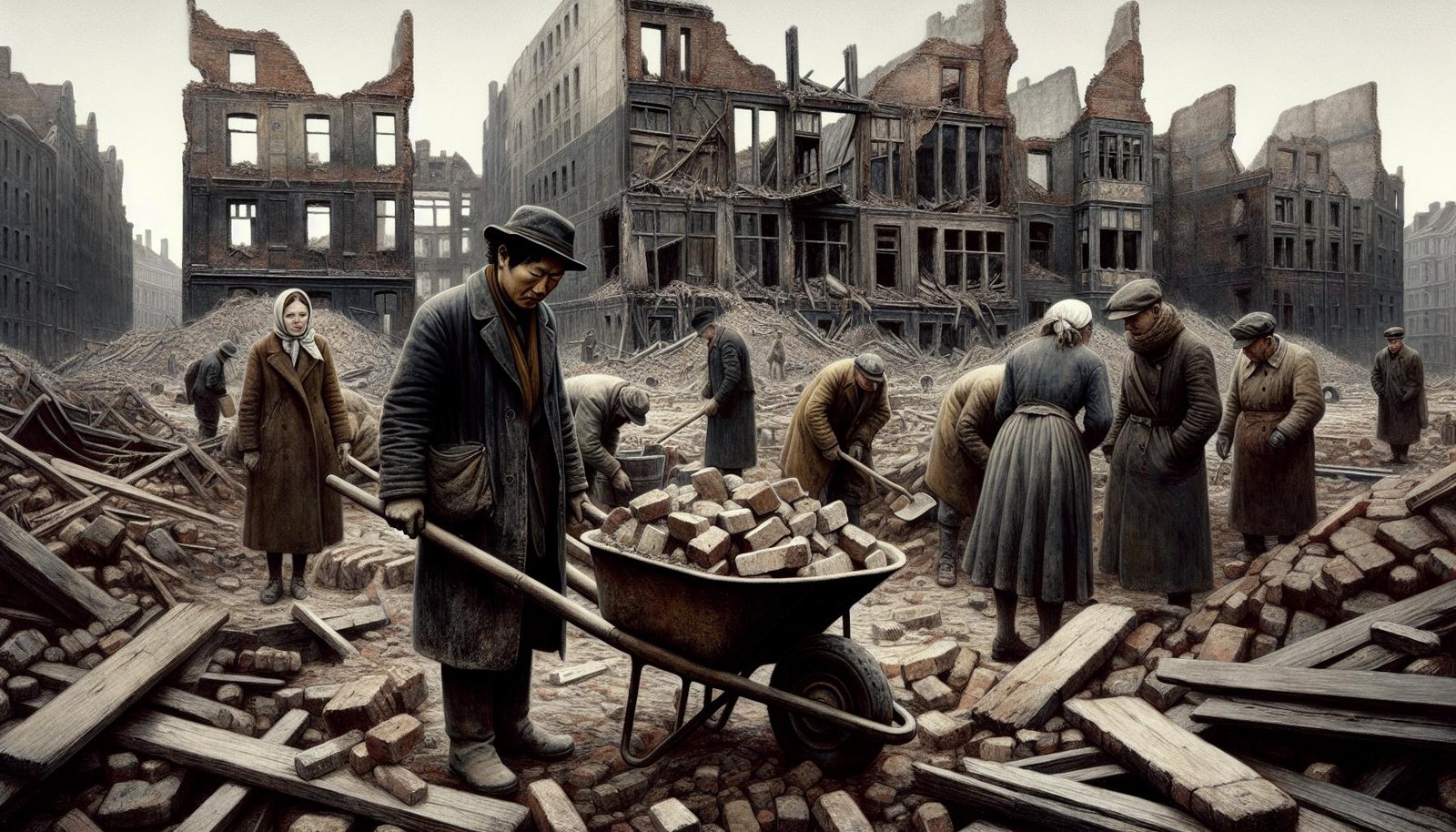
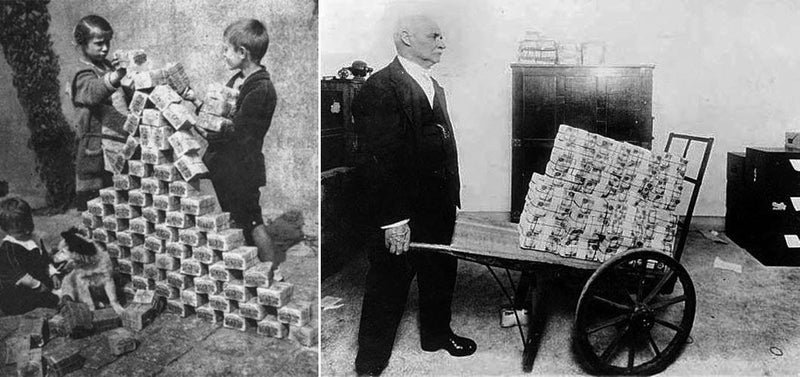
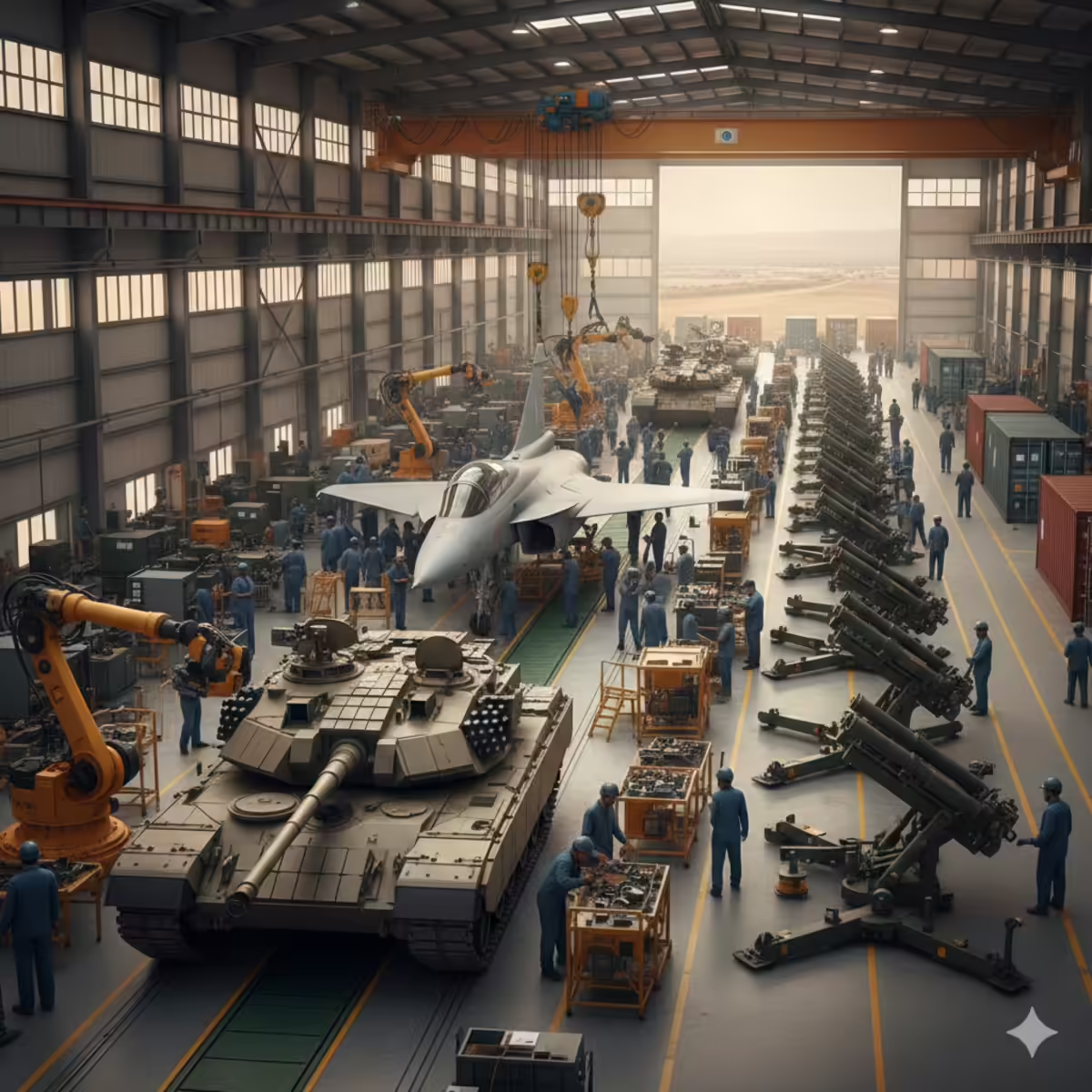
World War I transformed industrial production. Many countries shifted factories from consumer goods to military equipment.
The war also caused economic instability and contributed to the global financial problems of the early 20th century.
World War II
World War II reshaped global economic leadership. After the war, the United States became the dominant economic power.
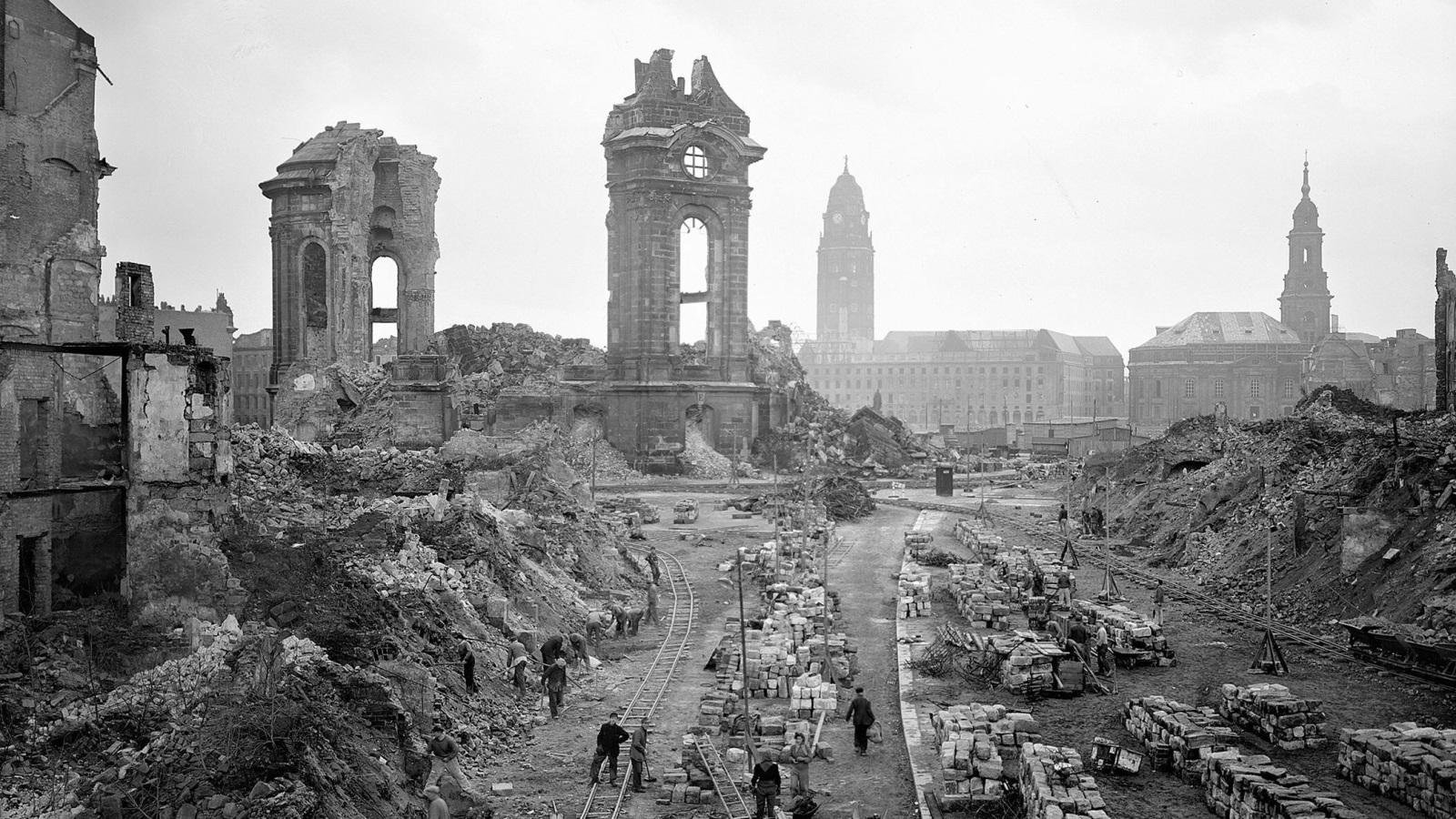
Large reconstruction programs helped rebuild Europe and Japan, creating new economic alliances and institutions.
Cold War Era
The Cold War divided the world into different economic systems and trade alliances, shaping global politics and economic strategies for decades.
Impact on Global Supply Chains
Modern economies depend heavily on global supply chains. Wars can interrupt these networks in several ways.
Supply Chain Effects
-
Shipping delays and port disruptions
-
Shortage of key raw materials
-
Higher transportation costs
-
Manufacturing slowdowns
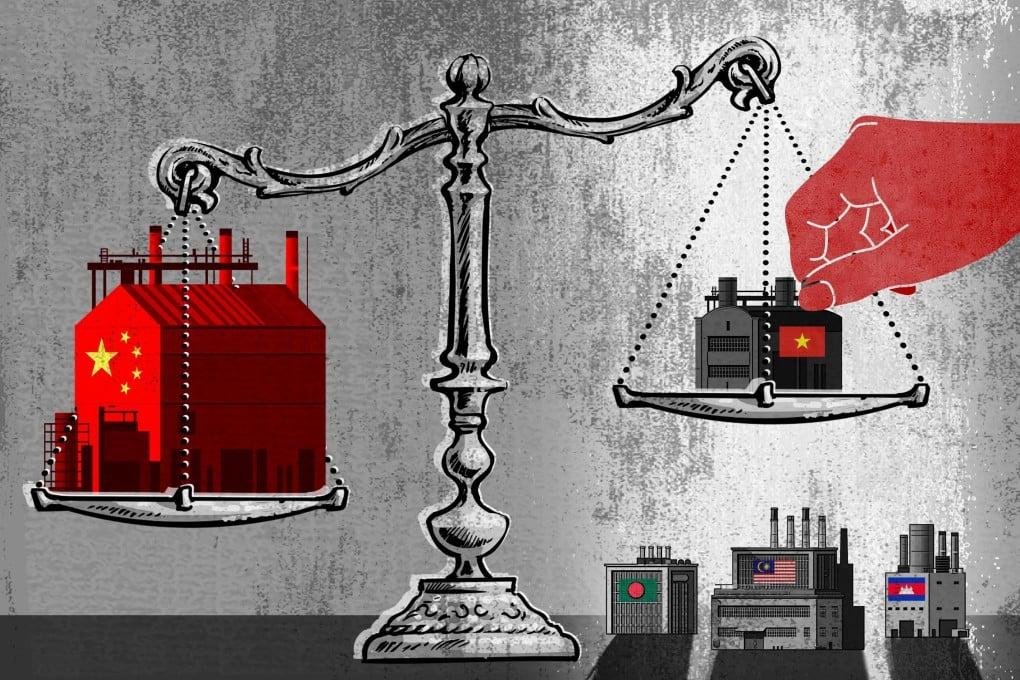
Companies often respond by relocating production or diversifying suppliers.
Military Spending and Economic Growth
Wars often lead governments to increase military spending.
Economic Effects of Military Spending
-
Increased government budgets for defense
-
Growth in defense and technology industries
-
Job creation in manufacturing and research sectors
-
Development of new technologies
Some innovations originally developed for military purposes later benefit civilian industries.
Currency and Financial Market Reactions
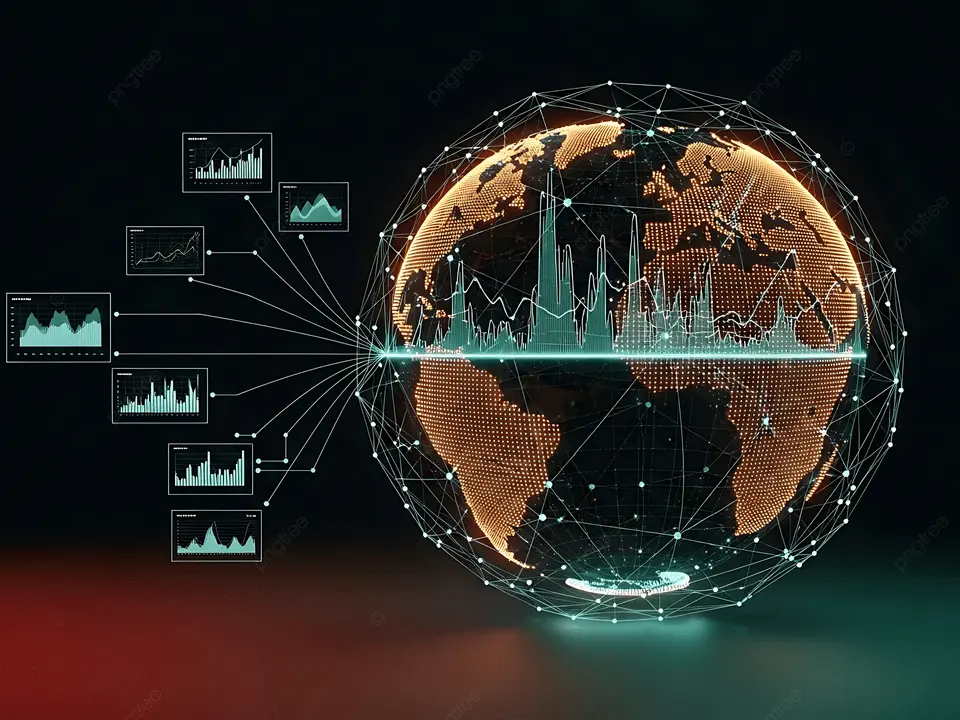
Financial markets often react quickly to geopolitical conflicts.
Common Market Reactions
-
Stock markets may become volatile
-
Investors move toward safer assets like gold
-
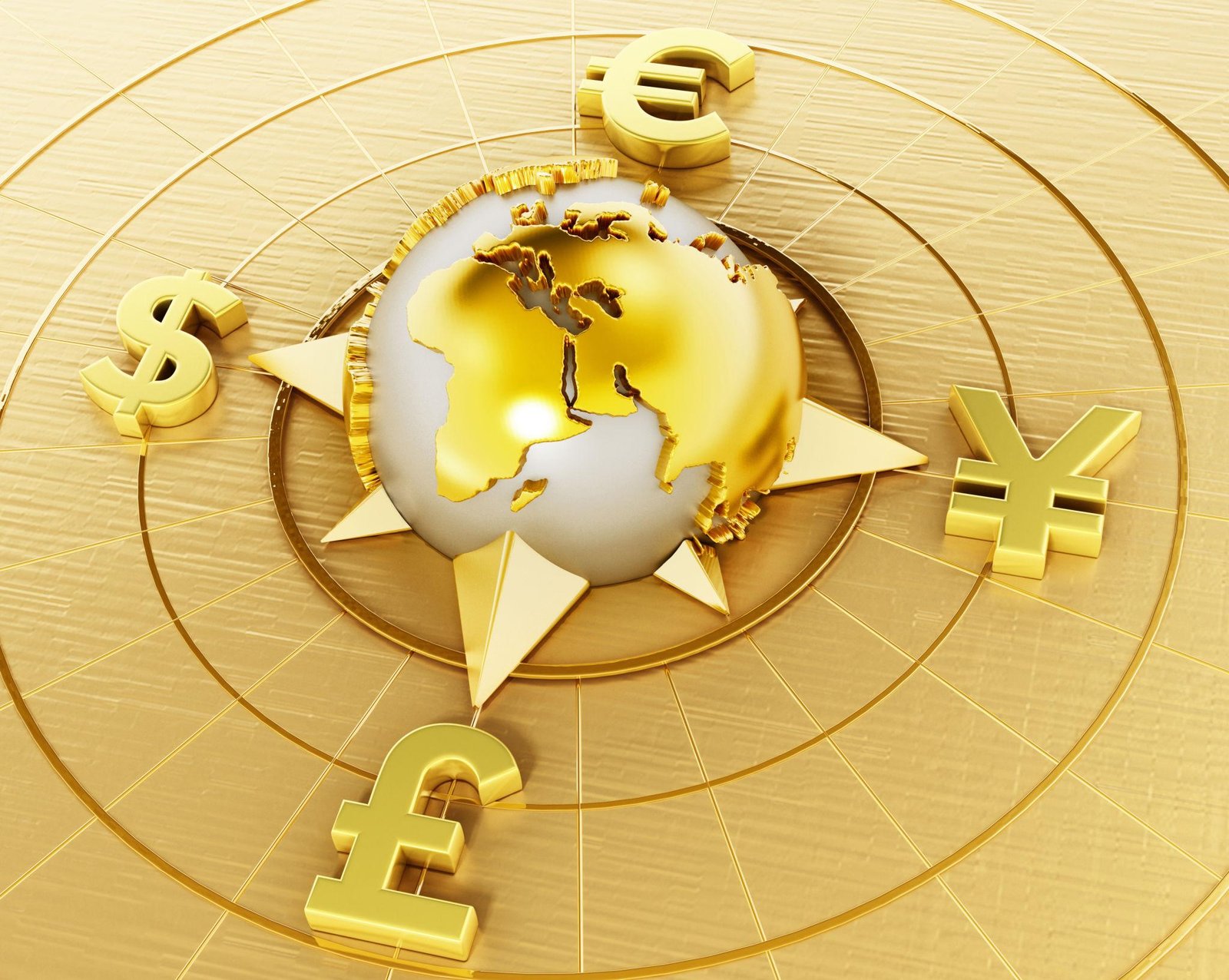
Currency values may change rapidly
-
Global investment patterns shift
These reactions can influence economic stability in many countries.
Long-Term Economic Changes After Wars
After major wars end, the world often experiences long-term economic transformation.
Long-Term Effects
-
Reconstruction of damaged infrastructure
-
Creation of new international institutions
-
Changes in global economic leadership
-
New trade agreements and economic alliances
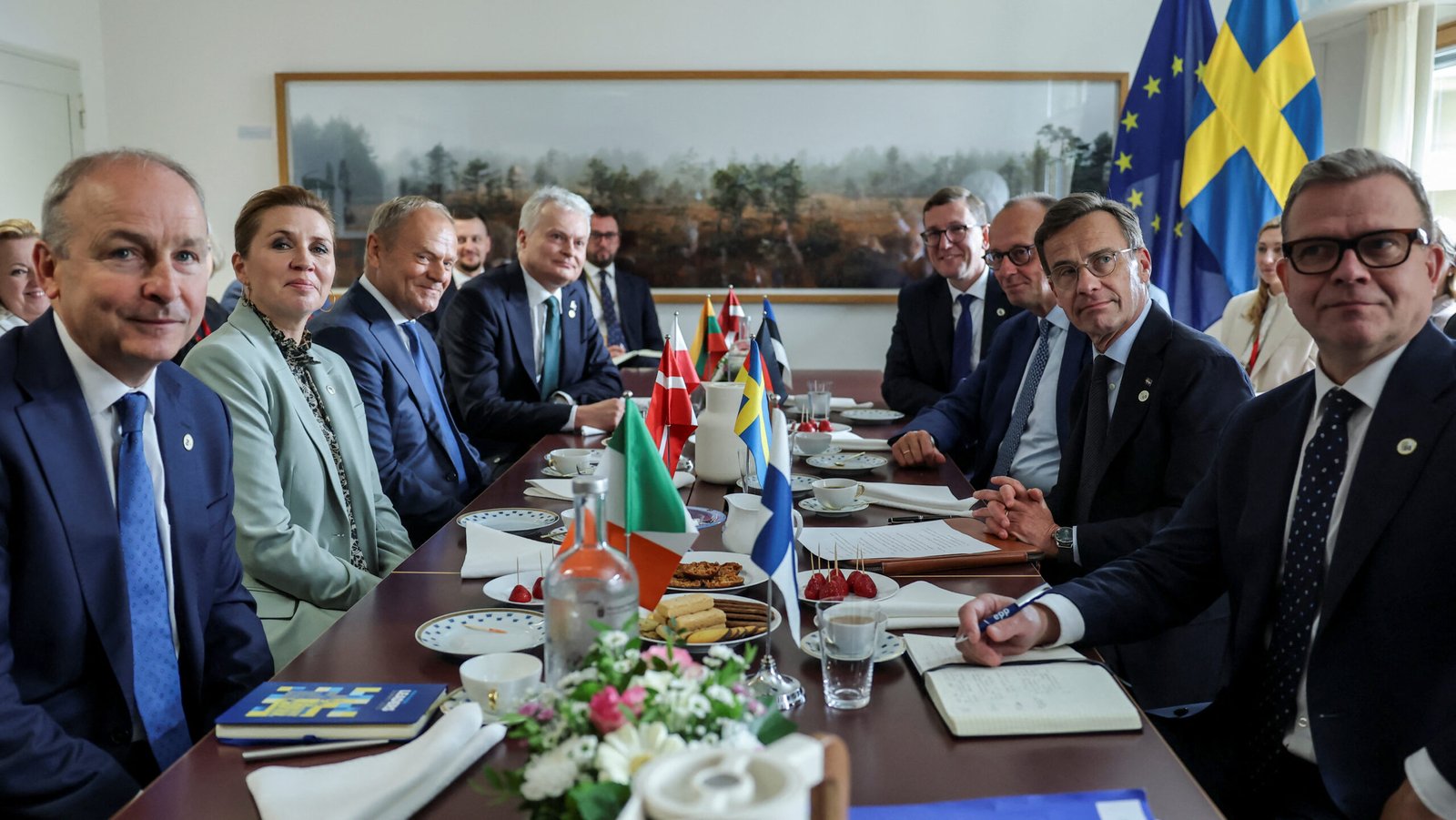
These changes can shape the global economy for decades.
Lessons for the Modern Global Economy
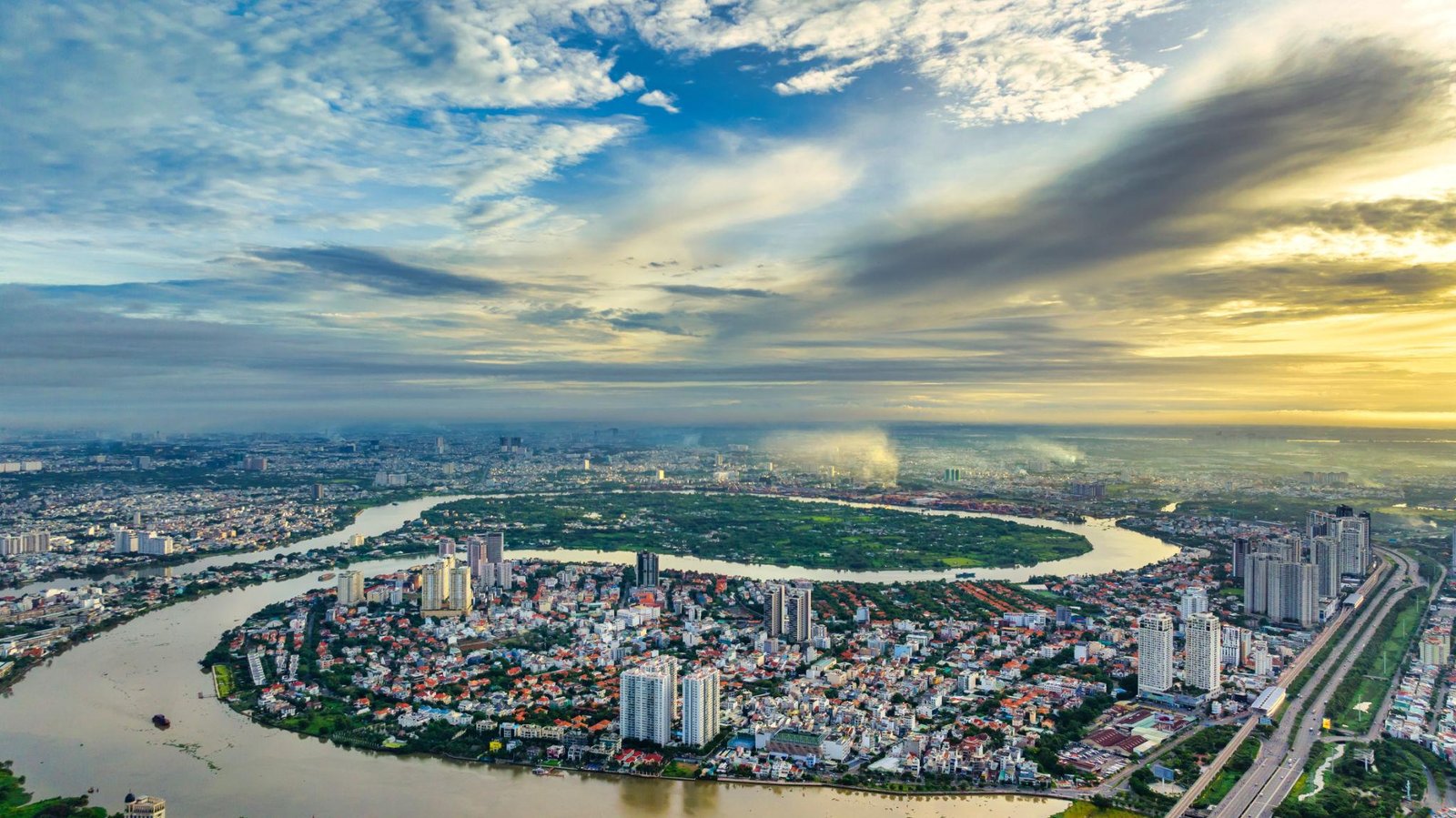
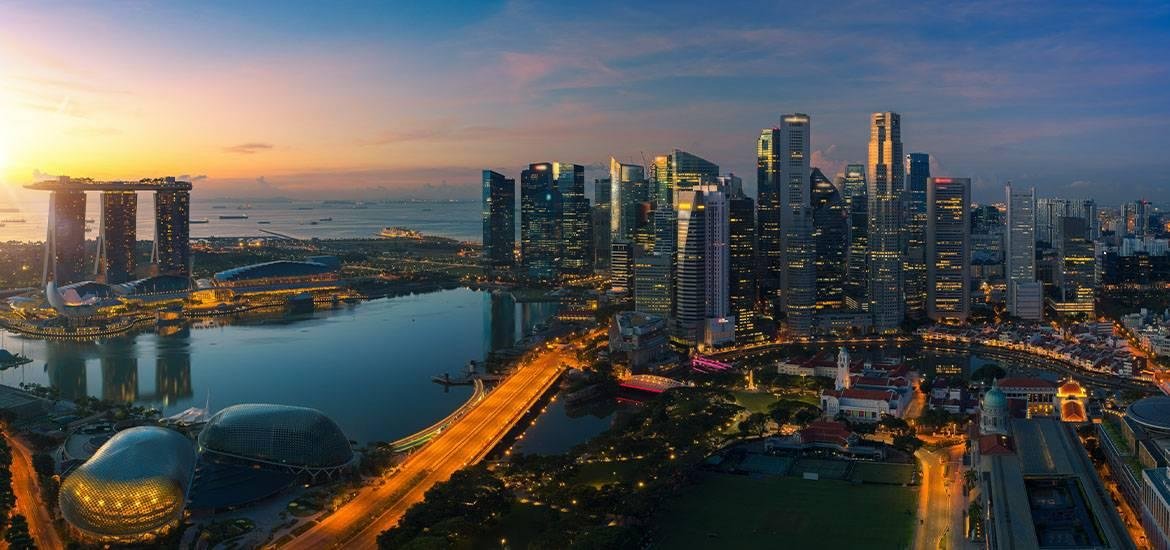
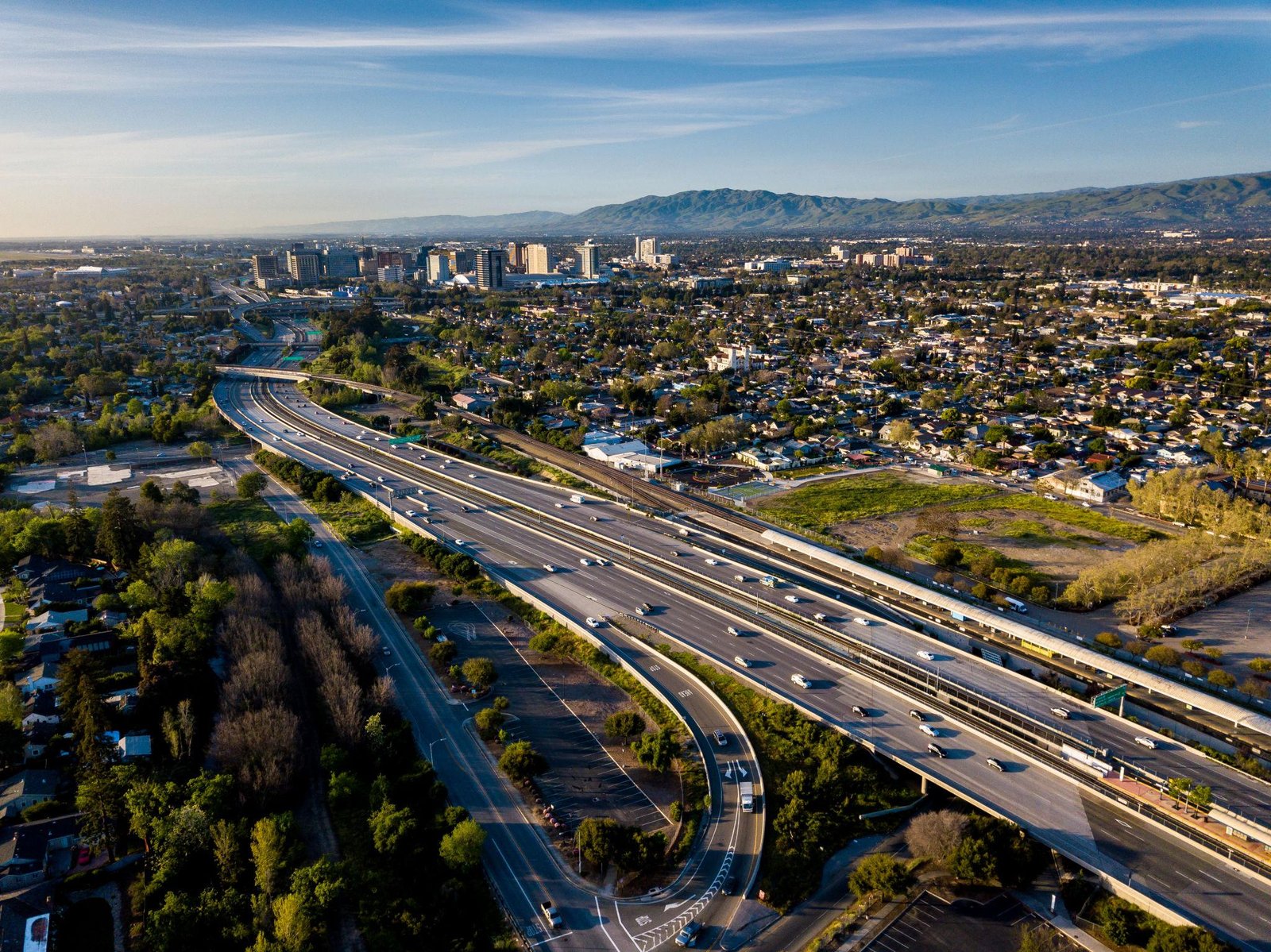
Modern economies are highly interconnected. This means conflicts in one region can affect the entire world.
Governments and businesses now focus on building more resilient supply chains, diversifying energy sources, and strengthening international cooperation to reduce economic risks.