

Car Import Rules in UAE
Importing a car into the UAE can save money or give you access to special models not available locally. However, the UAE has strict rules regarding vehicle age, specifications, documentation, and customs clearance.
Here’s a simple guide to car import rules in the UAE.
Basic Eligibility Rules
Before importing, check these conditions:
-
Vehicle must meet GCC specifications
-
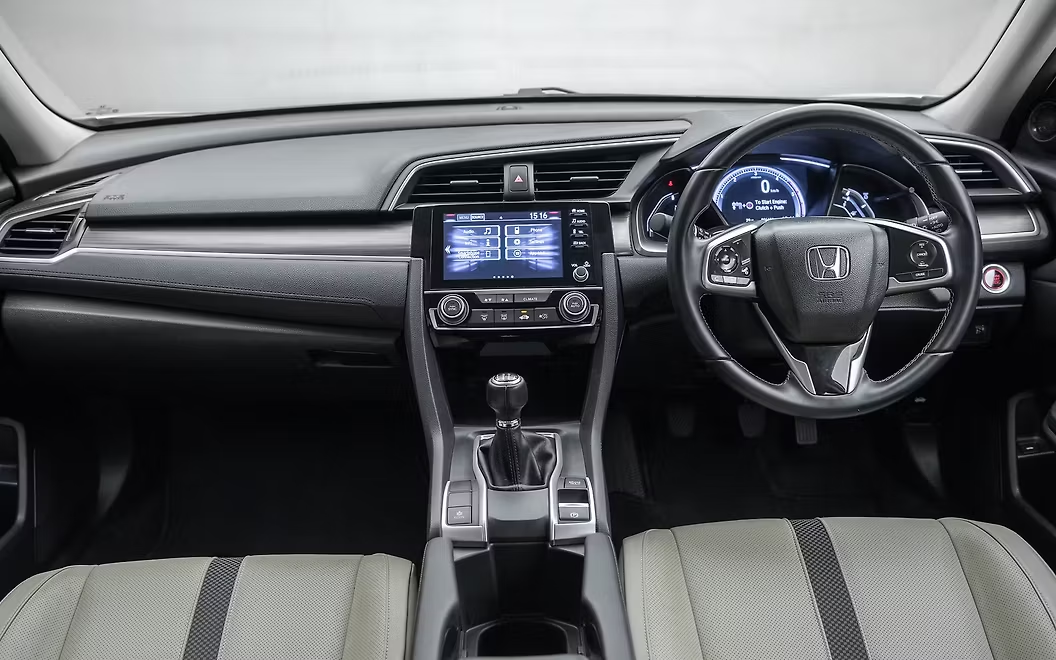
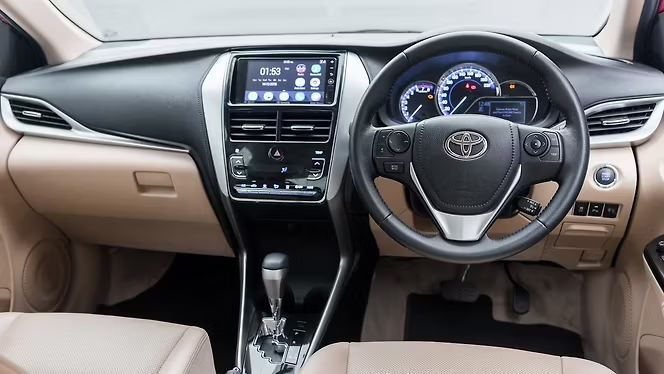
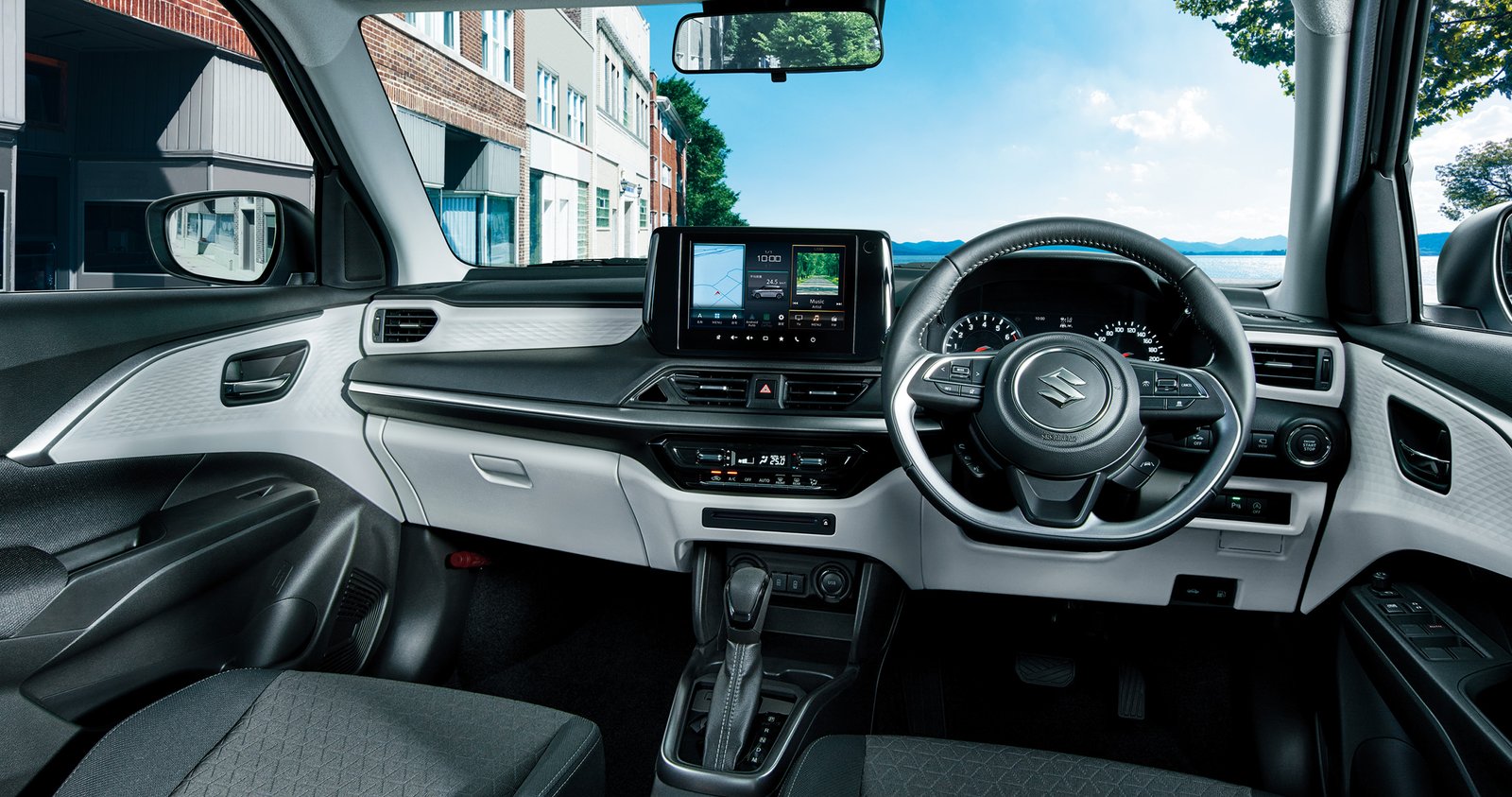
Left-hand drive only (right-hand drive not allowed for registration)
-
Maximum age limit (usually 10 years for light vehicles in most emirates)
-
Must pass UAE vehicle inspection
Required Documents
You will need:
✔ Original invoice or purchase receipt
✔ Original registration certificate
✔ Export certificate from origin country
✔ Bill of lading (for shipping)
✔ Emirates ID & passport copy
✔ Customs clearance certificate
Customs process is handled by Federal Customs Authority.
Import Duties & Fees
Typical costs include:
-
5% customs duty (based on car value)
-
5% VAT on total value (including duty)
-
Port handling charges
-
Testing & registration fees
Luxury and high-value vehicles may have higher overall costs due to valuation.
Vehicle Inspection & Testing
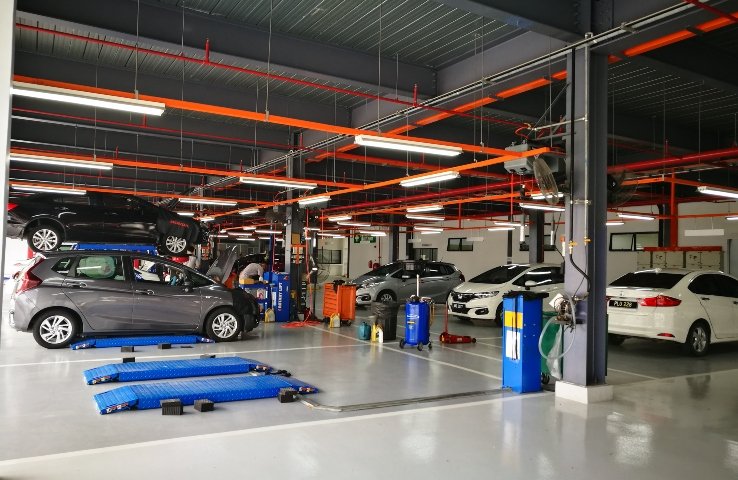
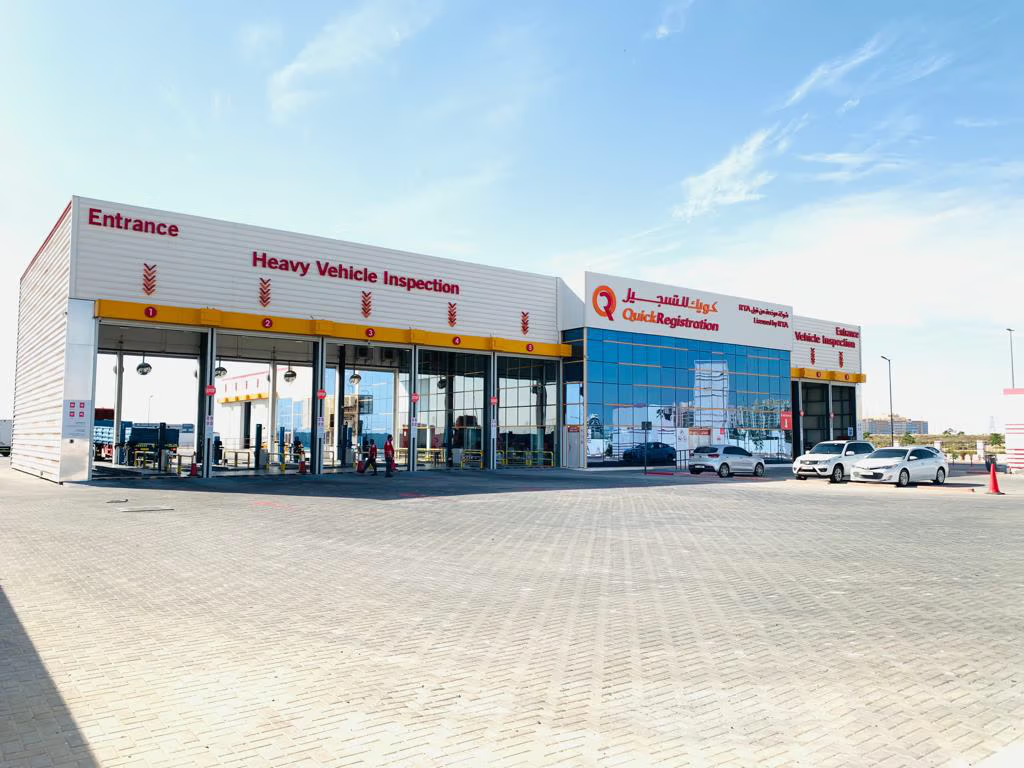
Imported vehicles must pass inspection by authorities like RTA (in Dubai).
Inspection checks:
-
Safety standards
-
Emission compliance
-
Structural condition
-
Accident damage
If the car fails inspection, repairs are required before registration.
Cars That Cannot Be Imported
-
Heavily damaged or flood vehicles
-
Cars older than permitted age limit
-
Right-hand drive vehicles (for road use)
-
Certain modified or racing cars
Always confirm rules based on your emirate (Dubai, Abu Dhabi, Sharjah, etc.).
Shipping Options
-
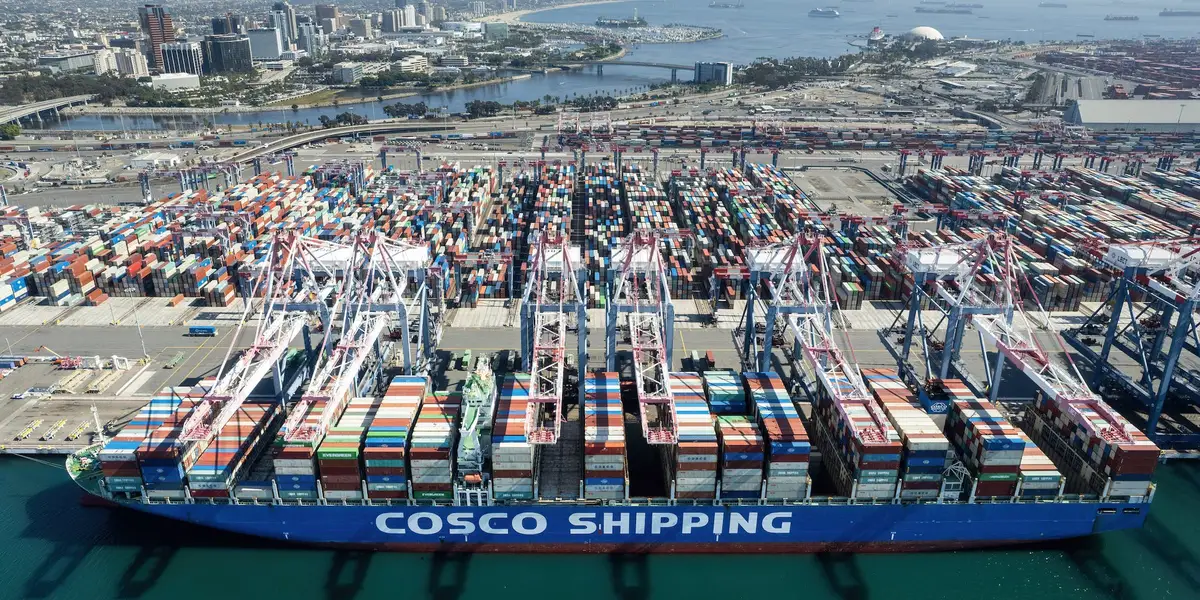
Sea freight (most common)
-
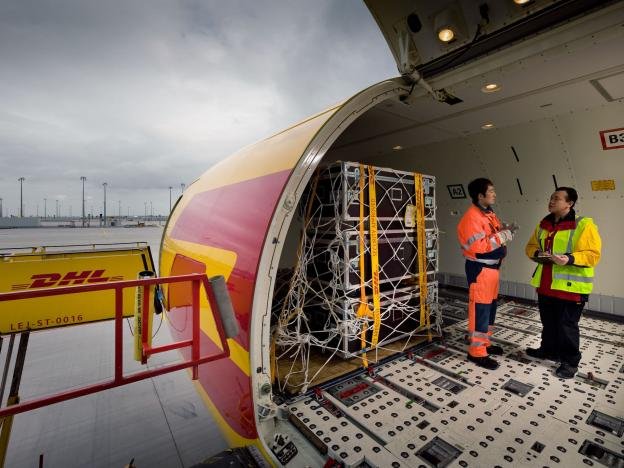
Air freight (expensive, used for luxury cars)
-
Land transport (from GCC countries)
Shipping time depends on origin country.
Registration Process After Import
-
Pay customs duty
-
Get vehicle inspection
-
Obtain insurance
-
Register vehicle
-
Receive UAE number plates