

Economic Lessons From Past Conflicts
Introduction: What History Teaches Us About War and Economy
Wars leave deep marks on nations—not just in politics and society, but also in economic systems. While conflicts bring destruction, they also reveal important lessons about how economies behave under extreme pressure.
By studying past conflicts, we can understand:
- How economies survive crisis
- What mistakes lead to collapse
- What strategies support recovery and growth
These lessons are still relevant today for governments, businesses, and even individuals.
1. War Comes With a Heavy Economic Cost
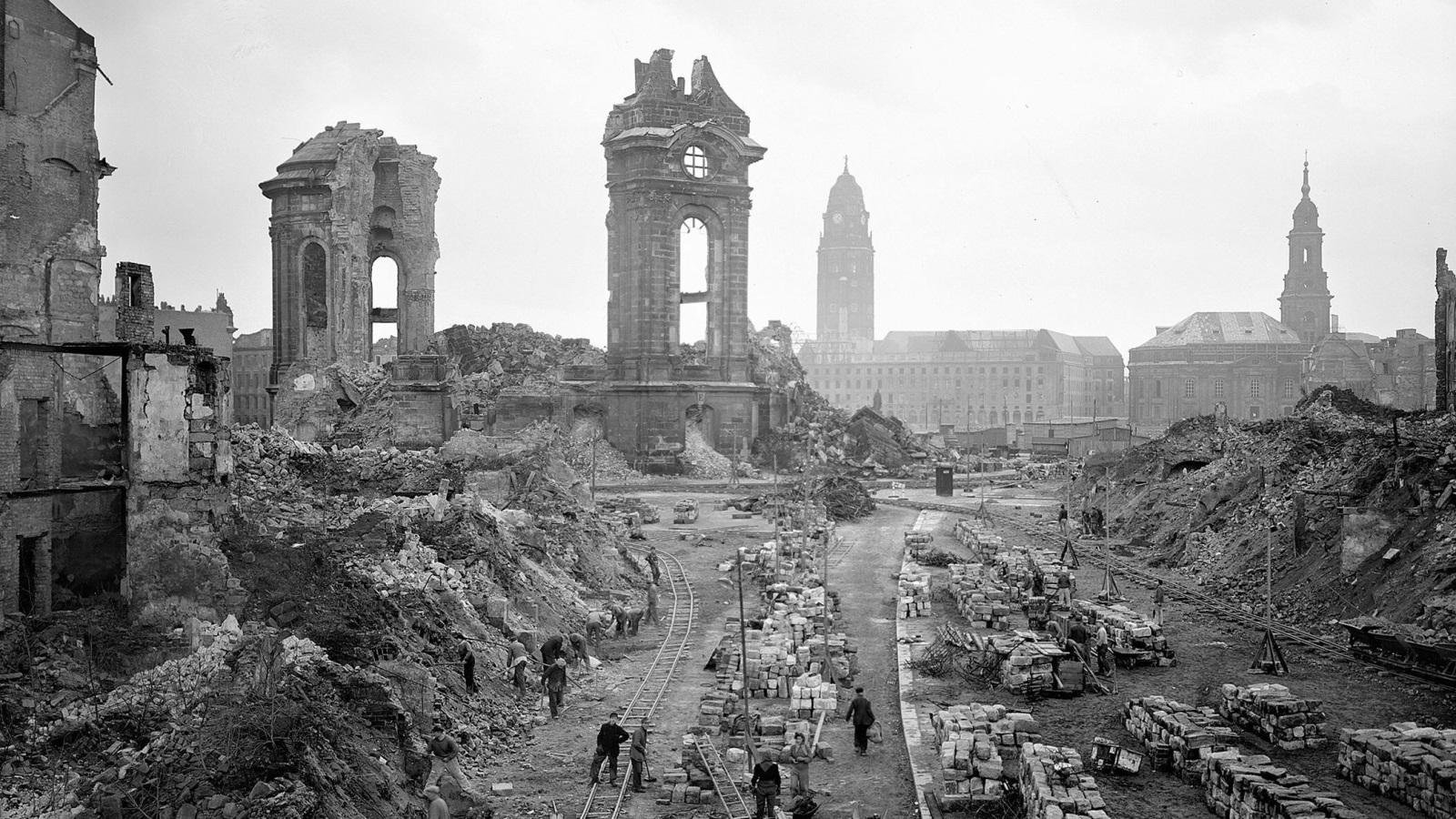
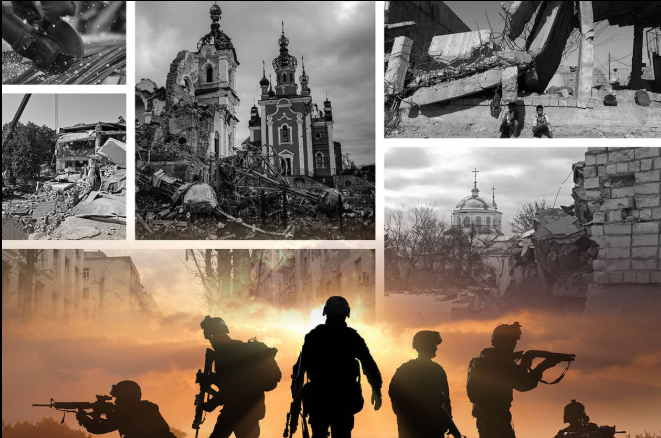
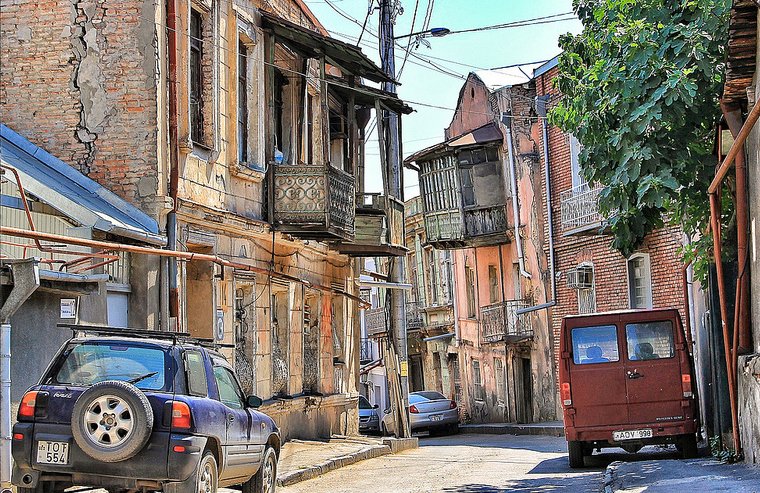
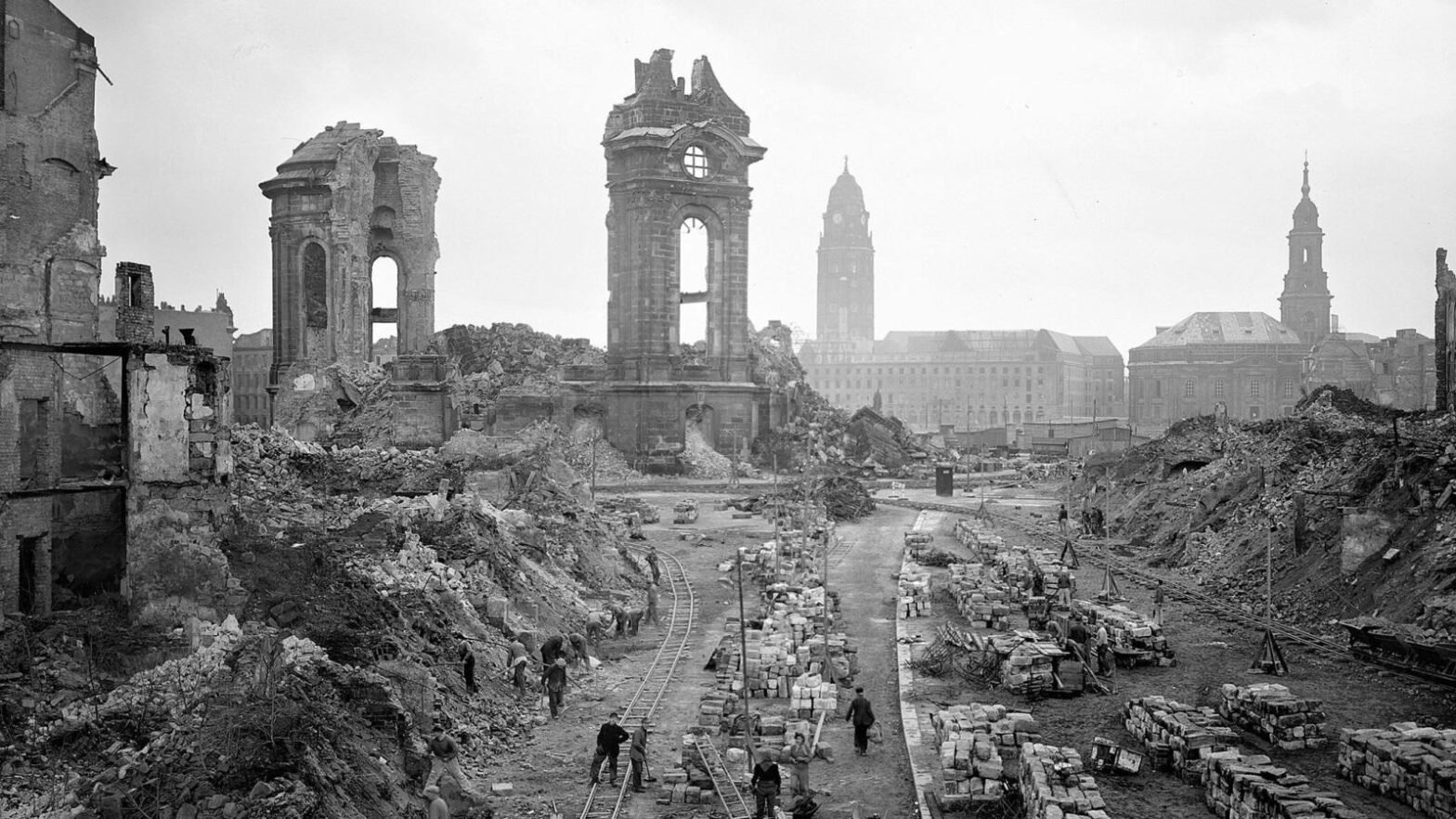
Destruction Reduces Economic Output
Conflicts destroy:
- Infrastructure (roads, bridges, ports)
- Industrial capacity (factories, machinery)
- Housing and public services
This leads to:
- Lower production
- Loss of jobs
- Economic slowdown
Lesson
Prevention is cheaper than recovery.
Avoiding war is always more economical than rebuilding after destruction.
2. Government Spending Can Boost or Break Economies
Increased Spending During War
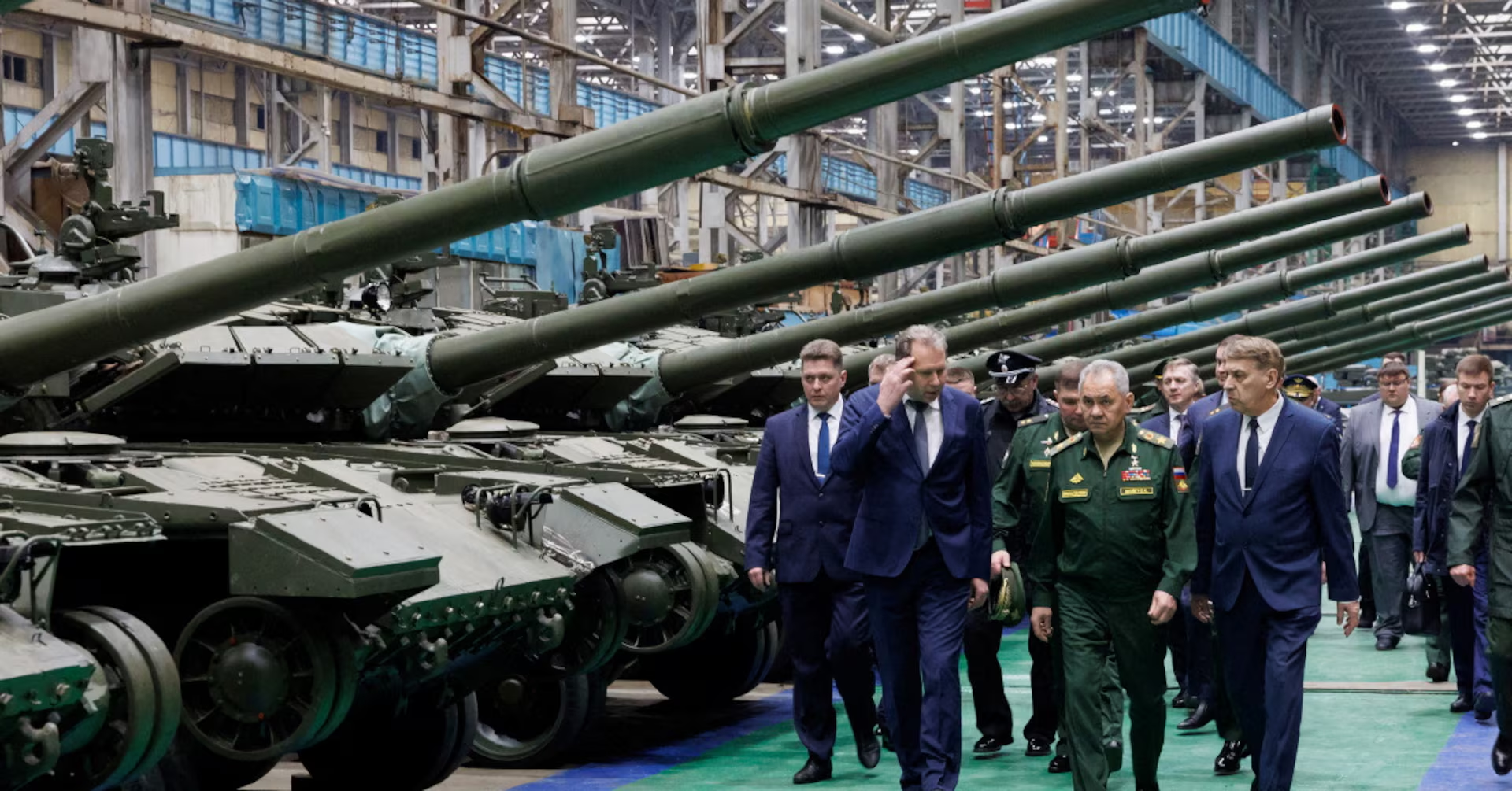
Governments spend heavily on:
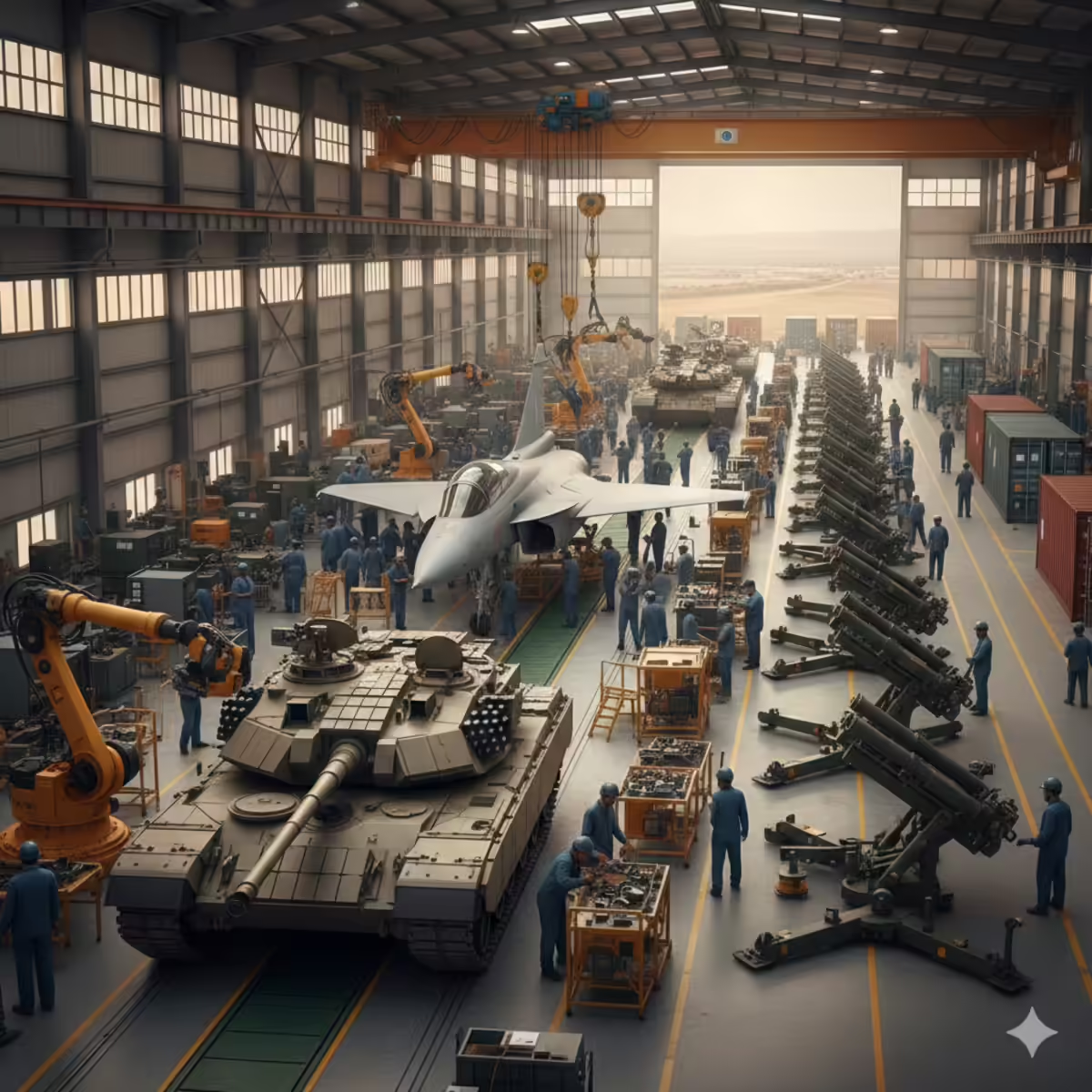
- Defense and weapons
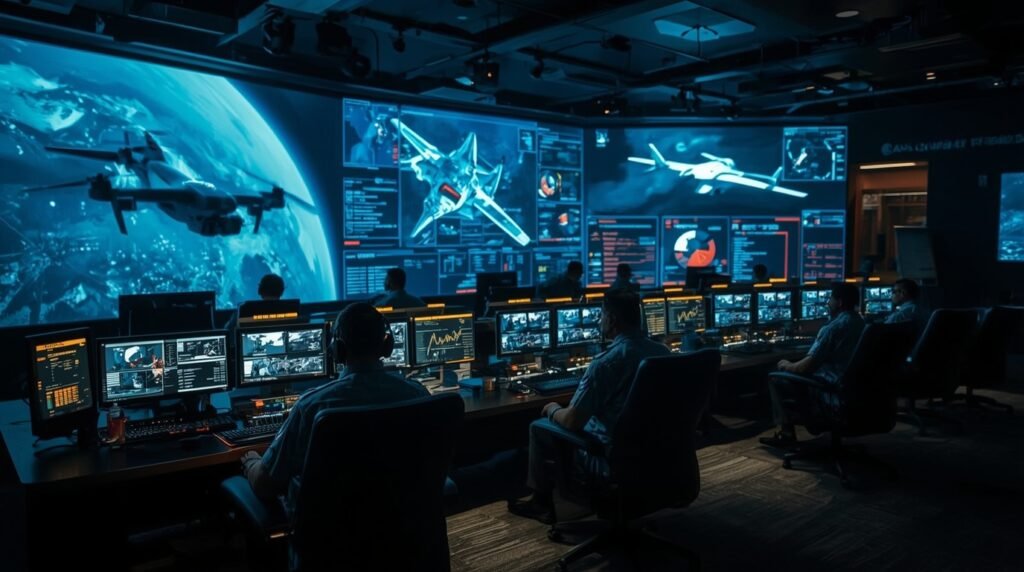
- Military operations
- Emergency logistics
This can:
- Create jobs
- Increase industrial production
But It Also Creates Debt
- High borrowing leads to long-term financial stress
- Taxes may rise after war
Lesson
Smart spending matters.
Short-term growth should not create long-term financial instability.
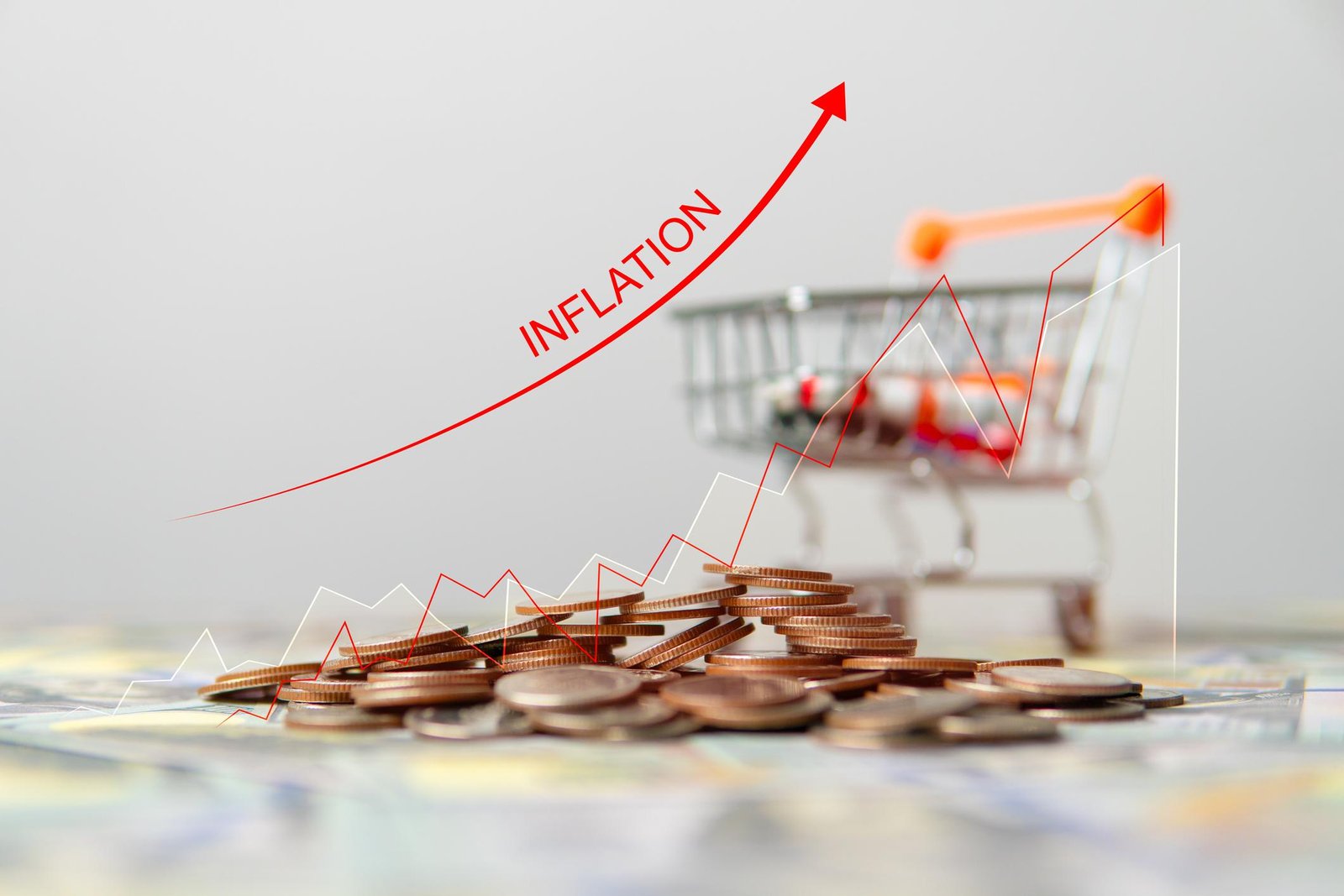
3. Inflation Is a Common Wartime Challenge
Why Inflation Happens
- High government spending
- Short supply of goods
- Disrupted trade
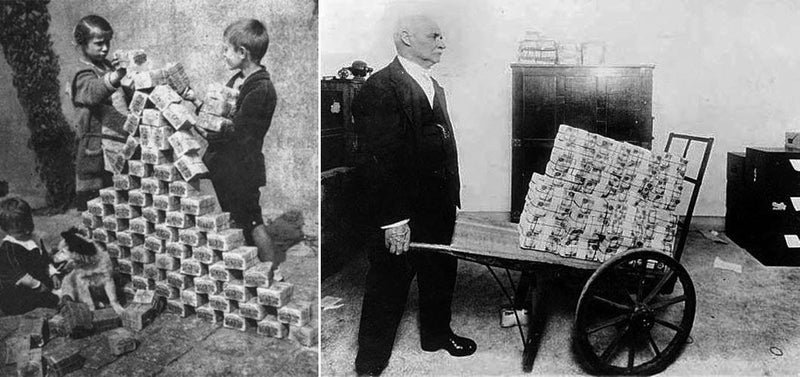
Real Example
Post-World War I Germany experienced hyperinflation, where money lost its value rapidly.
Lesson
Control inflation early.
If not managed, it can destroy savings and weaken the entire economy.
4. Wars Drive Innovation and Technological Growth
Innovation Under Pressure
Wars accelerate development of:
- Communication systems
- Transportation technology
- Medical advancements
Long-Term Economic Benefits
These innovations later:
- Create new industries
- Improve productivity
- Support economic expansion
Lesson
Crisis can drive innovation.
But peaceful innovation is always more sustainable.
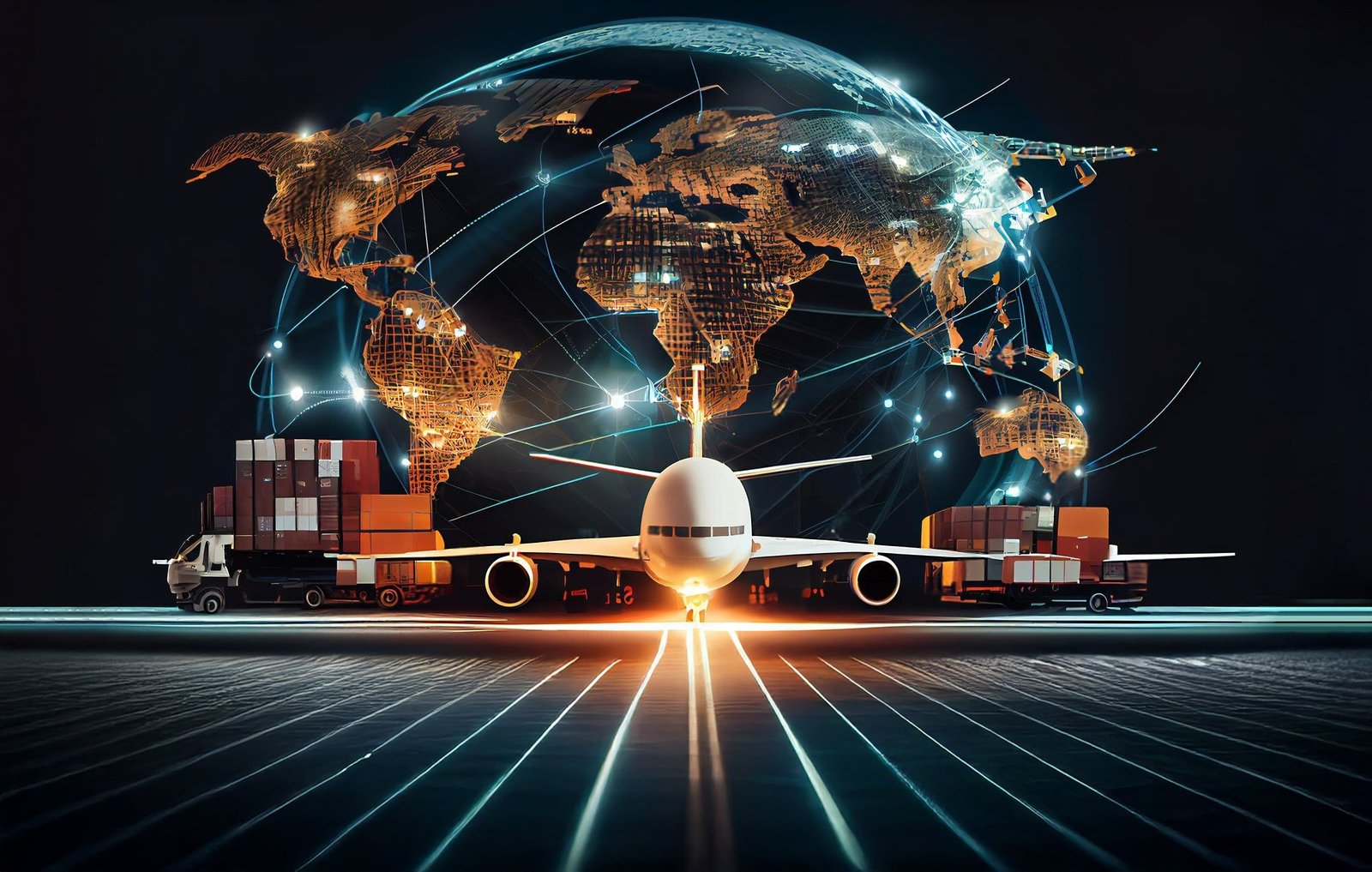
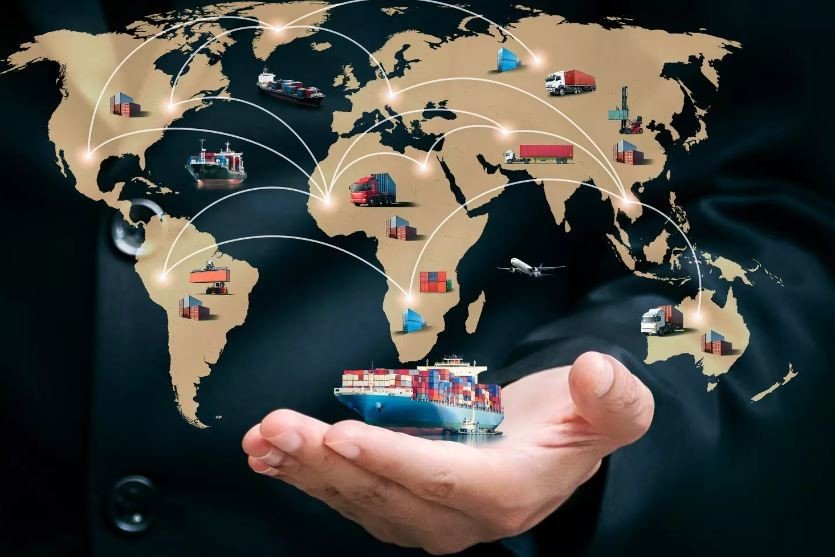
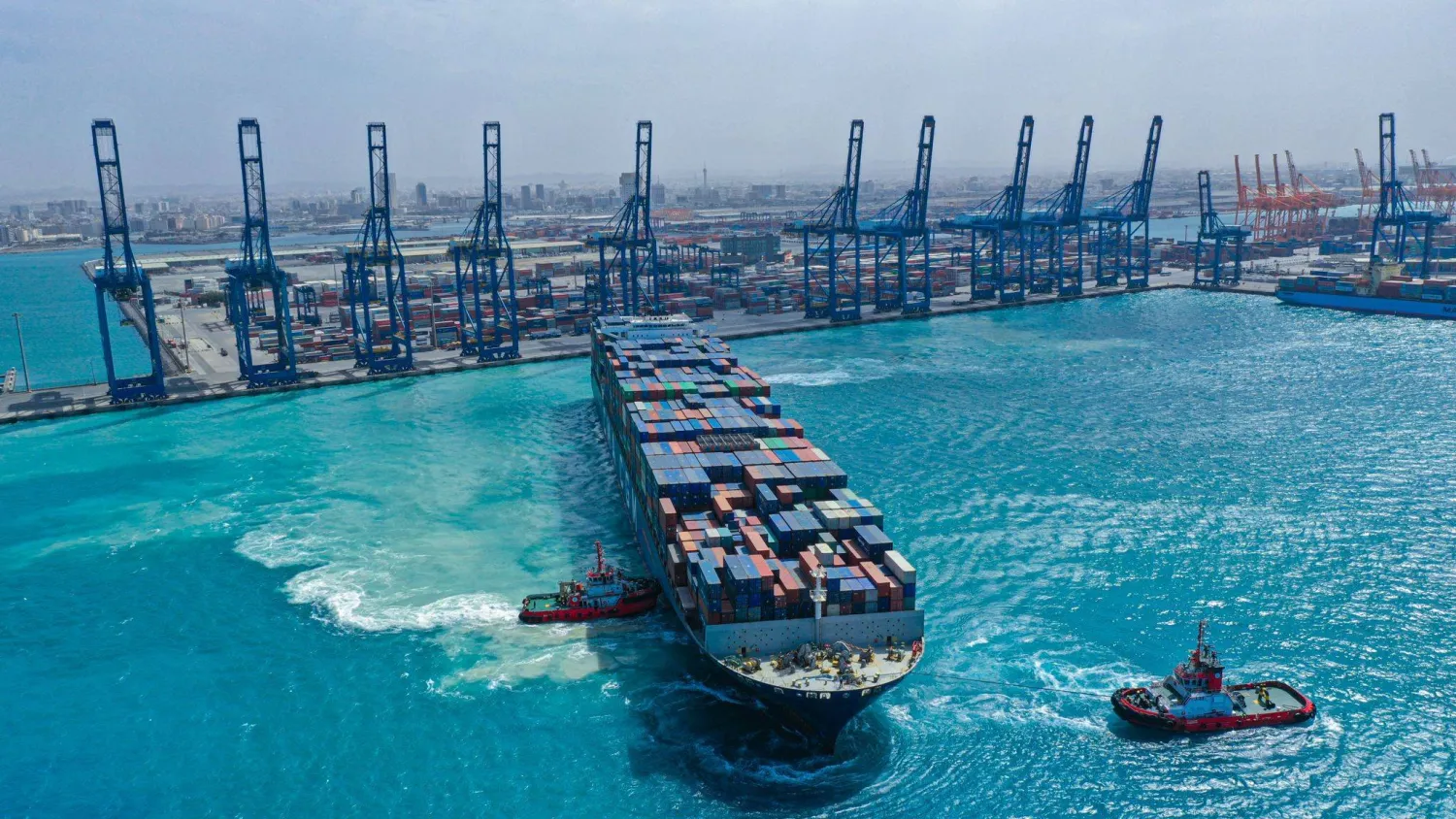
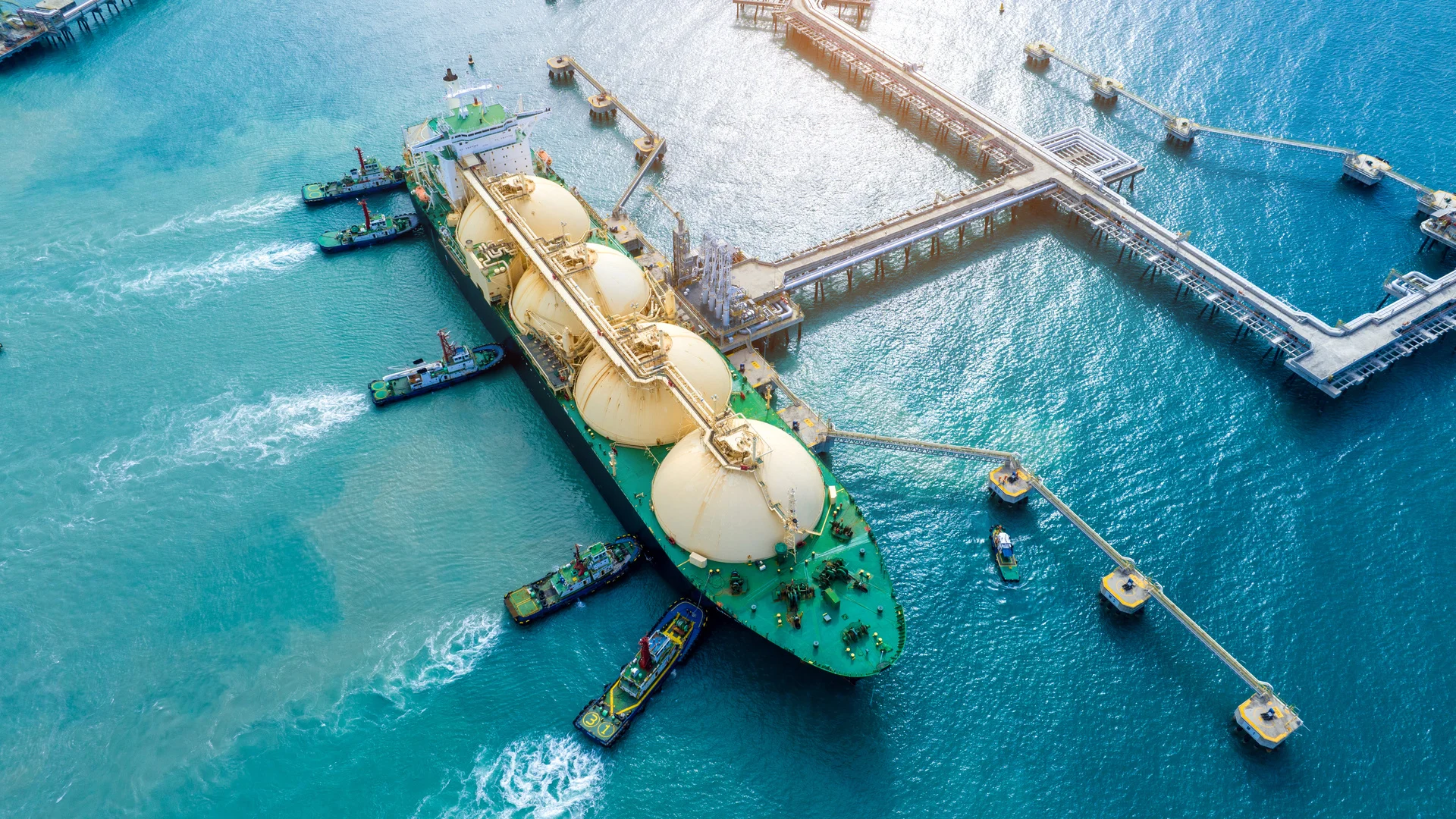
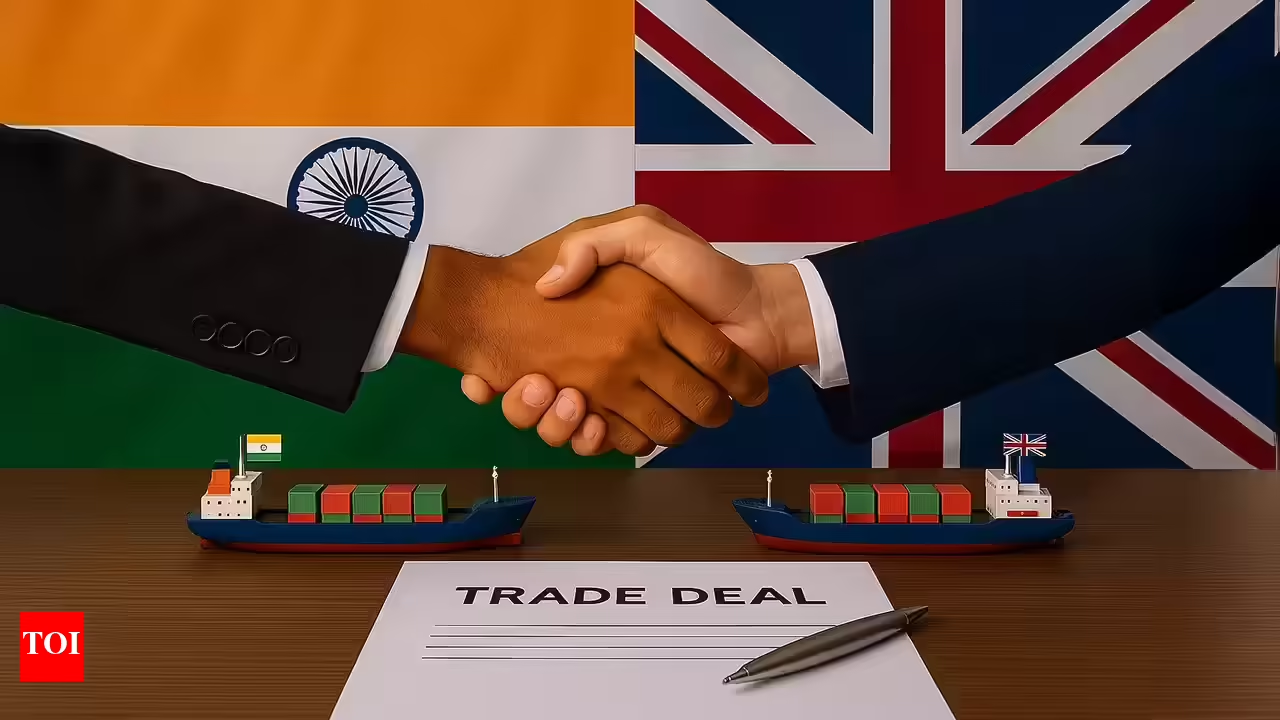
5. Trade Disruptions Can Reshape Global Markets
What Happens to Trade During War
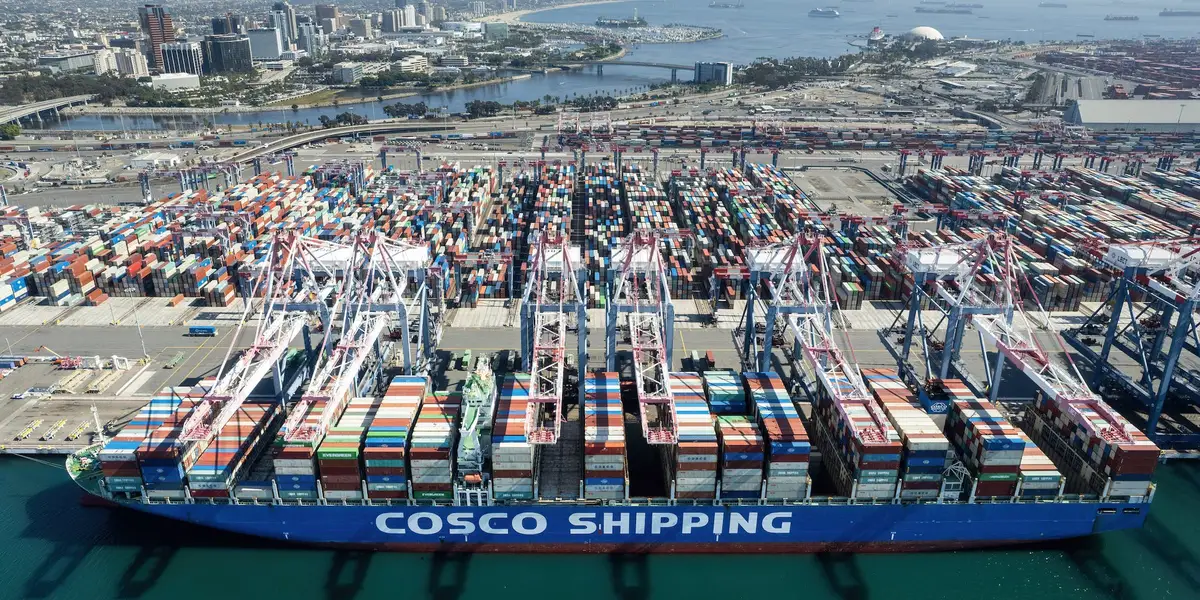
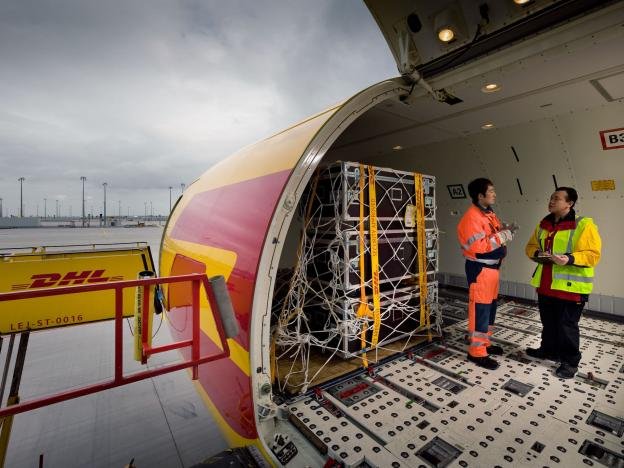
- Shipping routes become unsafe
- Imports and exports decline
- Supply chains break
Long-Term Effects
- New trade partners emerge
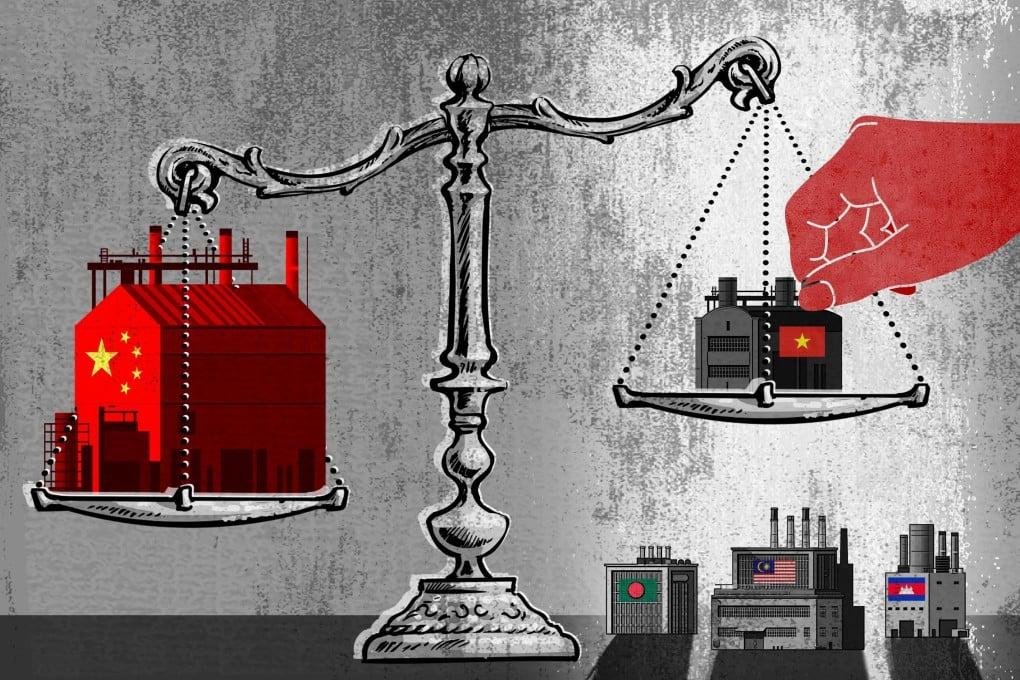
- Countries shift toward self-reliance
Lesson
Diversification is key.
Relying on one trade partner or route is risky.
6. Labor Markets Change Rapidly
Workforce Transformation
- Soldiers leave civilian jobs
- Women and new workers fill gaps
- Migration increases
Economic Impact
- Wage changes
- Skill development
- Long-term social change
Lesson
Flexible labor systems are essential.
Economies that adapt quickly perform better.
7. Post-War Reconstruction Can Create Growth
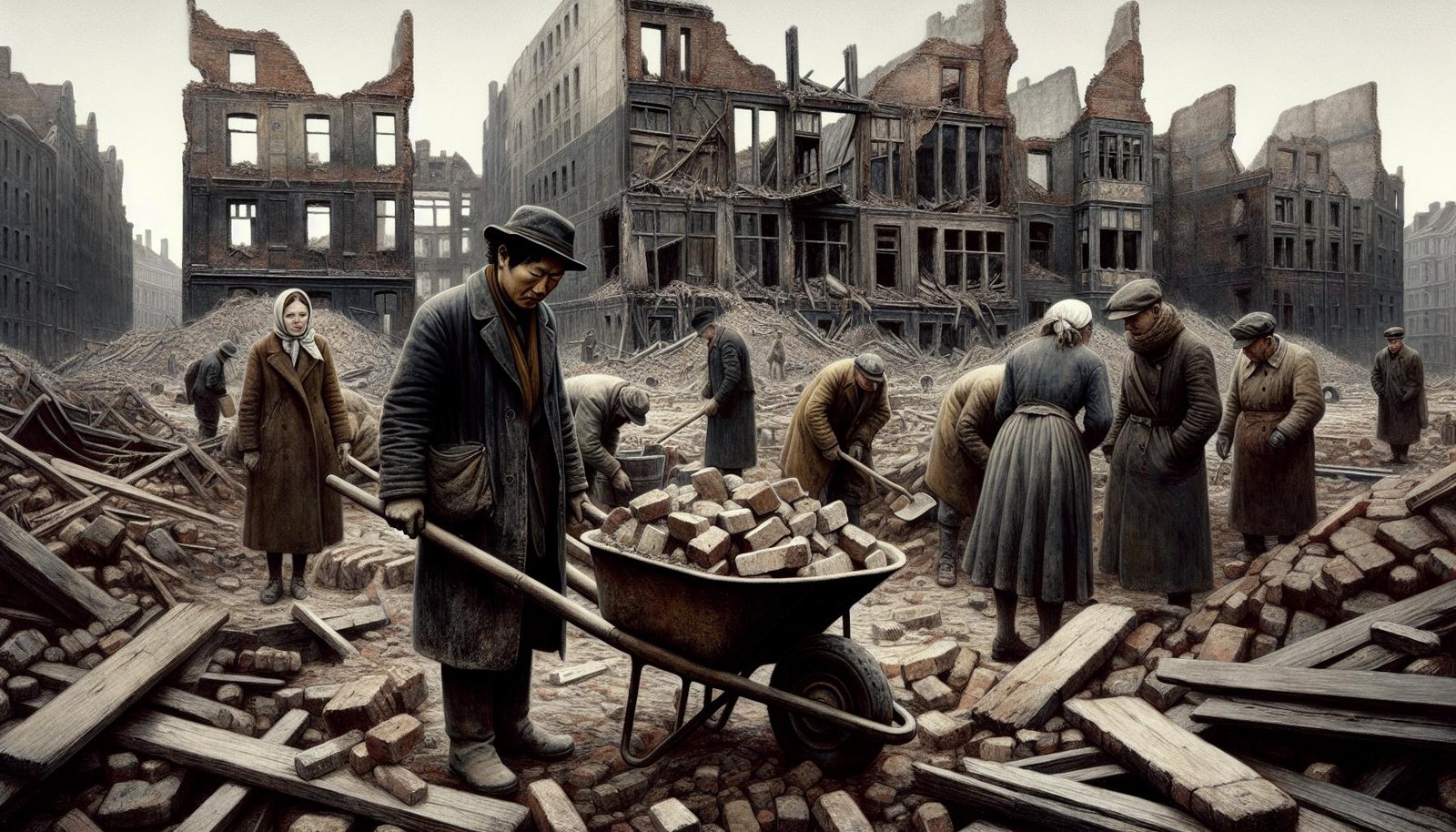
Rebuilding Creates Opportunity
After war:
- Infrastructure is rebuilt
- New industries emerge
- Modern systems replace old ones
Examples
- Germany and Japan rebuilt into strong economies
- The Marshall Plan supported European recovery
Lesson
Reconstruction can drive long-term growth if planned well.
8. Global Cooperation Becomes More Important
Formation of Global Institutions
After major conflicts, countries created:
- United Nations (UN)
- International Monetary Fund (IMF)
- World Bank
Why It Matters
- Promotes economic stability
- Encourages trade cooperation
- Helps prevent future crises
Lesson
Global cooperation strengthens economies.
9. Economic Inequality Often Increases
Who Suffers the Most
- Low-income populations
- Displaced communities
- Small businesses
Why Inequality Grows
- Unequal access to resources
- Job losses in vulnerable sectors
Lesson
Protect vulnerable groups during crisis to maintain social and economic balance.
10. Economic Planning Is Critical for Stability
What Strong Economies Do
- Maintain emergency reserves
- Diversify industries
- Build resilient supply chains
Lesson
Prepared economies recover faster and stronger.