

The Rise of Multi-Polar World Order
Introduction
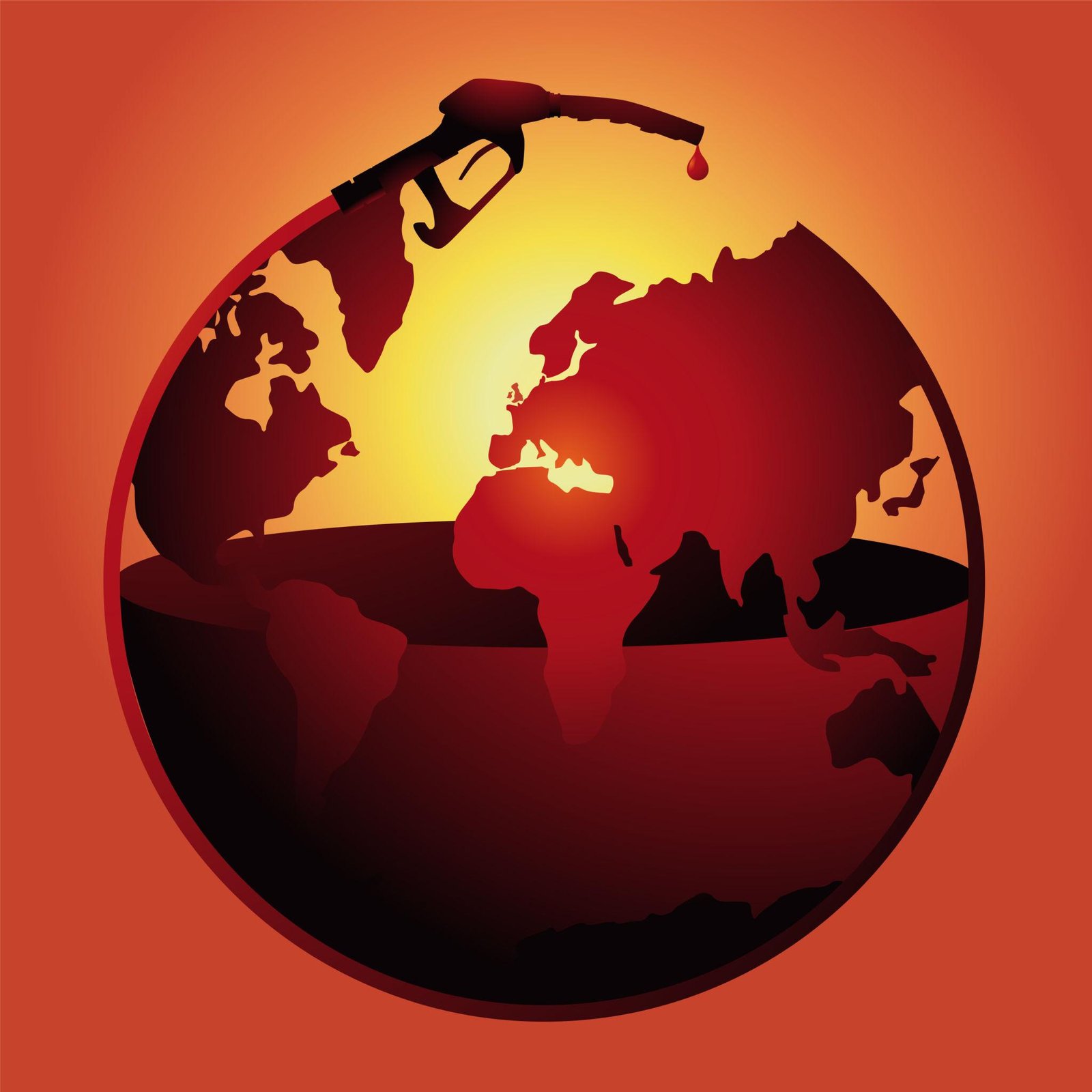
The global political and economic system is changing rapidly. For many decades, world power was concentrated in a small number of dominant countries. Today, however, several nations are rising economically, politically, and militarily. This shift has led to what experts call a multi-polar world order.
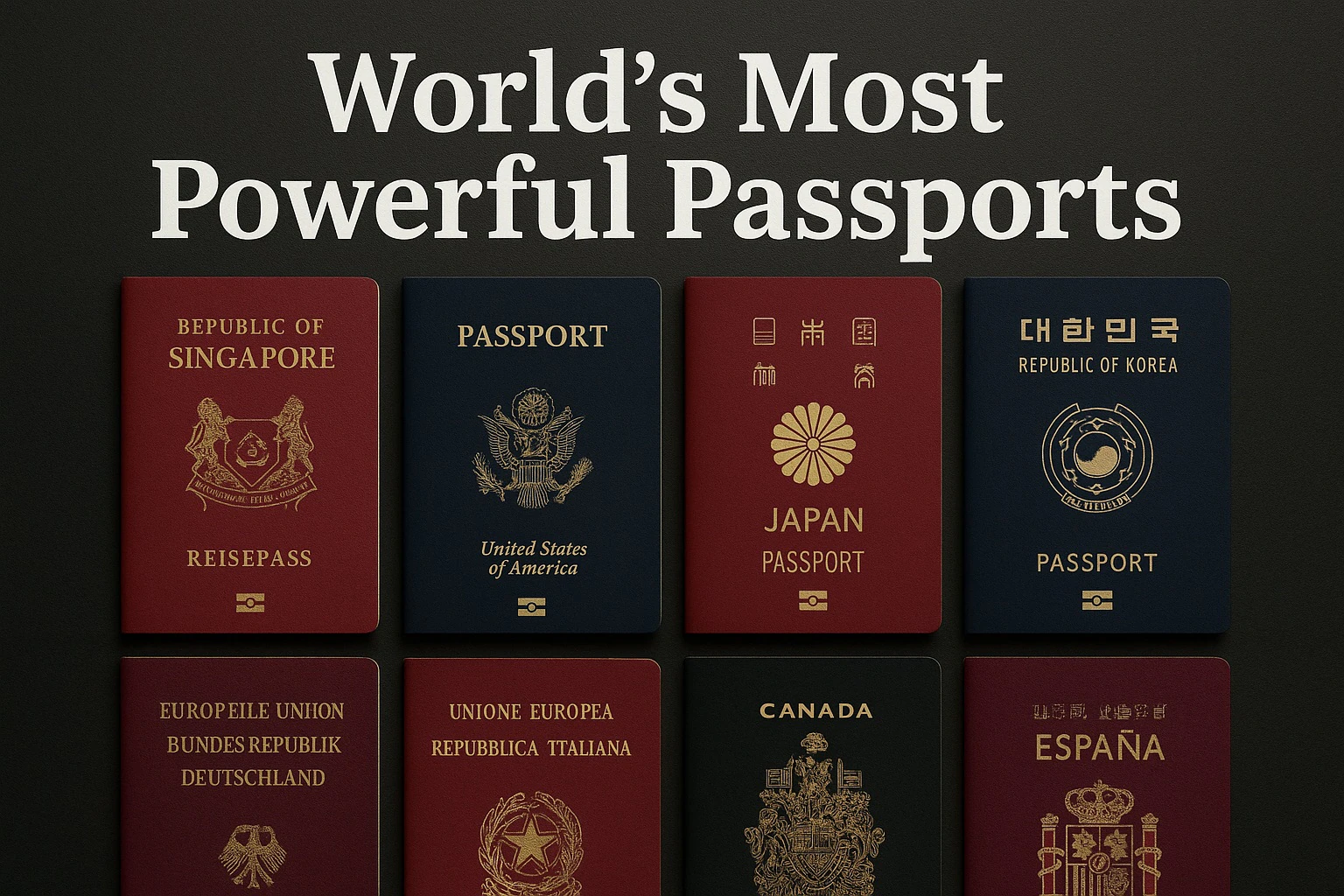
A multi-polar world means that multiple countries share global influence, rather than a single superpower dominating international affairs. Countries such as the United States, China, the European Union, India, and Russia are now major players shaping global decisions.
This transformation is affecting international trade, diplomacy, security alliances, and the future of global governance.
What Is a Multi-Polar World Order?
A multi-polar world order refers to a global system where power is distributed among several influential countries or regions.
Instead of one dominant superpower controlling international decisions, several major powers influence global politics, economics, and security.
Key Features of a Multi-Polar System
-
Multiple powerful nations shaping global policies
-
Competition and cooperation between major powers
-
Regional alliances becoming more important
-
Global institutions adapting to new power balances
This system often leads to more complex international relationships.
From Unipolar to Multipolar World
The world order has evolved over time.
Bipolar World (Cold War Era)
During the Cold War, the world was largely divided between two superpowers:
-
The United States
-
The Soviet Union
This system was called a bipolar world order.
Unipolar World (Post-Cold War)
After the Soviet Union collapsed in 1991, the United States became the dominant global power. This period is often called the unipolar moment.
Emerging Multipolar World
Today, the rise of new economic and military powers is creating a multipolar international system.
Major Powers in the Multipolar World
Several countries and regions are shaping the new global order.
United States
The United States remains one of the strongest military and economic powers in the world.
China
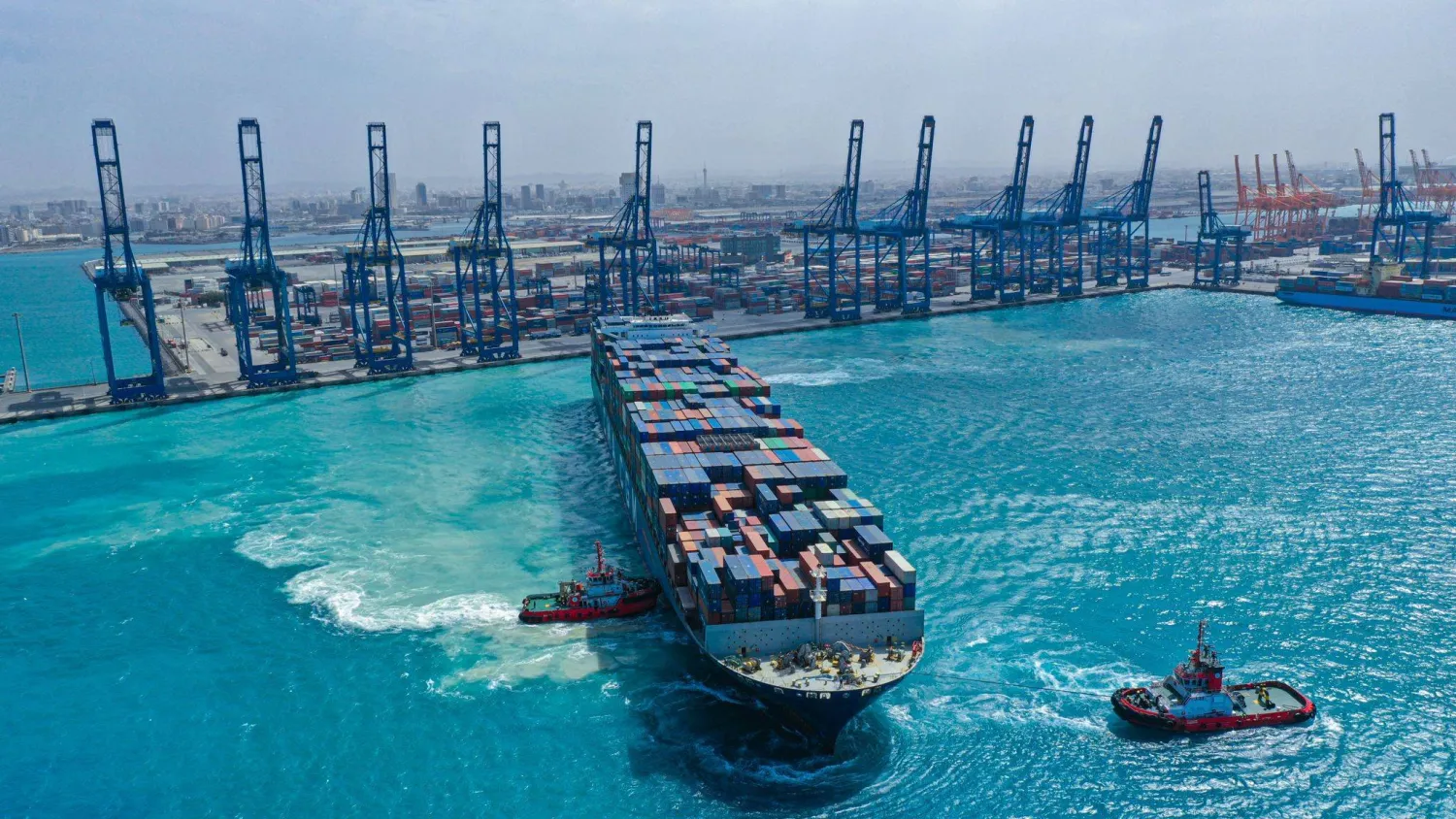
China has experienced rapid economic growth and is expanding its global influence through trade and infrastructure investments.
European Union
The EU represents a powerful economic bloc with strong influence in global trade and regulation.
India
India is one of the fastest-growing major economies and plays an increasingly important geopolitical role.
Russia
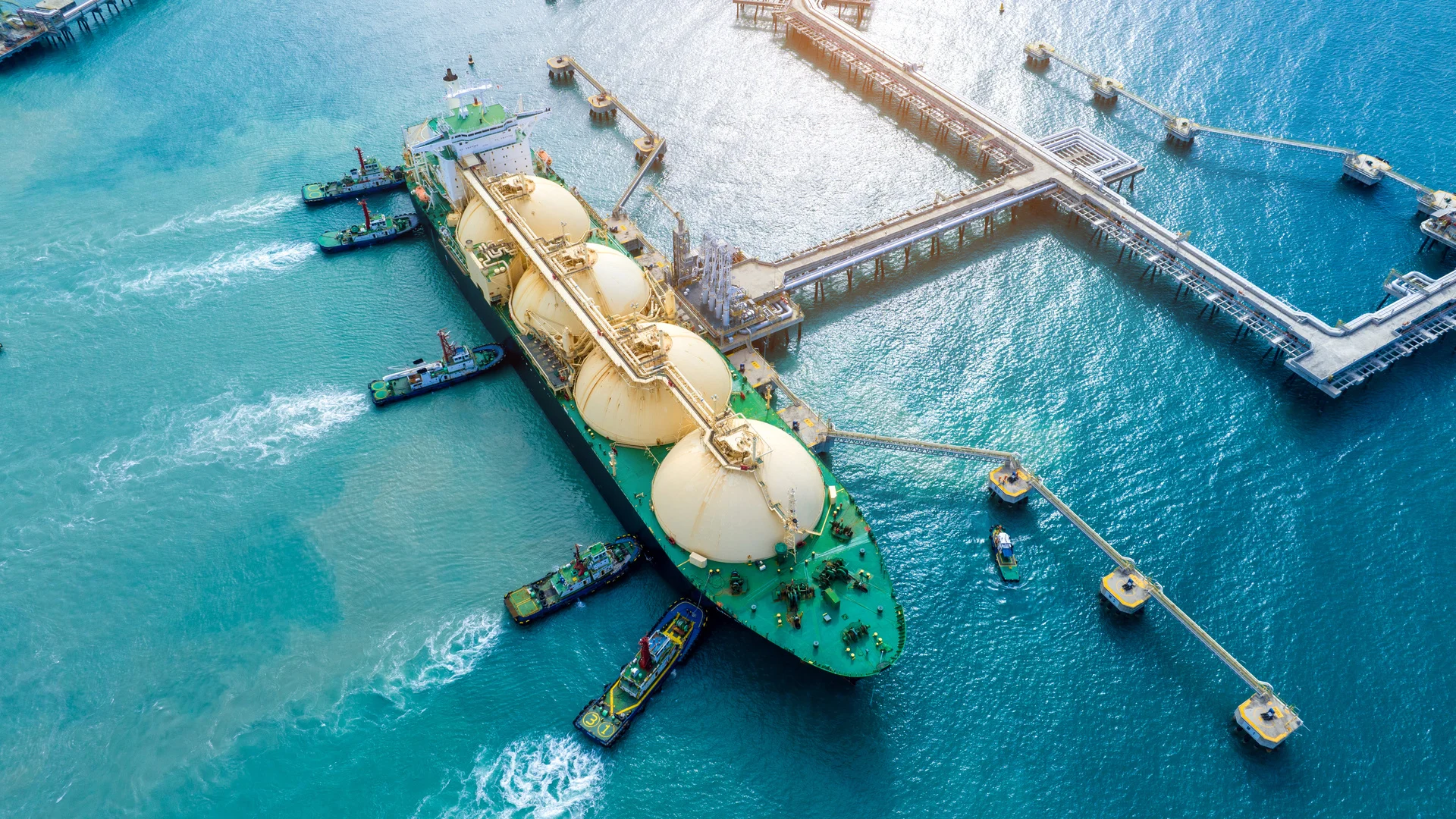
Russia continues to be a significant military and energy power.
Economic Shifts in the Global System
Economic power is gradually shifting from traditional Western economies toward emerging markets.
Key Economic Trends
-
Rapid growth in Asia
-
Increasing influence of emerging markets
-
Expansion of regional trade agreements
-
Rise of new financial institutions
These developments contribute to a more balanced global economic landscape.
Role of International Alliances
In a multipolar world, alliances and partnerships become even more important.
Examples of Global Alliances
-
Economic partnerships between regions
-
Security alliances between countries
-
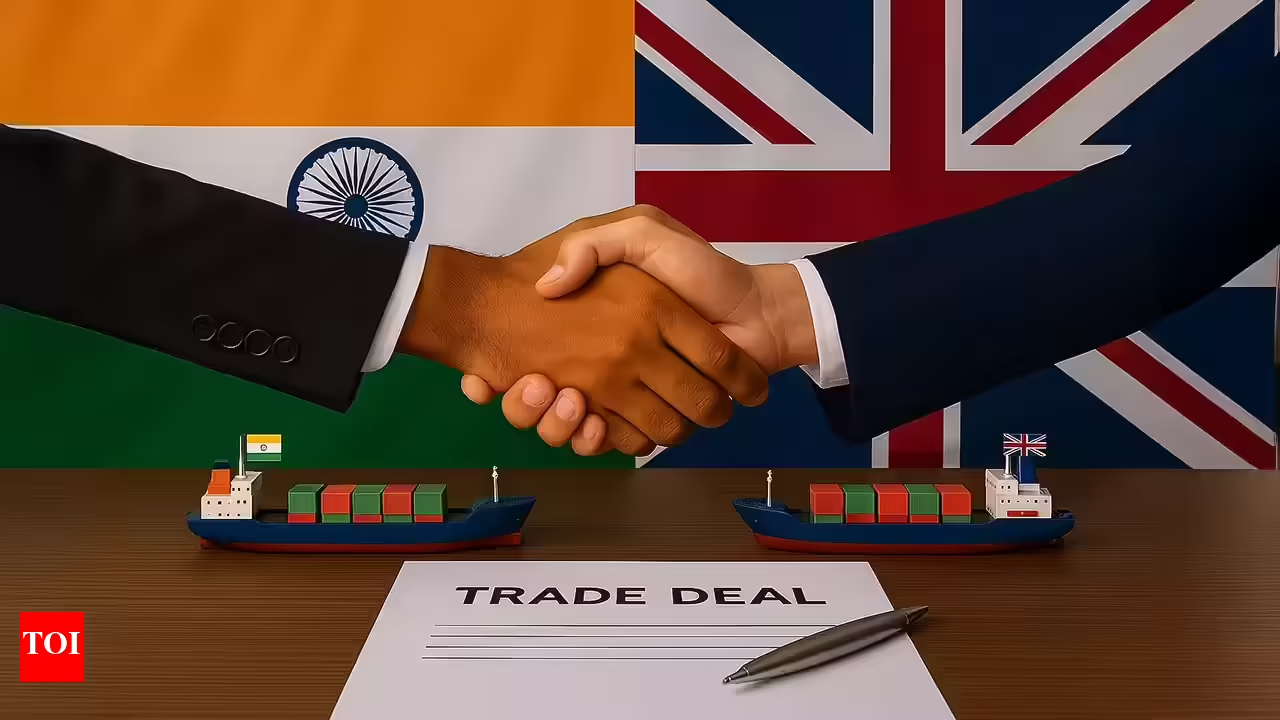
Trade agreements between multiple nations
-
International organizations coordinating policy
These alliances help countries balance power and pursue shared interests.
Challenges of a Multipolar World
A multipolar world also brings several challenges.
Potential Risks
-
Increased geopolitical competition
-
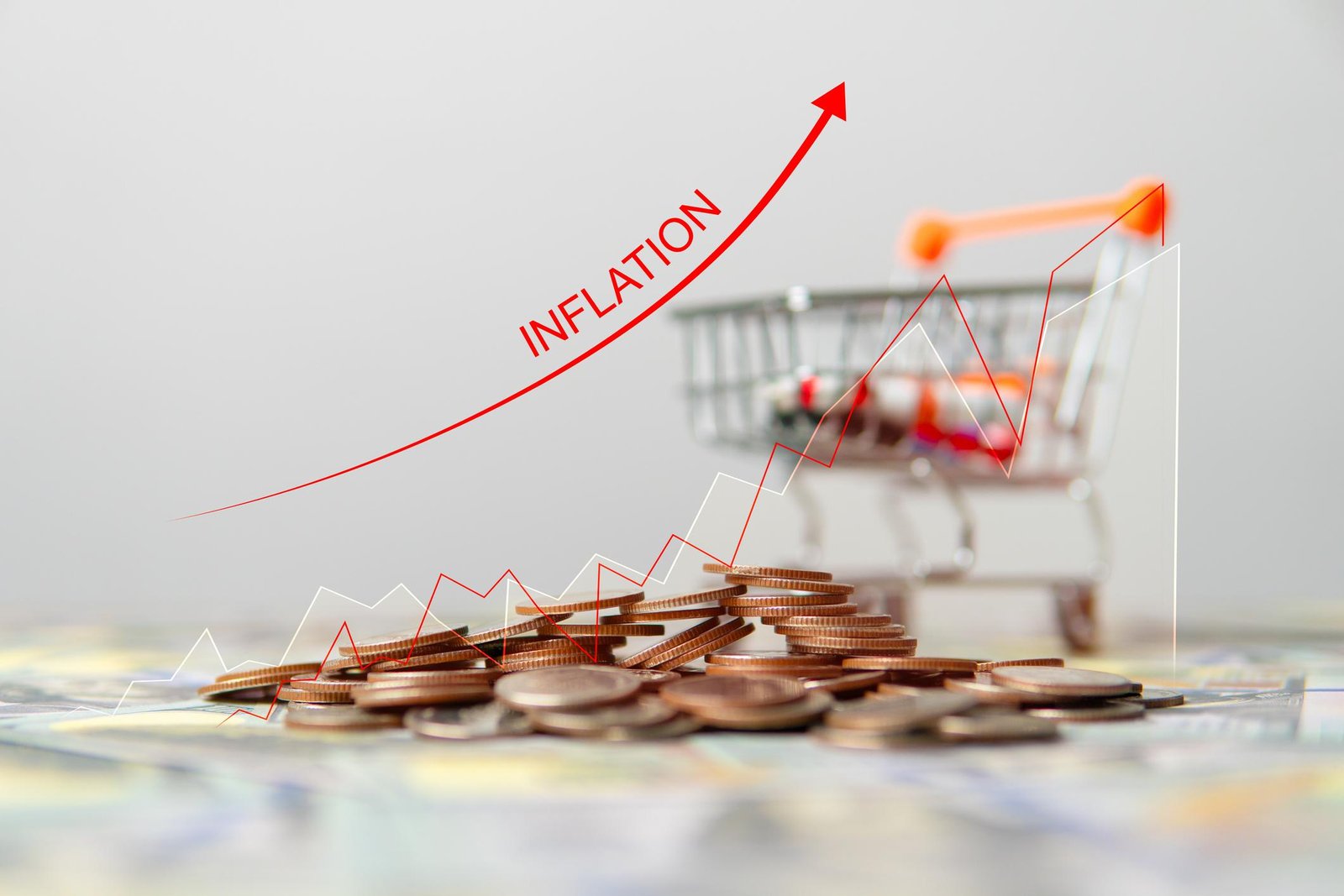
Trade conflicts between major economies
-
Complex diplomatic negotiations
-
Regional security tensions
Managing these challenges requires strong diplomacy and international cooperation.
Opportunities in the New Global Order
Despite challenges, a multipolar world also creates new opportunities.
Potential Benefits
-
More balanced global economic development
-
Increased regional cooperation
-
Greater representation in international institutions
-
New trade and investment opportunities
A diversified global system may encourage innovation, competition, and collaboration.