

The Rise of Economic Blocs and New Trade Systems
Introduction
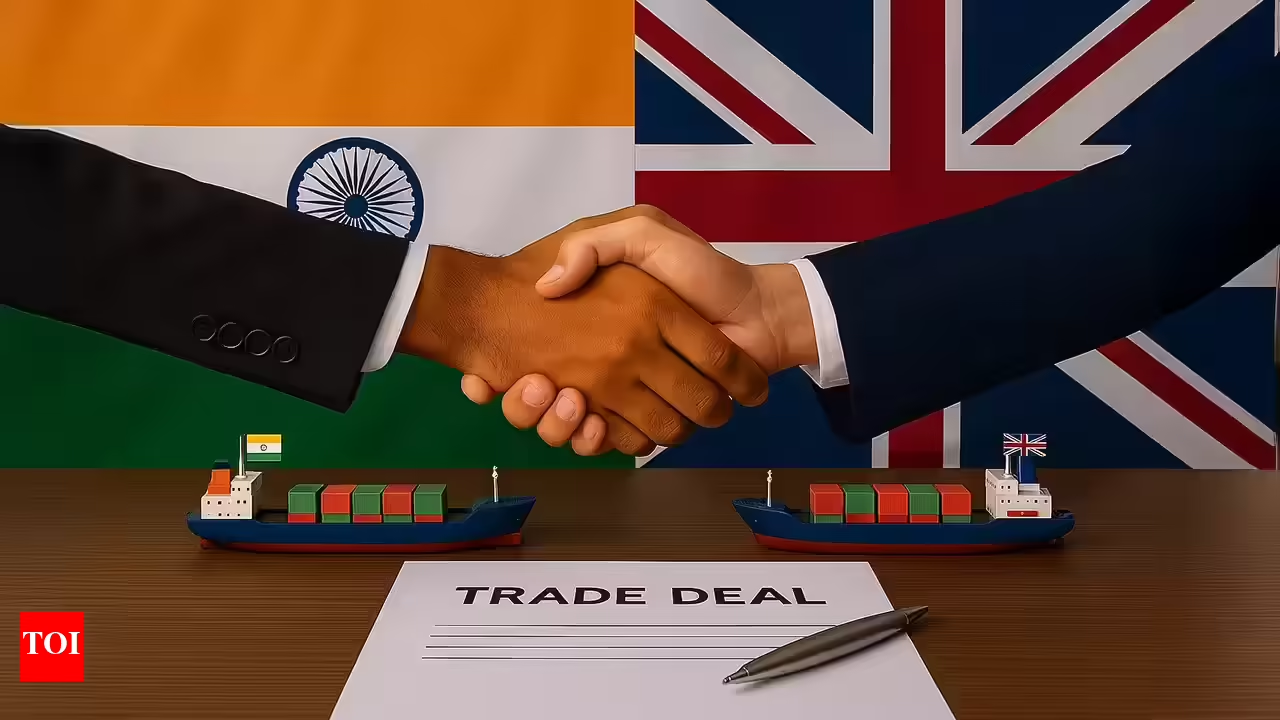
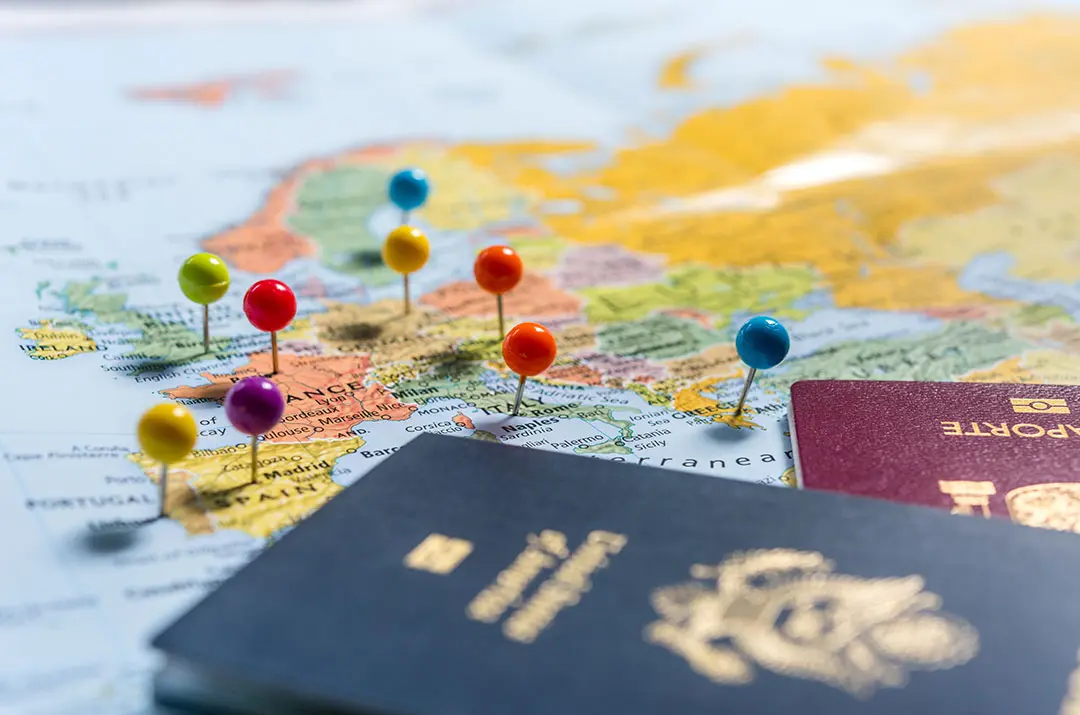
The global economy is changing faster than ever. Countries are no longer working alone. Instead, they are forming strong partnerships known as economic blocs. These blocs help nations trade better, grow faster, and reduce risks in an uncertain world.
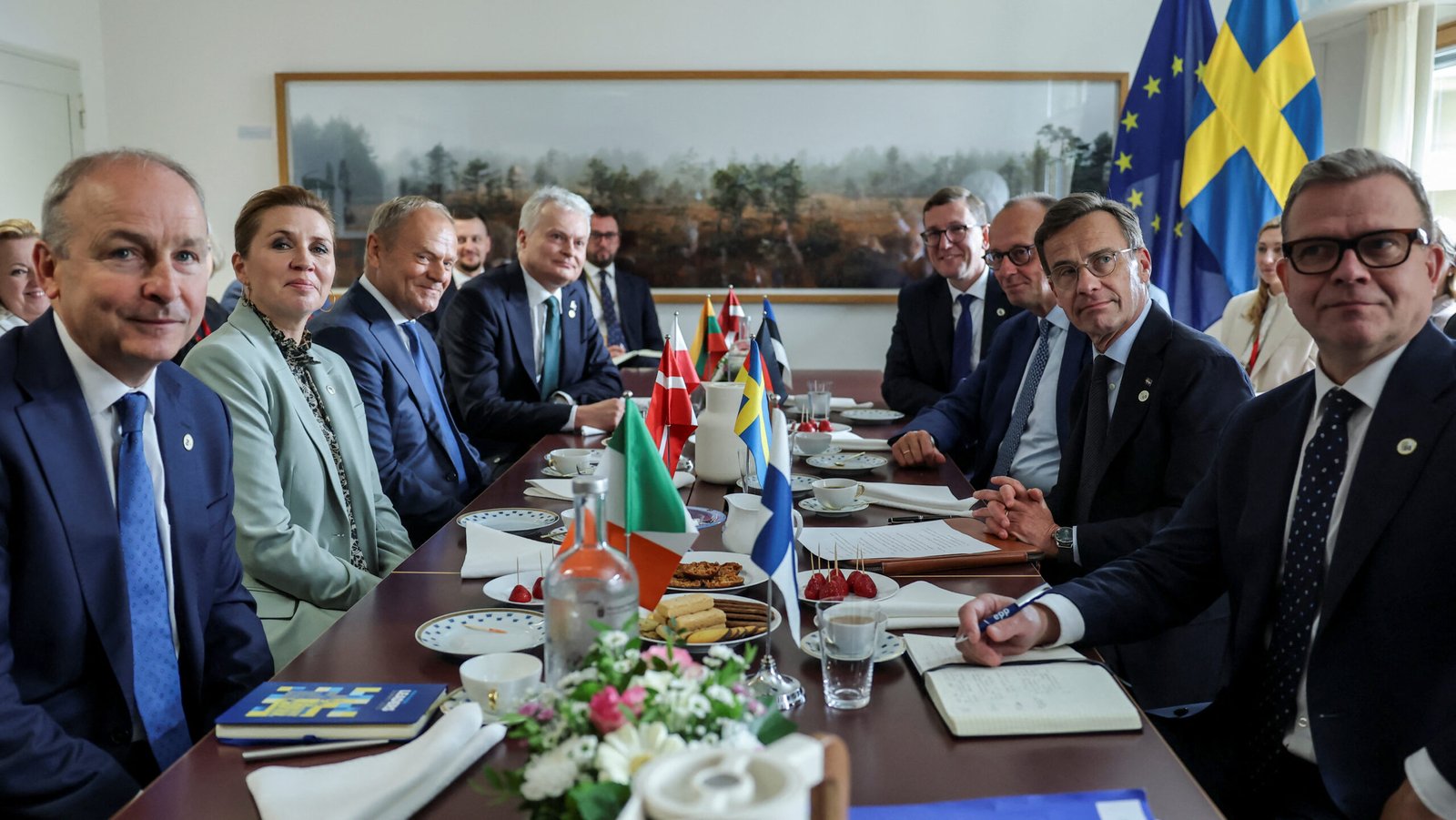
An economic bloc is a group of countries that agree to support each other through trade agreements, shared policies, and reduced barriers. Today, these blocs are becoming powerful forces that are reshaping global trade systems.
What Are Economic Blocs?
Economic blocs are alliances between countries to promote trade and economic growth.
Some major examples include:
- European Union
- BRICS
- ASEAN
Key Benefits:
- Lower or zero tariffs
- Easier movement of goods and services
- Stronger economic cooperation
- Increased investment opportunities
Why Economic Blocs Are Growing
Several global factors are driving this shift:
1. Trade Uncertainty
Global trade tensions have made countries look for stable partners.
2. Supply Chain Issues
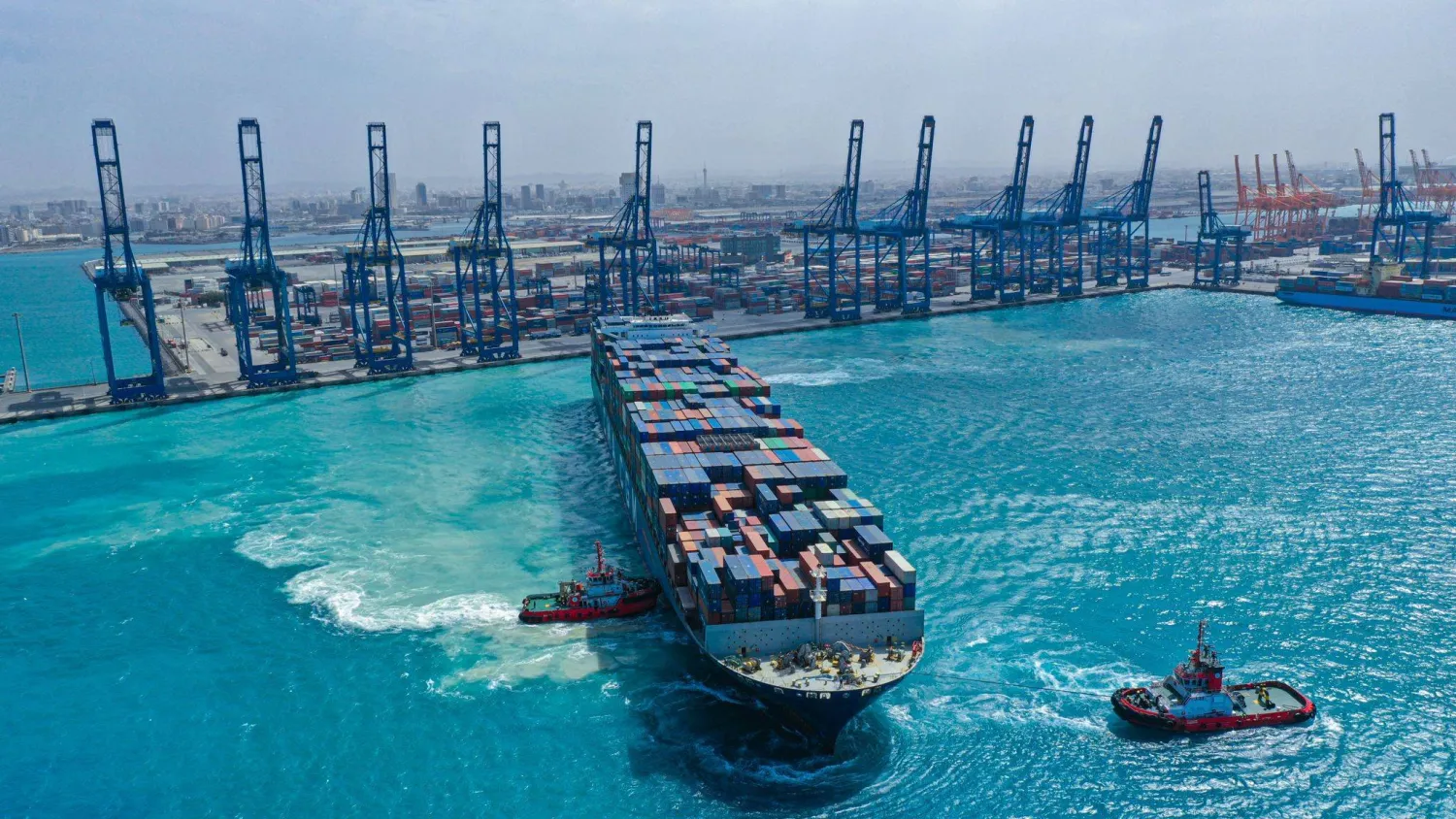
Recent disruptions showed the risks of relying on distant markets.
3. Economic Security
Countries want to protect their economies and ensure steady growth.
4. Currency Shifts
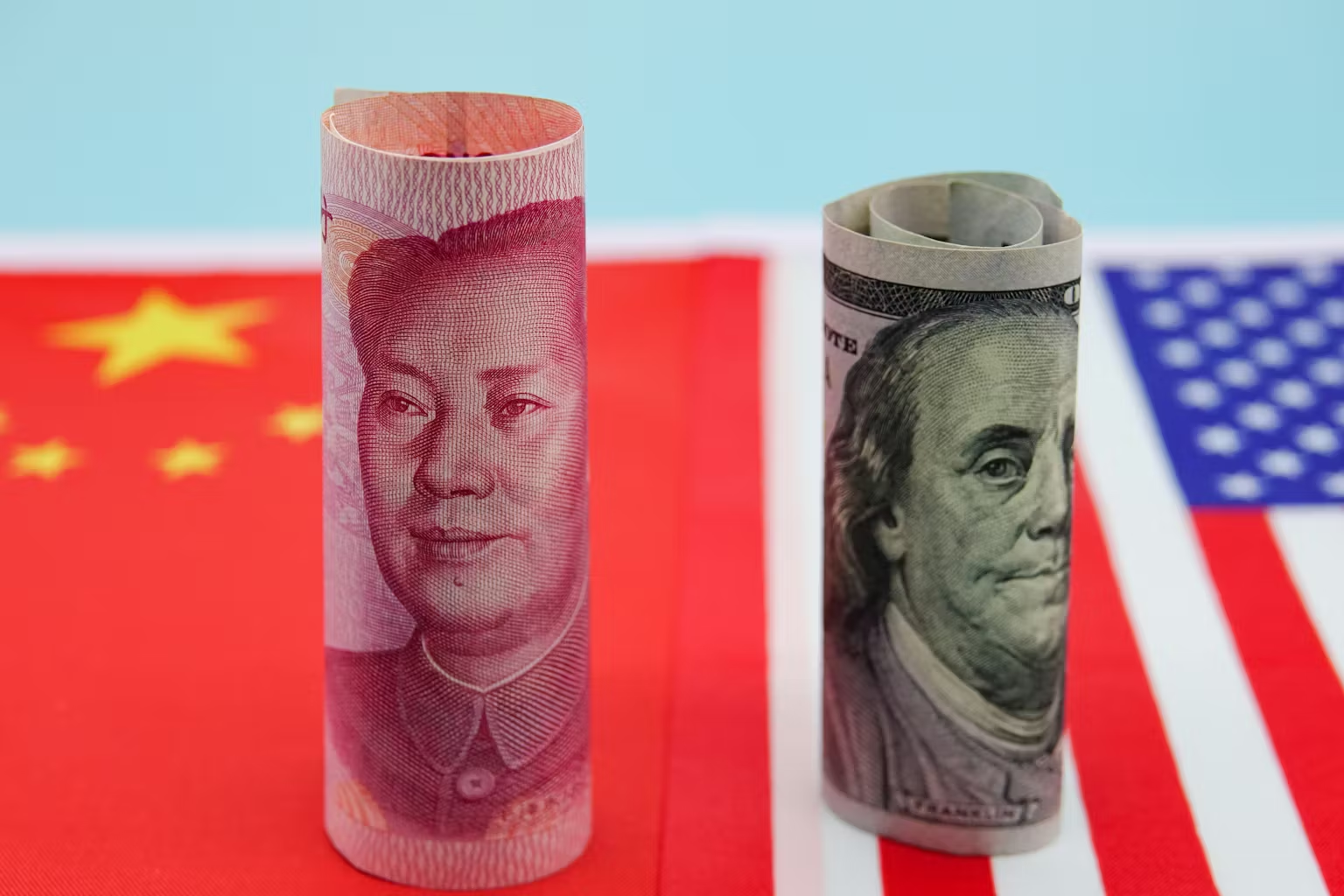
Some blocs are exploring alternatives to traditional currencies like the US dollar.
New Trade Systems Emerging
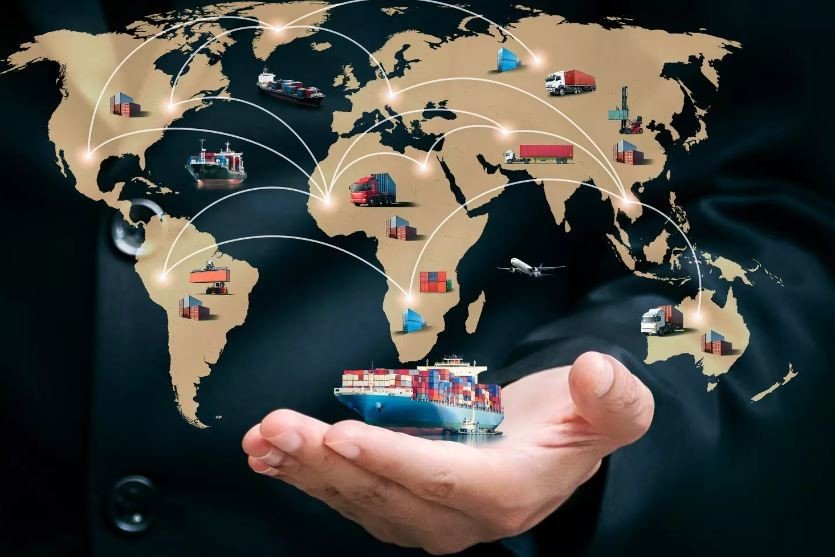
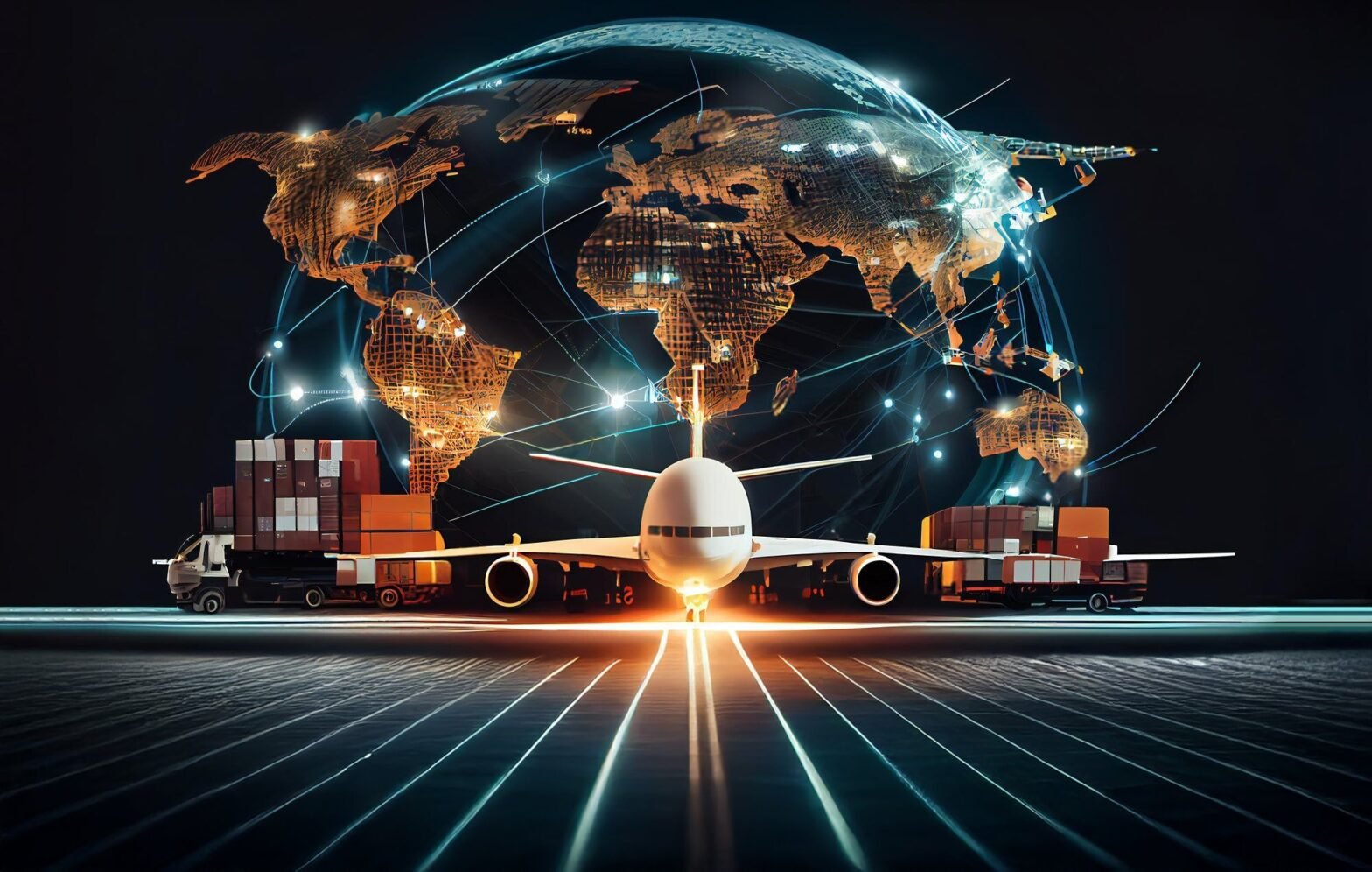
Traditional global trade is evolving into more regional systems. Countries are focusing on local partnerships instead of global dependence.
Key Trends:
- Rise of regional trade agreements
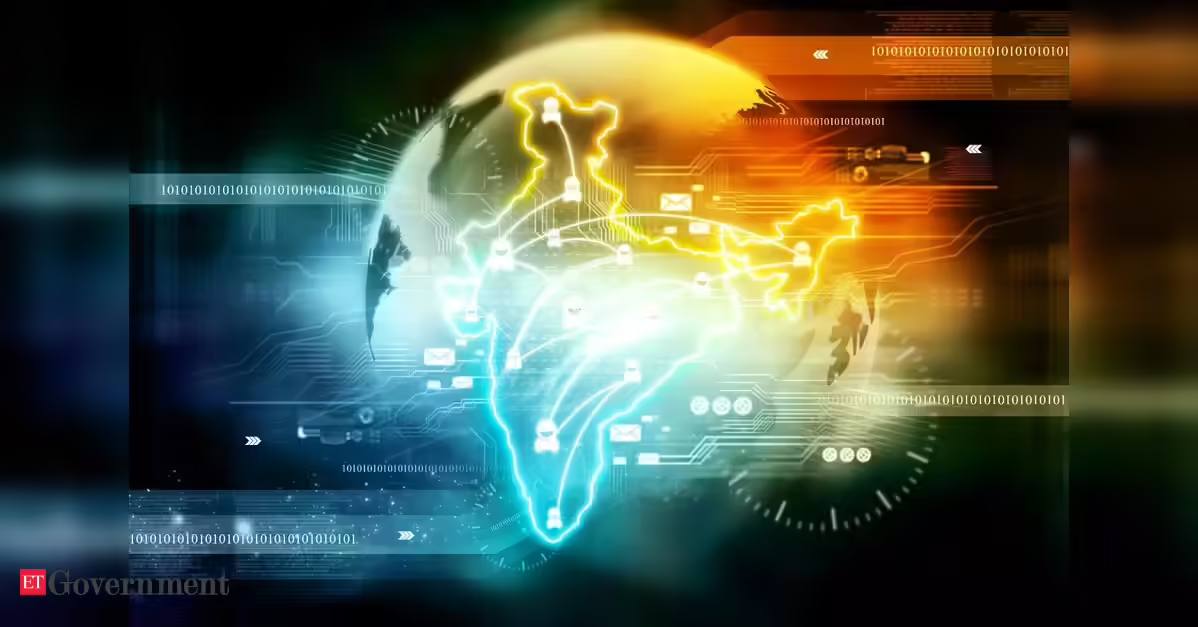
- Growth of digital trade platforms
- Development of alternative payment systems
- Focus on local supply chains
These new systems are faster, more flexible, and better suited for modern economies.
Impact on the Global Economy
Positive Effects:
- Stronger regional economies
- Increased trade efficiency
- Better investment opportunities
Challenges:
- Division in global trade
- Political competition between blocs
- Uneven economic benefits
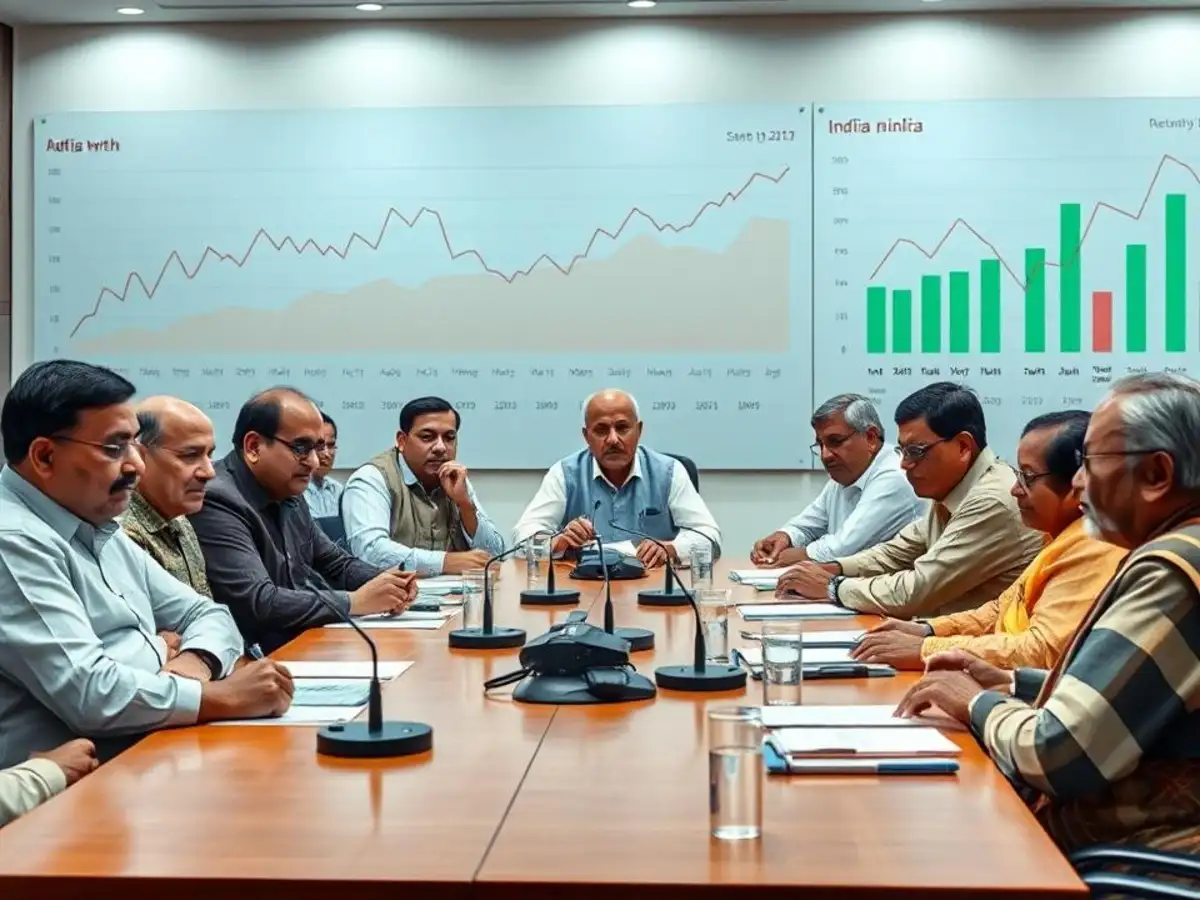
Countries like India and China are playing a major role in shaping this new economic order.