


The Financial Power Shift From West to East
Introduction
Over the past few decades, the global financial landscape has been undergoing a major transformation. For most of the 20th century, economic power was largely concentrated in Western nations such as the United States and countries in Western Europe. Today, however, financial influence is gradually shifting toward Asia and other emerging economies.
This trend is often described as the financial power shift from West to East. Rapid economic growth in Asian countries, expanding trade networks, technological innovation, and increasing investment flows are reshaping the global financial system.
Understanding this shift helps explain new global trade patterns, investment opportunities, and the future of international economic leadership.
The Historical Dominance of Western Economies
For much of modern history, Western economies dominated global finance.
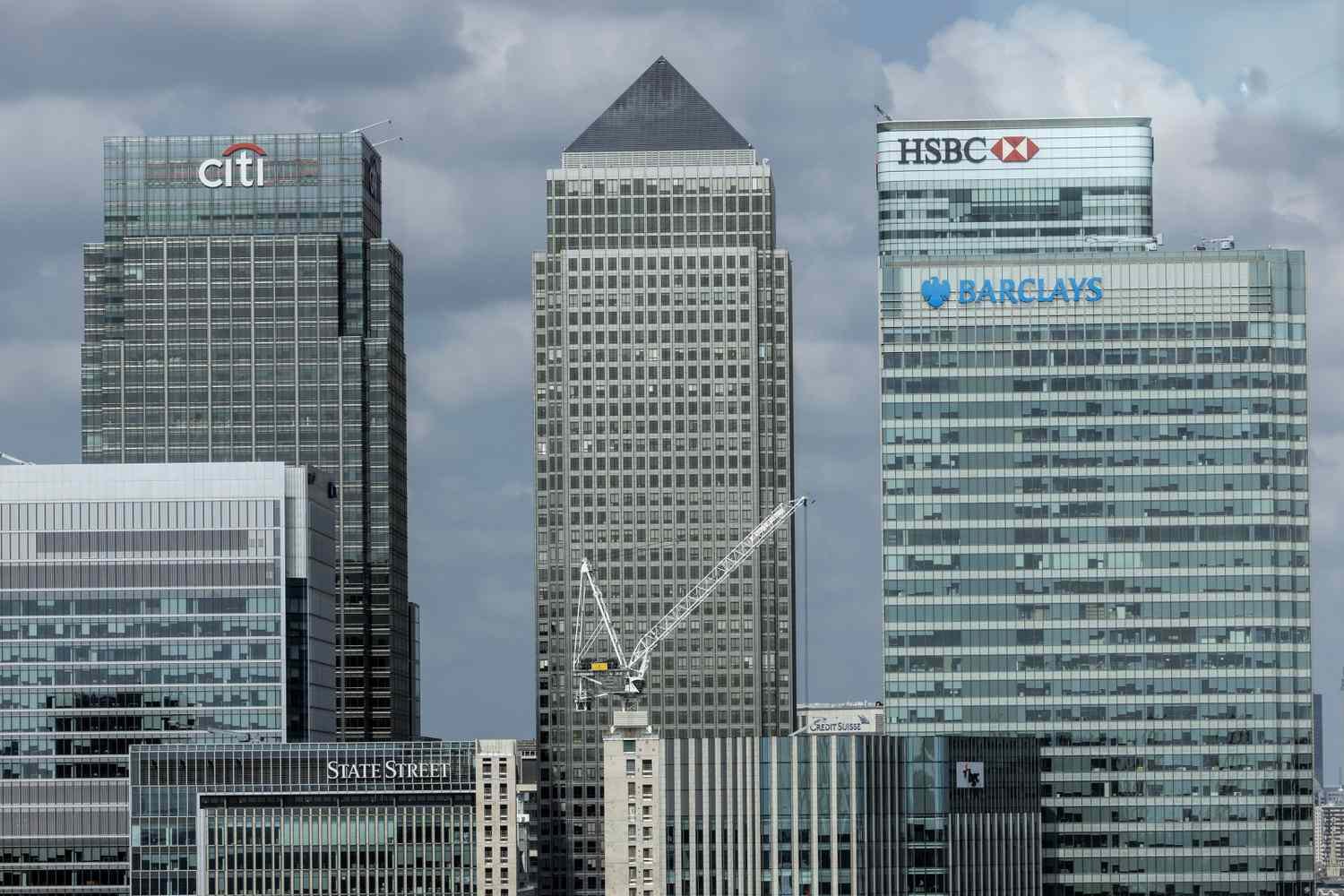
Key Western Financial Centers
-
New York
-
London
-
Frankfurt
-
Paris
These cities hosted major banks, stock exchanges, and financial institutions that controlled much of the world’s capital flows.
Western economies also led the creation of international institutions that shaped the global financial system.
Rise of Asian Economic Power
In recent decades, several Asian countries have experienced remarkable economic growth.
Major Asian Financial Hubs
-
Shanghai
-
Hong Kong
-
Singapore
-
Tokyo
-
Mumbai
These cities have become major global centers for banking, investment, and international trade.
Asia’s growing middle class, strong manufacturing base, and expanding digital economies have accelerated this financial transformation.
Key Drivers Behind the Power Shift
Several factors are driving the global financial shift toward the East.
Major Drivers
Rapid economic growth
Many Asian economies have grown faster than traditional Western markets.
Manufacturing leadership
Asia has become the center of global manufacturing and supply chains.
Technology and innovation
Asian companies are leading in areas such as fintech, artificial intelligence, and digital payments.
Expanding trade networks
Regional trade agreements and infrastructure development have strengthened economic connections.
These trends have helped shift global economic momentum toward Eastern economies.
China’s Growing Financial Influence
China has played a major role in the global financial shift.
Key Factors Behind China’s Influence
-
Rapid industrial expansion
-
Large domestic consumer market
-
Infrastructure investments around the world
-
Growing financial markets
China’s economic initiatives and international investments have strengthened its position in global finance.
Role of Emerging Markets
Beyond China, many emerging economies are also gaining influence.
Key Emerging Markets
-
India
-
Indonesia
-
Vietnam
-
Malaysia
-
Thailand
These countries are benefiting from young populations, expanding consumer markets, and increasing global investment.
Impact on Global Trade and Investment
The financial power shift is transforming global trade and investment patterns.
Major Changes
-
More trade between Asian countries
-
Growing investment in emerging markets
-
Increasing role of Asian financial institutions
-
Expansion of global infrastructure projects
These developments are reshaping international business and finance.
Challenges and Future Outlook
Although the shift toward the East is significant, the global financial system will likely remain interconnected.
Key Future Trends
-
Greater economic cooperation between regions
-
Competition between major global powers
-
Continued growth in Asian economies
-
Increasing influence of technology and digital finance
The future global economy may become more balanced with multiple financial centers across the world.