

The Economic Impact of Sanctions on Global Markets
Introduction
Economic sanctions are powerful tools used by governments to influence other nations without direct conflict. They can restrict trade, freeze assets, or limit access to financial systems. While sanctions aim to create political pressure, they also have a deep impact on global markets, affecting businesses, investors, and everyday consumers.
What Are Economic Sanctions?
Economic sanctions are penalties imposed by one country (or a group of countries) on another. These may include:
-
Trade restrictions
-
Financial bans
-
Asset freezes
-
Export and import limitations
Sanctions are often used during political conflicts or to enforce international laws.
Impact on Global Trade
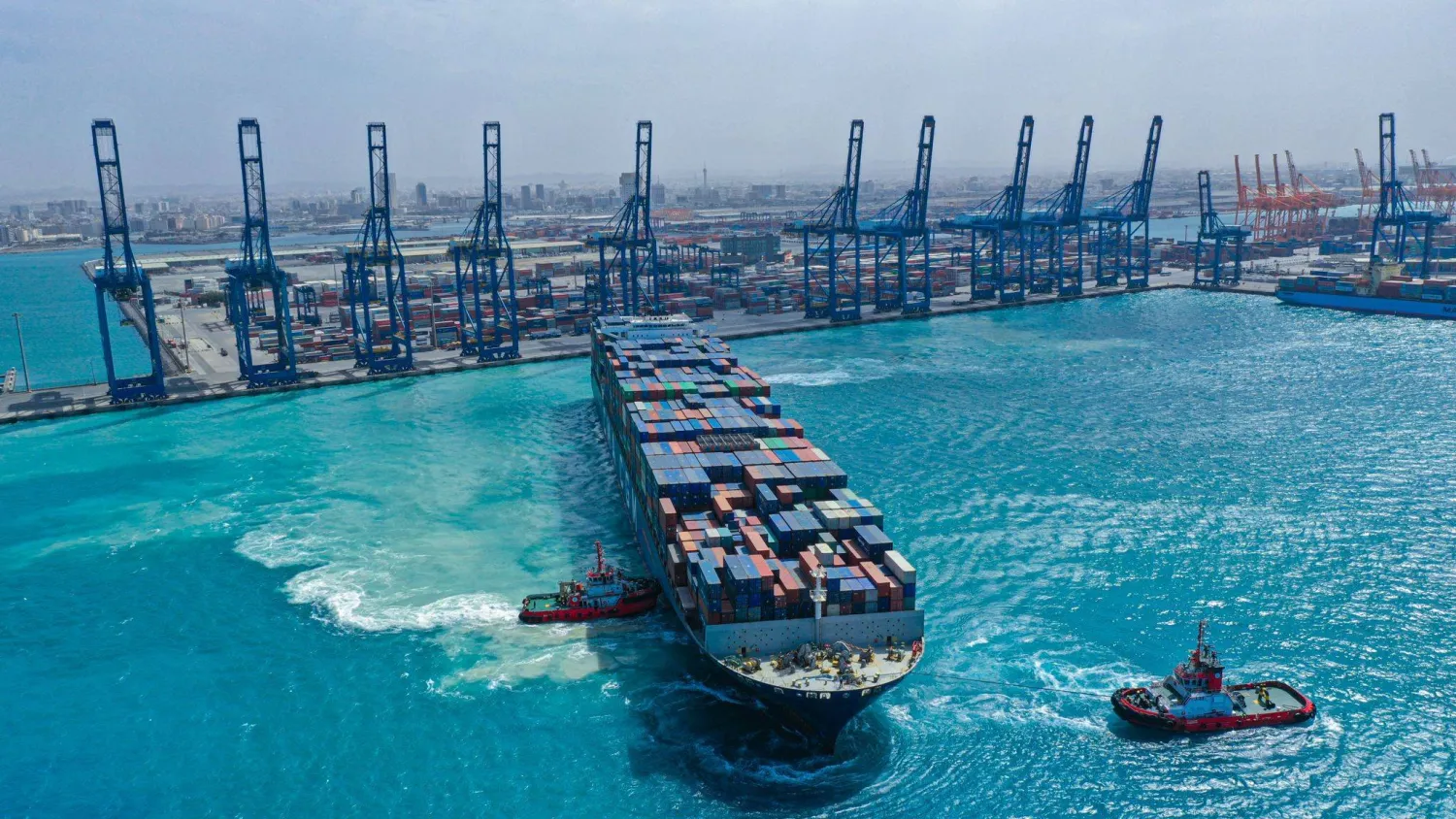
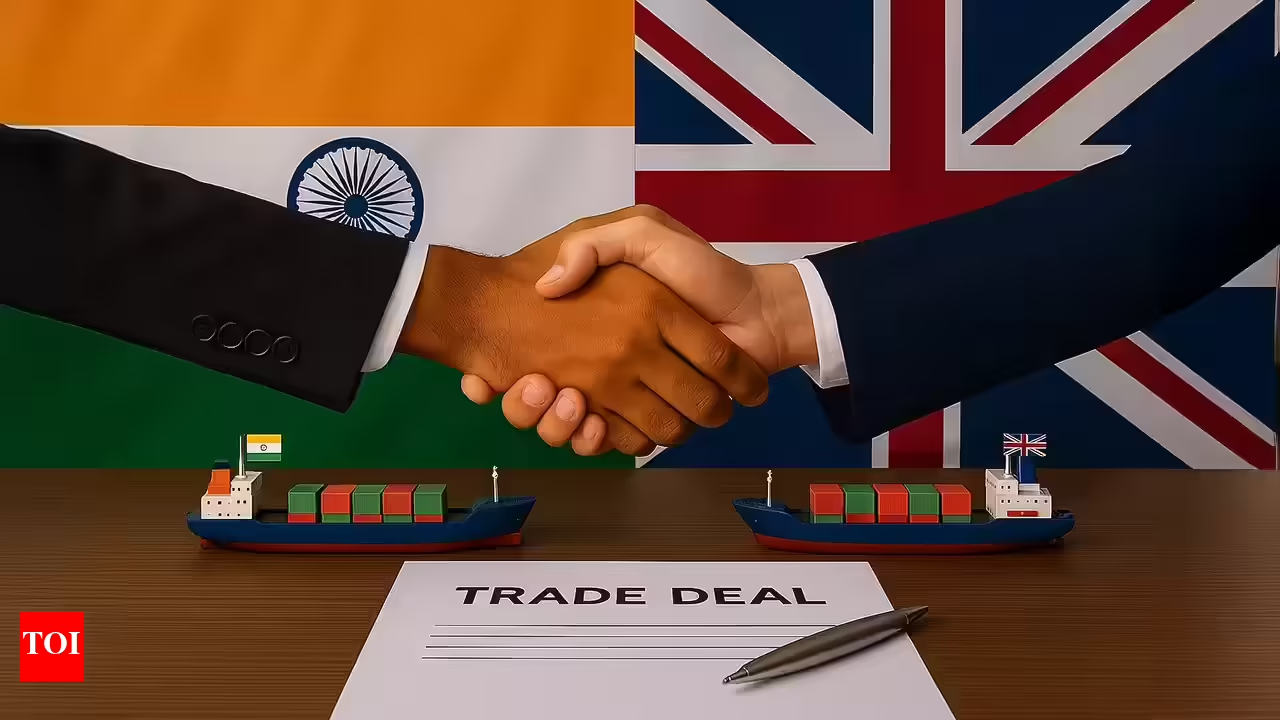
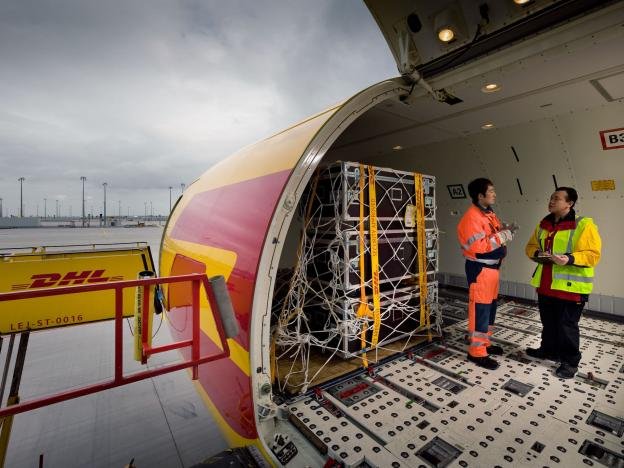
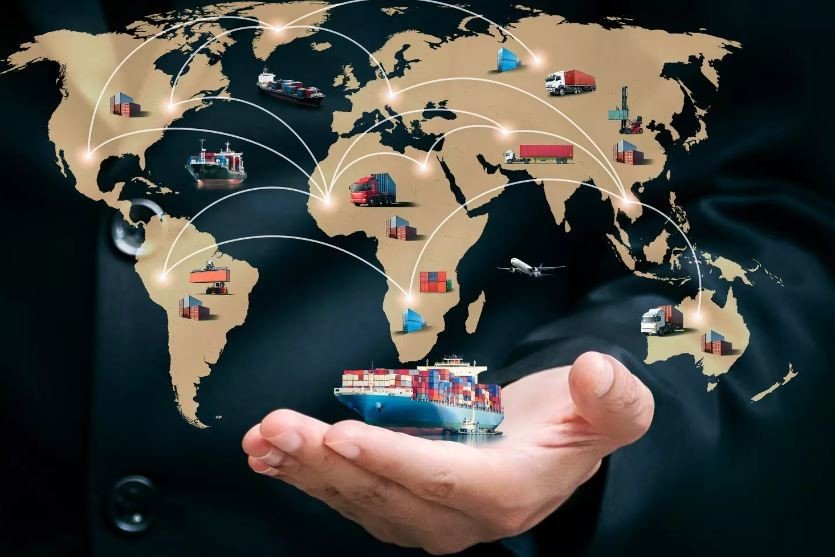
Sanctions directly disrupt international trade flows. When a country faces restrictions, it becomes harder for businesses to import or export goods.
Key Effects:
-
Reduced global supply of essential goods
-
Increase in transportation costs
-
Shift in trade routes to alternative markets
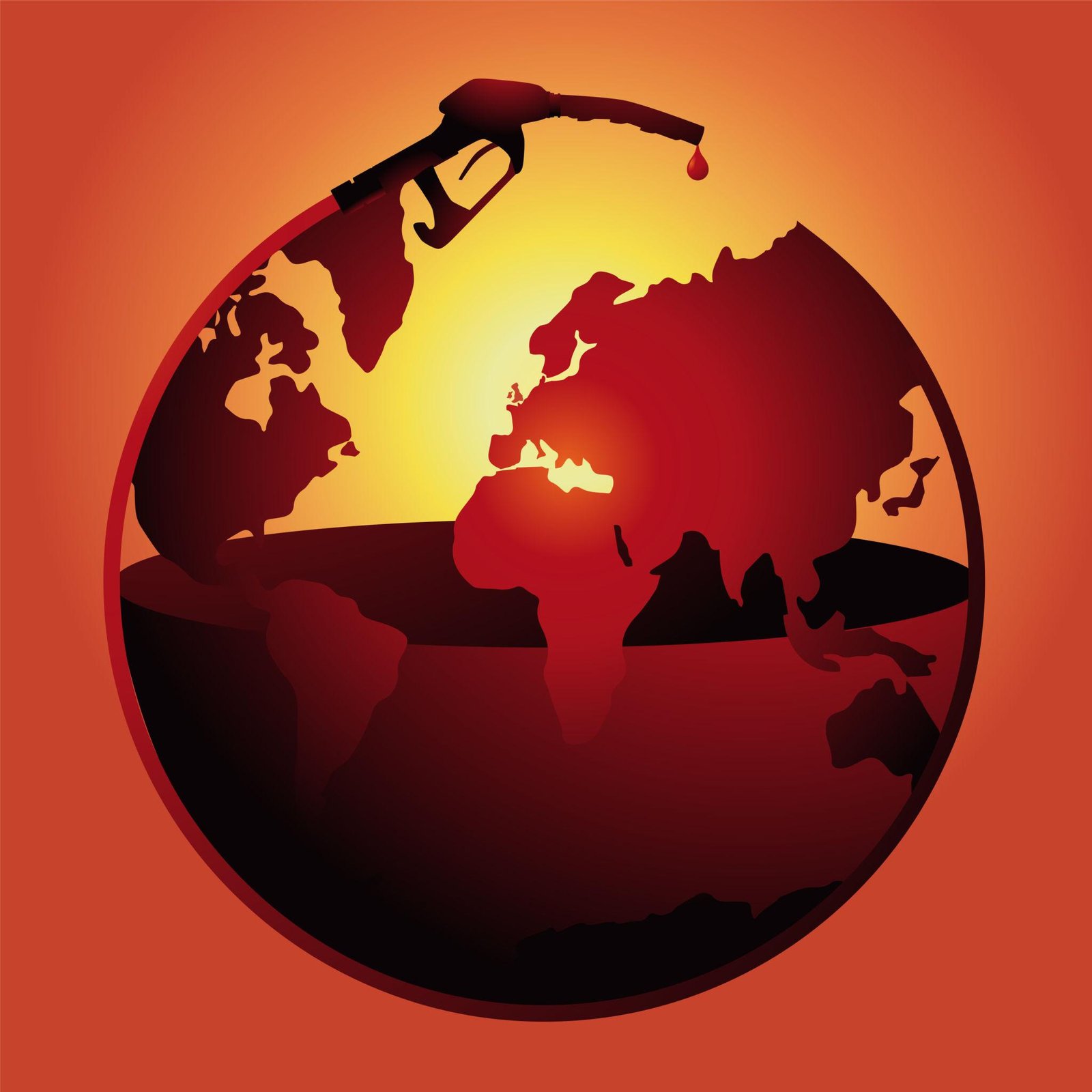
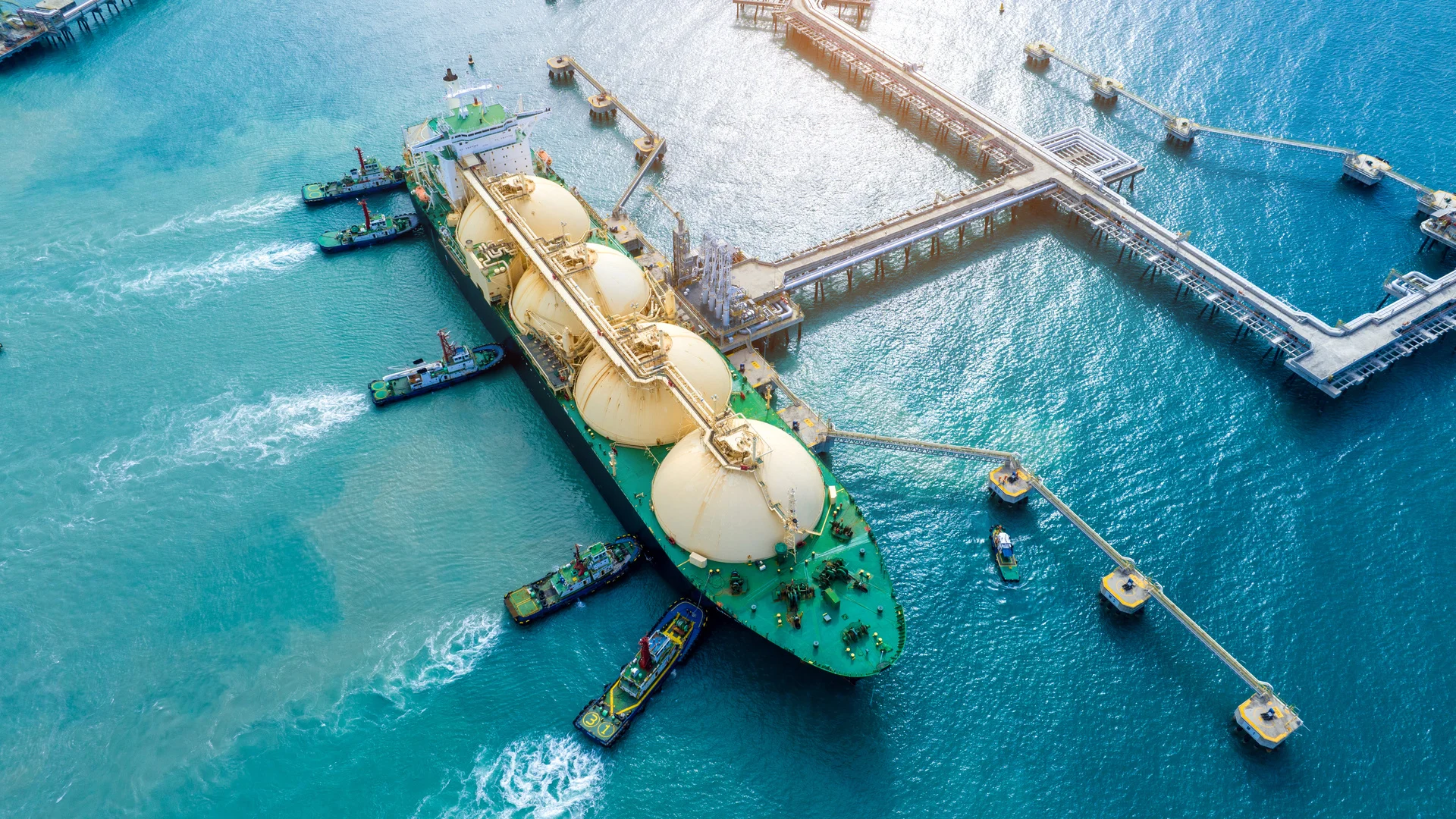
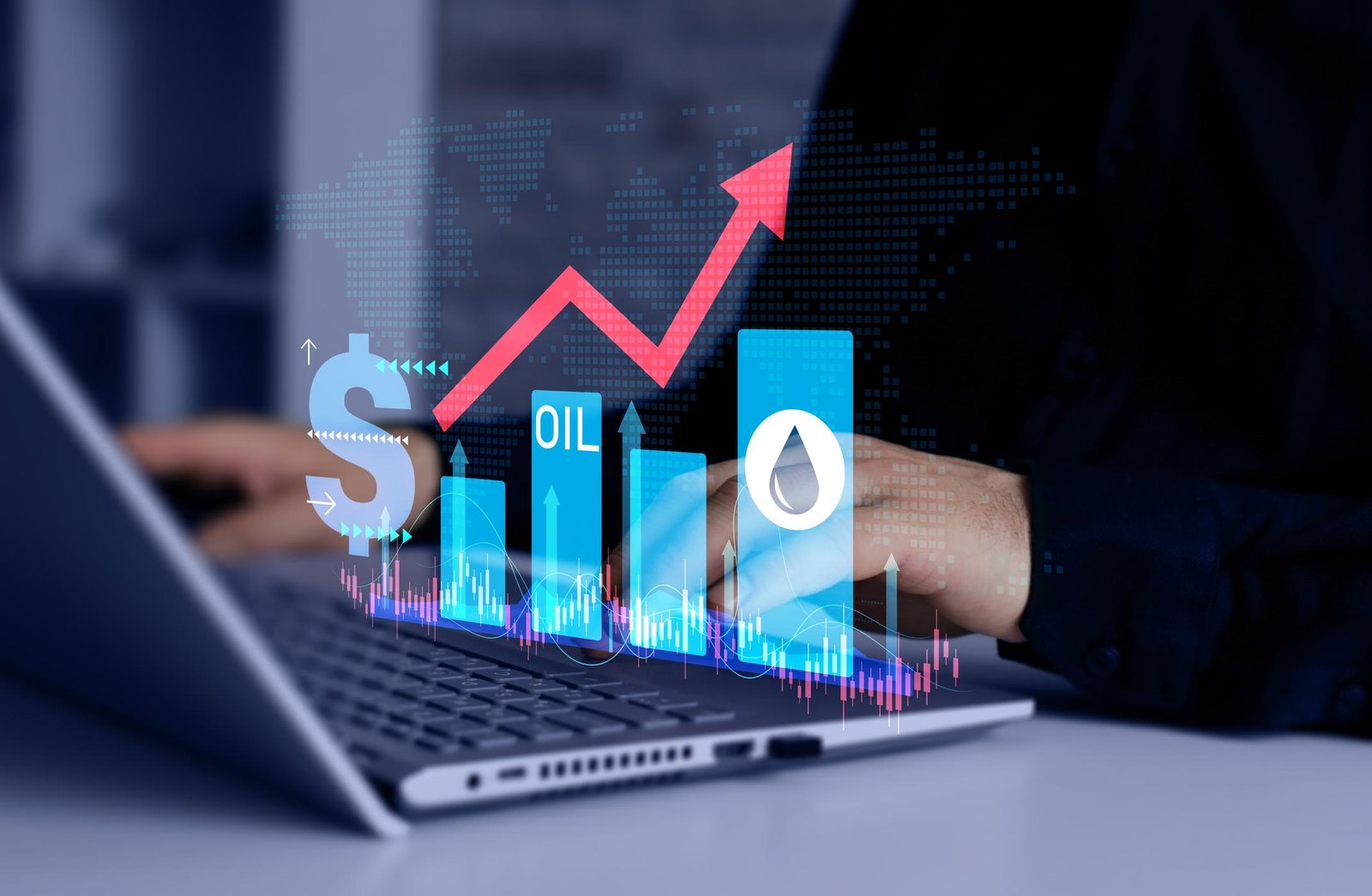
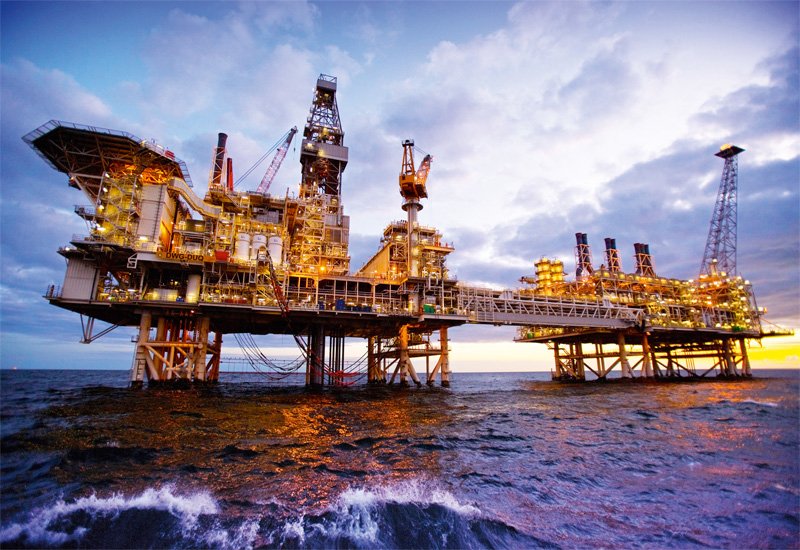
For example, sanctions on oil-producing nations often reduce supply, which pushes global prices higher.
Rising Inflation and Commodity Prices
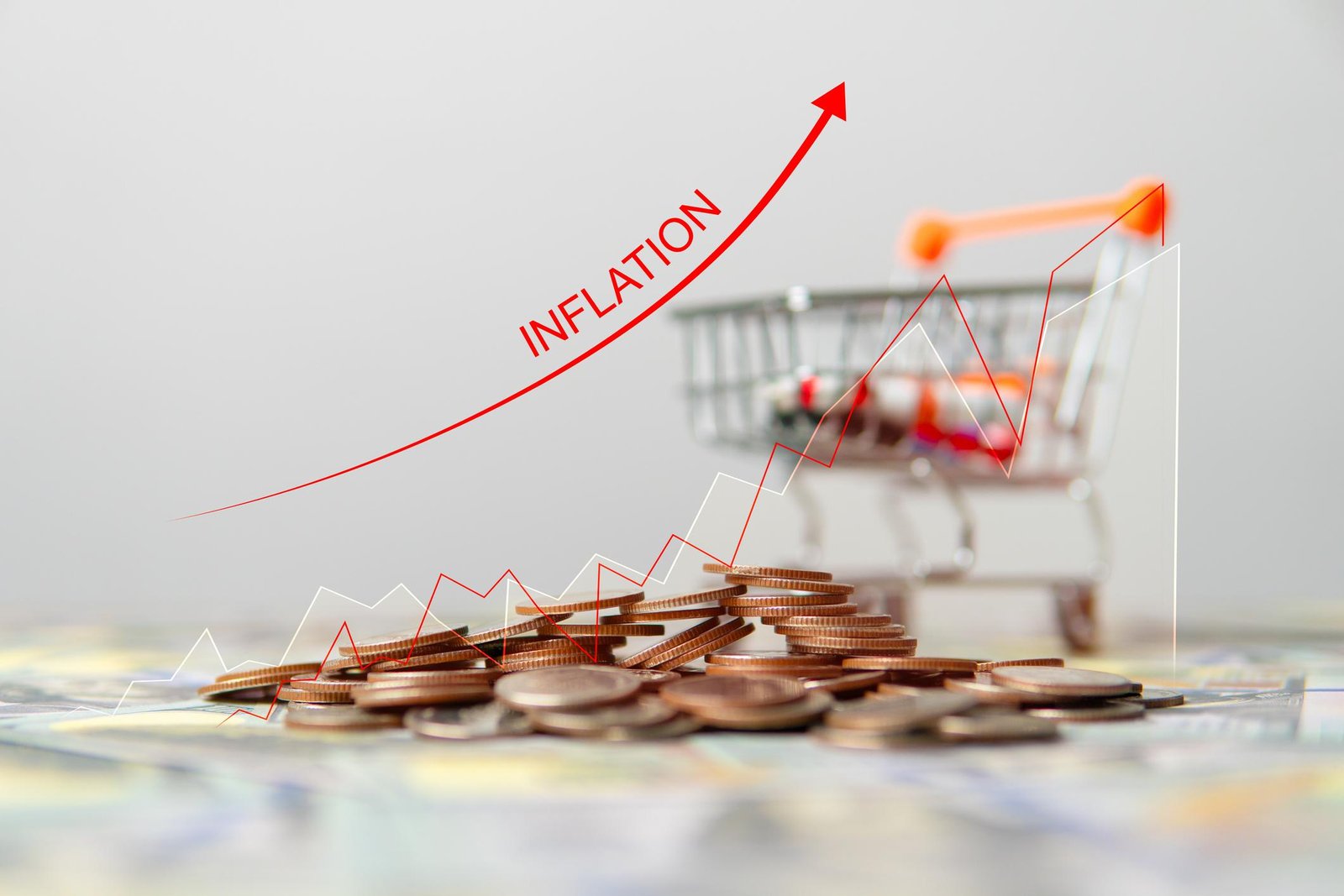
Sanctions can lead to higher prices worldwide, especially for commodities like oil, gas, and food.
Why this happens:
-
Supply shortages increase demand pressure
-
Energy costs rise, affecting production globally
-
Consumers face higher living costs
This inflation impact is often felt even in countries not directly involved in the sanctions.
Financial Market Volatility
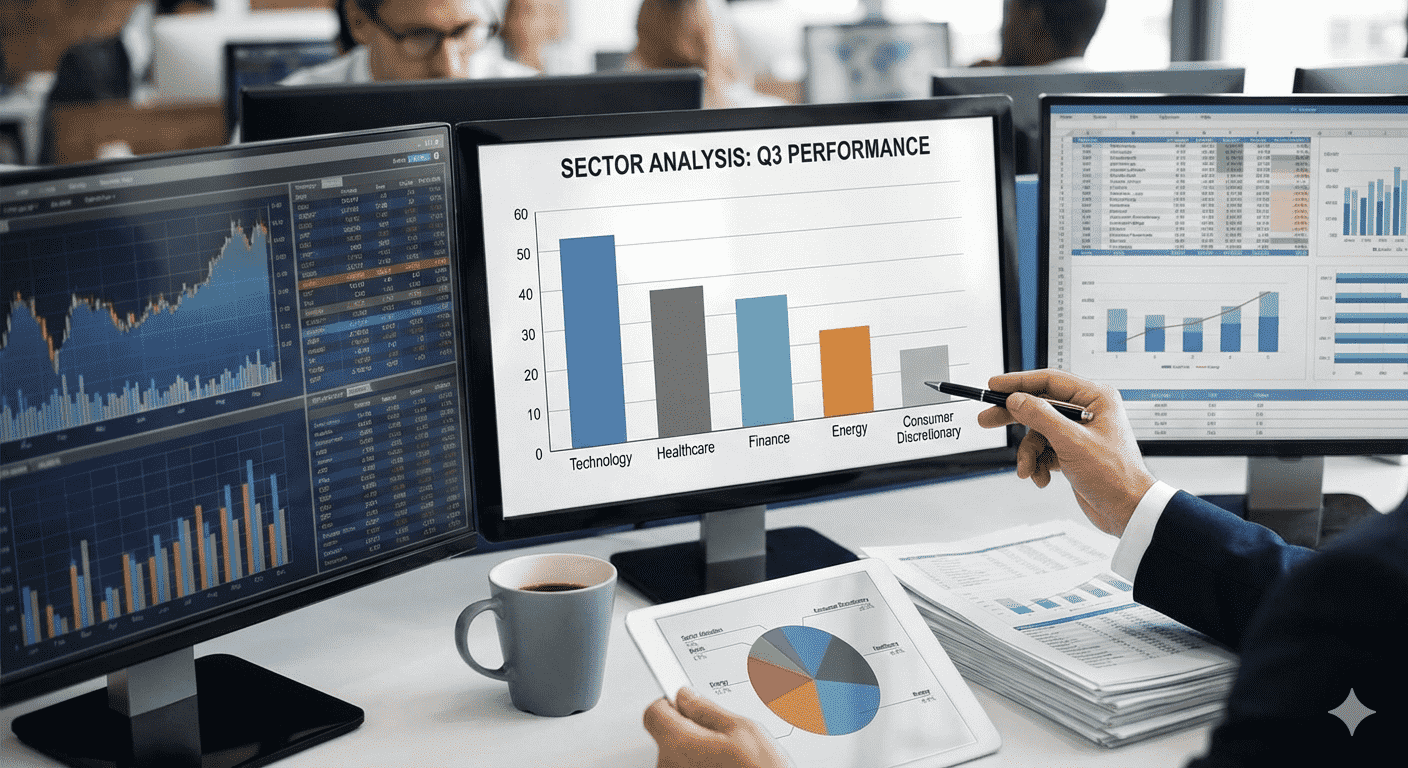
Global stock markets react quickly to sanctions. Investors become cautious due to uncertainty.
Common Market Reactions:
-
Stock market declines
-
Currency value fluctuations
-
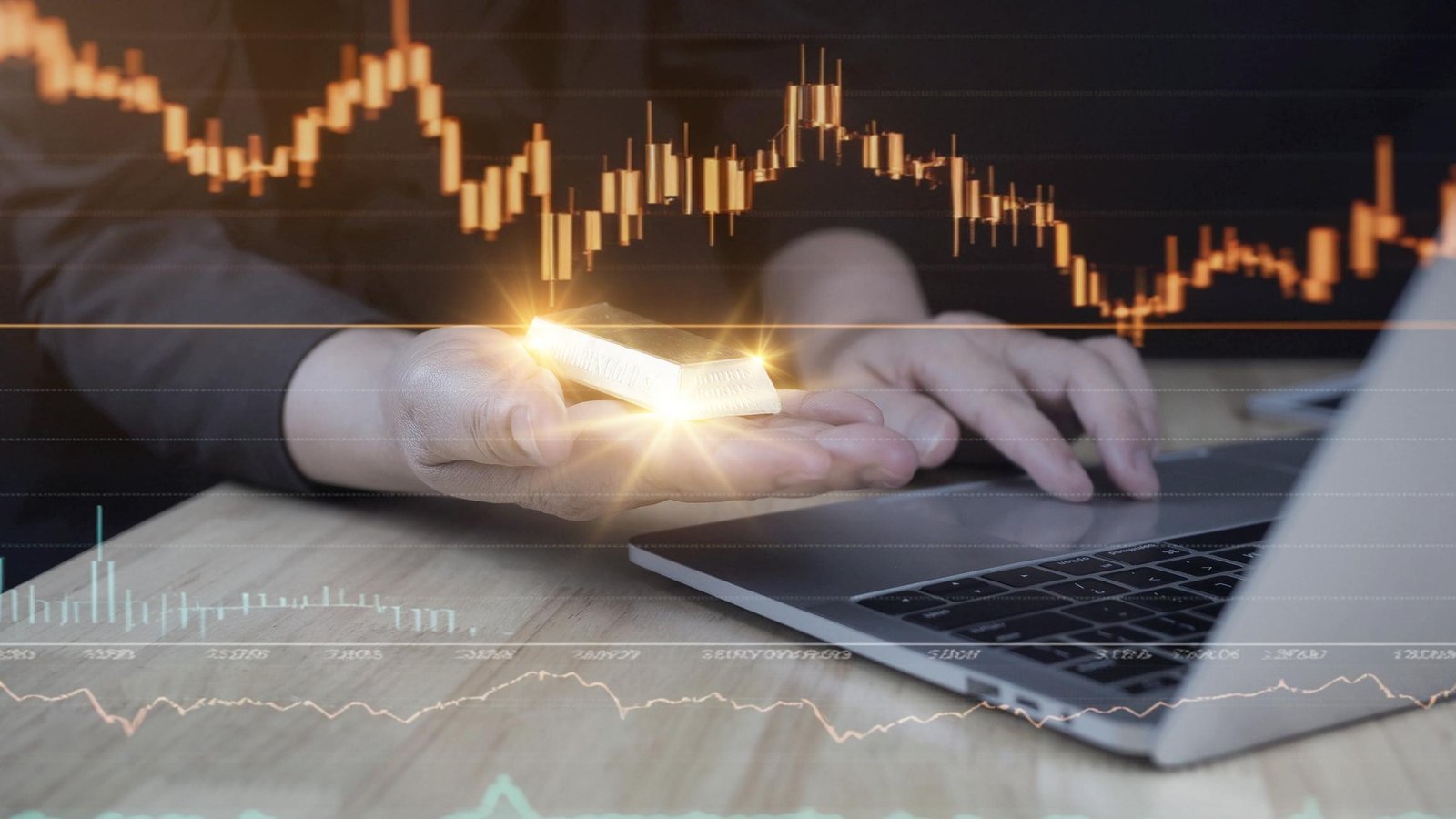
Increased demand for safe assets like gold
Investors often move their money to stable economies during such periods.
Impact on Businesses and Investments
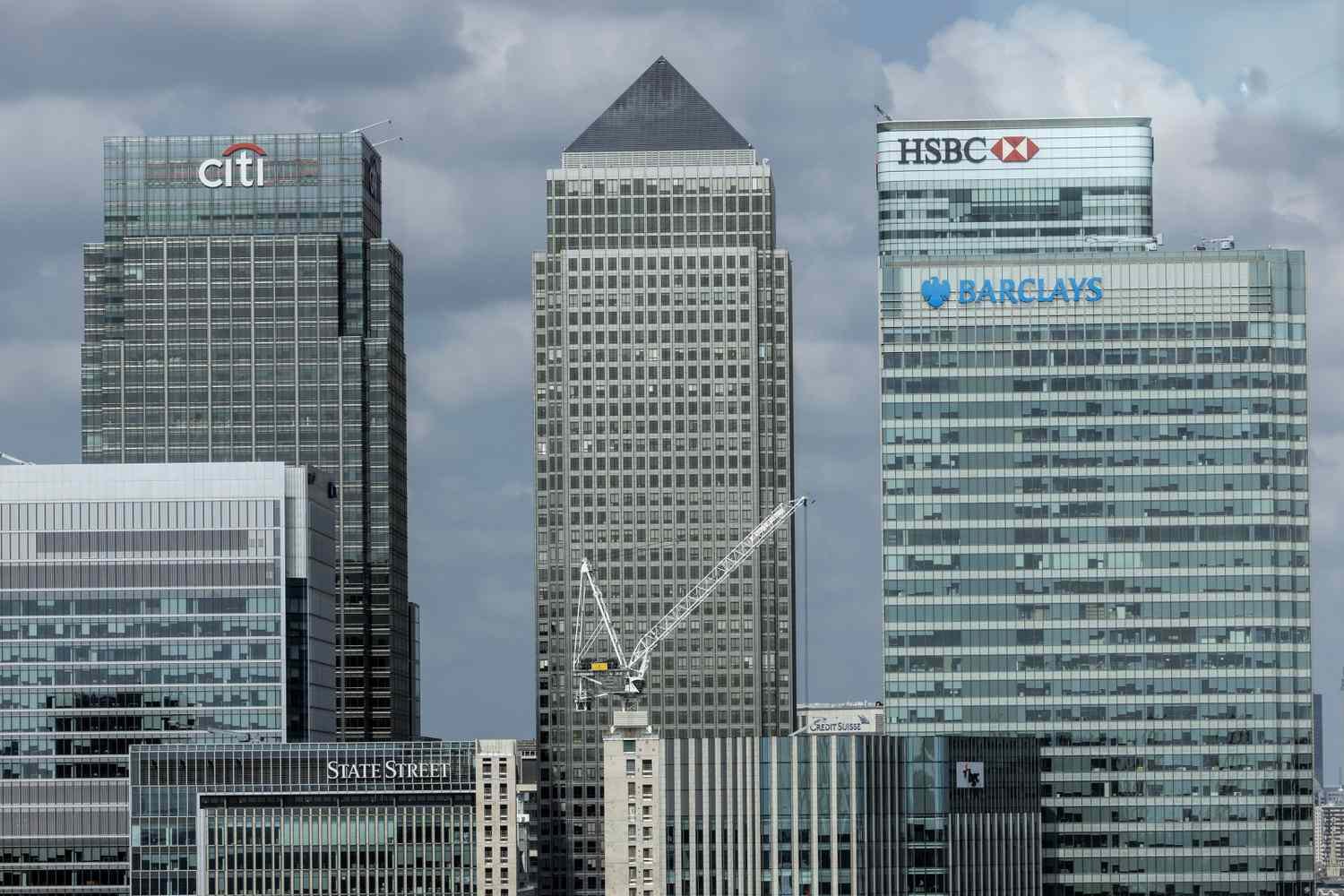
Sanctions create challenges for multinational companies. Businesses may lose access to key markets or face legal restrictions.
Major Business Effects:
-
Supply chain disruptions
-
Loss of revenue in restricted regions
-
Increased compliance costs
Some companies are forced to exit markets completely, leading to job losses and reduced growth.
Global Power Shifts
Sanctions can also reshape economic power globally. Countries under sanctions often build new alliances and trade partnerships.
Example Trends:
-
Rise of alternative financial systems
-
Increased trade between non-sanctioning countries
-
Shift from Western to emerging economies
This can slowly change the balance of global economic power.
Key Takeaways
-
Sanctions affect not just one country but the entire global economy
-
They increase inflation and disrupt trade
-
Financial markets become unstable
-
Businesses face major operational challenges