

Strategic Importance of Middle East Economies
Introduction
The Middle East plays a crucial role in the global economy. Located at the crossroads of Europe, Asia, and Africa, the region has long been strategically important for trade, energy resources, and geopolitical influence.
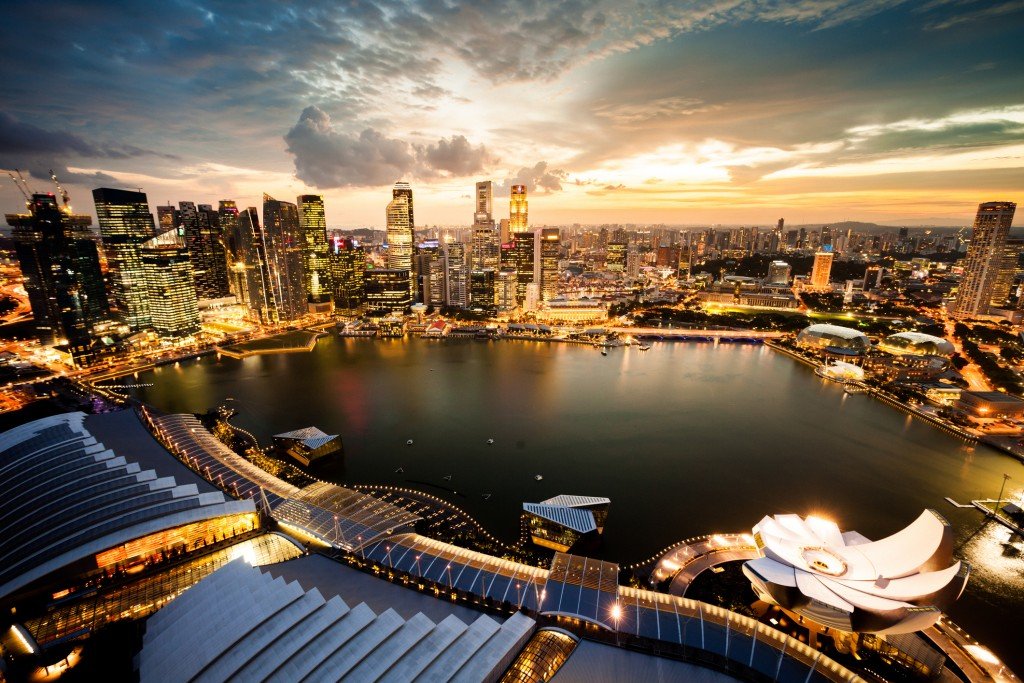
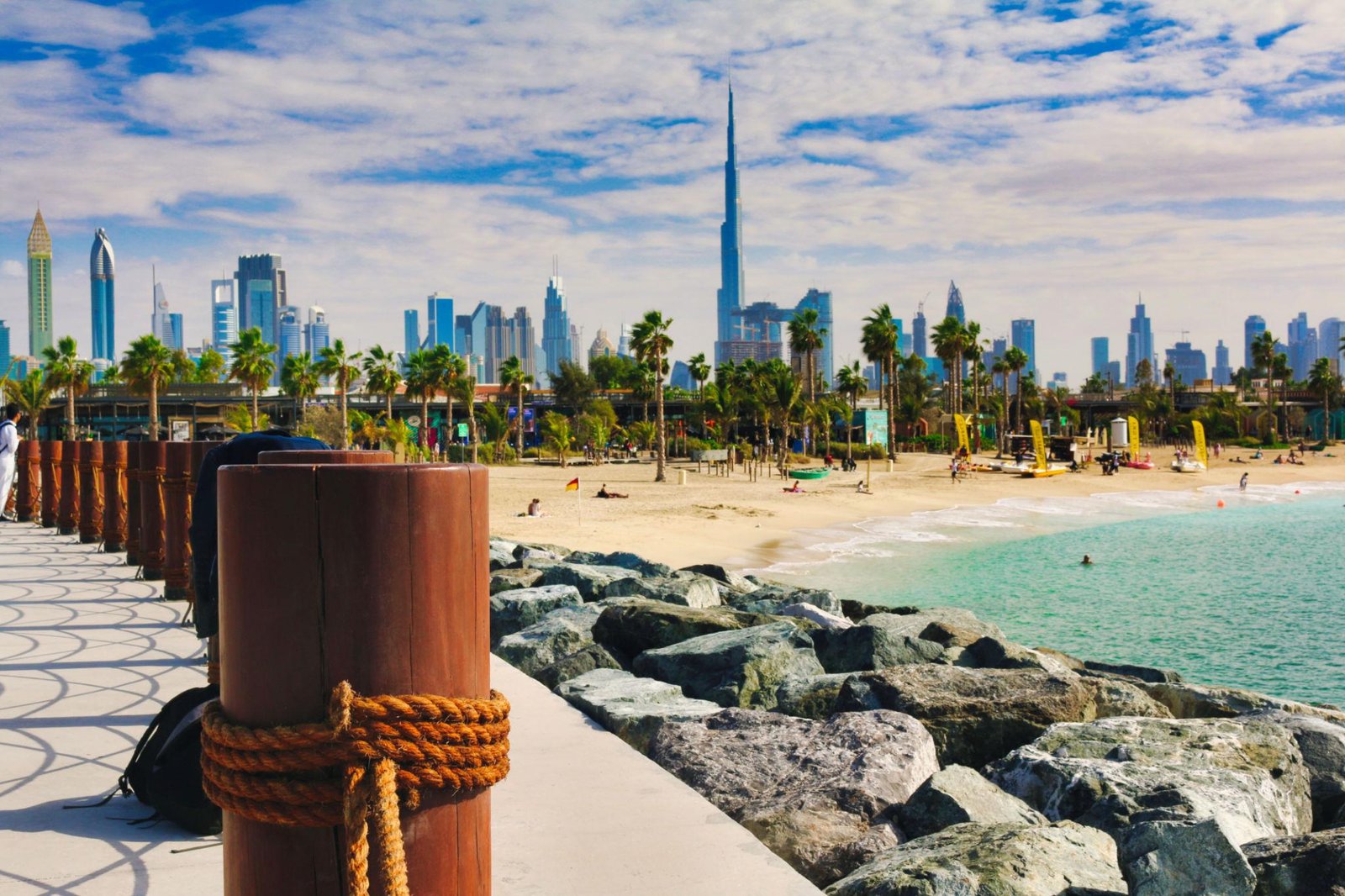
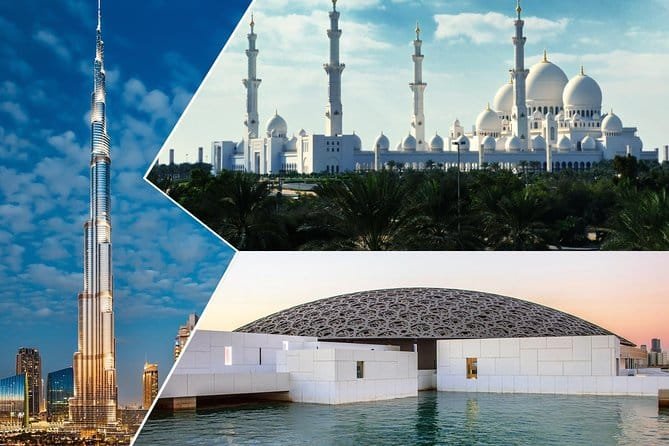
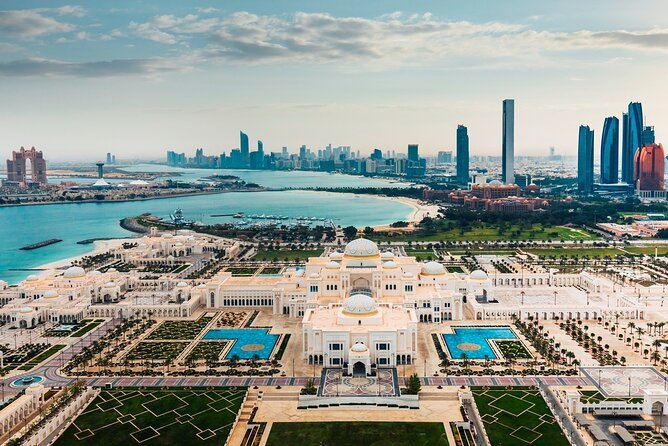
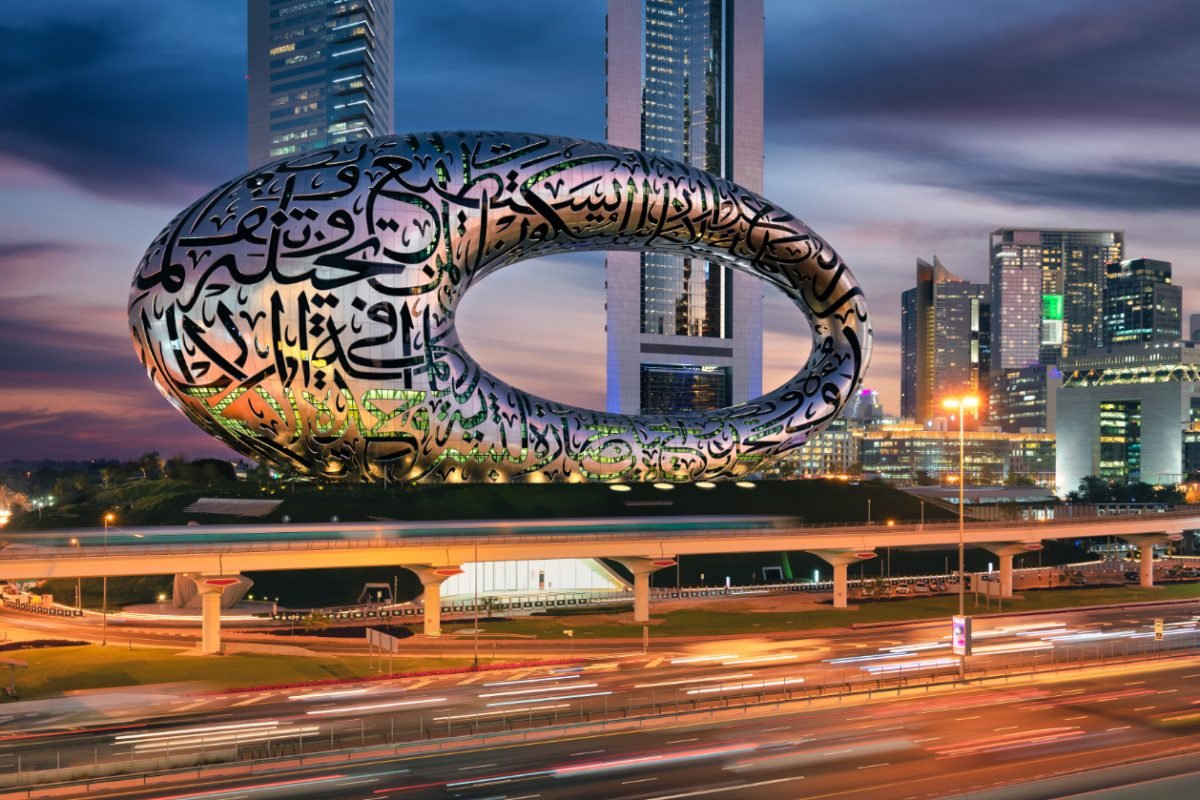
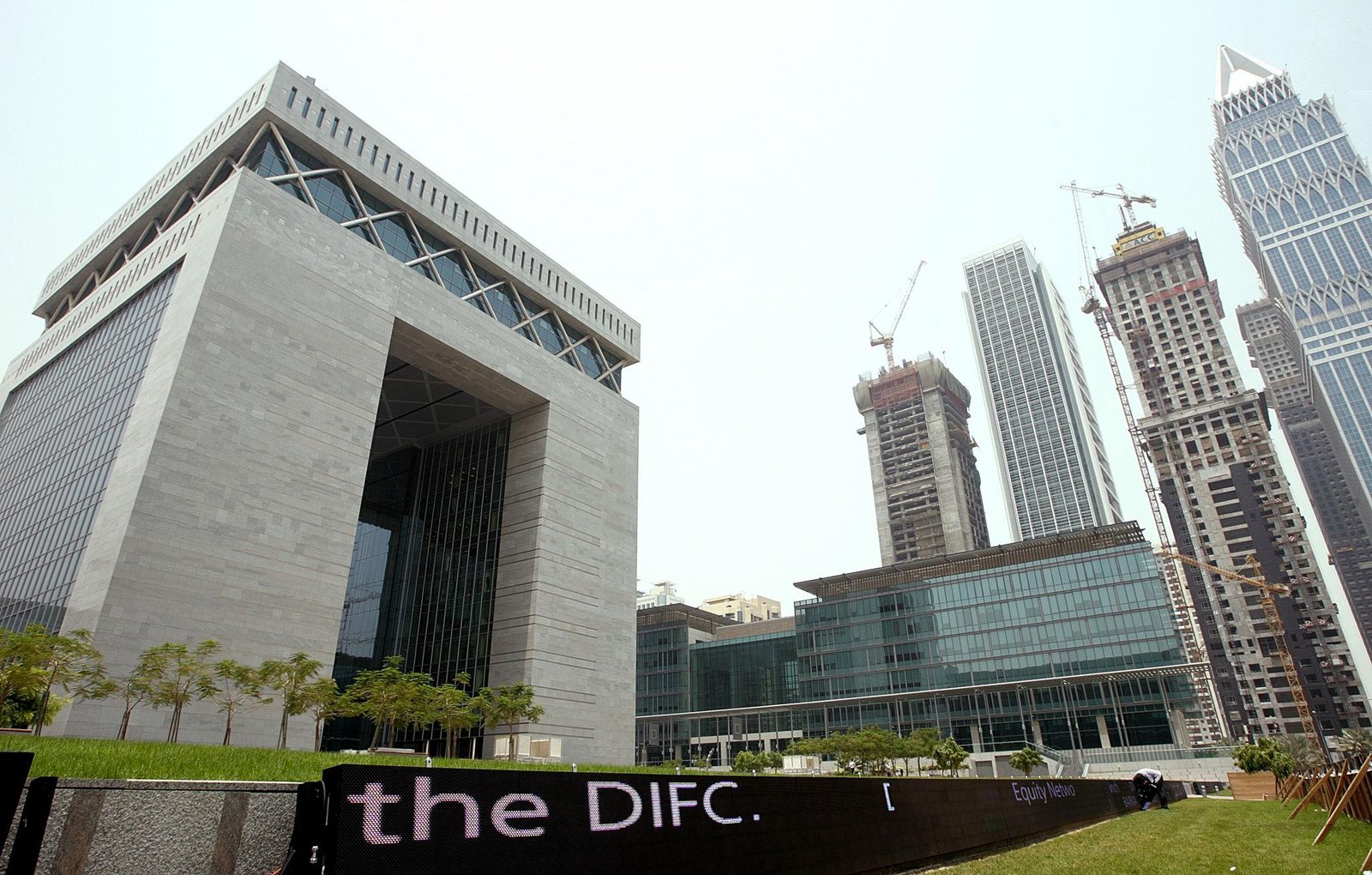
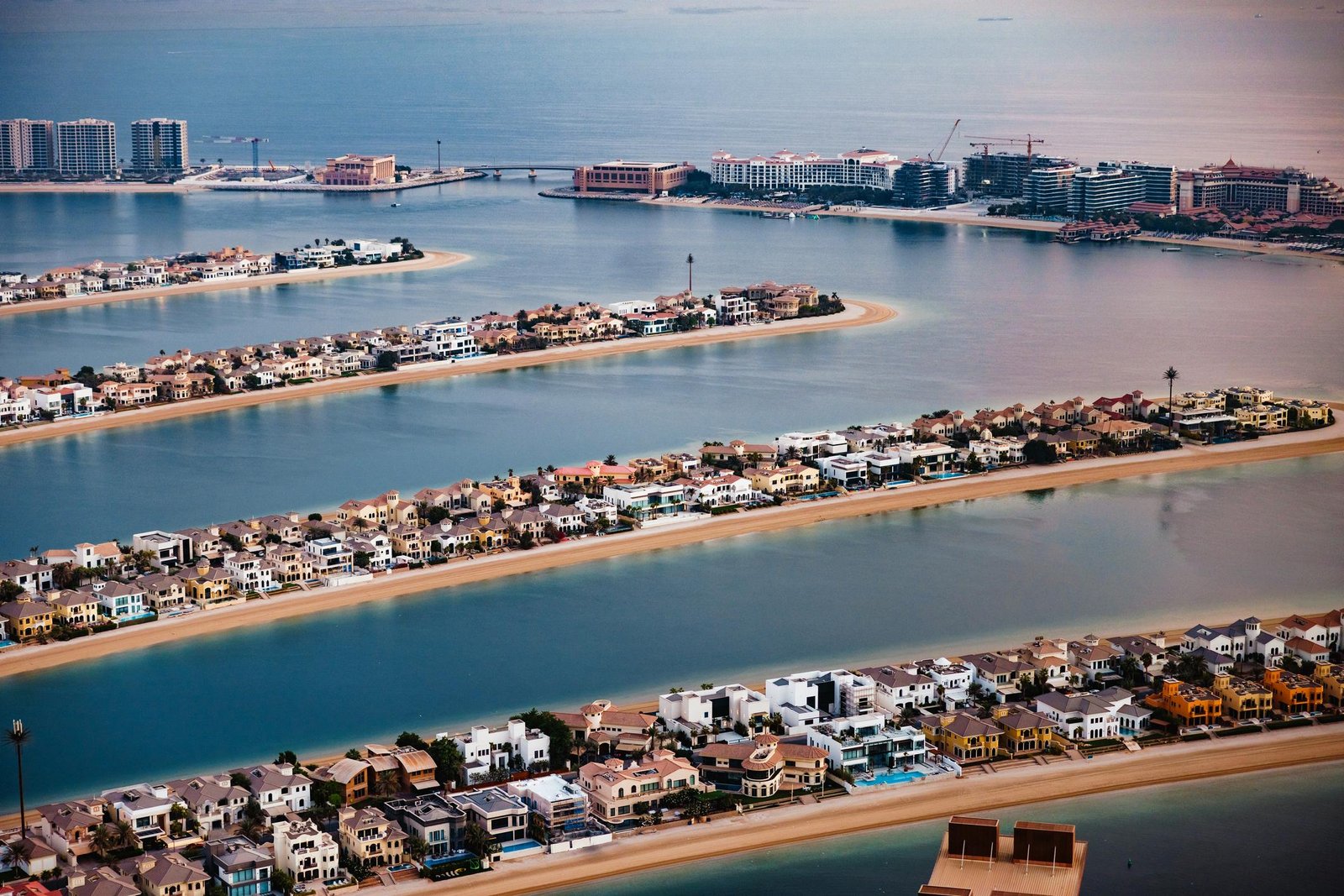
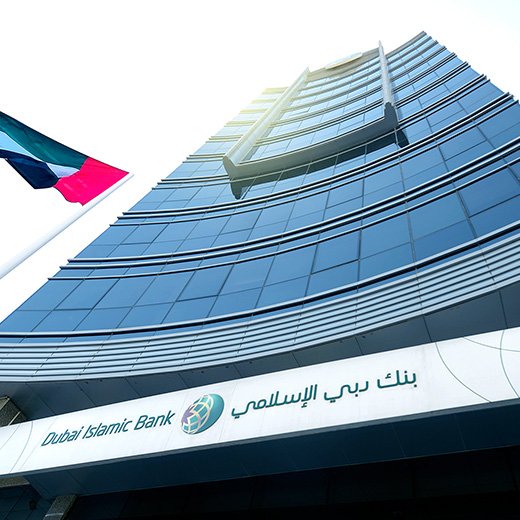
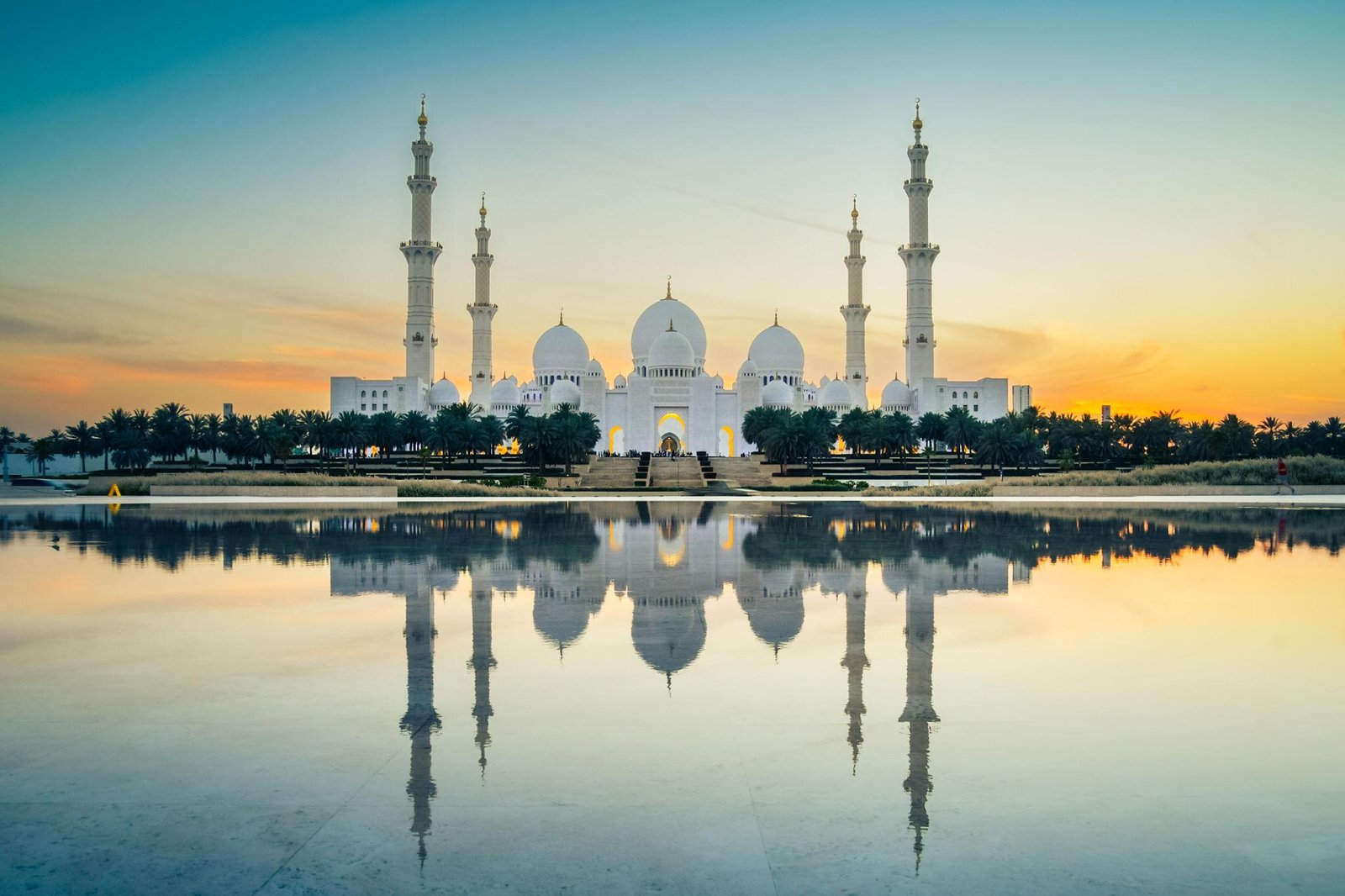
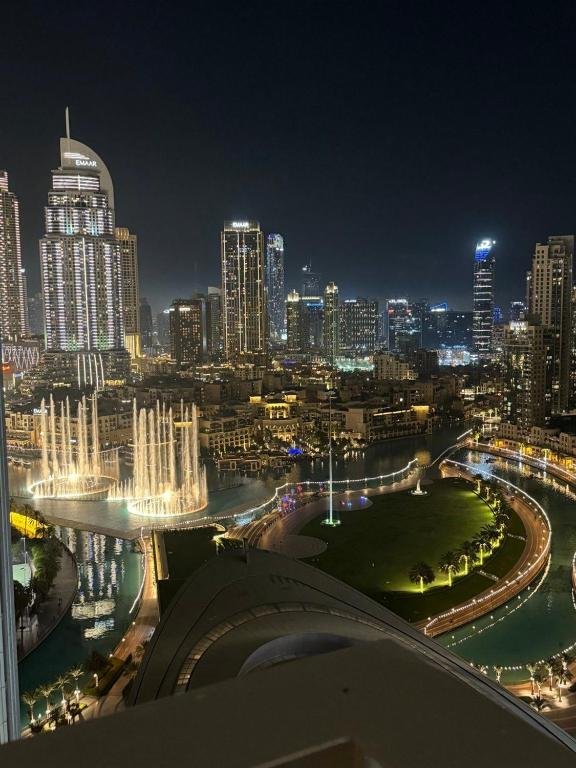
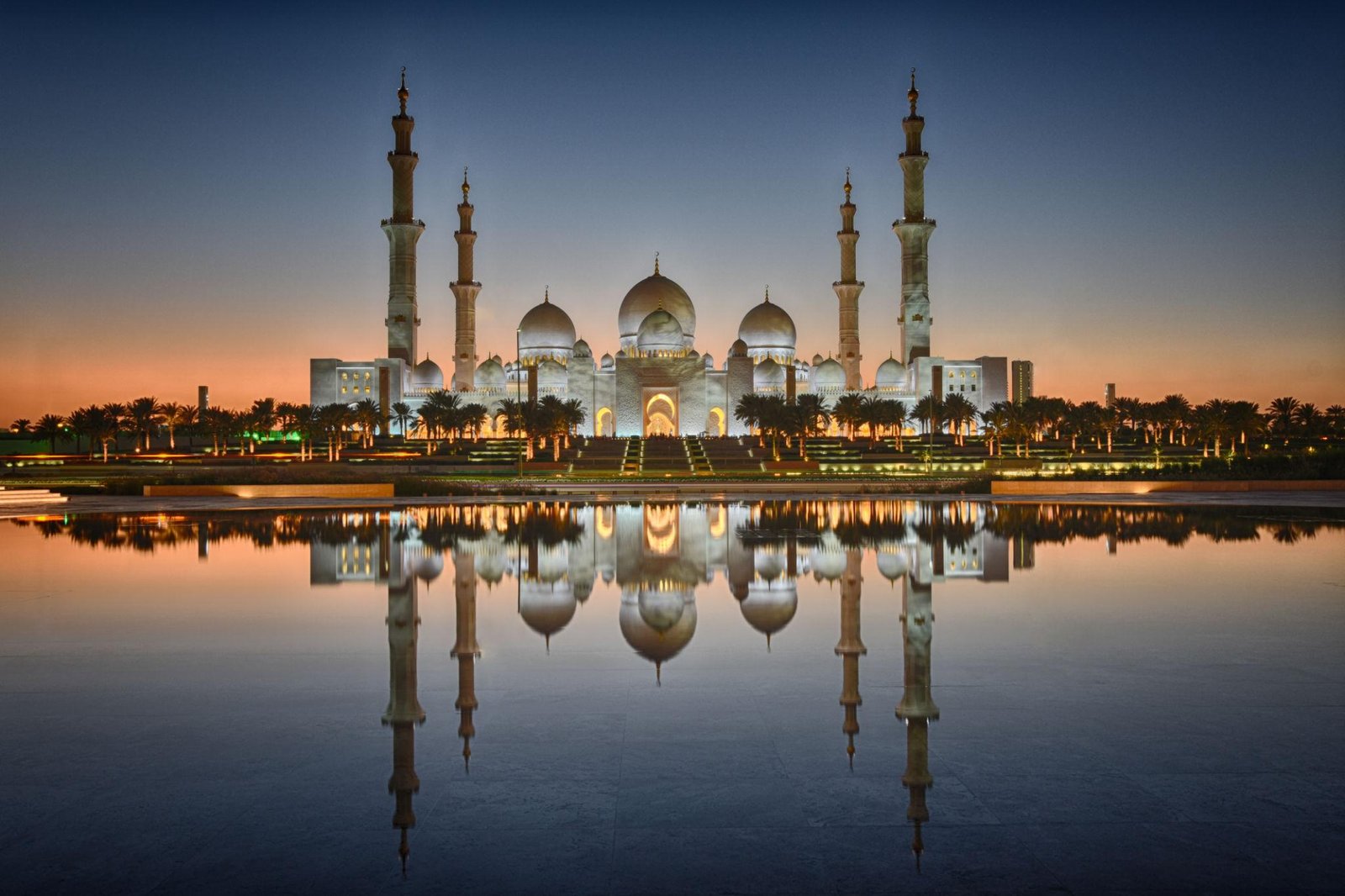
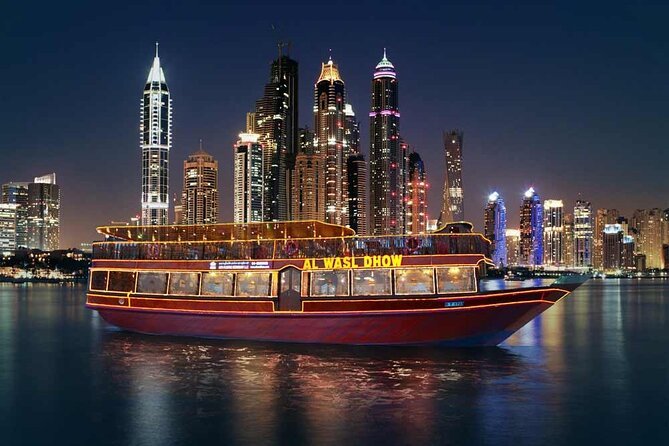
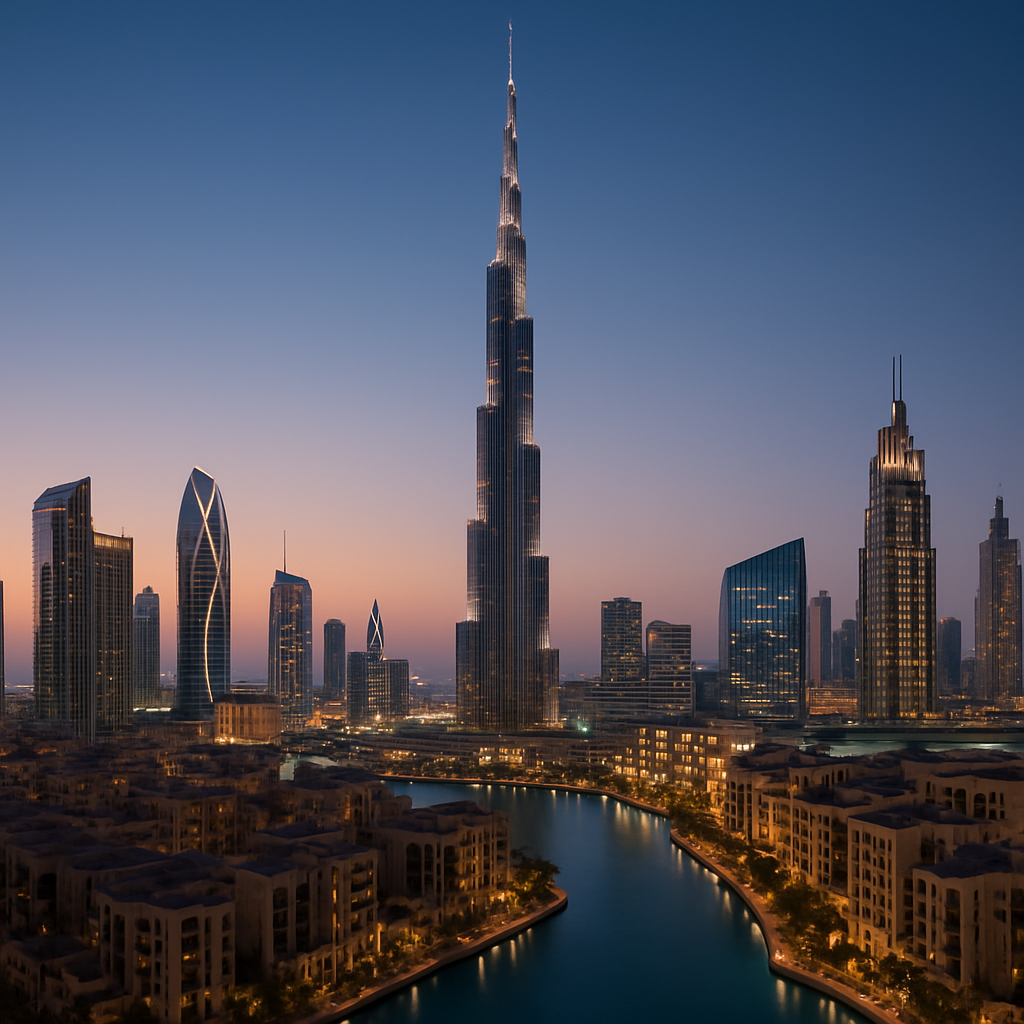
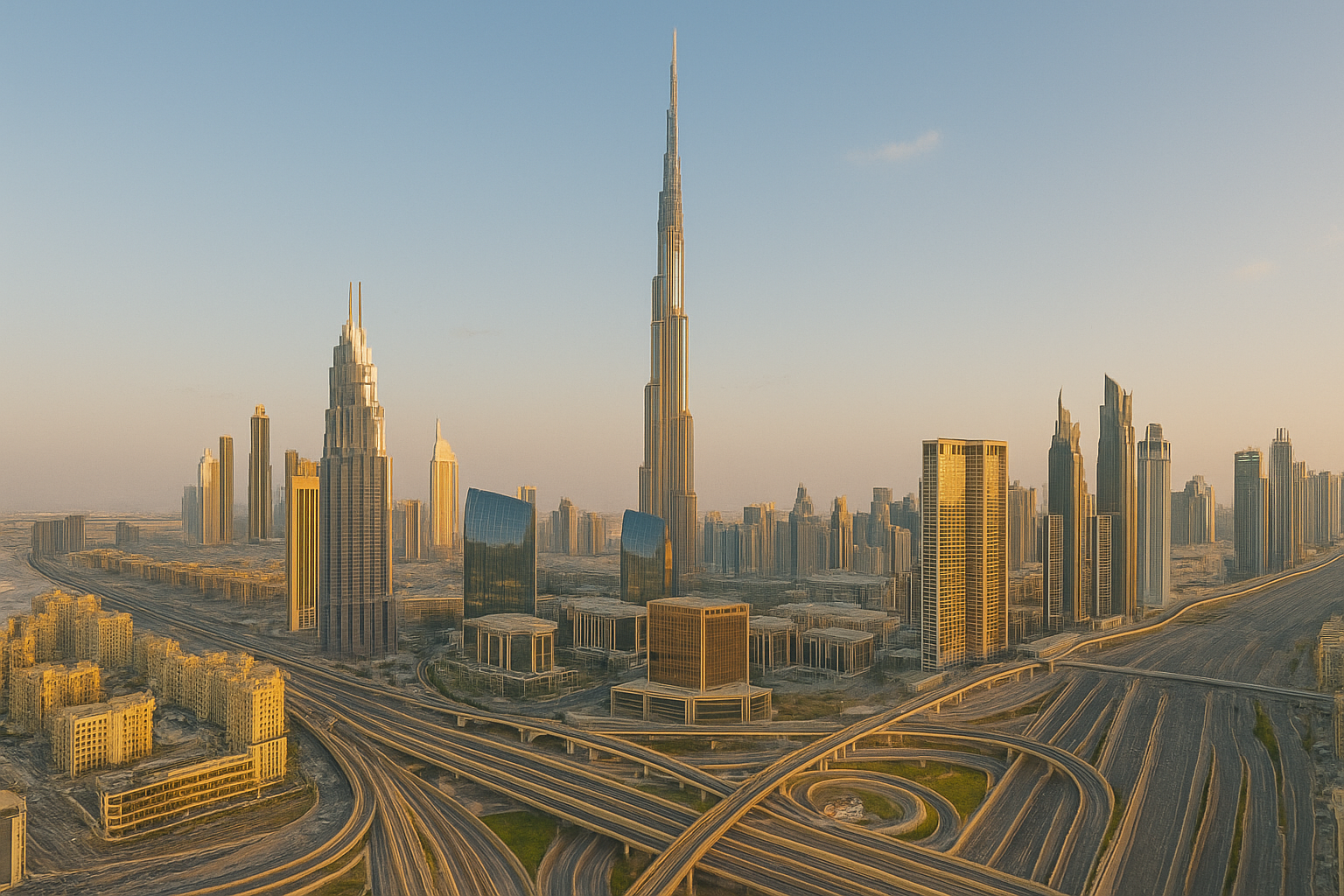
Many Middle Eastern countries possess vast reserves of oil and natural gas, making them key suppliers of energy to global markets. In addition, cities such as Dubai, Abu Dhabi, and Doha have emerged as important financial and business hubs.
Understanding the strategic importance of Middle East economies helps explain global energy markets, international trade routes, and geopolitical relationships.
Energy Resources and Global Influence
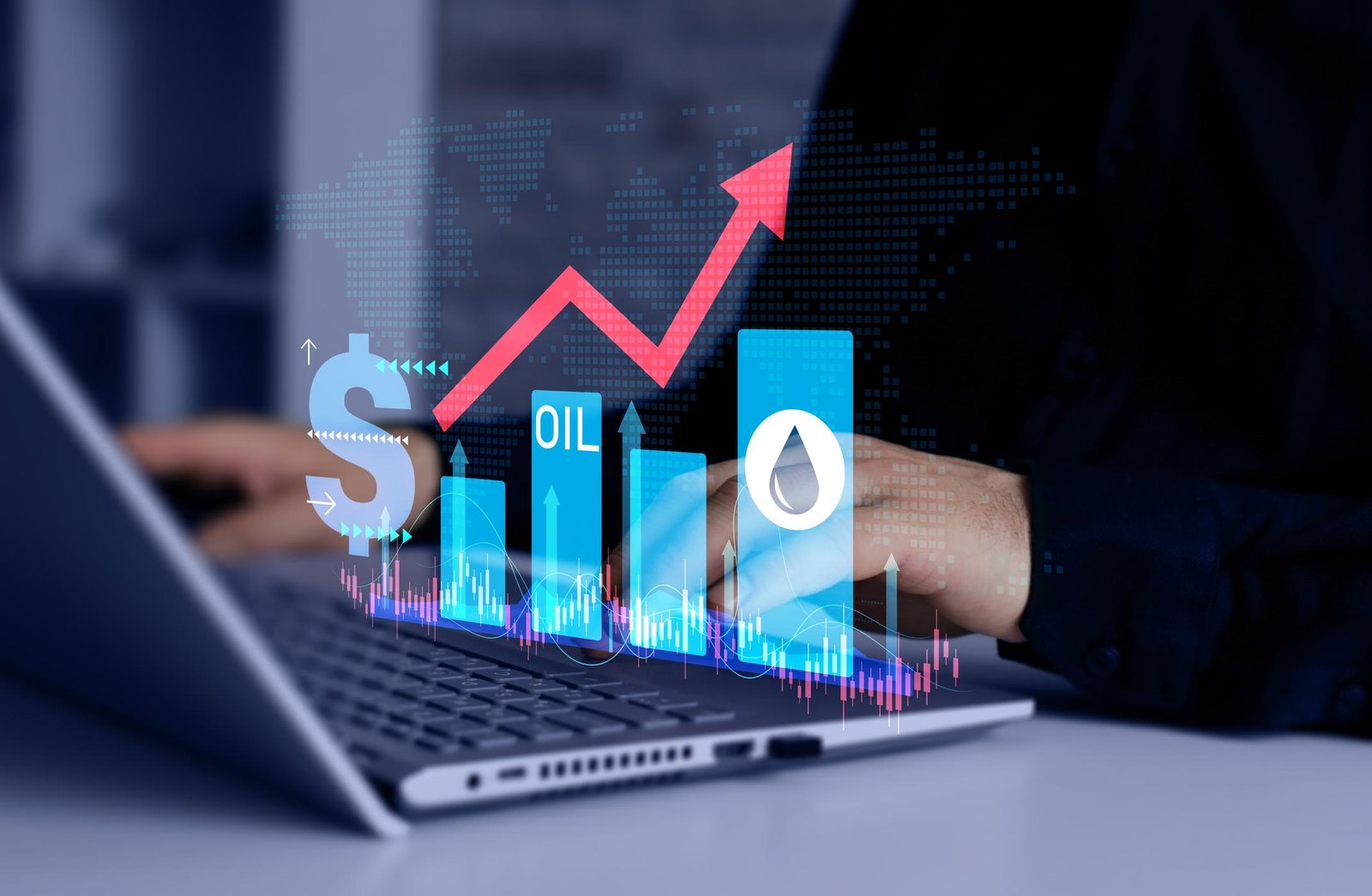
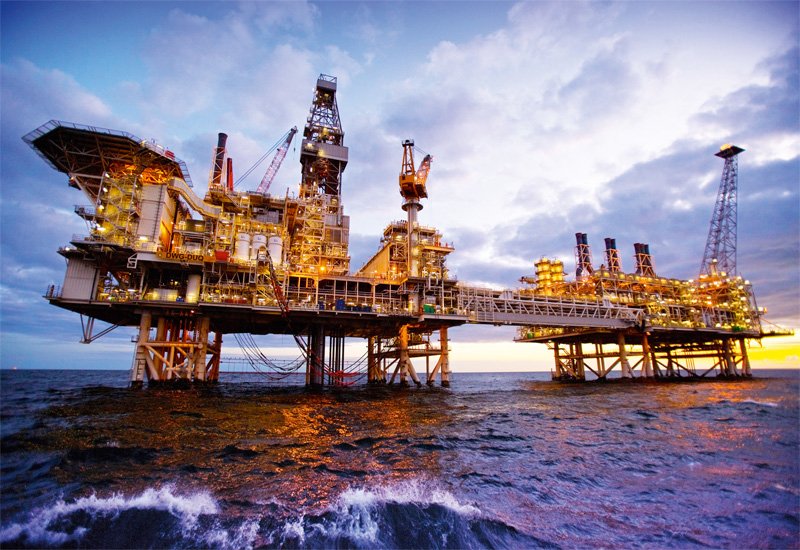
One of the biggest reasons for the region’s importance is its energy resources.
Key Energy Facts
-
The Middle East holds a large share of the world’s oil reserves
-
Major oil exporters supply global energy markets
-
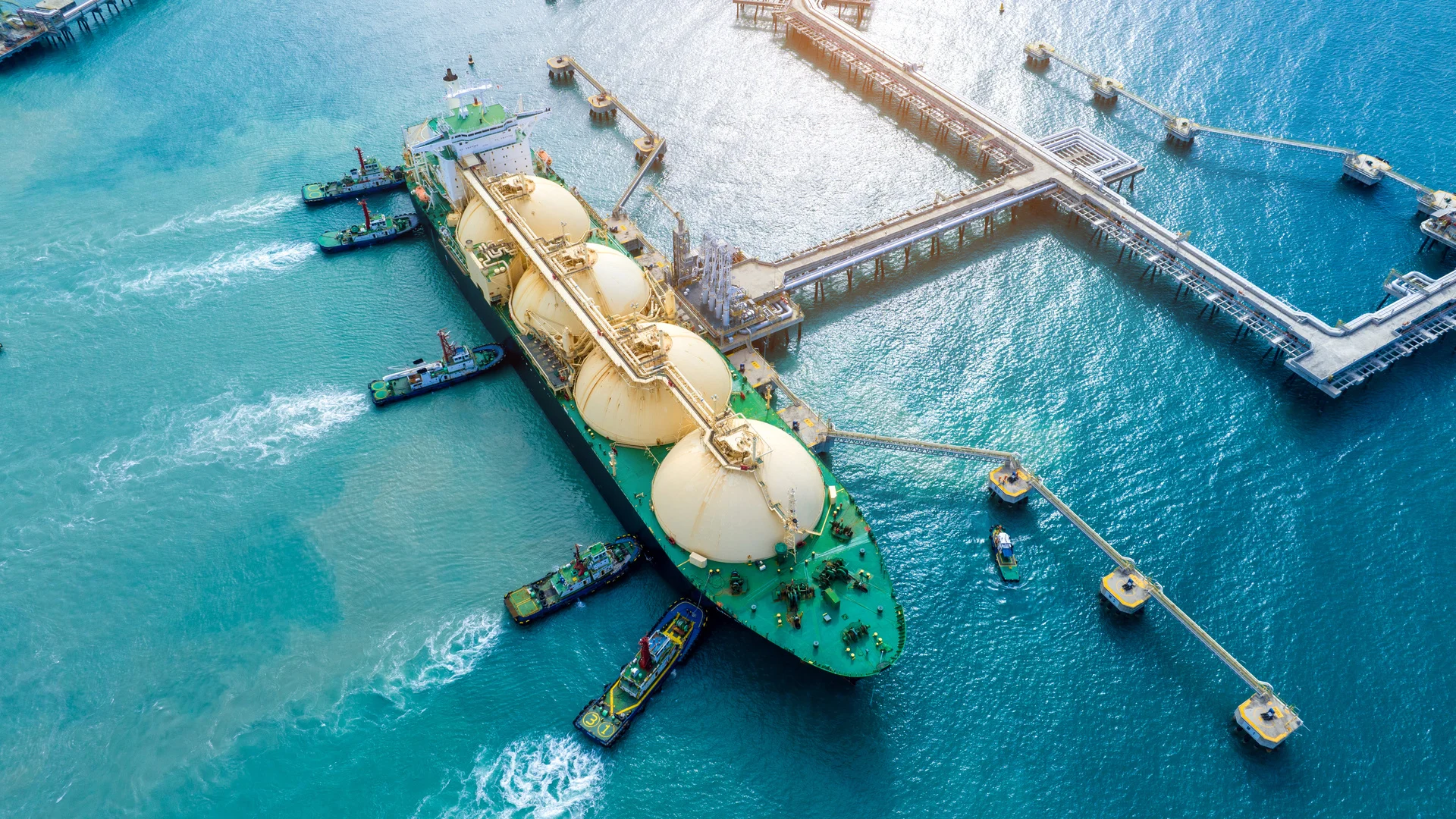
Natural gas exports are also increasing
-
Energy revenues support national economies
Countries such as Saudi Arabia, the United Arab Emirates, Qatar, and Kuwait play a significant role in global oil and gas production.
Because energy is essential for transportation, industry, and electricity generation, these resources give the region strong economic influence.
Strategic Global Trade Routes
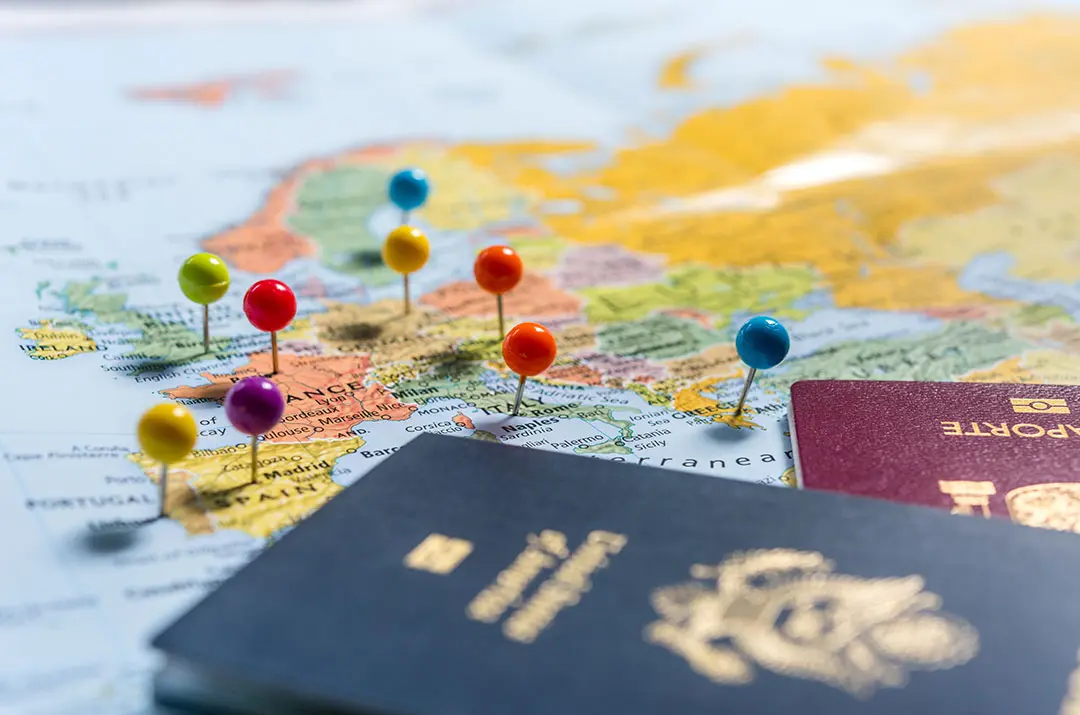
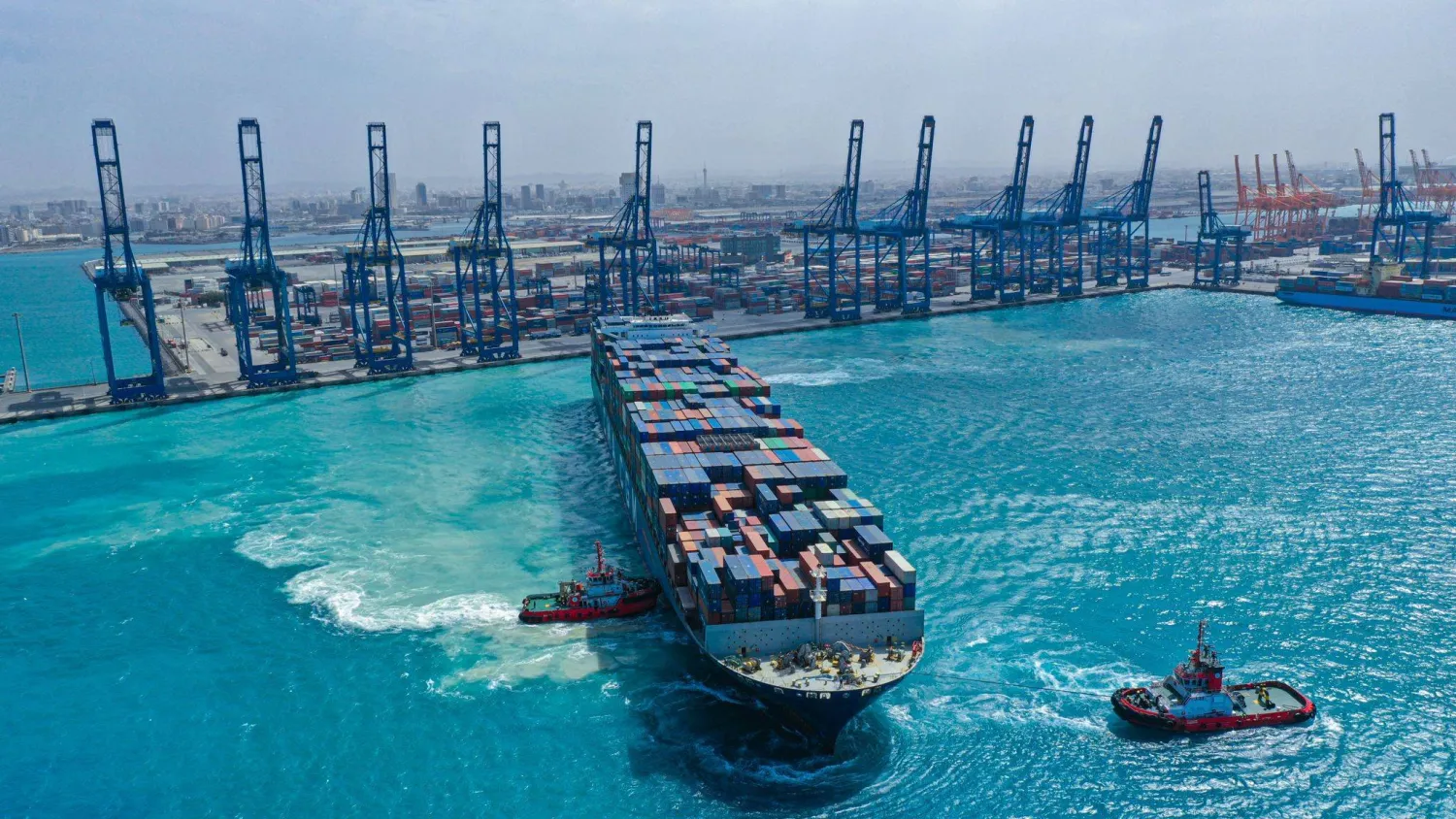
The Middle East also sits near some of the most important global trade routes.
Important Trade Passages
-
Strait of Hormuz
-
Suez Canal
-
Red Sea shipping lanes
-
Persian Gulf maritime routes
Large volumes of global oil and commercial goods pass through these waterways. Any disruption in these routes can significantly affect global trade and energy prices.
Emerging Financial and Business Hubs
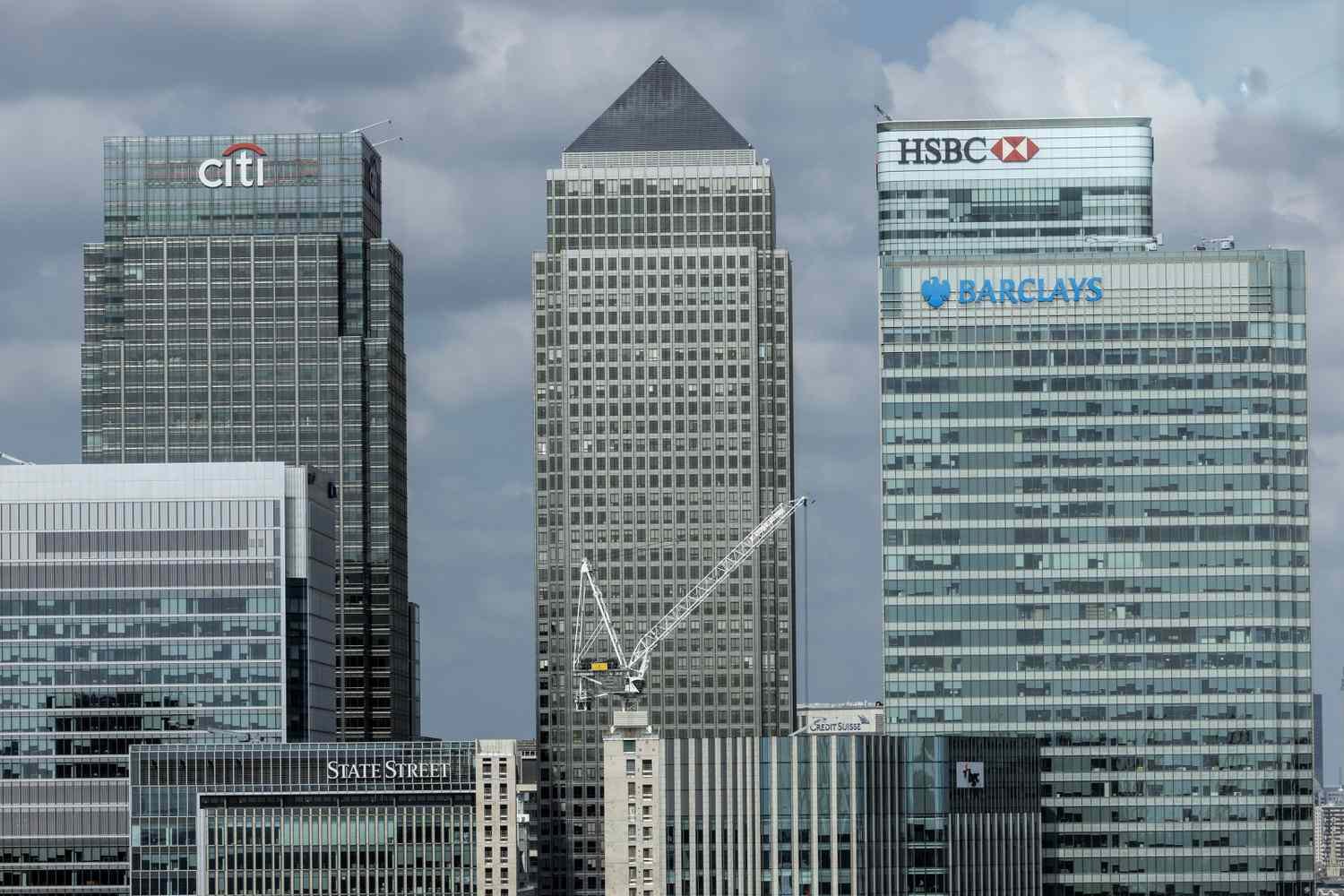
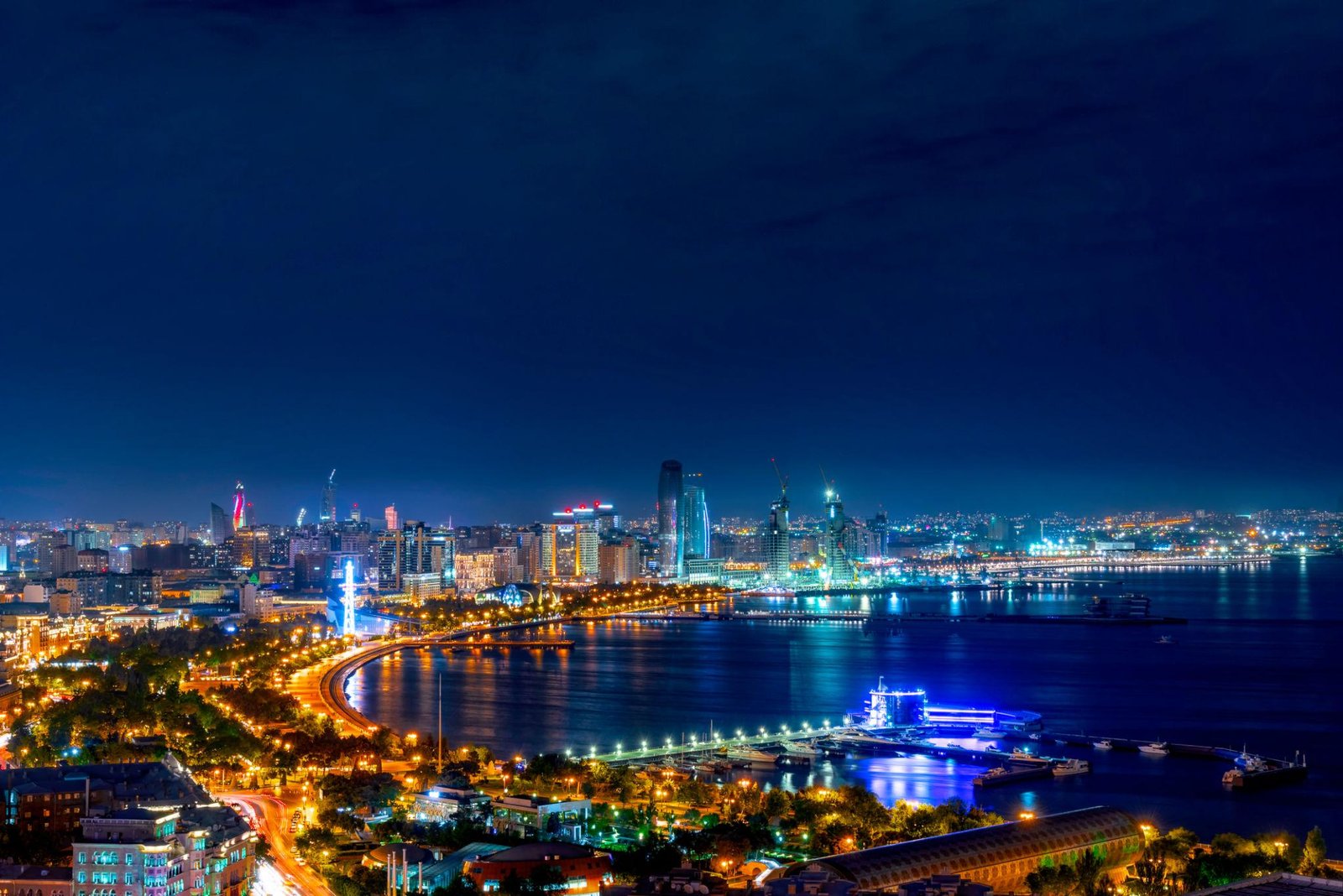
In recent decades, several Middle Eastern cities have developed into major global financial centers.
Major Business Hubs
-
Dubai
-
Abu Dhabi
-
Doha
-
Riyadh
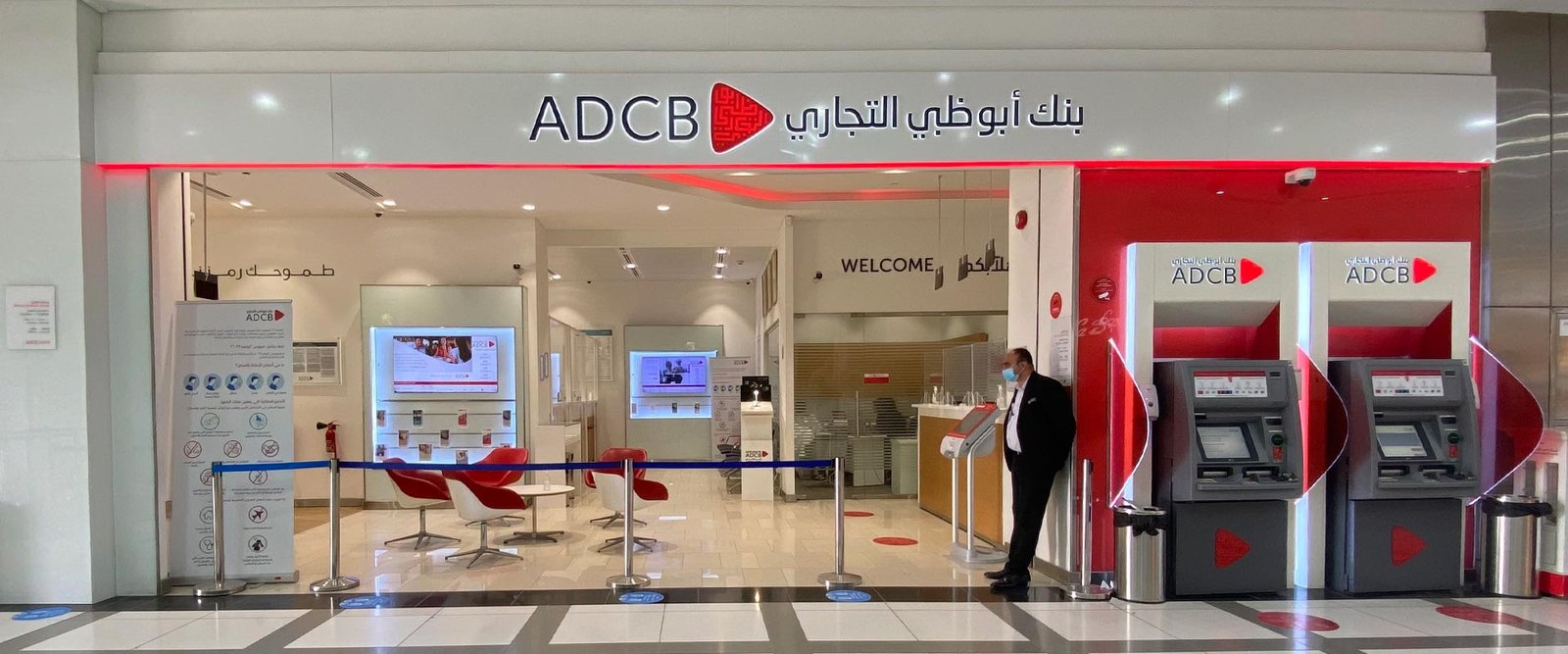
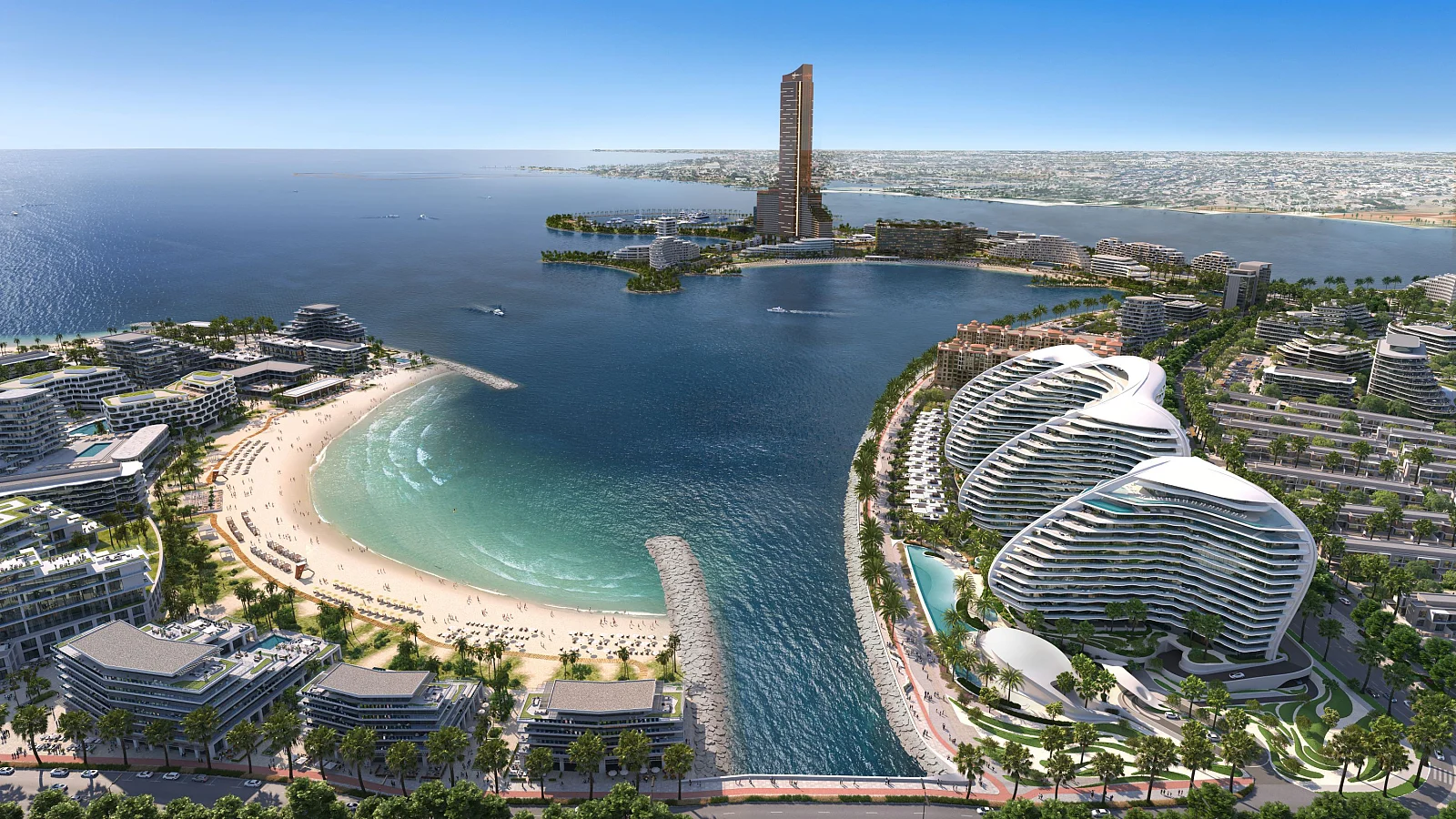
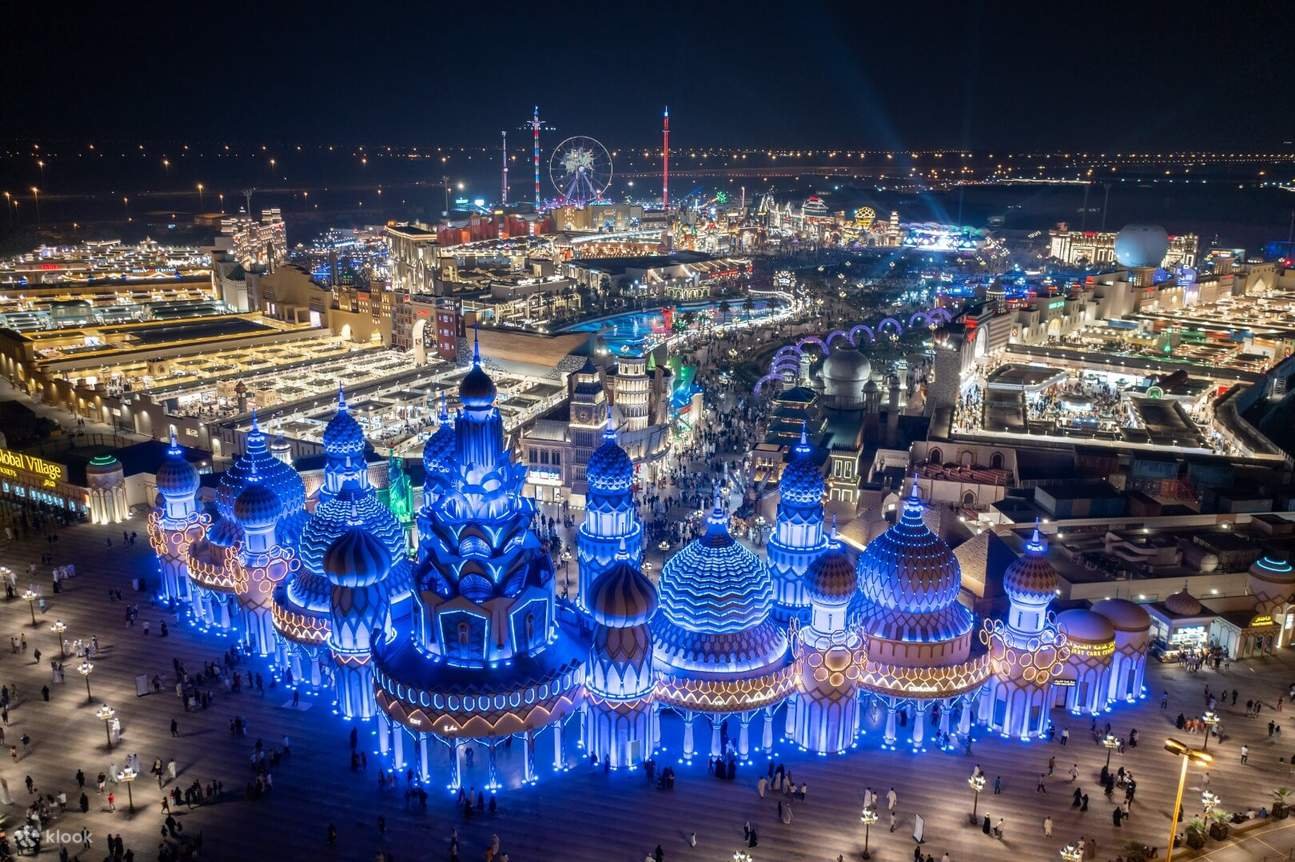
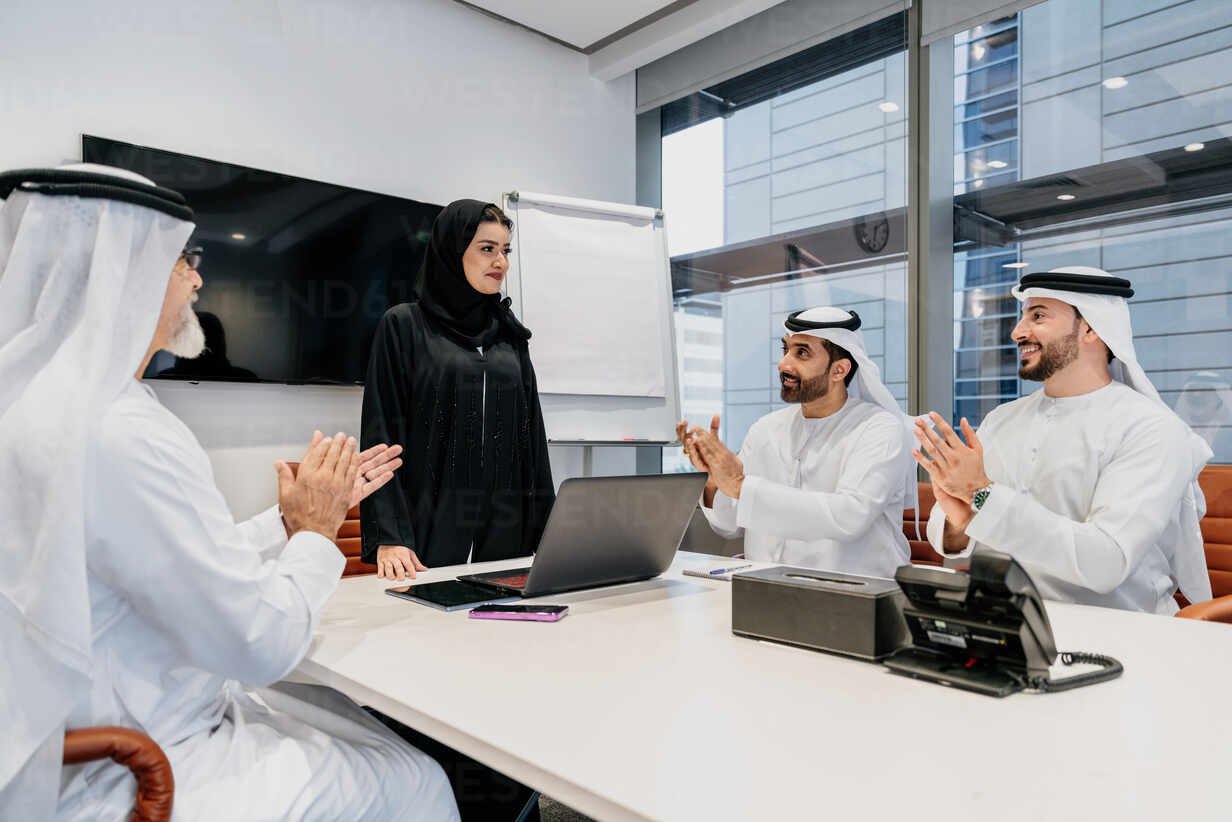
These cities attract international companies, investors, and entrepreneurs. Governments in the region have invested heavily in infrastructure, financial services, and tourism to diversify their economies.
Economic Diversification Beyond Oil
Many Middle Eastern countries are working to diversify their economies beyond oil.
Key Diversification Sectors
-
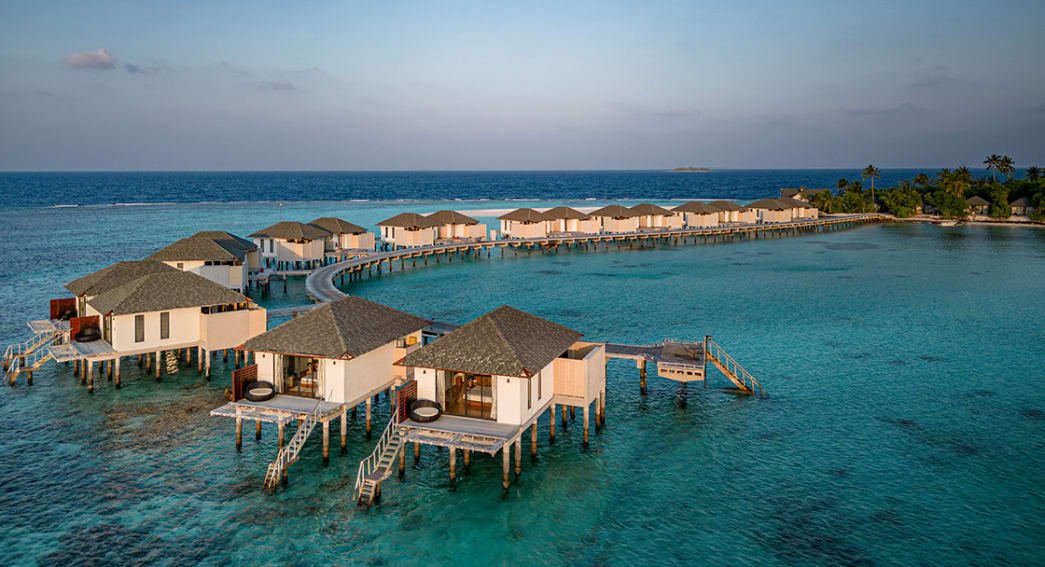
Tourism and hospitality
-
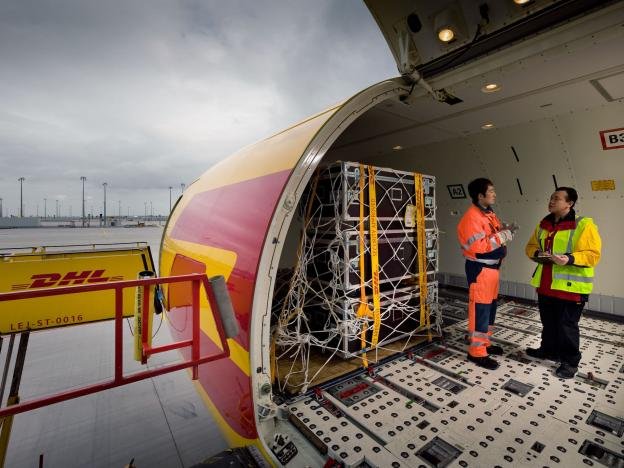
Aviation and logistics
-
Renewable energy
-
Technology and innovation
-
Financial services
Economic transformation programs are helping the region develop new industries and reduce reliance on energy exports.
Investment and Sovereign Wealth Funds
Several Middle Eastern countries manage some of the largest sovereign wealth funds in the world.
Role of Sovereign Wealth Funds
-
Investing oil revenues globally
-
Diversifying national economies
-
Supporting infrastructure development
-
Participating in global financial markets
These investment funds play an important role in international finance and global capital flows.
Geopolitical and Economic Influence
Because of its energy resources and strategic location, the Middle East has major geopolitical influence.
Factors Increasing Influence
-
Control of key energy supplies
-
Strategic location between continents
-
Participation in global trade networks
-
Diplomatic relationships with major powers
These factors make the region central to global economic and political discussions.
Challenges Facing Middle East Economies
Despite strong economic advantages, the region also faces several challenges.
Key Challenges
-
Economic dependence on energy exports
-
Regional political tensions
-
Climate and environmental pressures
-
Need for economic diversification
Addressing these challenges is important for long-term economic stability.
Frequently Asked Questions (FAQ)
Why is the Middle East important to the global economy?
The region has large oil and gas reserves, strategic trade routes, and growing financial centers.
Which Middle Eastern countries have strong economies?
Saudi Arabia, the United Arab Emirates, Qatar, and Kuwait are among the region’s strongest economies.
What are sovereign wealth funds?
Sovereign wealth funds are government-owned investment funds that manage national wealth, often from energy revenues.
Is the Middle East diversifying its economy?
Yes. Many countries are investing in tourism, technology, renewable energy, and financial services.