

Is the US Dollar Losing Global Dominance?
Introduction
For decades, the US dollar has been the world’s dominant currency. It is widely used in global trade, central bank reserves, and international transactions. However, in recent years, questions have emerged: Is the dollar losing its global dominance? The answer is complex—while the dollar remains strong, new challenges are clearly rising.
Why the US Dollar Became Dominant
The dollar’s global power comes from several key factors:
- World Reserve Currency: Most countries hold dollars in reserves
- Global Trade Standard: Oil and major commodities are priced in dollars
- Strong US Economy: Stability and trust in the financial system
- Deep Financial Markets: Easy access to investments
These advantages have made the dollar the backbone of the global economy.
Signs of Declining Dominance
While still powerful, some trends suggest a shift:
1. Rise of Alternative Currencies
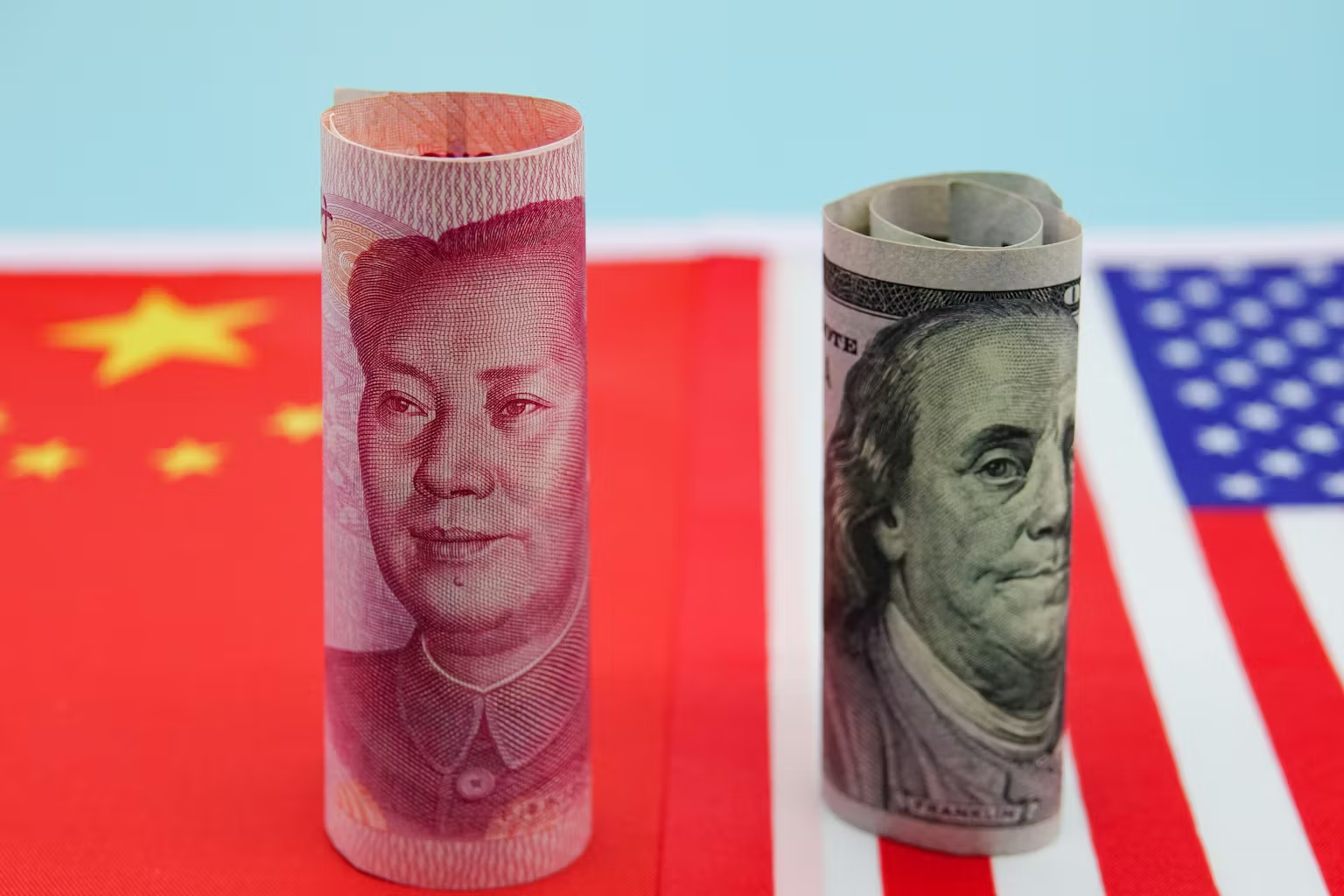
- China’s yuan is gaining international use
- Euro remains a strong competitor
2. De-dollarization Efforts
- Countries are trading in local currencies
- New trade agreements avoid the dollar
3. Geopolitical Tensions
- Sanctions have pushed some nations away from the dollar system
Role of Central Banks
Central banks are slowly diversifying their reserves.
Key changes:
- Increasing gold holdings
- Adding other currencies like yuan and euro
- Reducing reliance on US dollar assets
This doesn’t replace the dollar—but reduces dependence on it.
Impact on Global Trade
If the dollar weakens, global trade could change significantly:
- More transactions in regional currencies
- Less control by US financial systems
- Increased competition among currencies
However, the transition is slow and complex.
Why the Dollar Is Still Strong
Despite challenges, the US dollar remains dominant because:
- No true global alternative yet
- US financial markets are the largest and most liquid
- Strong global trust and stability
Replacing the dollar would require a major shift in global systems.
Future Outlook
The future is likely to be multi-currency, not dollar-free.
Expected trends:
- Gradual diversification of global reserves
- Rise of digital currencies (CBDCs)
- Continued but reduced dollar dominance
Key Takeaways
- The US dollar is still the world’s leading currency
- Challenges are emerging from global shifts and politics
- De-dollarization is happening slowly, not suddenly
- The future may involve multiple dominant currencies