

How Wars Affect Global Trade Routes
Introduction
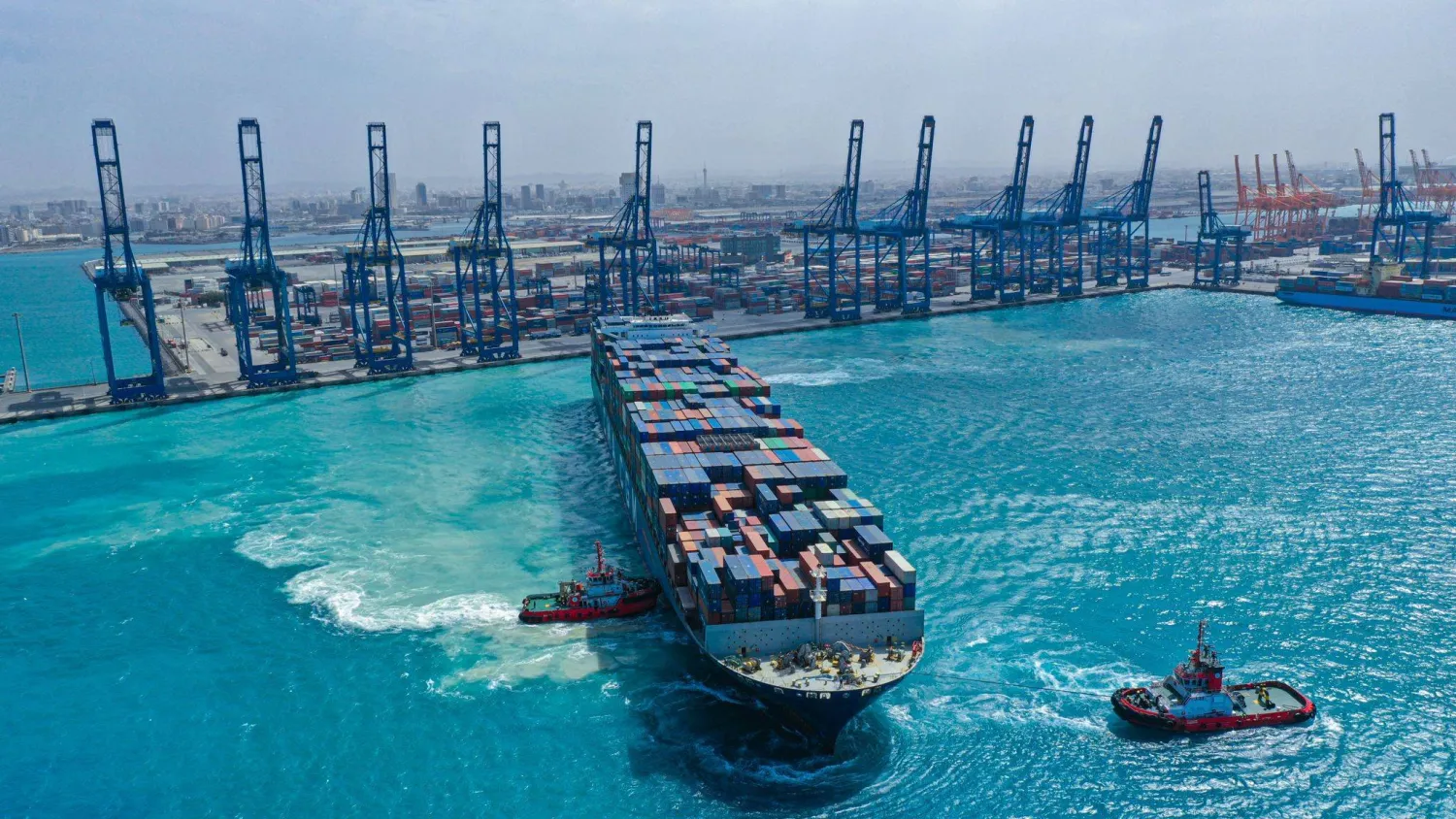
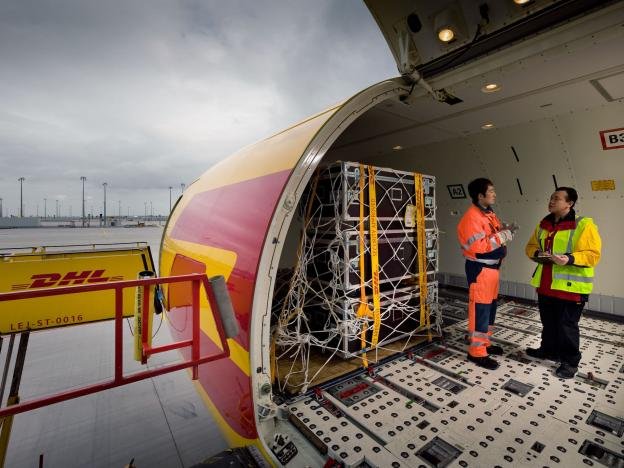
Global trade routes are the backbone of the world economy. Every day, thousands of cargo ships, airplanes, and trucks transport goods across continents. These routes carry essential commodities such as oil, food, electronics, and raw materials.
However, wars and geopolitical conflicts can significantly disrupt global trade routes. When conflicts occur near important shipping lanes or strategic locations, transportation becomes riskier, slower, and more expensive.
Understanding how wars affect global trade routes helps explain why conflicts can influence global prices, supply chains, and economic stability.
What Are Global Trade Routes?
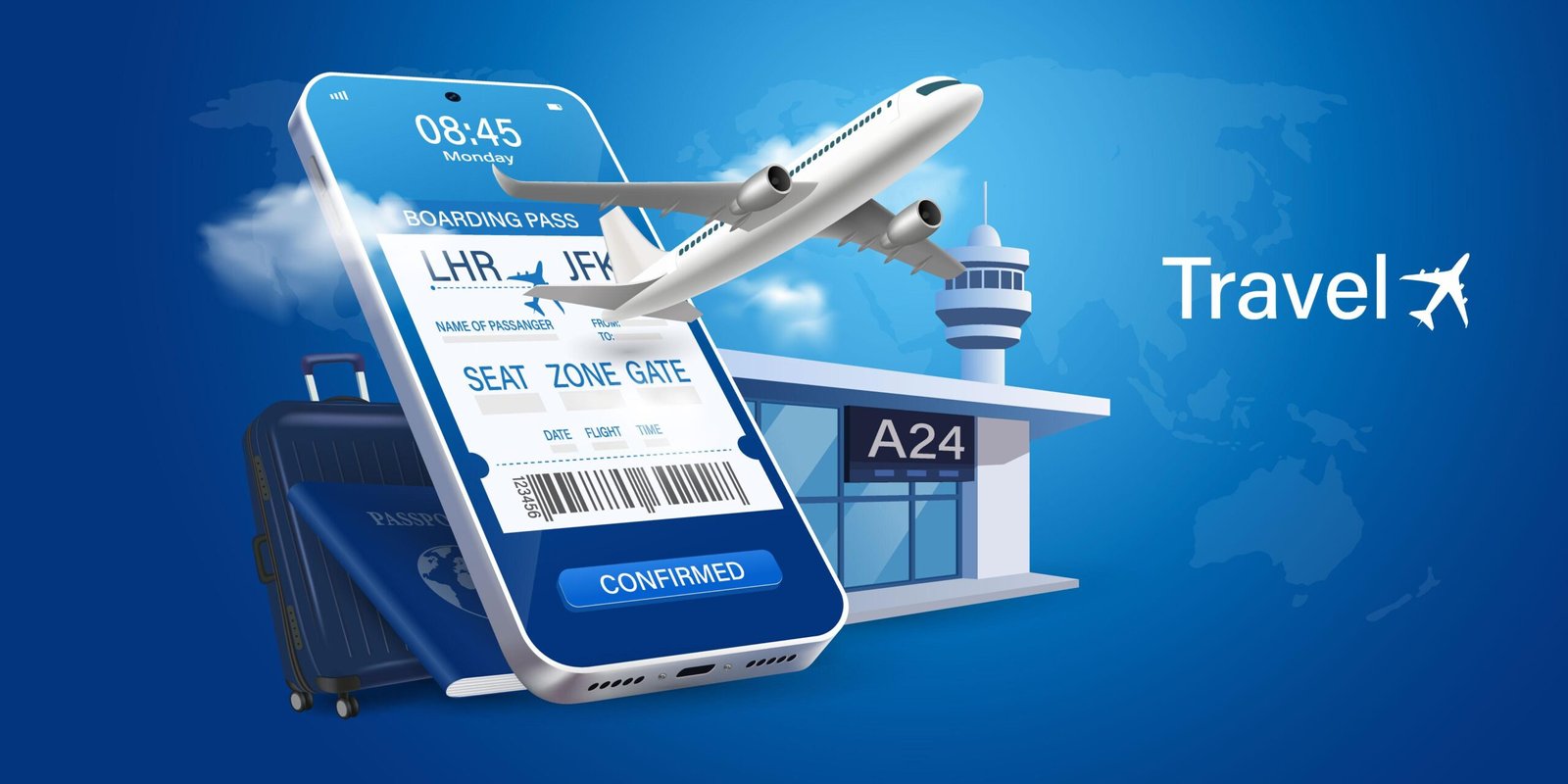
Global trade routes are the transportation paths used to move goods between countries. These routes include maritime shipping lanes, air cargo routes, rail networks, and highways.
Major Types of Trade Routes
-
Maritime shipping lanes across oceans
-
Air cargo routes connecting international airports
-
Rail networks linking continents
-
Road transport routes between neighboring countries
Among these, maritime shipping routes carry more than 80% of global trade, making them especially important.
Strategic Trade Chokepoints
Some locations are extremely important for global shipping. These narrow passages are known as trade chokepoints.
Major Global Chokepoints
-
Suez Canal
-
Strait of Hormuz
-
Panama Canal
-
Strait of Malacca
If conflicts occur near these areas, global trade can be severely disrupted.
Shipping Risks During War
Wars increase risks for commercial shipping companies.
Common Risks
-
Naval blockades
-
Attacks on cargo ships
-
Sea mines and maritime hazards
-
Restricted access to ports
Because of these risks, shipping companies may reroute vessels or delay deliveries.
Impact on Global Supply Chains
When trade routes are disrupted, global supply chains can be affected.
Supply Chain Effects
-
Delayed delivery of goods
-
Shortages of raw materials
-
Increased transportation costs
-
Slower manufacturing production
Modern economies rely heavily on complex global supply chains, making them vulnerable to disruptions.
Rising Shipping Costs
Conflicts often increase shipping costs.
Reasons Costs Rise
-
Higher fuel prices
-
Increased insurance costs for ships
-
Longer routes to avoid conflict zones
-
Security measures and naval escorts
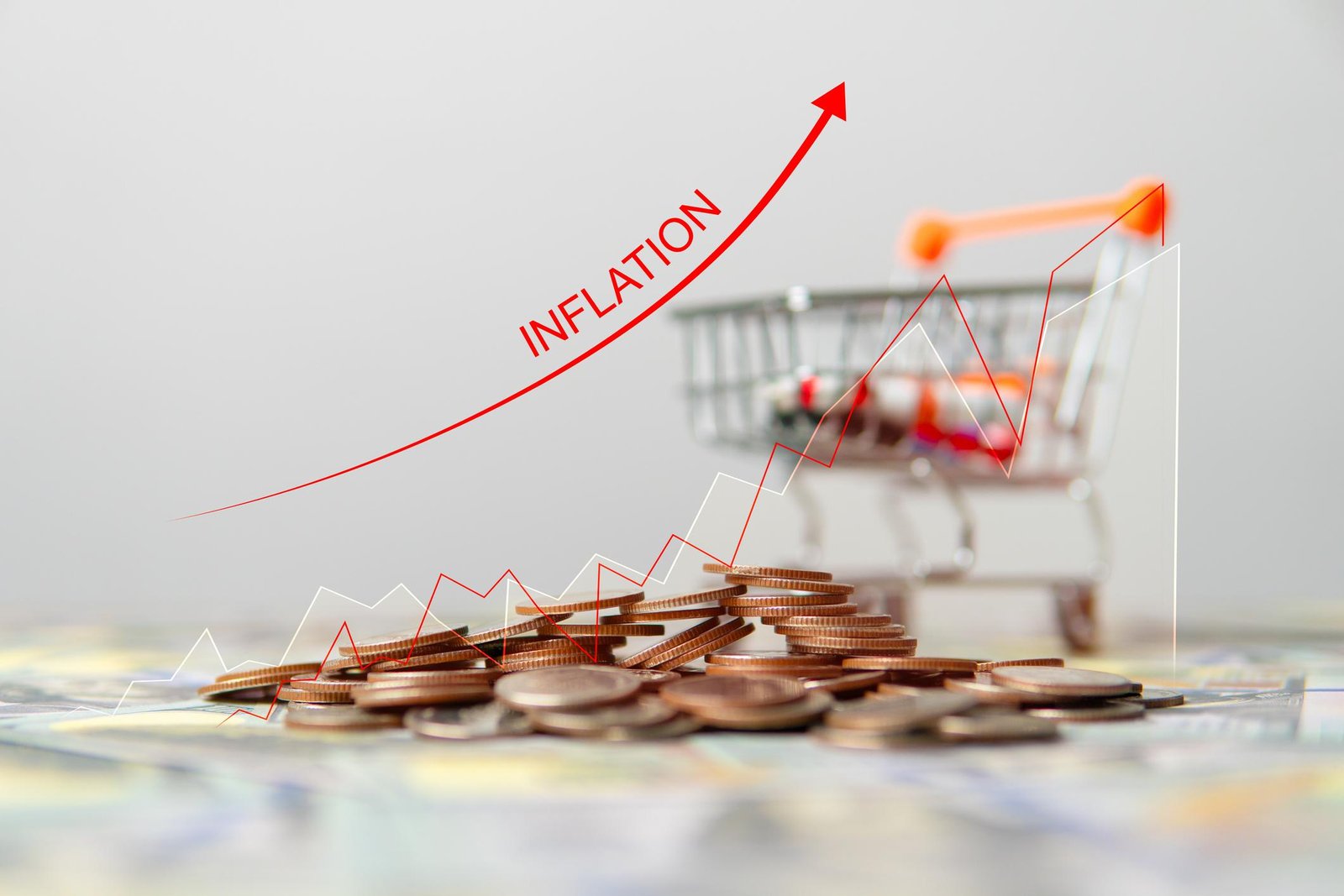
These additional expenses can lead to higher prices for consumers worldwide.
Impact on Energy and Commodity Trade
Wars can also affect the trade of critical resources.
Important Commodities Affected
-
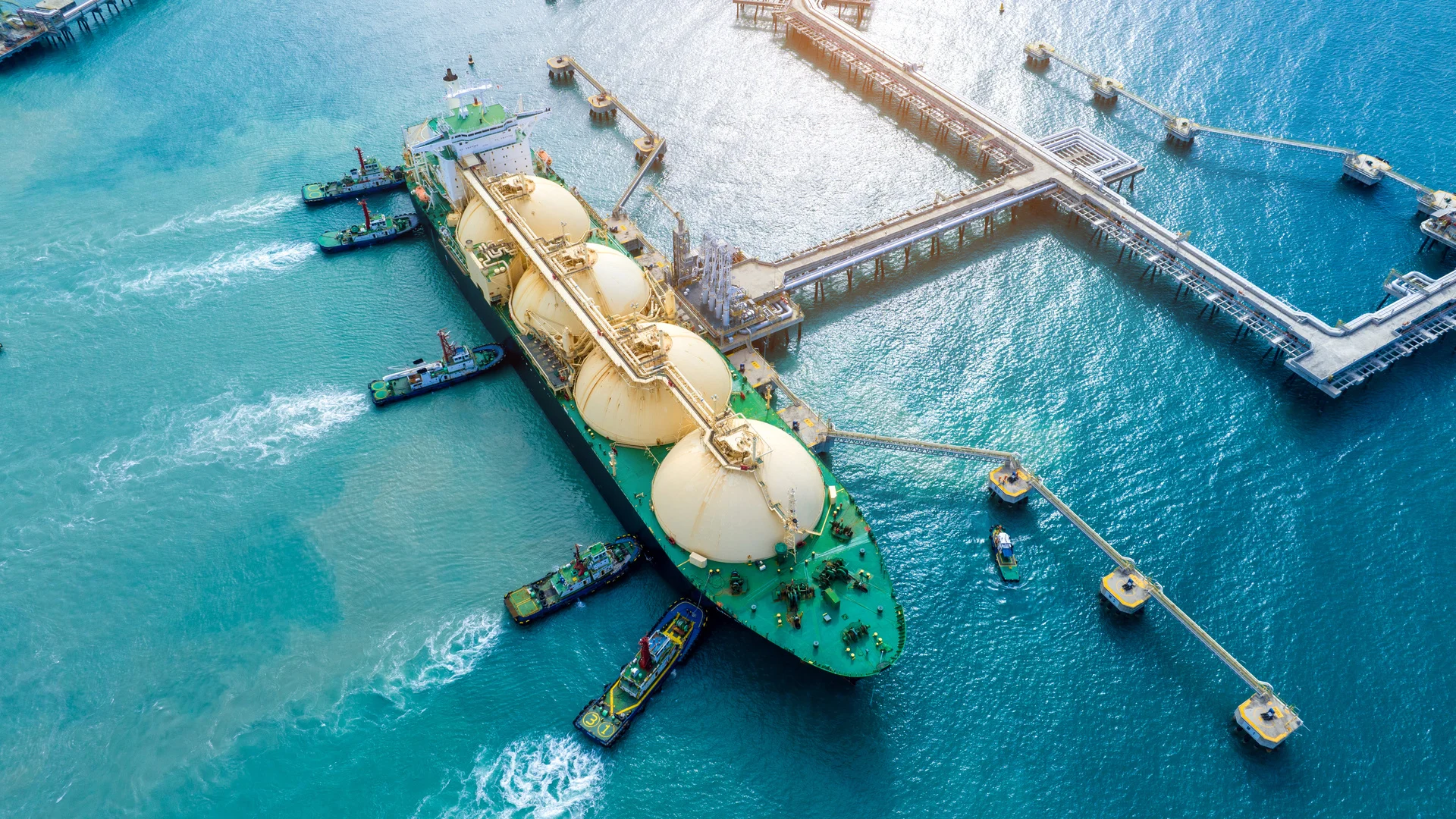
Oil and natural gas
-
Agricultural products such as wheat and corn
-
Industrial metals and minerals
-
Manufactured goods
Disruptions to these commodities can affect global prices and food security.
Alternative Trade Routes and Adaptation
When major routes become unsafe, countries and companies search for alternatives.
Possible Adaptations
-
Developing new rail routes
-
Expanding regional trade networks
-
Using alternative shipping lanes
-
Investing in infrastructure for new corridors
These changes may reshape global trade patterns over time.
Long-Term Changes in Global Trade
Over the long term, wars can permanently alter global trade systems.
Possible Long-Term Effects
-
Shifts in global supply chains
-
New trade alliances between countries
-
Increased regional manufacturing
-
Greater investment in logistics infrastructure
These changes can influence the global economy for many years.
Frequently Asked Questions (FAQ)
Why do wars disrupt global trade routes?
Wars increase security risks, restrict access to key waterways, and create uncertainty for shipping companies.
What are trade chokepoints?
Trade chokepoints are narrow strategic passages such as canals or straits through which large amounts of global trade pass.
How do trade disruptions affect consumers?
Supply chain disruptions can lead to shortages of goods and higher prices.
Can trade routes change permanently after wars?
Yes. Conflicts sometimes lead to new transportation routes and trade partnerships.