


Global Inflation and Currency Devaluation
Introduction
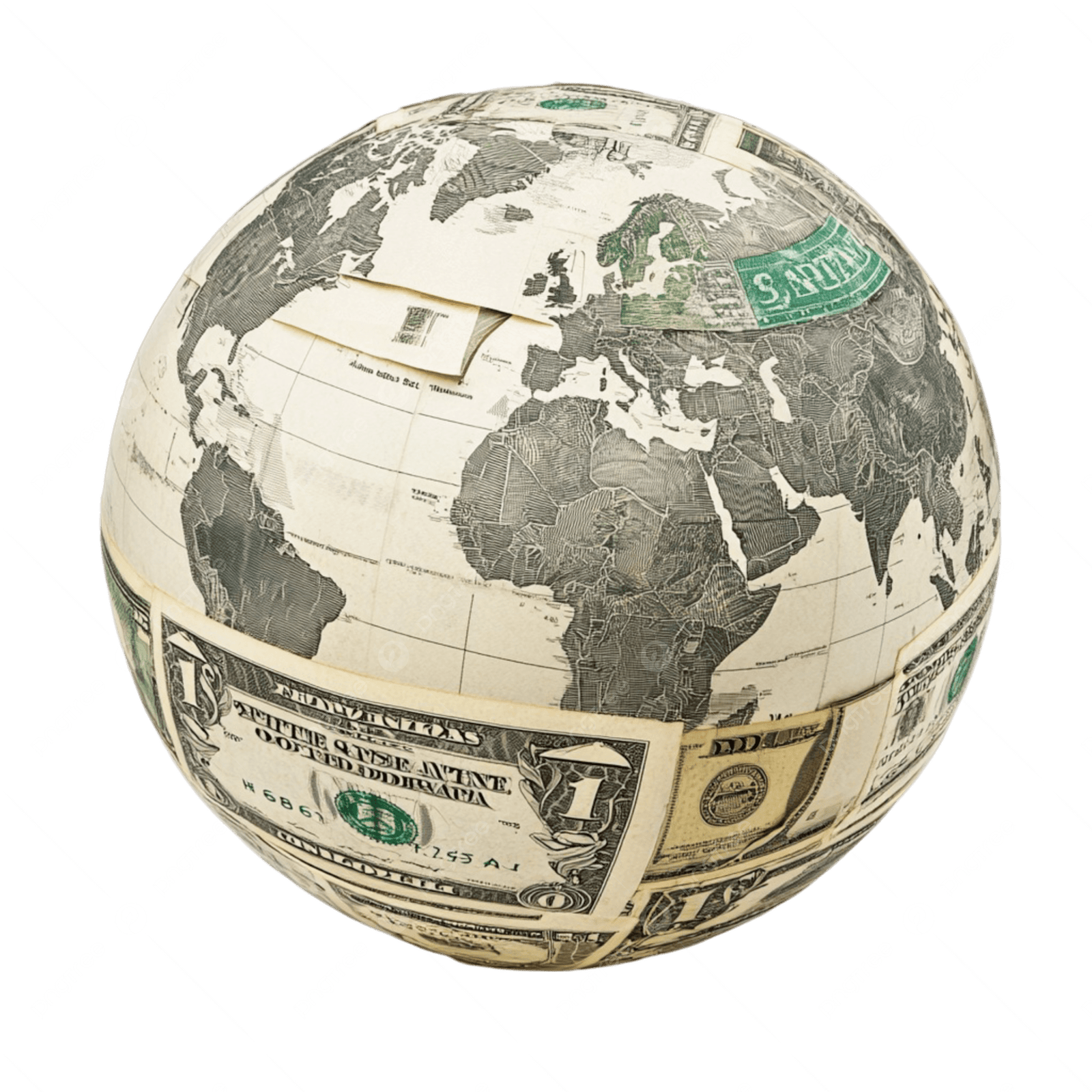
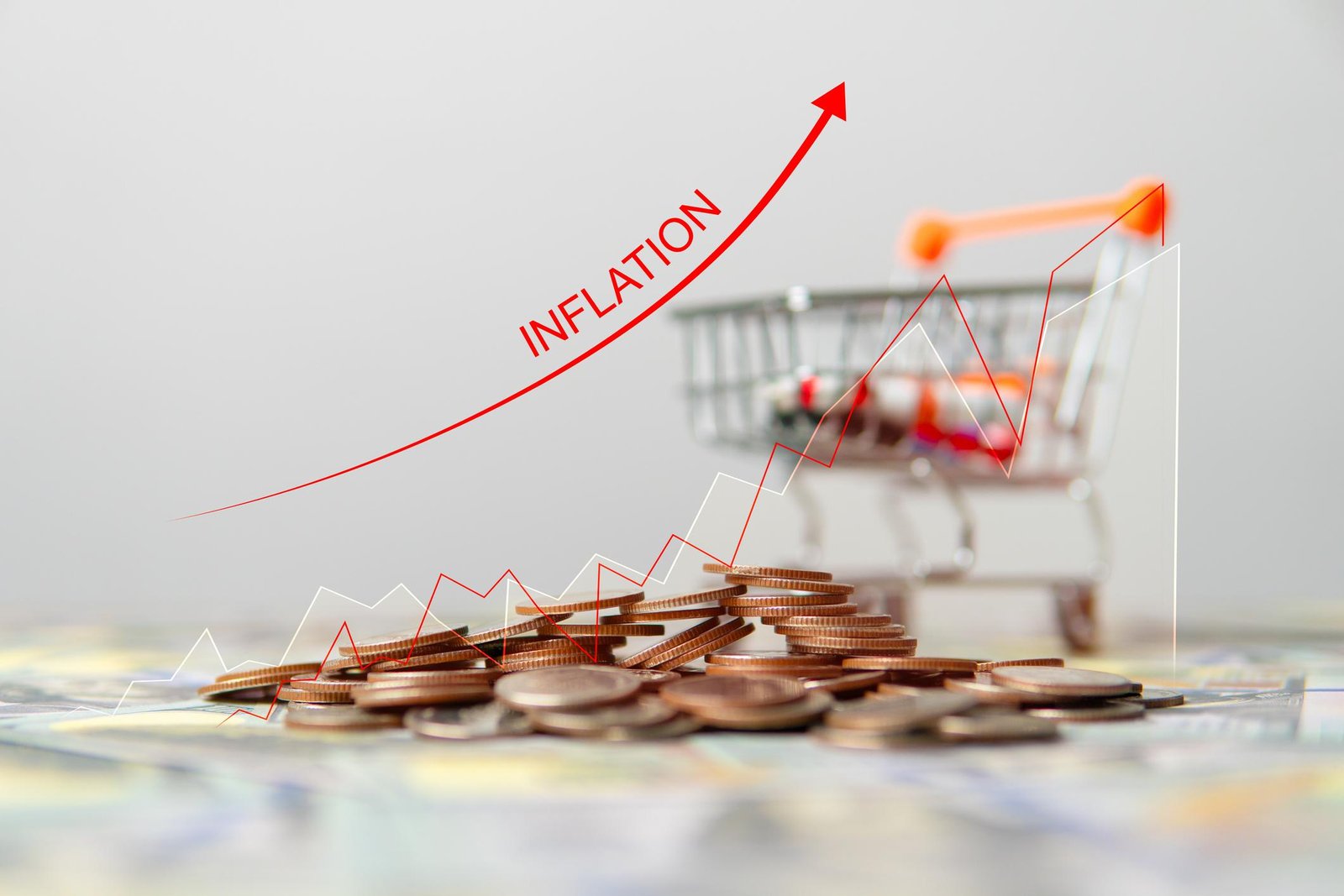
Global inflation and currency devaluation are two major economic forces affecting countries worldwide. When inflation rises, the cost of goods and services increases, and when a currency loses value, people can buy less with the same amount of money. Together, these trends impact economies, businesses, and everyday life.
What Is Inflation?
Inflation refers to the increase in prices over time.
Common causes:
- Rising demand for goods
- Increased production costs
- Supply chain disruptions
- Excess money supply
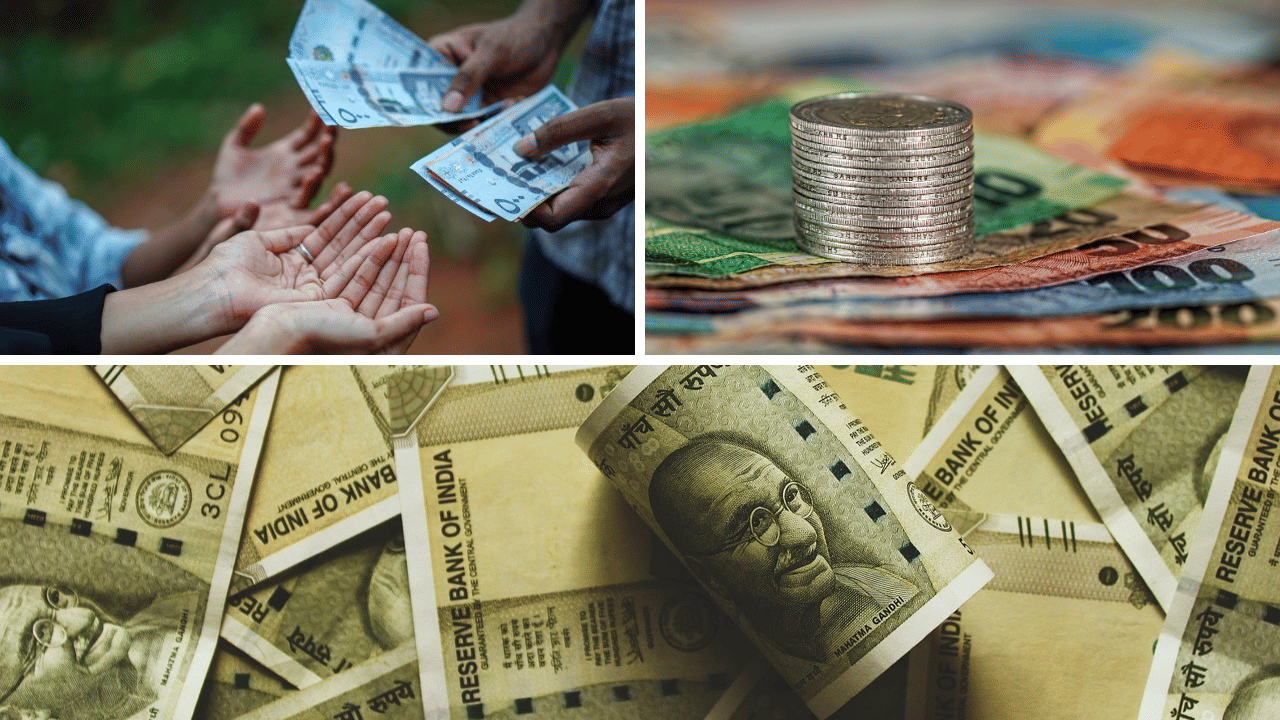
As inflation rises, the purchasing power of money decreases.
What Is Currency Devaluation?
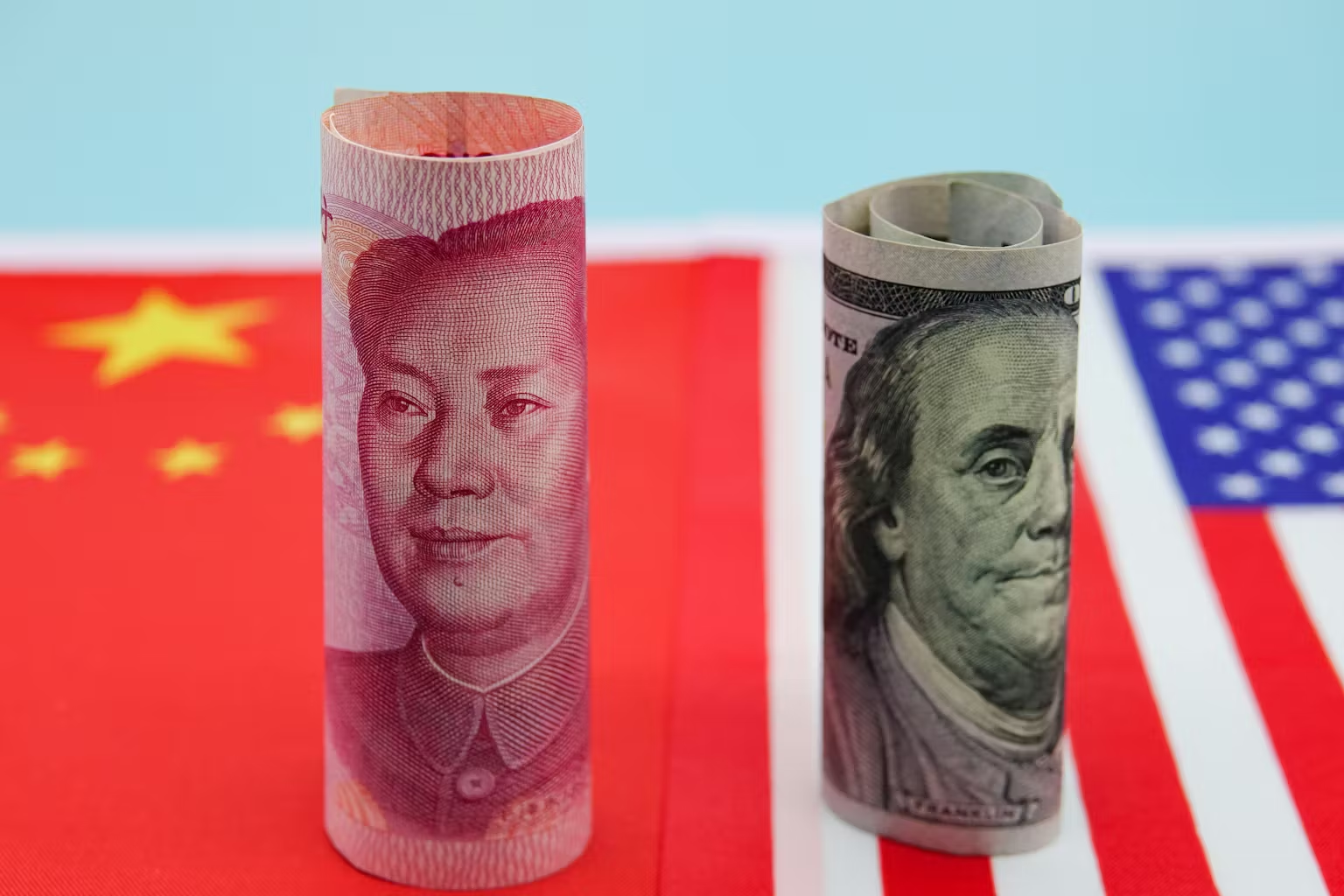
Currency devaluation happens when a country’s currency loses value compared to others.
Why it happens:
- Economic instability
- High inflation
- Government monetary policies
- Trade imbalances
A weaker currency makes imports more expensive.
How Inflation and Devaluation Are Connected
These two factors often influence each other:
- High inflation can weaken a currency
- A weak currency increases import costs
- Higher import costs lead to more inflation
This creates a cycle that can be difficult to control.
Global Causes of Current Trends
1. Supply Chain Disruptions
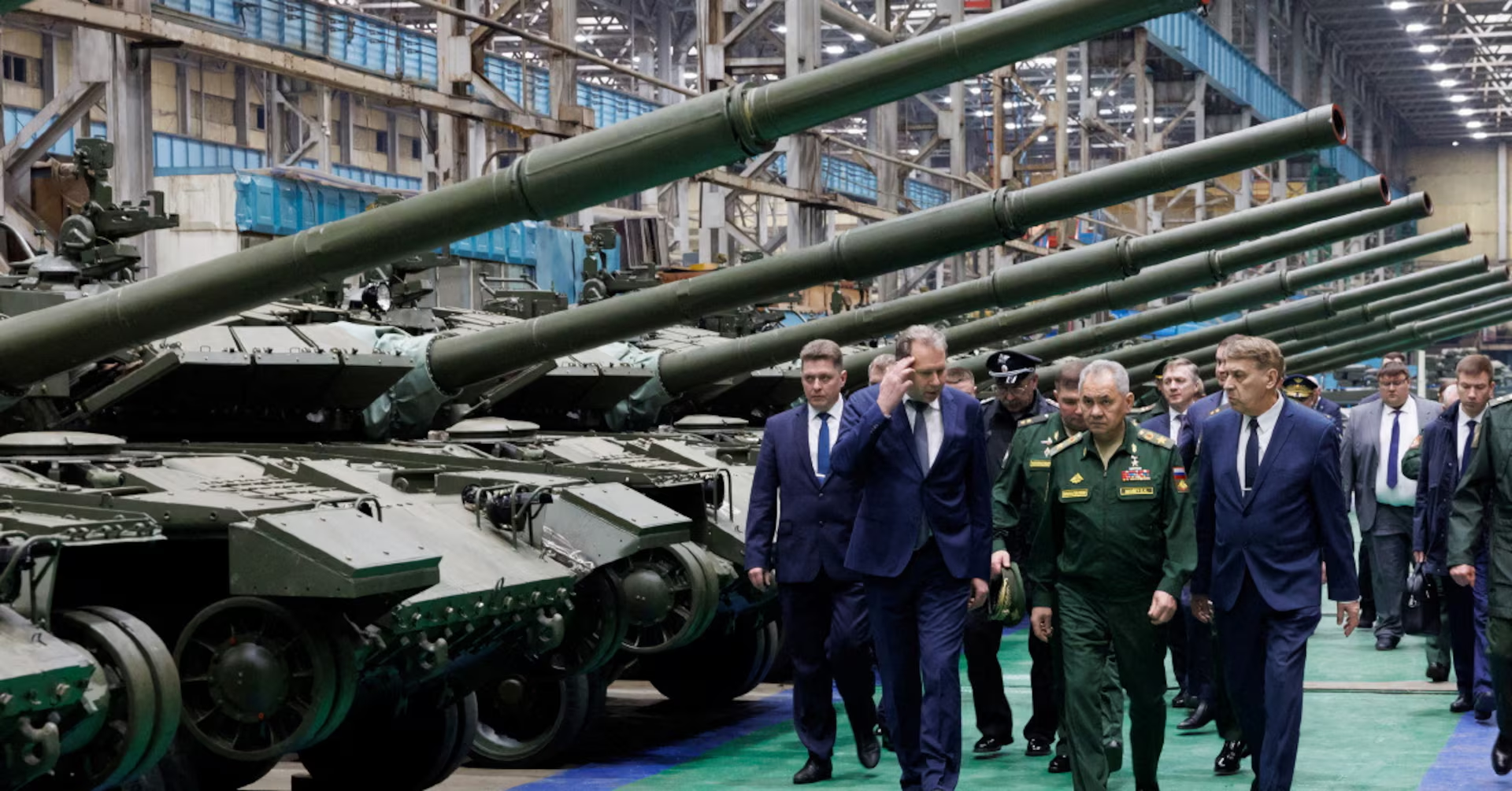
Global events like wars and pandemics disrupt production and transport.
2. Energy Price Increases
Rising oil and gas prices increase costs across industries.
3. Monetary Policies
Printing money and low interest rates can increase inflation.
Impact on People and Businesses
For consumers:
- Higher cost of living
- Reduced savings value
- Lower purchasing power
For businesses:
- Increased production costs
- Reduced profit margins
- Pricing challenges
Role of Central Banks
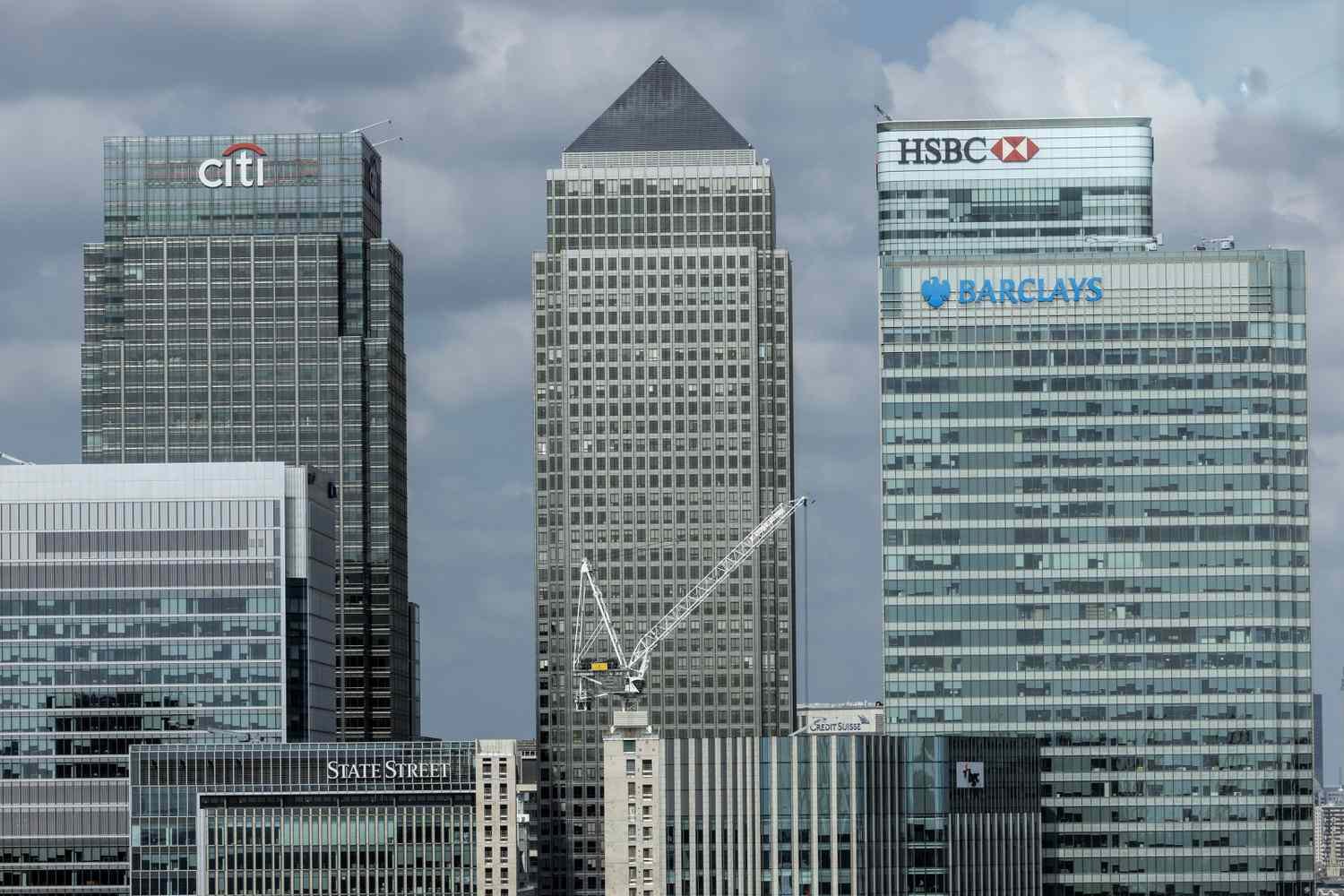
Central banks try to control inflation and stabilize currencies.
Key actions:
- Increasing interest rates
- Reducing money supply
- Managing exchange rates
These measures aim to balance economic growth and stability.
How Investors Protect Wealth
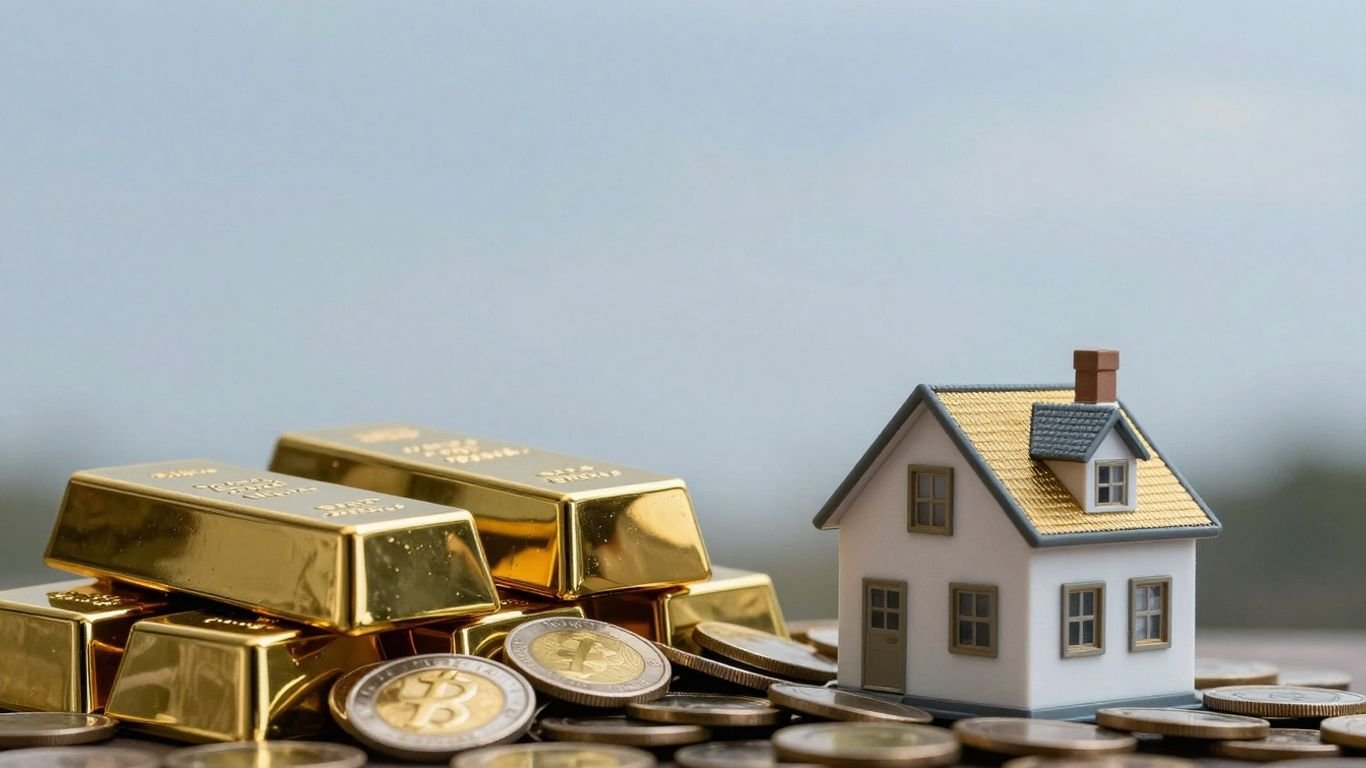
During inflation and currency decline, investors shift to safer assets:
- Gold and precious metals
- Real estate
- Stable foreign currencies
- Commodities
These assets help preserve value over time.
Key Takeaways
- Inflation reduces purchasing power
- Currency devaluation makes imports expensive
- Both are closely linked and affect global economies
- Investors move to safe assets during instability