

Currency Wars Between Major Economies
Introduction
A currency war happens when countries try to weaken their own currency to gain an economic advantage. This may sound strange, but a weaker currency can make exports cheaper and boost economic growth. In today’s global economy, major powers like the United States, China, and the European Union often engage in such strategies—directly or indirectly.
What Is a Currency War?
Currency wars occur when countries compete to control exchange rates.
Main goal:
- Make exports cheaper
- Increase global competitiveness
- Protect domestic industries
This is usually done through central bank policies and financial tools.
How Countries Manipulate Currency
Governments and central banks use several methods:
1. Lowering Interest Rates
- Makes currency less attractive to investors
- Reduces its value
2. Printing More Money
- Increases supply of currency
- Leads to depreciation
3. Direct Market Intervention
- Buying or selling currencies in forex markets
Major Players in Currency Wars
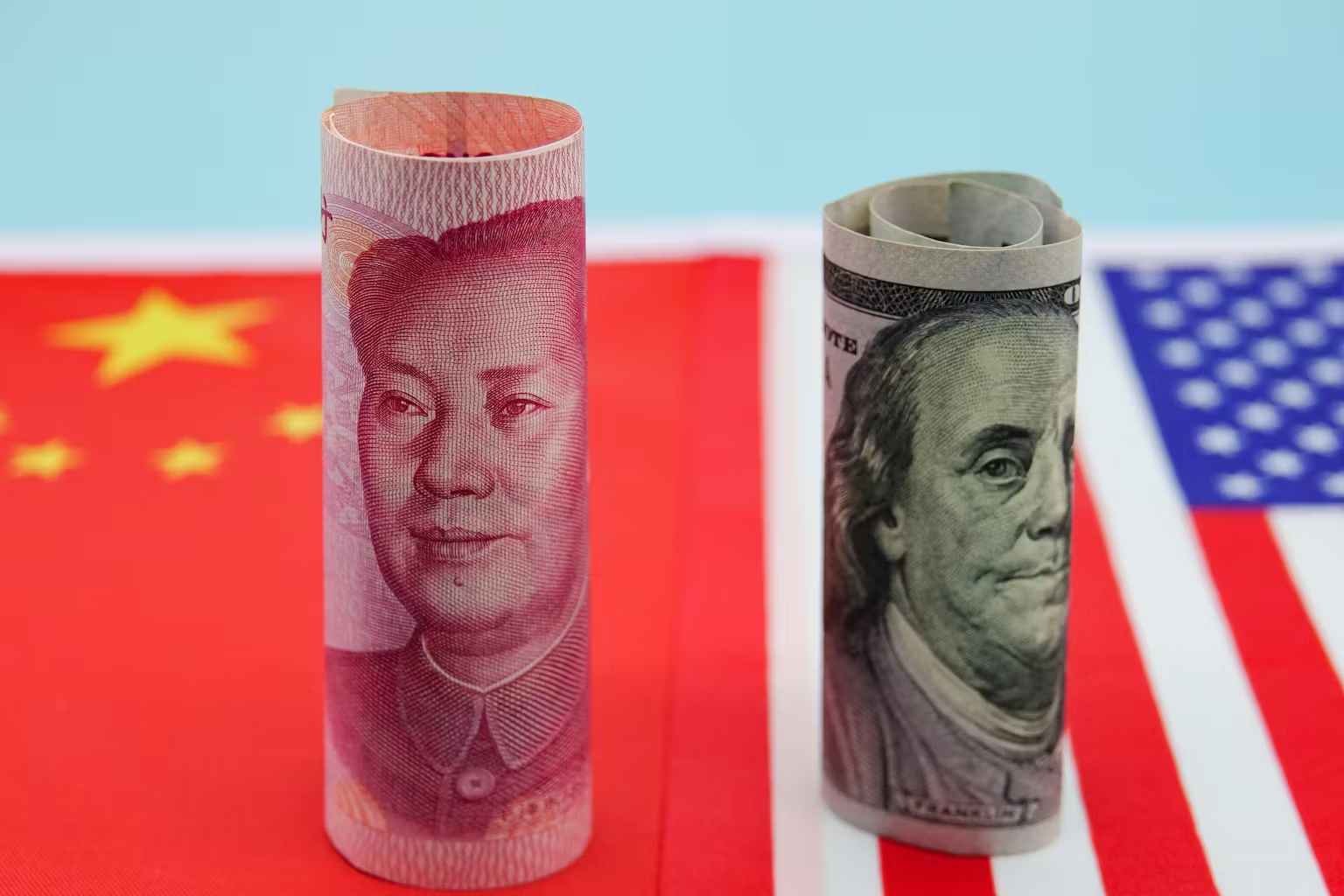
🇺🇸 United States
- Controls the world’s reserve currency (US Dollar)
- Uses interest rates and monetary policy
🇨🇳 China
- Manages its currency (Yuan) to support exports
- Keeps tight control over exchange rates
🇪🇺 European Union
- Uses policies from the European Central Bank
- Focuses on balancing growth and inflation
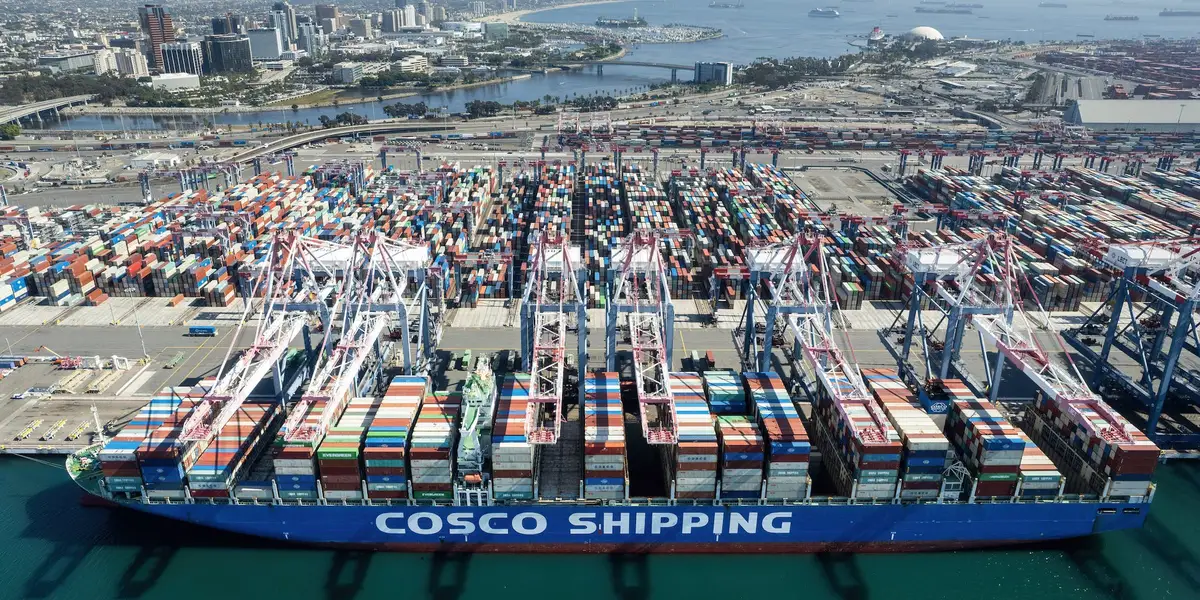
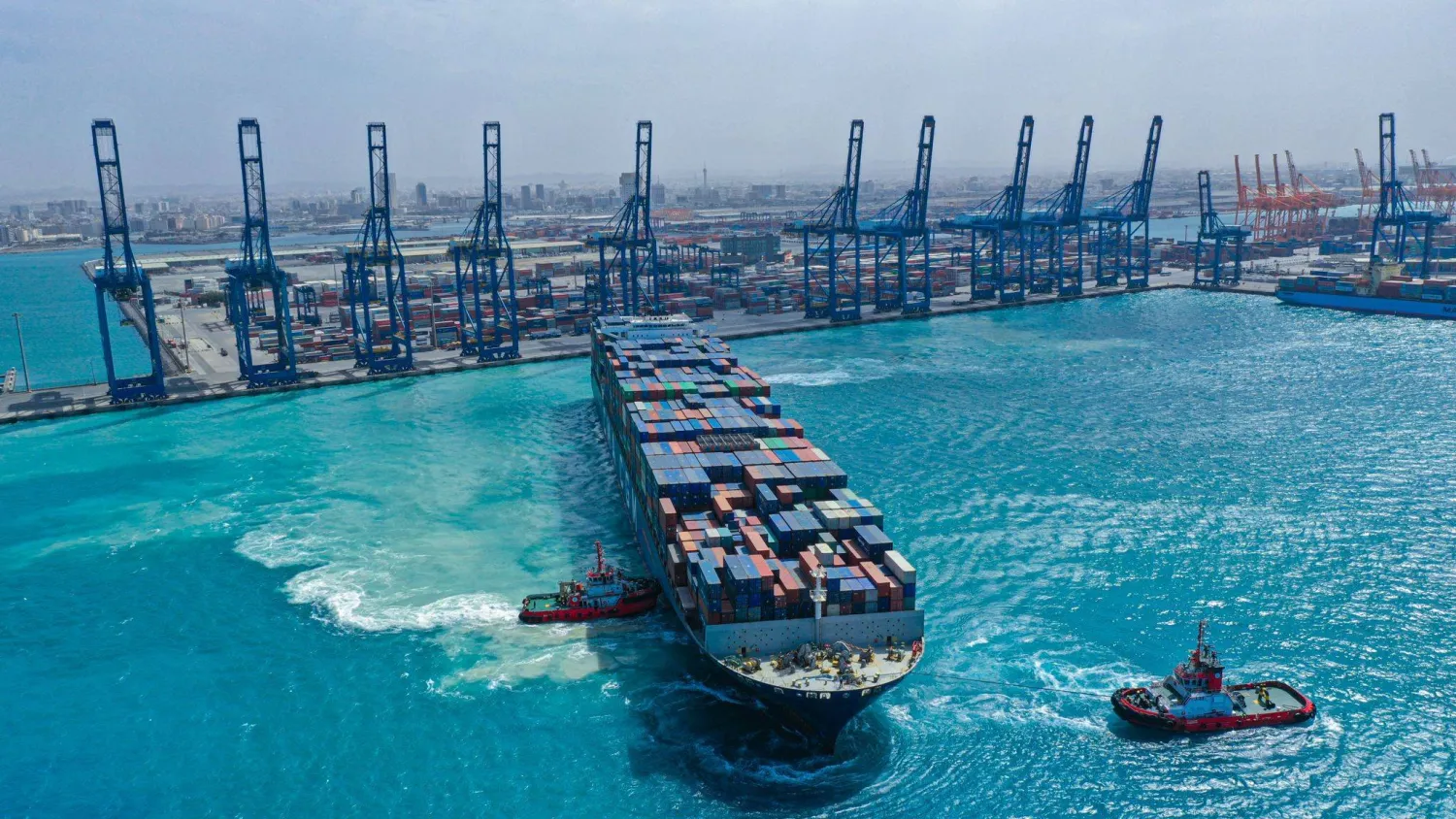
Impact on Global Trade
Currency wars directly affect international trade:
Key effects:
- Export advantages for weaker currencies
- Trade imbalances between nations
- Increased global competition
Countries with stronger currencies may struggle to compete.
Financial Market Volatility
Currency fluctuations create uncertainty in global markets.
Market reactions:
- Forex market volatility
- Stock market instability
- Capital shifting between countries
Investors often move funds to safer currencies during uncertainty.
Risks of Currency Wars
While beneficial in the short term, currency wars can create problems:
- Inflation due to rising import costs
- Global trade tensions
- Risk of economic retaliation
If multiple countries devalue currencies at once, it can lead to instability worldwide.
Future Outlook
Currency wars are likely to continue as economies compete for growth.
Emerging trends:
- Rise of digital currencies (CBDCs)
- Reduced dependence on single reserve currencies
- Stronger financial regulations
Key Takeaways
- Currency wars are economic competition through exchange rates
- Major economies use monetary policies to influence currency value
- They impact trade, inflation, and global markets
- Long-term risks include instability and economic conflict