

Currency Devaluation During Wars Explained
Introduction
Wars often create significant economic pressure on countries involved in or affected by the conflict. One of the most common financial consequences of war is currency devaluation. Currency devaluation occurs when a country’s currency loses value compared to other currencies.
During wartime, governments may face rising military expenses, declining trade, economic uncertainty, and reduced investor confidence. These factors can weaken a nation’s currency and cause major changes in global financial markets.
Understanding how and why currency devaluation occurs during wars helps explain broader economic effects such as inflation, trade imbalances, and financial instability.
What Is Currency Devaluation?
Currency devaluation refers to a decline in the value of a country’s currency relative to other currencies.
For example, if a country’s currency weakens, it means it takes more of that currency to buy foreign goods or exchange for other currencies.
Key Characteristics of Currency Devaluation
-
Lower purchasing power internationally
-
Higher cost of imported goods
-
Changes in trade competitiveness
-
Increased inflation risks
Devaluation can occur gradually or rapidly depending on economic conditions.
Why Wars Cause Currency Devaluation
Wars place significant pressure on national economies, which can weaken currencies.
Main Reasons for Currency Devaluation During War
Rising government spending
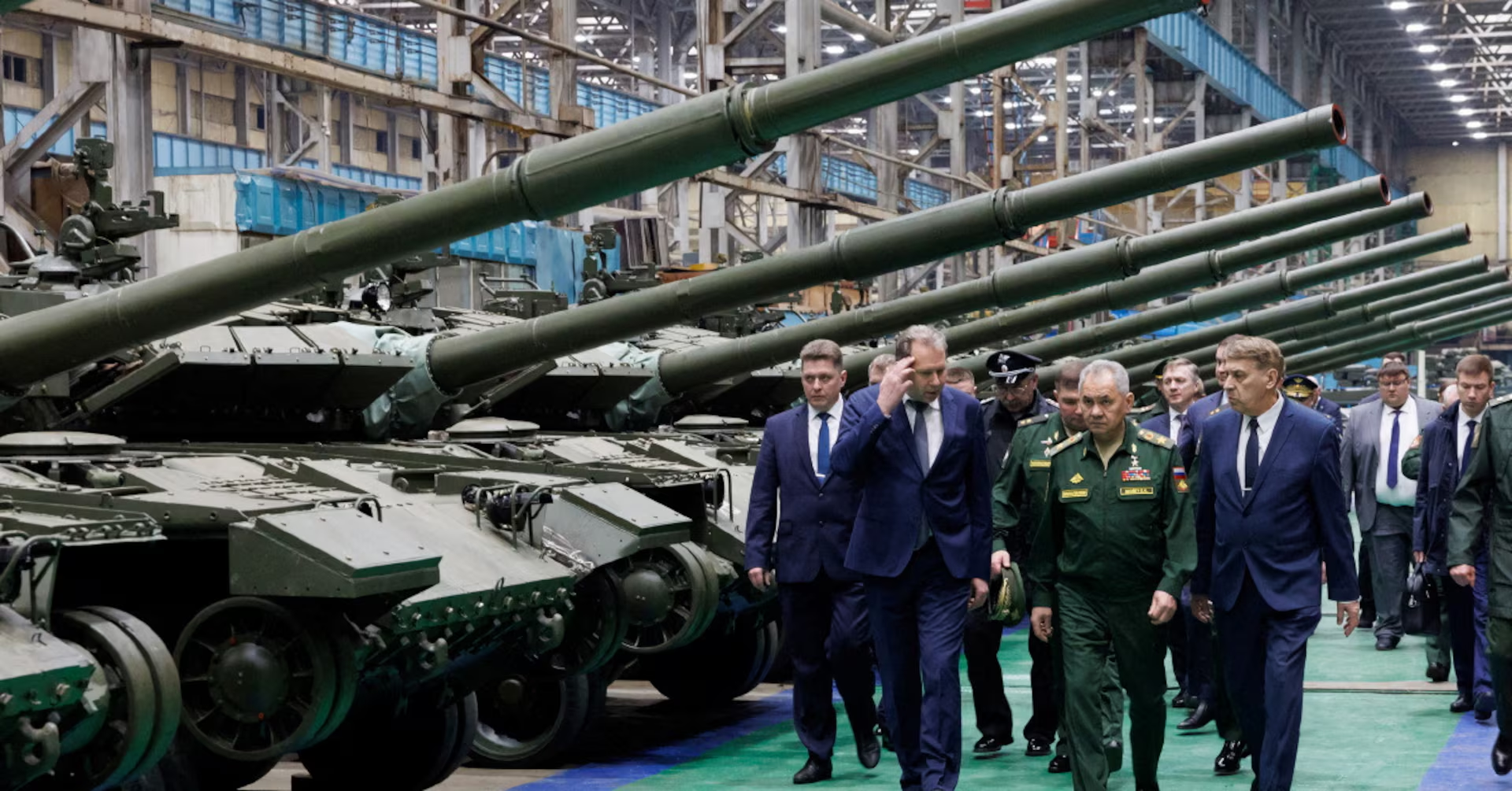
Military operations require large budgets, increasing government debt.
Declining investor confidence
Investors may move capital to safer countries during conflicts.
Trade disruptions
Wars can interrupt exports and imports, reducing economic activity.
Economic instability
Political uncertainty may weaken financial markets and national currencies.
Together, these factors often push currencies downward during conflicts.
Inflation and Currency Weakness
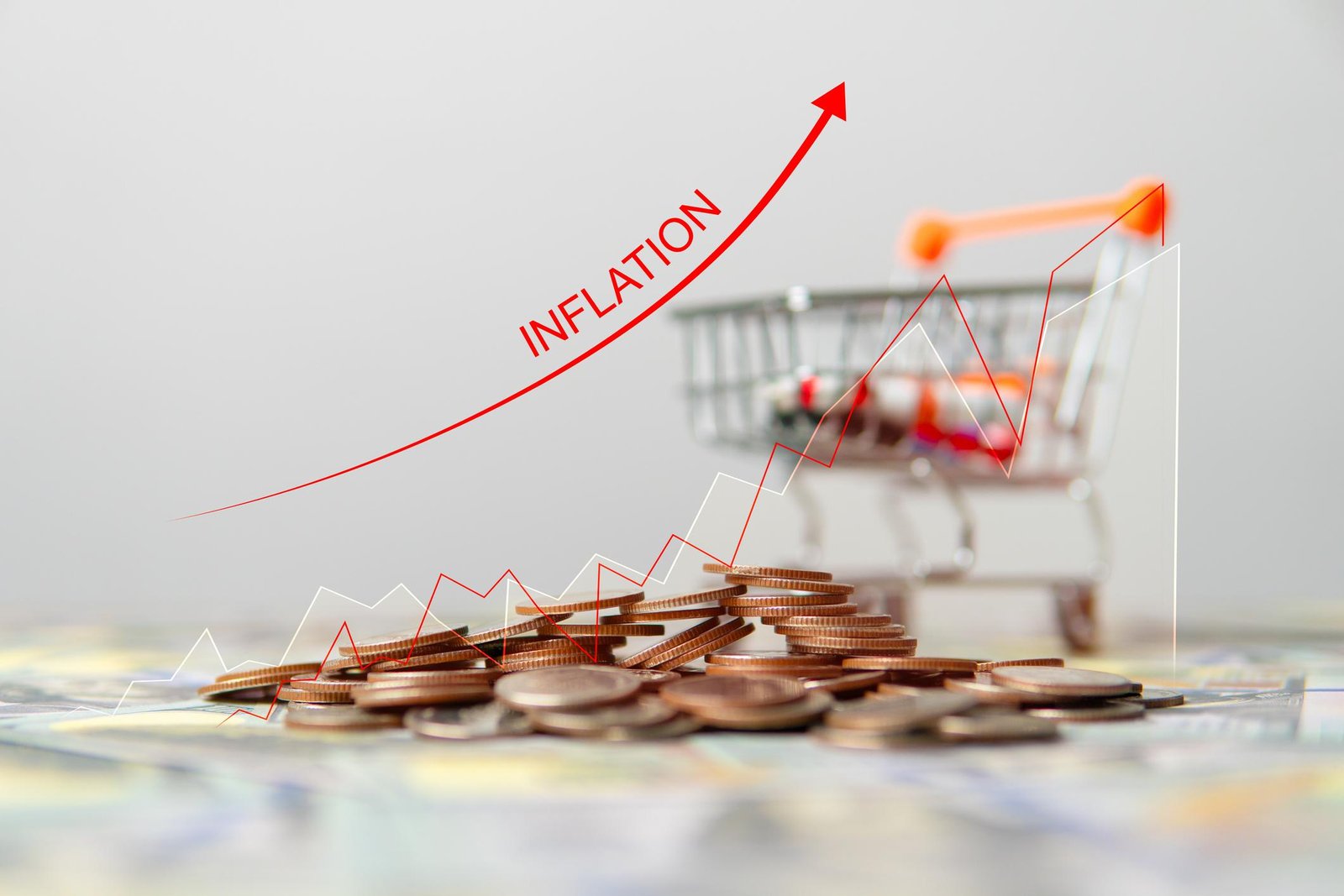
Currency devaluation often leads to higher inflation.
When a currency weakens, imported goods become more expensive. This increase in import costs spreads across the economy and pushes consumer prices higher.
Common Inflation Effects
-
Rising food prices
-
Higher energy costs
-
Increased transportation expenses
-
Reduced purchasing power for consumers
These effects can significantly impact everyday life during wartime.
Impact on Global Trade
Currency changes can also influence international trade.
Trade Effects of Currency Devaluation
Exports may become cheaper
A weaker currency can make a country’s exports more competitive globally.
Imports become more expensive
Foreign goods may cost more in local currency.
Trade balances may shift
Countries may adjust trade relationships based on currency values.
These shifts can reshape global trade flows during conflict periods.
Financial Market Reactions
Financial markets often react quickly to currency devaluation during war.
Typical Market Reactions
-
Increased volatility in currency markets
-
Capital moving to stable economies
-
Rising demand for safe-haven assets
-
Central bank interventions to stabilize currencies
These reactions can influence international investment flows.
Safe-Haven Currencies During Conflicts
During global conflicts, investors often move their money into safe-haven currencies.
Examples of Safe-Haven Currencies
-
US Dollar
-
Swiss Franc
-
Japanese Yen
These currencies are supported by strong economies, stable financial systems, and global investor confidence.
Historical Examples of Currency Devaluation During Wars
History provides many examples of currencies weakening during major conflicts.
Examples
World War I and World War II
Many countries experienced inflation and currency depreciation due to heavy military spending.
Regional conflicts
Wars in various regions have caused sudden currency drops and financial instability.
These historical cases illustrate how closely currencies are tied to geopolitical stability.
Government Responses to Currency Crises
Governments and central banks may attempt to stabilize currencies during wartime.
Common Policy Responses
-
Raising interest rates
-
Controlling inflation through monetary policy
-
Using foreign currency reserves
-
Introducing capital controls
These measures aim to maintain financial stability during difficult economic conditions.
Frequently Asked Questions (FAQ)
Why do currencies lose value during war?
Wars increase government spending, disrupt trade, and reduce investor confidence, which can weaken national currencies.
Does currency devaluation always cause inflation?
Often yes, because imported goods become more expensive when a currency weakens.
Can a weaker currency help exports?
Yes. A weaker currency can make exports cheaper and more competitive in international markets.
How do investors react to currency instability?
Investors often move funds into safe-haven assets such as gold, government bonds, or stable currencies.