

Countries With the Strongest War-Time Economies
Introduction
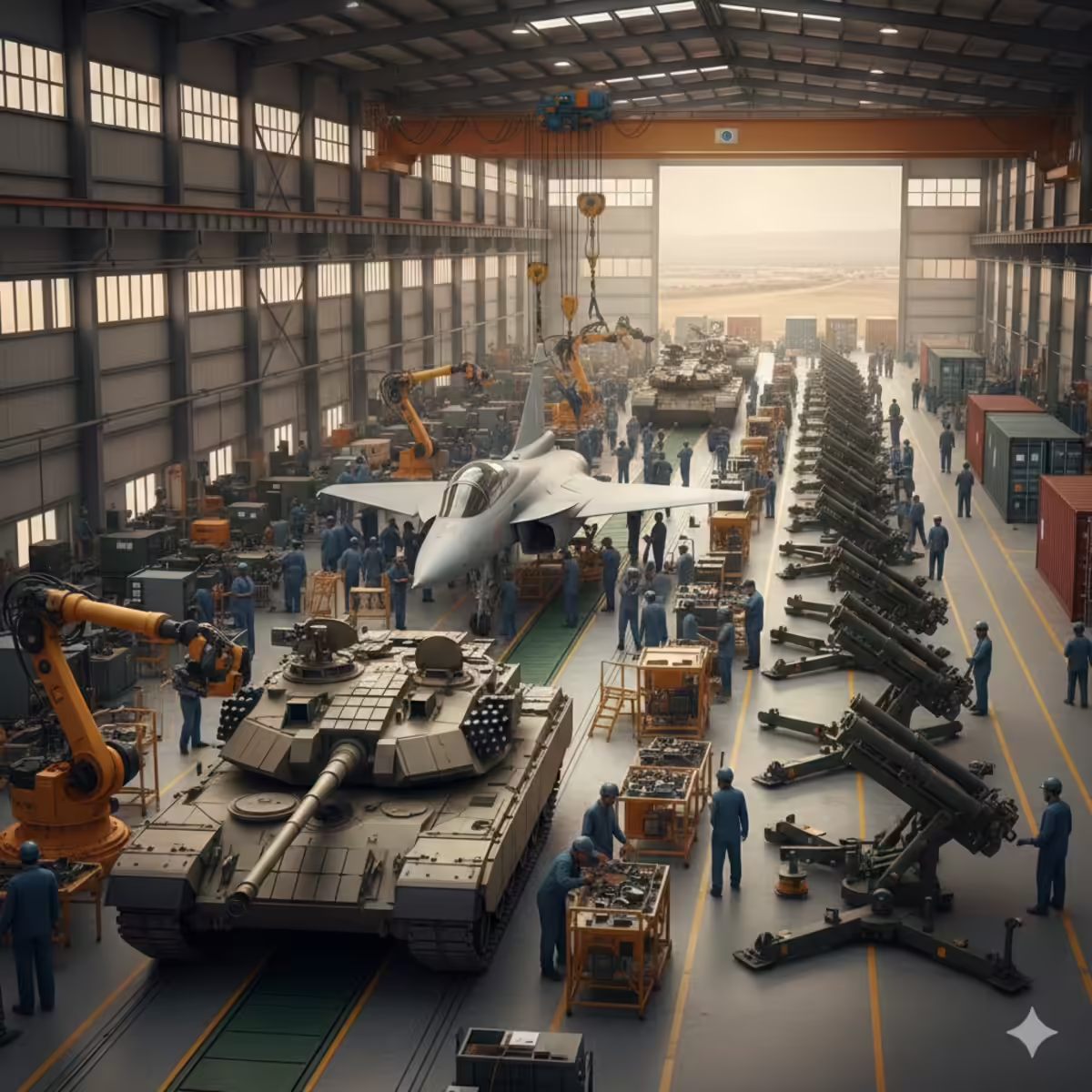
During global conflicts, some countries manage not only to survive economically but even grow stronger. These nations have war-time economies—systems built to sustain production, support military needs, and maintain financial stability under pressure. Their strength comes from industrial capacity, energy resources, and strategic planning.
🇺🇸 United States – The Global Powerhouse
The United States has one of the strongest war-time economies in history.
Why it stands out:
-
Massive defense industry and advanced technology
-
Strong dollar used in global trade
-
Ability to increase production quickly
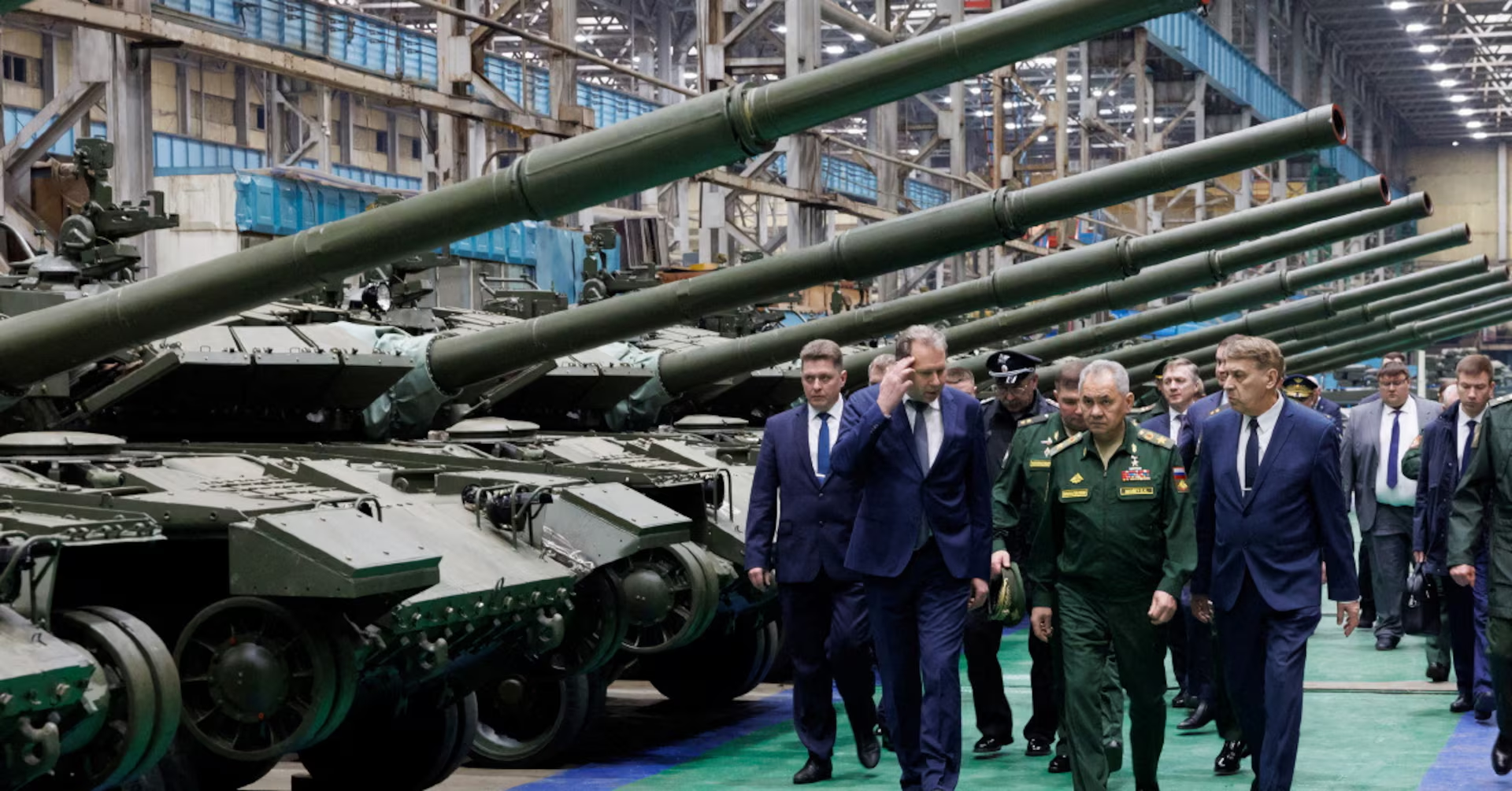
During major wars, the U.S. economy has often expanded due to high demand for weapons, equipment, and innovation.
🇨🇳 China – Manufacturing Giant
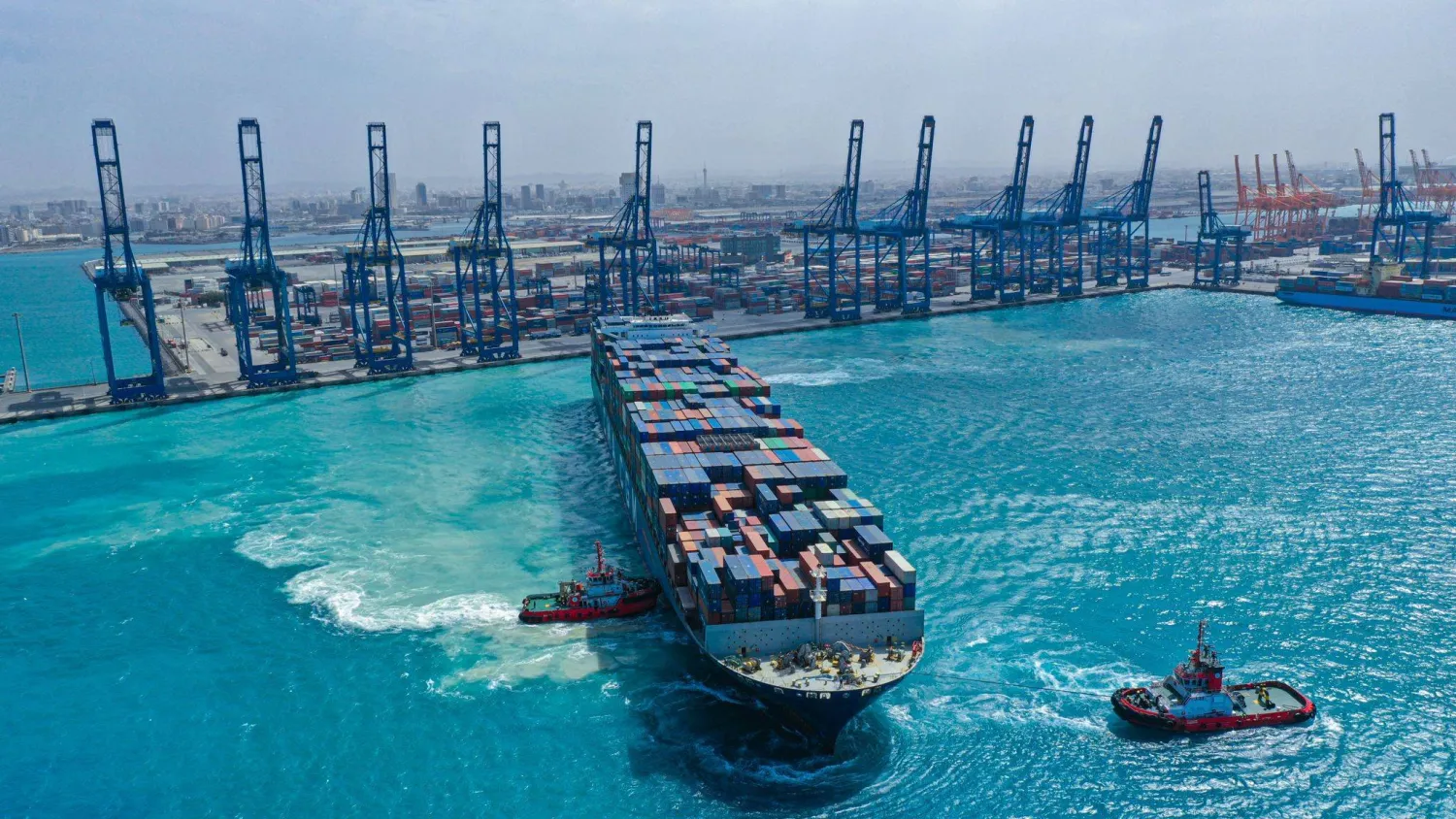
China plays a critical role in global supply chains.
Key strengths:
-
World’s largest manufacturing base
-
Strong government control over industries
-
Ability to produce goods at scale
In conflict situations, China can rapidly shift production to support both domestic and allied needs.
🇷🇺 Russia – Energy Superpower
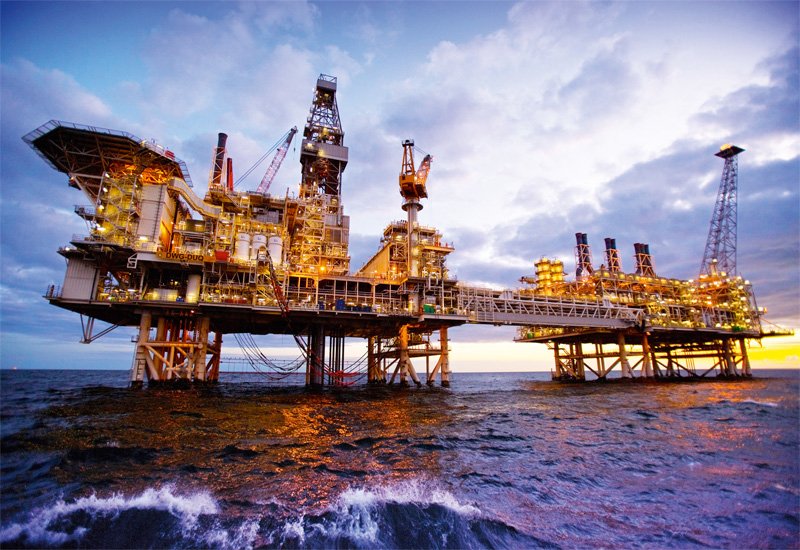
Russia’s economy is heavily supported by its vast natural resources.
Major advantages:
-
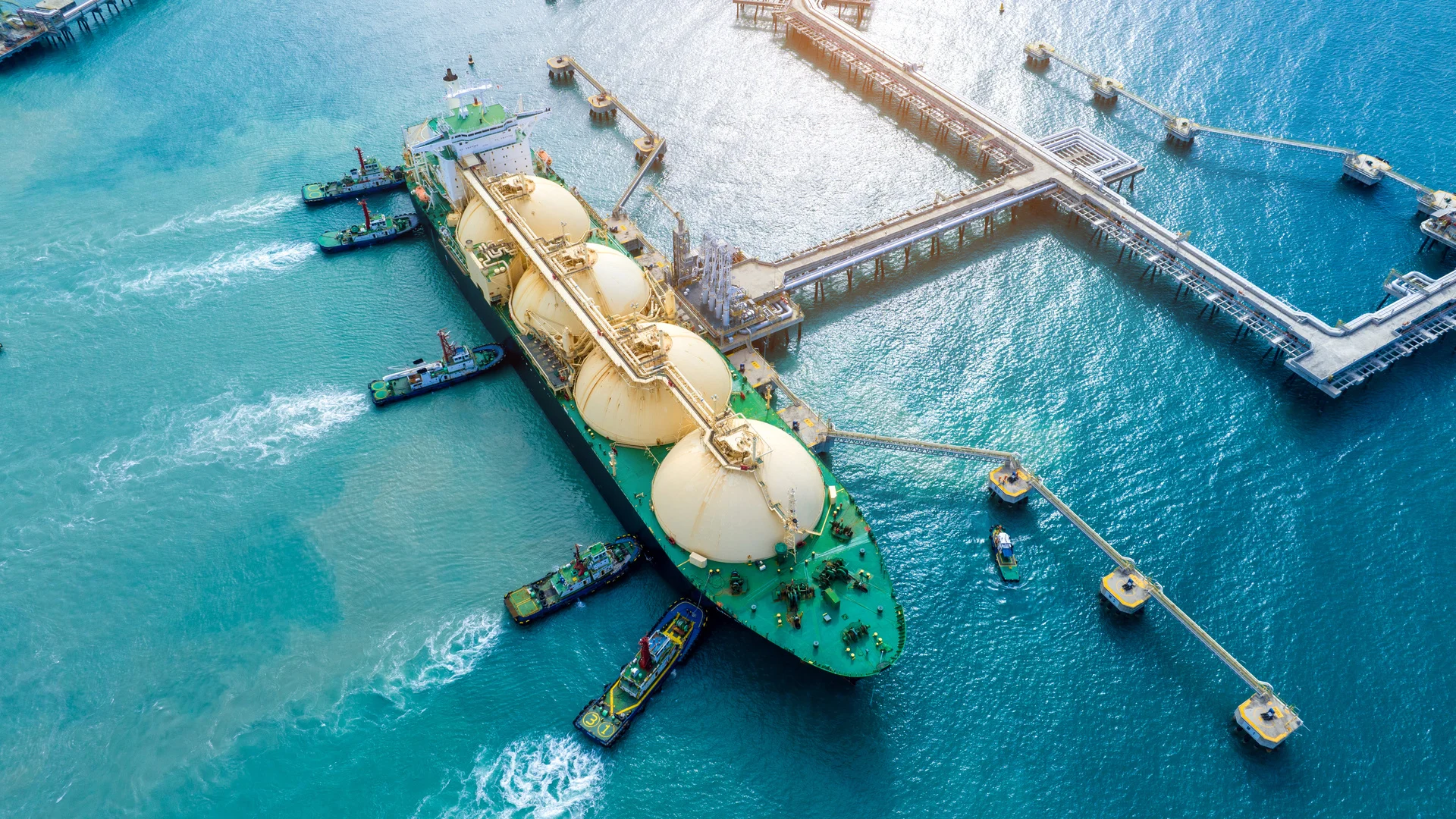
Large oil and gas reserves
-
Strong energy exports even during sanctions
-
Strategic trade partnerships
Even under economic pressure, energy demand keeps revenue flowing.
🇩🇪 Germany – Industrial Strength
Germany has a highly developed industrial economy.
Core strengths:
-
Advanced engineering and manufacturing
-
Strong export economy
-
Efficient infrastructure
During wartime, Germany’s industrial base can support large-scale production.
🇮🇱 Israel – Defense Innovation Leader
Israel is known for its cutting-edge defense technology.
What makes it strong:
-
Advanced military tech sector
-
High investment in research and development
-
Strong global defense exports
Its economy benefits from continuous innovation and global demand for security solutions.
Key Factors Behind Strong War-Time Economies
Countries that perform well during war usually share these traits:
-
Industrial capacity – Ability to produce goods quickly
-
Energy independence – Access to oil, gas, or resources
-
Technological advancement – Innovation in defense and infrastructure
-
Financial stability – Strong currency and banking systems
-
Global influence – Strong trade and political alliances
Global Impact
Strong war-time economies often shape global markets by:
-
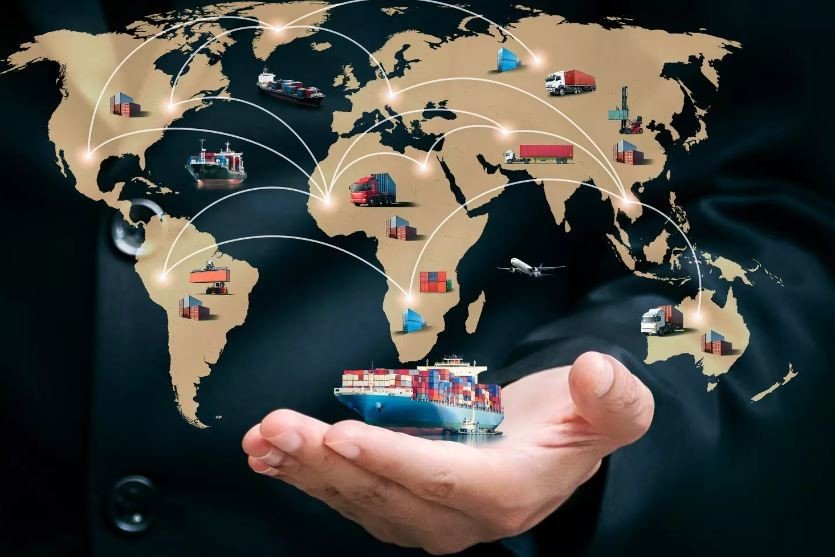
Controlling supply chains
-
Influencing commodity prices
-
Attracting global investments
These nations can shift the balance of economic power during crises.