

Dubai Real Estate: Dubai Property Law for Expats
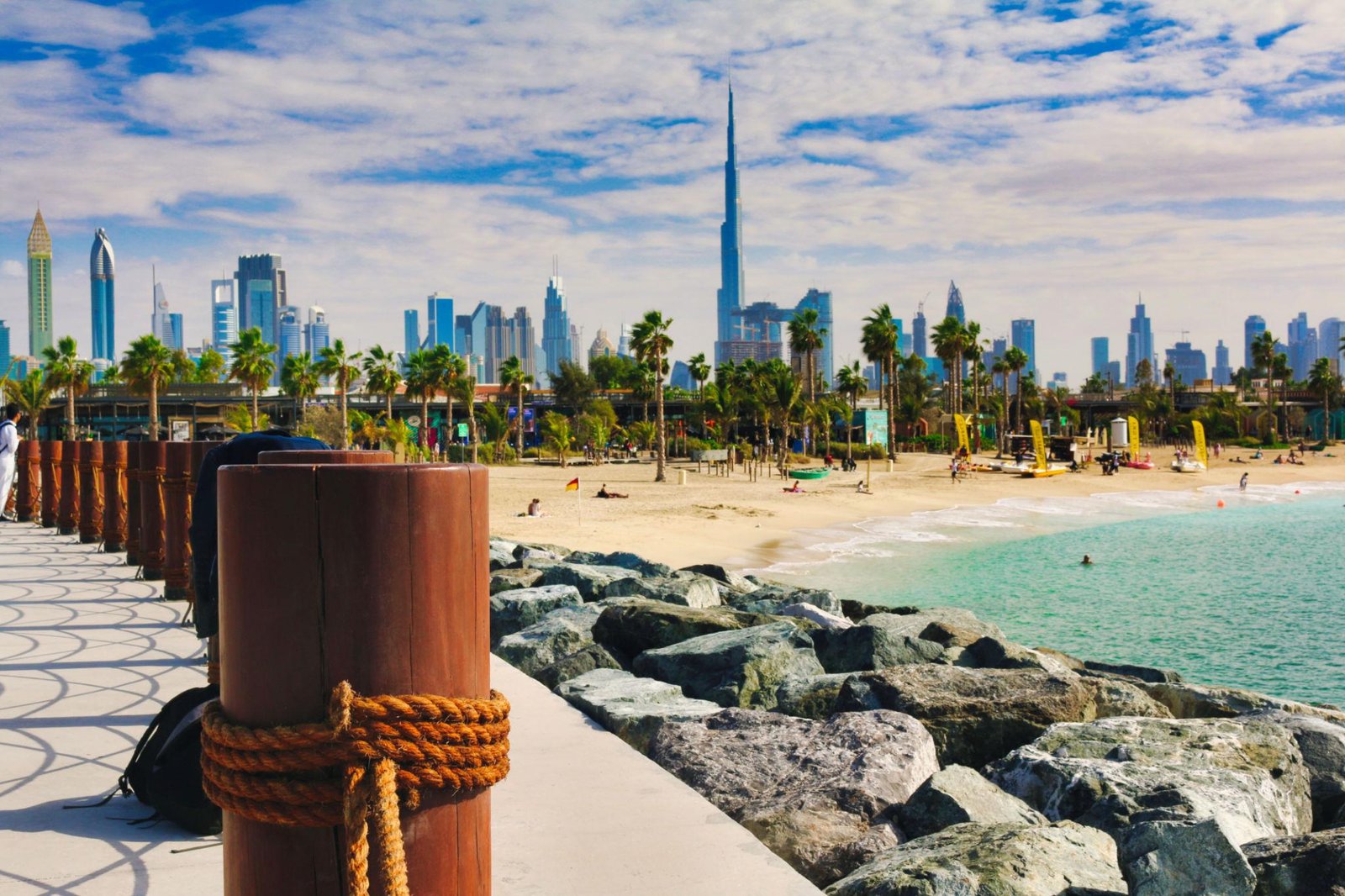
Dubai has become one of the most popular property markets for foreign investors. With zero annual property tax, strong rental yields, and investor-friendly policies, many expats choose to buy property here.
But before investing, you must understand Dubai property law for expats. This guide explains everything in simple, clear English so you can invest safely and legally.
Can Expats Buy Property in Dubai?
Yes. Expats are allowed to buy property in specific freehold areas in Dubai.
In 2002, the government introduced laws allowing foreigners to own property in designated zones. Since then, the market has grown rapidly.
There are two main types of ownership:
1. Freehold Ownership
-
Full ownership of property and land
-
Right to sell, rent, or lease
-
Can pass property to heirs
2. Leasehold Ownership
-
Ownership for 10–99 years
-
Land belongs to the original freeholder
Most expats choose freehold properties for long-term security.
Popular Freehold Areas for Expats
Some top areas where expats can legally buy property include:
-
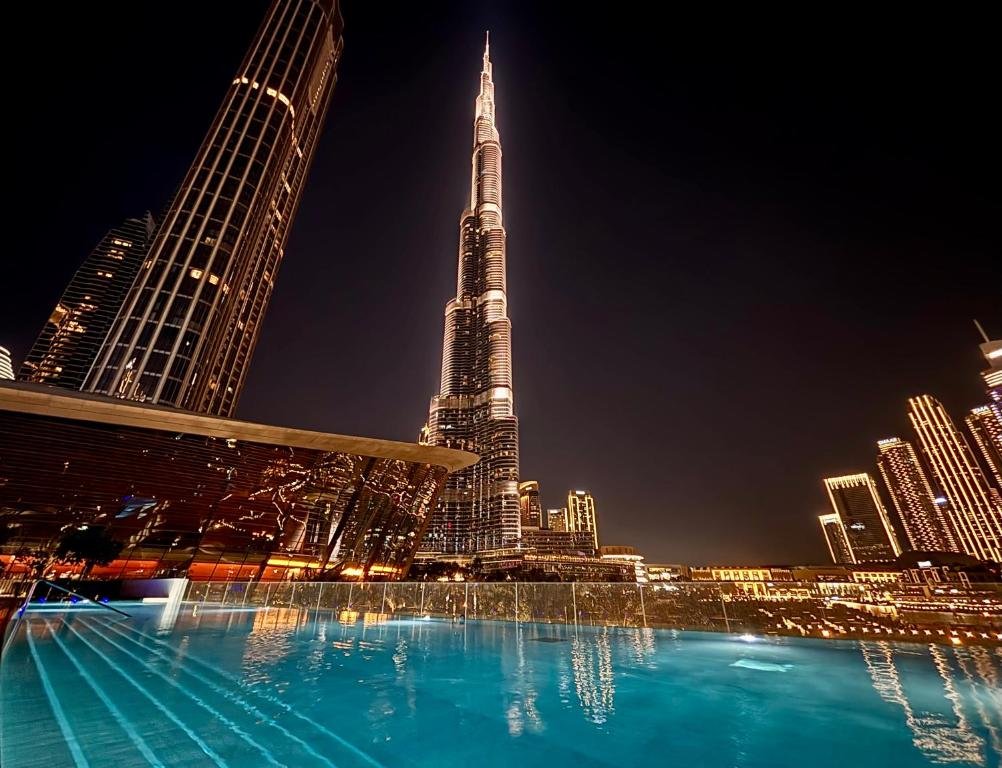
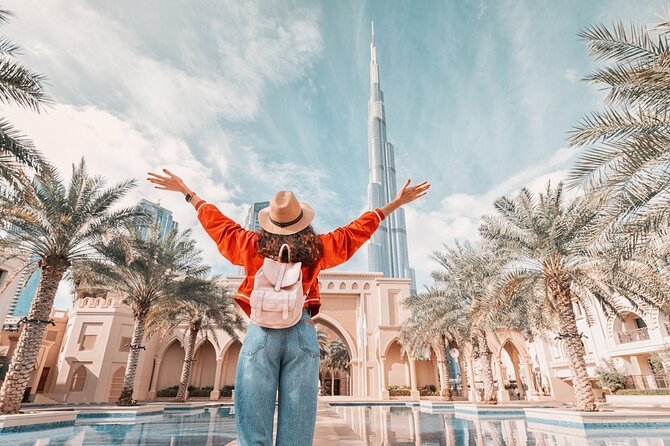
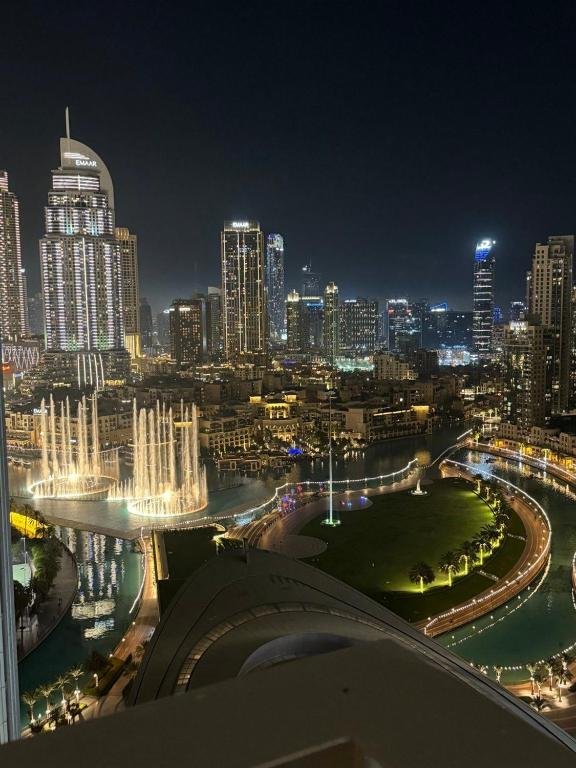
Downtown Dubai
-
Dubai Marina
-
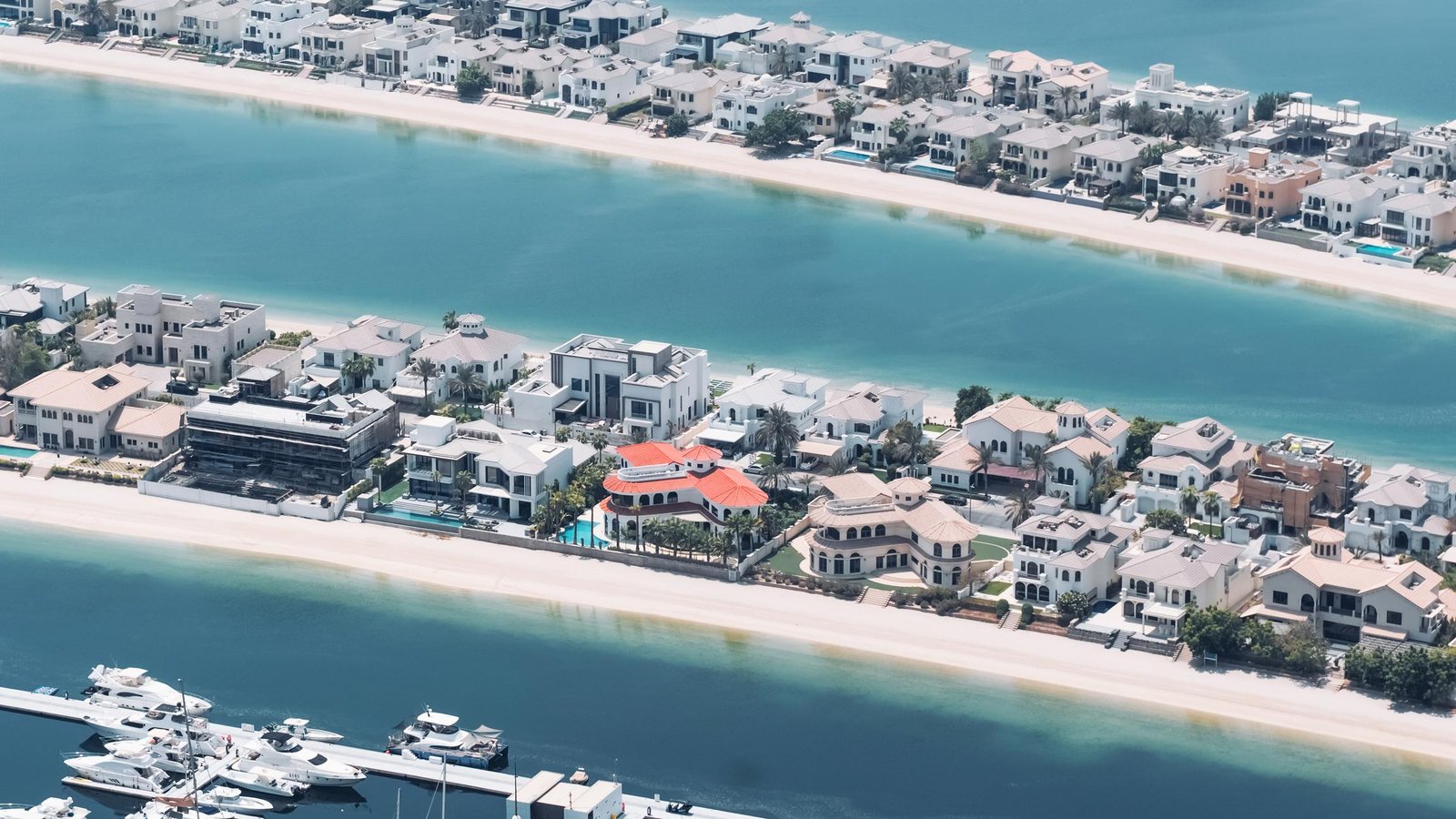
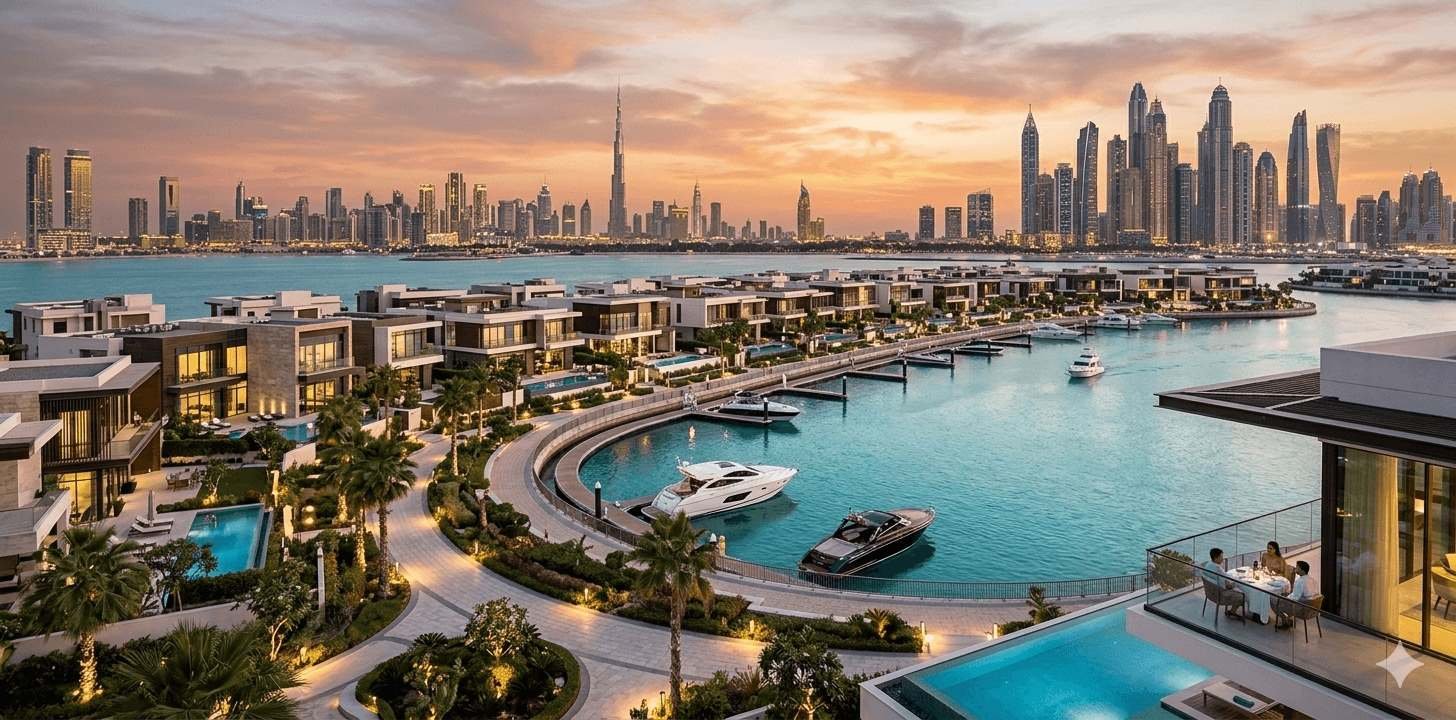
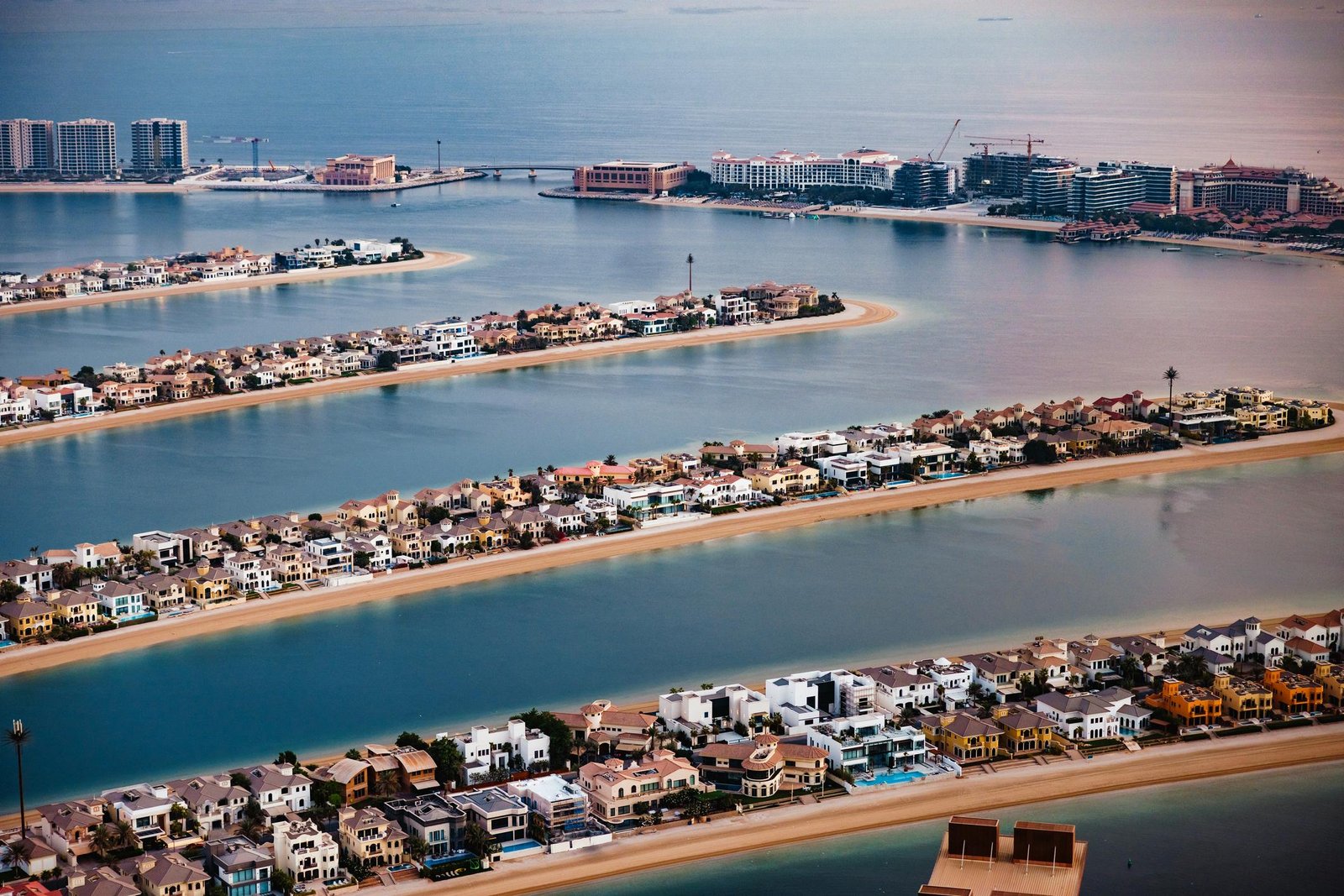
Palm Jumeirah
-
Business Bay
These locations are popular because of strong rental demand and high resale value.
Who Regulates Dubai Real Estate?
Property transactions in Dubai are regulated by:
-
Dubai Land Department (DLD)
-
Real Estate Regulatory Agency (RERA)
They ensure:
-
Legal registration of ownership
-
Developer monitoring
-
Escrow protection for buyers
-
Transparent processes
Always confirm that your real estate agent is RERA licensed.
Step-by-Step Process to Buy Property
Here is how expats legally buy property in Dubai:
Step 1: Select the Property
Choose between:
-
Ready property
-
Off-plan property (under construction)
Step 2: Sign the Memorandum of Understanding (MOU)
This agreement includes:
-
Sale price
-
Payment terms
-
Transfer date
Buyer usually pays a 10% deposit.
Step 3: Obtain No Objection Certificate (NOC)
The developer issues NOC confirming no outstanding dues.
Step 4: Transfer at Dubai Land Department
Ownership is officially transferred and registered.
Step 5: Pay Required Fees
-
4% DLD transfer fee
-
2% agent commission
-
Admin charges
After this, you receive your official Title Deed.
Residency Visa Through Property Investment
Expats investing in property may qualify for residency:
-
AED 750,000+ → 2-year investor visa
-
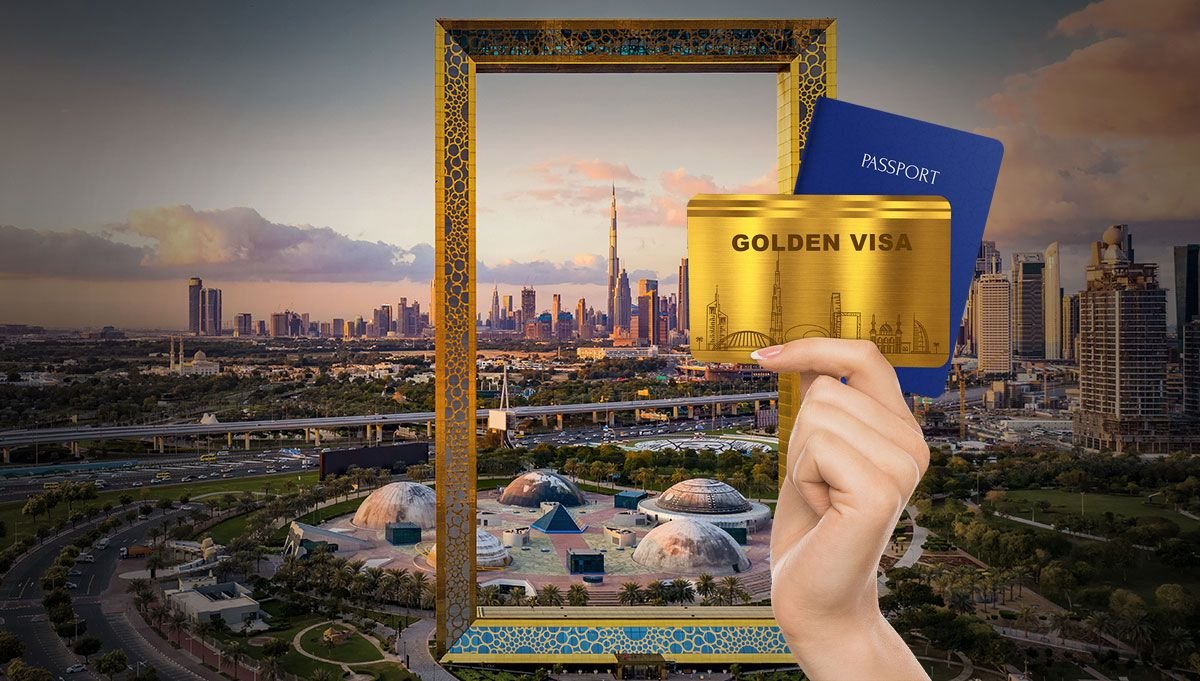
AED 2 million+ → 10-year Golden Visa
Rules may change, so always confirm updated visa requirements before investing.
Mortgage Rules for Expats
Most UAE banks offer mortgages to expats.
Typical requirements:
-
20–25% down payment
-
Maximum 25-year tenure
-
Stable income proof
Interest rates depend on the bank and applicant profile.
Off-Plan Property Laws
Buying off-plan is common in Dubai.
The law protects buyers through:
-
Escrow accounts
-
Approved payment schedules
-
Developer registration under DLD
Always verify that the project is officially registered before paying.
Inheritance Law for Expats
This is very important.
If a property owner passes away:
-
UAE law may apply by default
-
Assets may be temporarily frozen
To protect your family:
-
Register a will with Dubai Courts
-
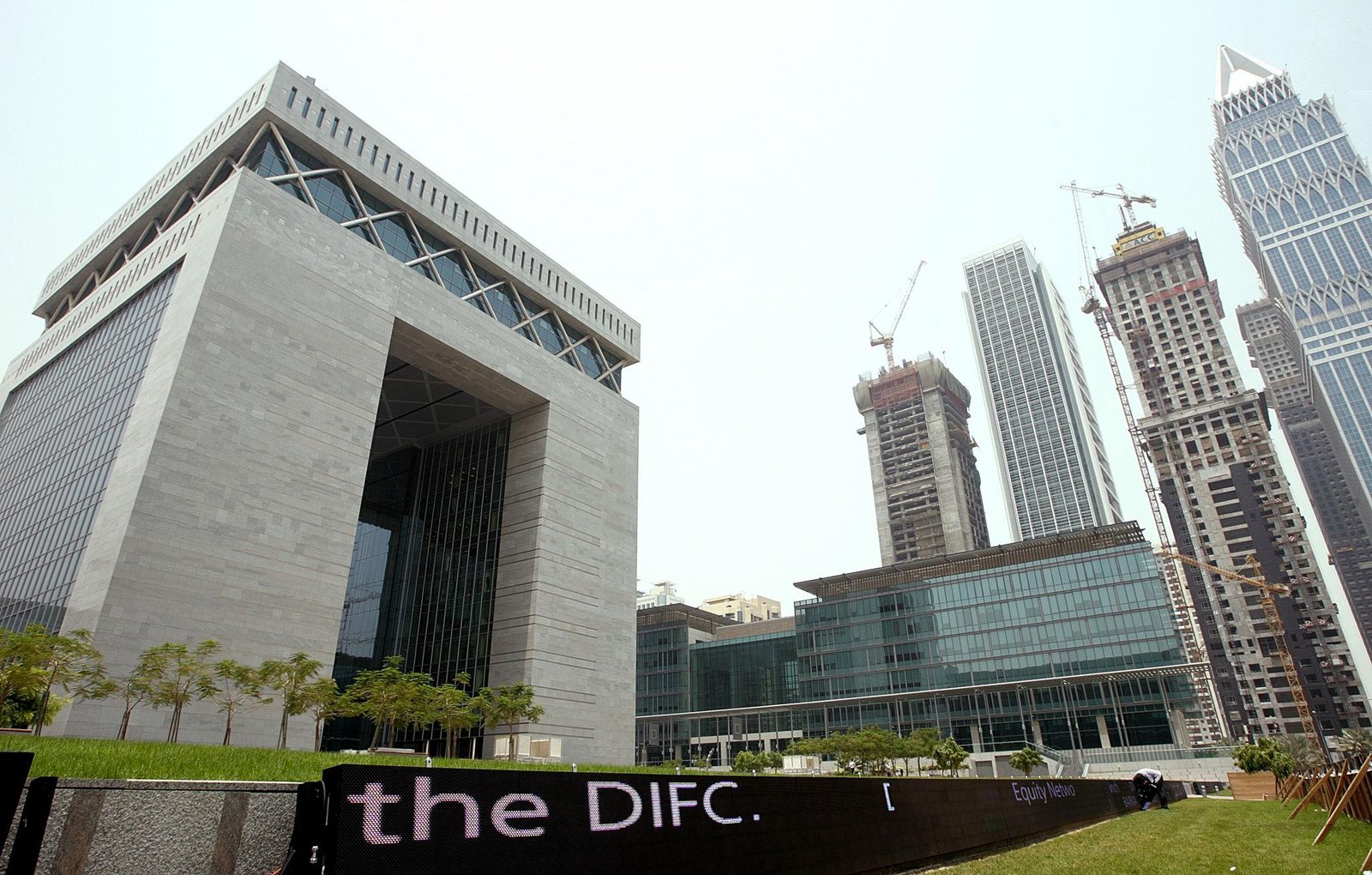
Or use DIFC Wills Service
Proper planning avoids legal complications.
Rental Law in Dubai
If you buy property for rental income, know these rules:
-
Rent increases follow RERA rental index
-
Eviction requires proper legal notice
-
Rental disputes handled by Rental Dispute Center
Dubai rental yields usually range between 6% to 9% in prime areas.
Costs to Consider Beyond Property Price
Besides purchase price, you must budget for:
-
4% DLD registration fee
-
2% agency fee
-
Service charges (annual building maintenance)
-
Mortgage registration fee (if applicable)
Dubai does not charge annual property tax, which makes it attractive compared to many global cities.